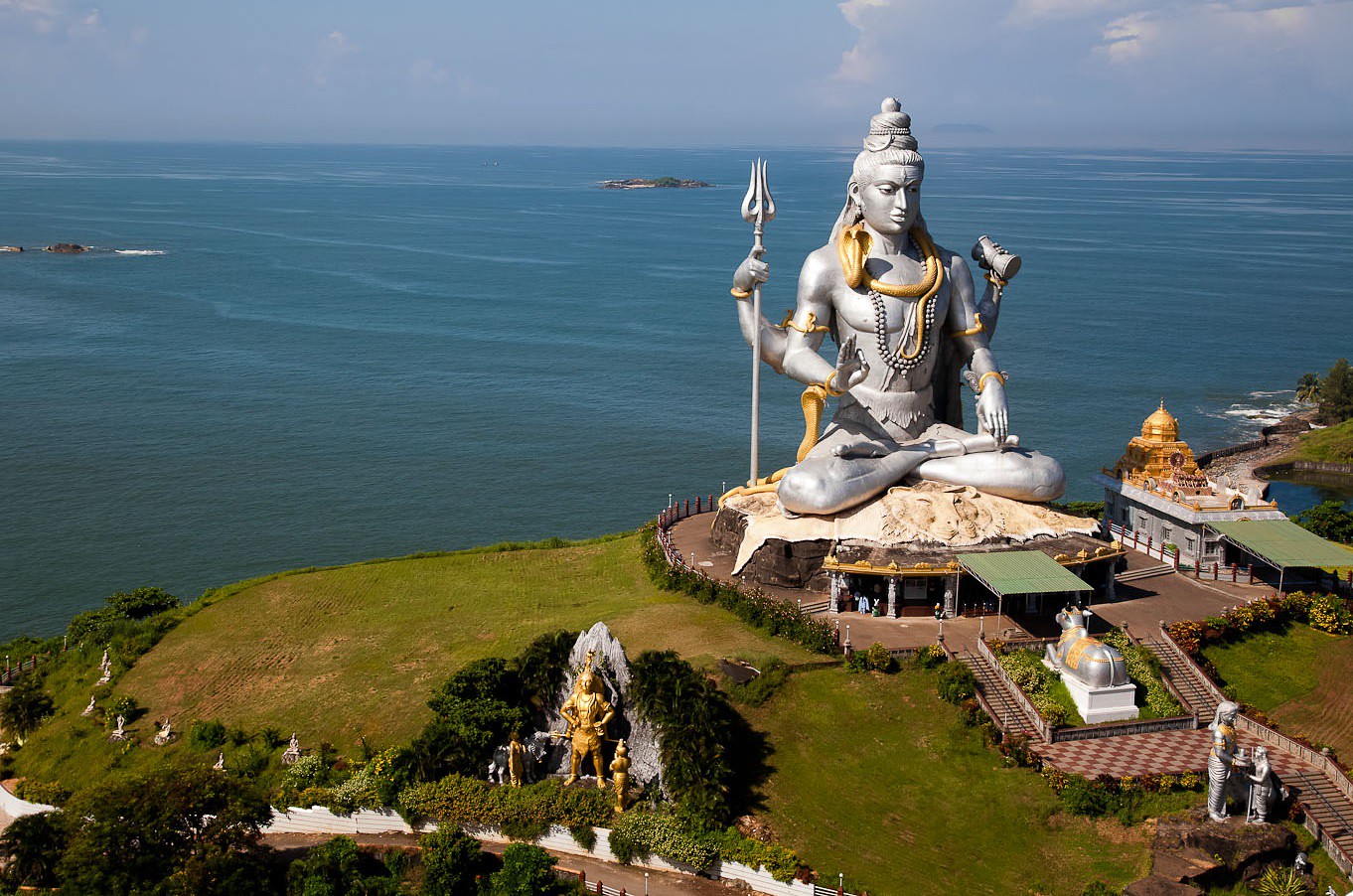


Delhi feels like a bright, cosmic whirlwind. India's capital and second-largest city is in constant motion, whether it's the people, the cultures, the religions or the history.
That makes it an ideal destination for travelers who love layered, multicultural journeys. Whether you're soaking up the historic and sometimes chaotic mood of Old Delhi or the dynamic modernism of the government district in New Delhi, you'll never be bored. (Though you might be surprised by how many green spaces the city has, where you can find a little calm.)
This dozen of standout landmarks only scratches the surface of everything the city has to offer, but it's a great place to start your trip. While the list leans toward historic and religious sites, we've also folded in a few other ideas:
Partner links: booking through them supports the blog at no extra cost to you.
Red Fort
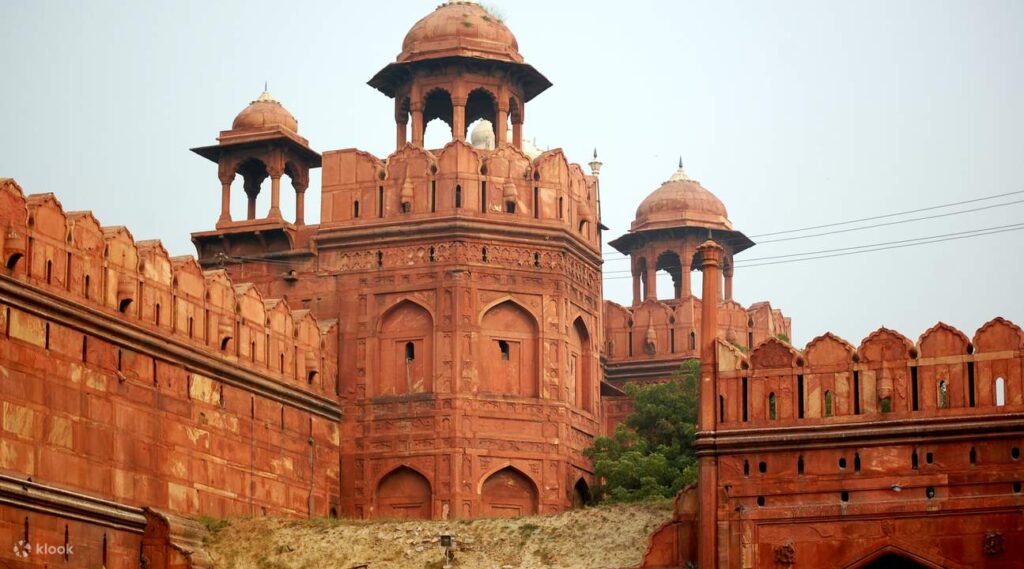
The Mughal Empire, which rose in 1526 and shared a distant family tie with the Mongol Empire, was the dominant power across the Indian subcontinent for two centuries. The Red Fort, also known as Lal Qila, is often seen as the embodiment of the Mughals' creative peak and might.
It takes its name from its red sandstone walls. Rising 33 meters (108 feet), the walls of the Red Fort took shape between 1638 and its completion 10 years later, and they're sure to leave a lasting impression.
The structure is a stunning blend of influences: Islamic, Persian, Timurid and Hindu traditions. Visit the Red Fort and witness the grand history of Delhi.
Jama Masjid
Remember this name: the Mughal emperor Shah Jahan. It comes up again and again on historical tours of Delhi and India. He began building the Jama Masjid mosque in 1644 and finished it in 1656. (He's also the leader who built the Red Fort and a mausoleum you may know, the Taj Mahal.)
The courtyard of the Jama Masjid can hold up to 25,000 people, and this vast mosque is the largest in India.
The mosque has three grand gateways, four towers and two minarets. Near the northern gate, visitors can rent robes for their tour. Tourists aren't admitted during prayer times, but outside those hours entry is free.
Swaminarayan Akshardham
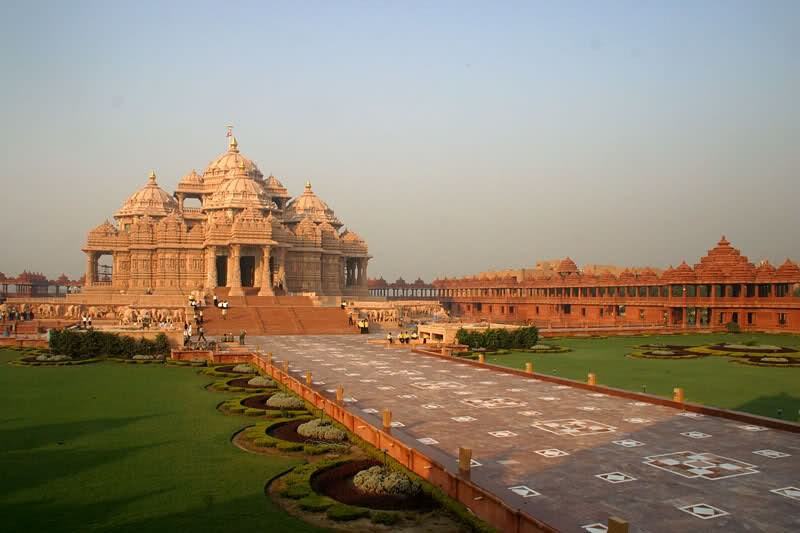
While you could visit any number of Hindu temples reaching deep into time and history, one of the most breathtaking may be Swaminarayan Akshardham, a relative newcomer on the scene, opened in November 2005.
Visitors will see a masterfully crafted sandstone and marble mandir (or house of worship) with elephant carvings around its base. In this "spiritual and cultural complex dedicated to devotion, learning and harmony," you'll also find open gardens and water features.
The mandir was built in honor of Bhagwan Swaminarayan (1781-1830), a leading religious figure of his time who placed special emphasis on serving the poor, on nonviolence and on the emancipation of women.
Bahai House of Worship (Lotus Temple)
Another "newcomer" in relative historical terms is the Bahai House of Worship (Lotus Temple), which opened in December 1986. One look at the building and you'll understand that nature inspired its remarkable design: the lotus flower holds a special place in Indian culture across its many religions.
The temple says it draws between 8,000 and 10,000 visitors a day. It sits on beautiful grounds with palm trees and other greenery. Its open, spacious interior stirs the imagination.
Prayer services take place at 10 a.m., noon, 3 p.m. and 5 p.m., and you may hear prayers from different religions chanted or read aloud.
Qutb Minar
The Qutb Minar is known as one of the finest landmarks not only in Delhi but in all of India. And perhaps in the whole world.
It rises 73 meters (that's 240 feet). What makes it even more remarkable is its age: construction began back in 1193. It was built as a victory tower by Qutab-ud-din Aibak to mark the defeat of Delhi's last Hindu kingdom.
Take a close look at the five distinct stories. The materials and architectural styles change the higher you climb, since the work spanned many centuries.
Humayun's Tomb
This is one of the earliest monuments of the Mughal Empire, considered one of the finest examples of Mughal architecture, which was heavily influenced by Persia.
It was built in 1565 at the direction of Humayun's senior widow. He was the son of the conqueror Babur and the second leader of an empire that stretched across what is now Afghanistan, Pakistan and Bangladesh, as well as northern India.
Among its notable features are garden squares and water channels. A historical note: other Mughal rulers are buried here too, and it's a UNESCO World Heritage Site.
National Rail Museum
Railways played an undeniable role in shaping modern India, and you can learn all about it at the National Rail Museum.
Displays of signaling equipment, antique furniture and elegant vintage carriages are sure to please.
And don't miss the "Fairy Queen." Built in 1855, it's a striking example of a steam locomotive from that era. If you're traveling with kids, be sure to take them for a spin on the miniature train on the museum grounds. And if you arrive in Delhi on one of its notoriously hot days, there are plenty of indoor exhibits here.
Nizamuddin Dargah
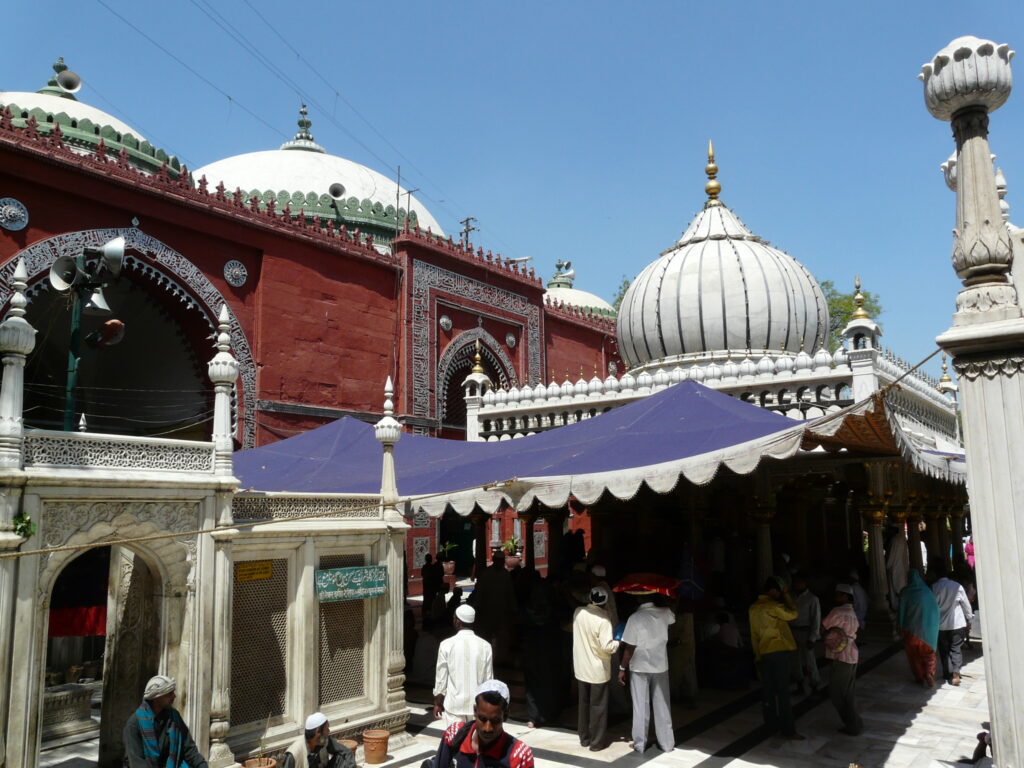
Another must-see in Delhi's melting pot of religious landmarks is the Nizamuddin Dargah.
It's the mausoleum of one of the greatest Sufi saints, Hazrat Khwaja Syed Nizamuddin Auliya, who lived from 1238 to 1325. (Sufism is a mystical strand of Islam in which spiritual growth and emotion take precedence over legalism and strict theology.)
You'll find the dargah in the lively neighborhood of the Nizamuddin West Muslim market, which has become a key place to stay and visit in the southern part of central Delhi. It sits 1.2 kilometers (less than a mile) from Humayun's Tomb, if you'd like to see both sights on a single outing.
Shri Digambar Jain Lal Mandir (Bird Hospital)
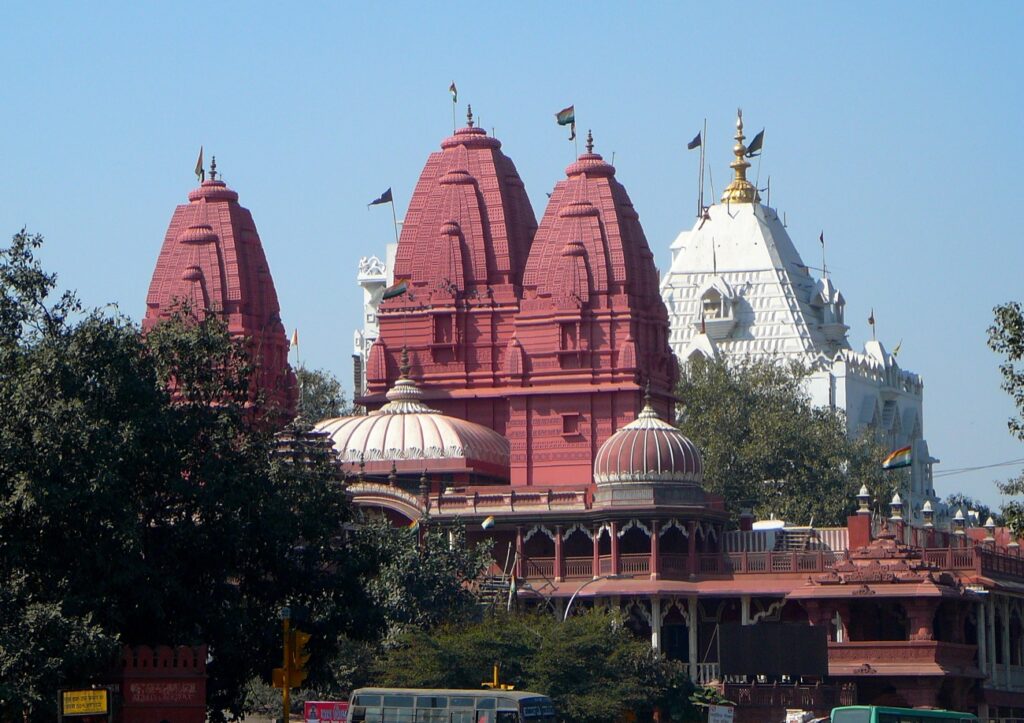
Across from the far more frequently visited and better-known Red Fort, you'll find this intriguing and perhaps surprising place.
Shri Digambar Jain Lal Mandir is a Jain temple, whose ancient Indian religion emphasizes nonviolence toward all living beings.
In that spirit, this temple, with its intricate carvings and decorative paintings, is home to a charitable bird hospital. Partridges, pigeons, parrots, sparrows and domestic birds are treated here. Injured squirrels that pose no threat to the birds are also cared for.
Before entering, visitors must remove their shoes and any leather items.
Hauz Khas Village
Hauz Khas Village has become one of the best places in the capital to shop, eat and simply enjoy the atmosphere of Delhi.
Anchored by the lovely Deer Park, creative people from all over Delhi and the rest of India flock to this increasingly thriving neighborhood to open boutiques, restaurants, art shops and much more.
Old Famous Jalebi Wala
Indian cuisine is beloved around the world today, and getting to know the local food is one of the highlights of a trip to Delhi.
In our piece on Old Delhi street food, we recommend the famous Old Famous Jalebi Wala, which opened in 1884. It's known for two dishes, jalebi and samosas, both popular the world over.
Jalebi is one of the most popular Indian sweets, made by deep-frying wheat batter and then soaking it in sugar syrup.
Fun N Food Village
A trip to Delhi can feel a lot like a trip to Rome: it's simply overwhelming. With so many historical, cultural and religious sights to see, you'll need a break from your vacation.
That's where Fun N Food Village comes in.
This water park bills itself as home to India's largest collection of water slides. It's a great way to cool off during Delhi's notoriously hot months, and a wonderful way to mingle with locals and do some people-watching, which is hard to do at tourist sites and museums.