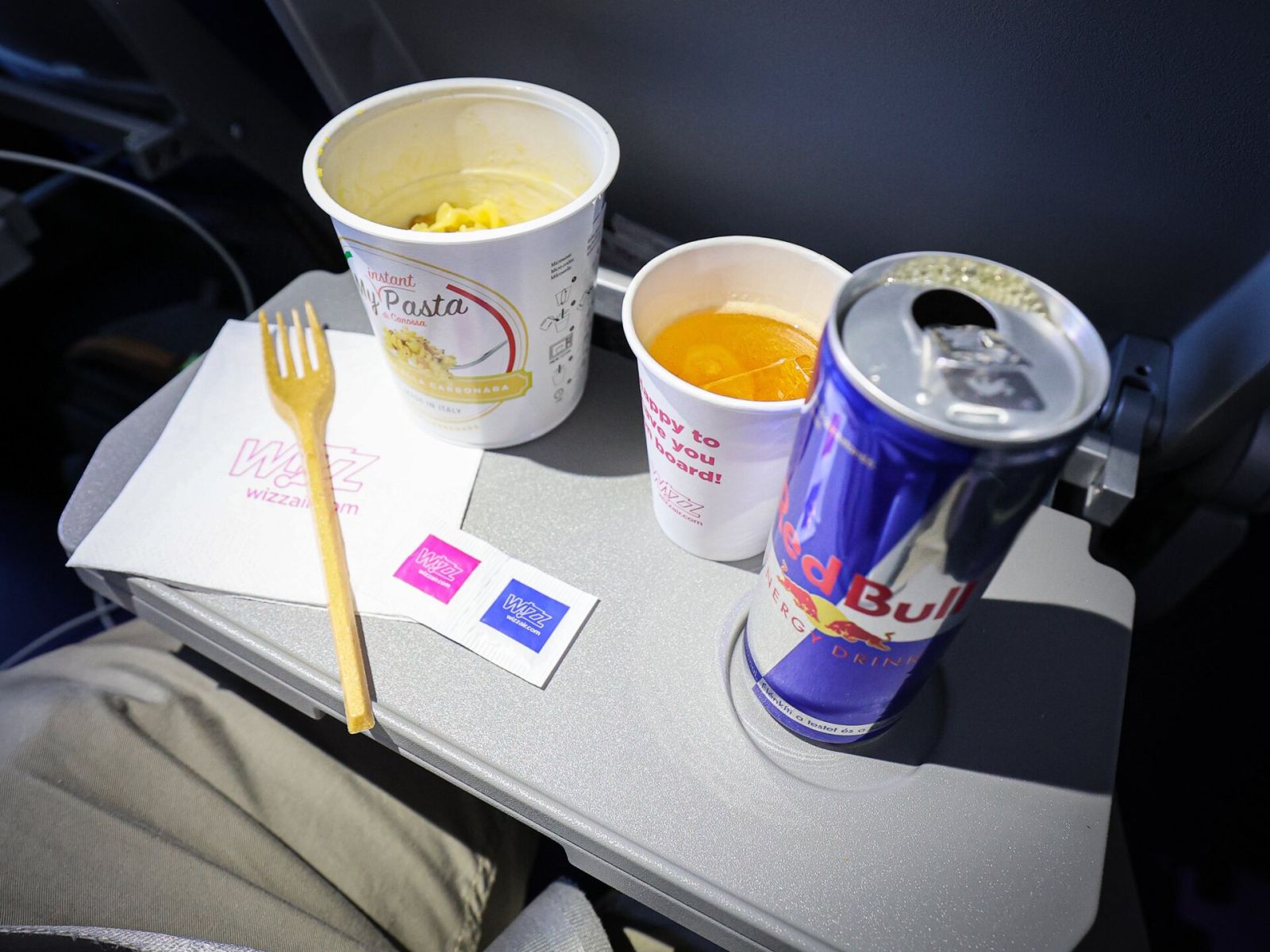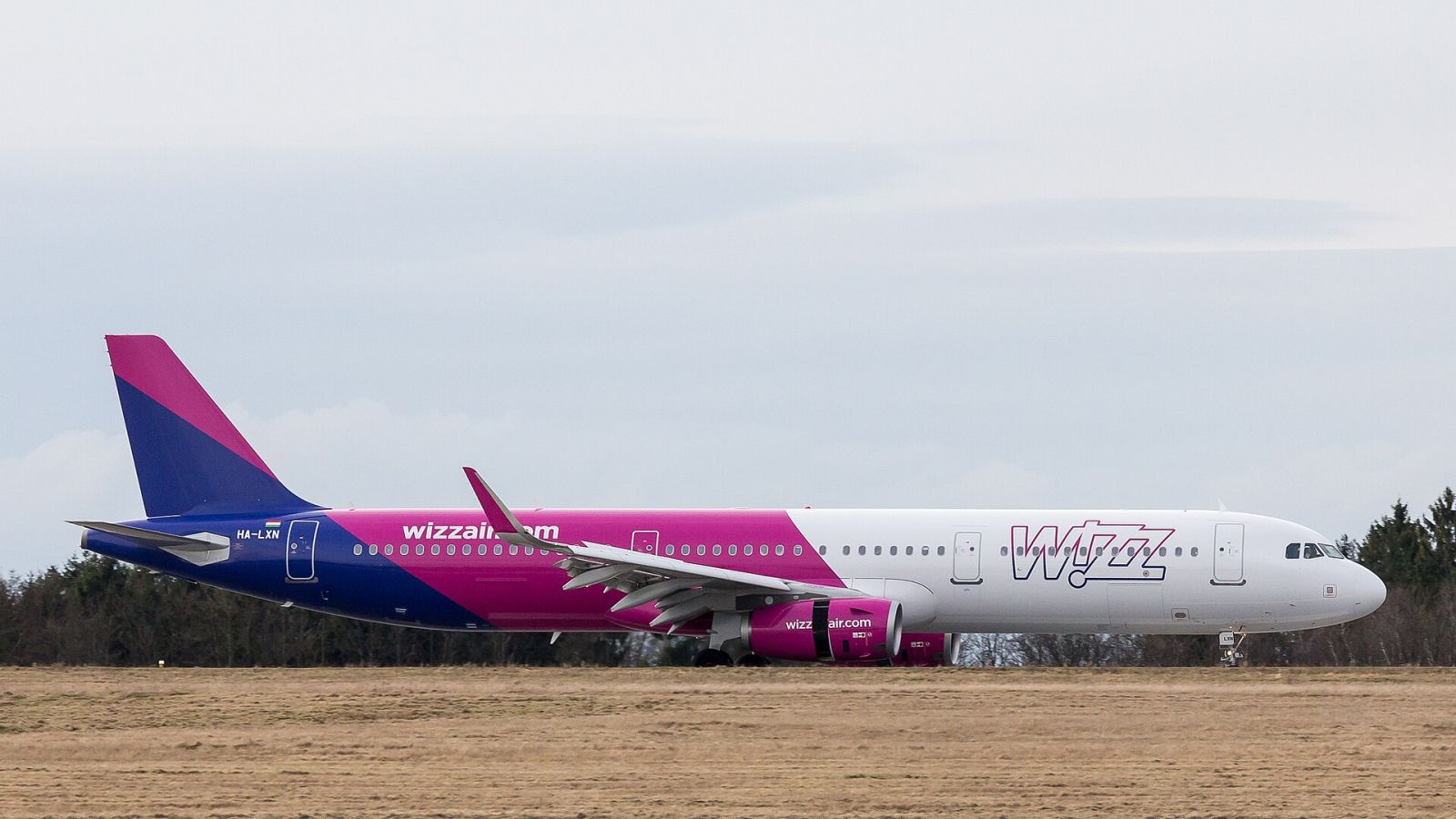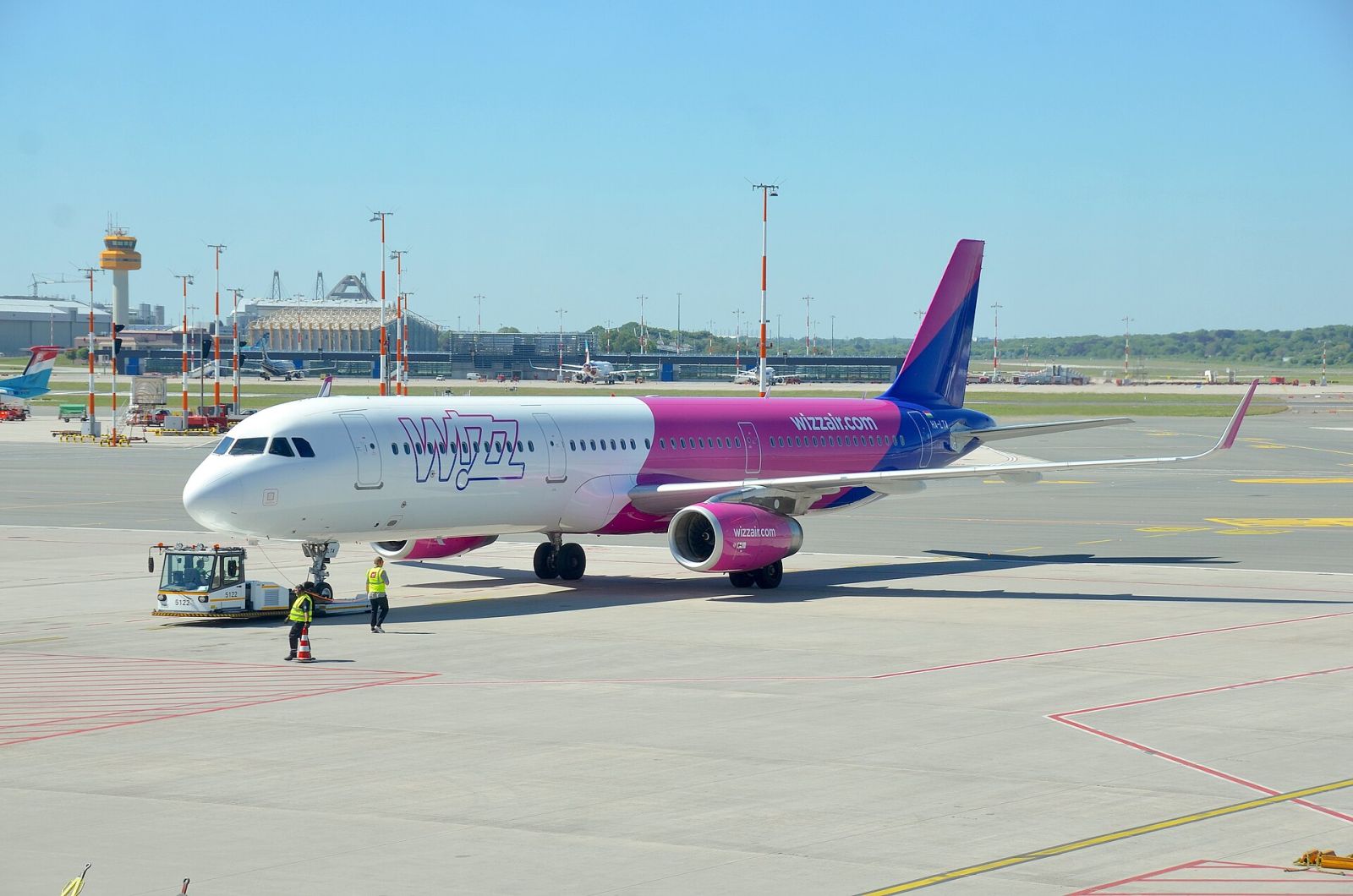


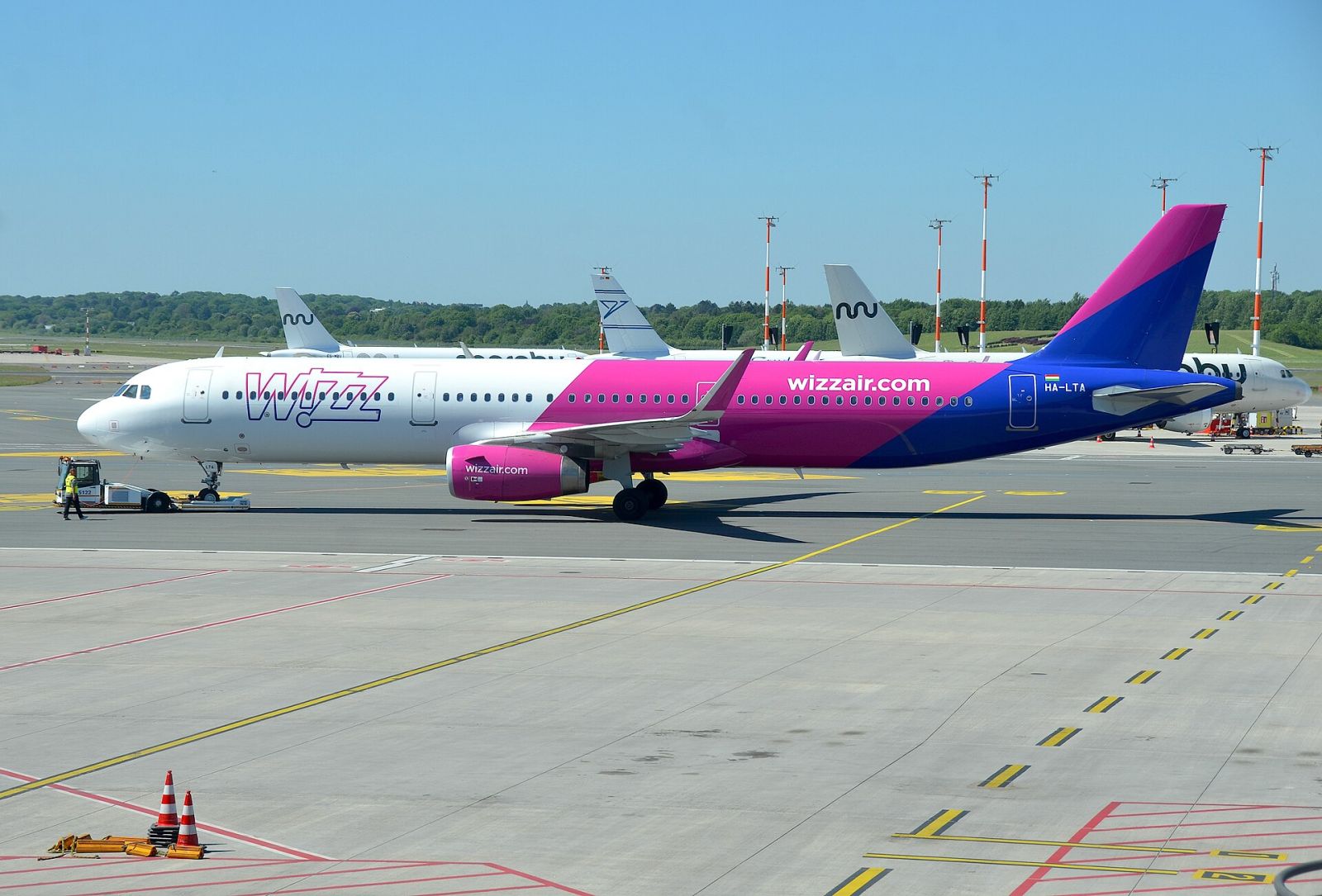
A basic Wizz Air ticket includes exactly one free bag: a small backpack up to 40×30×20 cm and 10 kg that must fit under the seat in front of you. Everything else costs extra, and the golden rule of Wizz Air baggage is blunt: the same suitcase bought online weeks before departure costs a fraction of what you would pay at the airport desk. The gap can easily equal the price of a second ticket.
Here is what the free allowance actually covers, when WIZZ Priority pays off, how to pick the right checked bag weight, and where this low-cost carrier quietly claws its money back.
What does the Basic fare include, and where is the catch?
The free allowance is one bag of 40×30×20 cm, up to 10 kg, the classic under-seat format. Gate agents do check it. Metal sizer cages stand right at boarding, and if your bag does not slide in, you pay on the spot. The gate fee is the most expensive tariff of all, typically several dozen euros for a single bag, so arguing with the cage is a losing game.
A practical note: 40×30×20 cm is smaller than it sounds. A regular 20-25 litre city backpack usually passes, while a wheeled mini-trolley does not. A soft frameless backpack has a real edge here: you can squash it into the sizer even when it is stuffed. A hard case forgives nothing.
WIZZ Priority: what are you paying for?
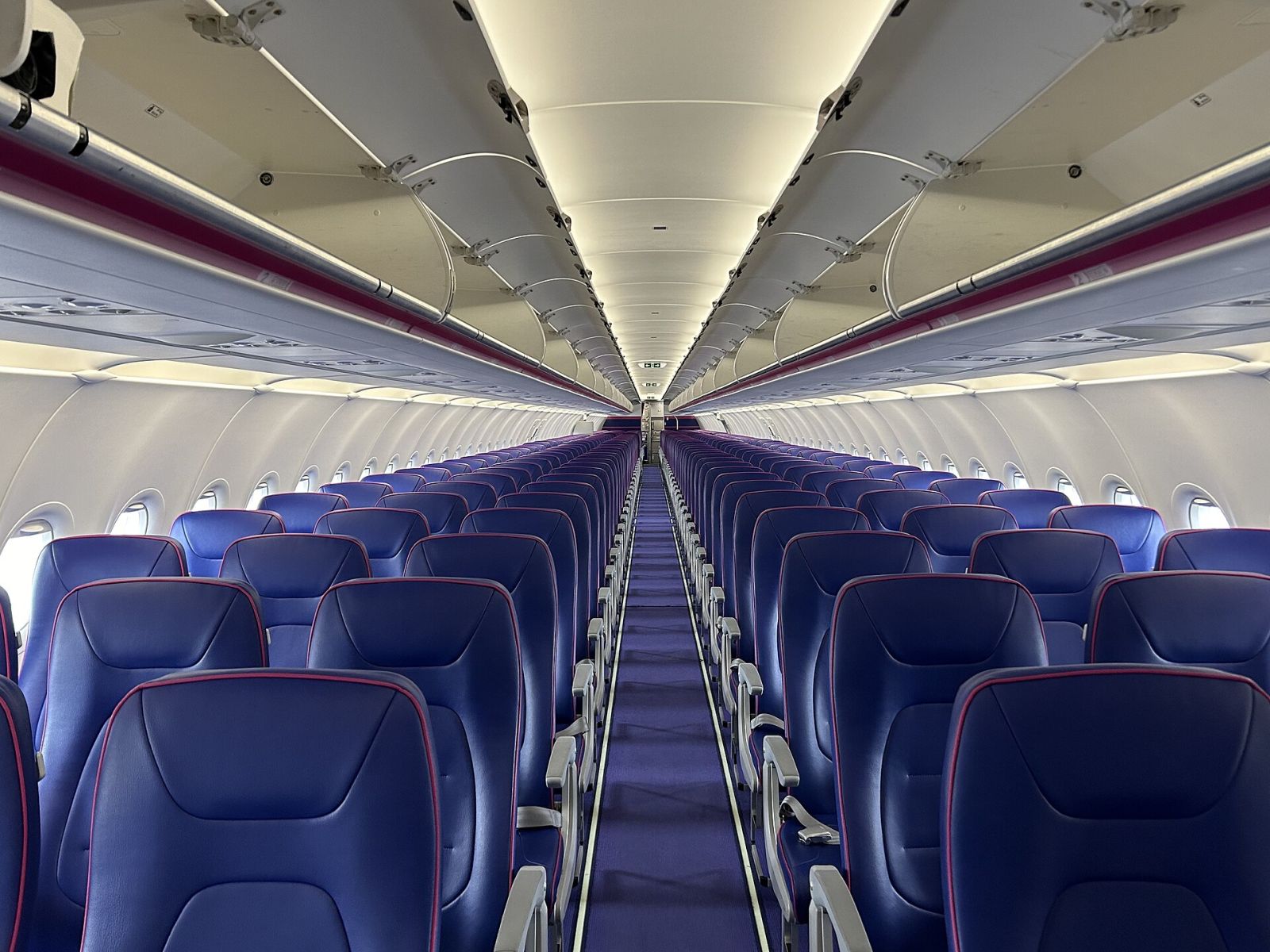
The WIZZ Priority bundle adds a second item to your free backpack: a trolley case up to 55×40×23 cm and 10 kg that travels with you in the overhead bin. You also get boarding through a separate lane and a guarantee that your trolley stays in the cabin instead of being sent to the hold.
Pricing is dynamic and depends on route and date, roughly 5 to 35 euros per flight when bought together with the ticket. Buy it during booking: it gets pricier later in your account and becomes plainly bad value at the airport.
Who needs it. For a 3-7 day trip, Priority almost always beats checked luggage: a 55×40×23 case holds a week of clothes and you skip the baggage belt on arrival. For a weekend trip with one backpack, there is simply nothing to pay for.
Checked baggage: 10, 20 or 26 kg?
Wizz Air sells checked bags in three main weights: 10, 20 and 26 kg, with a 32 kg option appearing on some routes. Dimensions are the same for all of them, the sum of the three sides must stay within roughly 149×119×171 cm, so any normal large suitcase qualifies.
Prices float just like fares: the same 20 kg bag costs noticeably more on a busy summer flight than on a quiet November one. The typical online ranges look like this, but check the live calculator at wizzair.com before paying, because the numbers shift constantly.
| Option | Size and weight | Approx. price online in advance | At the airport |
|---|---|---|---|
| Basic backpack | 40×30×20 cm, up to 10 kg | Free | Gate fee if oversized |
| WIZZ Priority + trolley | 55×40×23 cm, up to 10 kg | 5-35 € | Much pricier, limited availability |
| Checked 10 kg | up to 149×119×171 cm | 10-45 € | Usually two to three times more |
| Checked 20 kg | up to 149×119×171 cm | 15-60 € | Usually two to three times more |
| Checked 26 kg | up to 149×119×171 cm | 20-75 € | The most expensive option of all |
How to choose. One traveller on a one or two week trip is normally fine with 20 kg. The 10 kg tier makes sense when you have slightly more than a cabin trolley holds but no reason to drag a full suitcase. And 26 kg suits people hauling gifts, electronics or shopping: paying for the next weight tier upfront is almost always cheaper than an overweight penalty at the desk.
Paying in advance vs at the airport: how much do you lose?
The scheme is simple and unforgiving. Baggage is cheapest at the moment of booking. Adding it later through your account or the app costs more, but tolerably so. The airport check-in desk is a different price list altogether: bags bought on the spot cost several times more, and this is where passengers burn the most money.
Overweight is a separate trap. If your suitcase exceeds the paid tier, you pay per extra kilogram, and buying the next weight tier outright is often cheaper than paying kilo by kilo. Weigh the case at home: a simple luggage scale costs about as much as an airport coffee and pays for itself in one trip.
Practical ways to keep the price down
- Buy baggage together with the ticket, not "later". Every subsequent stage costs more than the previous one.
- For two travellers, one 20 kg suitcase almost always beats two 10 kg bags. Pack together, pay once.
- Choose a soft backpack over a wheeled mini-case: it squeezes into the sizer even when full, so the free allowance works at full capacity.
- Wear your heaviest items. Boots, a jacket and a sweater bother nobody on board, while in a bag they eat half the limit.
- If you fly Wizz Air a few times a year, run the numbers on the WIZZ Discount Club: the annual membership discounts fares and bags for you and your companions and usually pays off within two or three trips.
- Check in online ahead of time. Desk check-in at the airport is a paid service on many routes, and it is the most annoying fee of them all.
- Measure your bag including pockets, wheels and handles. The sizer cage does not care that "it is only the handle sticking out".
The short version
Only a 40×30×20 cm backpack flies free. Anything bigger costs money, and the later you pay, the more it costs. So settle the baggage question at booking time: decide whether a Priority cabin trolley covers you or you need a proper 20 kg case, and buy exactly that. Wizz Air revises its rules and prices from time to time, so verify the current terms on the official site before your flight. A 20 euro ticket turns into a 120 euro trip with remarkable ease, but only for people who left the baggage decision until departure day.