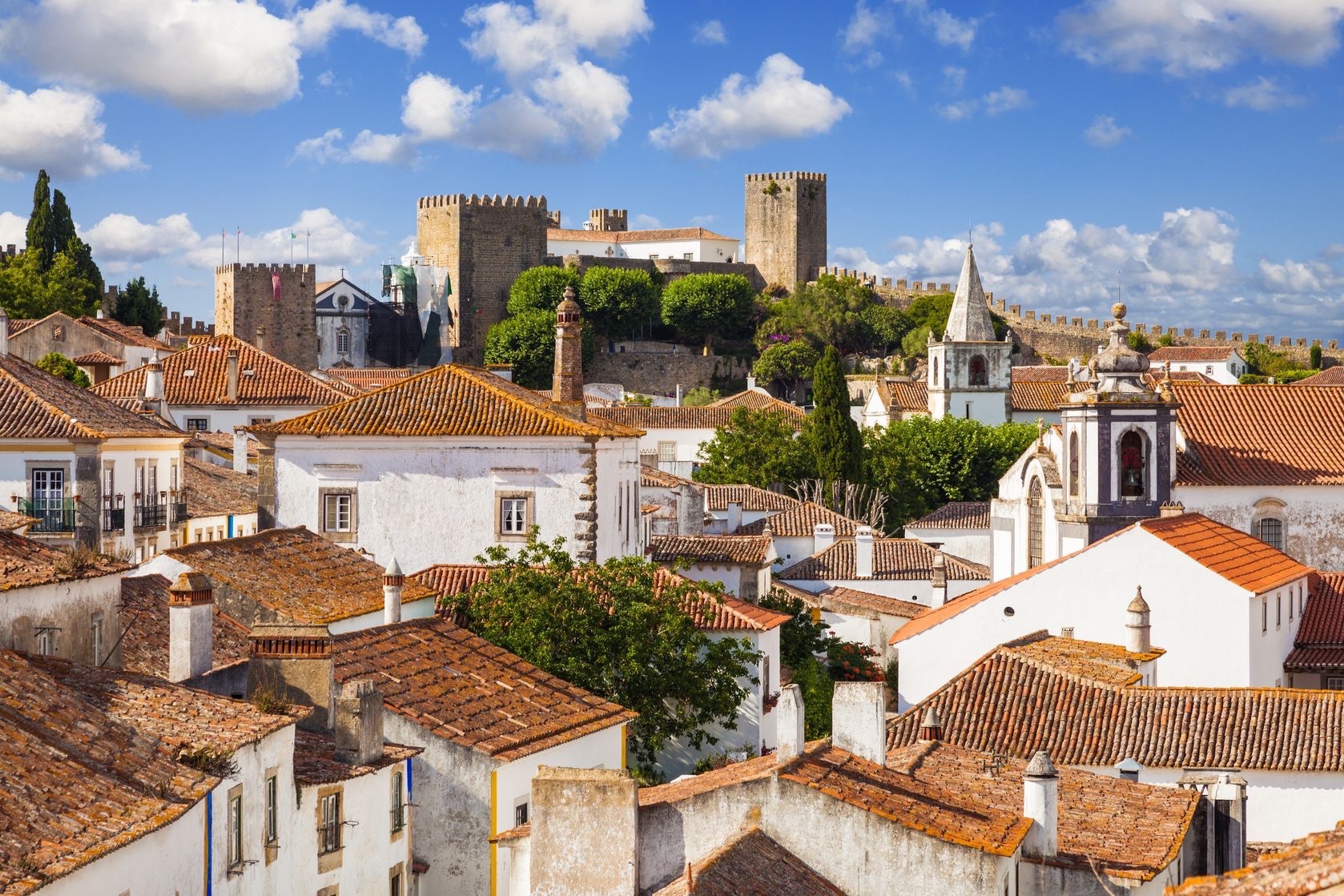


The fishing port of Nazare became more famous thanks to the exploits of surfing legend Garrett McNamara, who keeps breaking records by riding the biggest waves in the world as they crash onto Praia do Norte, the beach just north of town.
Dropping down a fast moving, 10 storey wall of ocean isn't your thing, you say? No problem.
Portugal's Silver Coast and the rest of the Centro region surrounding Nazare are home to almost undiscovered treasures that are unfairly ignored by tourists, who usually visit only Lisbon or the wine country around Oporto in the north of the country.
Partner links: booking through them supports the blog at no extra cost to you.
Why do tourists give this region such a cold shoulder? After getting to know the region's main attractions, we still aren't sure. But we don't expect the area to stay empty for long.
Sunny Beaches and Coastline
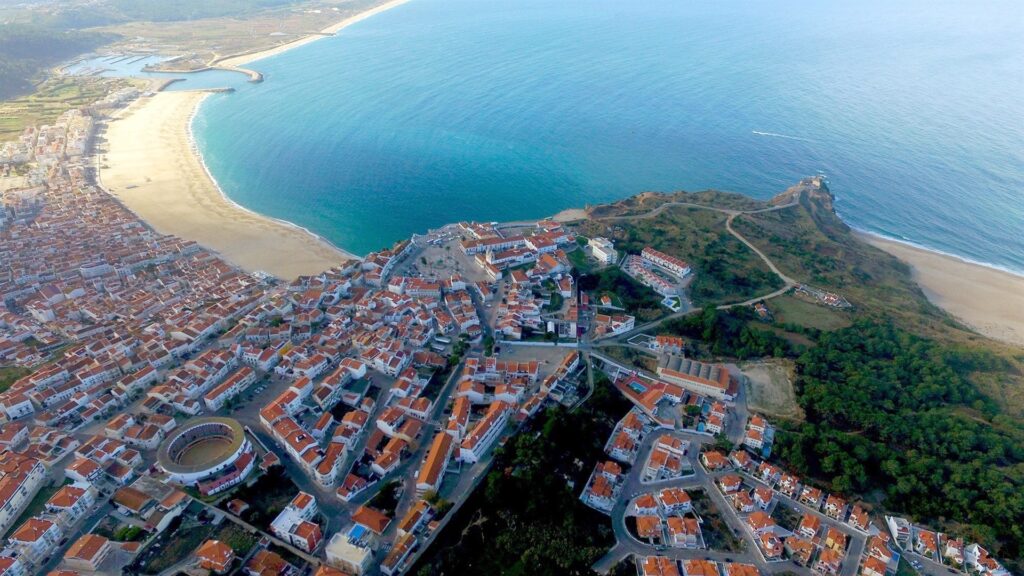
The mega waves on Nazare's northern beach are triggered by a giant underwater canyon located right off the shore. There are no other waves like them anywhere else.
But along the Costa de Prata, or Silver Coast, in central Portugal, there are plenty of other beaches with gentler surf.
Lovers of solitude can find kilometres of empty sand stretching north and south from the single beach bar at Praia de Osso da Baleia (Whalebone Beach).
The lively resort of Figueira da Foz offers a buzzing atmosphere around its casino, along with a wide sandy beach.
Families love the calm water of the Obidos lagoon.
Praia de Vieira de Leiria draws crowds with its pine covered dunes and its cluster of restaurants serving up wonderful versions of the Portuguese classic arroz de marisco (seafood rice).
Hop on the ferry from Peniche to the deserted Berlengas islands and you can enjoy a wind swept nature reserve, spend the night in an abandoned fortress and dive into the clear water of a tiny sandy cove.
The fishing town of Peniche, sitting on a peninsula that juts out into the Atlantic Ocean, has become an international surfing mecca thanks to the tubular waves that roll onto its beaches.
Even Nazare has a beach that welcomes those who aren't fond of towering waves.
The town's main beach is a favourite getaway for Portuguese families, dotted in summer with brightly striped tents rented out by the fishermen. The fishwives, dressed in traditional floral blouses and skirts made from seven layers of fabric, line the seafront offering dried mackerel, bags of figs or rooms to rent.
During Easter you might catch teams of these formidable women pelting each other with projectiles in a local version of dodgeball.
Affordable Stays in Palaces
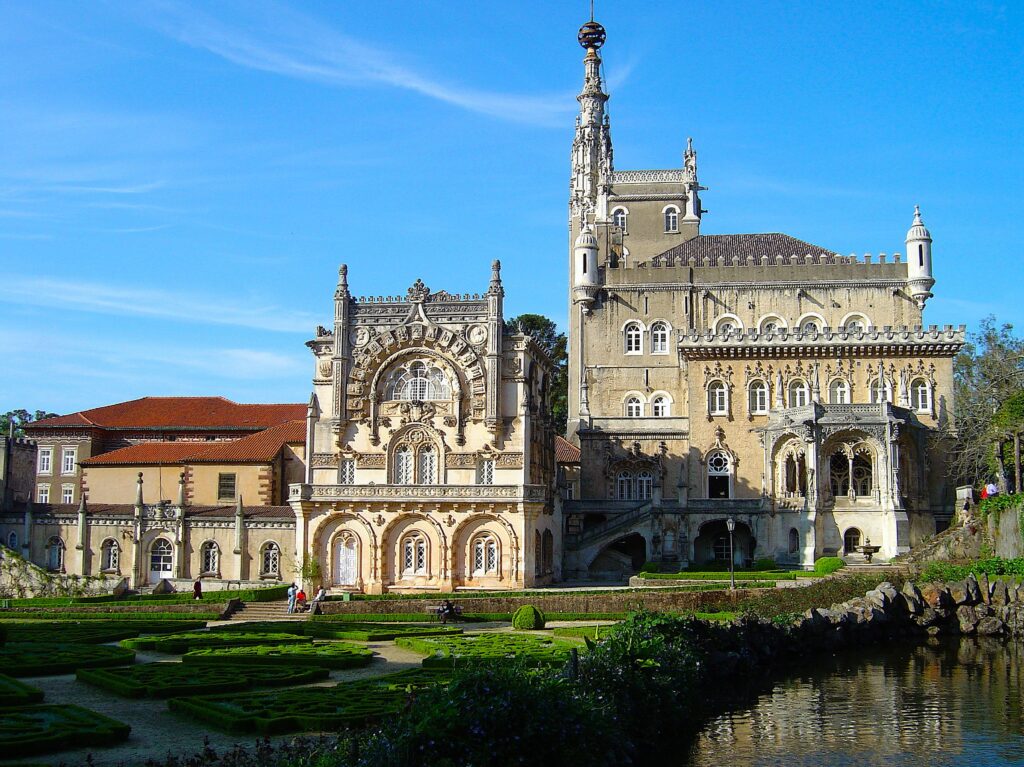
The forests, hills and vineyards of central Portugal are scattered with luxurious places to stay, from old school palace retreats to converted castles, monasteries and mansions.
Among the most magnificent is the Bussaco Palace, a hilltop castle built by King Carlos I as a romantic retreat evoking the fairytale abodes of his German ancestors.
It has been a hotel since 1917, richly decorated with antiques, surrounded by subtropical forest and home to a legendary wine cellar.
In the early 20th century, grand thermal spa hotels sprang up across the region.
Some of these thermal palaces have been restored to their former splendour.
Today, visitors can soak in a hot bath, get an aromatic massage or bask in a wave of Grand Budapest Hotel nostalgia amid the grandeur of the Palace Hotel Monte Real near Leiria, the belle epoque glamour of Curia Palace north of Coimbra or the art deco elegance of the Grande Hotel de Luso. Since the 1940s, the Pousadas de Portugal chain has tastefully converted historic buildings into luxury boutique hotels.
Other lavish pousadas can be found in an 18th century monastery on the edge of Portugal's highest mountain range in the village of Belmonte, in a 200 year old former hospital in the granite town of Viseu, or in a noble palace in Condeixa, close to the striking Roman ruins on the Iberian Peninsula.
Cool Cities
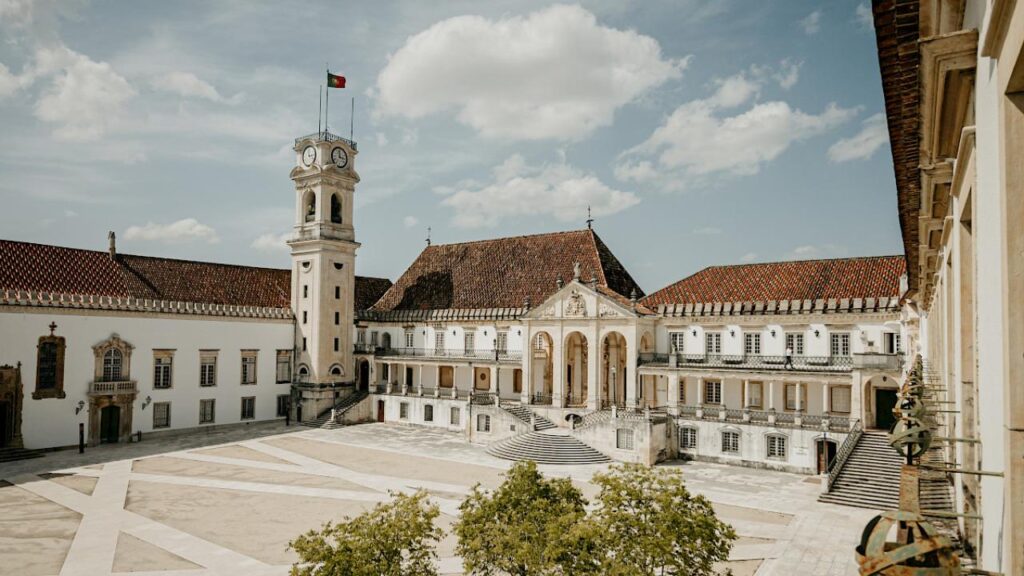
The white city of Coimbra, rising above the Mondego river, is the region's largest urban centre. The University of Coimbra, dating back to 1290, is one of the oldest in the world. The Renaissance and Baroque buildings at the heart of the hilltop university are UNESCO World Heritage Sites, and its magnificent library is a must see.
Coimbra has a huge number of students, so it feels very lively. The narrow alleys of the upper town are packed with bars and taverns serving cheap, hearty dishes. Sometimes visitors can hear the mournful melodies of Coimbra's version of fado, the bluesy Portuguese music.
Traditionally it is sung by male students wrapped in black cloaks, but it's most often heard at the Santa Cruz cafe or the Fado ao Centro cultural centre.
Among the region's other cities, Aveiro is known as the Portuguese Venice thanks to the canals that connect it to a vast, mysterious wetland. It is famous for its Art Nouveau houses, its brightly painted boats and its artery clogging pastries made of egg and sugar called ovos moles.
Also worth a visit are the sturdy hilltop towns of Viseu and Guarda, whose cathedrals, castles and solid stone houses seem carved out of the rocky landscape.
Dishes You've Probably Never Eaten
Portuguese cuisine is rooted in regional traditions. Many of its dishes will appeal to fans of game.
Stewed eel is a signature dish in Aveiro. The area around Mealhada lives largely off spit roasted suckling pigs, served whole in huge roadside eateries. In the hills east of Coimbra, a favourite country dish is old billy goat, slow cooked in red wine.
Most small towns and villages have at least a couple of cherished old school restaurants serving these beloved dishes, such as O Manjar do Marques in Pombal, Casa Vidal in Agueda or Celeste, McNamara's favourite restaurant in Nazare, right on the beach, serving the town's best caldeirada (fish stew).
Central Portugal also produces wonderful cheeses and wines, especially in the Dao and Bairrada regions.
A visit to the cellars of the Alianca vineyard is a real treat. In its Underground Museum, alongside the fine drinks, you'll find African sculptures, Portuguese ceramics and other works from the eclectic collection of millionaire art lover Joe Berardo.
Dramatic Landscapes
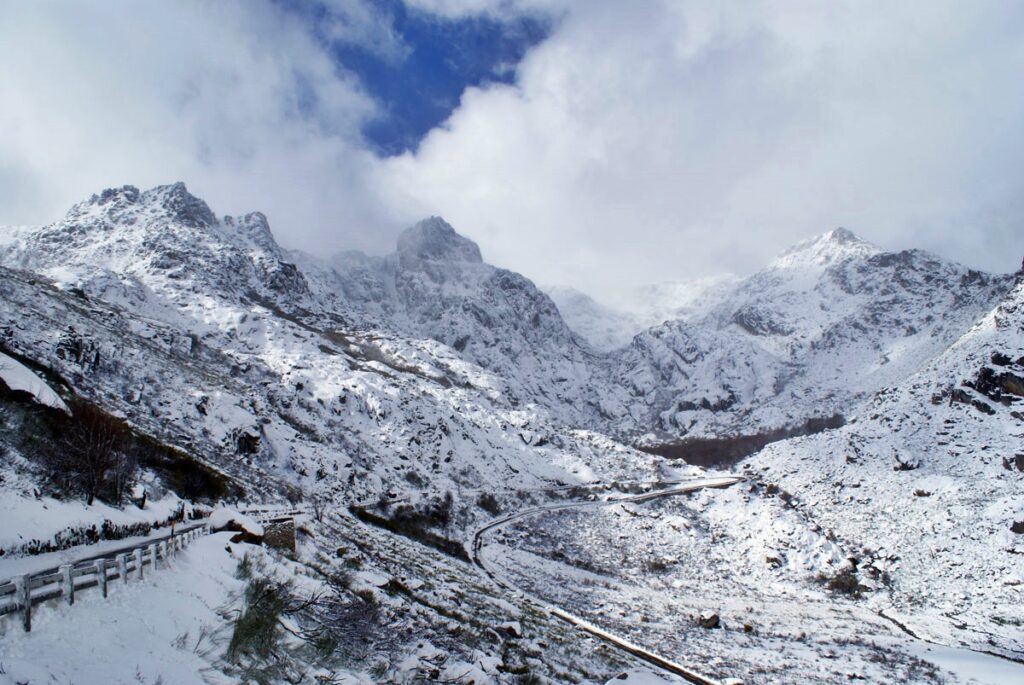
Tourists don't usually come to Portugal for the snow. Yet the Serra da Estrela mountains, rising to more than 6,500 feet, are home to the only ski resort in this sun soaked country.
They'll never rival the Alps, but the Serra da Estrela and the other smaller ranges stretching from the Atlantic to the Spanish border offer breathtaking scenery in both summer and winter.
Portugal's largest wilderness includes soaring peaks, weed covered plateaus and crystal clear lakes. Wolves roam the forests, and golden eagles soar overhead.
In the Serra you can also find plenty of historic villages, such as Belmonte (with its unique Jewish heritage), the postcard perfect Piodao, and Monsanto, once named the most quintessential Portuguese village.
Many people here live off sheep farming, which produces soft blankets and jumpers, creamy cheeses and the unique Serra da Estrela dogs, fluffy yet tough enough to scare off wolves.
Heritage
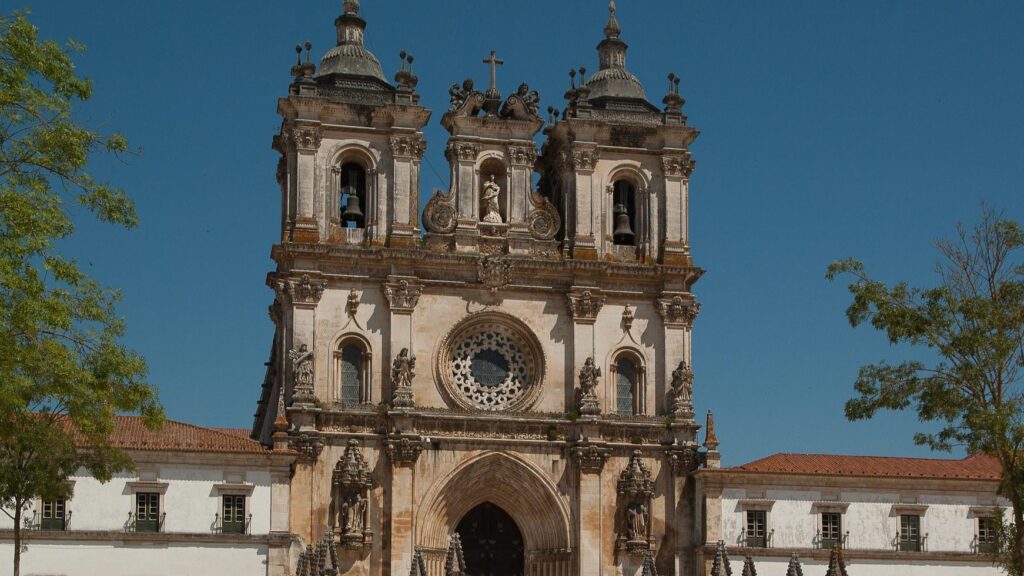
On the wide beaches and windy capes of the westernmost coast of mainland Europe, there's a distinct end of the world atmosphere, but less than an hour's drive from Nazare you can reach three stunning World Heritage Sites that bear witness to this region's days of glory.
The first stop is the great monastery of Alcobaca. Construction here began in 1178, when the first king of Portugal was fighting for control of the country after 500 years of Arab rule.
The Portuguese come here to see the richly decorated tombs of King Pedro I and his murdered lover Ines de Castro, whose tragic 14th century love story is firmly embedded in the national psyche.
A little higher, in the uplands of the Serra de Aire natural park, lies another UNESCO protected religious site: the Convent of Christ in the charming riverside town of Tomar. This mysterious spiritual complex, once a stronghold of the Knights Templar, has at its heart a round church inspired by the Church of the Holy Sepulchre in Jerusalem. In July, there's a chance to witness another of Tomar's claims to fame: the Festa dos Tabuleiros.
This six day festival is crowned by a procession of girls dressed in white, each carrying on her head a tray topped with 30 loaves of bread decorated with flowers.
Third in this trio of sacred sites on the World Heritage list is the Batalha monastery, a multi tiered Gothic mass of soft yellow stone, built in gratitude for Portugal's victory over the invading Spanish army in 1385 on a field nearby.
From here it's a stone's throw to a much more recent religious shrine, the basilica at Fatima, where, according to many Catholics, the Virgin Mary appeared to three shepherd children during the First World War.
Today the town is a major place of pilgrimage, drawing thousands of visitors. The huge open air candlelit mass held every 12 May can be a moving experience for visitors of any faith, or none.