

Lisbon has made a name for itself as Europe's trendiest city-break destination over the past couple of years, but now it has a rival that sits just a little too close for comfort.
Portugal's second city, Porto, is challenging the capital for the crown as the place to head for a one-of-a-kind blend of history, warm weather, culture, cuisine and nightlife.
With a UNESCO World Heritage riverside old town, chefs racking up more and more Michelin stars, unbeatable wines and vast sandy shores right on its doorstep, Porto certainly has plenty going for it. But can it really take on Lisbon as Europe's capital of cool?
Partner links: booking through them supports the blog at no extra cost to you.
We pitted Portugal's two leading cities against each other to find out who has the better beaches, the tastiest snacks, the most sumptuous old cafes and the most fashionable boutiques.
And because we love rooting for the underdog, we asked a few passionate tripe eaters (as the people of Porto are known, see below) to tell us why everyone should be making a beeline for their city by the sea.
They tend to have strong opinions.
Take Rui Reininho, a Portuguese rock superstar and frontman of the legendary Porto band GNR.
"Baroque surprises, ledges of Romanesque granite, an almost indecent sincerity in the people, a river that plunges golden and steep, camellias fainting to the ground, a wild Atlantic full of fish and seafood, narrow streets awash with soapy foam," Reininho enthuses. "You really shouldn't hesitate between Lisbon's tropical style and Porto's Celtic, European liberalism."
Tripe eaters vs. little lettuces
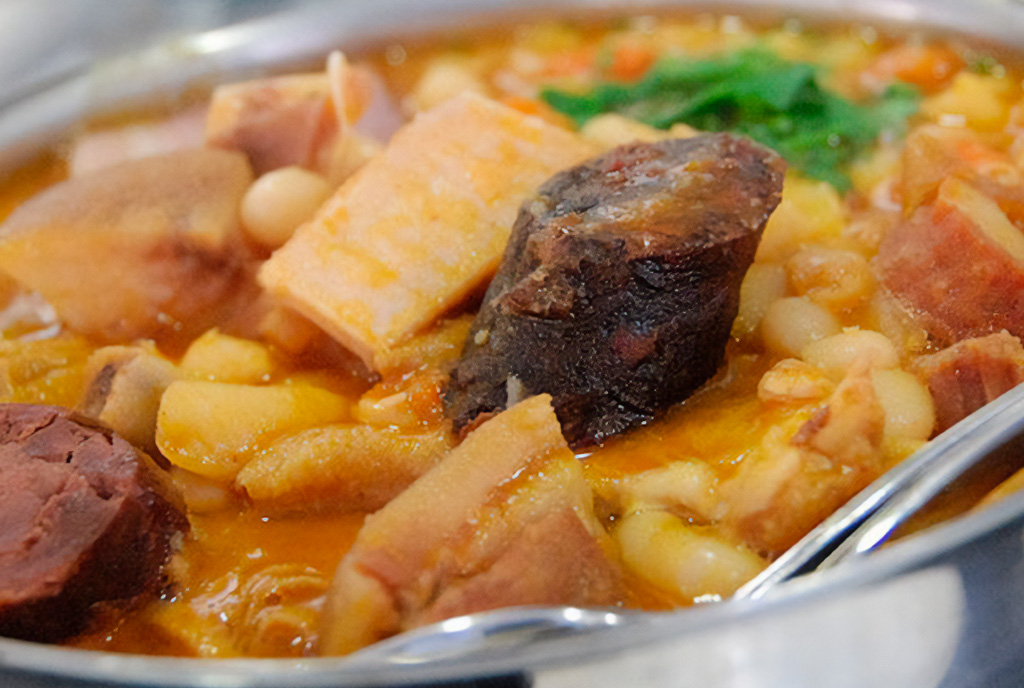
The people of Porto are affectionately called tripeiros, roughly "tripe eaters."
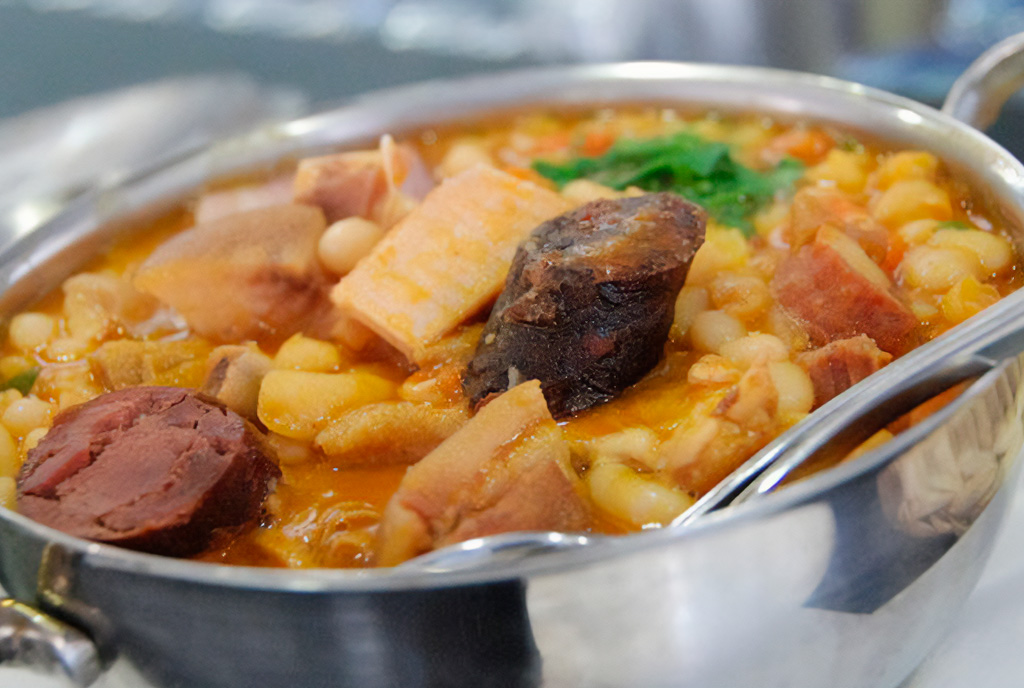
The nickname comes from the city's signature dish, tripas à moda do Porto: a hearty jumble of white beans bolstered with pig's ear, veal shank, cow's stomach (or tripe) and a whole cartload of other chewy morsels.
As legend has it, Porto acquired its taste for offal in 1415, when the city's patriotic residents handed over all their meat to the Portuguese army setting off to war in Morocco, keeping only the scraps for themselves.
Lisbon's residents, on the other hand, are called alfacinhas, "little lettuces," supposedly after the cries of the vendors who sold freshly cut vegetables from the market gardens that once ringed the capital.
Tripeiros will tell you that these eating habits mirror the cities' contrasting styles: Porto is solid, no-frills and hardworking; Lisbon is laid-back, decadent and vain.
"It's the people who make Porto special," says Sara Figueiredo, who sells designer jewelry and locally made handcrafted soap at the gift shop of Porto's ultra-hip Serralves arts center. "There's all this history, but above all it's the people here, they're so welcoming."
Figueiredo knows her tripe. Her recommendation for a filling portion is Adega do Olho, a backstreet eatery devoted to old-school Porto cooking, where a plate of tripe will set you back 3.50 euros ($4). (6, R. Afonso Martins Alho, 4000 Porto; +351 22 205 7745)
Douro vs. Tagus
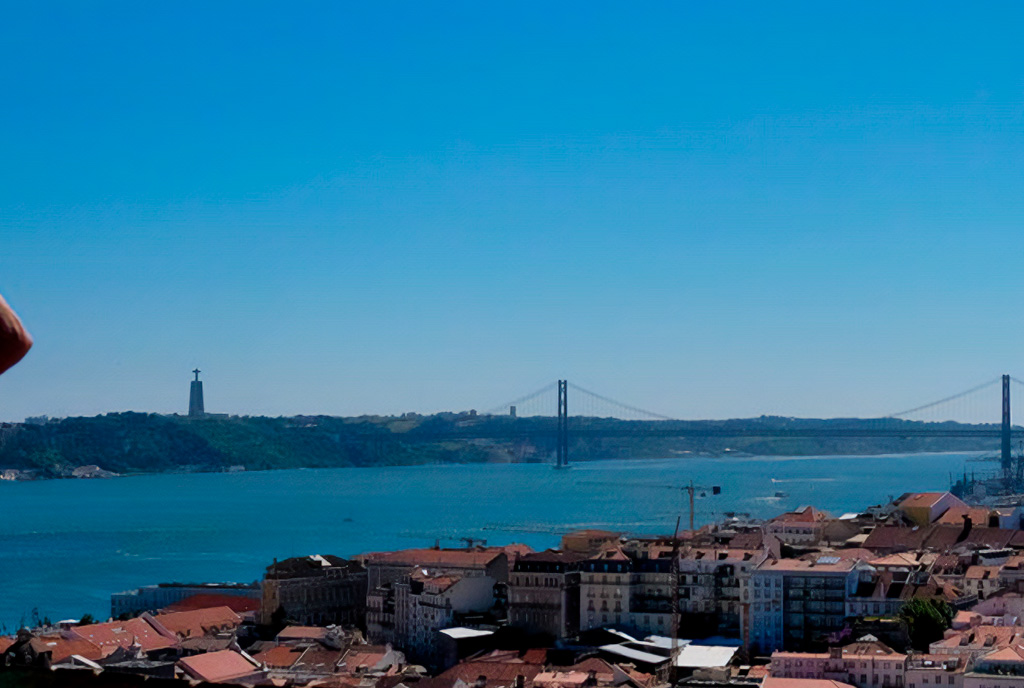
Both cities sit on mighty rivers that race toward the Atlantic after flowing west from their sources in the far-off Spanish highlands.
Lisbon's Tagus spreads out before the city to form one of Europe's largest estuaries: a shimmering surface roughly 15 kilometers wide at its broadest point. Little orange ferries cross it, colonies of flamingos graze on the far bank, and the sun's rays bounce off the water, bathing the capital in a milky-white light.
Porto embraces the Douro more snugly.
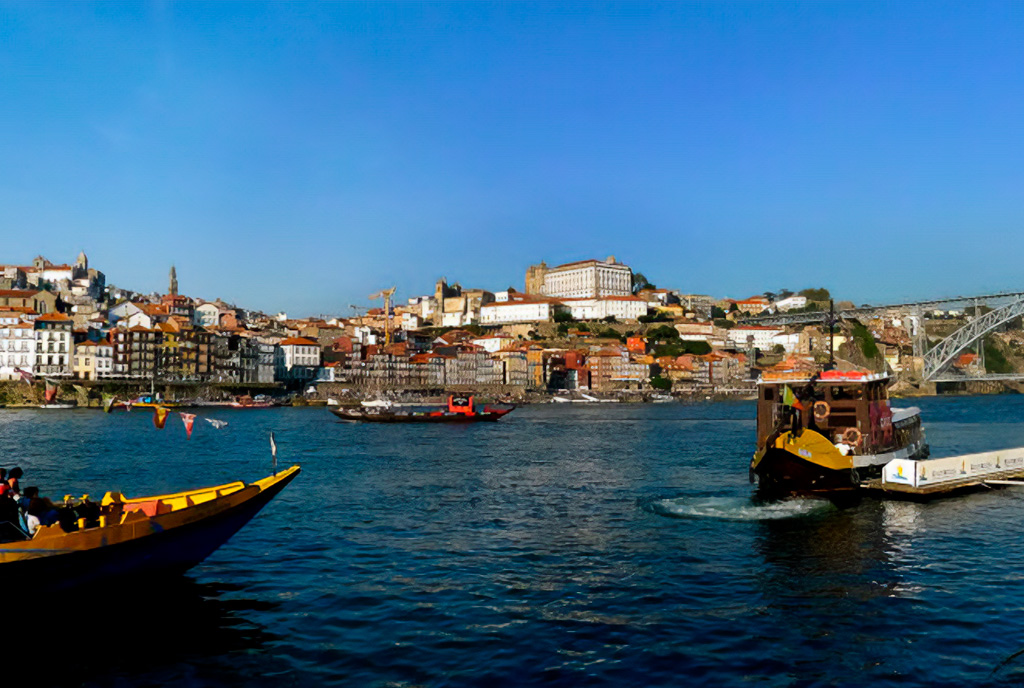
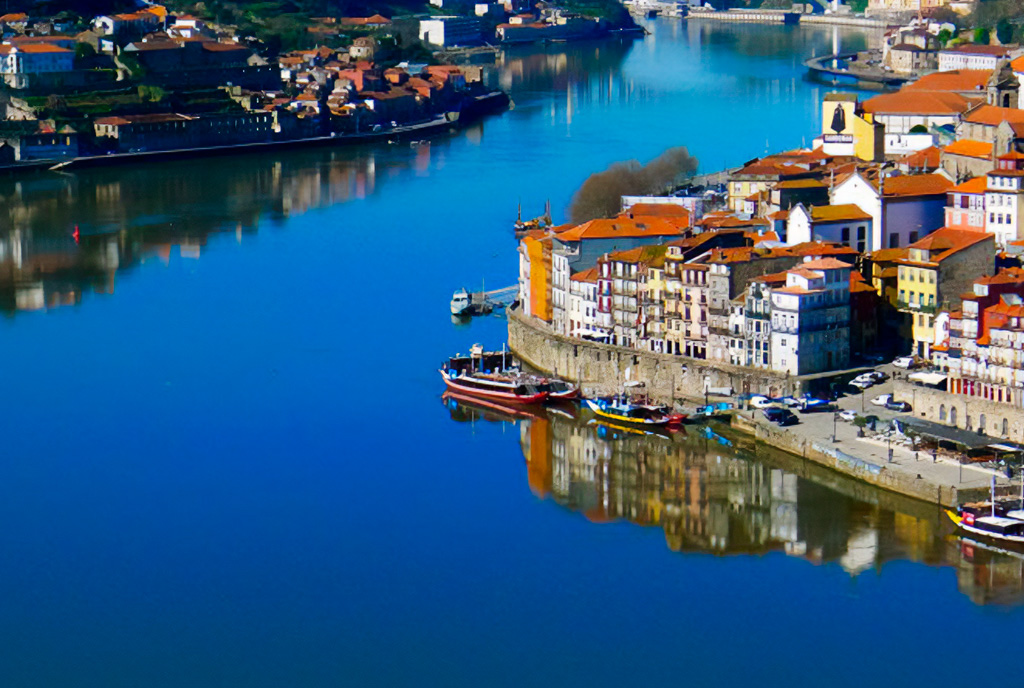
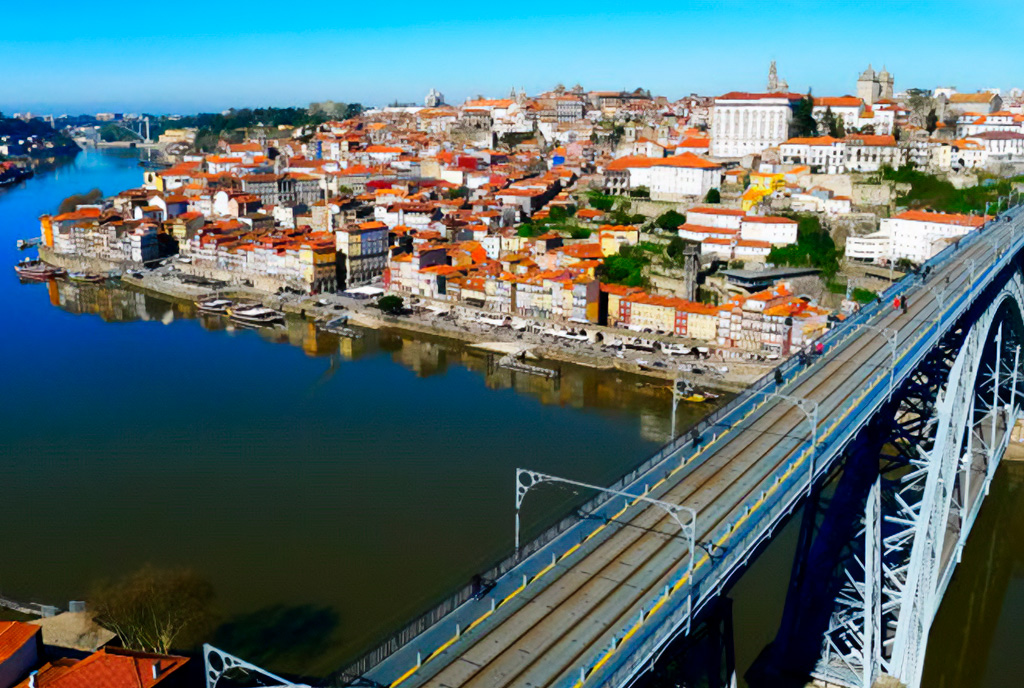
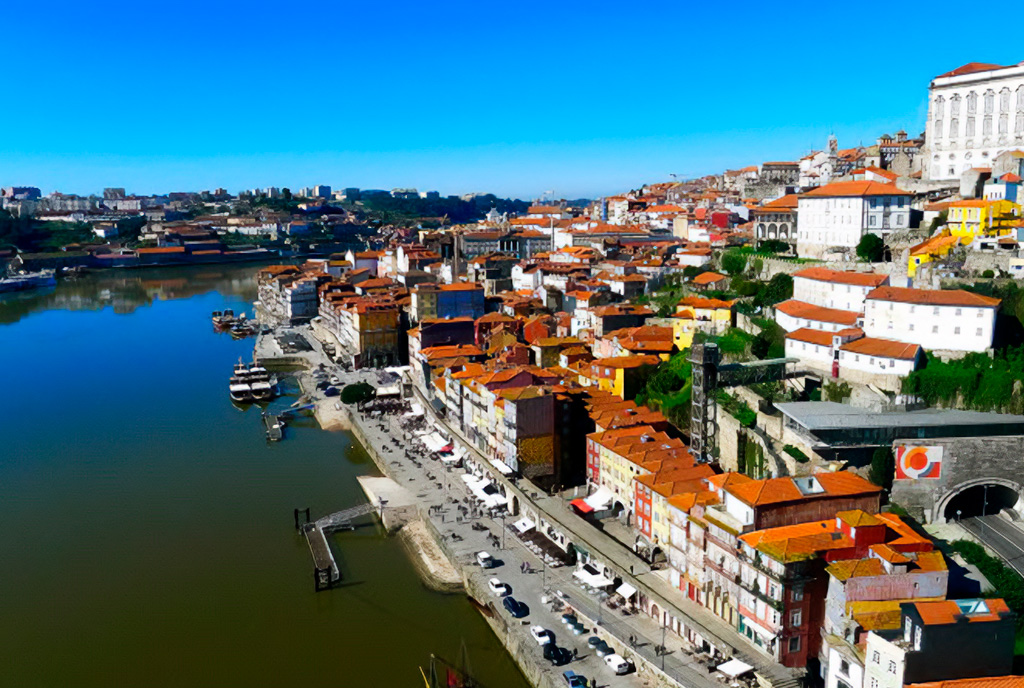
The city climbs steep hills on both banks (though Vila Nova de Gaia, the historic wine hub on the south side, is technically a separate town). Its old quarters cling to the slopes and gaze down on a flotilla of barcos rabelos, long, high-prowed boats that once carried barrels of wine from the vineyards upstream and now bob decoratively on the water.
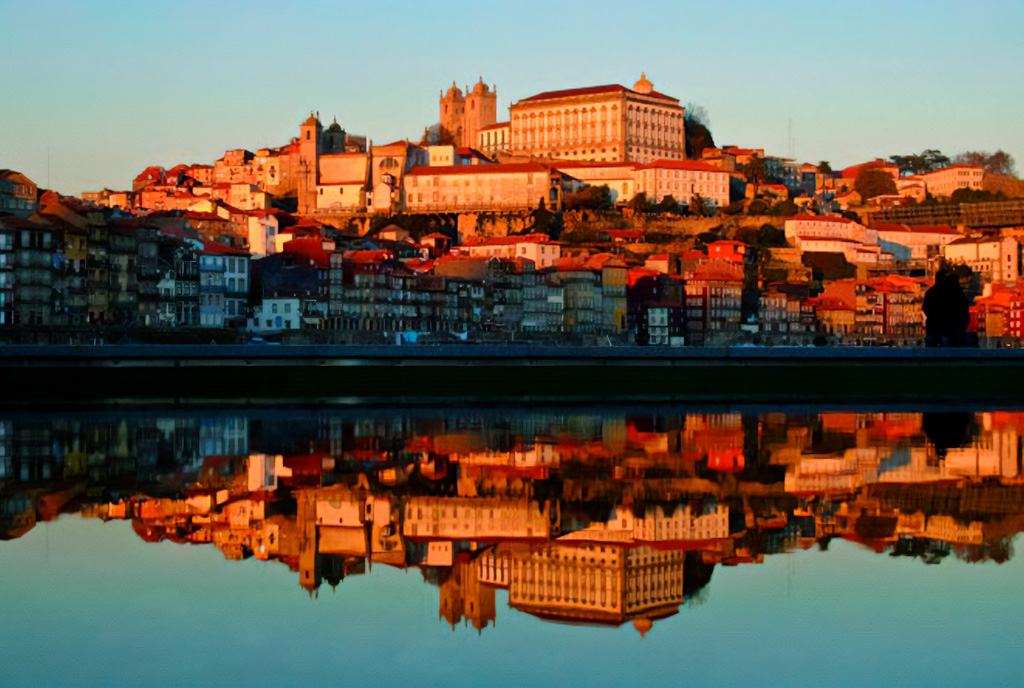
Douro means "golden river," and the dying rays of sunset lend its waters a gilded glow. Among the five bridges spanning the Douro in Porto, the oldest, the Ponte Maria Pia, is a curved iron arch built in 1877 by Gustave Eiffel, the man behind the tower.
"I love the bridges, especially the Ponte Dom Luís I, which has two levels, one at the bottom and one high up top," says Hanna Bocharova, who moved to Porto 15 years ago and is part of the city's Ukrainian community, the second-largest immigrant group after Brazilians.
"I really like it here," says Bocharova, out shopping with her family. "Porto is small and compact, you can walk or cycle everywhere. The food is good, the people are friendly. I'm here to stay."
Ribeira vs. Alfama
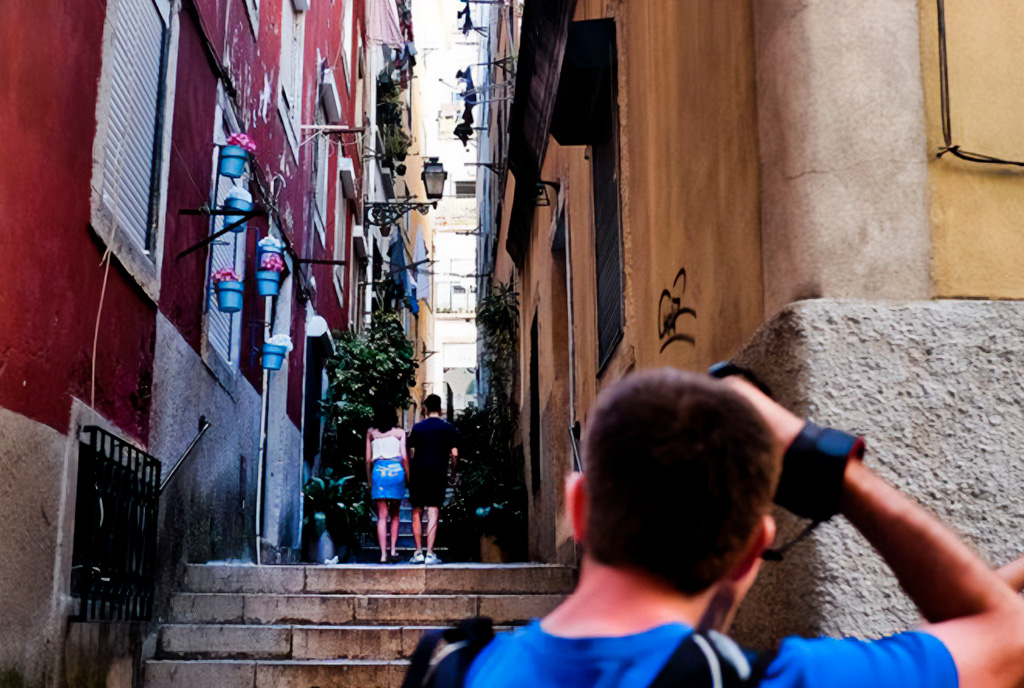
The historic centers of both cities are packed with medieval quarters of winding alleys, peeling ochre facades and little squares overlooked by ancient churches.
In Lisbon, the most famous is Alfama, spiritual home of Portugal's mournful fado music, tumbling down toward the Tagus. In Porto, it's Ribeira, clinging to the steep north bank of the Douro.
They have a lot in common, but the raw material of their construction sets them apart at once.
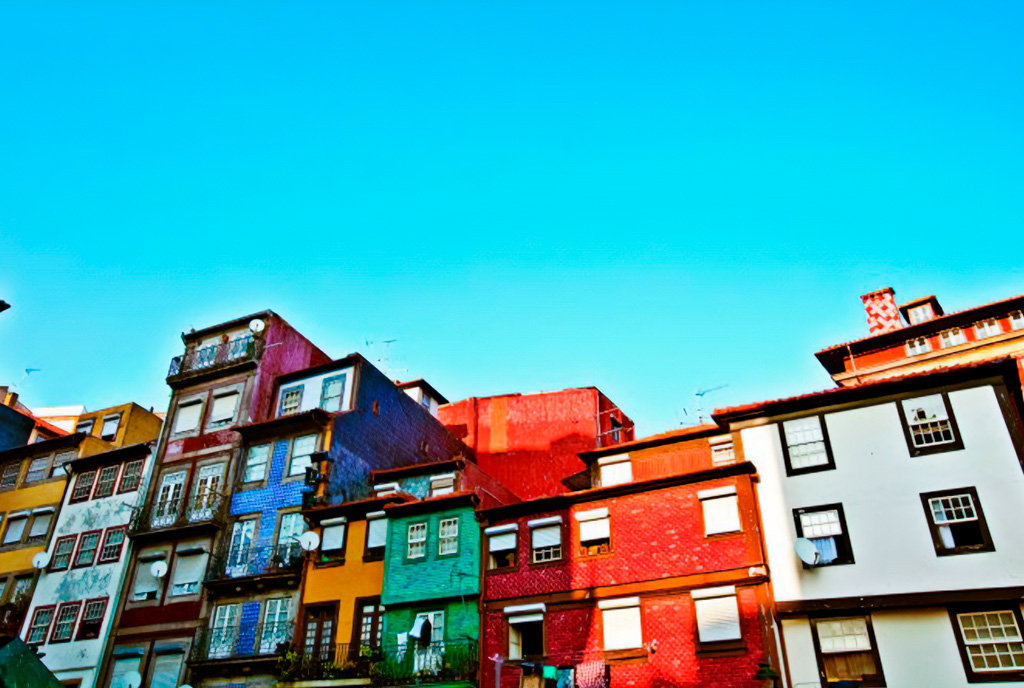
In Alfama, as in much of Lisbon, soft white limestone dominates. Old Porto is built from a gloomier gray granite. In color, Alfama has lighter, pastel tones, while Ribeira favors darker hues and tiled facades. Ribeira is more tightly packed, more intimate, perhaps even a touch claustrophobic, but for now Ribeira has the edge.
Years of tourist success have changed Alfama: these days you're more likely to hear the chatter of French tour groups than the echoes of fado in its alleys.
The last traditional grocery store closed in 2016. Souvenir shops and bars are sprouting like mushrooms. Holiday rentals are squeezing out the locals who gave the neighborhood its character.
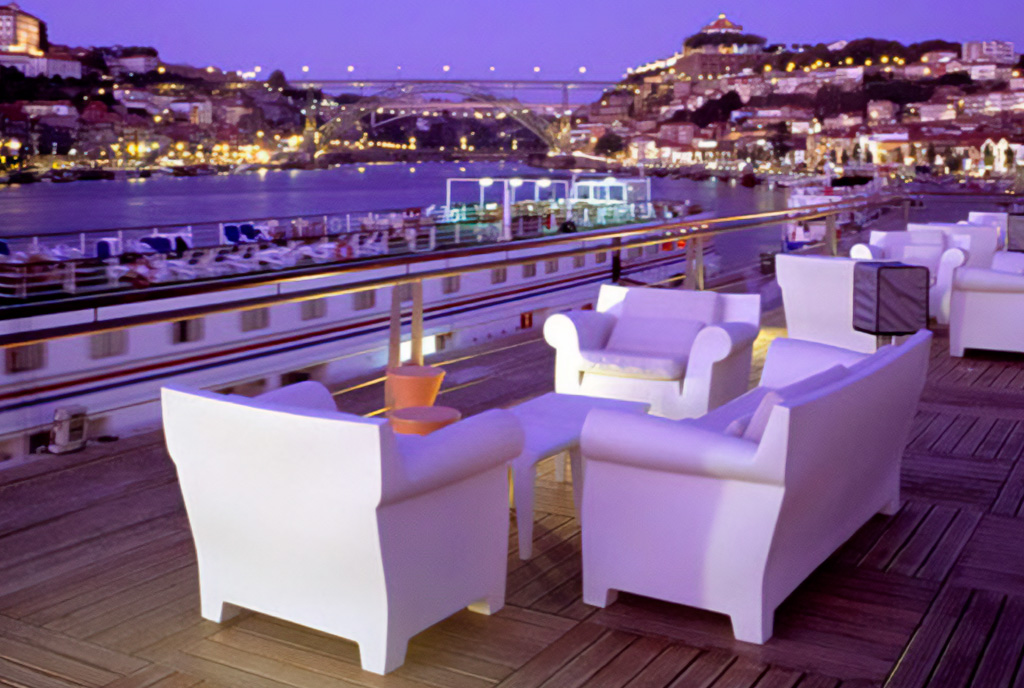
Similar changes are underway in Ribeira, but it holds on to more of its gritty authenticity.
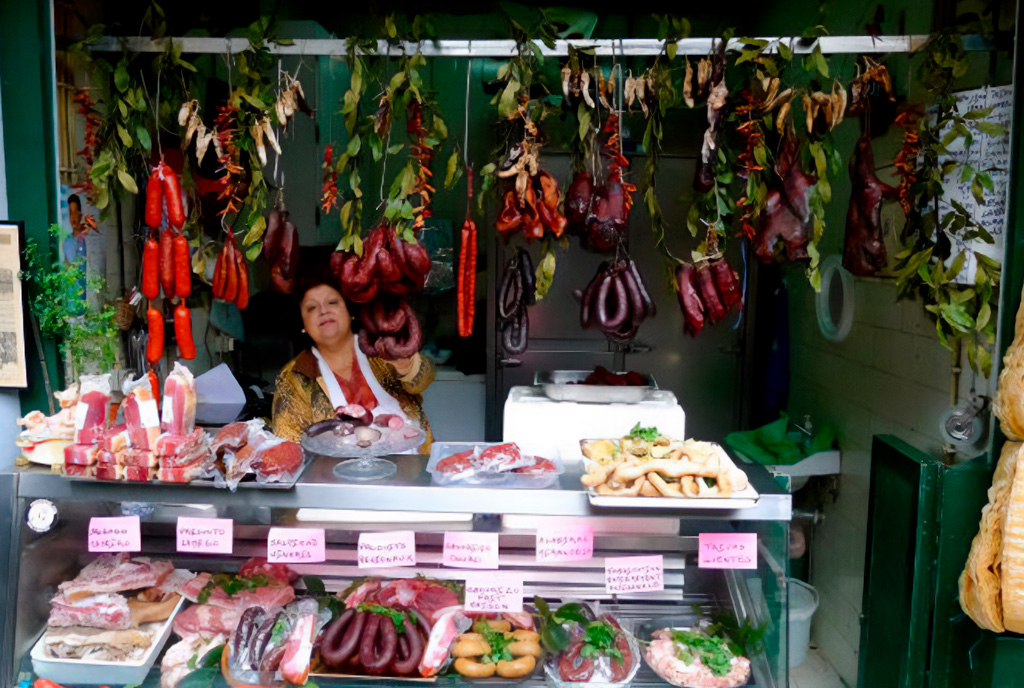
"Ribeira has those old taverns, the culture of tradition that belongs to the old folk. There are good restaurants, and then there's the river, the most beautiful part of our Douro," says Maria Olinda Ramísio, a resilient stall owner at another icon of old Porto, the Bolhão market, which has been supplying the city with its essential produce since 1950.
Ramísio sells tripe, blood sausage and other offal, such as chouriço sausage made from pork cured in port wine. Naturally, she has opinions on where to eat well in Ribeira, recommending the riverside restaurants Filha da Mãe Preta and D. Tonho.
Filha da Mãe Preta, Cais da Ribeira 39, 4050 Porto; +351 22 205 5515
D. Tonho, Cais da Ribeira 13-15, 4050-509 Porto; +351 22 200 4307
Battle of the beaches
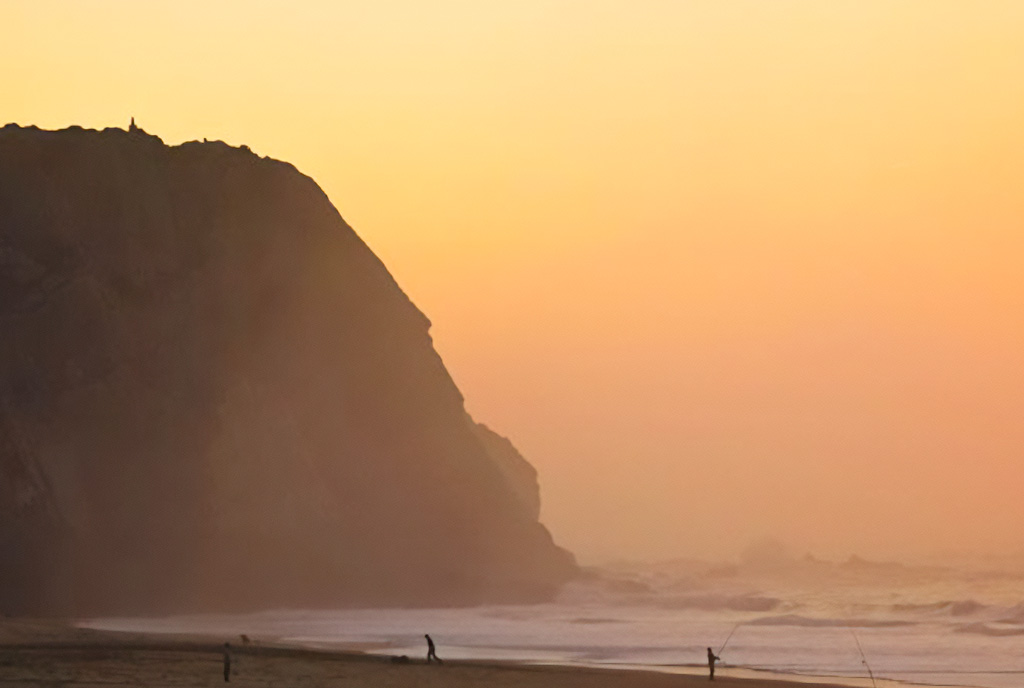
Both Porto and Lisbon are blessed with their proximity to miles upon miles of Atlantic-washed sand.
The capital's beach life begins at the mouth of the Tagus, sweeps around the chic resort of Cascais, out to the windswept coves of mainland Europe's westernmost point near Sintra and further north to the surf spots. Across the river lies the 20-kilometer curve of soft sand at Costa da Caparica and the golden crescents carved into the Arrábida hills.
Porto's beaches are even closer.
The Foz resort sits within the city limits, where the Douro meets the ocean. Its stretches of sand, broken up by rocky outcrops, run north past the promenade and rank among the finest urban beaches in Portugal.
Foz is also home to some of Porto's swankiest real estate, along with a collection of stylish boutiques, cool bars and trendy restaurants.
"Foz is a neighborhood that not many tourists come to, they usually stay in the center, but it's beautiful here. We have the river, the sea, the beaches, great shops and restaurants. They really should come here," says Marta Marques, who designs children's fashion for the Foz-based brand Piupiuchick.
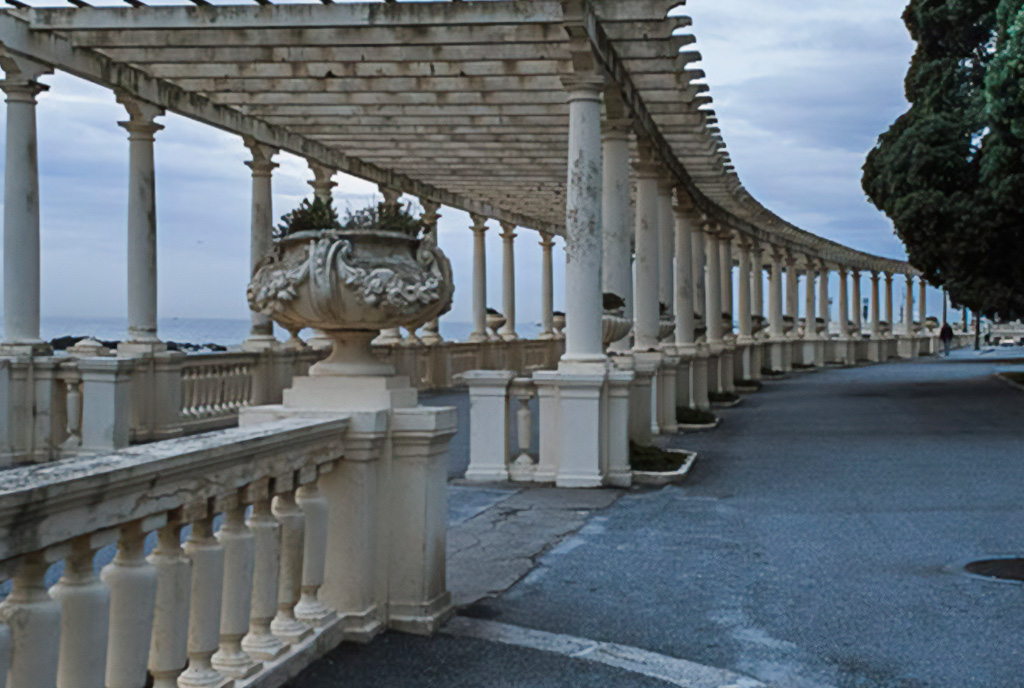
For a bite to eat, she recommends Casa Vasco: "It's a small place that's always packed all day long, at lunchtime or after work when people drop in for a drink. It's relaxed, and the terrace is always full."
South of the Douro lies the broad sandy shore of Espinho, and further north there's an almost unbroken chain of beaches to suit every taste, stretching all the way to the Spanish border just an hour's drive away.
"Because the city is seen first and foremost as an urban getaway, a lot of people never make the short hop to the wonderful beaches we have," says chef Ricardo Costa, whose restaurant at the magnificent hotel The Yeatman, perched above the Douro, earned its second Michelin star this year (The Yeatman, Rua do Choupelo, 4400-088 Vila Nova de Gaia; +351 22 013 3100).
"On the south side of the Douro there are 15 kilometers (nearly 10 miles) of Blue Flag beaches that are long and sandy and kept in excellent condition. Lined with boardwalks, cafes and restaurants, they're the perfect place to spend a lazy summer day."
Of course, Costa is also interested in what lies beneath those Atlantic waters.
"The fish market in Matosinhos is a great experience too," he says. "You have to get up early, it starts around 5 a.m., but if you're a foodie, it's a morning well spent."
Late risers can always try Matosinhos seafood at lunch; this oceanside suburb is full of wonderful marisqueiras (seafood restaurants).
Who owns the night?
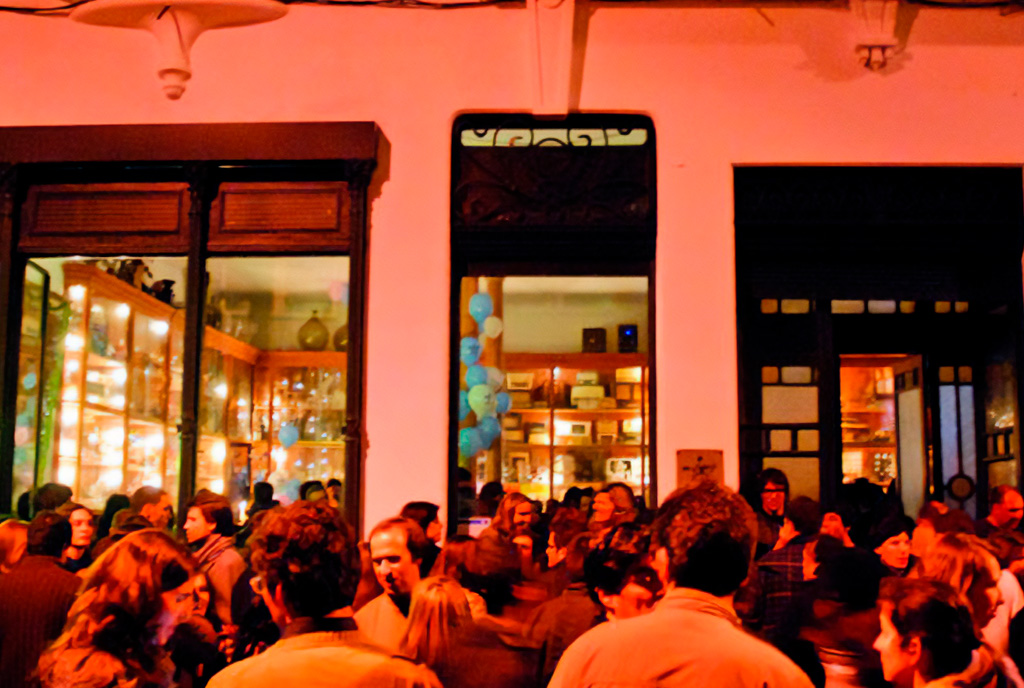
"The nightlife here is amazing. New places are opening all the time, a bar on every corner. The atmosphere is really special."
So says Teresa Campos, a food-science student at the University of Porto, taking a break from entertaining passersby as part of her tuna. Tunas are groups of student troubadours dressed in traditional black university capes who wander through Portuguese cities playing guitars and singing folk tunes.
Campos and her fellow members of their all-female troupe recommend the popular bars around Praça dos Leões and the ultra-hip Galerias de Paris district.
There are plenty of fashionable new spots to drink and dance until dawn, but their favorite is Café Piolho, opened in 1909 and a meeting place for generations of students. It served as a gathering point for dissidents during Portugal's long dictatorship. "Everyone goes there," says Campos. It's open from 7 a.m. to 4 a.m. (Café Piolho, Praça de Parada Leitão 45, 4050-011 Porto, +351 22 200 3749).
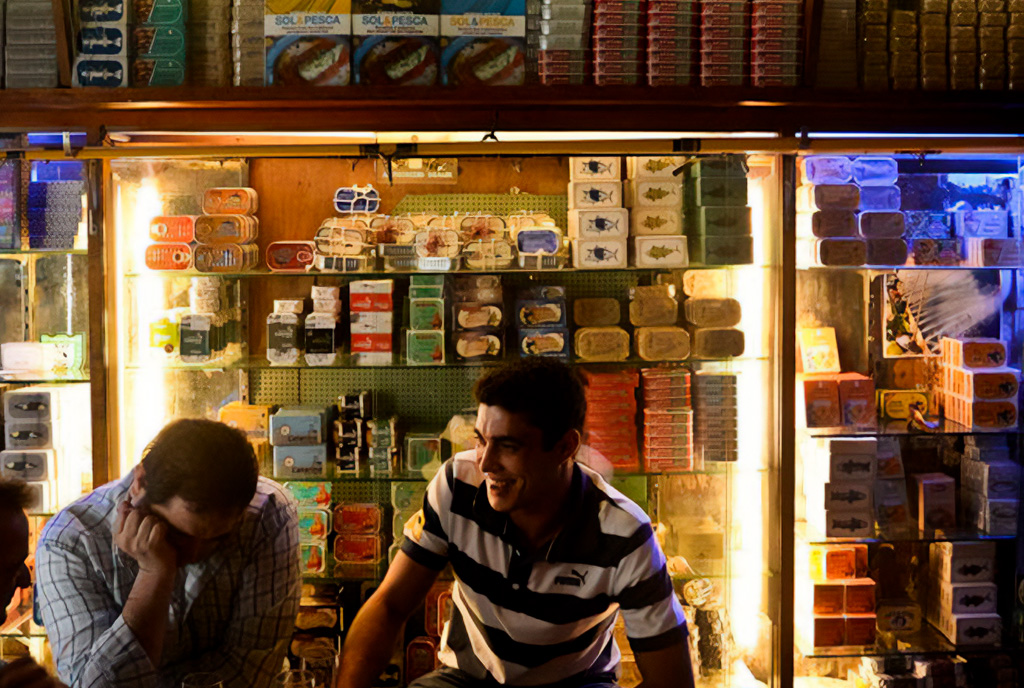
Of course, Lisbon isn't the sort of place where young people cozy up in front of the TV with a cup of cocoa at 10 p.m. The bar scene in districts like Bairro Alto and Cais do Sodré, and waterfront clubs such as Luz and Urban Beach, are magnets for night owls from across Europe.
Port vs. Ginjinha
In the battle of the drinks, Porto has a clear advantage.
Lisbon's most typical tipple is ginjinha, a sweet cherry liqueur sold by the shot from beloved little establishments around Rossio square.
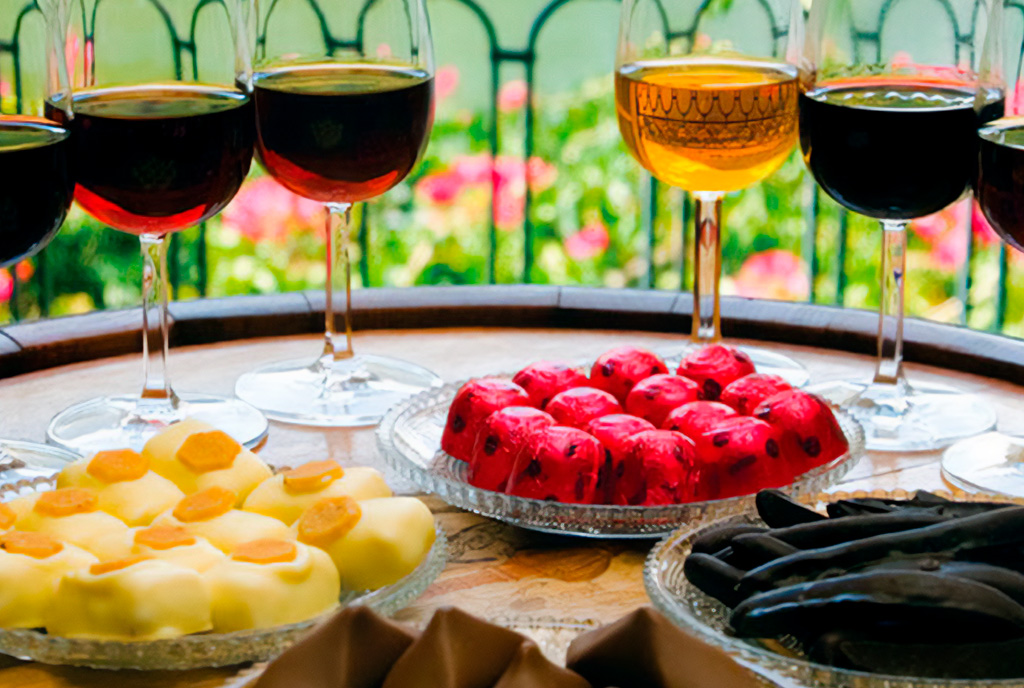
Porto's gift to the world of alcohol is far more noble.
Port wine, which takes its name from the city, has been revered for centuries as one of the great wines, a favorite of English lords, Russian tsars and connoisseurs the world over.
It's made from grapes grown in the Douro wine region, a stunning UNESCO World Heritage Site of terraced slopes rising from the winding river, which begins about an hour's drive upstream from Porto.
The base wines are shipped down to the historic wine cellars in Gaia on the south bank, where they're blended with brandy and left to mature in bottles and barrels until they reach their full glory.
"The whole port wine culture is absolutely unique. It's really something special. You have all these wine cellars on the other side of the river, hundreds of years old, where the wine is left to mature," says João Brás, owner of Castelo Santa Catarina, Porto's most whimsical hotel, set inside a tall pseudo-medieval folly built in 1887 as the mansion of a textile magnate.
"Visitors absolutely have to visit the wine cellars, they all offer tours and tastings. There are basic tastings with the ordinary wines, but they should pay a little more to try the vintages."
Castelo Santa Catarina, Rua de Santa Catarina 1347, 4000-457 Porto; +351 22 509 5599
The best view
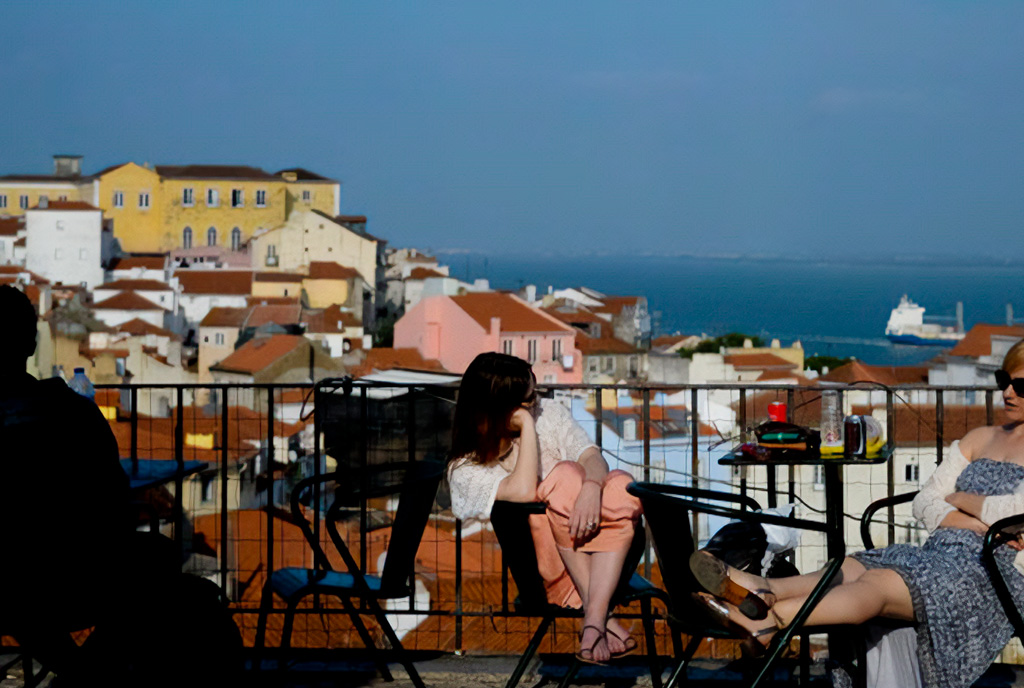
Neither Porto nor Lisbon spares your calf muscles.
Both were built on hills that rise sharply from their rivers. Visitors are rewarded for their aching legs with spectacular views over the cityscapes from the upper reaches of those hills.
Lisbon has countless viewpoints, or miradouros. From Portas do Sol square you look out over Alfama's tiled rooftops sloping down to the Tagus. The entire city center unfolds below the terrace in front of the Graça church, or its counterpart on the opposite hill, São Pedro de Alcântara.
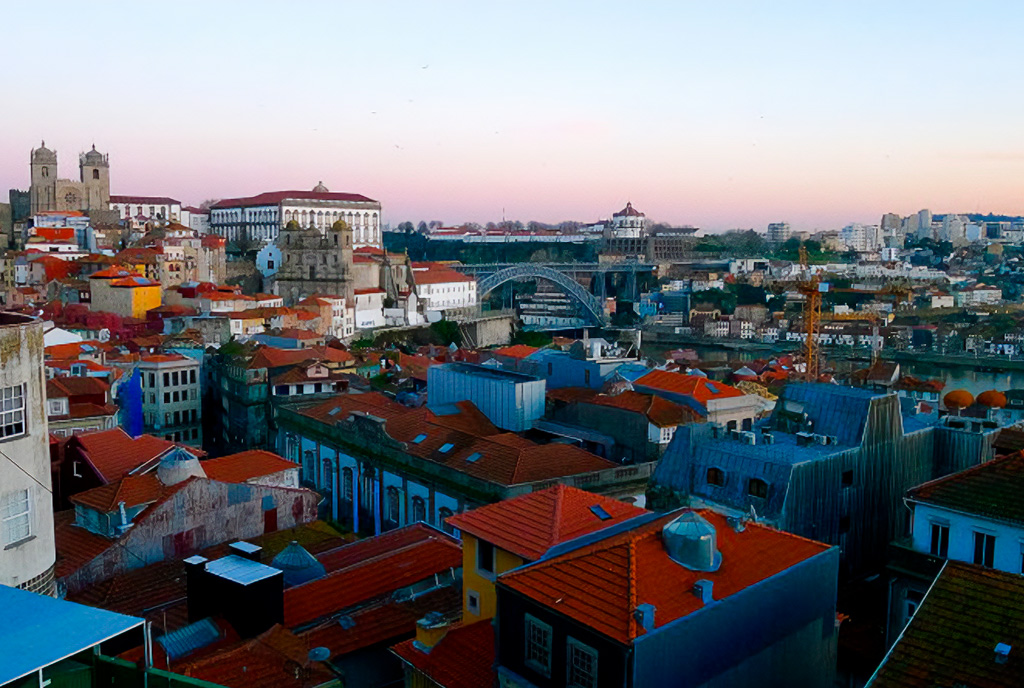
For many people, the finest view of Porto is the one from the miradouro in front of Nossa Senhora do Pilar, a round church high on a cliff on the south bank of the Douro, reached via the upper deck of the Dom Luís I bridge. The view of the river, Ribeira's colorful houses and the city rising behind them is striking at any time; at sunset it's unforgettable.
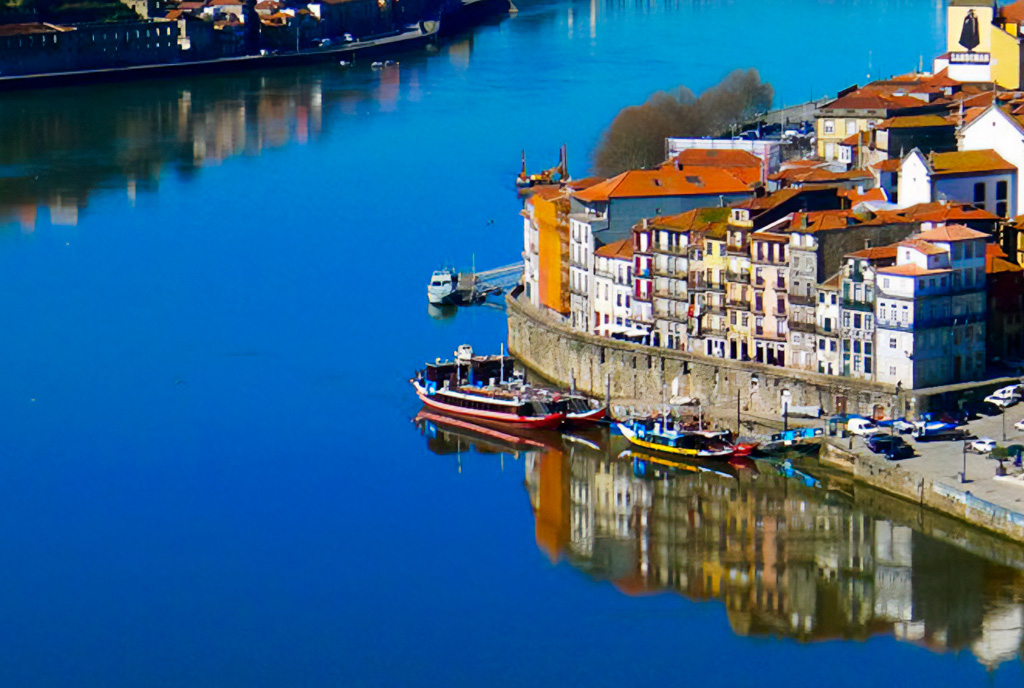
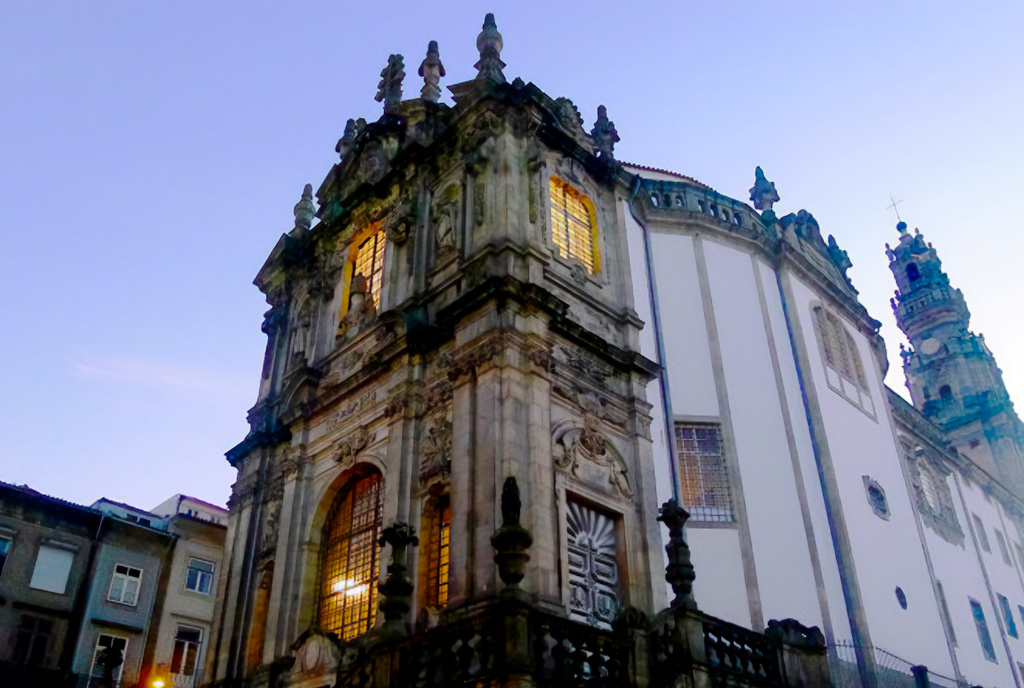
Climbing the 76-meter (250-foot) baroque tower of the Clérigos church is another way to score a great view of Porto, but author Richard Zimler, a New York-born tripeiro, prefers a more discreet vantage point.
"There's a miradouro at the end of Rua de São Bento da Vitória, in the middle of what was once the old Jewish quarter," says Zimler, who has lived 27 years in his adopted city.
"It's a very old street, and when you reach the end there's a viewpoint with the most wonderful, magnificent, special view of Porto's old townhouses spilling down to the riverbank. From this one lookout you can see the river, the wine houses, the barcos rabelos, and if you look to the left, you can see the cathedral and Porto's upper town.
"It's a view that takes everyone's breath away. And the amazing thing about it, something that could only exist in Porto, is that no one has tidied it up, it's a mess. The building next door is completely falling apart. There's no paving, and in some spots there's rubbish. It sounds awful, but it's very Porto," he says.
"You still find these secret spots that are utterly, extraordinarily beautiful and that no one has bothered to prettify."
Cafe society
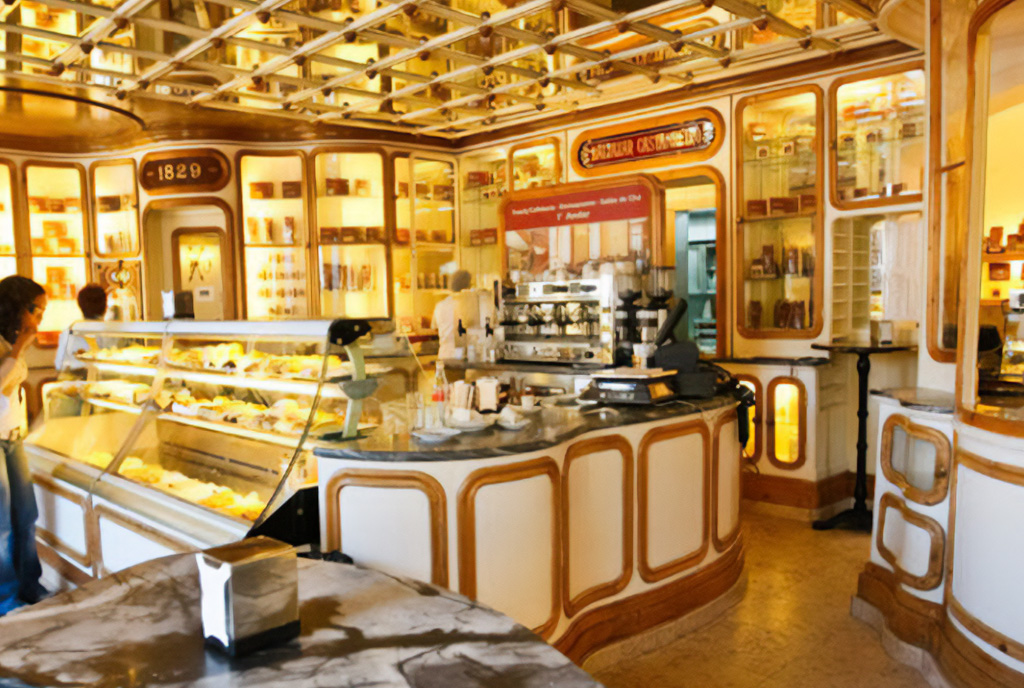
Grand old cafes are an essential part of the urban fabric of both Lisbon and Porto.
Lisbon's Confeitaria Nacional (Praça da Figueira 18B, 1100-241 Lisboa; +351 21 342 4470) has been serving homemade pastries since 1829. A Brasileira (R. Garrett 120, 1200 Lisboa; +351 21 346 9541) is a literary landmark in the chic Chiado shopping district, lined with mirrors and lit by Versailles chandeliers (Av. da República 15-A 1050-185 Lisboa; +351 21 354 6340), forever filled with Lisbonites washing down creamy delicacies with a sip of espresso.
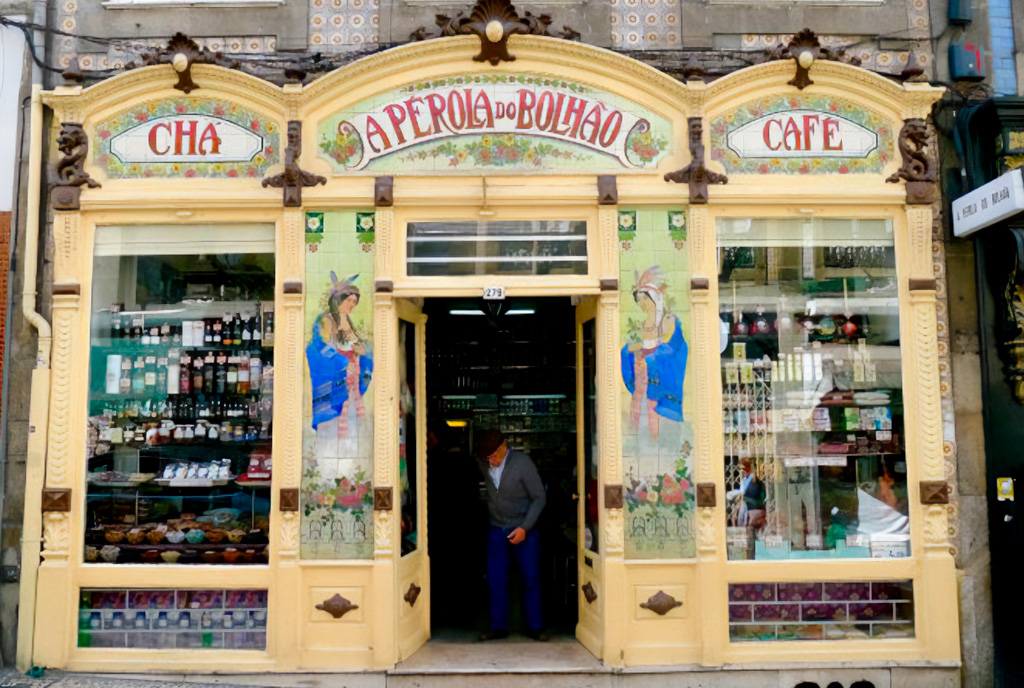
Porto can boast the ornate art deco refinements of Café Guarany (Av. dos Aliados 85/89, 4000-066 Porto; +351 22 332 1272) on its main street, the striking Avenida dos Aliados, and the 1950s Café Ceuta (R. de Ceuta 20, 4050 Porto; +351 22 200 9376), but for José Xavier, a member of the small fishing community that works the little boats out of the mouth of the Douro, there's one place that truly stands out.
"The Majestic is a fantastic place, there's no other cafe like it anywhere, everyone should go there," he says, offering up his catch from a riverside shed. "Same with Livraria Lello [perhaps the most beautiful bookshop in the world], there's nothing quite like it." (The Majestic, Rua Santa Catarina 112, 4000-442 Porto; +351 22 200 3887)
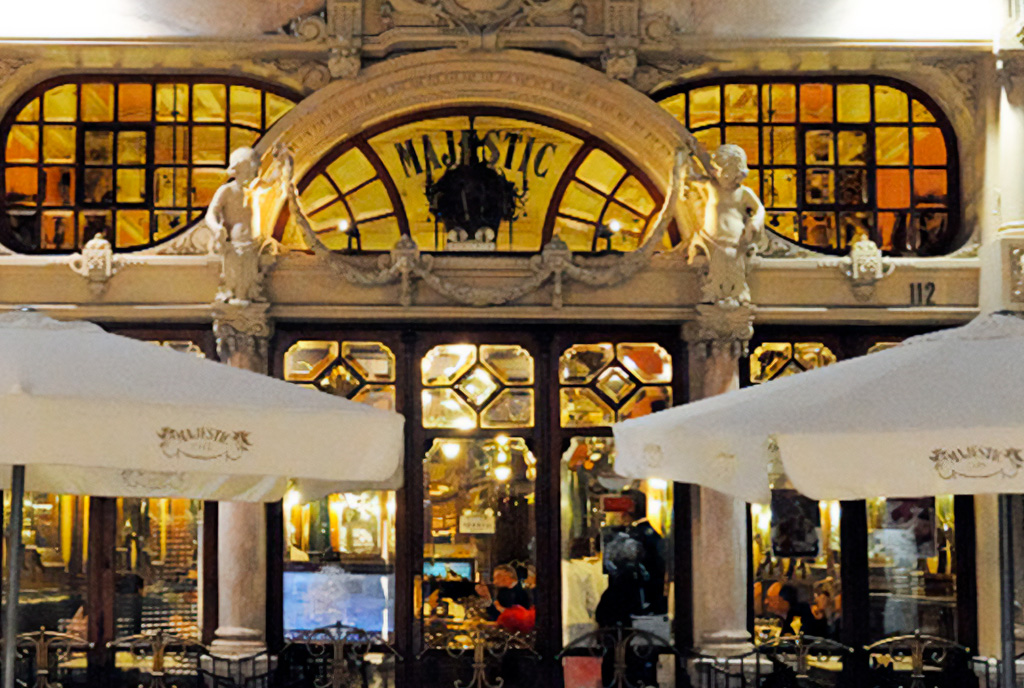
Opened in 1921, the Majestic is a classic Belle Époque cafe that remains a must for anyone passing through Porto. It's worth trying the rabanadas, the Porto take on French toast: bread soaked in a rich egg custard, with cinnamon, lemon zest, nuts and raisins.
According to local legend, Harry Potter was born here. The Majestic was a favorite haunt of writer J.K. Rowling when she worked as a teacher in Porto and began jotting down her first story about the boy wizard.
Xavier has one more tip: "Oh, and they should also go to McDonald's, the one next to the city hall, they really should check it out."
Before it was taken over by the fast-food chain, 126 Praça da Liberdade was home to the impressive Café Imperial, and enough of its 1930s decor survives to make it quite possibly the grandest place to grab a Big Mac anywhere.