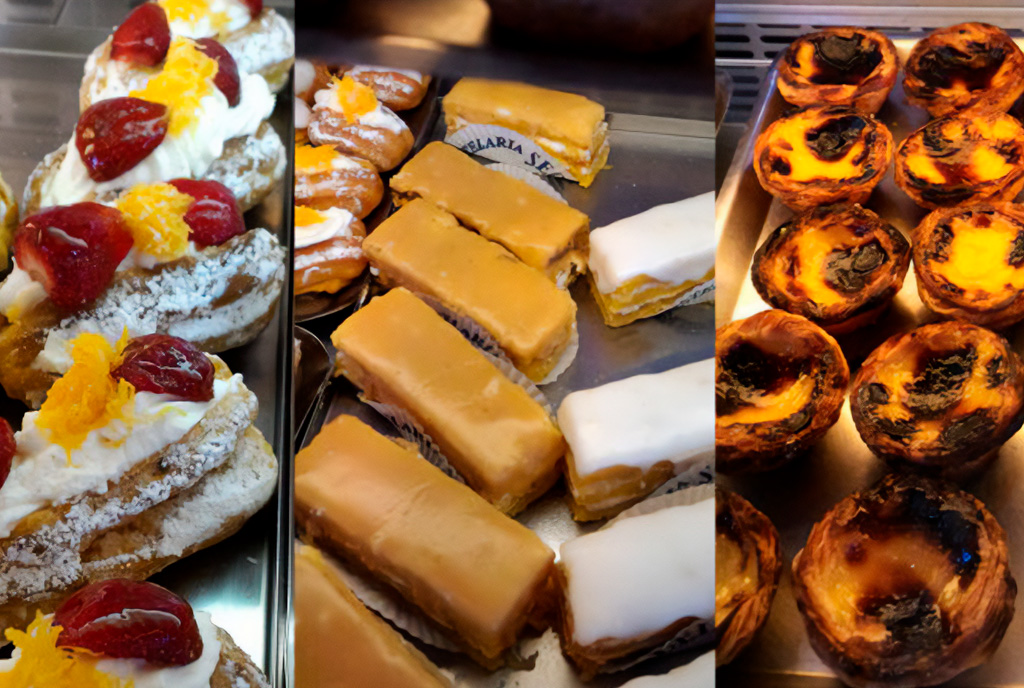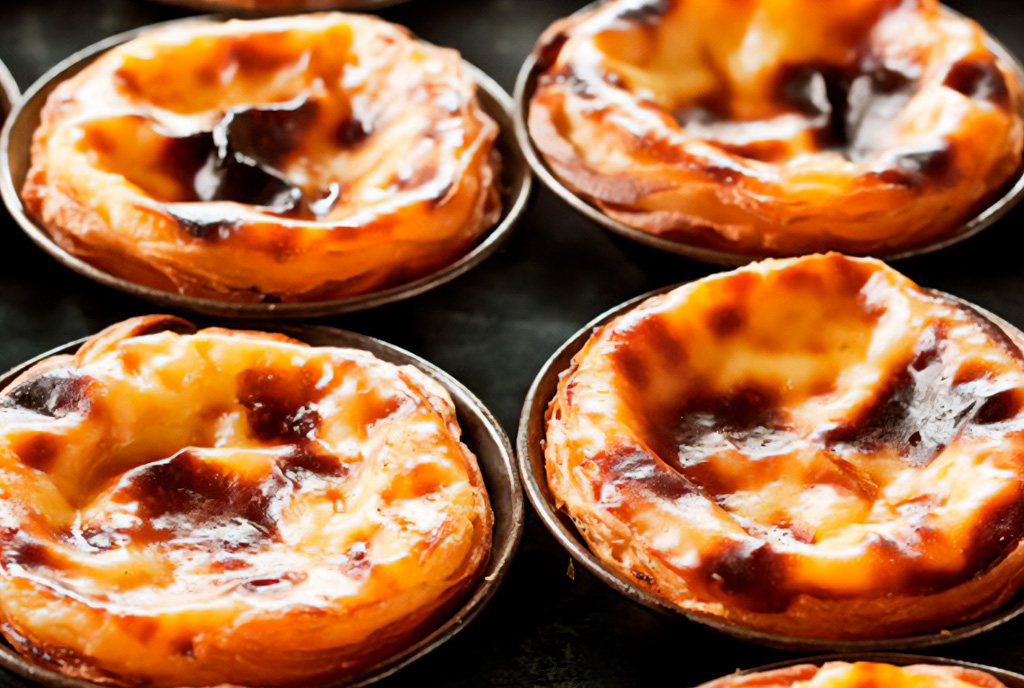


What do you get when you combine a mountain of egg yolks, flour and butter with a generous heap of sugar? In Portugal's case, you get the foundation of a national way of life.
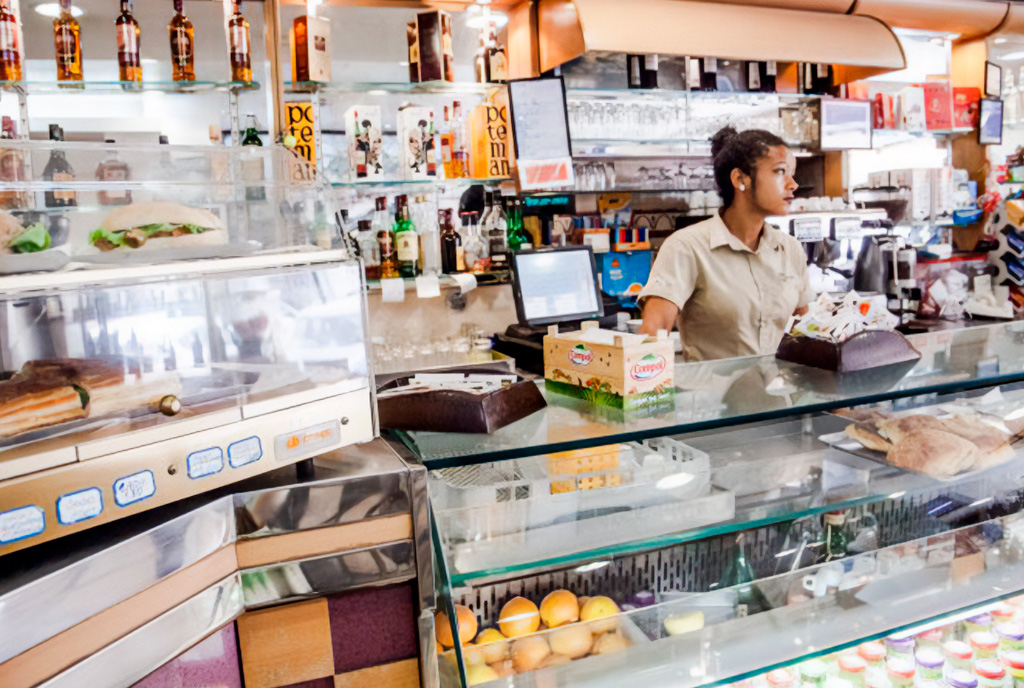
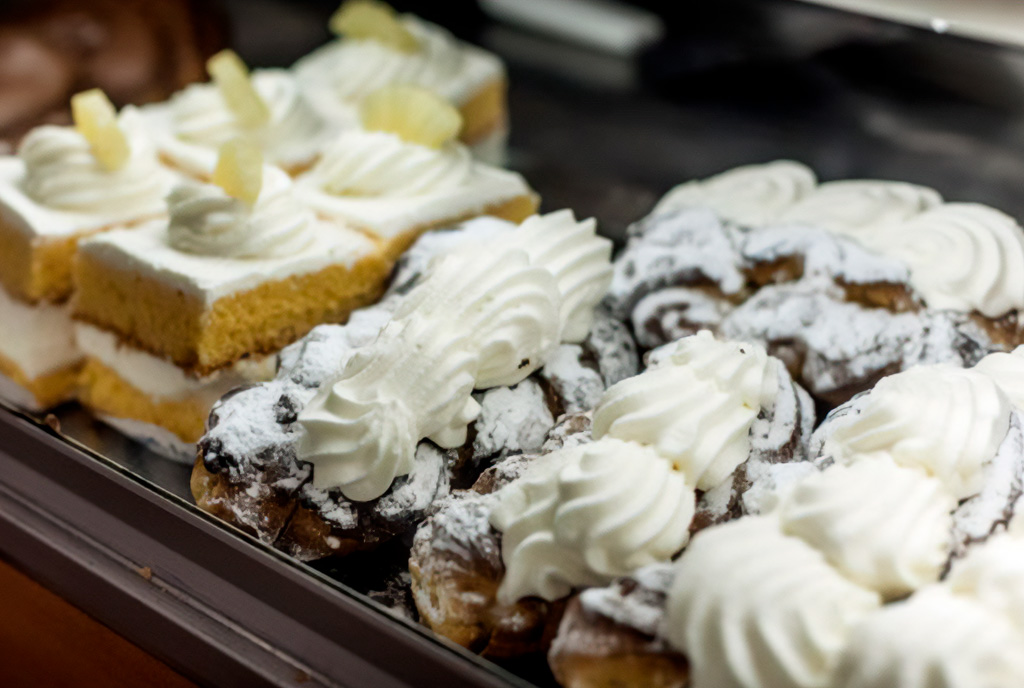
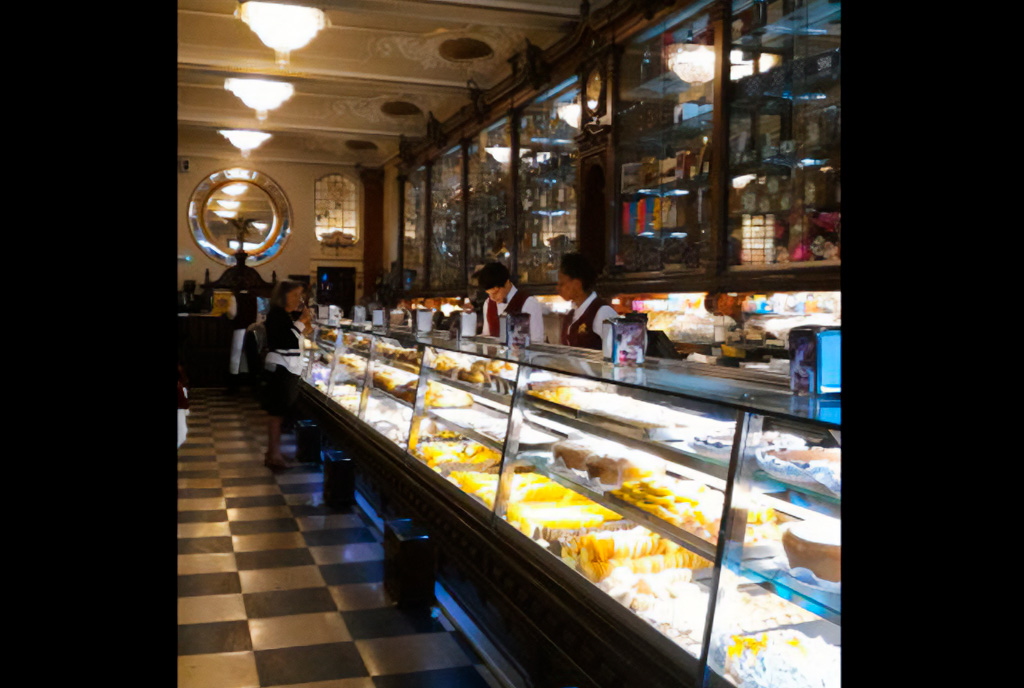
A vast variety of pastries, forming a yellowish expanse of soft, chewy treats displayed in endless curved cases beneath the counters, is the standard across the country.
A gorgeous book pays tribute to this culinary tradition: "Fabrico Proprio: The Design of the Portuguese Semi-Industrial Pastry."
Partner links: booking through them supports the blog at no extra cost to you.
Written by two local designers and available at the famous Lisbon shop A Vida Portuguesa, it catalogues roughly 40 specific kinds of buns, rolls and cakes that reach far beyond the iconic pastel de nata (the creamy custard tart).
Many of them carry colourful old names such as Jesuita (Jesuit), bispo (bishop), travesseiro (pillow), brisa (breeze), borboleta (butterfly), imperio (empire), maravilha (marvel).
And most of them still genuinely live up to the widespread claim of "fabrica proprio," which means they are baked on the premises.
As a result, one of the greatest pleasures of wandering through Lisbon, still a charmingly untouched capital, is the sheer number of pastry shops that serve as the social hub of nearly every neighbourhood.
They offer plenty of chances to soak up a grand atmosphere, to catch a breath of art deco or older styles, while chatting with polite waiters and dignified elderly regulars who take their sweets to start the day or to round it off.
Although the Portuguese are hooked on their shots of espresso, ordered simply as "cafe," the country has no institution quite like the "cafe" itself: it is the pastry shops that serve a double purpose.
In fact, many of the country's most prized sweets were first made in monasteries, where nuns did the baking and eventually raised money for the church by creating these sinful confections.
The role of Portuguese sailors as the first explorers of the spice route also shows up in the lavish use of cinnamon.
While well-known establishments such as Pastelaria Benard and Confeitaria Nacional are cited most often for their showy decor, a poll of pastry-tasting experts produced the following list of the places that are the most local, wonderful and truly "Lisbon."
Centro Ideal de Graca
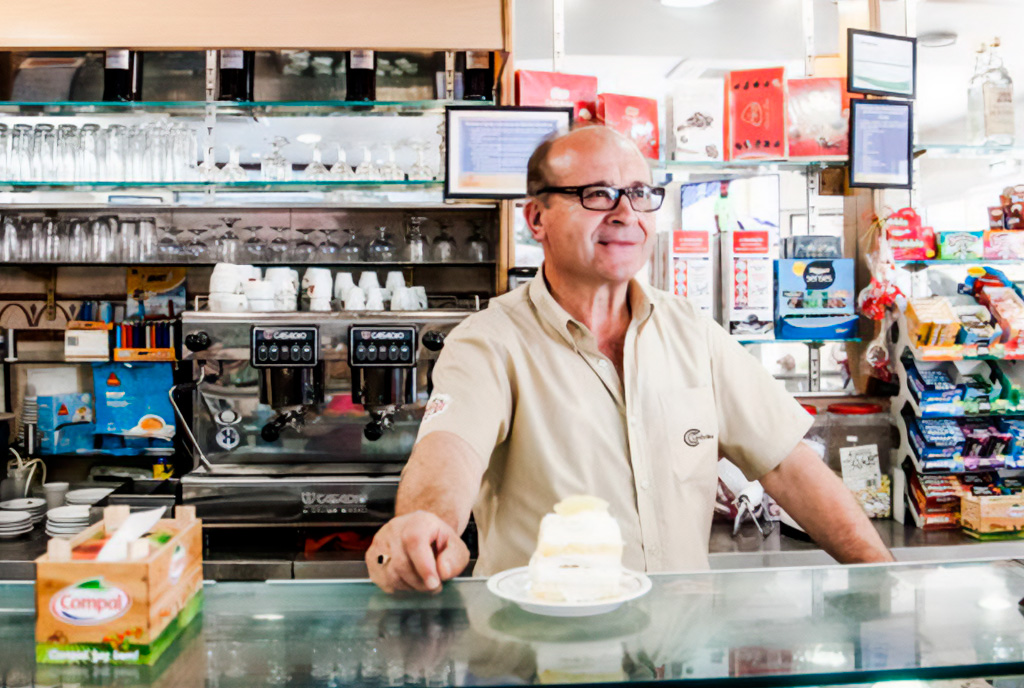
One of the best in the city and set in a historic hillside district, Centro Ideal de Graca sits just steps from Lisbon's most breathtaking miradouro (viewpoint), depicted on the shop's walls in painted tiles.
It is a superb spot for all sorts of creamy pastries, including the stuffed Russo (Russian) and the caracois (snails), the Portuguese take on the French pain au raisin, where the raisins are swapped for candied fruit.
Cister
Principe Real, centred on an elegant park of the same name, is now one of the city's trendiest districts, home to many independent fashion designers and a lively gay scene.
Yet it has not shed its traditions, worthily represented by the charming corner spot Cister, founded in 1838 and located directly across from the Museum of Natural History and Science.
Baloico
A popular place with retro 1960s decor in an unassuming area near the Lisbon Zoo, Baloico is famous for its almond biscuits and broa (corn bread), heavily sweetened with honey. There is also a terrace restaurant here serving fish.
Versailles and Sequeira
The most luxurious of all Lisbon's cafes, Versailles, sits along the ring boulevard Avenida da Republica and is almost always packed with loyal elderly patrons drawn by its elegance and enormous selection.
But some locals prefer Sequeira, a more practical breakfast spot on the corner of the next block.
Careca
With most of its tables set out on the street to make the most of the long summer, this is the focal point of Restelo, Lisbon's only genuinely upscale suburb, best visited on a trip out to Belem.
The sugar-dusted croissants and the Bolas de Berlim, filled with custard, are also top-notch.
Marques de Pombal
A somewhat austere establishment right beside the city's main traffic junction, Marques de Pombal has a modest-looking front counter, but at the back there is a large dining room with an endless selection.
Casa Brasileira
A little spoiled by its location in the touristy stretch of Baixa and now offering freshly squeezed fruit juices, this old-school spot still keeps its local clientele inside, along with plenty of delicious Portuguese almond Danish pastries.
Bolos Praca de Chile
For those whose sweet tooth suddenly wakes before dawn, this is one of Lisbon's more unusual culinary landmarks: a nondescript basement where sugar lovers queue up for doughnuts, puff pastries and all manner of junk food served hot from a round-the-clock bakery.
Bolos Praca de Chile; Av. Almirante Reis, 149; Lisbon
John Krich is a seasoned travel writer and food critic, formerly with the Asian Wall St Journal, known for his travel books "Around the World in a Bad Mood" and "Won Ton Lust," as well as the PEN/Hemingway Award-winning novel "A Totally Free Man," and is now based in Lisbon.