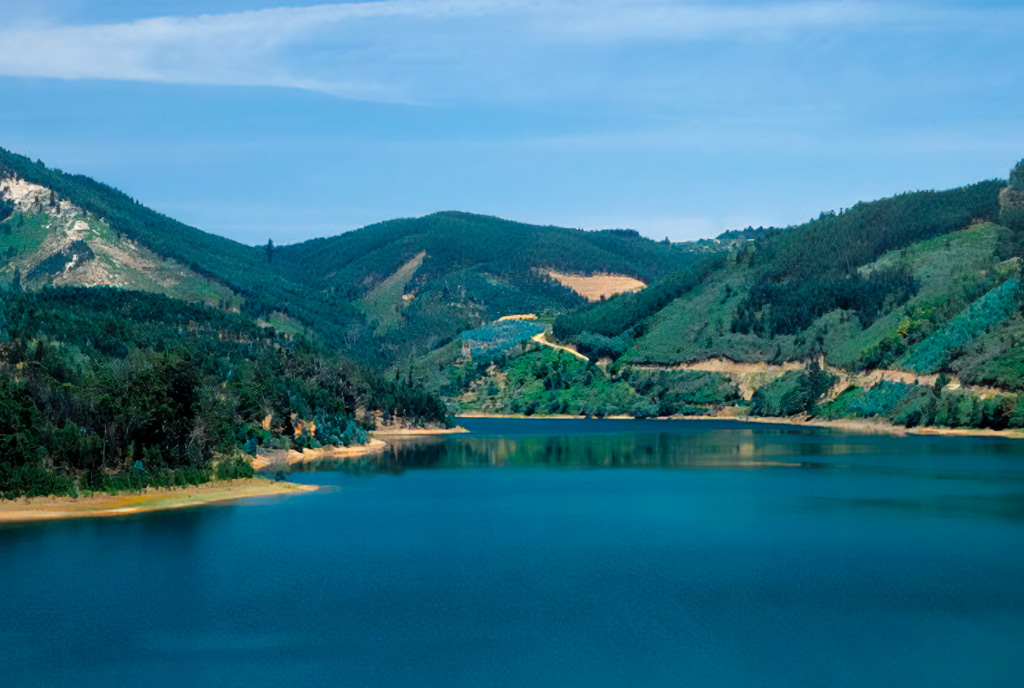


Rio Douro translates loosely from Portuguese as "river of gold." When the setting sun catches it just right, you can see why. The water glimmers like molten bullion.
The Douro cuts across northern Portugal, winding some 200 miles from the rugged wilderness on the Spanish border to the old city of Porto and on to the Atlantic. Grapes grown on its steeply rising banks have produced legendary port wines for centuries. It may well be the most beautiful wine region in the world.
Not enough? It also boasts stunning landscapes and several World Heritage Sites. Here's the best that Portugal's golden river has to offer:
Partner links: booking through them supports the blog at no extra cost to you.
Tripe and tradition in Porto
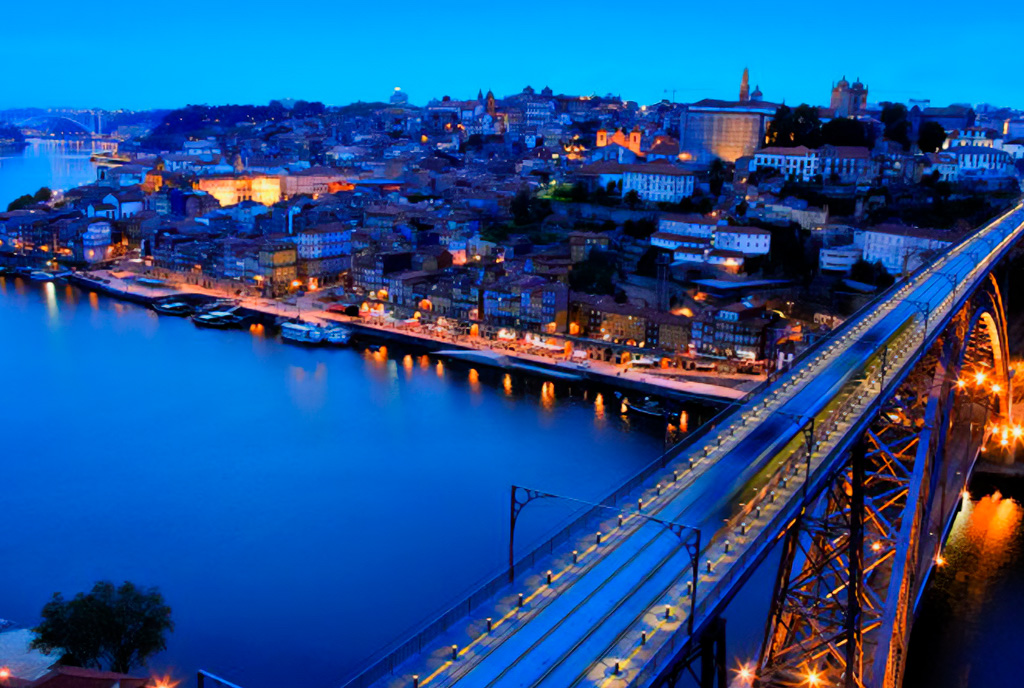
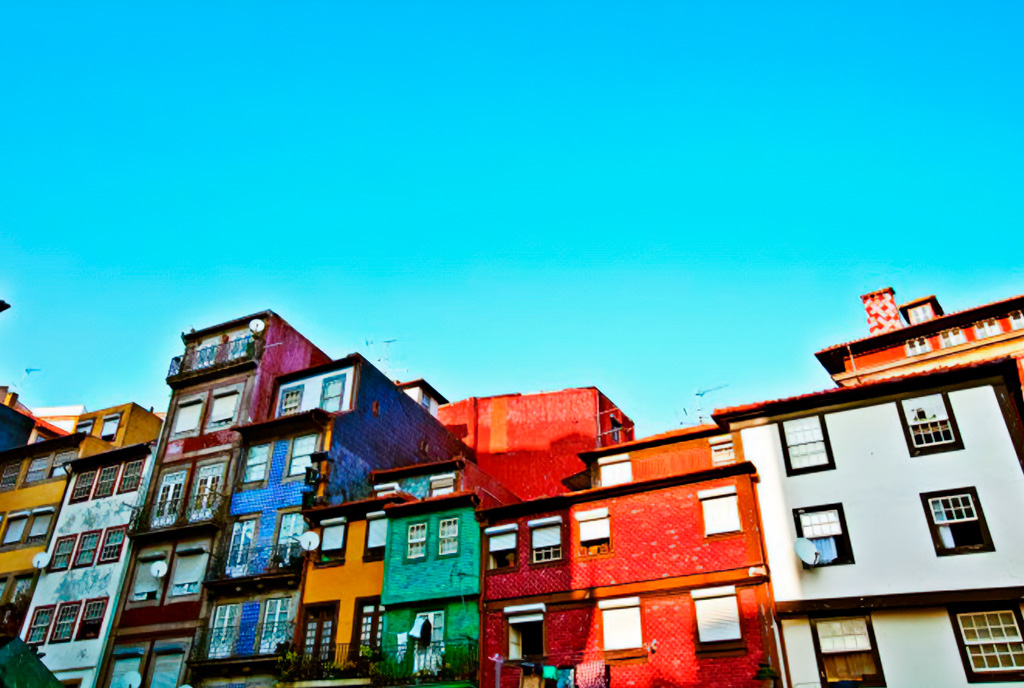
From the upper deck of the Dom Luis I Bridge, Porto reveals a jaw-dropping cityscape. Its heart is a UNESCO World Heritage Site centered on the riverside Ribeira district, a cluster of brightly painted houses. In the twisting alleys, restaurants serve up the local delicacy: tripe stewed with beans.
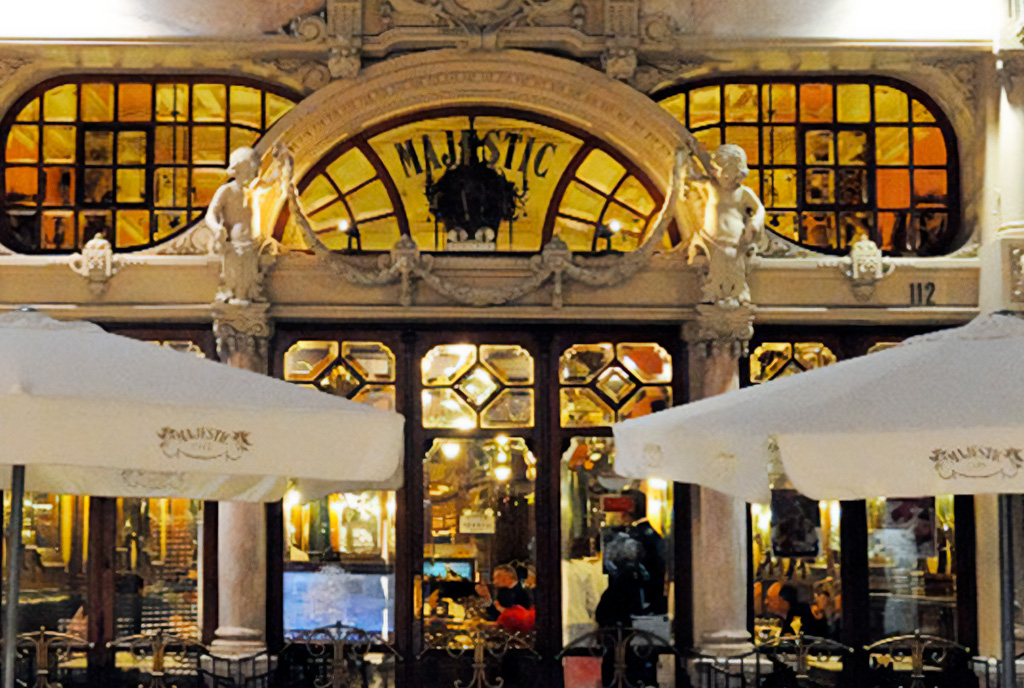
The churches shimmer blue with tile on the outside and gold within. Bolhao Market is a food lover's paradise. The city center is packed with shops that haven't changed in generations. It's hard to resist the cinnamon toast at the 1920s Majestic Cafe.
Majestic Cafe, Rua Santa Catarina, 112 4000-442 Porto; +351 22 200 3887
The world's oldest graffiti?
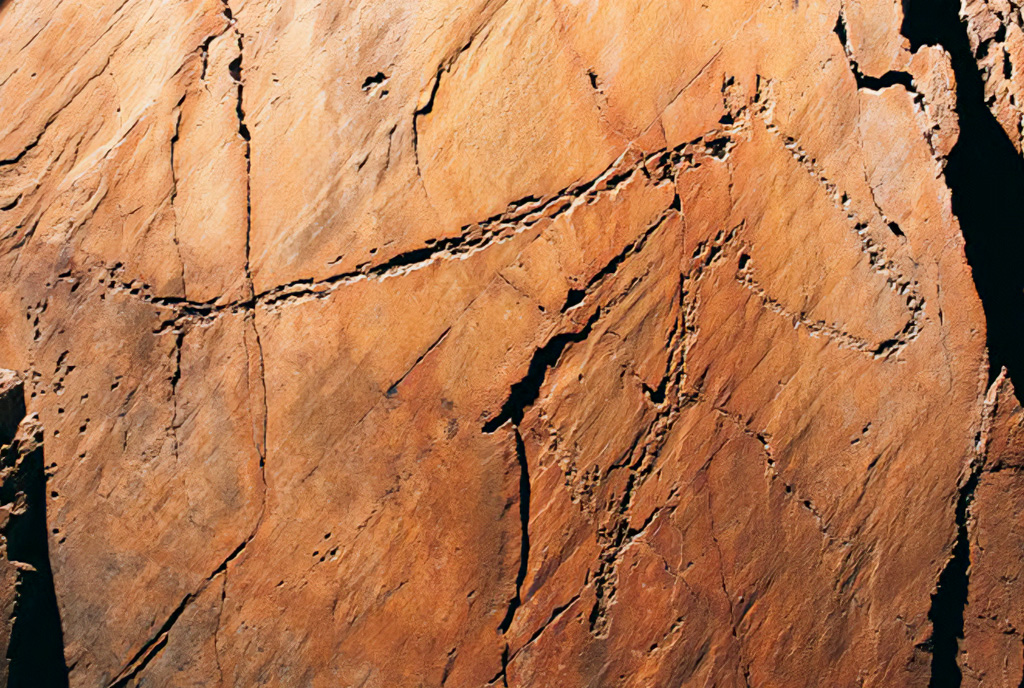
In the 1980s, archaeologists made an astonishing discovery where the Coa River flows into the Douro. The rocks in the lush valley hold thousands of carved images: deer, goats, horses, and horned aurochs, the ancestors of modern cattle.
These prehistoric carvings, some 30,000 years old, may be humanity's oldest outdoor art. Plans to build a dam and flood the valley were scrapped, and the site is now a UNESCO landmark. An impressive hilltop museum decodes the Stone Age art and runs tours down to the engravings. Nearby, you can unwind at the Longroiva spa hotel.
Port perfection
Port is a complex drink.
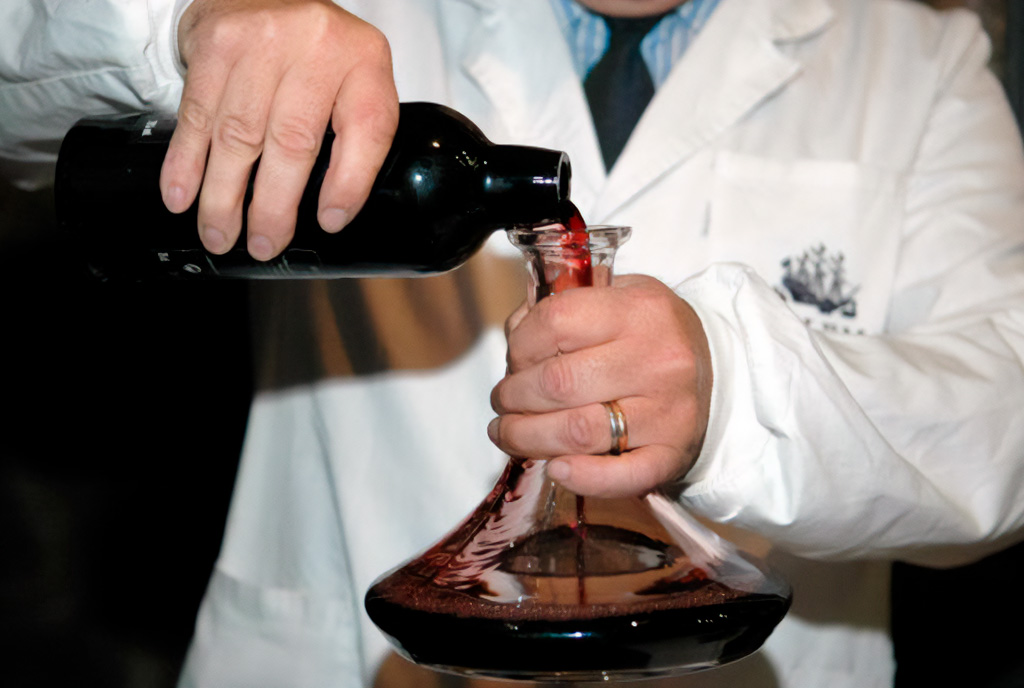
It's made from grapes grown along the Douro, fortified with brandy, and then aged into wonderfully delicious varieties. The dry whites are perfect for aperitifs and cocktails. Ruby and tawny go beautifully with cheese or chocolate desserts. Then come the vintages, LBVs, colheitas, reserves and other exquisite nectars.
You can sharpen your knowledge of port by visiting the venerable cellars where the wines mature in Vila Nova de Gaia. Or head upstream to the source of port, in the vineyard estates (the quintas) scattered across the Douro hills.
Cruising the river
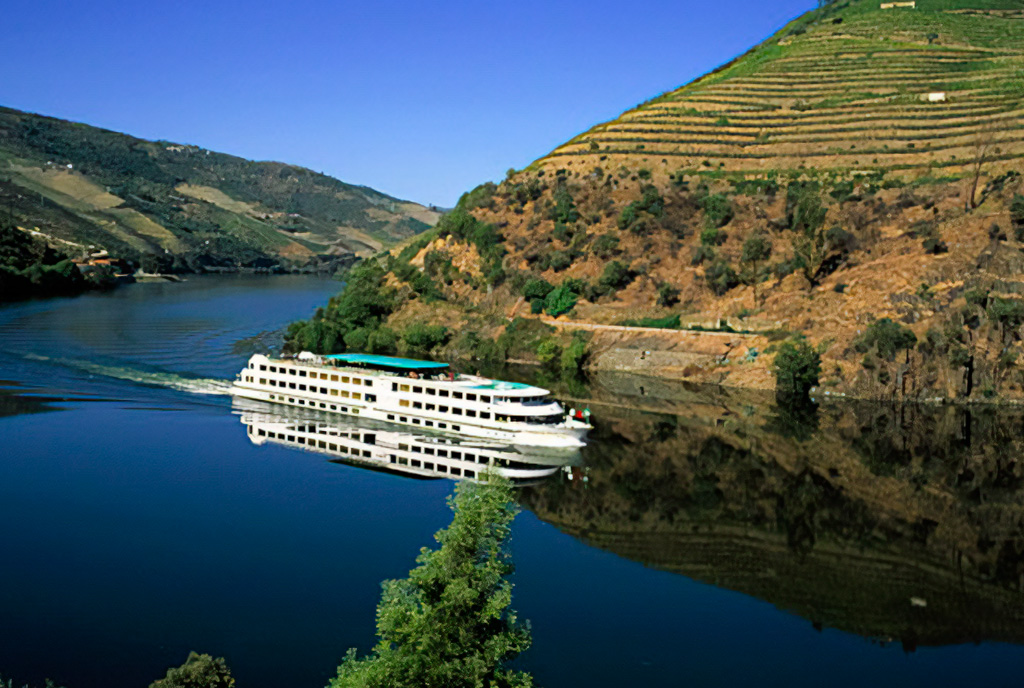
The narrow barco rabelo sailing boats no longer race down the Douro rapids laden with wine barrels. Even so, there are plenty of ways to get out on the water.
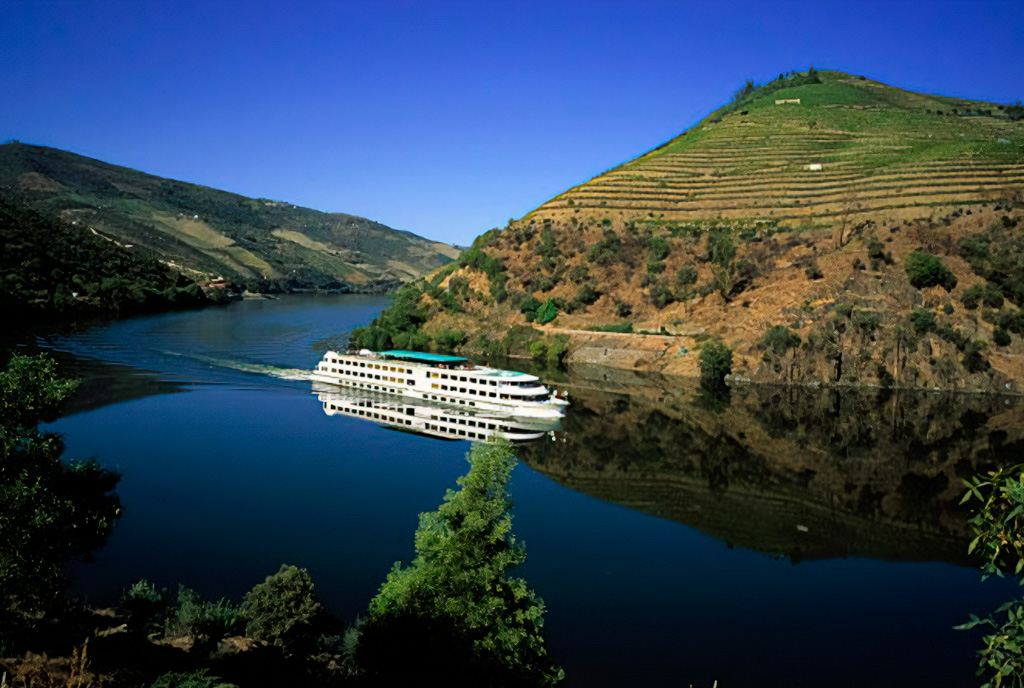
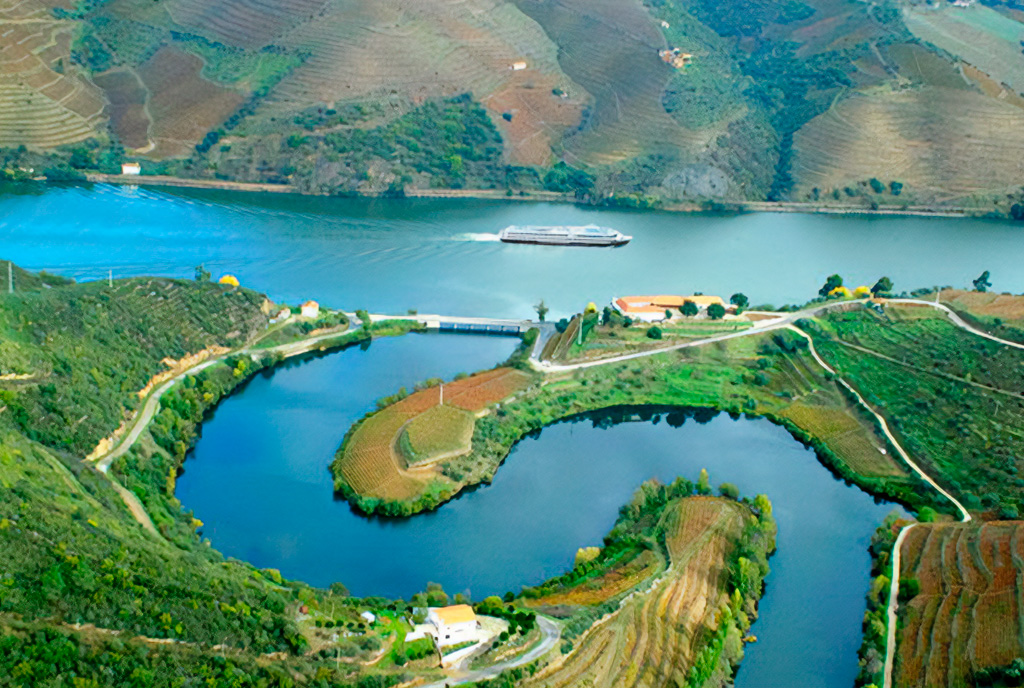
Elegant floating hotels offer week-long cruises with no shortage of tastings at the wine estates. Ferries chug up the river, offering cheap and cheerful day trips from Porto with hearty lunches on board and a return by rail that hugs the water.
Private yachts and historic vessels offer tailor-made romantic voyages. All of them deliver unforgettable views of the vineyard-covered terraces rising from the winding river.
"Buonos dies" in Miranda do Douro
Portugal has two official languages: Portuguese, spoken by 250 million people around the world, and Mirandese, spoken by 15,000 people around the border town of Miranda do Douro.
Your first lesson: "buonos dies" means "good morning." Miranda was pushed into the background back in 1762, when invading Spaniards blew up part of it and the local bigwigs made a hasty exit.
Its remoteness allowed clifftop Miranda to hold on to its language, medieval architecture and unique traditions. The men perform a war dance dressed in frilly skirts and striped socks. Locals revere a statue of Jesus in a top hat. The town is famous for its steaks, grilled over a fireplace at Restaurante Balbina.
Restaurante Balbina, Rua Rainha D'Catarina 1, 5210-228 Miranda do Douro, Portugal; +351 273 432 394
Lunch on lamprey
Douro delicacies include lamprey (parasitic, eel-like river creatures) cooked in red wine with rice; pork offal in blood (papas de sarrabulho); young kid goat (cabrito); fried octopus (polvo frito); salt cod pie (bolo de bacalhau); and superb smoked sausages served with broccoli rabe (alheiras com grelos).
Food is held in high esteem here, whether at gourmet establishments like The Yeatman, Largo do Paco and DOC, or at country restaurants dishing out giant portions, such as Tasquinha do Fumo near Baiao or the raucous O Sapo in Penafiel.
An Atlantic state of mind
Foz do Douro, Porto's chic beach suburb, is where the river meets the sea. Here you'll find palm-shaded promenades, Atlantic surf and super-cool beach bars.
The sunsets are magnificent. On sunny days, joggers, cyclists and strollers pass by seaside parks, historic forts and a string of sandy beaches.
Staying in palaces, quintas, manor houses or granaries
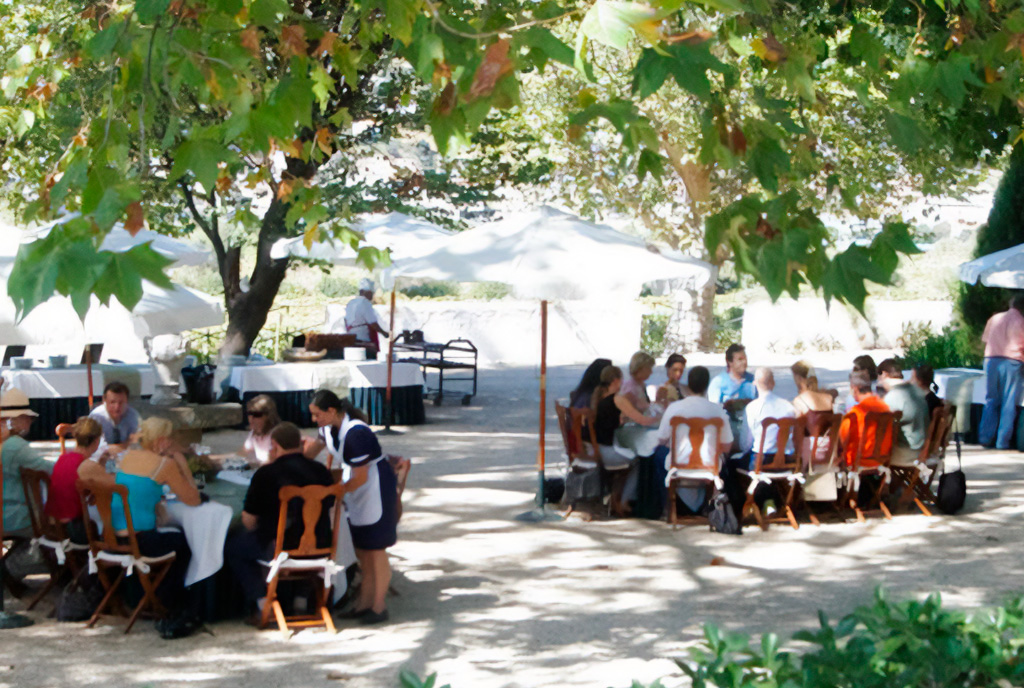
Along the Douro there's a dazzling choice of outstanding places to stay. Urban palaces like the Palacio do Freixo, enchanting family mansions like Solar Egas Moniz, even lavishly converted granaries.
Welcoming wine estates blend old-world elegance with contemporary design. Worth a look are Quinta do Vallado, Casa das Pipas and Morgadio da Calcada, along with the stunning views from Quinta Nova Winery House.
A ride on the Pocinho express
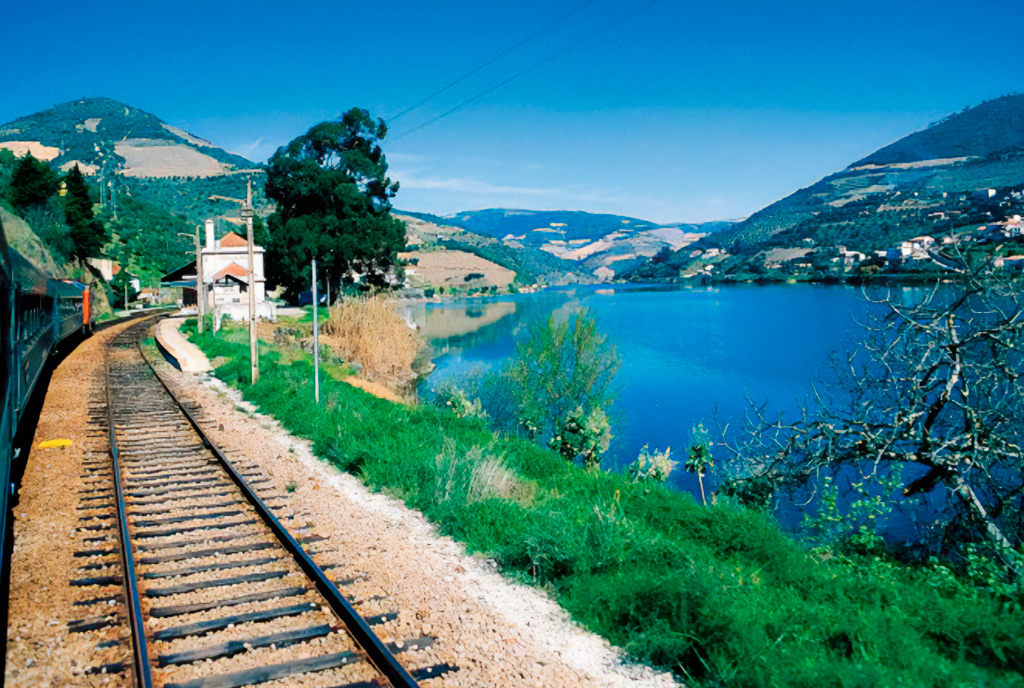
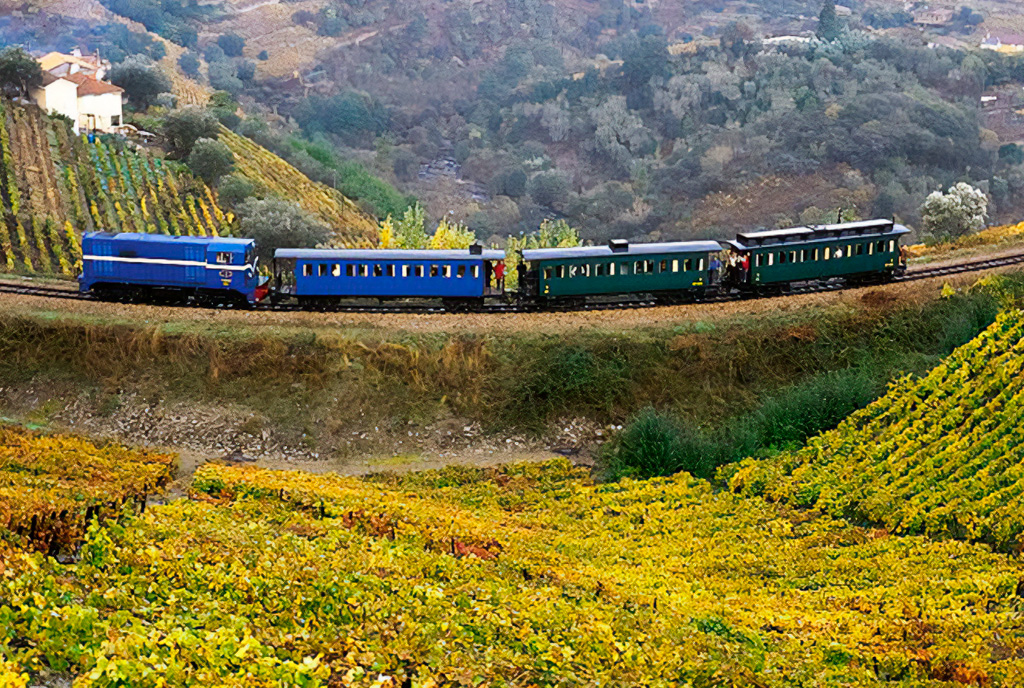
Trains take three hours from Porto to the end of the Douro line at Pocinho. The time flies by. The tracks cling to the riverbank, with breathtaking views around every bend. Tickets cost about €13 ($15).
Along the way you'll find riverside stations brightly decorated with azulejos, the painted ceramic tiles. In summer, special trains run with historic carriages.
You can splurge on luxurious nine-hour journeys aboard Portugal's former presidential train, complete with a four-course gourmet tasting menu from a Michelin-starred chef.
Diving into the red
The Douro has been famous for port for more than 300 years. Now its table wines, especially the robust reds, are creating an international buzz. Wine Spectator placed two Douro reds among its top four in the world in 2014 (port was No. 1). In 2015, it rated the Porca de Murca red as the best buy under $20.
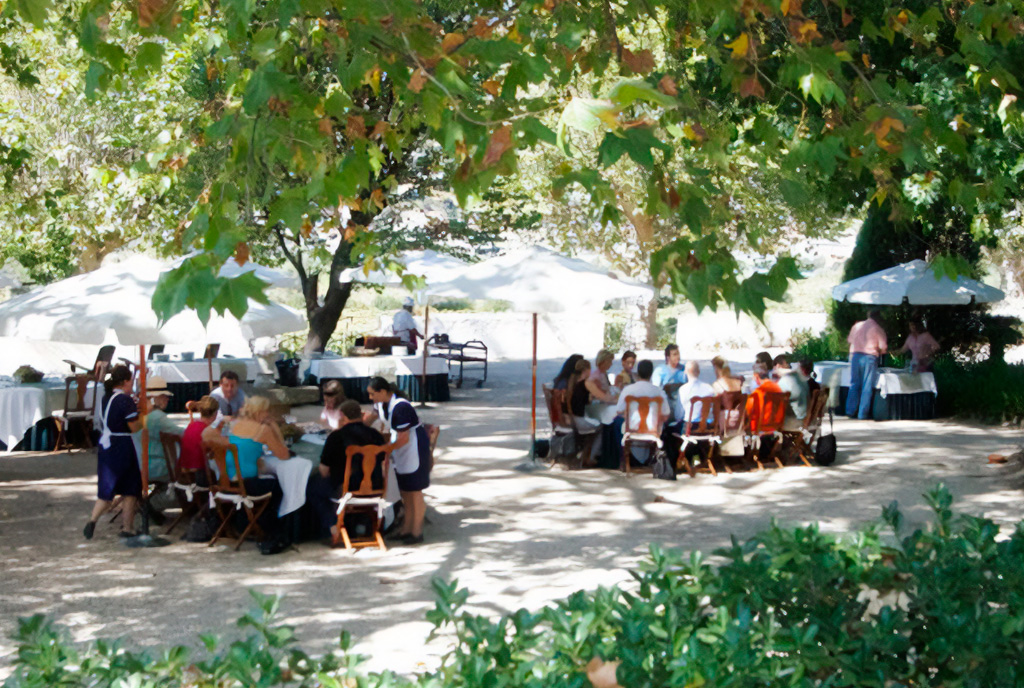
Touring the vineyards is a pure pleasure. Many estates are clustered around historic houses in dramatic settings. At most of them you can visit and taste the wines. At a few, like the mountaintop Quinta do Popa or the picturesque Quinta das Amendoeiras, you can even join the harvest, and crush the grapes the old-fashioned way with your feet.
Quinta do Popa, N-222 Adorigo 5120-011 Tabuaco, Portugal; +351 915 678 498
Quinta das Amendoeiras, Alpouvar Cx 232-A, Ferreiras, Albufeira 8200-552, Portugal; +351 289 561 370
Face to face with soaring vultures
For 80 miles, the Douro forms the border with Spain. This is wild country. The river carves deep canyons through a boulder-strewn plateau. Both banks are natural parks with viewpoints (miradouros) that open up sweeping panoramas.
Big birds are an added draw, especially at Penedo Durao, home to birds of prey. Vultures glide past with a nine-foot wingspan, eyeing your picnic. Among the smaller feathered friends: shaggy-headed Egyptian vultures, eagles, black storks, pink hoopoes and blue rock thrushes.
Banishing provincial boredom
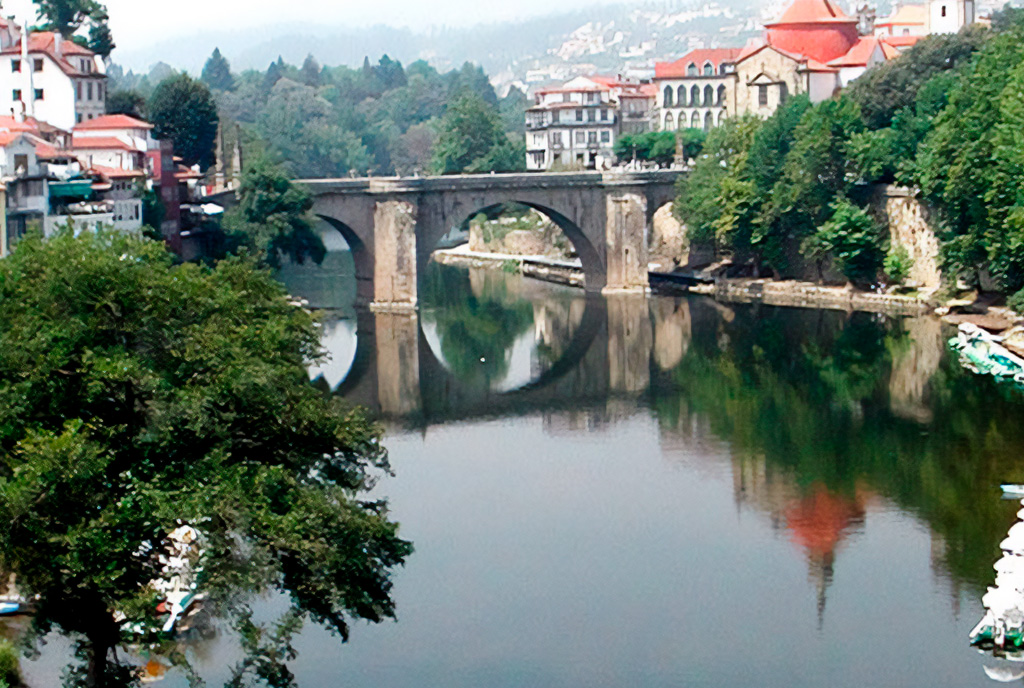
If you need a break from all that gorgeous countryside, the region is dotted with a handful of captivating little towns:
- Peso da Regua is the hub of the wine trade and home to the new Douro Museum (R. do Marques de Pombal, 5050-282 Peso da Regua, Portugal).
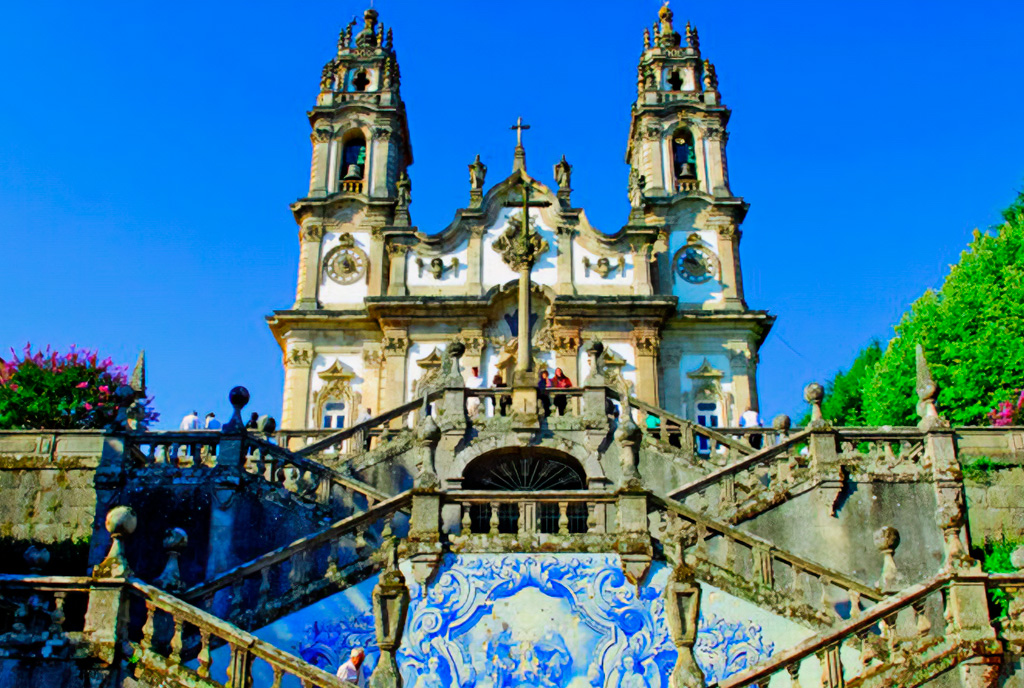
- Historic Lamego boasts a hilltop church perched atop a 686-step Baroque staircase (Santuario de Nossa Senhora dos Remedios, Monte de Santo Estevao, 5100-025 Lamego; +351 254 614 392).
- The Renaissance waterfront of Amarante is graced by a museum devoted to local painter Amadeo Souza-Cardoso, "the best-kept secret in modern art" according to the Paris gallery Grand Palais, which is currently wowing the crowds with his work (Alameda Teixeira de Pascoaes, 4600-011 Amarante, Portugal; +351 255 420 272).
A choice for every season
They say the upper Douro has "nove meses de inverno e tres de inferno" (nine months of winter and three of hell).
Summer temperatures climb above 40°C. In winter, expect snow on the hills. By February they turn white again with the blossom of almond trees. Spring is glorious: the vines put out shoots and wildflowers carpet the fields. Autumn brings reddening vine leaves; the harvest of grapes, olives and chestnuts; and wild boar and partridge on the menu.
Discovering hip Porto
It's not all old stuff. The nightlife and creative scene make Porto a first-rate destination for hipsters. Most of the action is centered on the galleries, boutiques and bars along Rua Miguel Bombarda.
Architecture fans should visit the Serralves museum of contemporary art (Rua D. Joao de Castro, 210, 4150-417, Porto) or catch a concert at the Casa da Musica (Av. da Boavista, 604-610, 4149-071, Porto). Among the artists performing at the NOS Primavera Sound festival in 2018 were Solange, J Balvin and Erykah Badu.
Driving the "world's best road"
The N-222, connecting Regua and Pinhao, has been scientifically proven to be the best road in the world.
It beat out roads like California's Highway 1 and Australia's Great Ocean Road in tests carried out in 2015 by a quantum physicist, a racetrack designer and a roller-coaster expert, whom the rental company Avis tasked with rating the thrill factor of scenic routes around the world.
Winding through the wine terraces along the northern bank of the Douro, the N-222 is just one of the region's stunning roads. Just don't go wine tasting before the drive.
Immersing yourself in history
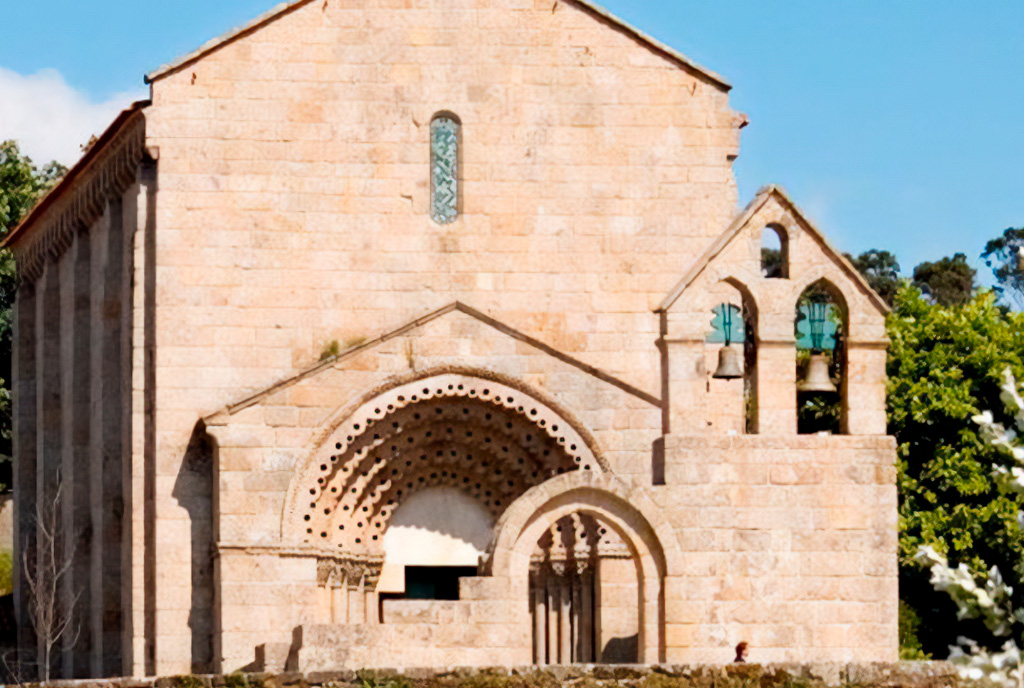
The Rota do Romanico route links dozens of churches, castles and bridges dating back to the 12th century, when King Afonso I founded the Kingdom of Portugal here. Older still is the Citania do Monte Mozinho, a Celtic hill fort that offers a glimpse of life before the Romans.
There are networks of historic villages linking places like Provesende with its 15 quintas; stone-built Quintandona; or Favaios, which produces unique sweet wines. Many offer excellent spots to eat, sleep or taste wine.
Uncorking a lighter wine
Portugal's light, zesty and mostly white Vinho Verde wines are usually associated with the green Minho region further north, but the growing area stretches into the Douro. The estates in this green zone are a delight to visit too. Most run tours and tastings, though you may need to book ahead.
Among the most tempting: Quinta de Covela, whose refined wines are made within sight of the Douro; or Quinta da Aveleda, with its ivy-clad mansion, lush tropical gardens, fine brandy and a wine that took third place on Wine Enthusiast's 2015 best-buy list.
Quinta de Covela, Sao Tome de Covelas, Portugal; +351 912 831 152
Quinta da Aveleda, Penafiel, Portugal; +351 255 718 200
Cycling, hiking, rafting
There's an endless array of options for the active traveler.
Kayaking through the canyons of the "international" Douro between Portugal and Spain. Cycling or hiking tours that take you from boutique hotel to wine cellar. Mountain trails you can tackle in four-wheel-drive vehicles. There's also rafting on the fast-flowing rivers that feed into the Douro.
Ethnic fashion
Miranda may not rival Paris or Milan, but seamstress Maria Suzana de Castro and her daughters create high fashion from local wool and traditional designs.
The de Castros adapt motifs from shepherds' cloaks to create strikingly stylish jackets, capes and handbags, sold in their shops in Miranda's old town and the neighboring village of Sendim. Other respected Douro designs making a fashion splash include the luxurious Claus Porto soaps and the old-fashioned goods sold at the A Vida Portuguesa store in Porto (Rua de Candido dos Reis 36, 4050-151 Porto; +351 222 022 105).
Porto's "little French girls"
The world's most magnificent sandwich? Porto's favorite snack consists of slices of bread stuffed with ham, sausages and steak, wrapped in cheese and drenched in a spicy sauce. It was created in the 1950s by a returning emigrant who named it the francesinha, or "little French girl."
According to legend, that's because the sauce was as spicy as his memories of the mademoiselles of Paris. Fans recommend Cafe Santiago (Rua de Passos Manuel 226, Porto 4000-382, Portugal; +351 22 205 5797).