


«Okay, we're about to pass a corner where they sell sex stimulants. See if you can spot the different pills.»
It's not the sort of thing you'd expect to hear from a Singaporean guide, but Cai Yinzhou is no ordinary guide, and this is not the Singapore most visitors have already seen.
We're on a night walk through Geylang, a district most Singaporeans avoid and one that sits well off the usual tourist trail of Gardens by the Bay, Chinatown and Orchard Road.
Partner links: booking through them supports the blog at no extra cost to you.
The reason locals give it a wide berth (in public, at least)? Its status as Singapore's only official red-light district.
The stalls Yinzhou is talking about actually sell a whole range of stimulants, from Viagra to pills supposedly made from tiger penis and pangolin scales, all of them claiming to help men boost their performance in the bedroom.
Selling them without a doctor's prescription is illegal, never mind hawking them on the streets of Singapore.
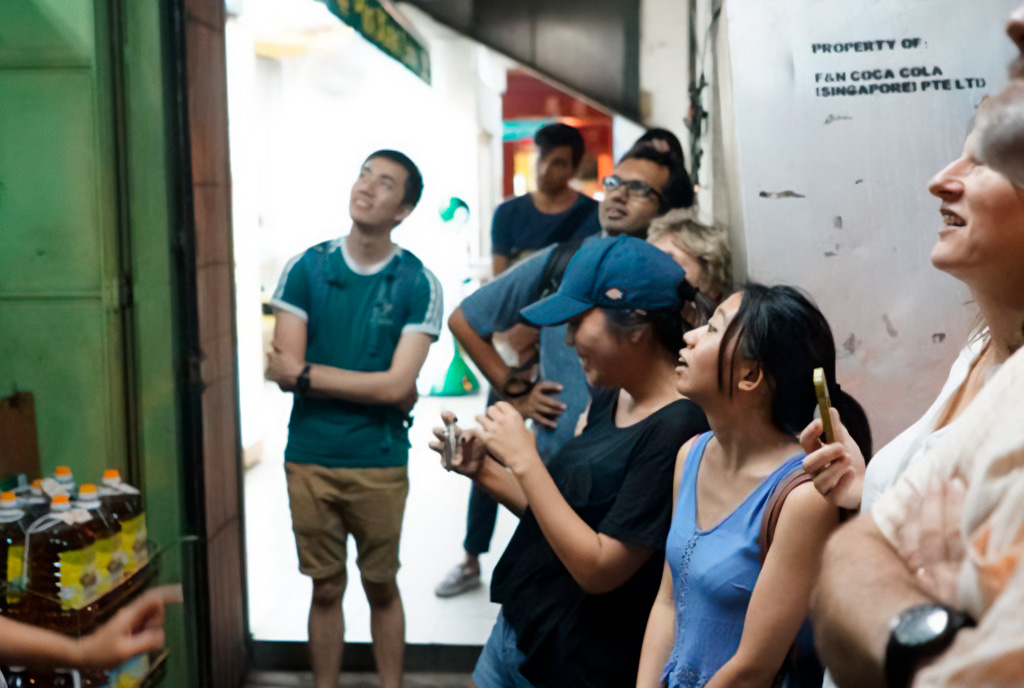
That's not the only unlawful thing we'll come across on the tour. The brothels, on the other hand, are legal.
In fact, Geylang, a rectangle covering a little under 10 square kilometres on the eastern edge of central Singapore, is the city's only legalised red-light district, home to more than 100 such establishments.
Where Salvation and Sin Collide
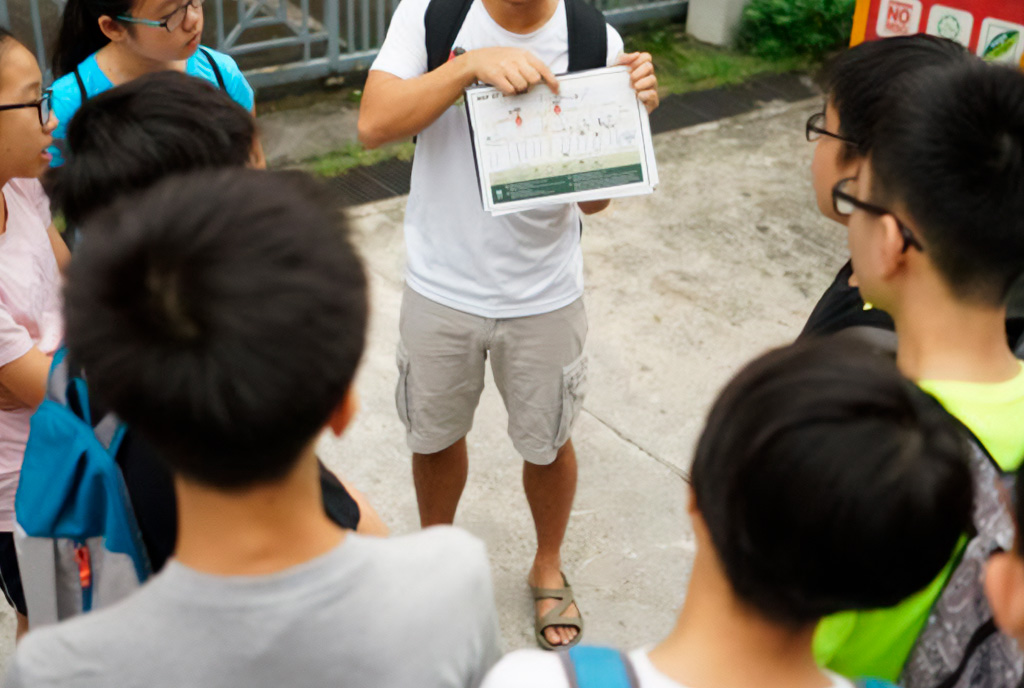
Although the three-hour walk clearly has the red-light district as one of its central themes, this is no voyeuristic outing.
Instead, the fresh-faced Yinzhou has built a tour that explores the social, political and economic forces that have shaped, and continue to shape, the communities living and working within Geylang's slightly uneven borders.
«I really enjoy showing people how different issues connect,» explains the energetic 30-year-old, who knows the area better than most, having lived here his entire life.
These issues are broad and complex, spanning everything from gentrification and human trafficking to the treatment of the large population of migrant workers who call Geylang home.
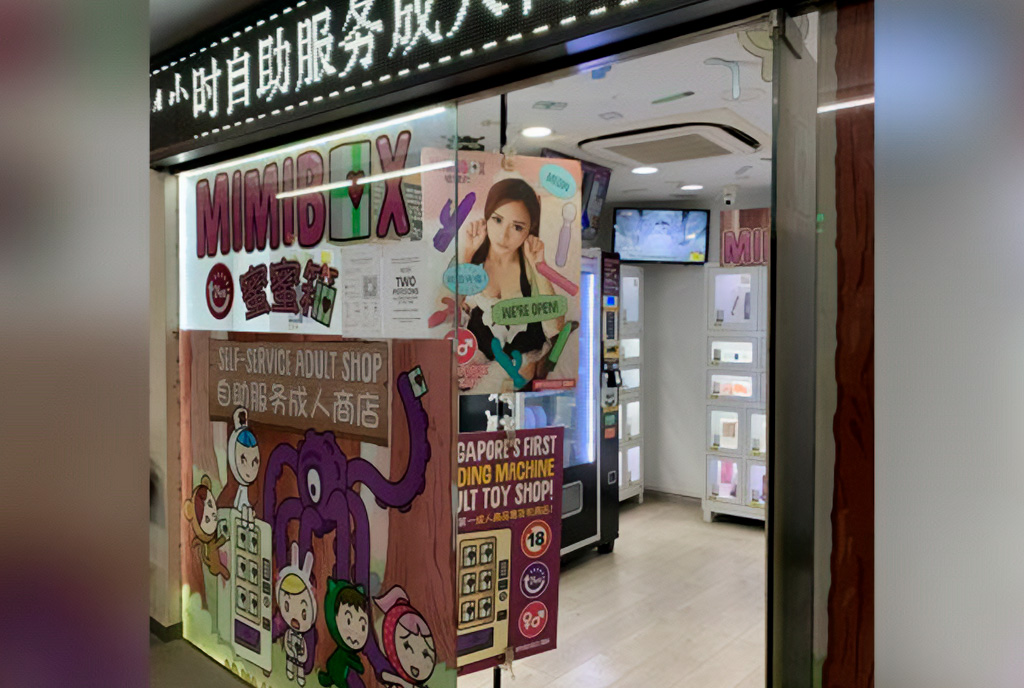
As we walk, we touch on subjects as varied as health insurance and the Little India riots, stopping at grocery shops, medical clinics, thieves' markets, NGOs, temples, clan houses, an automated 24-hour self-service sex-toy shop and beer gardens that sell the cheapest beer in the city, just 3.30 Singapore dollars (2.46 US dollars) for a large bottle of Tsingtao.
«This has the highest concentration of brothels and religious institutions in Singapore,» Yinzhou says mischievously, describing Geylang's unique appeal. «We really do cover the whole spectrum between salvation and sin.»
After meeting at the nearest MRT station, the tour begins in a run-down back lane, one of many that wind between the 44 lorongs (alleys in Malay) fanning out like arteries along Geylang Road.
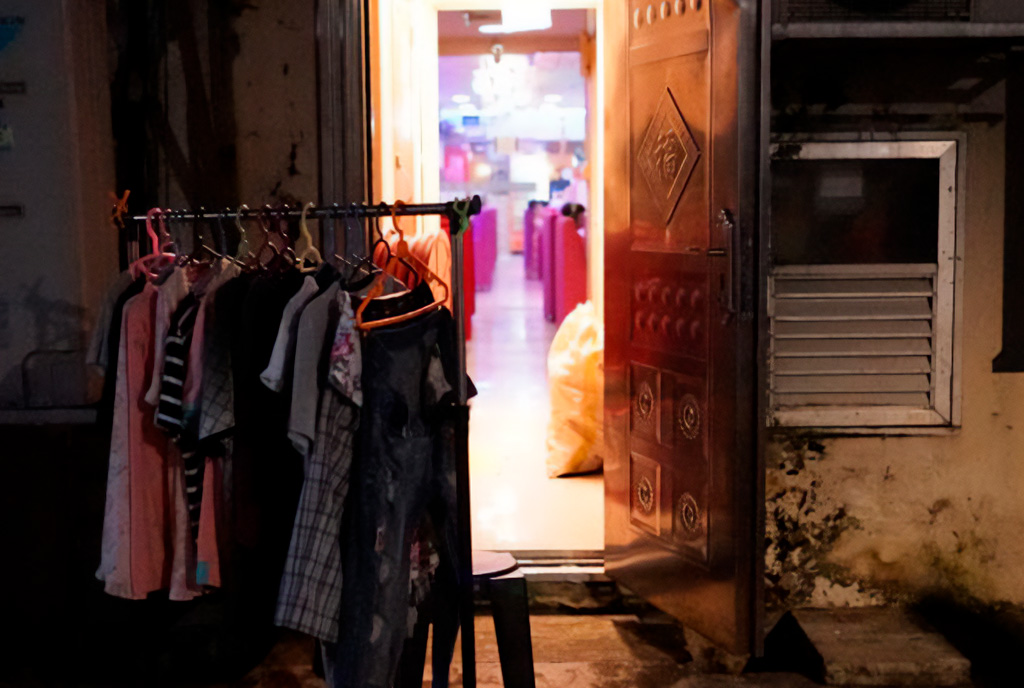
Yinzhou explains how the lanes, originally designed as firebreaks between shophouses, some of them more than a century old, are now where you can read the traces of Geylang's community.
Everyday details, such as the amount of laundry hung out to dry or the number of air-conditioning units on the back wall of a shophouse, can reveal how many people might be living there or how the rooms are laid out.
Supporting the Local Migrant Population
Yinzhou, who began running tours through Geylang Adventures in 2014, argues that the district developed its distinctive character because it was left almost entirely to the mercy of free-market forces.
Geylang's stigma among locals and the ageing state of the old shophouses made them attractive for owners to rent out to low-paid migrant workers.
These workers came from India, Bangladesh, China and other neighbouring countries to do the jobs few Singaporeans would want: tending parks and clearing rubbish for low pay and with little room to negotiate at work.
Many are housed by their employers in old shophouses and flats, drawn by the central location and cheap rent.
Yinzhou explains how this has become an ongoing game of cat and mouse with housing enforcement, before showing us newspaper articles about one extreme example in which more than 60 workers were found living in a three-room flat.
The challenges facing migrant workers, from poor healthcare to low wages, are a recurring theme in the first part of the tour, and Yinzhou knows a great deal about it, having worked with this part of the community for several years.
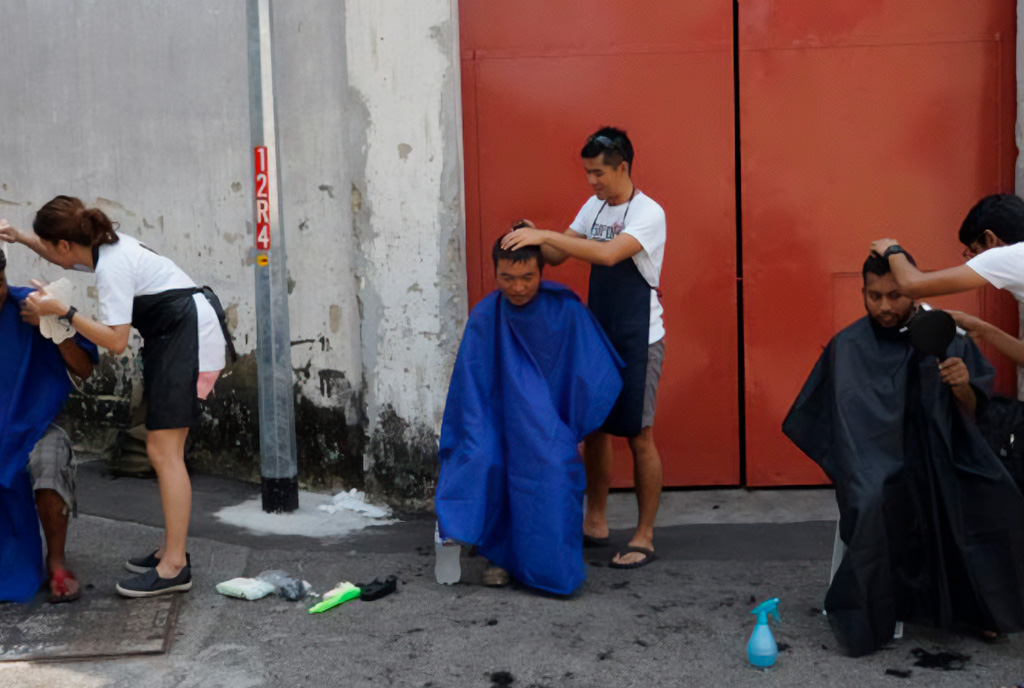
He started playing badminton with his neighbours in 2013, before launching Backalleybarbers in 2014, offering free haircuts on the streets of Geylang.
More recently, he helped found the COVID-19 Migrant Support Coalition (CMSC), which has already raised almost a million dollars to help migrant workers hit by the pandemic.
Breaking Down the Stereotypes About Geylang
Indeed, the main draw of the tour is Yinzhou himself. His energy and enthusiasm are contagious, and the depth of his knowledge and his frank approach to these contentious topics are both refreshing and captivating.
«As a long-term Geylang resident, I just want to try to dispel some of the stereotypes about Geylang,» he explains modestly when asked what inspired him to start the tour.
«It's also a great chance to push some of these issues to the front of people's minds.»
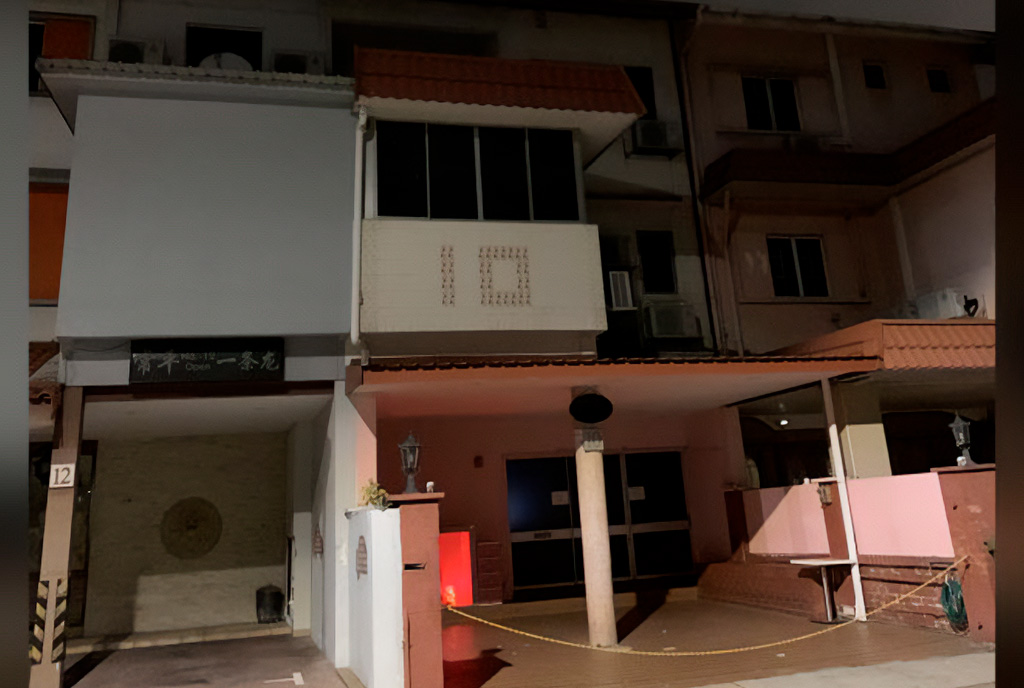
While the exceptional Covid measures keeping international tourists out of the city-state haven't thinned the crowds packing the coffee shops to down their beer with gusto until 10:30pm, we find a very different mood in the red-light district, where the legalised brothels have been shut since the start of the «circuit breaker» lockdown in April.
With the neon lights switched off for now, the quiet low-rise buildings could look almost picturesque, were it not for the tell-tale signs pointing to the nature of their business and even the nationality of the sex workers.
It certainly underlines the clinical way these women are handled; the government requires them to be tested regularly for sexually transmitted diseases. A positive test or an accidental pregnancy can mean immediate deportation, Yinzhou says.
«The state has no interest in bearing any long-term social cost for these workers,» he argues, before explaining how the prolonged closure of the brothels has led some to shut for good, with their women forced to return to their home countries.
Yinzhou explains that although the brothels are legal, offering sexual services is not, which leaves street workers especially vulnerable to abuse and pushes them to operate outside the law, with only a handful of NGOs able to offer any kind of support network.
But Covid's impact on Geylang reaches beyond the sex industry and has brought a new wave of temporary residents, as the rows of motorcycles parked beneath many of the area's hourly hotels make clear.
They belong to a small army of Malaysian workers who would normally commute daily across the causeway, but who are stuck on the wrong side of the border for the foreseeable future, Yinzhou explains.
A less recent but more permanent addition to the district is the array of modern government surveillance cameras, which multiplied after the 2013 Little India riots, an outbreak of unrest involving migrant workers.
Geylang is now home to more than 400 security cameras, a testing ground for new technology after the area was flagged as a potential flashpoint because of its high number of migrant workers.
As we walk down one of the side streets, Yinzhou points out the different types of technology in the cameras, along with signs confirming that we're in a Liquor Control Zone. This 2015 decree now bans the consumption of alcohol in public places at weekends, on public holidays and after 10:30pm.
For Yinzhou, these are markers of a broader government campaign to clamp down on the district's more unruly elements and a slow shift of market forces towards gentrification.
This is borne out by the number of modern «box» condominiums that in recent years have begun to replace the crowded but characterful shophouses.
Even so, one thing is clear from the tour: Geylang is plainly not tamed yet.
Even on a quiet Wednesday evening, the street-smart Yinzhou draws our attention to a pair of pimps on the lookout, a drug drop and a few shadowy figures involved in what looks like a smuggling deal as we wander the back streets.
It never feels dangerous, but it's certainly sharper and more intriguing than anywhere else the average tourist might end up in this city.
That makes our final stop, at a packed, slightly rowdy eatery doing a brisk trade in buckets of beer, a fitting way to round off the night.
It's a little chaotic, a little cramped and a little messy, but, much like Geylang, it's also fascinating and plenty of fun.
And, as Yinzhou demonstrated throughout the tour, this community and the challenges it faces deserve to be talked about a little more.