

From chilli crab to chicken rice, from char kway teow to laksa, Singapore's open-air markets are a must-visit for anyone hunting down the rich yet affordable eats that the Little Red Dot is famous for.
But travellers exploring the vibrant local food scene may have overlooked one dish in particular: rojak, the Singaporean salad.
Singaporeans hold a deep, almost obsessive affection for this regional creation, which looks nothing like the leafy green salads familiar to the Western world.
Partner links: booking through them supports the blog at no extra cost to you.
Translated from Malay, rojak means "mixed," and it is a traditional fruit-and-vegetable salad found across Singapore, Malaysia and Indonesia. In Singapore, its history reaches back to the glory days when rojak was sold from carts and bicycles on the city's streets.
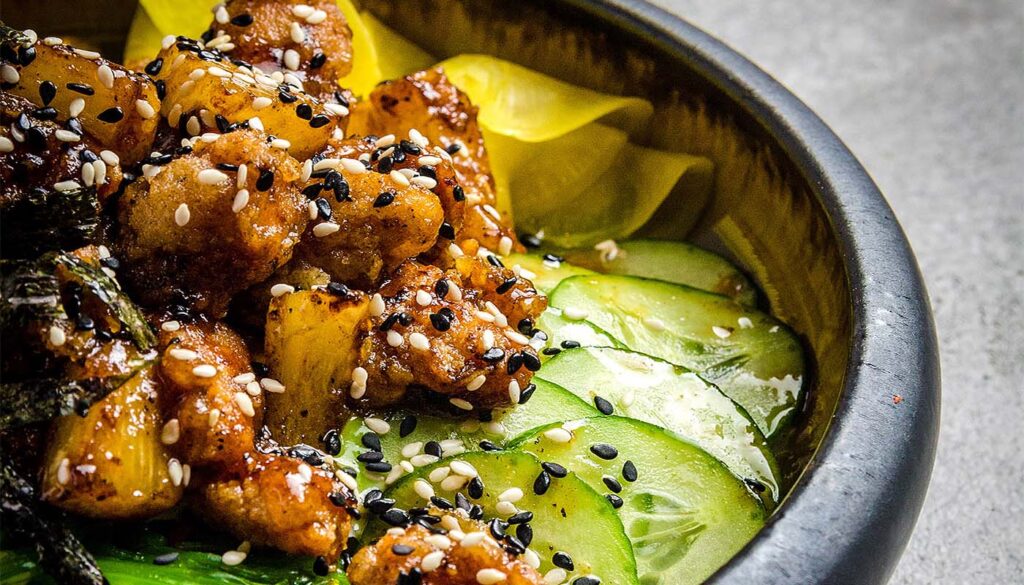
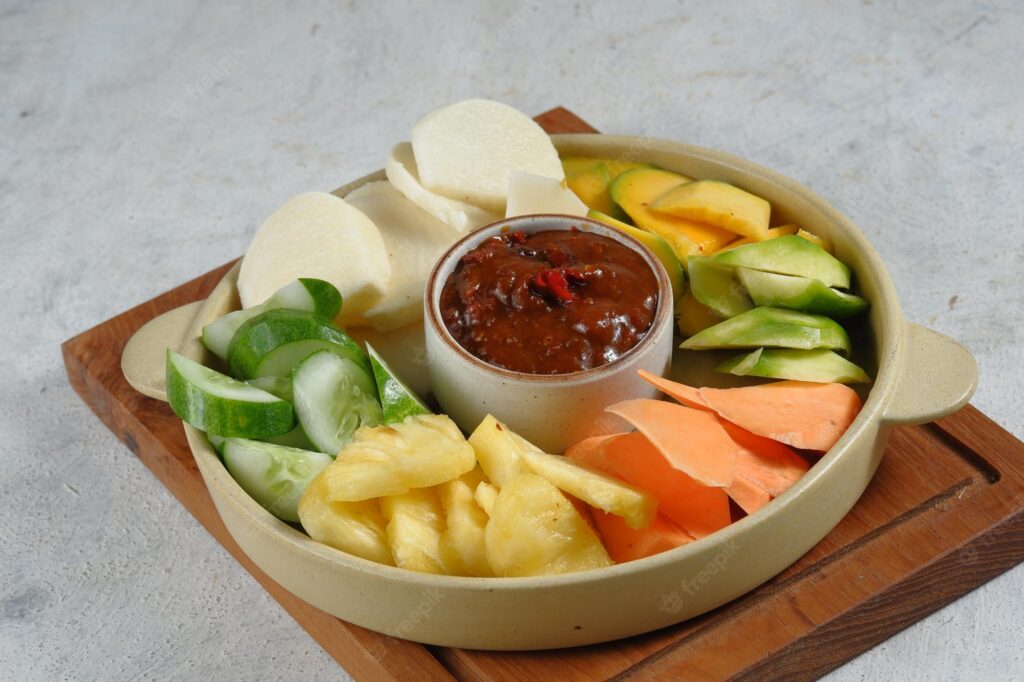
Across the Malay Archipelago, this humble salad dish typically features pineapple, jicama (Chinese turnip), shrimp paste and tamarind, but over time the way it is served has consistently adapted to reflect the cultural influences of each locale.
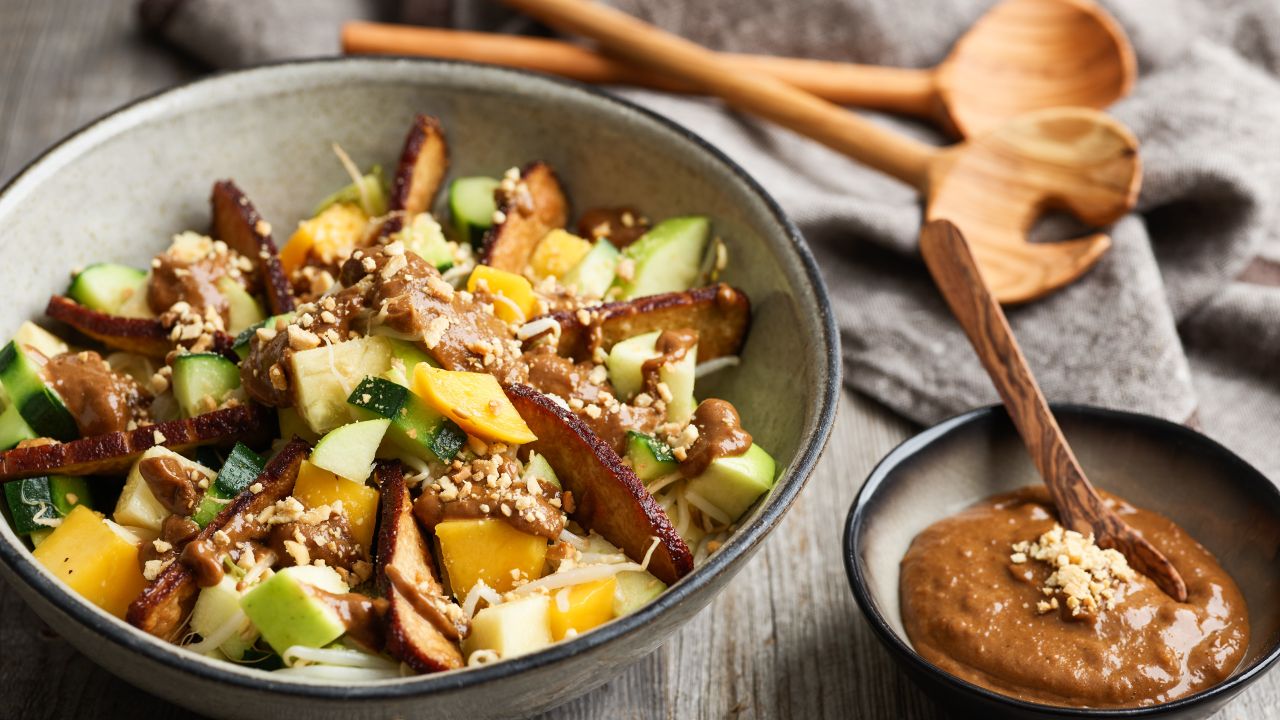
In Singapore, rojak is a mix of fresh tropical fruits such as pineapple (and sometimes star fruit), along with raw and blanched vegetables like water spinach, bean sprouts, cucumber and jicama. Everything is tossed together on the spot in an enormous bowl and finished with youtiao (deep-fried dough fritters), toasted pork, a scattering of ground peanuts and ginger flower.
For many, though, the real star is its vivid dressing: a cocktail of shrimp paste, sugar, tamarind, lime juice and chilli paste. Crowning the dish, it delivers a melange of sharp, sweet, sour and tangy flavours in every bite.
At Lau Hong Ser Rojak, a 46-year-old stall on the upper floor of Singapore's Dunman Food Centre, second-generation owner Lim Khai Ngian still makes the dough fritters, fried puff pastries and dried cuttlefish that garnish his rojak, a rare sight these days.
And Lim's rojak sauce more than earns its praise too, an incredibly thick, sticky, gooey shrimp-paste sauce that coats the pineapple, jicama, cucumber and a host of other ingredients with a heady aroma, making this old-school stall a must-stop for rojak lovers.
It should not be confused with Indian rojak, which shares the same name but is an entirely different dish made up mainly of deep-fried snacks: dough fritters, battered prawns, beancurd and potato, served with a sweet potato and chilli sauce. Rojak is usually sold by Chinese vendors like Lim, while Indian rojak is sold by the Indian Muslim community.
The origins of rojak
Despite how widespread it is, the exact origin of rojak is unclear. But for Damian D'Silva, chef of the restaurant Kin and an authority on traditional Singaporean cuisine, its connection to Indonesia is clear as day.
"Rujak (Indonesian) or rojak (Singaporean/Malaysian) has its roots in Indonesia," D'Silva says. "In fact, rujak has existed in various provinces of Indonesia for hundreds of years."
The Singaporean take on rujak, he adds, is an eclectic blend of Malay, Chinese and Peranakan influences, where the prawns and dough fritters make up the Chinese influence, while the ginger, chilli and tamarind reflect the Malay and Peranakan influence.
"In the past, this dish was sold by hawkers, and it was served on opeh leaves, rolled up and secured with a toothpick," says D'Silva, who first tried rojak at a stall on Hill Street in the 1960s.
He adds that the ingredients always varied a little depending on the fruit season. On rare occasions you would find green mango, rose apple, buah kedongdong and kwini (a fragrant mango), but cucumber, jicama, pineapple, kangkong and dough fritters were always there.
In Indonesia, where rujak is served as part of a traditional Javanese pre-birth ceremony called Naloni Mitoni (meaning the seventh month), there are countless versions of rujak, some of them specific to particular regions.
"In Aceh they serve a unique rujak called rujak Blang Bintang (an area in Aceh)," says William Wongso, a culinary expert from Indonesia. Besides the usual fruits you would find in rojak buah, the salad also includes unusual ingredients such as sago palm and the shell of the kawista fruit.
According to Wongso, the most common type of rujak in Indonesia is rujak buah (fruit rujak), in which unripe fruits such as mango, pineapple, papaya or rose apple are tossed in a sweet and spicy dressing of palm sugar, tamarind, chilli and shrimp paste.
In 2015, local comedian and host Hossan Leong declared that rojak "best reflects the story of Singapore's food culture," because "it is a very good melange of the different tastes that we have."
Elevating the Singaporean salad
Thanks to its popularity among locals, the dish is increasingly finding a new home in less humble settings, giving chefs, and their menus, a stronger sense of place.
Odette, the three-Michelin-starred restaurant that topped Asia's 50 Best Restaurants list two years running, introduced "Promenade a Singapour" to its modern French tasting menu in April 2019.
An ode to his city's favourite salad, chef Julien Royer's "rojak" is a composition of five kinds of greens and around 10 different colours, including butterfly pea flower and torch ginger flower grown in Singapore, tossed with nearly 10 other ingredients including jicama, peanuts and pickled ginger flowers, and finished with a dressing of shio kombu powder sprinkled with a drizzle of extra virgin olive oil.
Even without the pungent shrimp paste, the restaurant manages to pull off a refined take that most local diners would no doubt find uniquely Singaporean.
At Labyrinth, a one-Michelin-starred restaurant, chef Han Li Guang's "Homage to My Singapore" tasting menu also features a rojak dish that puts around 10 different kinds of local flora in the spotlight. Among them are cat's whiskers, Okinawan spinach and Indian borage.
They are complemented by a scoop of cempedak and jackfruit ice cream and a scattering of peanuts. Its dressing stays close to the classic flavour: a simple mix of shrimp paste and slightly tart honey from bees in Batam, Indonesia.
Even though rojak keeps its monopoly as, arguably, the only local salad Singaporeans know, in recent years it has been joined on restaurant menus by kerabu.
Described by The Star newspaper as a "big tropical local salad of vegetables and herbs, dressed with fiery sambal, coconut and lime," kerabu is a forgotten dish that emerged later in Malay cuisine "as a way to use up both raw and cooked leftover ingredients."
But for D'Silva, whose maternal grandmother was Nyonya and paternal grandfather was Eurasian, kerabu is the "salsa of heritage."
"The most common kerabu are the ones we still see at some Nasi Padang stalls," he says. "It is a dish of bean sprouts, winged beans, daun pegaga, onions and toasted coconut, seasoned with lime juice and salt."
At Kin, where he runs the kitchen, he recently introduced Kerabu Ikan Goreng. Served as an appetiser, wild-caught Spanish mackerel is paired with fresh tomatoes, quickly blanched long beans, shallots, chilli and turmeric, along with ginger flower, and dressed with calamansi.
"There are so many different kinds of kerabu," D'Silva says. "But we do not hear about them, because many of the ingredients that go into these salads, like papaya flowers, have disappeared."
Still, the self-taught chef hopes that in time, and only with the help of local farmers, some of these "forgotten" plants will flourish once again.
With that, he hopes more varieties of kerabu will take their much-needed place on his menu.