


For most travelers, a trip to India tends to revolve around temples, forts, festivals, and food.
But for one group of visitors, right now it is all about "election tourism."
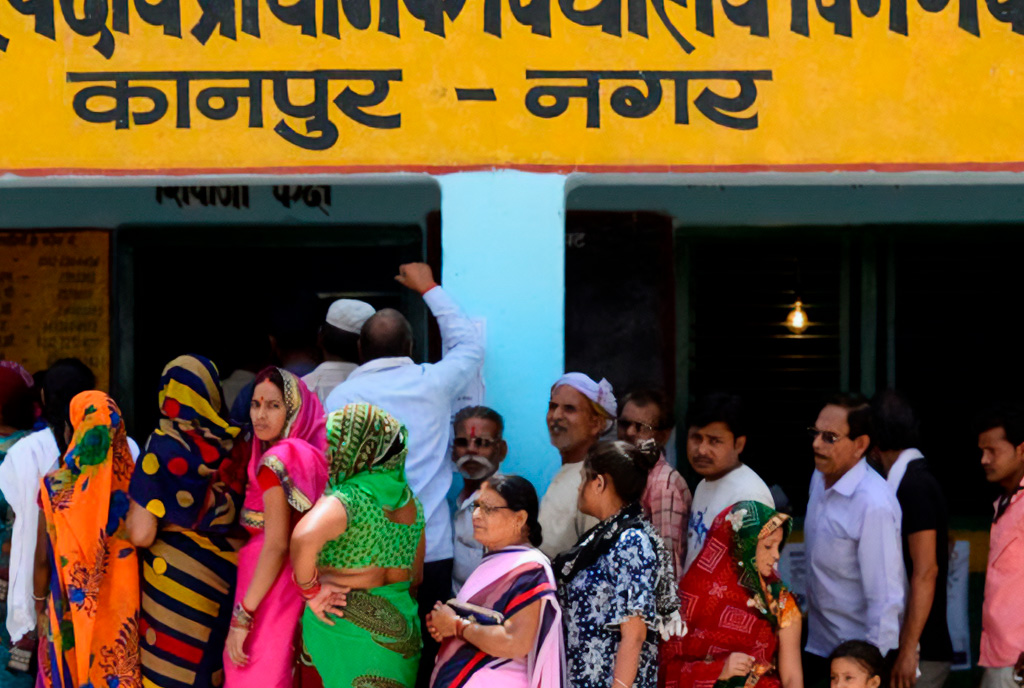
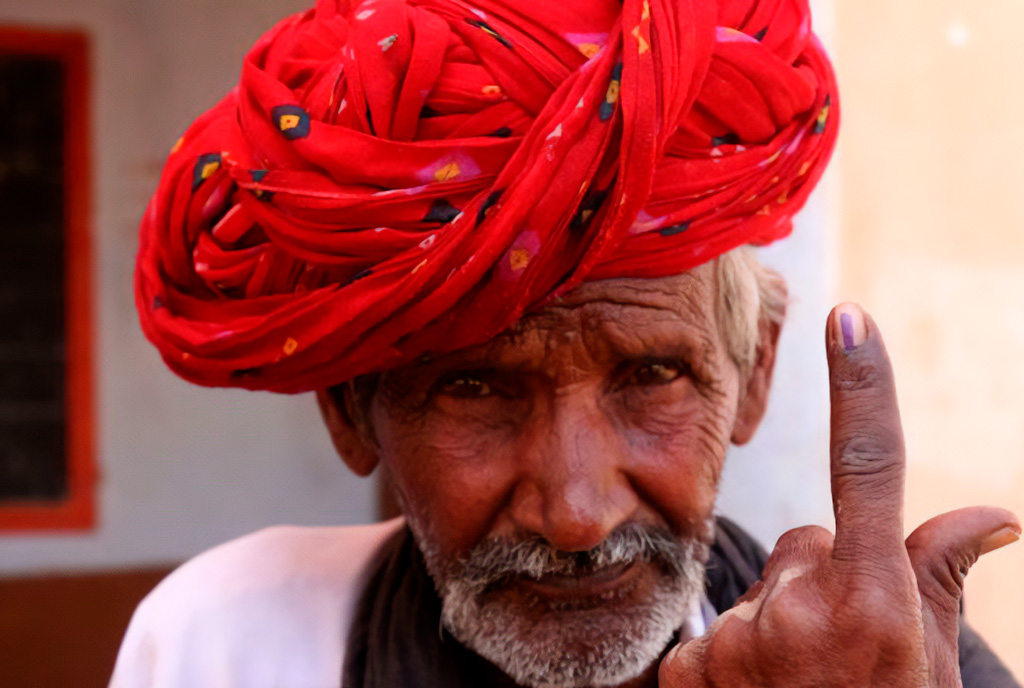
India, home to the largest democracy in the world (with nearly 900 million votes cast in the current parliamentary elections), is the perfect place to dive into politics, history, and culture.
Partner links: booking through them supports the blog at no extra cost to you.
Throughout the elections, which run until May 23, local villages, towns, and megacities are buzzing with energy and events. And that is exactly what Akshar Travels hopes to spotlight with its collection of political tours and experiences.
"When the elections are happening, it is like a festival here. People and all the political parties hold events, rallies, parties, and parades to promote their vision," says Manish Sharma, founder of Akshar Travels.
"You can see that the energy and the participation are huge. It is in our blood, it is our passion."
Getting to know 'election tourism'
Founded 22 years ago, Akshar Travels originally focused on general services such as visas, tickets, and tours.
But Sharma says he is always looking for ways to innovate and expand. That is how he came to introduce what he calls "election tourism" in India back in 2012.
Inspired by the concept of "voting tourism" that he encountered in Mexico in 2005, Sharma ran a trial tour during the Gujarat State Legislative Assembly elections to gauge interest.
"We saw some success, so we launched another project on a more global scale during the 2014 parliamentary elections," says Sharma, who estimates that around 5,200 tourists booked tours that year.
"We found that there are a lot of people who are interested in learning about India's democratic process, not just the criteria and the system, but also the different experiences. It is a chance to take part in the life of India in a different way."
This year, the company expects to welcome around 10,000 travelers on its 6 to 8 day election tours. Each group is accompanied by a dedicated guide whom Akshar Travels has carefully selected and trained.
According to Sharma, most guests so far have been researchers, university students, special interest groups, history buffs, culture enthusiasts, and journalists from around the world, particularly from the US, the UK, and Japan.
"An election is a big, complex process. Every state has different languages, cultures, traditions, rules, and knowledge," says Sharma.
"Here in India, there is enormous diversity within the system. It really shows India's dynamic culture and the power of the people."
On the campaign trail
Covering major historical and political destinations across India, Akshar Travels offers more than a dozen different itineraries.
"We take our guests to local villages, meet local residents, and dine with political leaders so they have the chance to truly understand how democracy works in India," says Sharma.
For example, on the eight-day "Elections on the Move in Uttaranchal" trip in northern India, travelers can attend a political rally in Haridwar, see the thundering Kempty Falls, enjoy a jeep safari through Corbett National Park, and take part in meetings and "lavish lunches" with party officials in the scenic Himalayan resort town of Nainital.
Meanwhile, the "Inside Uttar Pradesh" route leads travelers across eastern India with stops in the city of Lucknow, known for its Mughal architecture and captivating culture; Ayodhya, famous for its caves and temples; and Varanasi, where political enthusiasts can immerse themselves in the constituency of current Prime Minister Narendra Modi.
Sharma says another popular tour is "Gujarat Gandhi," where guests get to follow in the footsteps of the spiritual leader, from his hometown of Porbandar to the state capital of Ahmedabad.
"We love to include lots of cultural experiences and landmarks. This mix helps travelers understand India's values, traditions, and culture," says Sharma. "That way, even a small village can be connected to the world."
When travelers dine with political leaders, for instance, Sharma says it is a chance not only to learn more about a group's vision and mission, but also to try signature local dishes.
"Food is something people often want to try, so it goes hand in hand," he adds.
With the 2019 elections wrapped up, Sharma set his sights on the 2024 parliamentary elections, when he hopes to widen the circle of politically savvy travelers even further.
"Elections can truly show the power of the people," says Sharma. "I love my country, and I want to show travelers another side of our unique heritage and culture."