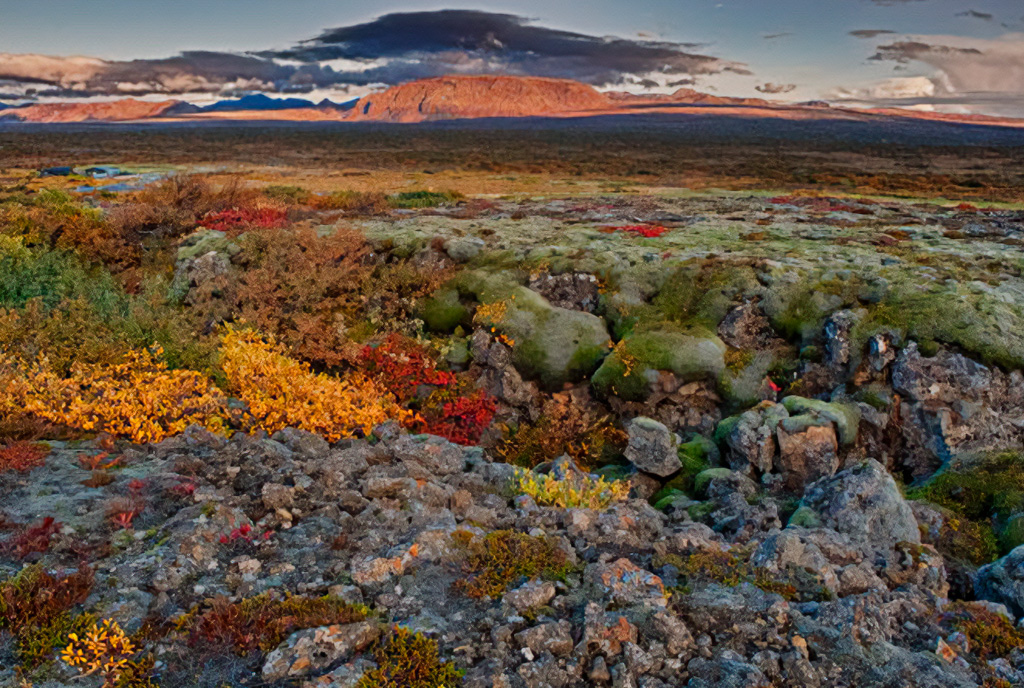


With its dreamlike landscapes and an almost otherworldly feel, it is no surprise that touring the Golden Circle ranks among the very best things to do in Iceland.
The 300-kilometre (186-mile) loop road heading east from the capital, Reykjavik, neatly takes in a Viking heritage site, dramatic geysers, lagoons, waterfalls and plenty more.
Better still, especially for those using the volcanic island as a quick stopover between North America and Europe, it can be done in a single day as part of a coach tour or a self-drive trip.
Partner links: booking through them supports the blog at no extra cost to you.
There is a catch, though.
The sheer ease of access and the unearthly appeal of this geological wonder mean the Golden Circle can get a little crowded, particularly when the tour buses roll in.
What is more, by sticking to this well-trodden path, visitors can miss out on equally spectacular but slightly more hidden wonders elsewhere in Iceland.
To help out, we have put together a guide to the Golden Circle that offers alternatives to the main attractions for anyone with extra time and a thirst for adventure.
Thingvellir National Park
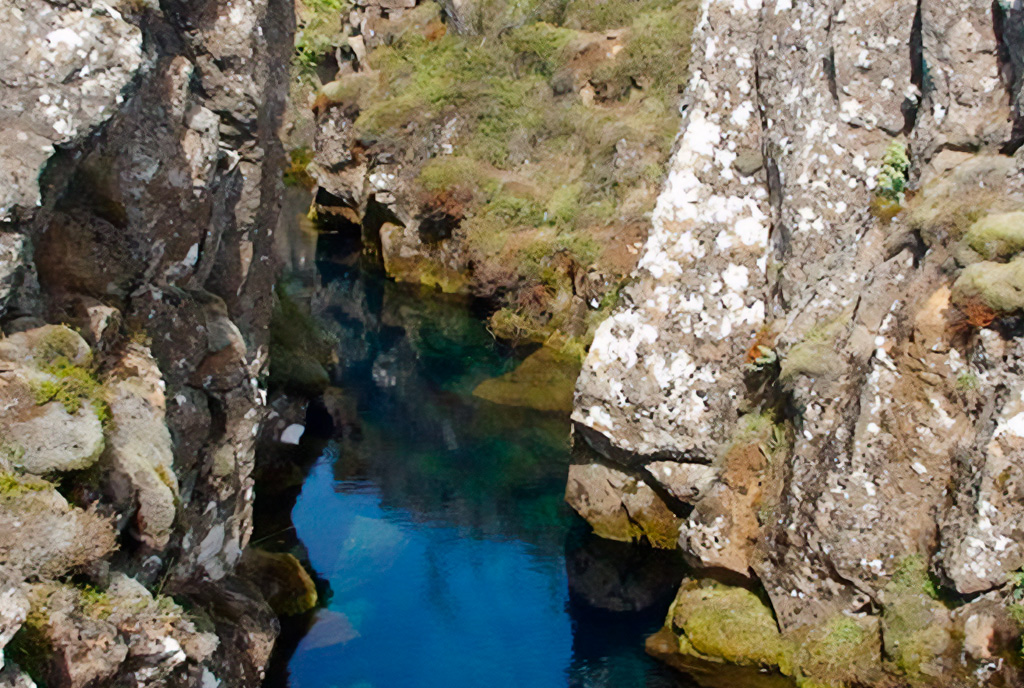
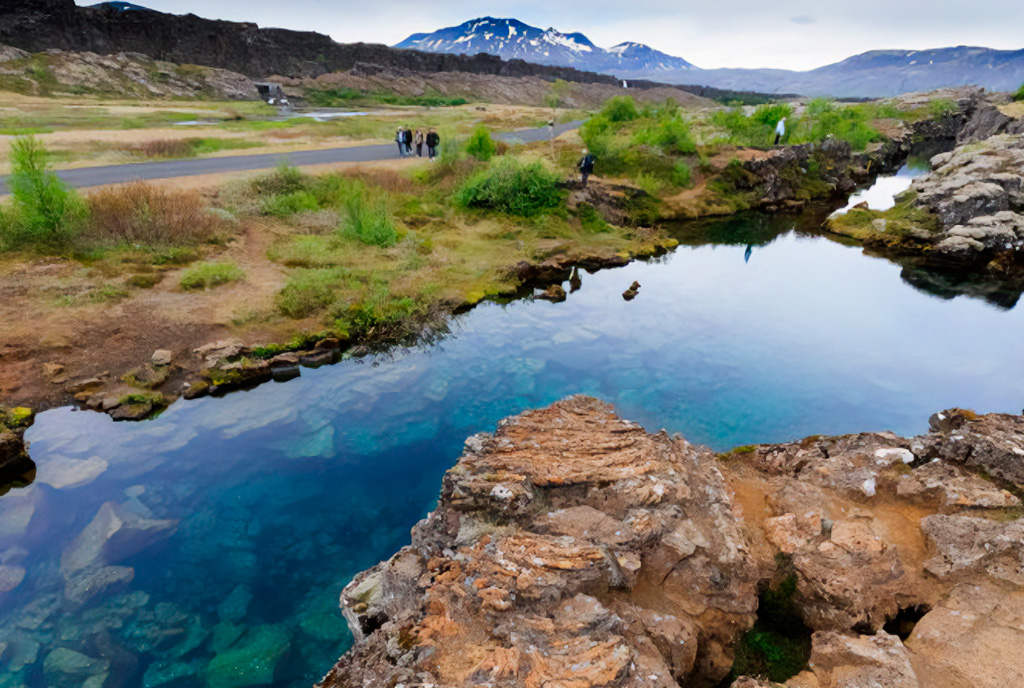
Thingvellir, or Thingvedlir as many pronounce it, is a national park and an extraordinary first stop on a Golden Circle tour.
Here, beneath what looks like solid Icelandic ground, the North American and Eurasian tectonic plates drift apart by a few centimetres (an inch) each year, which means that in time the island will be torn in two at this very spot.
Thingvellir also holds deep cultural and historical value for Icelanders. It was here, in 930 CE, that the Althing, Iceland's national parliament, was founded, making it the site of the first Viking parliament.
Sessions were held until the late 18th century, when the parliament moved to Reykjavik.
Although the terrain is rugged and strewn with boulders, ravines and streams of crystal-clear water, it is easy to explore along the marked trails.
Gullfoss
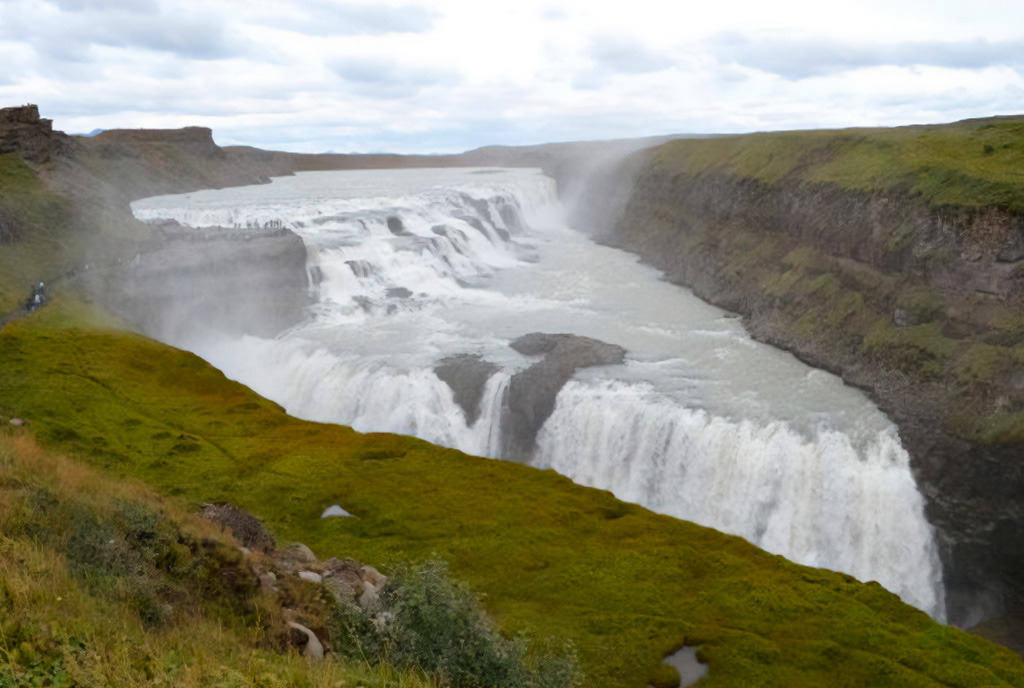
Gullfoss (Golden Falls) earned its name because, on sunny days, the water really does look golden.
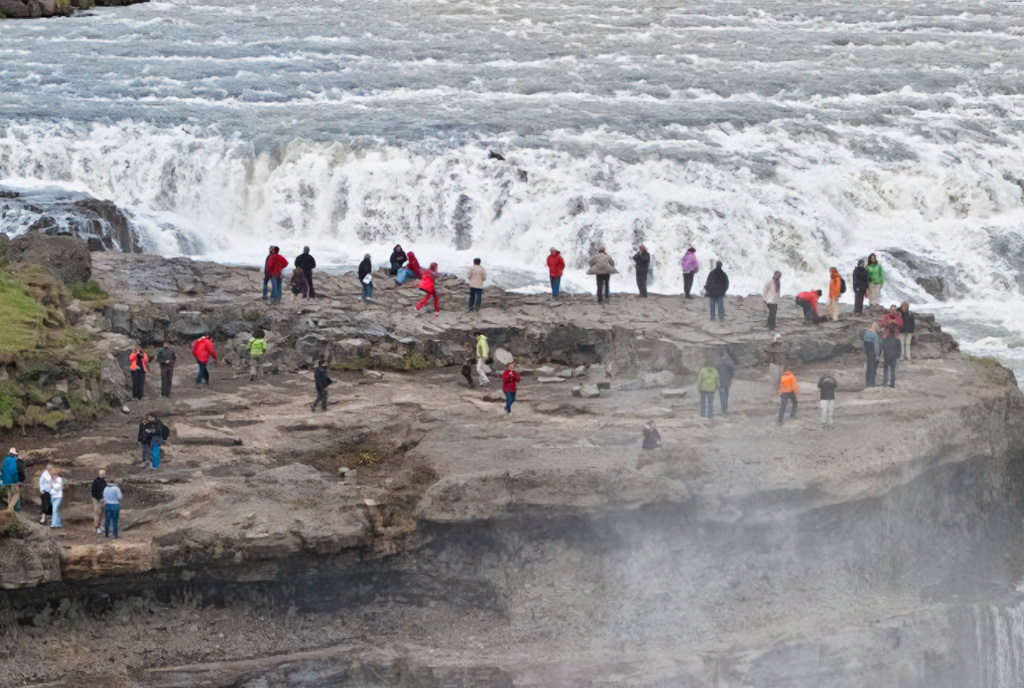
The Hvita River plunges into a deep gorge here, and Gullfoss is tricky to spot at first as you approach: the river seems to simply vanish into the earth before reaching the edge of the ravine. It is an epic sight, looking just as good up close as it does from the viewing platform perched high above the falls. Thankfully, the thundering cascades are loud enough to drown out the buzz of tourist-flown drones filming from overhead.
In the early 20th century, there was talk of building a hydroelectric plant above the waterfall.
Sigridur Tomasdottir, the daughter of the man who owned the land, loved the falls so much that she threatened to throw herself into the water if the plant went ahead.
She also walked barefoot on a protest march to Reykjavik, covering 120 kilometres (75 miles) along unpaved roads.
Her protest paid off: the power plant was never built, and there is a small memorial to Tomasdottir and her love of the falls at the top of the waterfall. The land around it was later sold to the Icelandic state and is now a protected area.
Strokkur and Geysir at Haukadalur
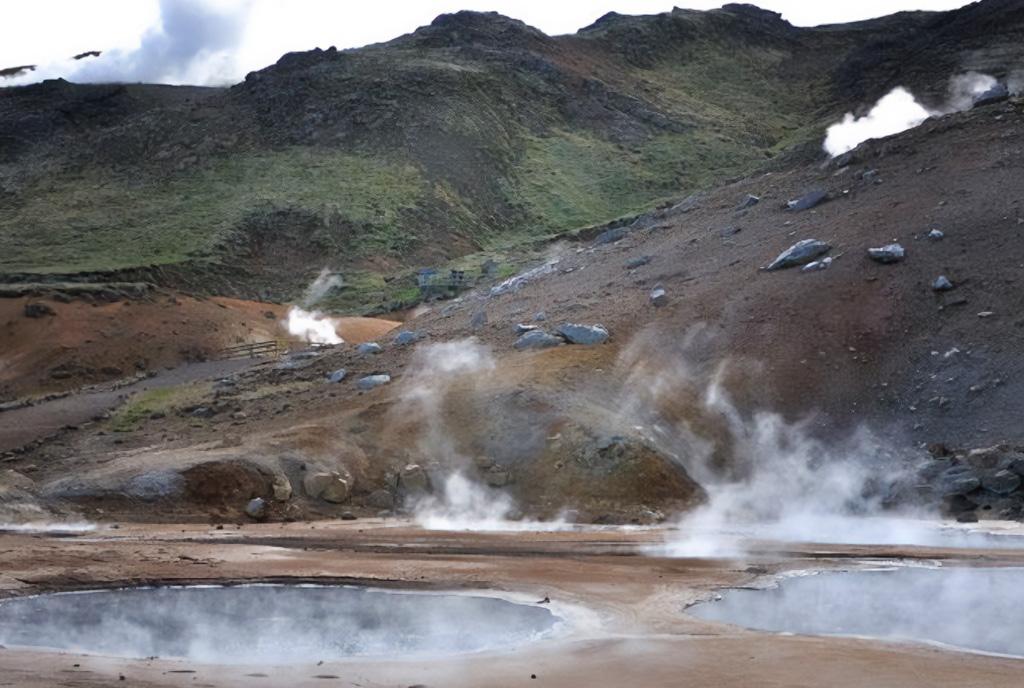
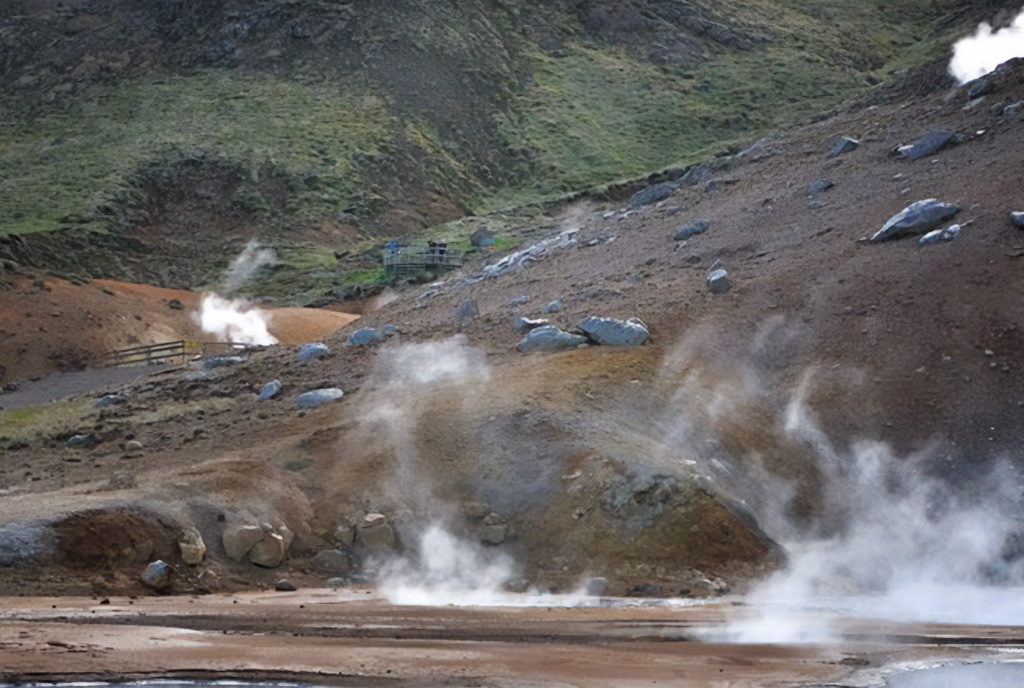
Iceland's untamed surface is easy to reach in the geothermal area of Haukadalur, a steaming landscape of geysers that has drawn attention ever since an earthquake struck in 1294.
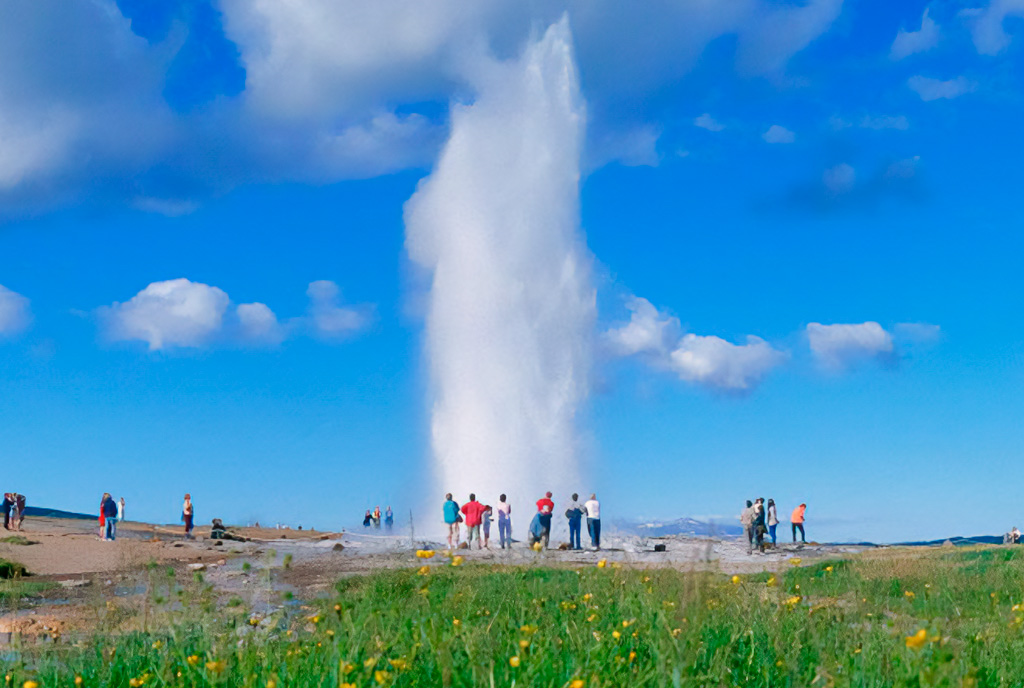
The largest geysers here are Strokkur and Geysir, the latter having lent its name to every other spouting hot spring on the planet.
Reliable Strokkur erupts every five to ten minutes; Geysir, however, rarely does. Thanks to early 20th-century visitors who kept tossing stones into it to trigger an eruption, it is now almost completely blocked.
Nearby you will find around 40 smaller hot springs and mud pots. Guides love to show off the earth's heat by baking bread directly in the hot ground.
Skalholt Cathedral
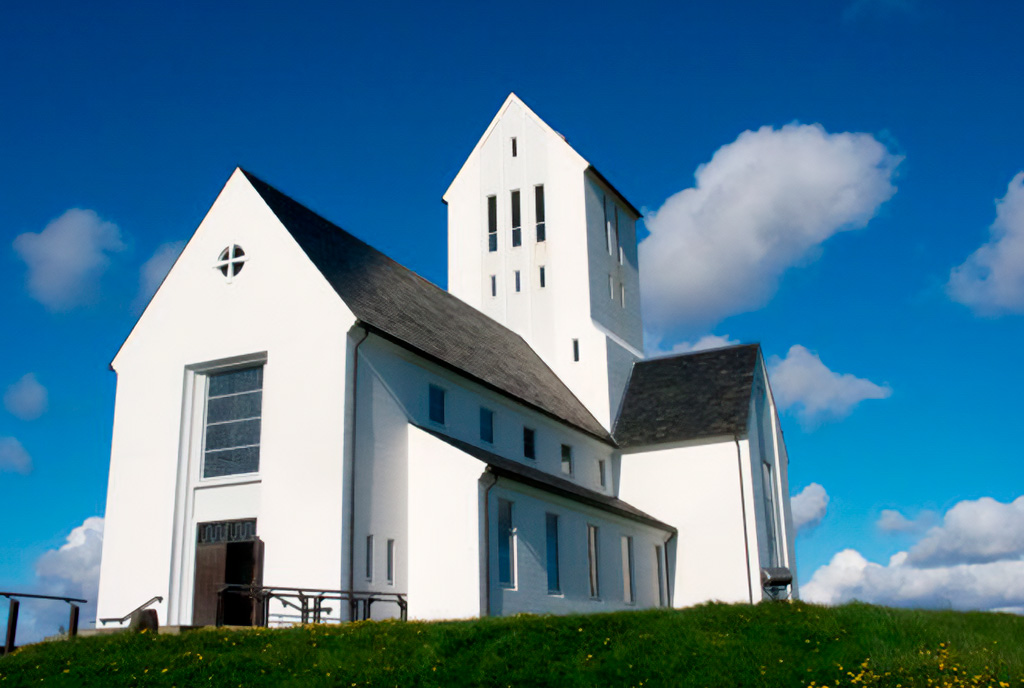
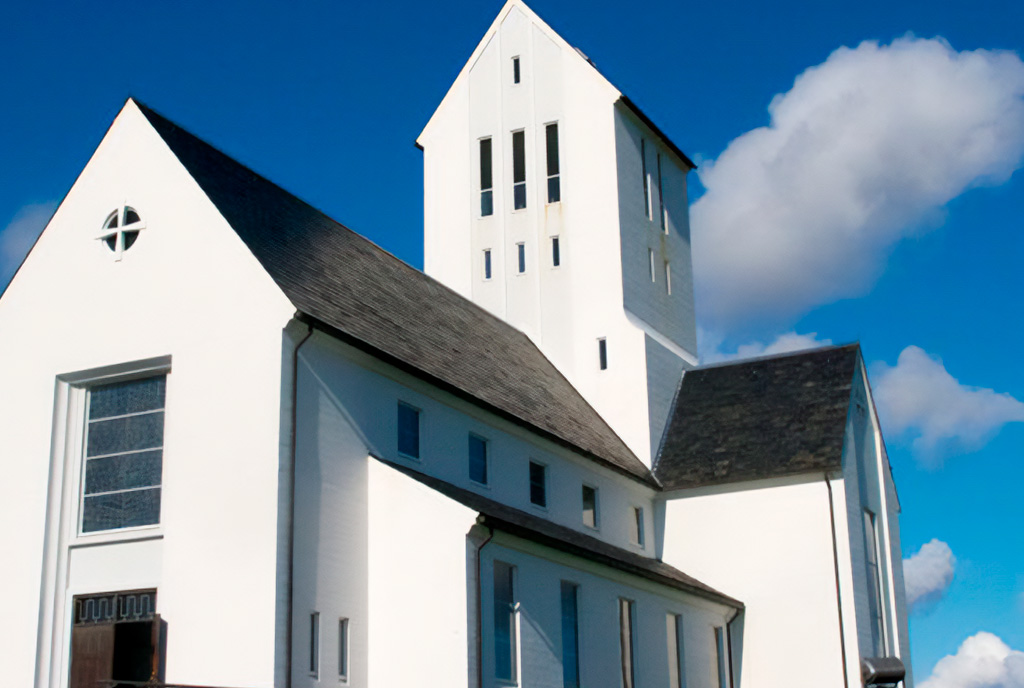
Skalholt Cathedral is a landmark building in Iceland's history, having been a bishop's residence since 1056 and the site of the country's first school.
It is also the scene of the bloody end of Catholicism in Iceland in 1550, when the last Catholic bishop was executed here alongside his two sons, clearing the way for the Lutheran church.
The present cathedral is large by the standards of most Icelandic churches, and its white walls and tower are visible from far away. Visitors can stay overnight in hostels and cottages in summer, and classical concerts are held here in July.
Nesjavellir Geothermal Power Plant
Many streets in Reykjavik are heated through winter thanks to the geothermal fields surrounding the city, which pipe hot water straight from underground.
Some of that water comes from the foothills of the active Mount Hengill along the Golden Circle route.
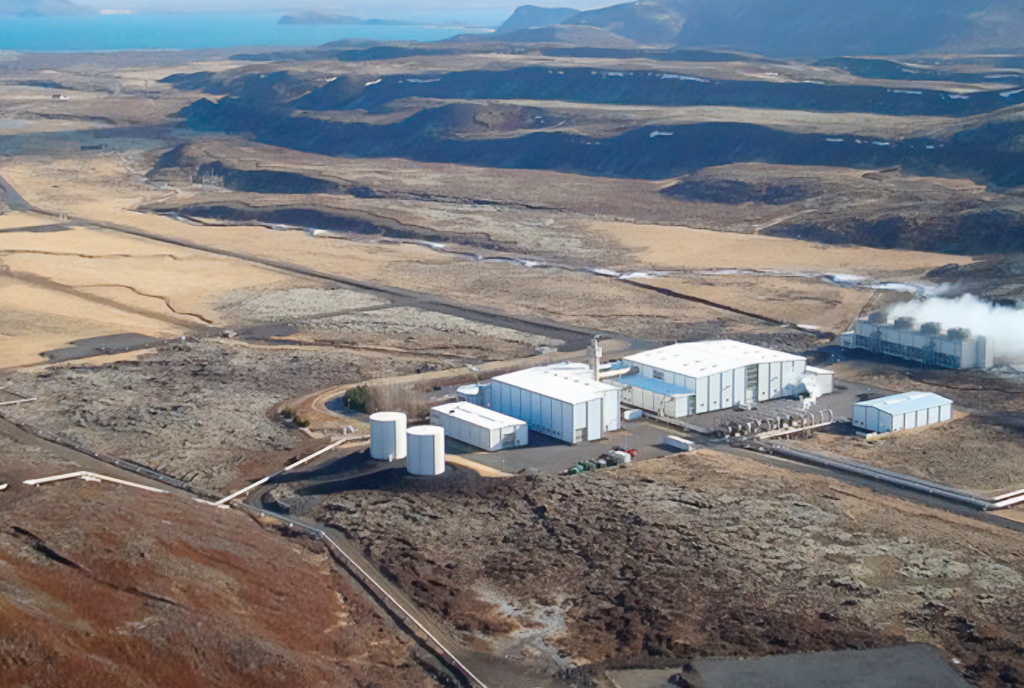
The geothermal areas here are among the most powerful high-temperature fields in Iceland, and they are processed by the Nesjavellir plant, which is open to visitors.
Set on the hills, it looks more like a lunar base than a power station, and learning how the water is treated here is every bit as fascinating. That sulphur-scented hot water in your Reykjavik hotel shower? Chances are it comes from Nesjavellir too.
The Secret Lagoon
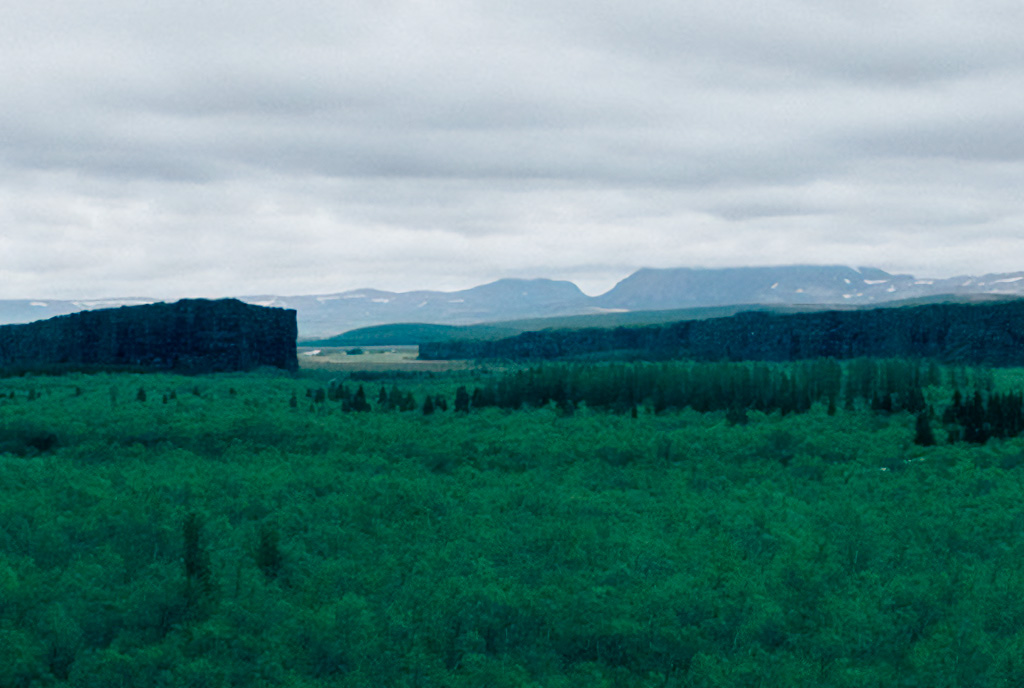
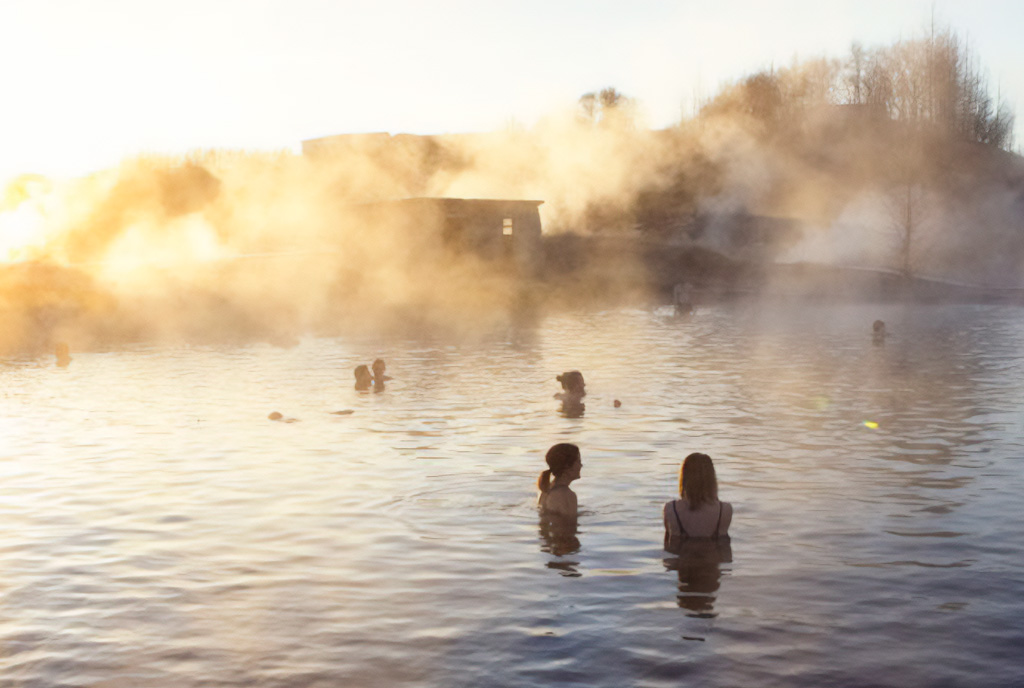
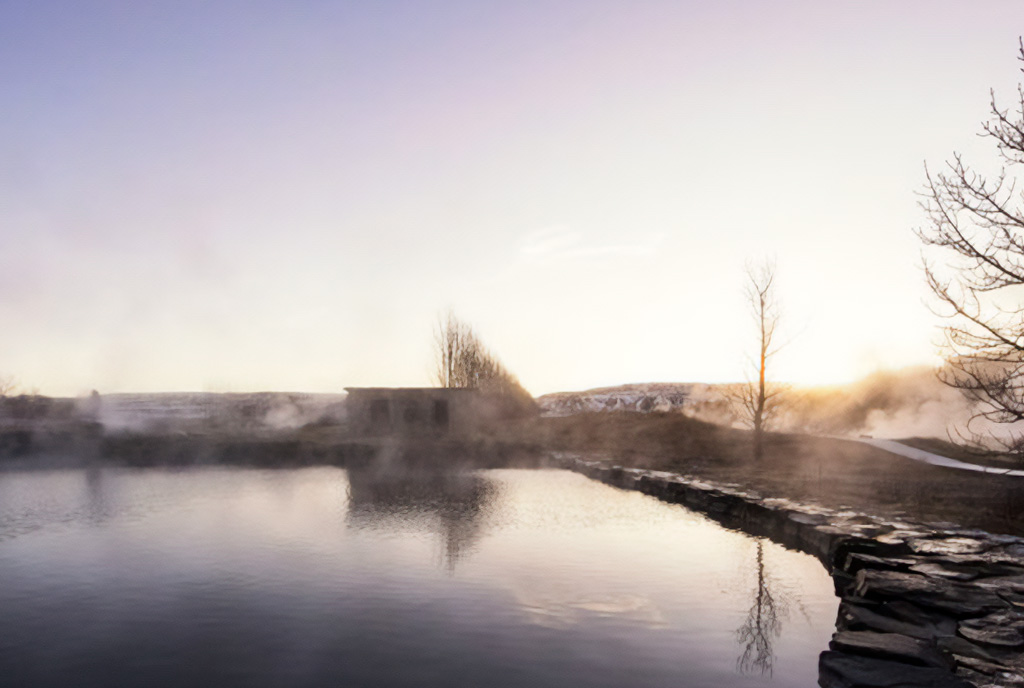
A dip in the geothermal waters of the Secret Lagoon, a public pool built over natural hot springs in the small village of Fludir, rounds off the Golden Circle loop.
The name is misleading. It is no longer all that secret, but it still makes for a relaxing way to end a full day.
The water here stays at 38-40°C (100-104°F) all year round, and there is even a small geyser visible from the pool that erupts every five minutes. Visit in winter and you might just catch the Northern Lights while you sway in the warm water.
Beyond the Golden Circle
Once you have met the Golden Circle classics, it is worth livening up any Icelandic adventure with a few extra natural wonders a little further from Reykjavik.
Here are three more places to add to your Nordic adventure:
Reykjanes Geopark
The Mid-Atlantic Ridge comes ashore on the Reykjanes Peninsula, between Reykjavik and the international airport at Keflavik.
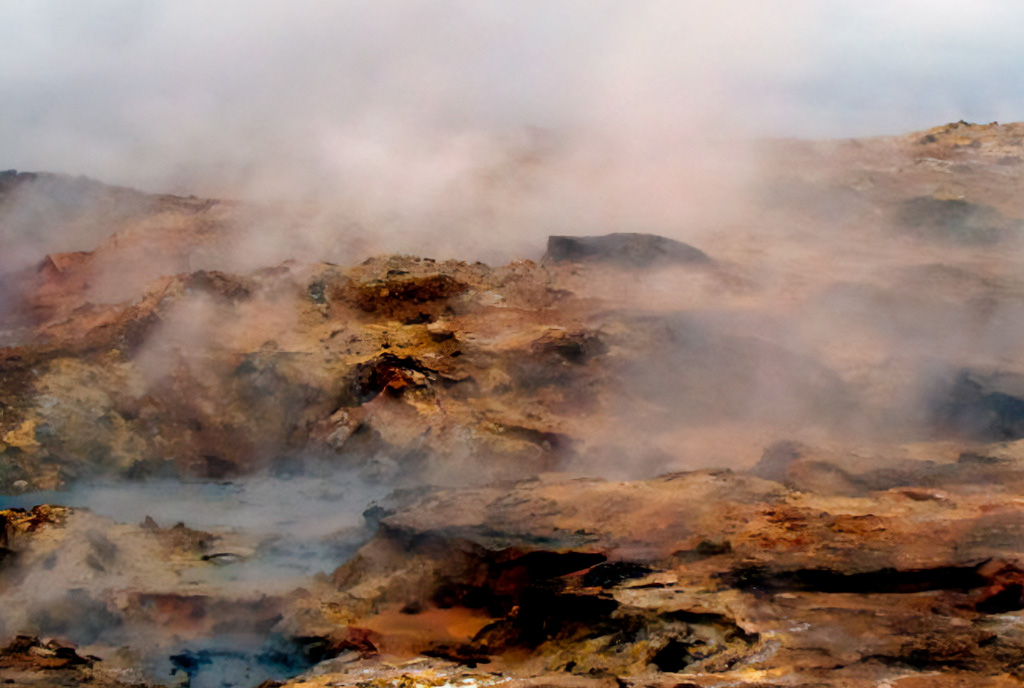
The recently opened Reykjanes Geopark is one of the few places on earth where it is visible above water. The park is home to captivating geological formations, including the Gunnuhver geothermal area, where the ground constantly erupts with boiling mud and hot steam swirls over silica-crusted hills.
The geology here reaches back many millennia, with the latest series of eruptions on the Reykjanes Peninsula beginning around 1000 CE. Fittingly, Gunnuhver is named after a ghost said to have plagued locals 400 years ago.
Asbyrgi

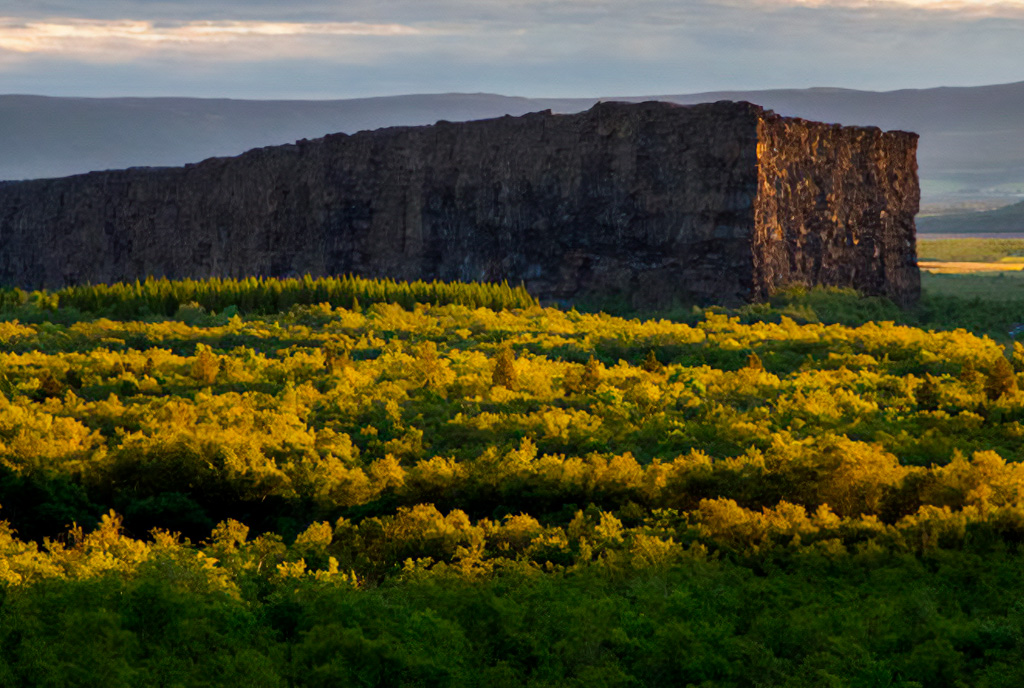
Asbyrgi Canyon lies in northern Iceland, about an hour's drive east of the northern town of Husavik.
The horseshoe-shaped depression is part of Vatnajokull National Park, and for more than half its length the canyon is split by a distinctive 25-metre (82-foot) rock formation called Eyjan (the Island), where visitors can soak up spectacular views.
Asbyrgi was carved by glacial floods after the last Ice Age, around 10,000 years ago. The wooded canyon, with sheer cliffs rising up to 100 metres (328 feet), is popular with tourists and locals alike, who pitch their tents here in summer.
A rare patch of woodland on a volcanic island, Asbyrgi lets visitors climb the cliffs or even play a round of golf on the neighbouring course.
From the clifftops you can even sense the canyon's mythological origins: according to legend, it was formed when Sleipnir, Odin's eight-legged horse, touched one of its feet to the ground at this spot.
Hraunfossar
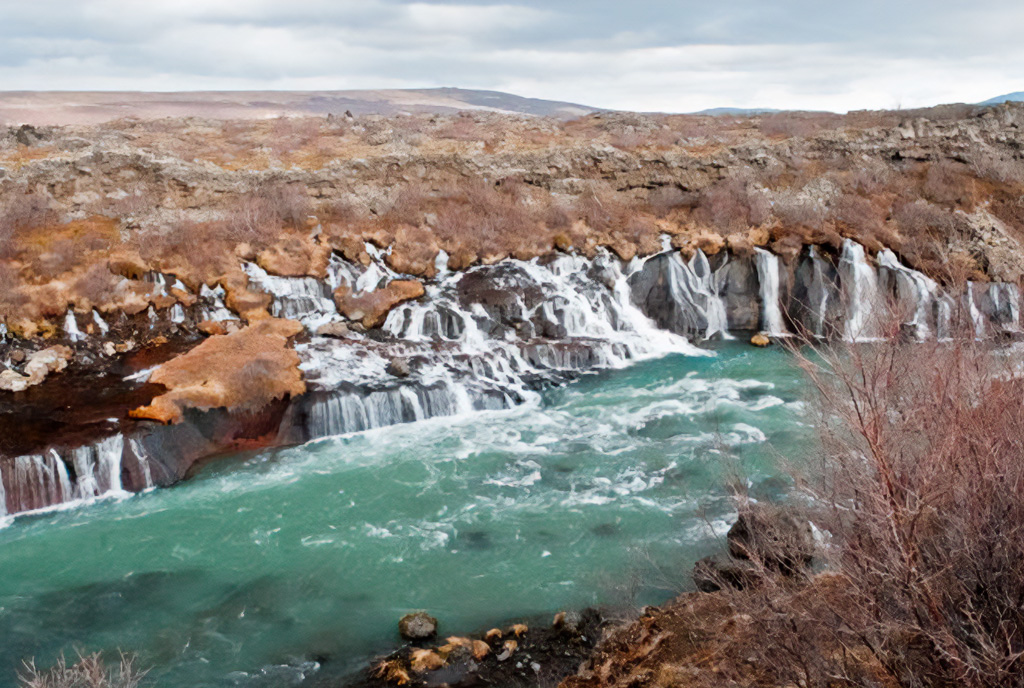
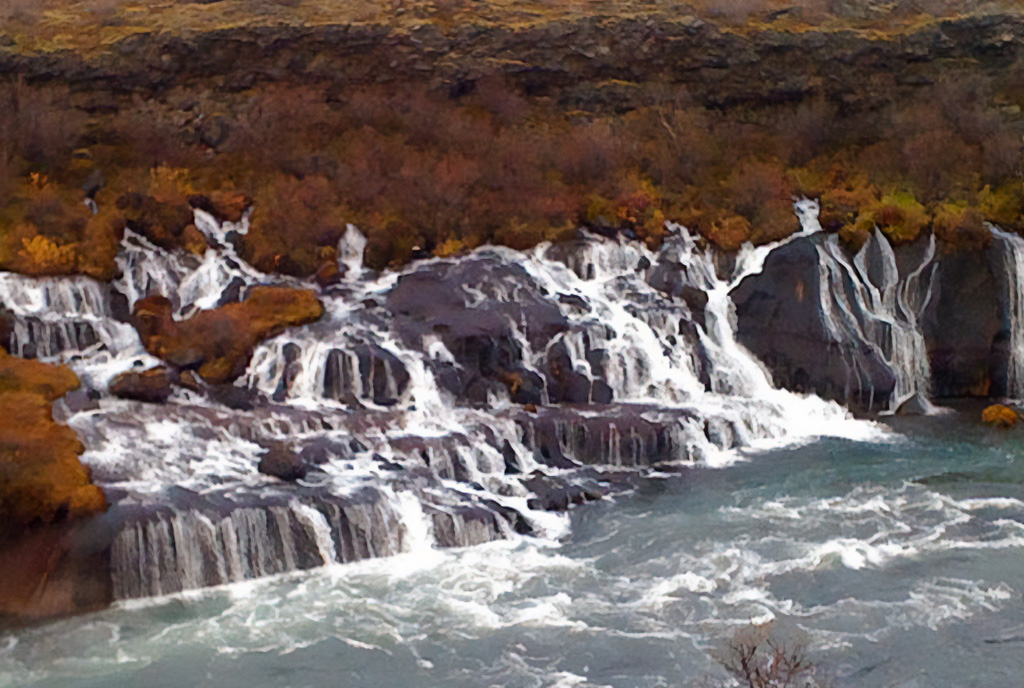
Cameras at the ready? Hraunfossar, not far from Reykholt in western Iceland, is a series of beautiful waterfalls that flow for around 900 metres (2,950 feet) out of Hallmundarhraun, a porous lava field.
The falls spill into the Hvita River from ledges of hardened lava, streaming dramatically out of what looks like solid ground.
A little upstream is another small waterfall called Barnafoss, or the children's falls.
Marcel Kruger is a German writer and translator based in Dublin and Berlin. He mainly writes about history, travel and beer, or all three combined.