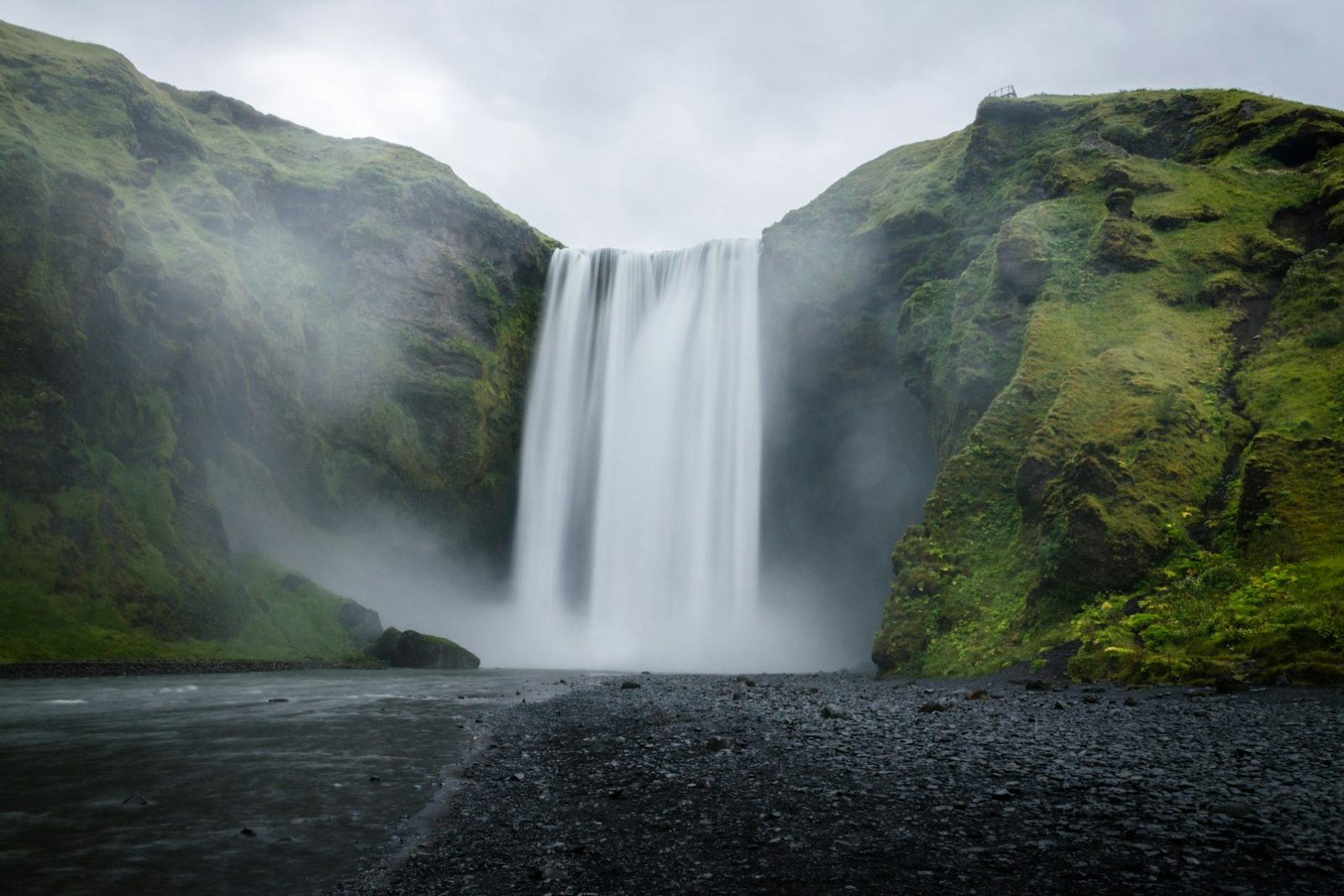


Iceland's Ring Road is 1,309 km of asphalt looping around the entire island, and driving it in a week is completely doable, as long as you don't try to see absolutely everything. In 7-8 days you can comfortably cover the south, east, and north without rushing. In 5 days you'll have to cut something, because you'll be behind the wheel for 5-6 hours a day.
The most common planning mistake here isn't the weather or the prices. It's the distances. People look at a compact island on the map and decide they'll also fit in the highland mountains, the western fjords, and a whale. The result: half the trip goes by from the driver's seat instead of at the stops.
How many days do you really need for the Ring Road?
The minimum to drive Iceland's Ring Road without it feeling like a marathon is seven full days. Eight is better: the eighth day takes the pressure off the longest leg and leaves room for the unexpected (a road closed by wind, ruined weather at the waterfall you'd been waiting for).
Partner links: booking through them supports the blog at no extra cost to you.
The road itself (Route 1) was completed back in 1974, is fully paved, and is almost everywhere a single lane in each direction. The challenge isn't the surface but the details: 31 single-lane bridges (mostly in the south and the eastern fjords), sharp crosswinds, sheep on the road, and long, empty stretches in the east.
An Iceland itinerary day by day: what to fit in and where
The plan below runs clockwise from Reykjavik. The mileage is approximate and excludes side trips, so realistically add 20-30% for detours.
| Day | Section | Key stops | Approx. km |
|---|---|---|---|
| 1 | Reykjavik and the Golden Circle | Þingvellir, the Strokkur geyser, Gullfoss waterfall, overnight near Selfoss | 230-260 |
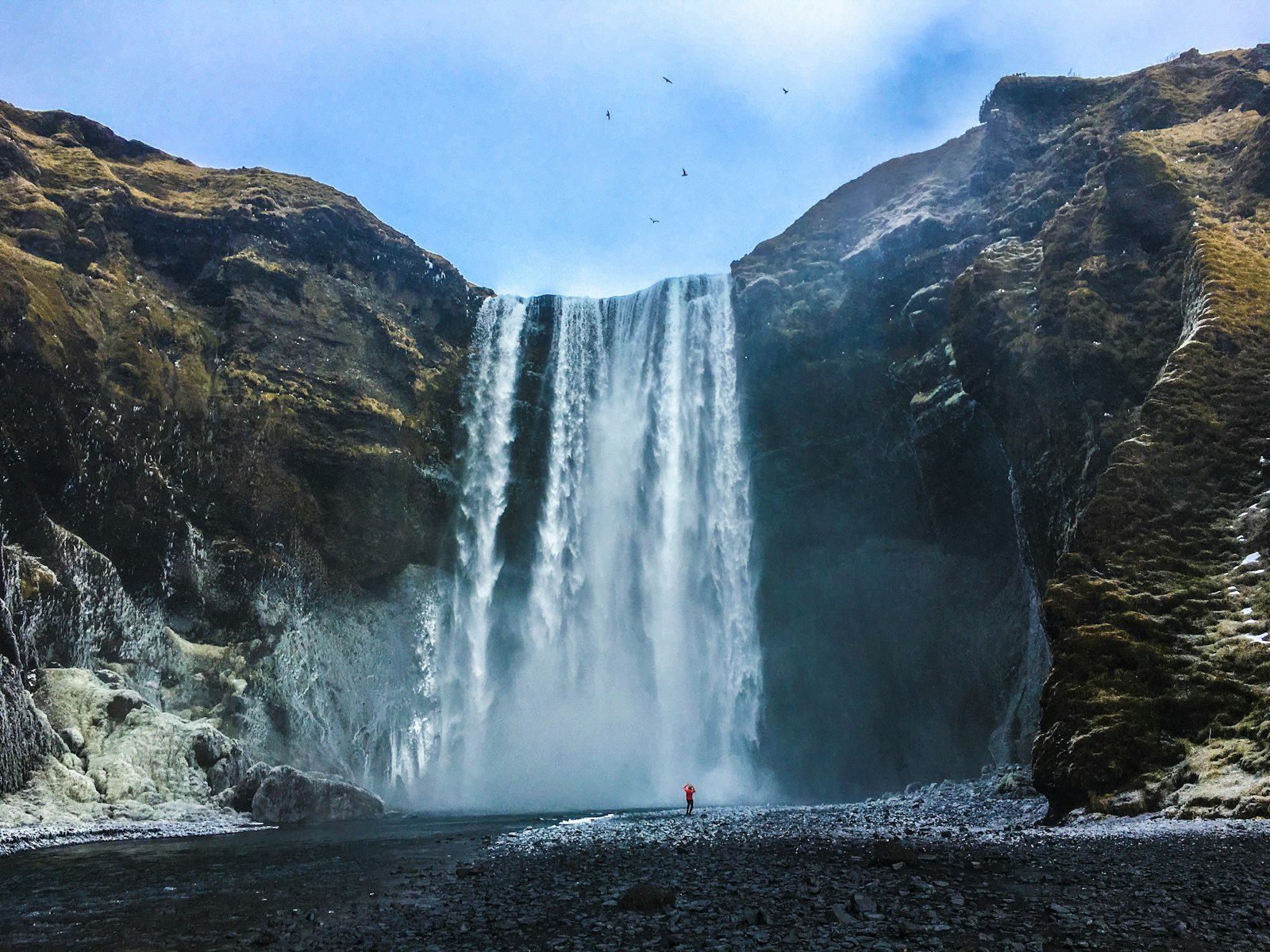
| 2 | The south coast | Seljalandsfoss, Skógafoss, Dyrhólaey headland, Reynisfjara black beach, Vík | 180-210 |
| 3 | Vík and the glacier lagoon | Skaftafell (Vatnajökull), Jökulsárlón, Diamond Beach, Höfn | 270-290 |
| 4 | The Eastfjords | a winding coastal road, fishing villages, Egilsstaðir | 250-270 |
| 5 | The northeast | Dettifoss, the Mývatn volcanic area, the Jarðböðin baths | 160-190 |
| 6 | The north | Goðafoss, Akureyri, optionally Húsavík (whales) | 170-240 |
| 7 | The west and the return | Borgarfjörður, Hvalfjörður, back to Reykjavik | 330-390 |
The eighth day is best given to the Snæfellsnes peninsula in the west. It's called Iceland in miniature: a glacier-topped volcano, lava fields, black beaches, and Mount Kirkjufell all in one compact loop. If you don't have an eighth day, it's more honest to save it for the next trip than to cram it into an already packed day seven.
Car rental: what to get and where not to cut corners
In summer, an ordinary front-wheel-drive car is enough for the Ring Road itself, since all of Route 1 is paved. Four-wheel drive (4x4) is only needed for turning onto the gravel F-roads of the highlands, or if you're travelling from October to May, when snow and black ice show up.
Where it really is worth spending: insurance coverage. The standard CDW won't save you from two distinctly Icelandic misfortunes. The first is gravel scratches (Gravel Protection). The second is wind damage to the doors: a sudden gust rips an open door off its hinges, and without Sand and Ash the repair is on you. Open doors while holding them with your hand, and park nose into the wind.
Ballpark prices for 2026 (double-check before your trip, as they swing a lot by season): a compact 2WD in high season runs roughly 60 to 110 EUR a day, a four-wheel-drive crossover 110 to 200 EUR. Fuel is expensive, so keep a range of about 2.3-2.9 EUR per litre in mind, and budget roughly 300-420 EUR of fuel for the whole loop, depending on the car and your detours.
When to drive the Ring Road?
It helps here to separate the best weather from the smartest timing.
| Period | Weather and light | Road conditions | Prices and crowds |
|---|---|---|---|
| June-August | 10-15°C, white nights, everything open | all of Route 1 and the F-roads open | peak prices, book lodging months ahead |
| May and September | cooler, days still long | the Ring Road open, the highlands partly not | cheaper, fewer people, a good balance |
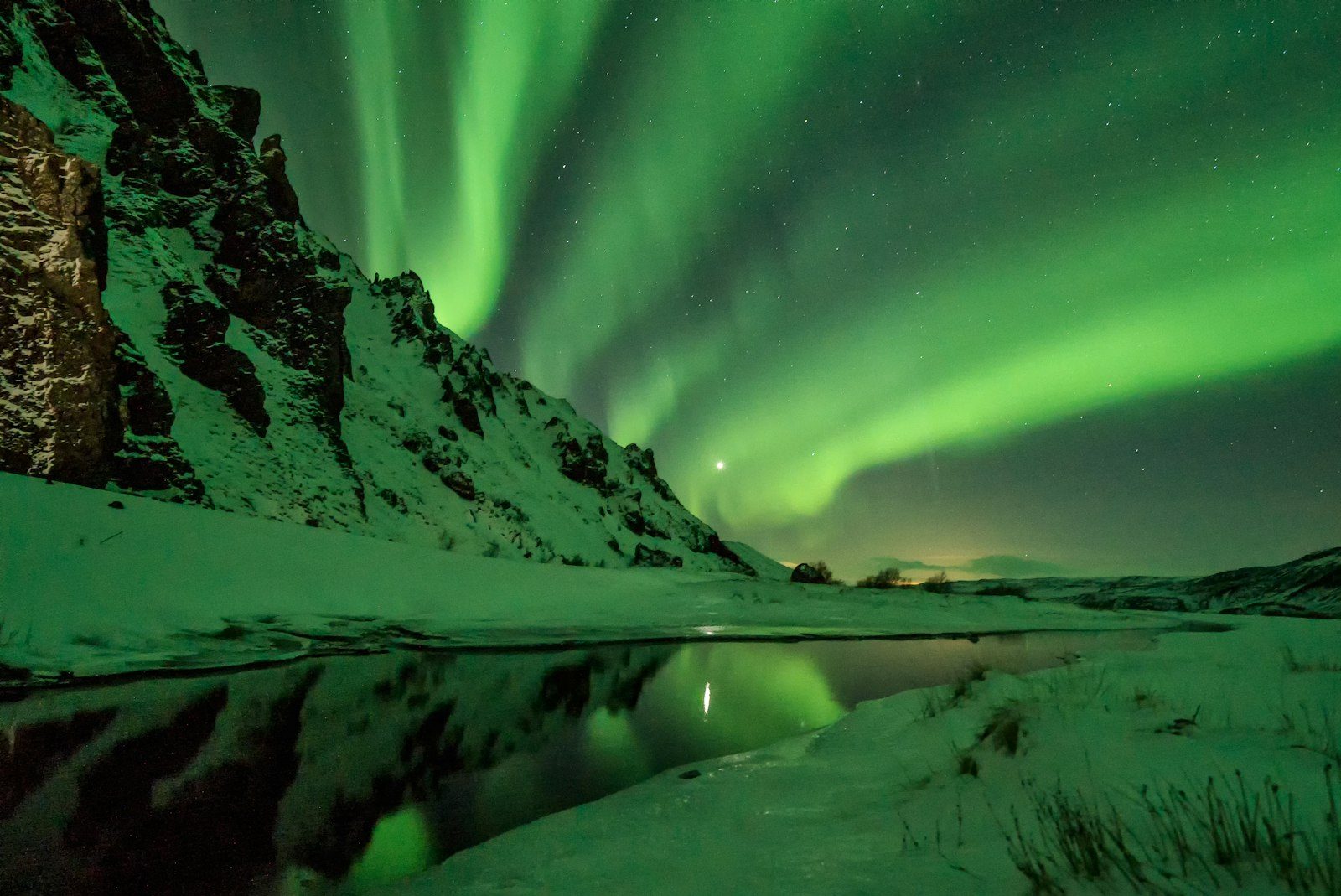
| October-March | around 0°C, 4-5 hours of daylight, northern lights | the Ring Road passable, but storm closures happen | cheapest, but risky with short daylight |
For a full loop in a week, the calmest choice is late May and early June, or the first half of September. In summer every road is guaranteed open, and the northern lights can be caught as early as late August. You can circle the island in winter too, but a one-week schedule becomes fragile: one solid storm closes a section for half a day and the plan falls apart.
How much does a week in Iceland cost?
Iceland is expensive but manageable. The main expenses are lodging and fuel, not entry tickets: most waterfalls, beaches, and the Golden Circle are free, and the paid items are mostly just parking and geothermal baths.
- Lodging: a guesthouse or budget hotel runs roughly 90-180 EUR for a double room, a hostel bed from 40-60 EUR. Camping is the cheapest.
- Food: if you cook from the supermarket (Bónus, Krónan), budget 15-25 EUR a day; dinner at a restaurant easily runs 25-40 EUR per person.
- Activities: a geothermal bath 40-70 EUR, a whale tour from Húsavík roughly 80-110 EUR, a glacier walk more than that.
All told, a week on the Ring Road without airfare, in the mid-range, comes to roughly 1,400-2,400 EUR for two. All the figures are approximate for 2026, so check before your trip: the season, the króna's exchange rate, and fuel prices all move fast.
Do you need a visa?
No. Iceland is part of the Schengen Area, and Ukrainian citizens with a biometric passport travel visa-free, for up to 90 days within any 180-day period. Visa-free travel has been in effect since 11 June 2017. Before your trip, check the current entry conditions on the official visa portal, since at the border you may be asked for a return ticket and a lodging booking.
Who this itinerary isn't for
If you have only 4-5 days, the full loop turns into non-stop driving, and it's better to be honest and take the south coast there and back: the Golden Circle, the waterfalls, Reynisfjara, and the glacier lagoon deliver the most per kilometre without any need to close the island's loop.
The Ring Road also isn't for anyone who'd rather not get behind the wheel. There's practically no public transport around the island, and organized tours break the same route into several separate outings and end up costing more than a rental.
If it's your first time and you have exactly a week, go clockwise and sleep in a new place each night. If you've already been to Iceland and driven the loop, give all your days to a single region next time: the Westfjords in the northwest is still the quietest, wildest part of the country, one that a week-long itinerary simply can't reach.