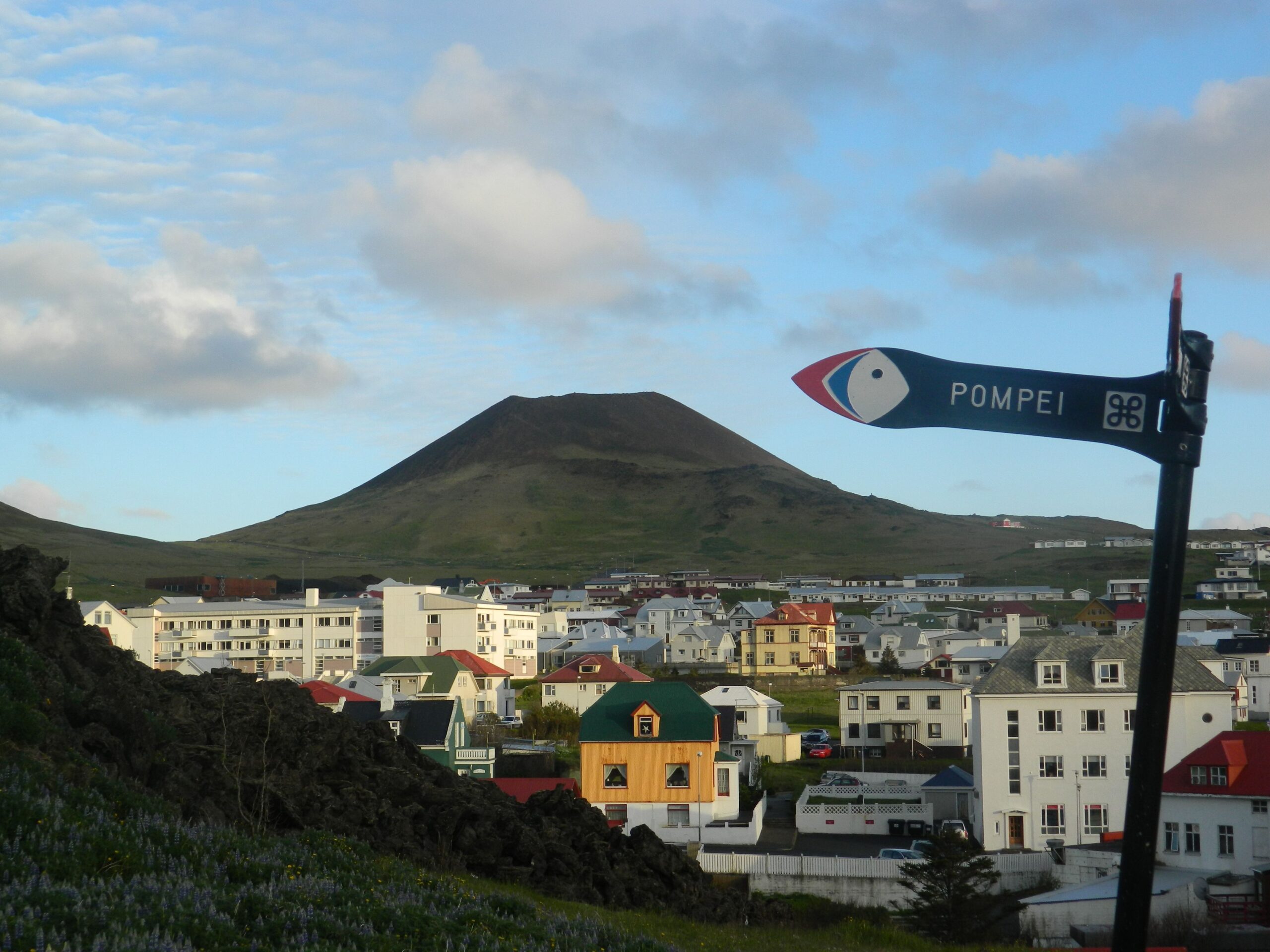


Helga Jonsdottir still remembers in vivid detail the day her island home was swallowed by a volcano, as she and her family fled the molten lava alongside everyone else.
"As my boat pulled away from the harbour, the fissure opened up and flames shot into the sky," she recalls. "The crack ran all the way into the ocean, and I could see glowing lava beneath the water."
Jonsdottir was 18 in January 1973 when the Eldfell volcano erupted on Heimaey, a small island 151 kilometres (94 miles) from Reykjavik, Iceland's capital. Her childhood home was among the 400 buildings destroyed by the 200 million tonnes of ash and lava that came pouring down in the days after the eruption.
Partner links: booking through them supports the blog at no extra cost to you.
Some of those buildings were uncovered beneath the volcanic debris during archaeological digs, turning the site into a fascinating place to visit.
Worlds of Fire
The result is the captivating Eldheimar museum, whose name means "worlds of fire," which opened its doors in May 2014. There, visitors can travel back to 1973, glimpse a snapshot of life on Heimaey, and get a sense of the devastation the volcano left behind.
On that fateful night, the island's 5,300 residents were alerted to the eruption by the blaring horns of fire trucks.
Stepping out of their homes, they saw bright red lava bursting from Eldfell and a wall of fire erupting from the fissure that split the entire island. Only one person died as a result of the eruption.
The vast majority of islanders were evacuated that night and did not return for several months. Many of those who had lived on the eastern side came back to find their homes swallowed by lava, while others were flattened entirely or buried beneath mountains of ash.
A handful of residents stayed put, but most rebuilt their homes closer to Vestmannaeyjar, the island's only town, covering 13 sq km (5 sq miles).
Time Stood Still
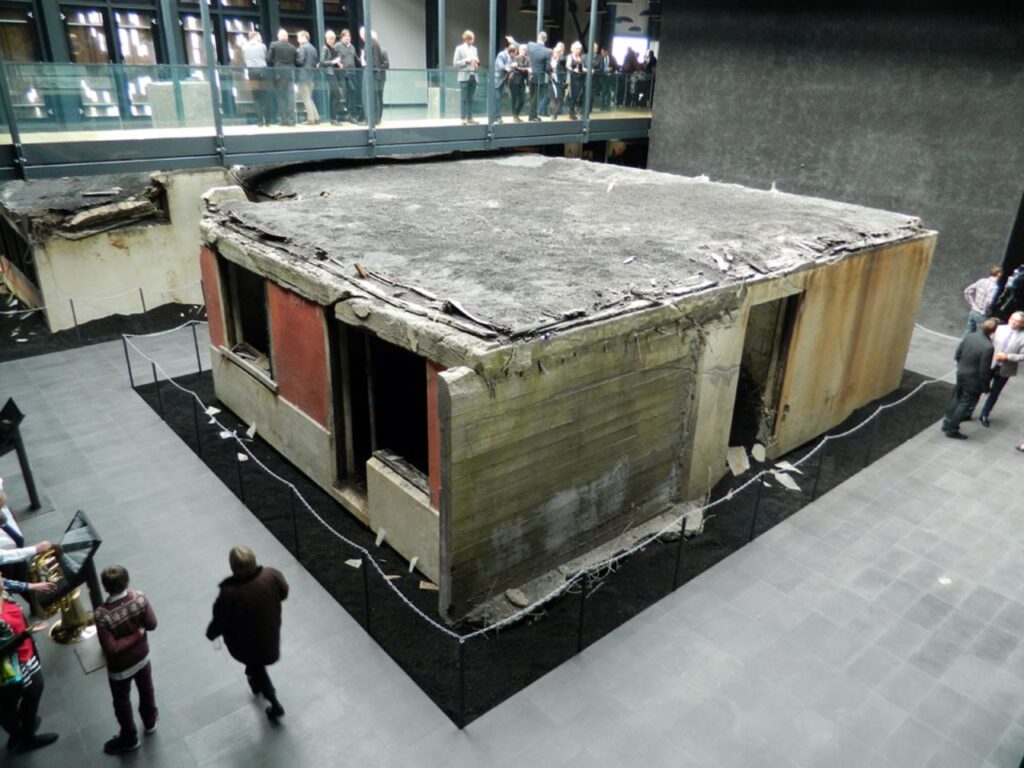
When archaeologists began excavating the houses closest to the volcano in 2006, they discovered that beneath the mounds of ash and hardened slabs of lava, time had frozen. Before the eruption, breakfast tables had been set and clothes folded and stacked by the fireplace, but everything was abandoned the moment the fire trucks began to sound their alarms.
The archaeologists chose to focus on one particular cottage, which is now the centrepiece of the Eldheimar museum on the outskirts of Vestmannaeyjar.
Inside the museum's walls, petrified cascades of ash pour from the cottage's windows, and through them you can make out lampshades, tablecloths, and curtains.
The mounds of ash visible from the museum windows are a reminder of just how close this island came to complete destruction. Heimaey, a 25-minute flight from Reykjavik or a 30-minute ferry ride from mainland Iceland, is a barren chunk of volcanic rock.
Visitors arriving by ferry sail into a small harbour, sharply narrowed by a river of frozen lava. When Eldfell erupted, the lava flow nearly cut the harbour off entirely. Locals slowed its advance by dousing it with cold water, but not before it added a full square mile to the island's area.
Towering Banks of Ash
Two enormous volcanic peaks dominate the horizon here.
Helgafell, a perfect, grass-covered cone, erupted thousands of years ago, spilling out so much lava that two islands merged to form Heimaey.
Eldfell, by contrast, is a jagged, ash-covered reminder of the 1973 eruption, though in places bright purple lupins sprout across its blackened slopes, where locals planted grass to improve the view and prevent erosion.
On boat tours around the island, visitors glide past towering banks of ash that slope down to the sea. In some spots, the shoreline takes on a semi-geometric pattern, as if someone had transplanted a piece of Northern Ireland's Giant's Causeway here.