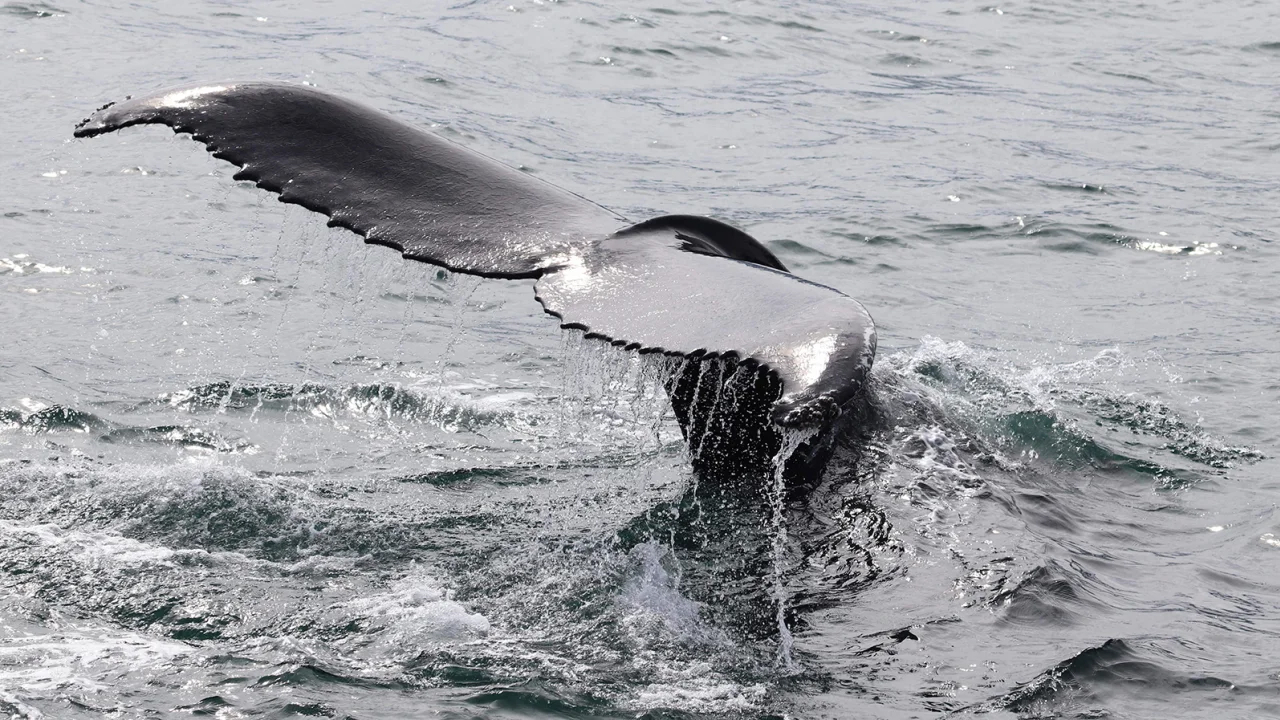


After a four-year break, Hvalur hf., the last whaling company still operating in Iceland, will resume its hunt this summer, much to the dismay of tourism officials.
Because the Covid-19 pandemic had a devastating effect on Iceland's tourism industry, a backlash over whaling is the last thing many tourism officials want.
"It's actually well known and widely reported that the tourism industry believes whaling damages Iceland's image as a travel destination," said Johannes Thor Skulason, executive director of the Icelandic Travel Industry Association. "You only have to look at how whaling is written about in the foreign press."
Partner links: booking through them supports the blog at no extra cost to you.
"It's often covered in the larger outlets with intense reporting," Johannes continued. "In the tourism industry, both in private companies and in public surveys, in letters, phone calls and other messages, whaling has a very precise effect, and travel companies feel it the moment whaling comes up in the conversation again."
Company representatives have voiced outrage over the planned whale hunt. "The tourism industry and most Icelandic citizens oppose whaling," said Asberg Jonsson, CEO of Travel Connect, a large travel services company based in Reykjavik.
"It's sad and disappointing to hear that this company, Hvalur, intends to resume killing these animals in Iceland. It does serious harm to our country's reputation. That, in turn, affects our exports and the tourism industry."
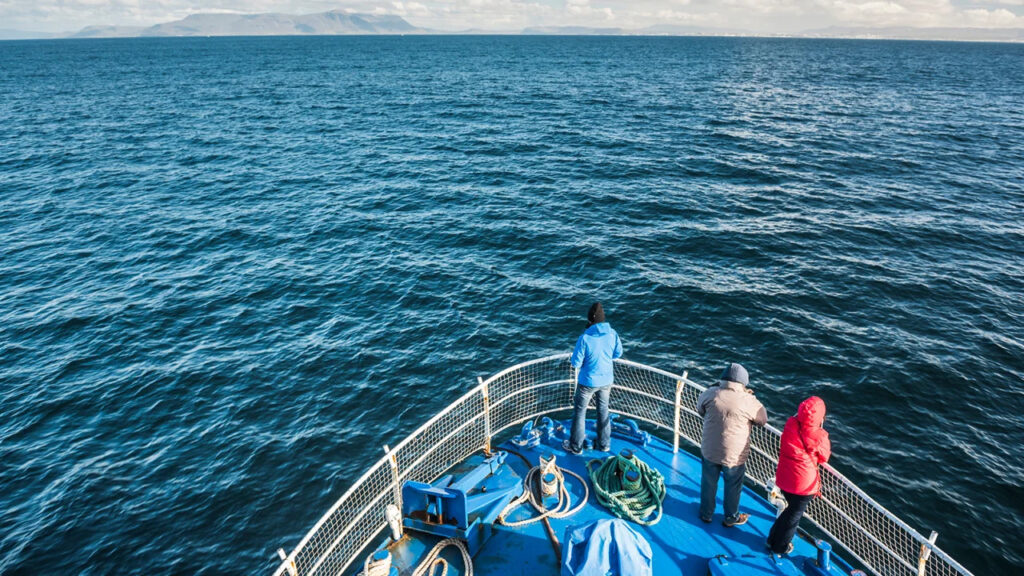
The stakes are high, since tourism in Iceland ground to a halt during the height of the Covid-19 pandemic. "We're an island, so obviously the barrier to travel here is a little higher than for a neighboring country," says Sigridur Dogg Gudmundsdottir, head of Visit Iceland.
Although Covid-19 wreaked havoc on countries around the world, many of them aren't as dependent on tourism as Iceland is. Before the pandemic, tourism was the country's largest export.
According to the Iceland Chamber of Commerce, the sector peaked in 2017, when tourism exports made up 42% of the country's total exports.
Because of the pandemic, GDP growth fell last year. Activity tied to travel bookings, air travel, accommodation and restaurants dropped by 50-75% compared with 2019. That shrank the tourism sector to 3.9% of GDP in 2020.
The last time Hvalur sent its ships out to hunt was in the summer of 2018, and a total of 146 whales were caught over the season. Depending on the daylight, the whaling season usually starts in June and runs until September. An estimated 150 or so people work on the whaling ships at the whaling station in western Iceland and at the company's processing plants outside Reykjavik.
Some argue that whaling is part of Icelandic culture and should be brought back.
"Whaling has a long tradition in Iceland, and I think a sensible, controlled hunt should be allowed," a casual worker at the whaling station, who did not wish to give his last name because it might affect his employment, told CNN Travel. "Over the seven seasons since Iceland started hunting whales again in 2006, only about 125-150 fin whales are taken each year. That year, I think, only eight whales were taken."
Negative emails
Many people wonder why Hvalur, run by CEO Kristjan Loftsson, keeps hunting whales in the face of environmental concerns and poor financial results.
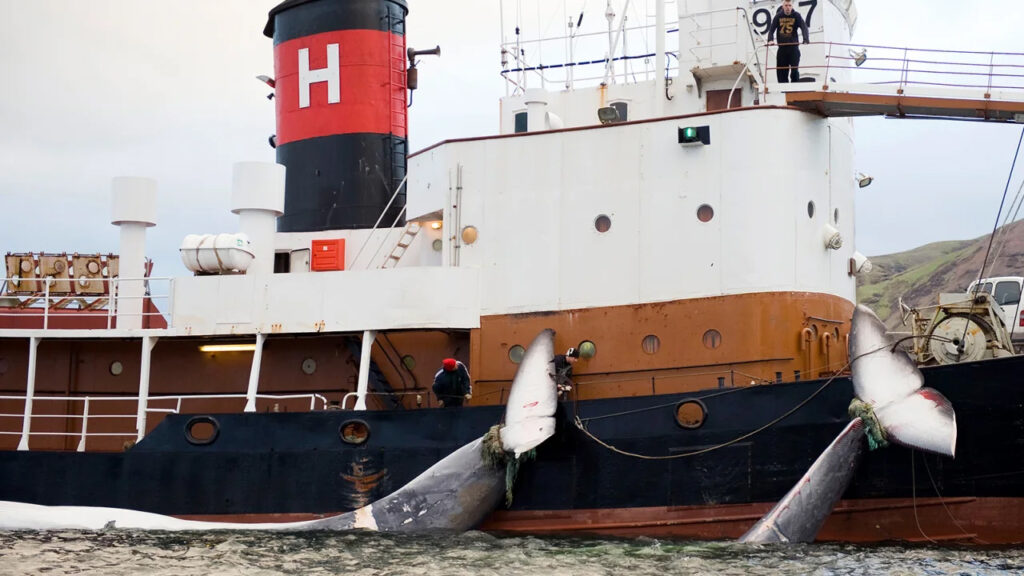
"It's hard for us to understand why, because whaling isn't just harmful, it's no longer financially viable either," said Asberg of Travel Connect.
Loftsson of Hvalur disputed the claim that his business is losing money, insisting that it makes a vital contribution to the Icelandic economy.
"Whaling is viable and it will generate income for the people it employs and export earnings for the country," he said.
According to a 2019 report by Iceland's Ministry of Industries and Innovation, whaling in Iceland accounts for roughly 3% of all whales taken worldwide. In 2017, the total revenue of whale-watching companies came to 3.2 billion Icelandic kronur ($26.5 million). Meanwhile, Hvalur's revenue from whaling in 2017 was 1.7 billion kronur ($14.1 million).
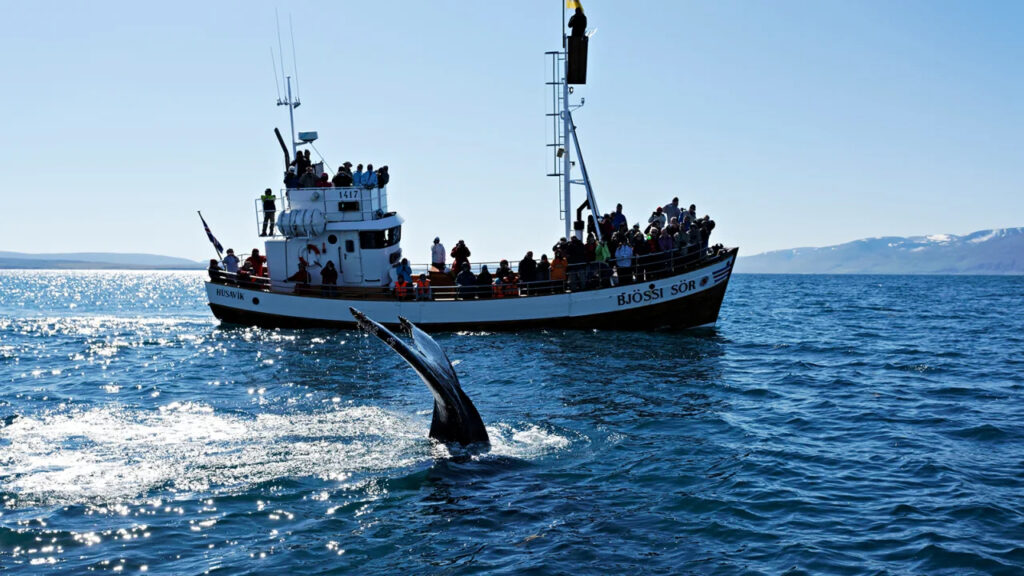
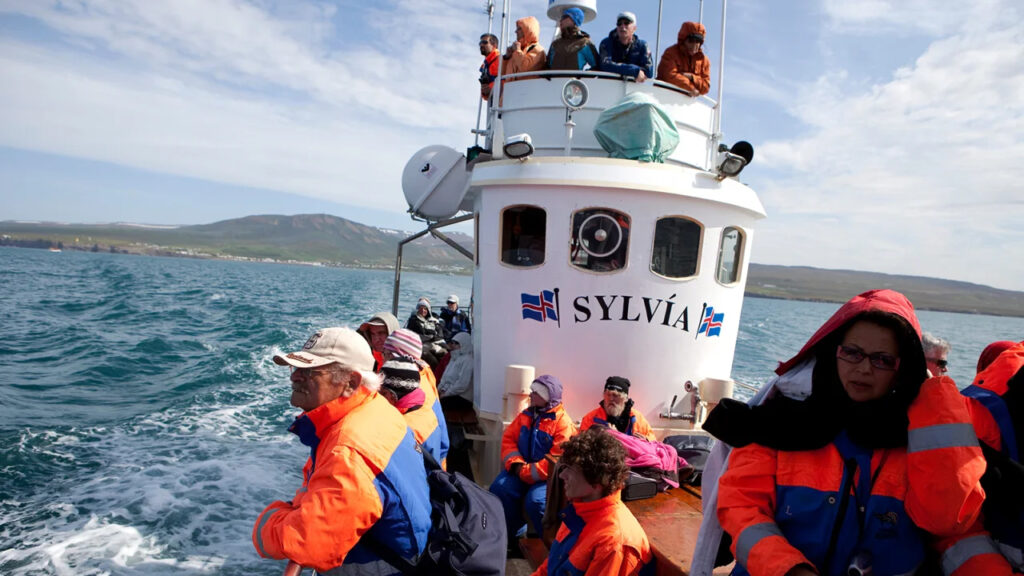
Whale-watching tours, however, bring in more money, since it's a popular activity for tourists all year round.
Many are tired of the influence of a single company, especially as travel companies expect tourist numbers to return to pre-Covid levels this summer, and a contentious issue like whaling is a source of frustration.
"Overall, our travel brands haven't seen a lot of cancellations over this, but every now and then we get negative emails about it," said Asberg. "We always explain that, as a company, we don't support whaling. Everyone should be able to see these incredible creatures thriving in their natural habitat."
Loftsson, who says whale-watching companies generally struggle to turn a profit on a regular basis, stated that there's no sign the hunt is affecting tourist numbers. He said the recent rise in visitors could be a result of whaling resuming.
He also insists that hunting the permitted quota of 161 fin whales will have little impact in an area where, he says, as many as 30,000 whales live. "So that everyone can see there are plenty of fin whales here to watch in their natural habitat," he says.
One last hurrah?
The 2022 season could be Hvalur's last, since the current whaling license expires in 2023, and Iceland's minister of fisheries and agriculture will then decide to stop issuing whaling licenses from 2024. By all accounts, demand for whale products is low, and the industry brings very little benefit to Iceland's economy.
"Any whaling in Icelandic waters is carried out on a scientific basis and in accordance with international law," said Sigridur. "Hvalur has the license it needs to hunt whales this summer. It's up to the management and owners whether they use it, and up to the Icelandic people and government whether licenses will be issued in the future." Over the past three years, only one minke whale and no large whales have been caught.
All Covid-19 restrictions were lifted in March 2022, and travel company executives have high hopes for a good summer.
"Tourism in Iceland is enjoying a nice rebound," said Sigridur. "Based on our forecasts, we expect close to normal figures this summer and a full recovery next year."