

A plaque on a house on High Street in Medford, just outside Boston, says James Lord Pierpont wrote Jingle Bells here in 1850. Historians tend to shrug, because in 1850 Pierpont was apparently in California chasing gold, and the song, then called One Horse Open Sleigh, was published in Savannah, Georgia, in 1857. Both towns still claim it. For travellers that is good news: almost every famous Christmas song has a street address, and you can go and stand in front of it.
Jingle Bells: a snow song from a town that rarely sees snow
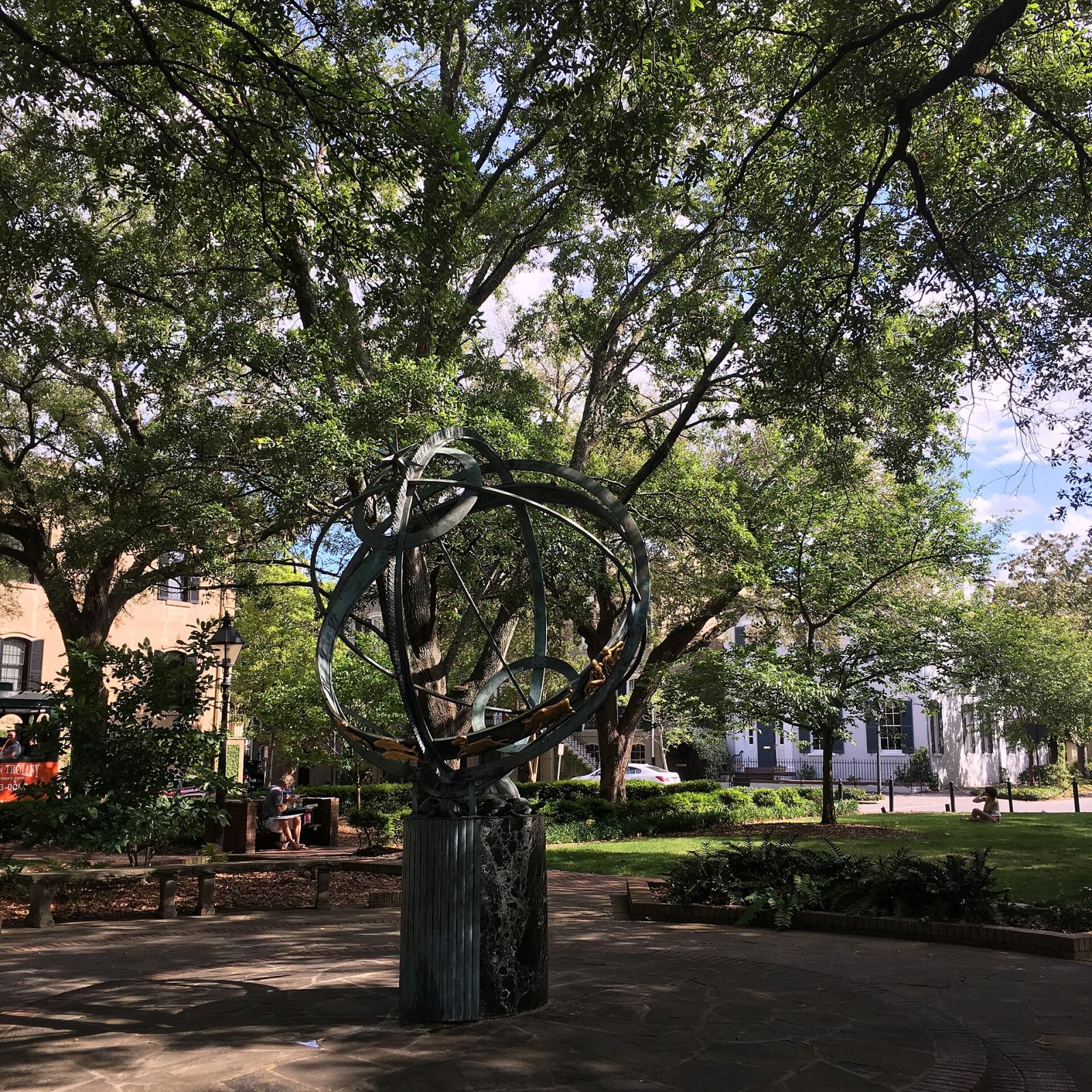
The quarrel between Medford and Savannah has run for decades, and in the 1980s the two mayors even traded some rather prickly letters. Medford leans on the memory of a local woman who supposedly watched the song take shape at the Simpson Tavern. Savannah has the stronger hand: Pierpont was organist at the Unitarian church there, the first sheet music came out there, and he is buried there. Savannah's own plaque stands in Troup Square, one of the shady squares of the old town.
The joke is that Savannah sees snow once every few years, and in December a light jacket is often enough. The sleigh song was not even written for Christmas, and only became a Christmas hit much later. If you are in the American South, Savannah deserves a full day: old squares, oaks bearded with Spanish moss and festive lights on the historic mansions.
Shchedryk: from Kyiv to Carnegie Hall
The world's best-known Ukrainian Christmas melody began as a short New Year folk chant about a swallow. Mykola Leontovych spent years arranging it for choir, and Shchedryk was first performed in Kyiv in December 1916. On 5 October 1922 the Ukrainian National Chorus, conducted by Oleksandr Koshyts, sang it at Carnegie Hall in New York. The tour was the young Ukrainian state's way of introducing itself to the world.
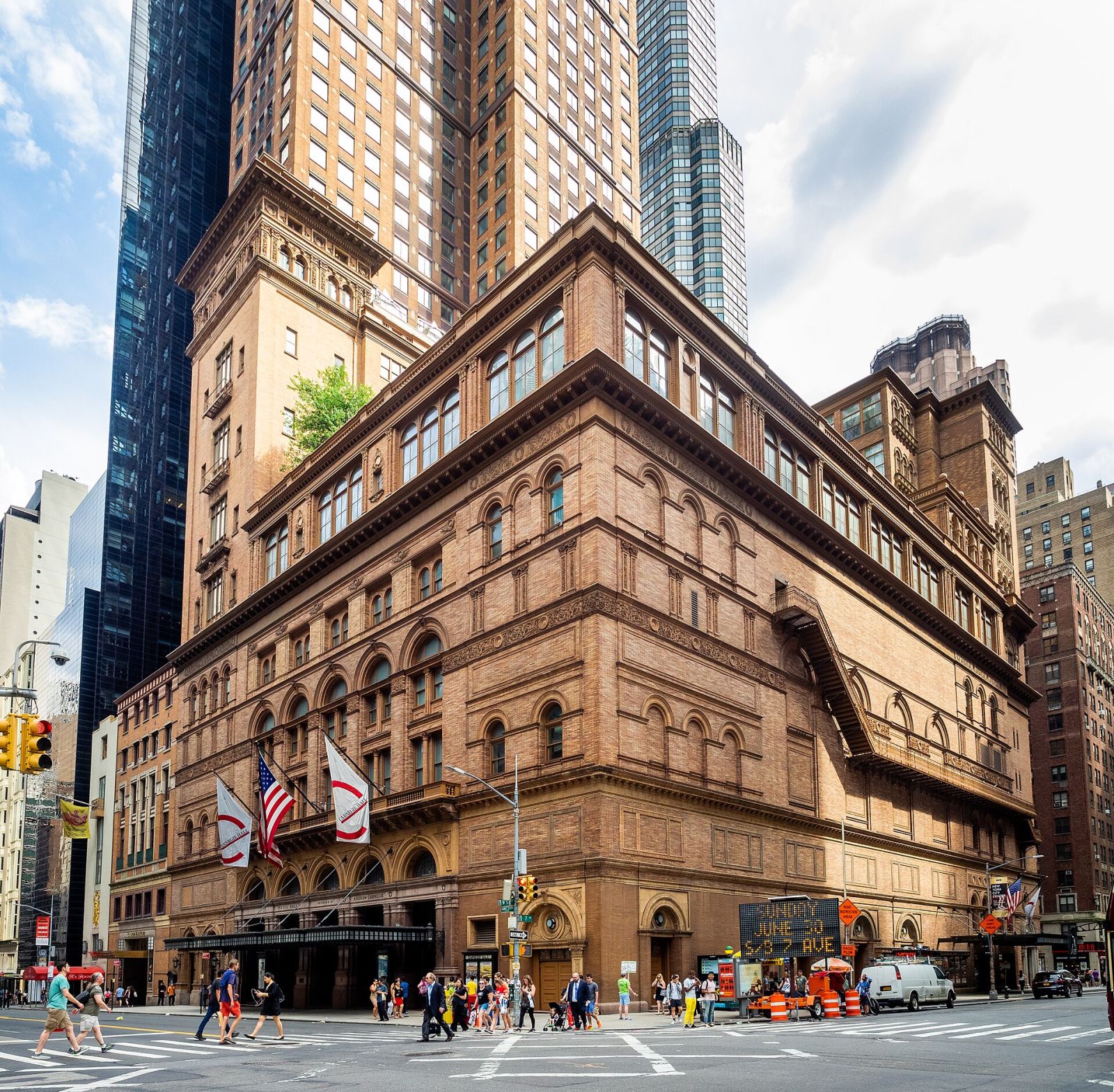
In 1936 the American conductor Peter Wilhousky wrote English words about ringing bells, and Carol of the Bells was born. Anyone who has seen Home Alone knows the rest. Leontovych himself did not live to see it: he was murdered in 1921. Carnegie Hall marked the centenary of that concert in 2022 and tells the story on its own website. In Ukraine, people follow Leontovych to Tulchyn in the Vinnytsia region, where he taught from 1908 to 1921 and where his home is now a museum.
White Christmas: a dream of snow from the desert
Irving Berlin wrote White Christmas around 1940, and Bing Crosby made it famous in the 1942 film Holiday Inn. The recording reportedly took about eighteen minutes, and the song went on to become one of the best-selling singles ever and won Berlin an Oscar. Where exactly he wrote it, nobody can say. One legend puts him by the pool of a hotel in La Quinta in the California desert, another at the Arizona Biltmore in Phoenix, and the song's biographer Jody Rosen points to a friend's house in Beverly Hills. Either way, the great dream of snow was most likely written by a man in sunglasses, which is Hollywood all over.
Fairytale of New York: London sings about New York
Britons put the song by The Pogues and Kirsty MacColl on their favourite Christmas lists every year, even though it is about two broke Irish emigrants arguing in New York with no money and no illusions left. Shane MacGowan and Jem Finer wrote it in London, borrowed the title from a novel by J. P. Donleavy, and the single came out in 1987. The video was shot in New York, so the city in the song is the real one: cold streets, a police station and a Christmas Eve. The fan route is simple: Manhattan's Irish pubs in December, where it will definitely be played, and in London the pubs of Camden and Kentish Town, where the band got started.
Last Christmas: the Alpine village in the Wham! video
George Michael wrote Last Christmas in 1984, and the Wham! video was filmed in Saas-Fee in Switzerland. The resort was picked at the last minute because Europe was short of snow that autumn and Saas-Fee already had plenty. The crew forgot to heat the empty flat used for the indoor scenes, so the smiles on screen are quietly heroic. In 1984 the single got stuck at number two in the UK chart behind the Band Aid charity record, and only reached number one in January 2021. Saas-Fee is still proud of its part and holds events in honour of the song during the winter season, so a ski break there combines easily with a fan photo shoot.
O Tannenbaum, Silent Night and the markets of Germany and Austria
The version of O Tannenbaum sung today was published in 1824 by Ernst Anschütz, a Leipzig organist and teacher who reworked an older folk song. The first verse does not mention Christmas at all: the tree is praised for its loyalty, green in summer and in winter alike. Leipzig celebrated the song's 200th birthday in 2024, and its Christmas market on the Marktplatz is one of the oldest in Germany. To compare it with others, see our guide to Christmas markets in Europe.
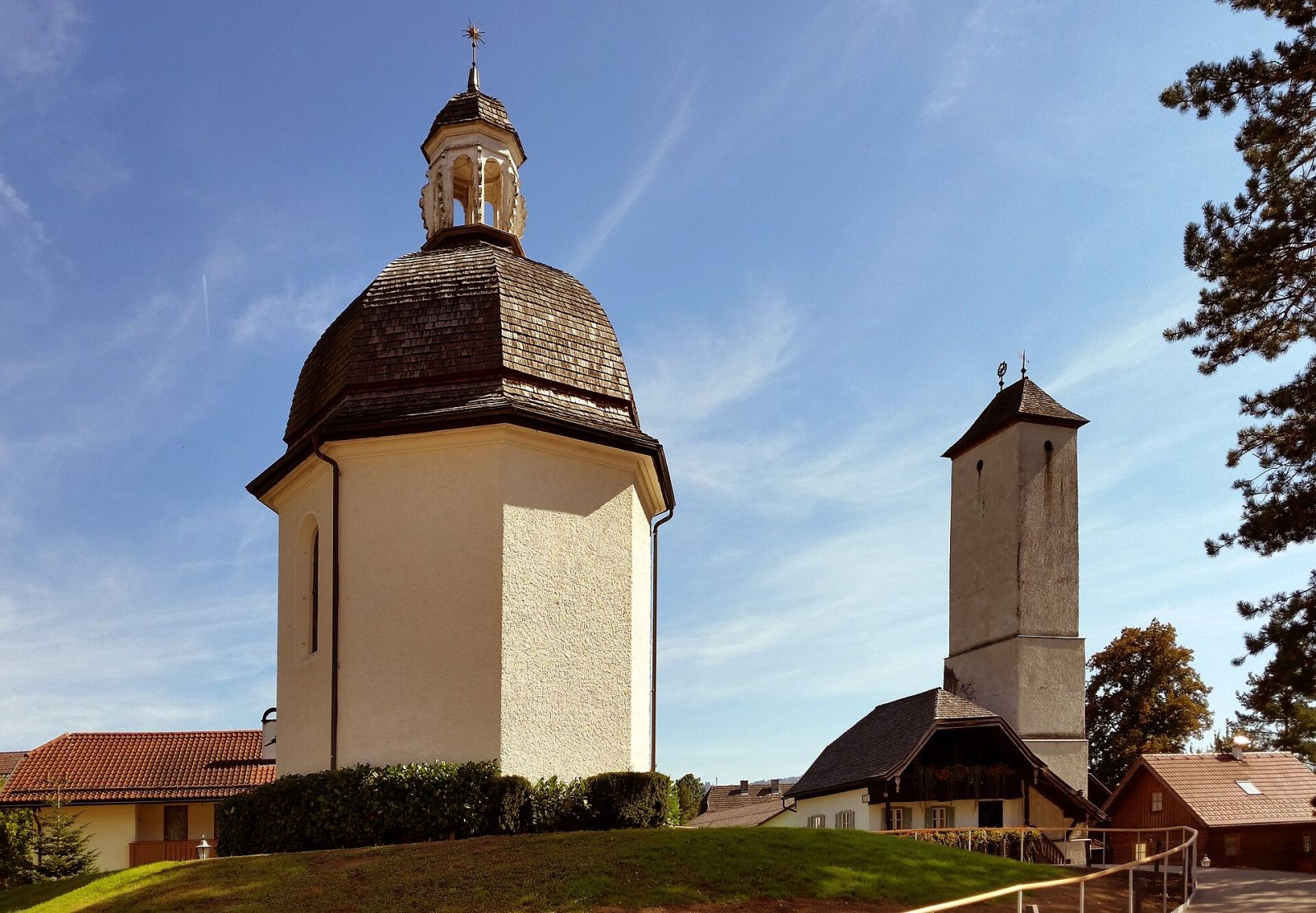
Silent Night was born in 1818 in Oberndorf near Salzburg, and its story deserves a separate telling, so here is just a reminder: the chapel on the site of the church where it was first sung stands above the Salzach, and on Christmas Eve people come to it from all over the world.
Feliz Navidad and Petit Papa Noël: a warm Christmas and a French classic
José Feliciano, a guitarist blind from birth who comes from the Puerto Rican town of Lares, wrote Feliz Navidad in 1970, and the song with one line in Spanish and one in English became the anthem of the bilingual Christmas. Puerto Rico celebrates for a long time: the season stretches to mid-January and the San Sebastián street festival in Old San Juan.
In France the Christmas song is Petit Papa Noël. Tino Rossi, a Corsican from Ajaccio, sang it in the 1946 film Destins, and it has never left French December playlists since. The song is about a child asking Père Noël, the French Father Christmas, not to forget them, and in France it works the way Shchedryk does in Ukraine: everyone knows it, even people who never sing out loud.
Where to hear Christmas songs live
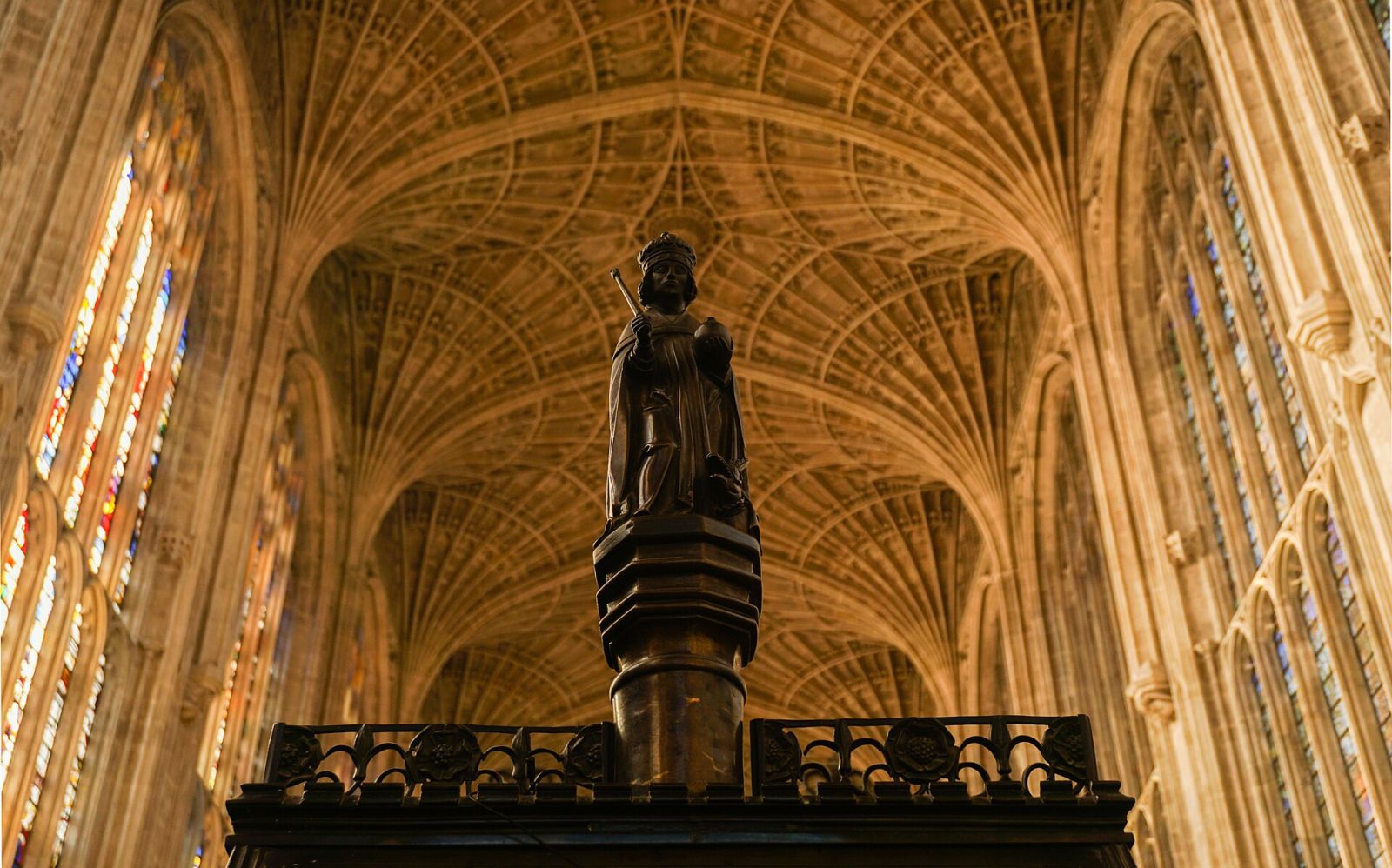
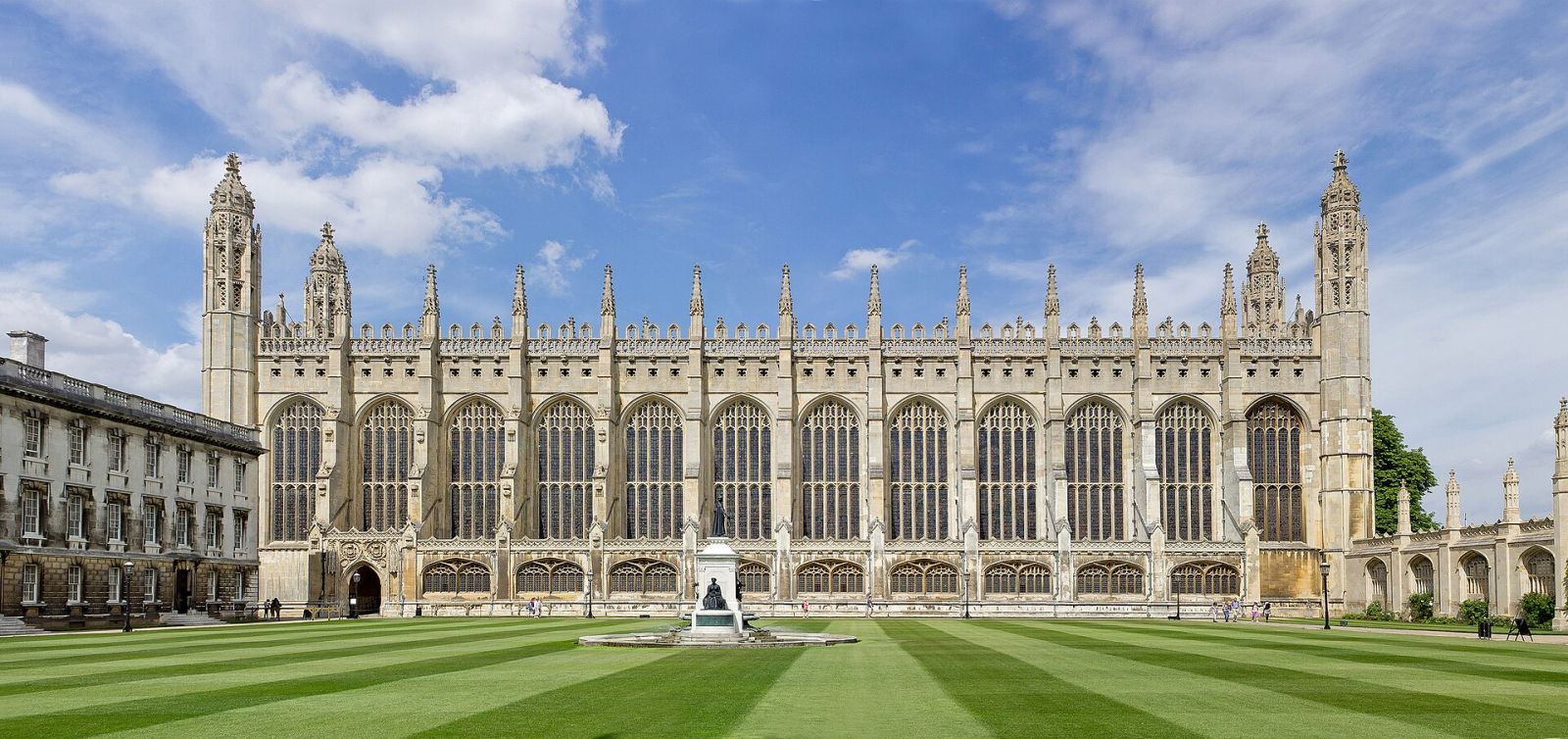
The most famous carol service in the world takes place in the chapel of King's College, Cambridge. The Festival of Nine Lessons and Carols has been held here since 1918, and the BBC has broadcast it on radio since 1928. In 2026 it falls on Thursday 24 December at 15:00. Old guidebooks tell you to queue overnight, but the queue is gone: public tickets, roughly half the chapel, are now allocated by ballot. Entries close at 17:00 on 13 November 2026, and successful applicants are emailed on 20 November. Rules and the form are on the King's College website.
If the ballot does not go your way, London has Carols at the Royal Albert Hall: from 19 to 24 December, several concerts a day with orchestra, choir and a chance to sing along, with tickets from around 22 pounds. For what else to see between concerts, try our guide on what to see in London. We checked the ballot and concert dates in late October 2026; confirm ticket prices before you buy.
Table: Christmas songs and their towns
| Song | Year | Town | What to visit |
|---|---|---|---|
| Jingle Bells | 1857 | Savannah (disputed: Medford) | plaque in Troup Square, plaque on High Street in Medford |
| Silent Night | 1818 | Oberndorf, Austria | Silent Night Chapel above the Salzach |
| O Tannenbaum | 1824 | Leipzig | Christmas market on the Marktplatz |
| Shchedryk / Carol of the Bells | 1916, Carnegie Hall 1922 | Kyiv, New York | Carnegie Hall, Leontovych museum in Tulchyn |
| White Christmas | around 1940 | La Quinta or Phoenix (legends) | Arizona Biltmore hotel |
| Petit Papa Noël | 1946 | France | French Christmas markets |
| Feliz Navidad | 1970 | Puerto Rico | Old San Juan, San Sebastián festival in January |
| Last Christmas | 1984 | Saas-Fee (video) | the resort where Wham! filmed the video |
| Fairytale of New York | 1987 | London, New York | Irish pubs in Manhattan |
| Nine Lessons and Carols | since 1918 | Cambridge | King's College Chapel, 24 December at 15:00 |
The easiest trip to build from all this is a British one: Cambridge on Christmas Eve, then London with the Albert Hall and the pubs where Fairytale of New York is on repeat. If you would rather have snow, go to the Alps: the Wham! village of Saas-Fee and Salzburg's Silent Night are just a few hours apart by train.