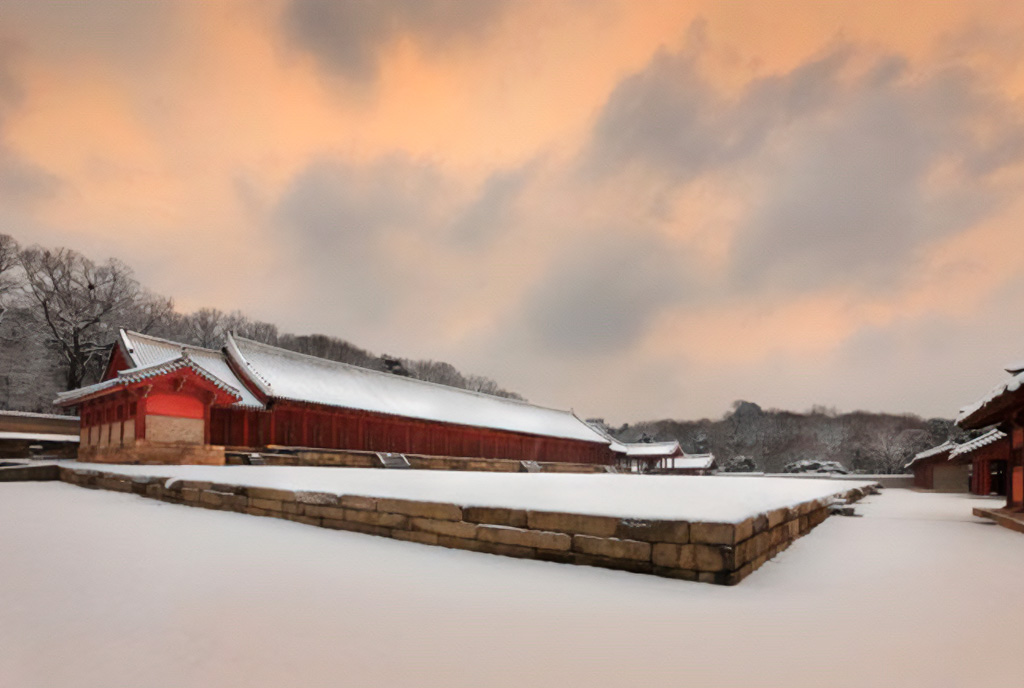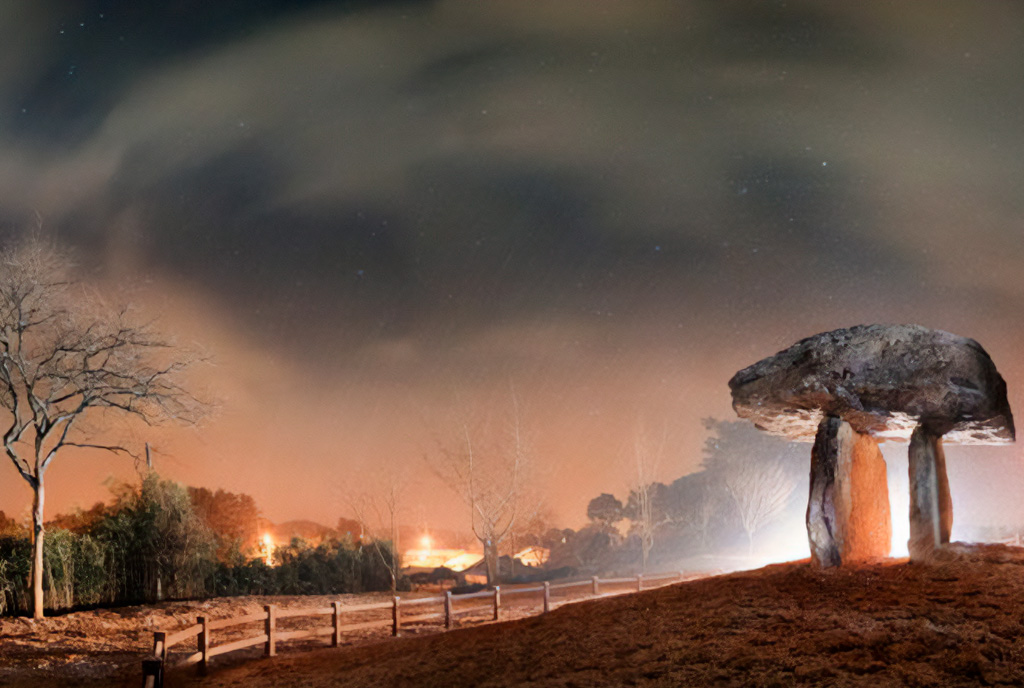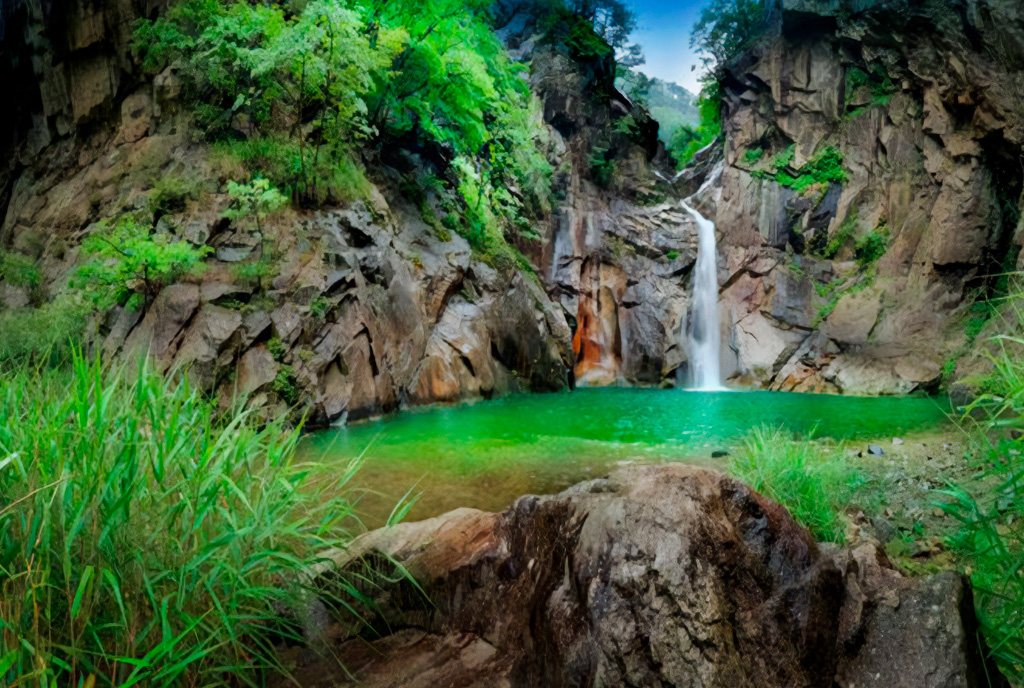


Roughly 25 million South Koreans, about half the population, travel abroad at least once a year, yet it's safe to assume that most of them haven't seen all the beautiful places in their own country.
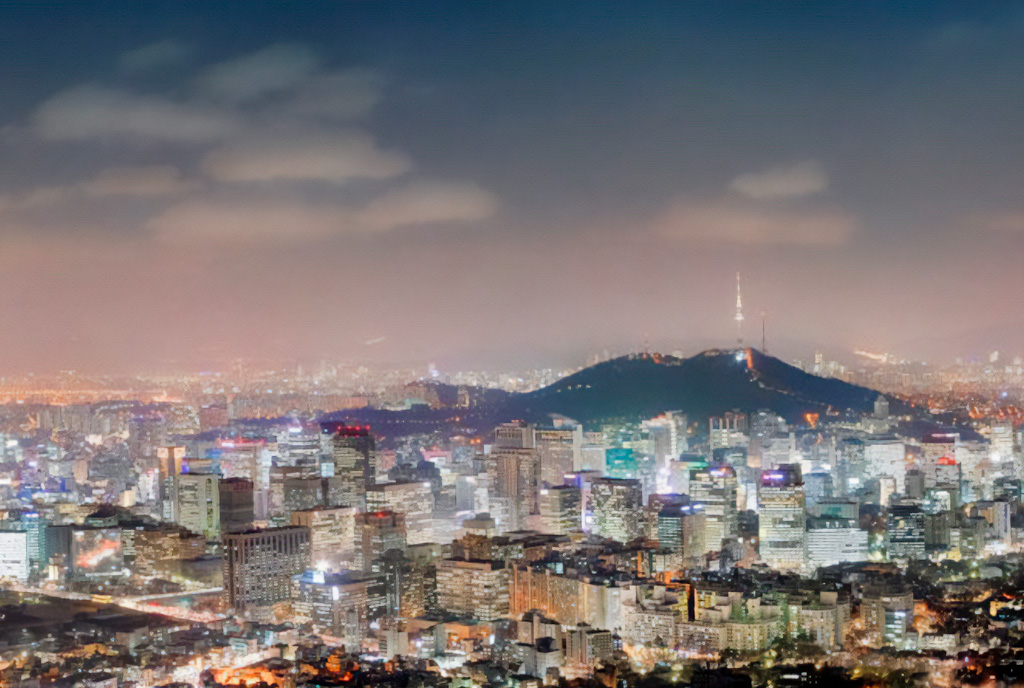
Seoul takes up just 0.6% of South Korea's territory: here are 50 beautiful places in the other 99.4% of the country that are worth a visit.
Below are 50 spots with blooming spring landscapes, sandy beaches, rugged mountains and quietly stunning historic landmarks for your new South Korea travel list.
Partner links: booking through them supports the blog at no extra cost to you.
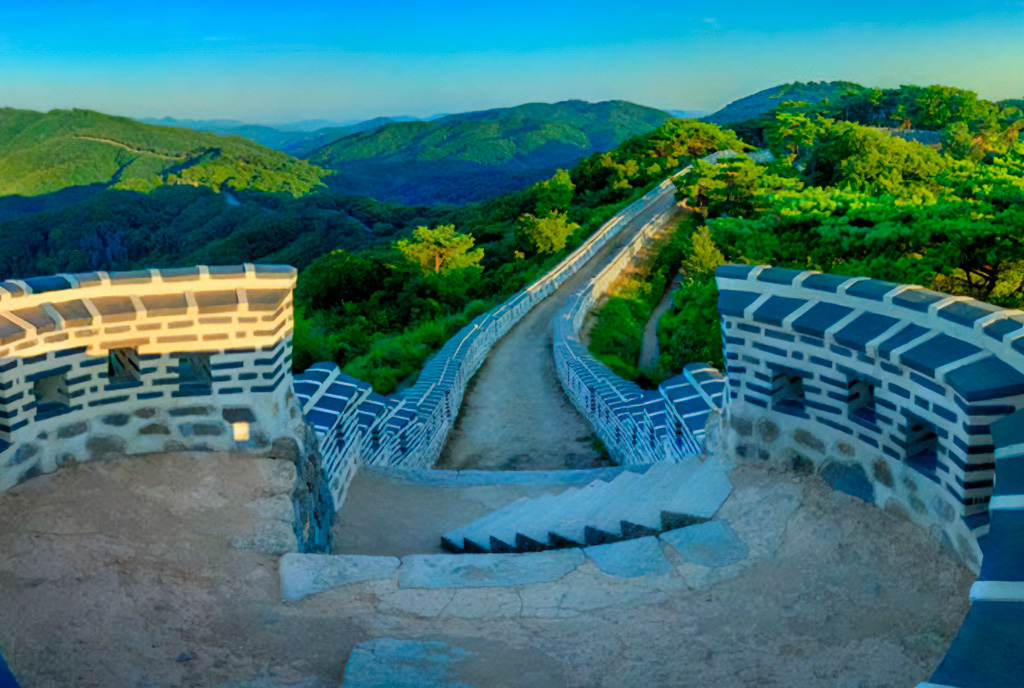
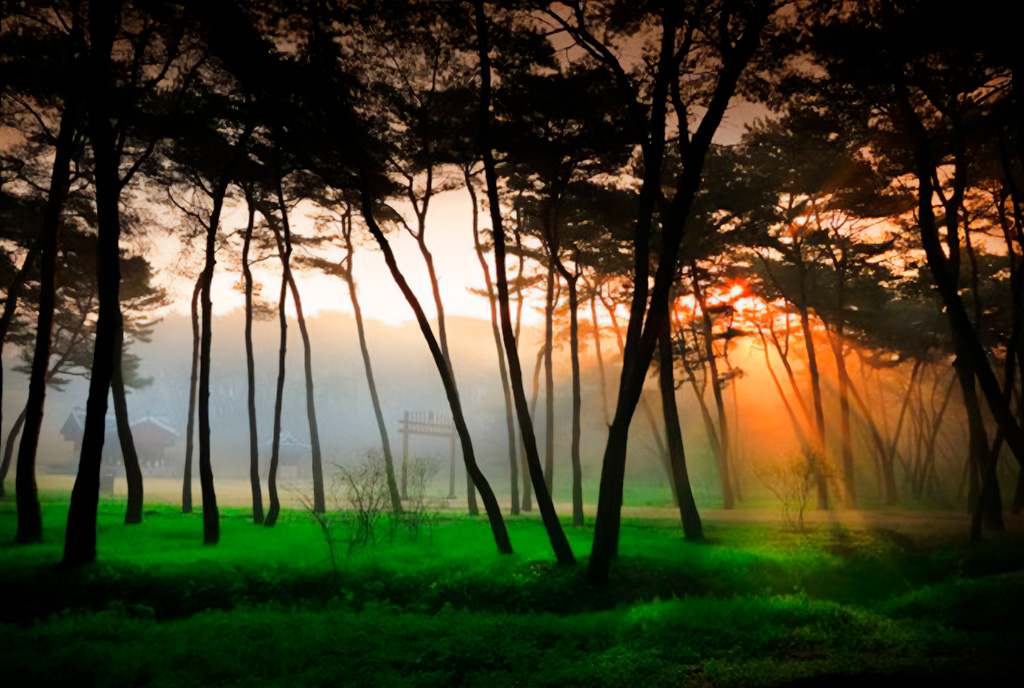
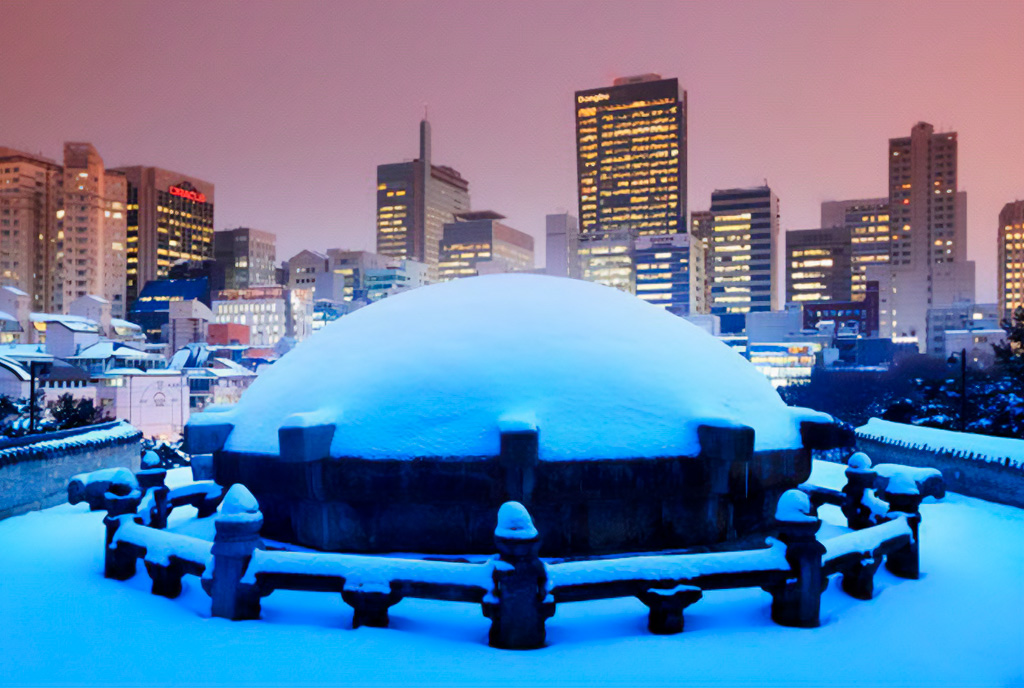
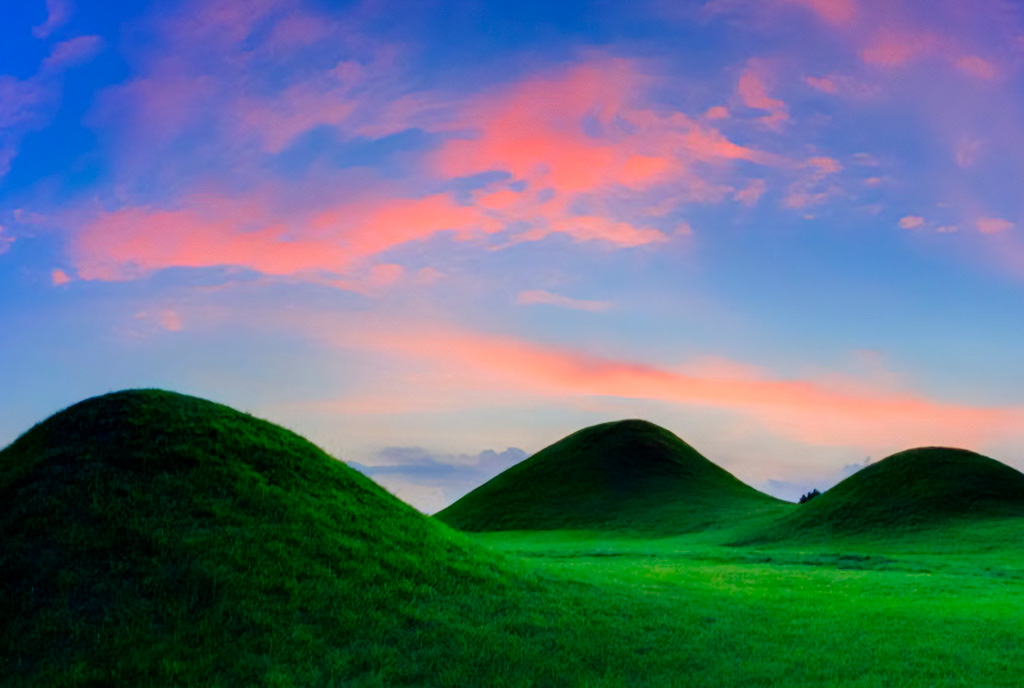
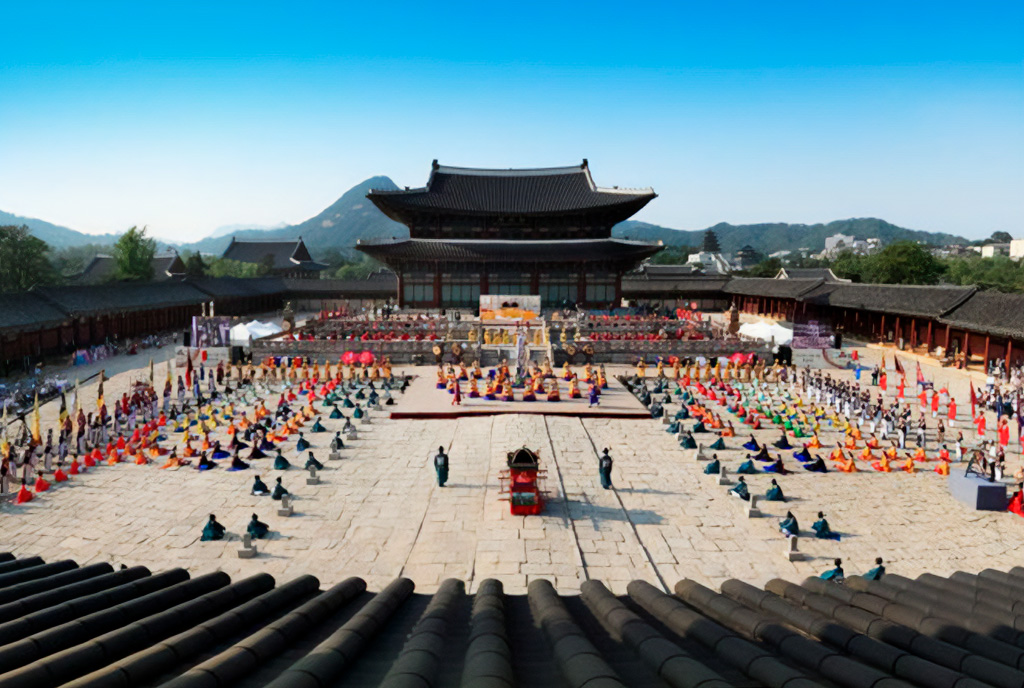
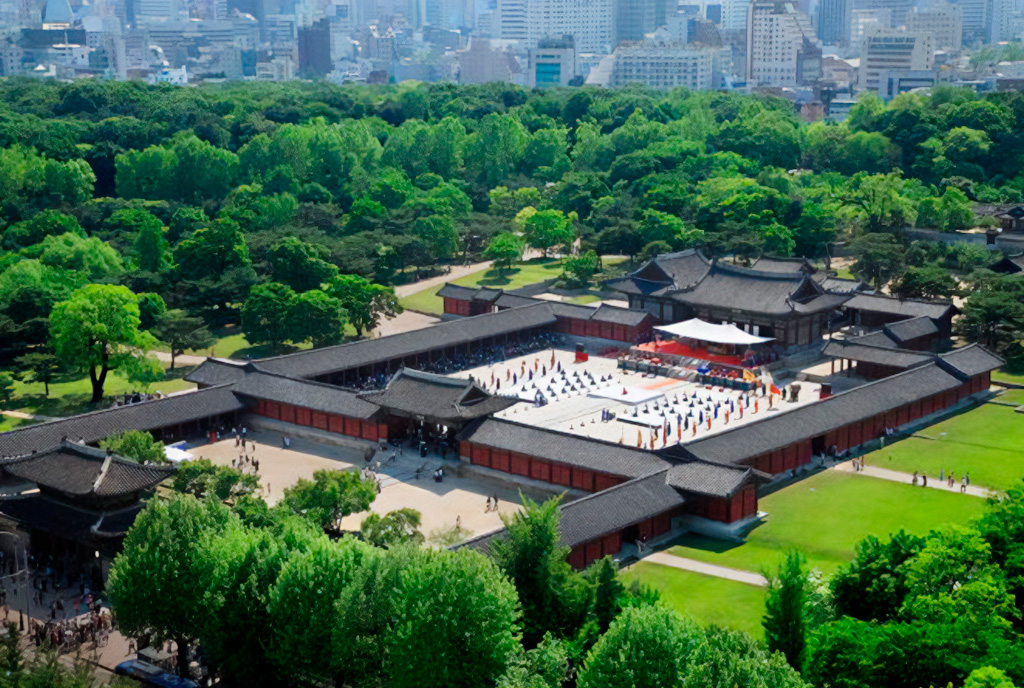
But to round out the list of beautiful places, we also asked three seasoned travel photographers, Seo Heun-kang, Kim Bong-sun and Im Jae-cheong, who know the country from head to spine to tail, to share images of their favorite spots across South Korea, featured in the gallery above.
Seongsan Sunrise Peak (성산일출봉)
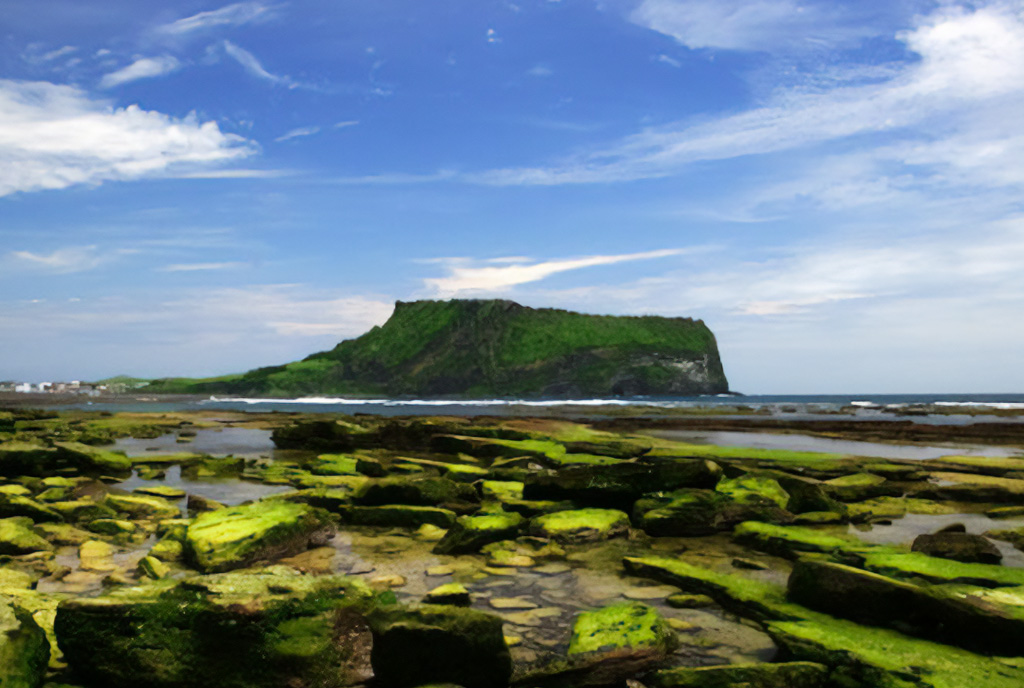
Hydrovolcanic eruptions shaped this majestic volcanic crater 5,000 years ago on Jeju Island.
A UNESCO World Heritage Site, the peak is known for many things, including numerous rare plant species, but it's most famous for the gorgeous view of the sun rising over it (hence the name).
Climbing the peak's northwestern ridge (its other sides are sheer cliffs) to the highest point at 180 meters takes 30 minutes.
1 Seongsan-ri, Seongsan-eup, Seogwipo, Jeju Special Self-Governing Province (제주특별자치도 서귀포시 성산읍 성산리 1번지)
Kkotji Beach (꽃지 해수욕장)
Located four kilometers southwest of Anmyeon-eup, this cream-colored beach is the perfect place to head to and watch the sun sink into the ocean between two large rock formations known as Grandmother Rock and Grandfather Rock.
According to legend, the wife of a base commander during the Silla dynasty became Grandmother Rock when she died, faithfully waiting for her husband.
Seunggon 4-ri, Anmyeon-eup, Taean-gun, Chungcheongnam-do (충남 태안군 안면읍 승언4리)
Darangyi Village (경상남도 남해 가천 다랭이마을)
Darangyi Village, a small, well-preserved village in the southernmost part of western Namhae-gun, stands out for the unusual sight of countless tiny fields (more than 100 levels) on a steep mountain slope facing the open sea.
Honghyeon-ri, Nam-myeon, Namhae-gun, Gyeongsangnam-do (경남 남해군 남면 홍현리)
Gwangan Bridge (부산 광안대교)
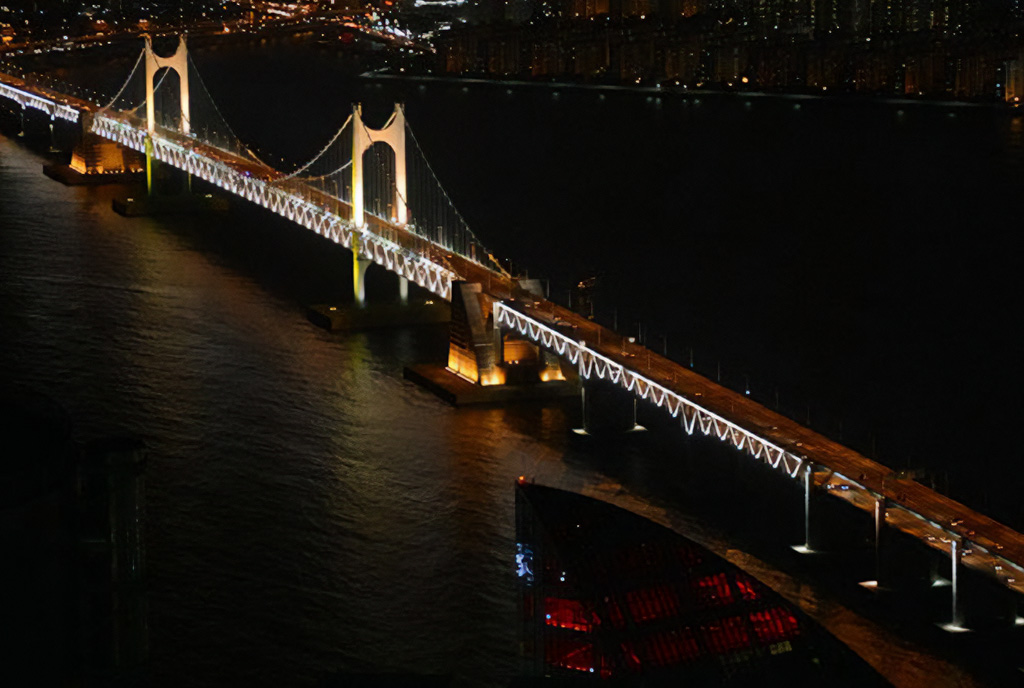
Also known as the Diamond Bridge, this two-story bridge connects Suyeong-gu and Haeundae-gu and offers an amazing view of mountains, sandy beaches, hills and city lights.
Gwangan Bridge isn't meant for pedestrians, but anyone can enjoy its stunning nighttime view from a distance; its modern lighting system can display more than 100,000 colors.
Suyeong-gu, Busan (부산광역시 수영구)
Gyeonghwa Station, Jinhae (진해 경화역)
This tiny stop teems with tourists and amateur photographers every spring.
Cherry blossoms shower down onto the railway tracks, and countless shutters click away like crazy as the train pulls into the station beneath a tunnel of blooming cherry trees.
The cherry-blossom road along Yeojwa Stream (number 17 on this list) is also nearby for those wanting more photo opportunities.
Gyeonghwa-dong, Jinhae-gu, Gyeongsangnam-do (경남 창원시 진해구 경화동)
Upo Wetland (우포늪)
Covering 2,314 square kilometers, Upo Wetland is the largest inland wetland in Korea and three times the size of Yeouido. Formed more than 140 million years ago, the wetland is home to 1,500 plants and animals, some of them endangered species.
Visitors can cycle or stroll around this beautiful natural wetland, where migratory birds are known to fly low.
Daedae-ri, Yueo-myeon, Changnyeong-gun, Gyeongsangnam-do (경남 창녕군 유어면 대대리)
Jeungdo Salt Farm (전남 신안 증도 염전)
This treasure-trove island (Song dynasty artifacts were actually found on the seabed here) is known for its clean seawater, soft beach and salt farms.
The magical spectacle of the vast salt farms isn't the only sight to be found here; a mudflat rest area lets tourists experience and observe the marine life of the mudflats.
Jeungdo-myeon, Sinan-gun, Jeollanam-do (전남 신안군 증도면)
Gongnyong Ridge, Seorak Mountain (설악산 신선대 공룡능선)
Physical fitness and mountain-climbing experience are prerequisites for taking in these fascinating peaks in the Seorak mountain range.
Believed to be shaped like a dinosaur's spine (hence the name "Dinosaur Ridge"), this rocky ridge offers thrilling views of both inner and outer Seorak. The climb is no picnic: the peak elevation of Gongnyong Ridge, the most popular ridge route in this range, is about 1,200 meters.
Goseong-gun/Yangyang-gun/Inje-gun, Sokcho-si, Gangwon-do (강원도 속초시 고성군, 양양군, 인제군)
Coastal Road of Ulleung Island (울릉도 해안도로)
Ulleung Island, nicknamed the "Mysterious Island," is a popular weekend spot for Seoul residents. Fascinating rock formations, coastal cliffs and numerous waterfalls adorn the island's coastal road.
Anyone planning to walk or cycle around Ulleung Island should make sure they've set aside plenty of time, since they'll inevitably stop countless times to admire the wonderful view.
Ulleung-eup, Ulleung-gun, Gyeongsangbuk-do (경북 울릉군 울릉읍)
Seopjikoji, Jeju Island (제주도 섭지코지)
First-time visitors to Jeju Island need to plan their trip carefully, since the list of places to see on Jeju is long and varied. One of the must-see spots on the list is Seopjikoji, a coastal cape known for its calm and romance. In spring, the field fills with yellow canola flowers, creating a colorful contrast with the red soil and azure sky.
The best photos of Seongsan Sunrise Peak (the first item on this list) can be taken here, at Seopjikoji.
Seopjikoji's scenery has also been captured in several Korean films and dramas, including "All In," one of the first Hallyu dramas, starring Lee Byung-hun and Song Hye-kyo.
261 Seopjikoji-ro, Seongsan-eup, Seogwipo-si, Jeju Special Self-Governing Province (제주특별자치도 서귀포시 성산읍 섭지코지로 261)
Bomun Pavilion, Gyeongju (경주 보문정)
Gyeongju, the ancient capital of the Silla dynasty, carries the nickname "museum without walls."
Bomun Pavilion, a small wooden gazebo standing over a tranquil duck pond, is a wonderful place to get acquainted with the Korean spring; cherry blossoms fluttering over the pond create an exquisite spectacle. In fact, it's the perfect spot to observe all of Korea's distinctly different seasons: the lush green leaves of summer, the crimson and mustard foliage of autumn and the snow blankets of winter.
Bodeok-dong, Gyeongju-si, Gyeongsangbuk-do (경북 경주시 보덕동)
Udo (우도)
Just 15 minutes from Jeju Island, Udo is another addition to the list of places to visit on Jeju.
Visitors can hike the Olle trail, ride a scooter along the shore, take an underwater tour or go sea fishing. Just don't forget the sunscreen.
Udo-myeon, Jeju-si, Jeju Special Self-Governing Province (제주특별자치도 제주시 우도면)
Haeinsa Temple, Hapcheon (합천 해인사)
The oldest surviving Buddhist canon in the world, the Tripitaka Koreana, is carefully preserved at the 1,200-year-old Haeinsa Temple.
Other temple highlights include the oldest wooden statue of Buddha in Korea (Vairocana Haeinsa) and the UNESCO World Heritage Site Janggyeong Panjeon ("depository of Buddhist sutras").
10 Chiin-ri, Gaya-myeon, Hapcheon-gun, Gyeongsangnam-do (경남 합천군 가야면 치인리 10번지)
Cheonwang Peak, Jiri Mountain (지리산 천왕봉)
At 1,915 meters, Cheonwang Peak on Jiri Mountain is the second-highest peak in South Korea and a favorite conquest of many Korean mountaineers.
The national park on Jiri Mountain spans five cities and three provinces and is home to quietly stunning flora and fauna, as well as seven national treasures and 26 treasures.
Many follow the trail to Cheonwang Peak to watch the sunrise, some simply to enjoy the view from the summit, and others for the pleasure of breathing the fresh, clean mountain air and drinking ice-cold spring water from the Cheonwang spring, which sits just 300 meters below Cheonwang Peak.
Samjang-myeon/Sicheon-myeon, Sancheong-gun, Gyeongsangnam-do (경남 산청군 시천면, 삼장면)
Juknokwon, Damyang (담양 죽녹원)
This dense bamboo grove is located in Damyang, another "slow city" that welcomes anyone worn out by the frantic pace of urban life.
Eight trails around the grove offer eight different themes for walking. If you look closely between the bamboo plants, you can see green-tea shoots that grow from the dew dripping off the bamboo leaves, known as Jukro tea. The Juknokwon observatory in the center of the grove sometimes hosts Jukro tea-tasting events.
Hyanggyo-ri, Damyang-eup, Damyang-gun, Jeollanam-do (전남 담양군 담양읍 향교리)
Naganeupseong Folk Village, Suncheon (순천 낙안읍성 민속마을)
Houses with thatched roofs, government offices, guest houses and a castle, all from the Joseon era, remain perfectly preserved in their original form at this historic site covering 22 square kilometers.
No, it's not an outdoor set for a historical drama, people really do live in these houses, and what's more, they offer overnight stays.
Chungmin-gil, Nagan-myeon, Suncheon-si, Jeollanam-do (전라남도 순천시 낙안면 충민길 30)
Yeojwa Stream (경상남도진해여좌천벚꽃길)
The fifth item on this list already touched on the cherry-blossom festival in Jinhae, but the cherry-blossom road along Yeojwa Stream is so strikingly beautiful that it deserves another mention (and another photo).
Couples visit this spot to cross the Romance Bridge, which was used as a filming location for "Romance," a drama starring Kim Ha-neul and Kim Jae-won.
Bloggers say these romantic blossoms are best appreciated at night, when there are fewer tourists and the pale-pink flowers glow against the dark sky.
Yeojwa-dong, Jinhae-gu, Changwon-si, Gyeongsangnam-do (경상남도 창원시 진해구 여좌동)
Boseong Green Tea Plantation (보성 녹차밭)
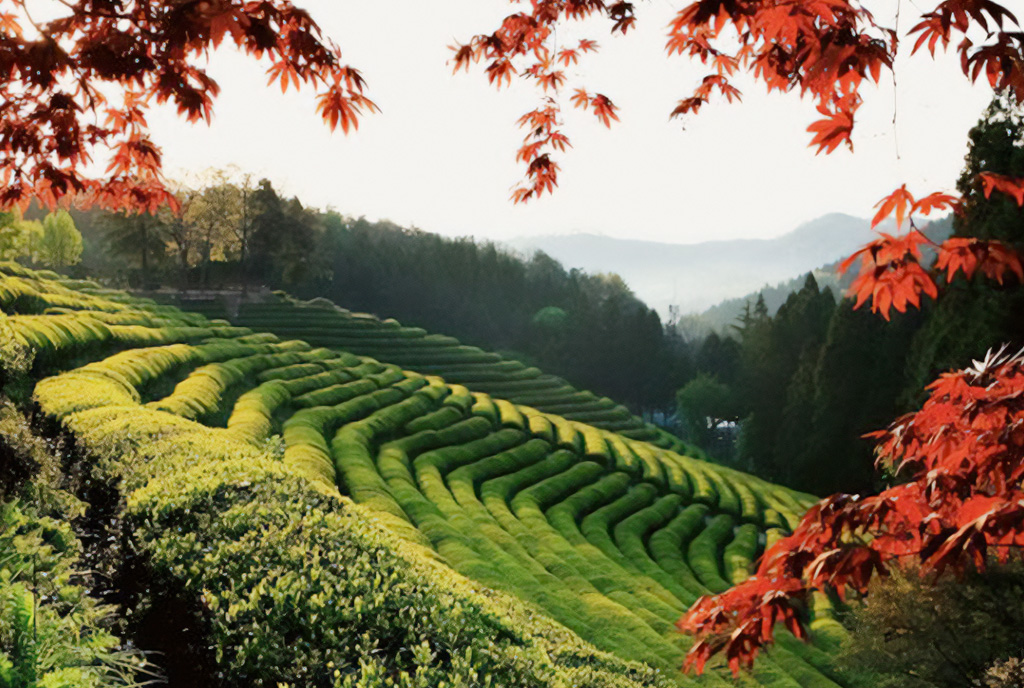
About 40% of Korean tea is produced in the hilly fields of Boseong, which have also served as the backdrop for many Korean dramas and films.
Yes, the green-tea specialties (fresh green-tea ice cream and green-tea pork belly) are delicious treats, but the breathtaking view of the seemingly endless tea fields is the real reason so many visitors stop by Boseong. A green-tea festival is held every May, and in winter the fields are decorated with tiny lights.
Bongsan-ri, Boseong-eup, Boseong-gun, Jeollanam-do (전라남도 보성군 보성읍 봉산리)
Bulguksa Temple (경주 불국사)
This UNESCO-listed site is perhaps the most famous historic landmark in Korea.
Two granite pagodas on either side of the temple, Dabotap and Seokgatap, along with Seokguram, an artificial grotto right above the temple, add to the grandeur of this 1,500-year-old home to many important relics.
15-1 Jinhyeon-dong, Gyeongju-si, Gyeongsangbuk-do (경상북도 경주시 진현동 15-1)
Daegwallyeong Sheep Ranch (대관령 양떼목장)
This, the only sheep ranch in Korea, turns into a natural sledding park in winter. The dreaminess of the view is as intoxicating as the mountain air. Meat lovers should drop by the restaurants in the ranch village to try top-grade lamb.
14-104 Hoenggye 3-ri, Doam-myeon (Daegwallyeong-myeon), Pyeongchang-gun, Gangwon-do (강원 평창군 도암면 횡계3리 (대관령면 횡계3리) 14-104번지)
Cheongdo Bullfighting Festival (청도 소싸움 축제)
As the largest bullfighting festival in South Korea, the Cheongdo Bullfighting Festival draws about half a million people every year. Beyond the big matches of 130 fighting bulls, there are art competitions, cow exorcisms, rodeo demonstrations and even magic shows to entertain the crowd.
If these spectacles are too brutal for your taste, there are other Cheongdo attractions, such as Nakdae Waterfall and Unmun Temple.
Cheongdo-gun, Gyeongsangbuk-do (경상북도 청도군)
Hyeopjae Beach, Jeju Island (제주도 협재 해수욕장)
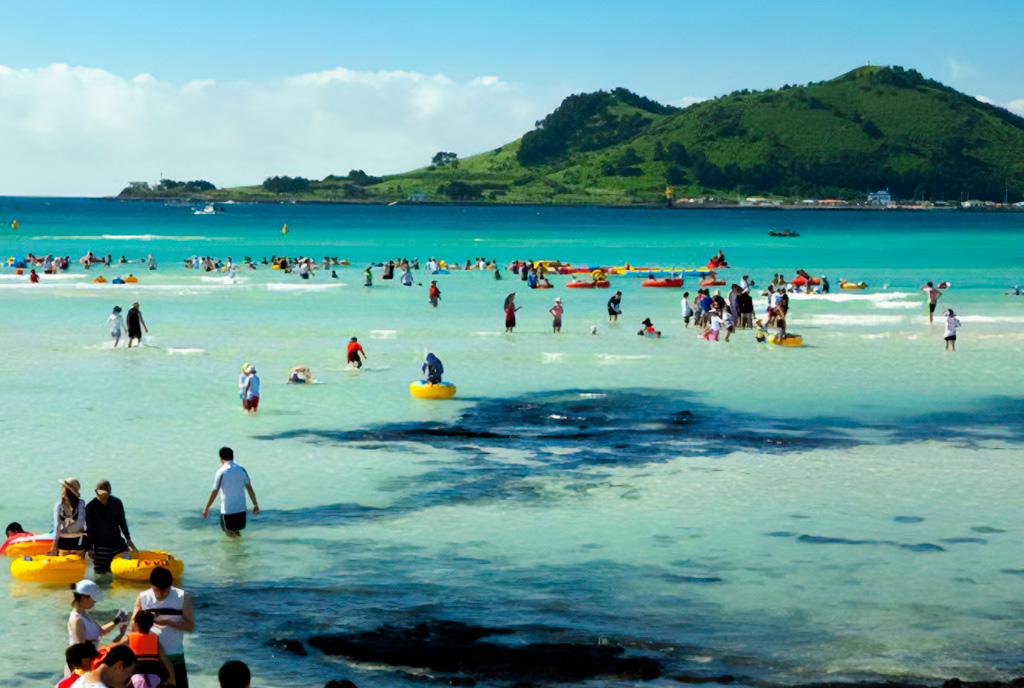
This white-sand beach is ideal for families thanks to its shallow water (average depth 1.2 meters), nearby amenities and camping in the pine forest that surrounds the beach. Hyeopjae is also especially famous for its delicious abalone and conch, served fresh at the seafood restaurants scattered along the beach.
2497-1 Hyeopjae-ri, Hallim-eup, Jeju-si, Jeju Special Self-Governing Province (제주특별자치도 제주시 한림읍 협재리 2497-1번지)
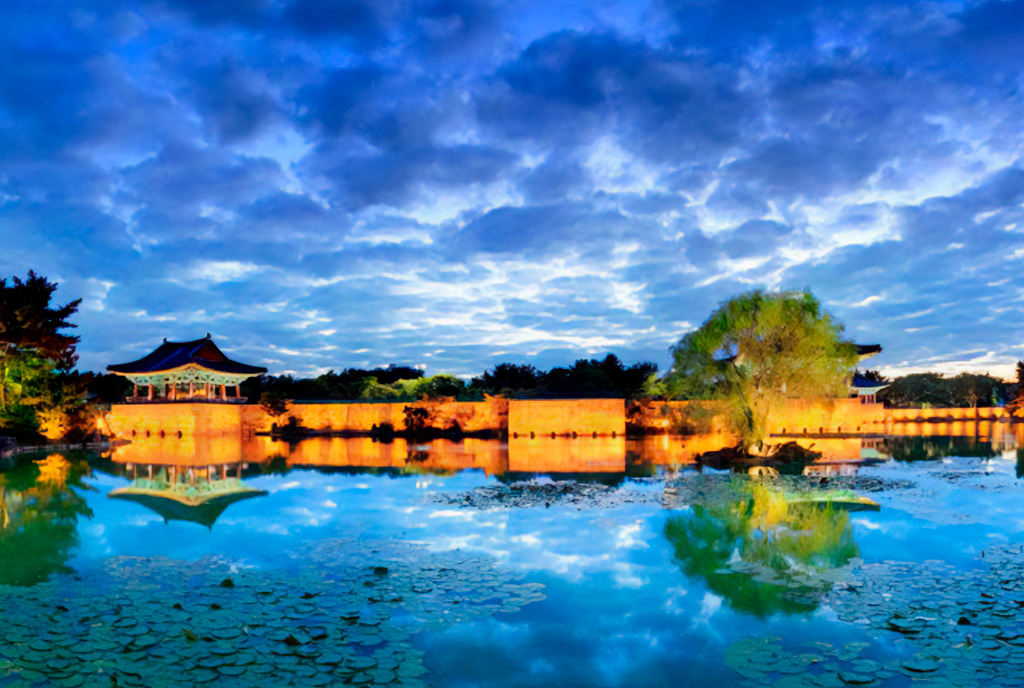
Anapji (Anap Pond) (경주 안압지)
This artificial pond was created during the Silla dynasty about 1,500 years ago.
Three buildings stand on three man-made islands, and patches of lotus flowers frame the pond. Wonderful exterior lighting, which switches on after sunset, creates a magical nighttime view.
26 Inwang-dong, Gyeongju-si, Gyeongsangbuk-do (경상북도 경주시 인왕동 26)
Seryang-je (세량제)
Seryang-je, a reservoir built in 1969 in Hwasun, is another well-known spot for both professional and amateur photographers thanks to its ephemeral mist and reflections of colorful flowers and foliage.
Seryang-ri, Hwasun-eup, Hwasun-gun, Jeollanam-do (전라남도 화순군 화순읍 세량리)
Gwanghan Pavilion (광한루)
Gwanghan Pavilion is the setting of Chunhyangjeon, one of the most famous Korean folk tales.
Chunhyang, the young, beautiful daughter of a gisaeng (a Korean geisha), and Mongryong, the handsome son of the local governor, first met and fell in love in this beautifully designed pavilion, which was designated a treasure in 1963.
77-1 Cheongeo-dong, Namwon-si, Jeollabuk-do (전북 남원시 천거동 77-1)
Seomjin River Train Village (섬진강 기차마을)
Hats off to the Gokseong county office, which managed to create a beautiful tourist attraction out of abandoned railways. A short ride on a steam locomotive (they don't make them like this anymore, literally) is available to tourists, who can also enjoy a bike ride along the trail or a romantic walk beside the railway track.
770-5 Oji-ri, Ogok-myeon, Gokseong-gun, Jeollanam-do (전라남도 곡성군 오곡면 오지리 770-5)
Cheongsando (청산도)
For a small country road, Cheongsando marks plenty of "firsts": it's the world's first "Slow Road" in Asia's first "Slow City." It doesn't take long to understand why it's called a "Slow Road": your pace naturally slows to match the tempo of the rest of the island.
Canola flowers (in spring) and Mexican asters (in autumn) in full bloom are framed by simple stone walls.
Cheongsan-myeon, Wando-gun, Jeollanam-do (전라남도 완도군 청산면)
Halla Mountain (한라산)
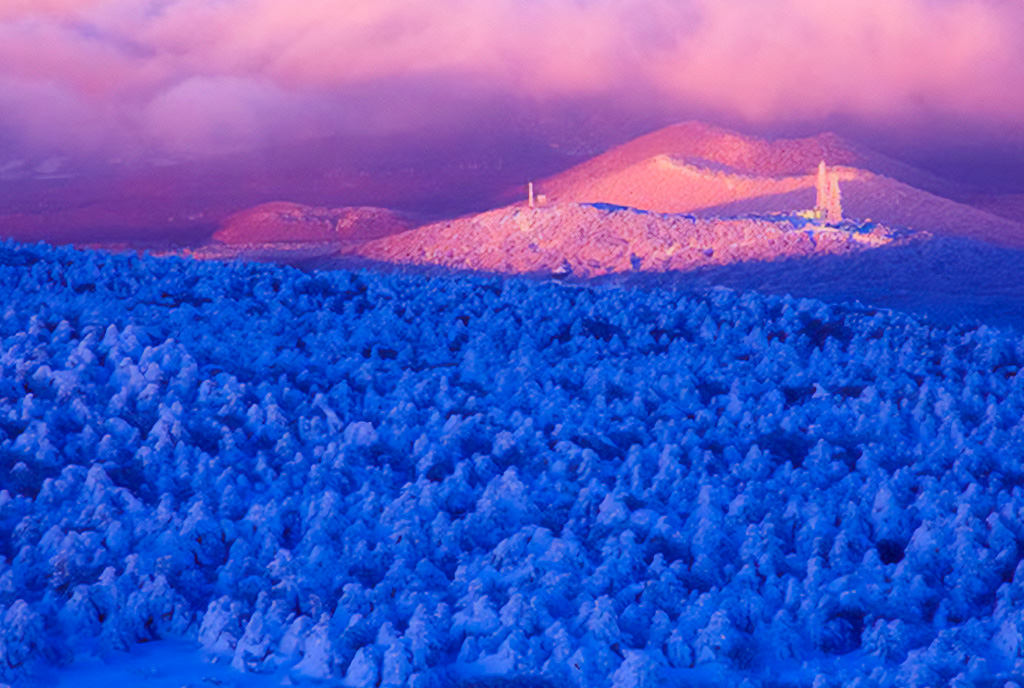
This fairytale spectacle of snowflakes and icicles covering the tree branches on Halla Mountain became the inspiration for the Halla Snow Festival, which used to be held in late January or early February each year.
Sadly, the festival was suspended a few years ago, because every time they set a date it rained and people got angry. But the snow-covered trees are still there, and you can try sledding, snow rafting and ice slides for yourself.
Halla Mountain, Jeju Special Self-Governing Province (제주특별자치도 한라산)
Terraced Fields, Hamyang (함양 다락논)
This small village at the foot of Jiri Mountain shows off the fascinating sight of terraced rice fields. In spring the water in the fields reflects the sky, and in autumn the fields glow with golden grain.
Macheon-myeon, Hamyang-gun, Gyeongsangnam-do (경남 함양군 마천면)
Nuri Peace Park (임진각 평화누리공원)
This artistic park, located in Paju, embodies South Koreans' longing and yearning for peace on the Korean Peninsula.
Yes, it's a pretty heavy theme, but even those who don't care about the death of Kim Jong-il can still enjoy the beauty of this park, which is well known for its colorful display of pinwheels and giant bamboo stalks.
618-13 Majeong-ri, Munsan-eup, Paju-si, Gyeonggi-do (경기도 파주시 문산읍 마정리 618-13)
Silk Waterfall, Jiri Mountain (지리산 뱀사골 실비단폭포)
This moss-covered waterfall sits in a now-closed area of Jiri Mountain, which means a hefty fine for anyone caught nearby.
Think of it as a really long vacation for nature.
Baemsa Valley, Jiri Mountain, Namwon-si, Jeollabuk-do (전북 남원시 지리산 뱀사골)
Yeongsan River (영산강)
Among the many beautiful river views in Korea, the views from the Yeongsan River are among the best and give the views from the Han River serious competition.
For dedicated cyclists there's a 132-kilometer bike path that follows the river from Damyang to Mokpo.
Yongso-ri, Yong-myeon, Damyang-gun, Jeollanam-do (전남 담양군 용면 용소리)
Poppy Garden, Simhak Mountain, Paju (파주 심학산 꽃밭)
The landscape dotted with poppies on Simhak Mountain looks as if it came straight out of a Claude Monet painting. It's one of the few places where you can see poppies in Korea, and the local town holds a Poppy Festival here every year around June.
Simhak Mountain, Paju-si, Gyeonggi-do (경기도 파주시 심학산)
Royal Azalea Festival, Hwangmae Mountain (황매산 철쭉축제)
At 1,108 meters, Hwangmae Mountain is the highest peak in the Sobaek mountain range and covers itself in royal azalea blossoms every spring.
The festival runs for two weeks from early May, and the organizers recommend arriving at dawn to capture the most vivid images on camera.
Mountain 1, Beoppyeong-ri, Chahwang-myeon, Sancheong-gun, Gyeongsangnam-do (경남 산청군 차황면 법평리 산1번지)
Silleuksa Temple, Yeoju (여주 신륵사)
This old riverside temple is relatively unknown to the public and holds quite a few treasures, including stone pagodas, a stone bell and a zelkova grove. The temple and its surrounding grounds also host a sweet-potato festival at the start of each January.
282 Cheonsong-ri, Yeoju-eup, Yeoju-gun, Gyeonggi-do (경기도 여주군 여주읍 천송리 282)
Suspension Bridge on Daedun Mountain (대둔산 구름다리)
Daedun Mountain is known for its vivid autumn colors and the 81-meter Geumgang Suspension Bridge.
The red bridge, connecting Imgeum Rock and Ipseokdae, makes climbing the mountain easy.
Wanju-gun, Jeollabuk-do / Geumsan-gun, Chungcheongnam-do (전북 완주군, 충남 금산군)
Haeundae Beach (해운대 해수욕장)
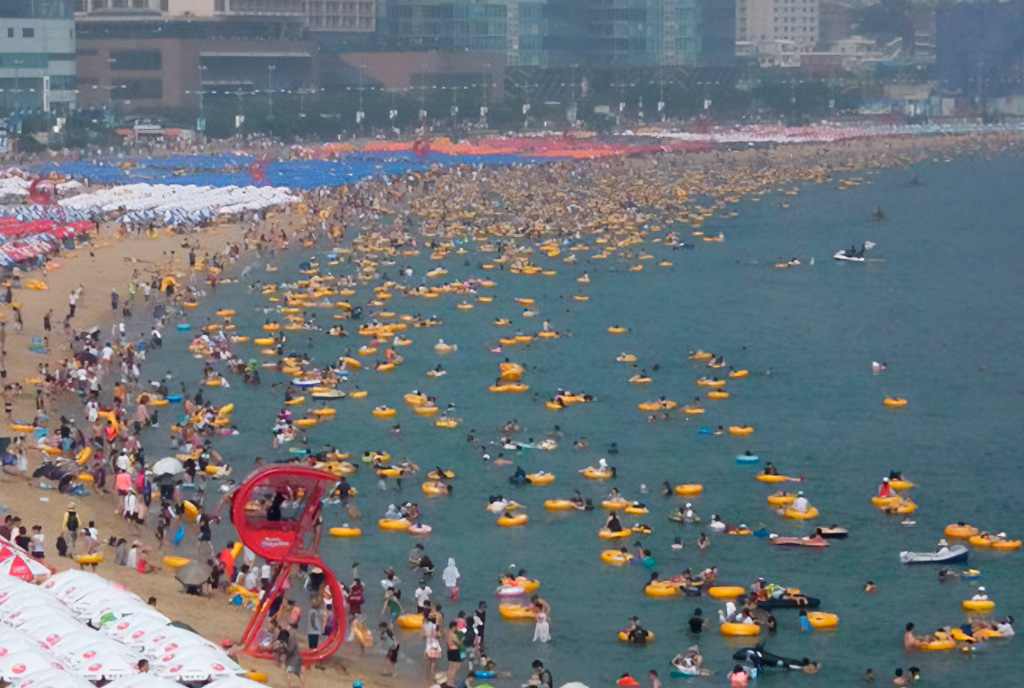
Hundreds of thousands of people visit this famous beach every summer, but summer isn't the only season you'll see bare skin at Haeundae: the "Polar Bear" festival is held every January, when participants jump into the cold ocean with shouts and laughter.
About 2,000 people attended the festival this year, the largest number of participants to date.
U 1-dong, Jung-dong, Haeundae-gu, Busan (부산 해운대구 우1동 , 중동)
Yongam Temple (옥천 용암사)
Originally built in 552, this temple got its name from a neighboring rock, which was believed to be shaped like a dragon but was destroyed, along with most of the temple, during the Japanese occupation.
According to legend, the last prince of the Silla dynasty wept here after seeing the view of his hometown. He was on his way to Geumgang Mountain following the fall of the dynasty.
On cool autumn mornings, the mountains surrounding this temple are covered in a sea of clouds, and the sight of the sun rising through that dense white blanket leaves the viewer speechless.
Samcheong-ri, Okcheon-eup, Okcheon-gun, Chungcheongbuk-do (충북 옥천군 옥천읍 삼청리)
Snow on Taebaek Mountain (태백산 설경)
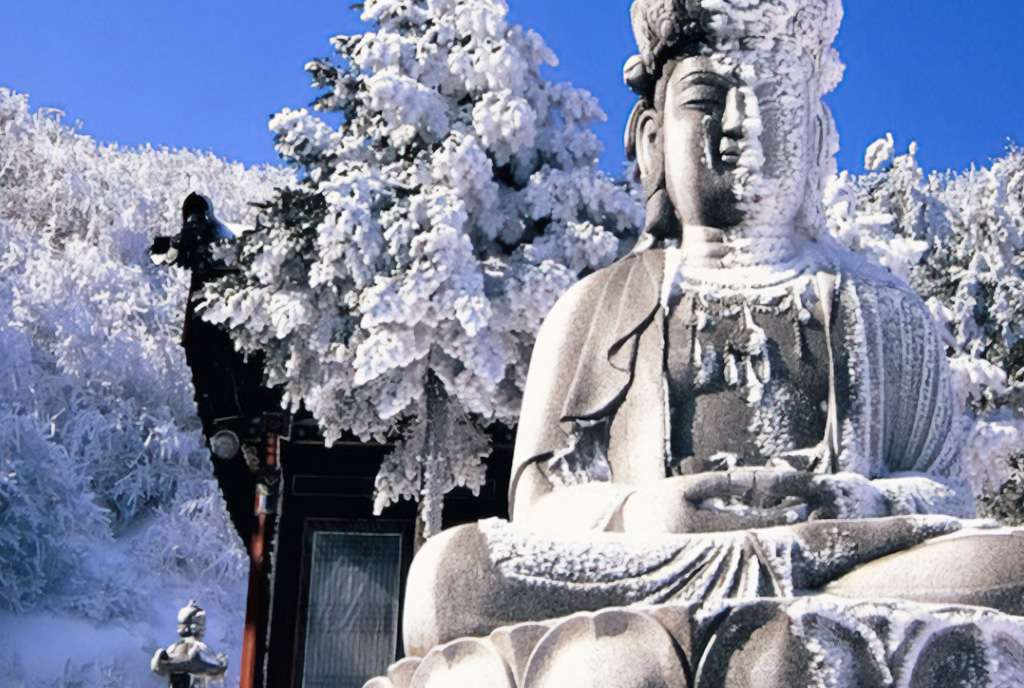
Gangwon-do province is known for catastrophically heavy snowfall in winter.
Although driving there can be difficult, the snowfall creates the best skiing conditions in the country.
High1 Resort has the highest peak (1,345 meters) and the fluffiest snow among the ski and snowboard resorts in Korea.
Mungok-dong, Taebaek-si, Gangwon-do (강원도 태백시 문곡동)
Yangdong Traditional Village (양동 한옥마을)
The nature and culture of this village remain the same as they were in the days of the Joseon dynasty. One of the newest additions to the UNESCO World Heritage list, the village has hosted famous guests such as Prince Charles and former UN Secretary-General Ban Ki-moon.
Yangdong-ri, Gangdong-myeon, Gyeongju-si, Gyeongsangbuk-do (경북 경주시 강동면 양동리)
Nami Island (남이섬)
Even though Nami Island is a place of historical interest (the island is named after Minister Nami, a minister of war during the Joseon dynasty), most visitors come to stroll the famous metasequoia avenue or to see where Bae Yong-joon and Choi Ji-woo stood or sat during the filming of the original Hallyu drama "Winter Sonata."
Fun fact: Nami Island wasn't an island until the 1940s, when the Cheongpyeong Dam was built.
Bangha-ri, Namsan-myeon, Chuncheon-si, Gangwon-do (강원도 춘천시 남산면 방하리)
Suncheon Bay (순천만)
One of the largest coastal wetlands in the world, Suncheon Bay is home to countless plants and marine creatures and has the largest reed field (5.4 square kilometers) in Korea.
The Suncheon Bay Reed Festival is held every October, but the bay is just as beautiful and enchanting in any other month of the year.
162-2 Daedae-dong, Suncheon-si, Jeollanam-do (전라남도 순천시 대대동 162-2)
Smelt Festival in Inje (인제 빙어축제)
The Inje Smelt Festival takes place on Lake Soyang every winter and offers families and couples (and the occasional solo visitor) great fun on the ice. Even if fishing isn't your idea of fun, you'll enjoy the food part.
Lake Soyang, Inje-gun, Gangwon-do (강원도 인제군 소양호)
Ulsan Rock, Seorak Mountain (울산바위)
This six-peaked rocky mountain has five urn-shaped openings at its summit and is called the "Crying Mountain" because of legends and ancient records claiming that the stones on the mountain cry out just before a strong wind is about to blow.
Another legend about the mountain's name says the rock wandered around in search of Geumgang Mountain, but settled in Seoraksan when it couldn't find it, and became Ulsan Rock.
Seorak National Park, Seorak-dong, Sokcho-si, Gangwon-do (강원 속초시 설악동 설악산국립공원)
Banghwasuryujeong, Hwaseong Fortress in Suwon (화성 방화수류정)
Banghwasuryujeong is one of four polygonal pavilions in Hwaseong Fortress.
During the Joseon dynasty, this pavilion was used to observe and demonstrate King Jeongjo's archery skills; now people hold concerts of Korean traditional music and poetry here, surrounded by a duck pond, willows and flowers.
Paldal-gu, Suwon-si, Gyeonggi-do (경기도 수원시 팔달구)
Namdae Stream, Muju (무주 남대천 섶다리)
Traditionally, a seop bridge, a temporary bridge made of logs, mud and pine branches, was built to let villagers cross the Namdae River from the start of winter until summer, when heavy rains would wash the bridge away.
Namdae Stream, Muju-eup, Muju-gun, Jeollabuk-do (전라북도 무주군 무주읍 남대천)
Dongnim Reservoir, Gochang (고창 동림저수지)
Every year, more than 200,000 Baikal teals (the color got its name from this bird) fly in orderly formation over this beautiful reservoir, which was named the "Kingdom of Migratory Birds" in a national survey in 2004.
Built in 1935, the reservoir covering 3.82 square kilometers is also known as a fishing spot.
Heungdeok-myeon/Seongnae-myeon, Gochang-gun, Jeollabuk-do (전북 고창군 흥덕면/성내면)
The Garden of Morning Calm (아침고요수목원)
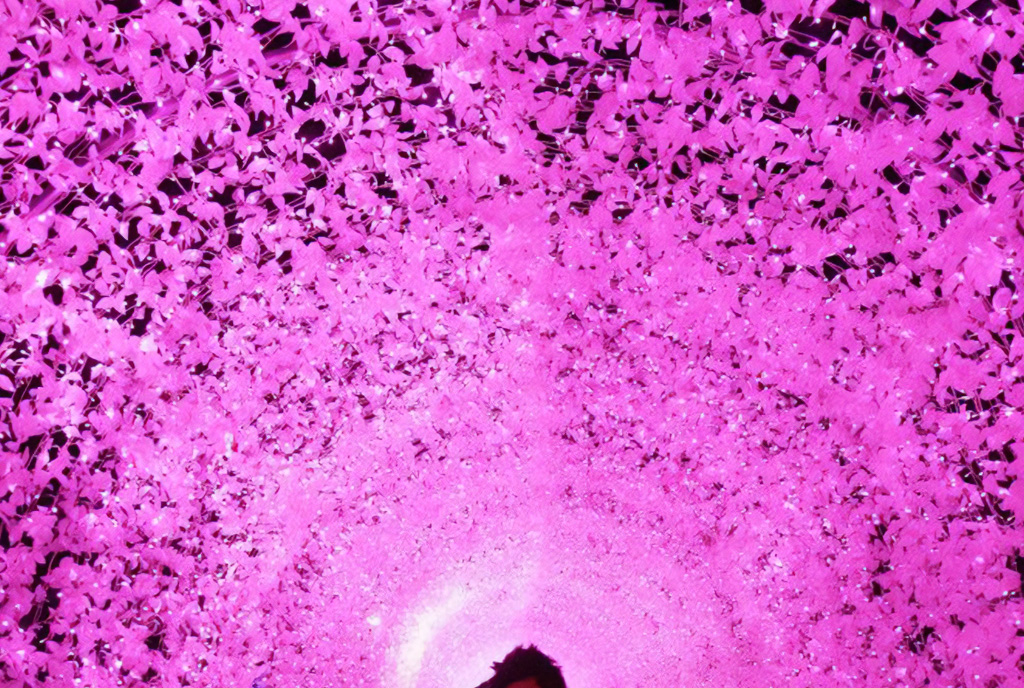
The Garden of Morning Calm is a beautifully designed and balanced arboretum in Gapyeong, run by a horticulture professor.
The garden features more than 20 themes and 5,000 different plant species, and until March 1 it will host a luminarie, a decorative structure adorned with 6 million LED lights.
Mountain 255, Haenghyeon-ri, Sang-myeon, Gapyeong-gun, Gyeonggi-do (경기도 가평군 상면 행현리 산 255번지)
Chokseok Pavilion (촉석루)
This beautiful historic pavilion overlooking the Nam River is best known as the place where Nongae, a concubine of a government official during the Joseon dynasty, jumped into the river with a Japanese general after Jinju Castle fell into Japanese hands. Admire the view of the cliffs from the pavilion, but don't jump; they won't tell the same story about you.
573-1 Bonseong-dong, Jinju-si, Gyeongsangnam-do (경상남도 진주시 본성동 573-1)
Samgwang Temple (삼광사 연등축제)
Every year, around Buddha's birthday, Samgwang Temple hosts the largest lotus lantern festival in Busan. The entire temple is decorated with countless lotus lanterns and lanterns in other creative shapes.
Mountain 131, Choeup-dong, Busanjin-gu, Busan (부산광역시 부산진구 초읍동 산 131)