


It would be a shame to visit South Korea without climbing to the summit, or at least partway up the slope, of one of the country's many mountains.
South Korea has been blessed with striking scenery: 70 percent of its landscape is mountains (the other 30 percent is pricey coffee shops).
There are also plenty of paths to the top of a mountain (literally), and plenty of wonderful trails that don't necessarily lead all the way to the summit.
Partner links: booking through them supports the blog at no extra cost to you.
Here are seven destinations where you can catch bright autumn colors or, later in the year, the whitewashed landscape of a snow-covered mountain peak.
Seoraksan
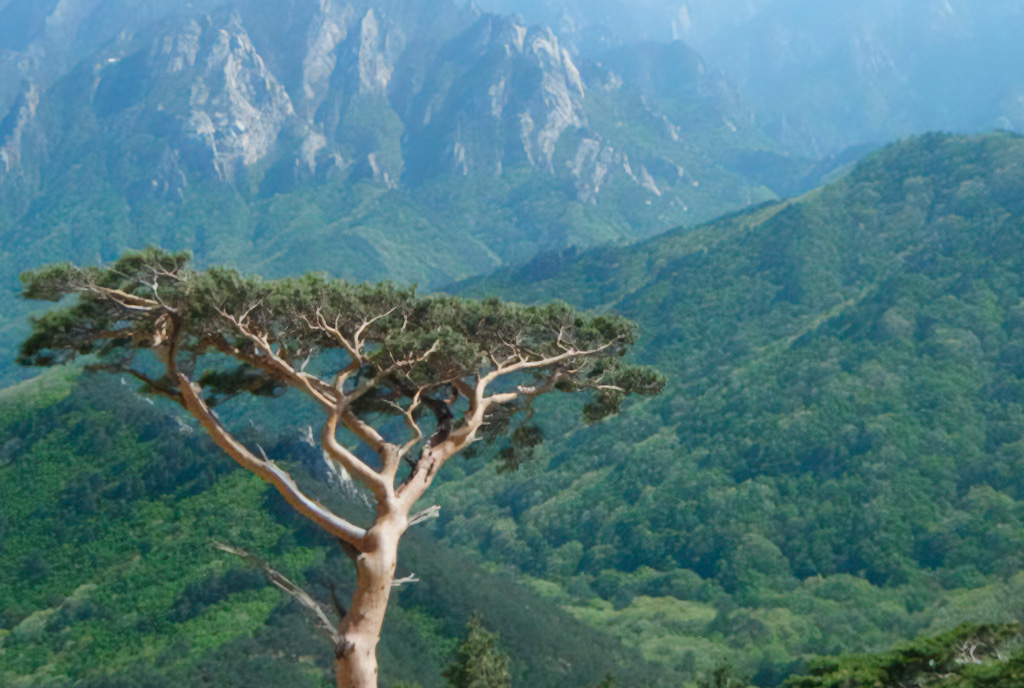
At 1,708 meters (about 5,600 feet), Daecheongbong is the highest peak of Seoraksan and a favorite among beginner hikers.
Depending on where you start your journey, the hike to the summit can take as little as three hours. Below, the popular Cheonbuldong Valley erupts in a riot of color in the fall.
But the two-hour hike up to Ulsan Bawi (876 meters) can be especially rewarding, not just for the exercise but for the breathtaking views of the East Sea, Daecheongbong and the valleys below.
You can set out from Sinheungsa, next to the Kensington Star Hotel. The colors usually hold on until the end of October.
Sinheungsa (신흥사); 170 Seorak-dong, Sokcho-si, Gangwon Province (강원도 속초시 설악동 170); +82 33 636 7700 (Seoraksan National Park Office)
Bukhansan
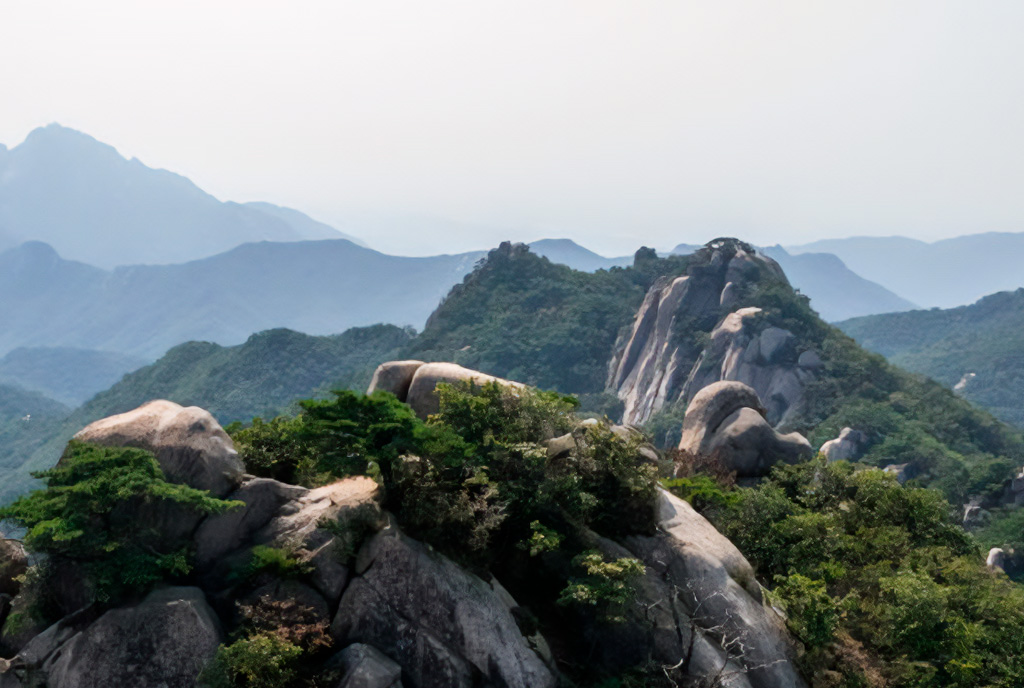
Seoul, amid all its urban sprawl, has seven mountains. But the grandest of them is arguably Bukhansan, sometimes called the "lungs of Seoul" for the role it plays in scrubbing the city's CO2.
The three-hour hike to Baegundae, Seoul's highest peak (836 meters), which starts from the Bukhansanseong Hiking Support Center near Gupabal Station (subway line three), is one of the most popular routes.
And for good reason: steep enough to give your legs a workout, with sweeping bird's-eye views of Seoul, it's still perfectly manageable even for the casual weekend hiker.
Bukhansanseong Hiking Support Center (북한산성탐방지원센터); 62 Jingwang-dong, Eunpyeong-gu, Seoul (서울특별시 은평구 진관동 62); +82 357 9698 (Hiking Support Center); +82 2 909 0497 (Bukhansan National Park)
Taebaeksan
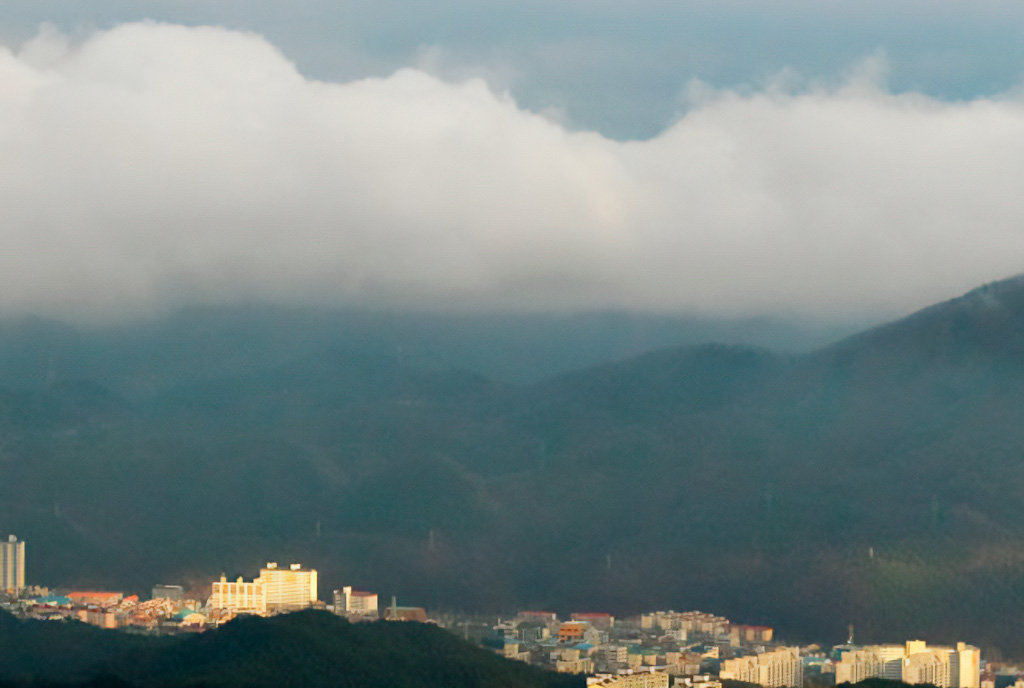
Dangun, the legendary founder of the ancient Korean kingdom of Goguryeo, was supposedly born on a mountain called Taebaeksan. Its highest peak, Jangunbong at 1,567 meters, is home to Cheonjedan, an "altar for heavenly rites," where in times past the faithful performed ceremonies in honor of the gods.
Taebaeksan truly comes into its own in winter, when the branches glitter with frozen snow. In Korean, this spectacle is literally called "snow flowers."
Autumn here, though, is sadly underrated. While less monochromatically striking, the fall weather is good for walking, and Taebaeksan's leaves turn too.
Despite the elevation, the path to Jangunbong feels more like a gentle slope than a rocky cliff. Getting there shouldn't take more than two hours from the Baekdansa (Baekdan Temple) entrance.
Baekdansa entrance to Taebaeksan; 57-2 Mungoksodo-dong, Taebaek-si, Gangwon Province (강원도 태백시 문곱소도동 57-2); +82 33 552 7187 (Baekdansa); +82 33 550 2741 (Taebaeksan Provincial Park Office)
Songnisan
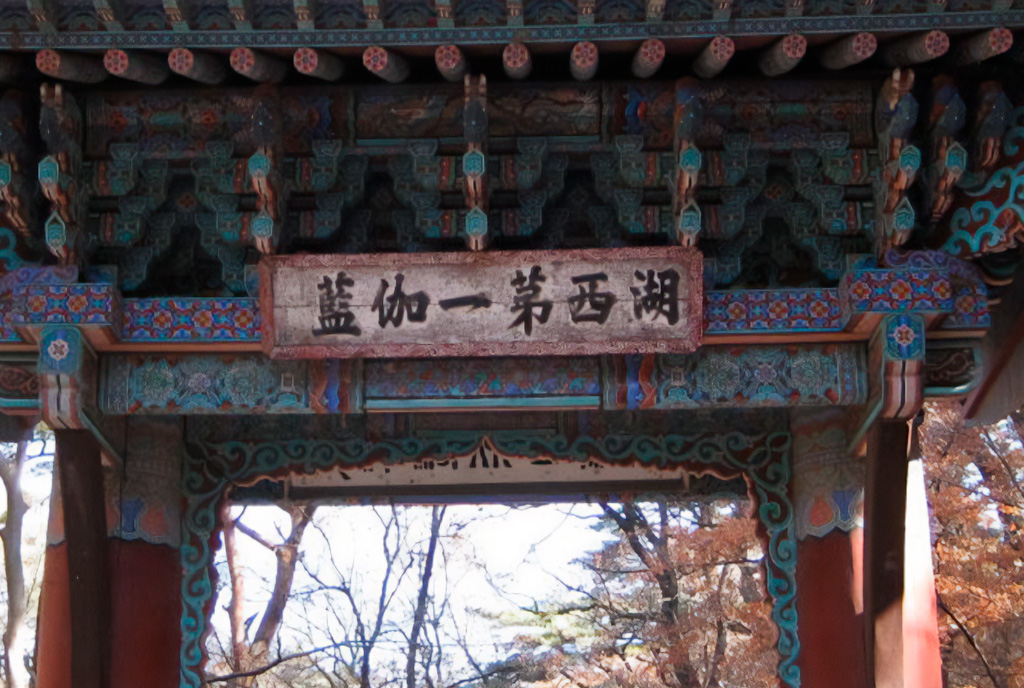
The most important thing to know about Songnisan is that it's a downright gorgeous mountain.
In autumn the leaves die off in various shades of red alongside the strange and wonderful rock formations that make up Songnisan's cliffs.
The highest peak is Cheonwangbong at 1,058 meters, but the most beautiful is the cloud-wrapped Munjangdae at 1,054 meters. The view from Munjangdae is stunning too, and if you start from the Silla-era Buddhist temple of Beopjusa, you can reach it in three hours.
Tip: Beopjusa also runs a temple-stay program if you'd like to "leave mainstream society" for a bit longer than an afternoon hike. It's also home to the largest Buddha statue on the peninsula, 33 meters of embodied wisdom covered in gold foil.
Beopjusa (법주사); 209 Sanae-ri, Songnisan-myeon, Boeun-gun, North Chungcheong Province (충청북도 보은군 속리산면 사내리 209); +82 43 542 5267 (Songnisan National Park)
Jirisan
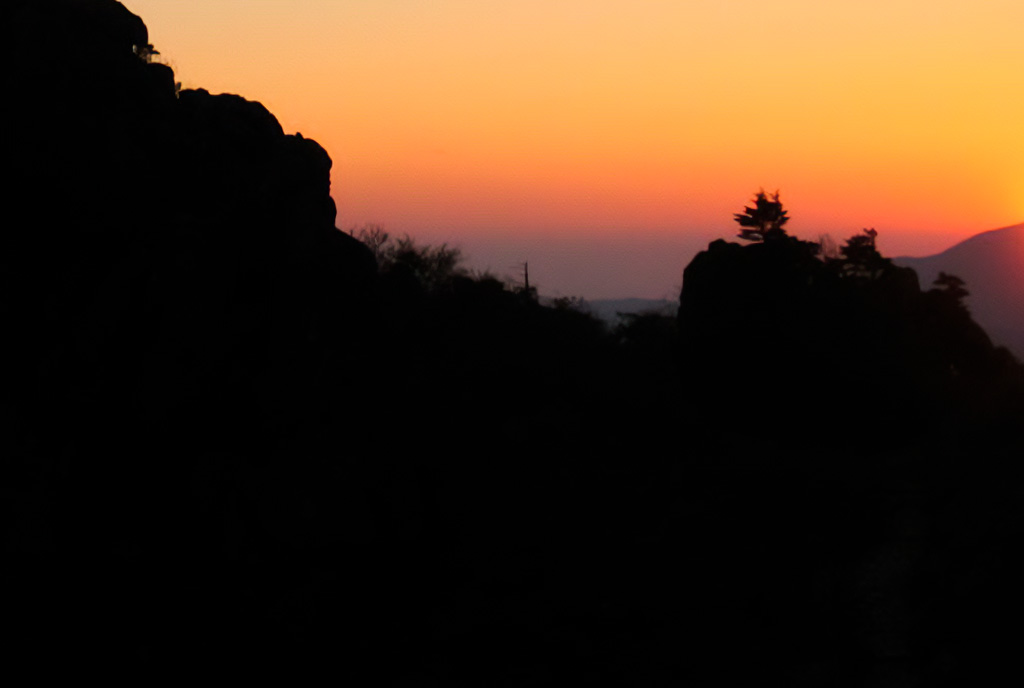
The grandfather of South Korea's mainland mountains, Jirisan is enormous. The park spanning the mountain's many peaks is the largest national park in South Korea (484 square kilometers). Its highest peak, Cheonwangbong (1,915 meters), is second only to Hallasan.
But one of the best places to really soak up the spirit of autumn is in the valleys, such as the incredibly beautiful Piagol Valley to the south. You can start at the Yeongok Hiking Support Center and walk the whole length (five hours) or linger in one spot to take it all in.
The valleys change later than the peaks, so you can catch the autumn colors there a few weeks after the show has ended up top.
Yeongok Hiking Support Center; Naedong-ri, Toji-myeon, Gurye-gun, South Jeolla Province (전라남도 구례군 토지면 내동리); +82 55 972 7771 (Jirisan National Park Office)
Naejangsan
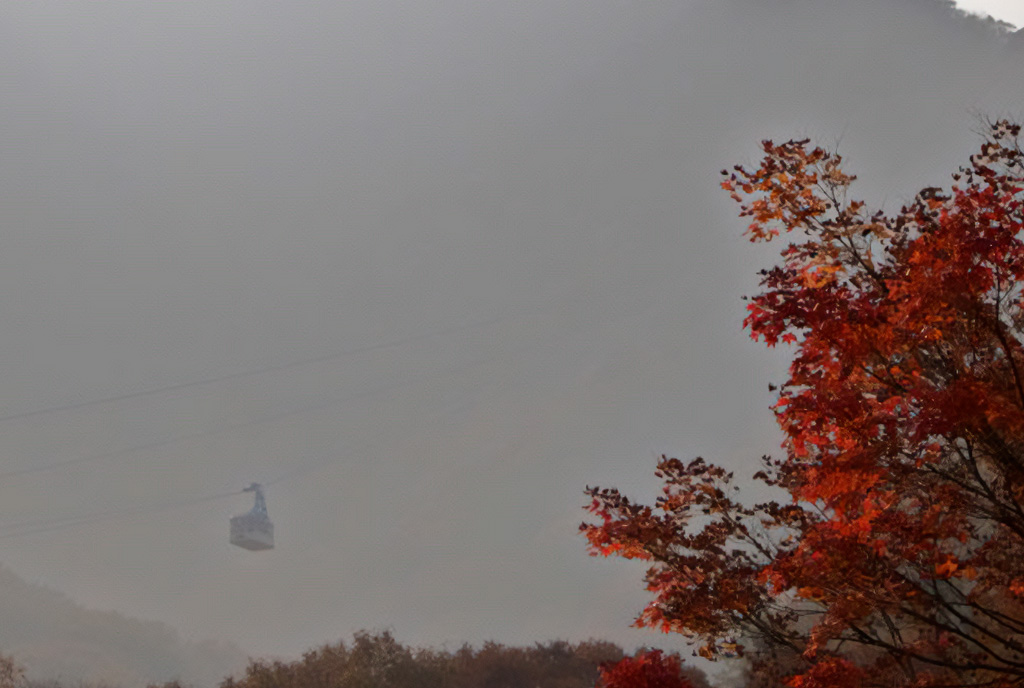
On its own merits, it might seem like Naejangsan doesn't really belong on a representative list of South Korean mountains. Sinseonbong, at a paltry 763 meters, is its highest peak.
But Naejangsan's annual transformation is so radiant that it has been known as a hub for autumn foliage for around 500 years.
The most frequently traveled route is the three-hour walk to Soribong peak from the Hiking Information Center, but the show starts well before that.
On the walk from the Hiking Information Center to the Buddhist temple of Naejangsa, you'll come across an avenue lined with 108 densely planted trees decked out in all sorts of gold, orange and red.
59-10 Naejang-dong, Jeongeup-si, North Jeolla Province (전라북도 정읍시 내장동 59-10); +82 63 538 7875 (Naejangsan National Park Office)
Hallasan
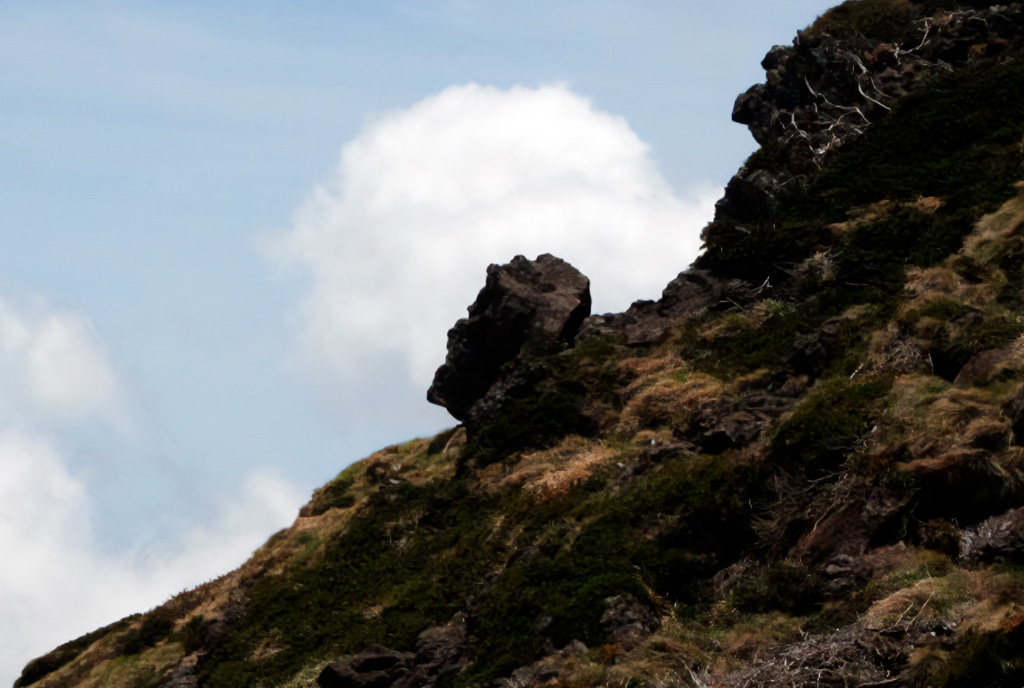
Hallasan, the volcanic mountain that makes up most of Jeju Island and also South Korea's highest peak (1,950 meters), is more of a winter player too. But that doesn't mean you can't appreciate its autumn (along with the volcanic cones and lava flows that also grace the landscape).
Many visitors start at the Hallasan National Park Visitor Center and climb the Eorimok Trail, but this trail won't take you to the summit, where Baengnokdam, the crater lake at the top, is waiting.
The Seongpanak Trail, which begins in Seongpanak to the east, will take some patience to finish (five hours), but it will lead you to the lake.
San 137-24, Gyorae-ri, Jocheon-eup, Jeju-si, Jeju Province (제주특별자치도 제주시 조천읍 교래리 산137-24); +82 64 710 4073 (Seongpanak Ticket Office); +82 64 713 9950 (Hallasan National Park Office)