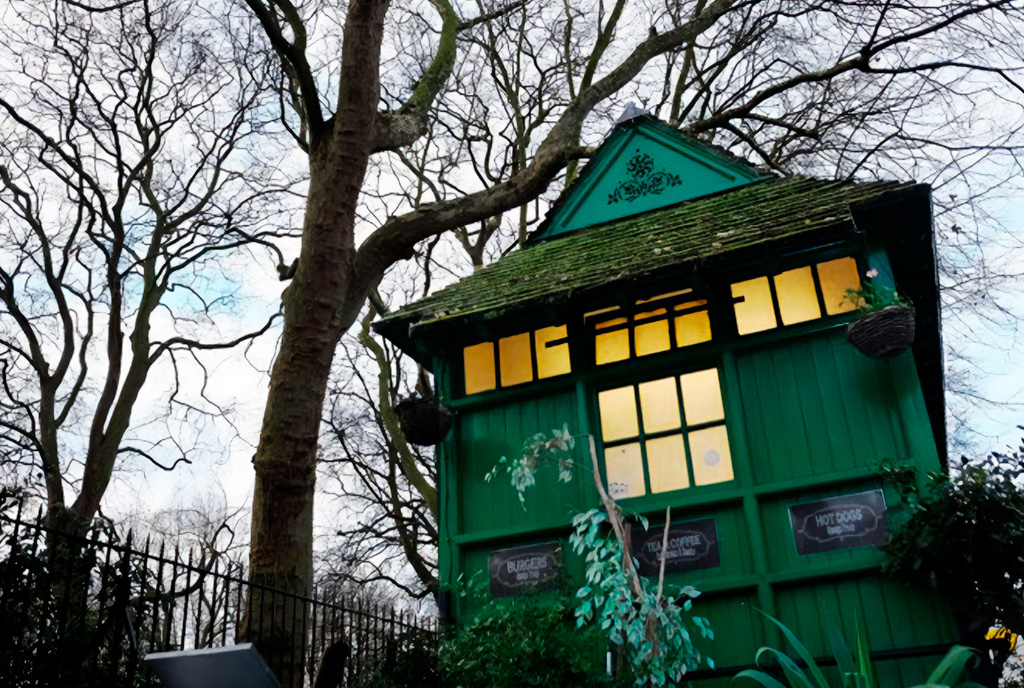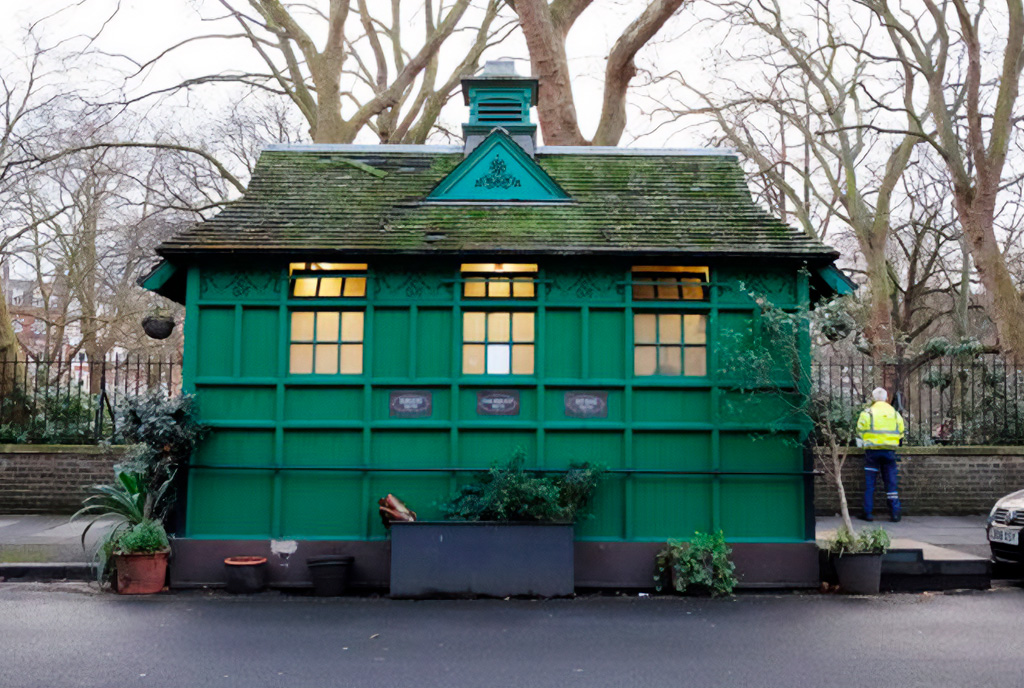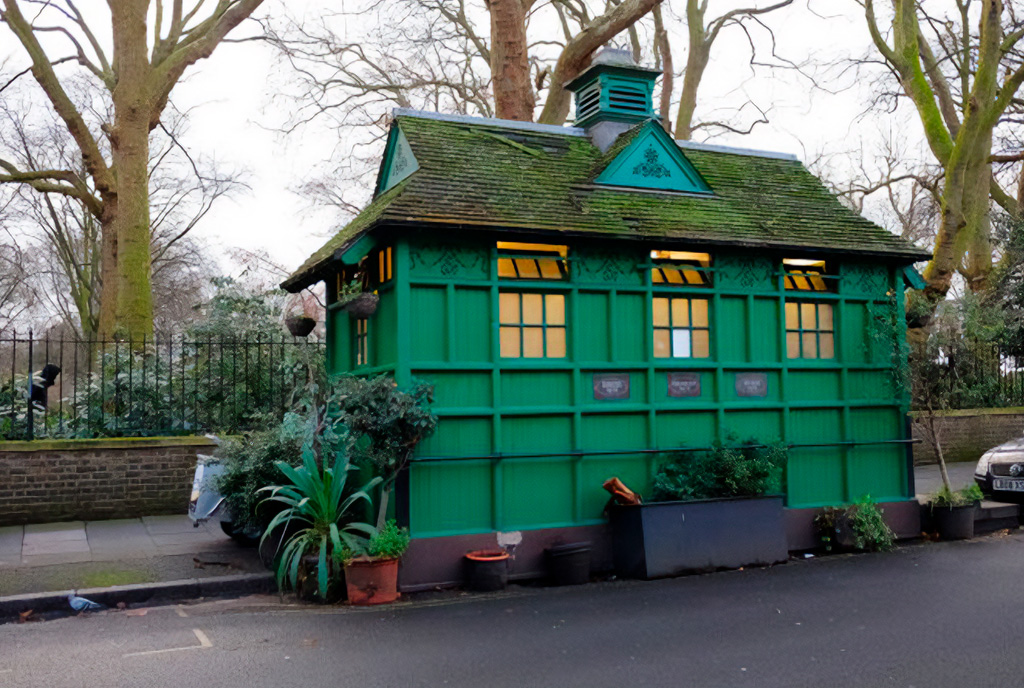


To Londoners and visitors alike they are often an overlooked feature of the city, if they are noticed at all. Yet a small handful of green wooden huts, known as cabmen's shelters, carry a fascinating history.
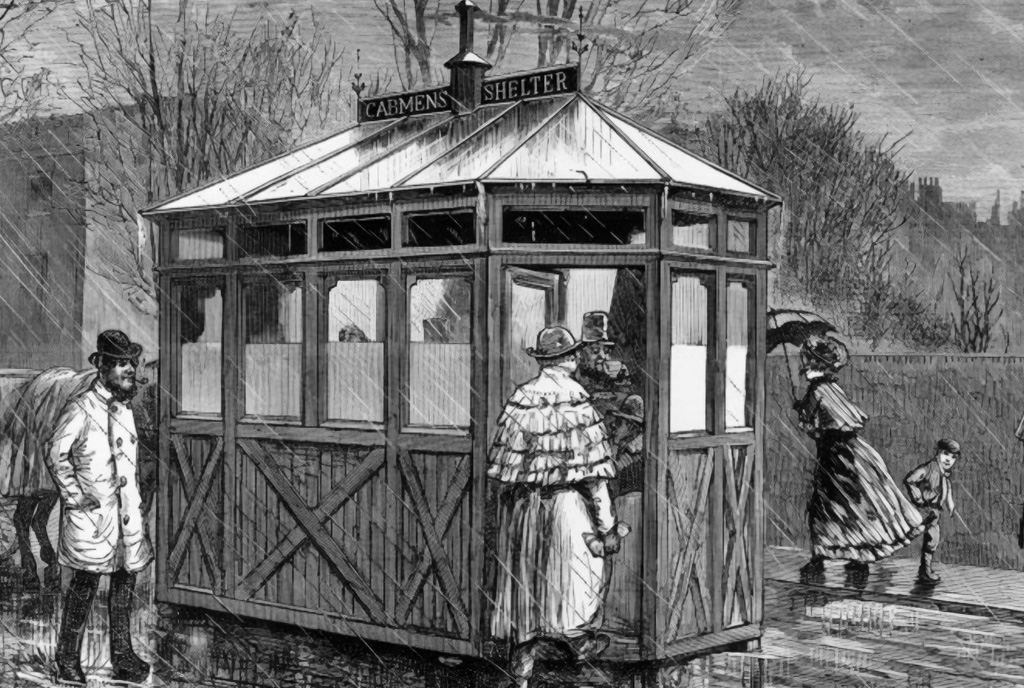
They date back to 1875, when horse-drawn Hansom cabs were the vehicle of choice for London's earliest taxi drivers.
A newspaper proprietor named George Armstrong set up a fund, backed by the Earl of Shaftesbury, to make cabs more accessible and to make sure drivers steered clear of taking their breaks in the "hotels", the pubs of the day.
Partner links: booking through them supports the blog at no extra cost to you.
The Hansom Cab Lads

And so the shelters were born, and to this day they still serve up cheap, hearty and thoroughly British food to the drivers of London's famous black cabs.
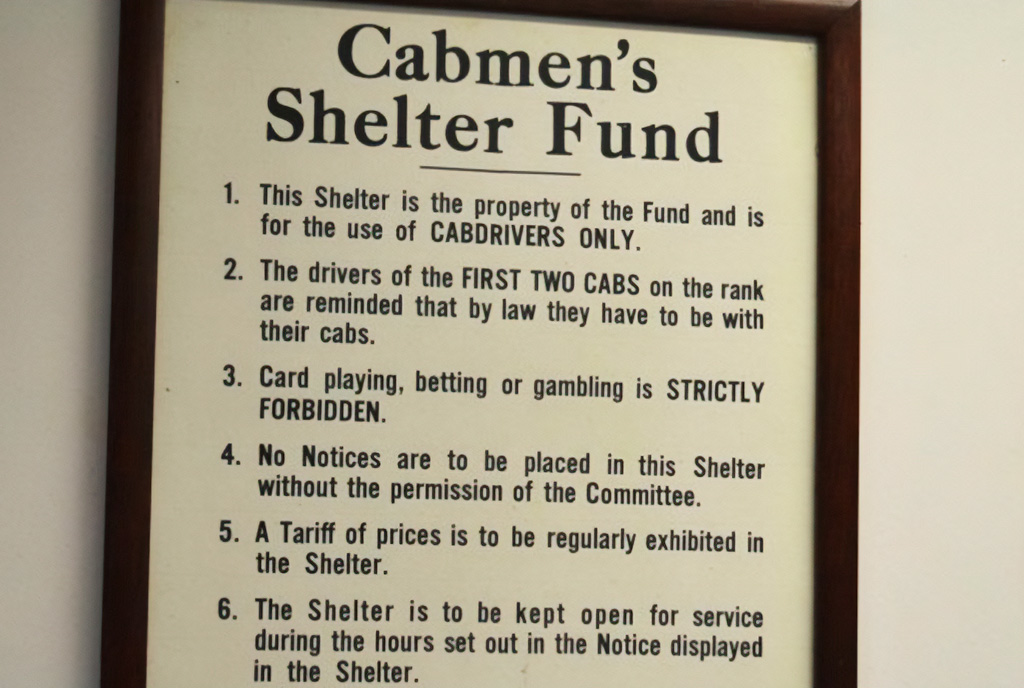
In theory they are not open to the public, though a few will sell drinks and snacks through the back window, never inside, as that space is strictly reserved for the cabbies.
There were once 60 of them across the capital, but only around a dozen remain today. Most sit in London's wealthiest districts, such as Chelsea, Mayfair and the West End. Strangely, there is not a single one anywhere in the City, the financial heart of the capital.
Each shelter is tiny by design, taking up no more room than a horse and four-wheeled carriage would have in the 19th century. Some still keep their original stands, where horses were tied up and watered from a marble trough below.
Cosy Interiors

Their tiny interiors can fit a maximum of 10 drivers at once, which means space is at an absolute premium.
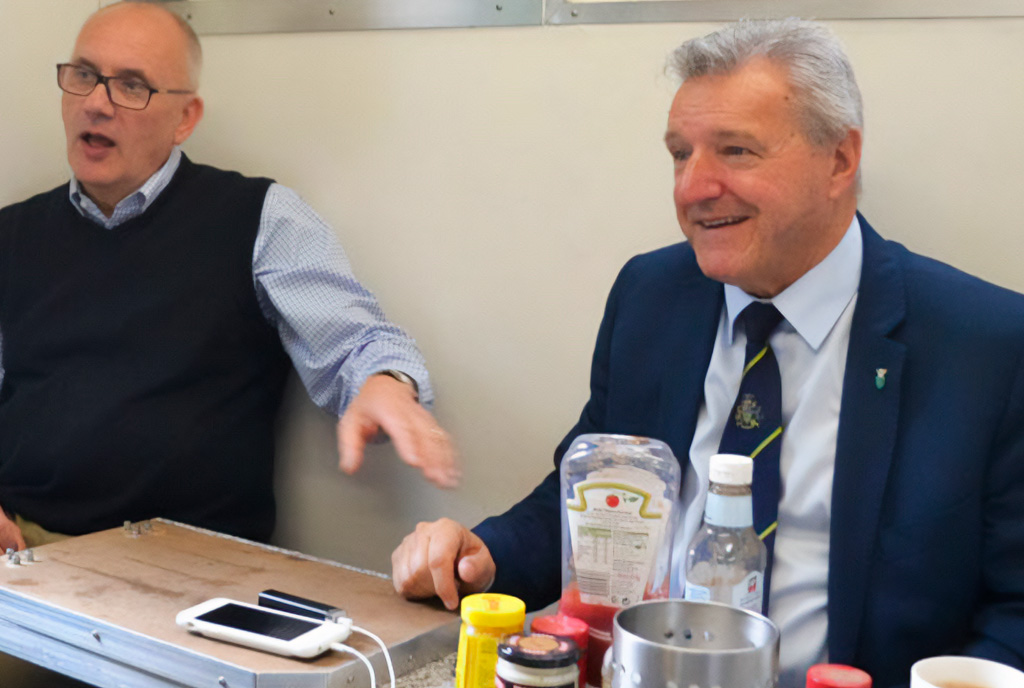
Colin and Len have been driving cabs for more than 40 years, and as Colin explains: "When you're all sitting inside the shelter, it's very intimate. If you don't like the person sitting opposite, you can just leave!"
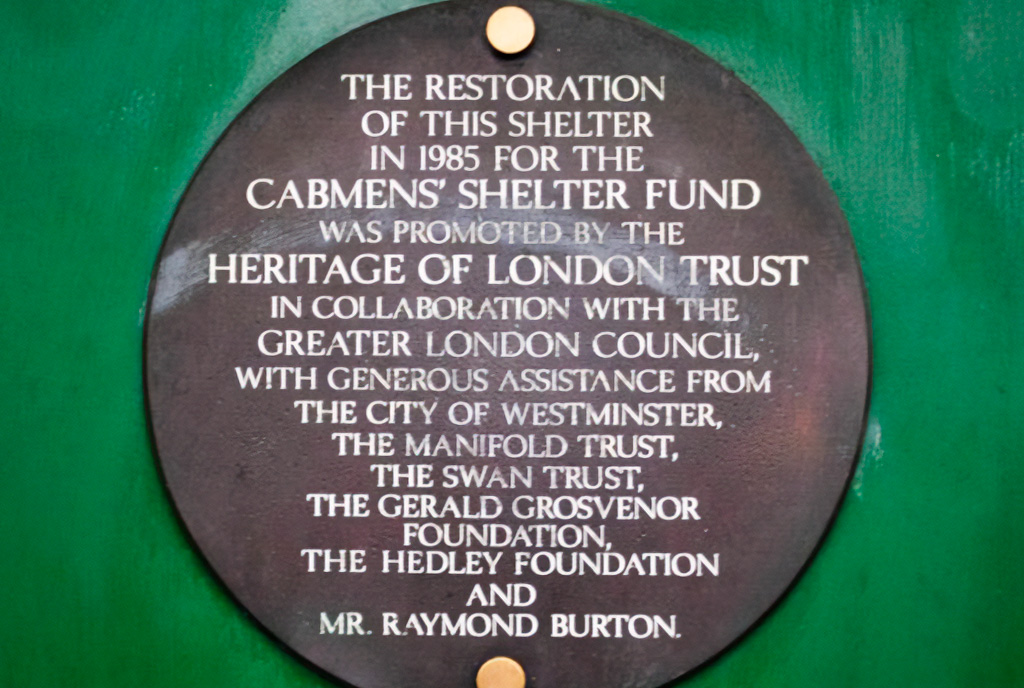
Each shelter is run by a single person, so if they are ill or on holiday, it simply doesn't open. They are all Grade II listed, a heritage status that means they cannot be touched. When restored, they have to be kept exactly as they are.
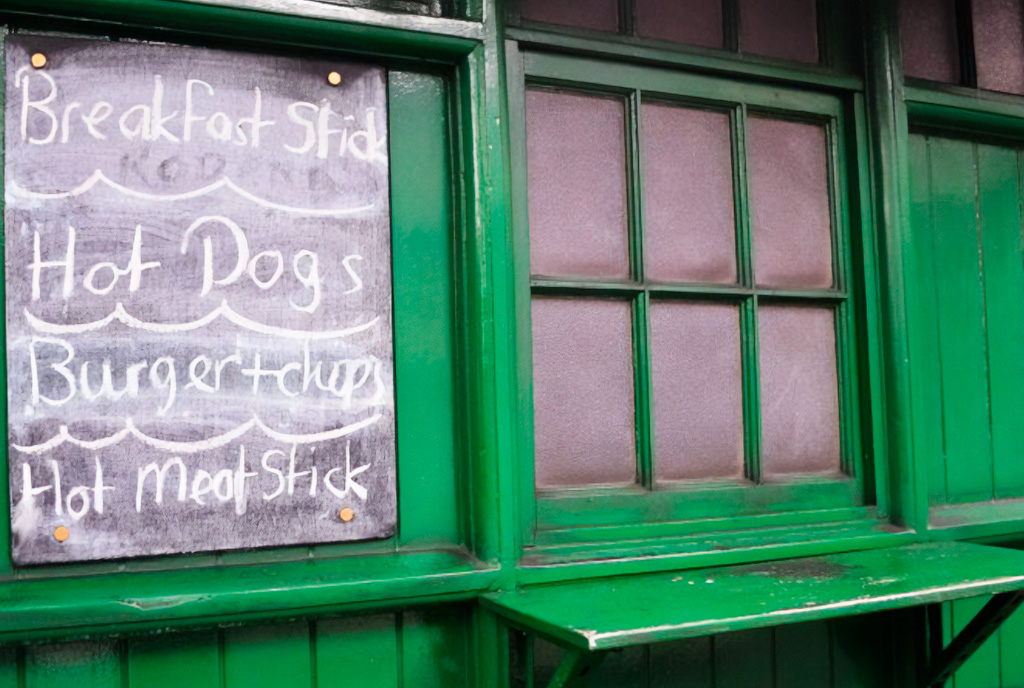
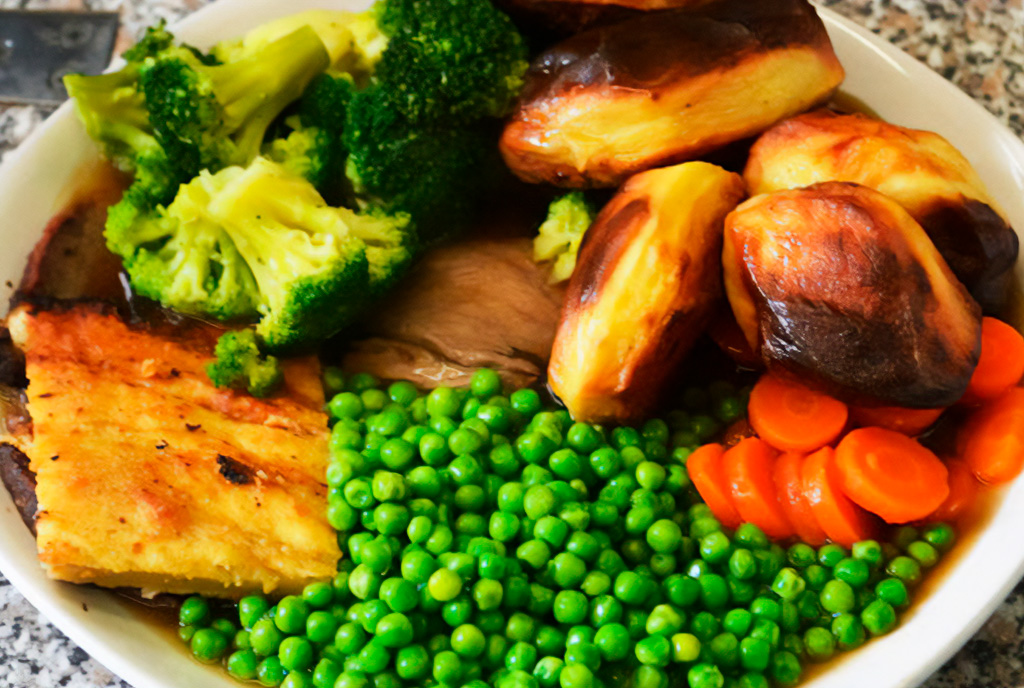
Some drivers joke that the food on offer dates back to the 19th century too, but on the whole classic British dishes are the order of the day. One of the most popular is the traditional British "roast dinner" of meat with potatoes, vegetables and gravy.
London's best late-night dinners
Home Cooking at Unbeatable Prices

Len explains: "It's proper home-cooked food at a fair price. For that plus a dessert, two courses will cost you between 5 and 8 pounds (6-10 dollars)."
Just try finding prices like that anywhere else in London.
At a shelter near the Victoria and Albert Museum, one owner says there is one dish that is always in demand: chicken curry. Over in the Warwick Avenue area, the flavours are spicier and distinctly more exotic at a cab shelter run by a Thai woman who, it seems, keeps the spice levels authentic.
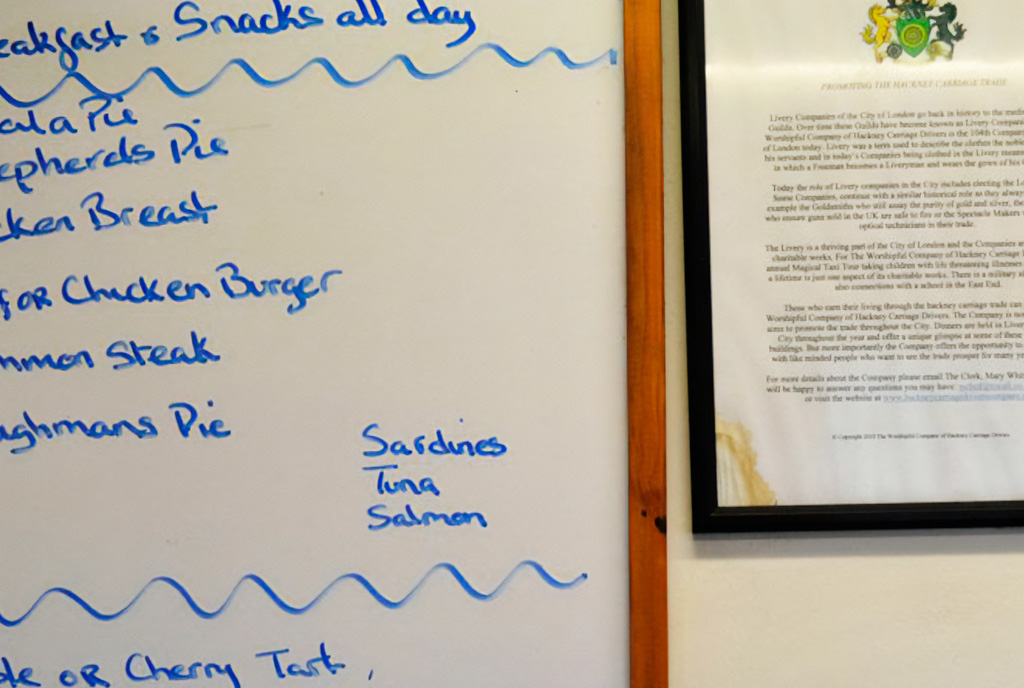
Other menus, chalked up on white boards, include meat pie, fried chicken and the famous bangers and mash.
In a vague nod towards healthy eating, salads are sometimes on offer, but in the words of one regular, "I've never seen a driver order one."
The coolest things to do in underground London
The Kremlin

London cabbies are known for their sense of humour and their often blunt opinions, which tend to be shared whether the passenger wants to hear them or not.
"You could probably run the world from inside one of these cab shelters," Len explains. "We know how to solve problems. We're free to speak our mind about things, and we can give an honest opinion, unlike the politicians.
"One of the shelters used to be known as the Kremlin because of all the left-wingers who went there."
Above all, London's black cab drivers are renowned for their extraordinary, encyclopaedic knowledge of the city's maze of streets, known as "the Knowledge". The exam, notorious for its difficulty, takes between two and four years to master, covering more than 25,000 streets, 20,000 landmarks and places of public interest, and how to travel between them as quickly as possible, all without using GPS devices.
20 great reasons to escape central London
Don't Mention Uber

Don't even mention the four-letter word that cab drivers can barely bring themselves to say: Uber.
The training is taken so seriously that it has even featured in a University College London study, which found that completing "the Knowledge" consistently enlarges the hippocampus in cabbies' brains. But given shifts in technology and demographics, it has become ever harder to convince young people to spend up to four years learning "the Knowledge". The trend is underlined by the fact that today there are more cab drivers over 70 than under 30.
One thing is clear inside the cab shelters, and that is that over the years they have seen no shortage of colourful characters.
Most of them had nicknames, including Maltese Frank, famous for having just one tooth, Almost Human, apparently not the most attractive of drivers, Wings, Suffering Pete or Ashford Harry.
Death, Taxes and Army Tea

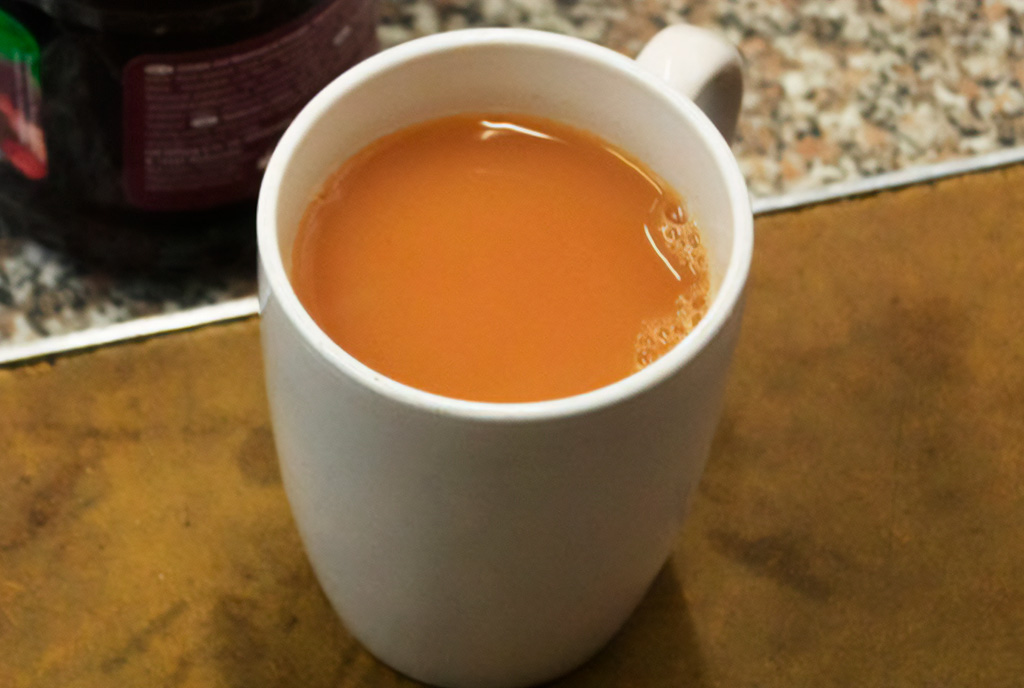
Sipping a strong cup of tea inside the shelter, Len speaks frankly about the value of his chosen profession.
"There are two certainties in life: death and the fact that these are the best taxis in the world," he says. "They're the best cars with the best drivers, who know where they're going. Ninety-nine point nine percent of them are good lads who just want to earn a living and take the fastest route possible."
The cabmen's shelters may have seen a decline compared with their heyday, but the characters, the opinions and many of the meals served inside them remain resolutely and defiantly old-fashioned.
Where to Find the Shelters
Chelsea Embankment, at the north end of Albert Bridge
Embankment Place, next to Embankment Underground station
Grosvenor Gardens, next to Victoria station
Hanover Square, next to Oxford Circus Underground station
Kensington Park Road, next to Notting Hill Underground station
Kensington Road, next to High Street Kensington Underground station
Pont Street, next to Knightsbridge Underground station
Russell Square, next to Russell Square Underground station
St George's Square, next to Pimlico Underground station
Temple Place, next to Temple Underground station
Thurloe Place, next to South Kensington Underground station
Warwick Avenue, next to Warwick Avenue Underground station
Wellington Place, next to St John's Wood Underground station
More things to do in London:
Discover amazing tombs and gravestones
Take a look inside Buckingham Palace
Visit 10 of London's oldest and grandest pubs