


Ten years ago, the streets of Athens were in turmoil. Protests raged amid clouds of tear gas as Europe's financial crisis pushed Greece to the brink of collapse.
Today the city's cafes buzz with cheerful, lively conversation, the arts scene is flourishing, and people seem happy.
Happy because all the drama is over, right? No, happy because it never ended.
Partner links: booking through them supports the blog at no extra cost to you.
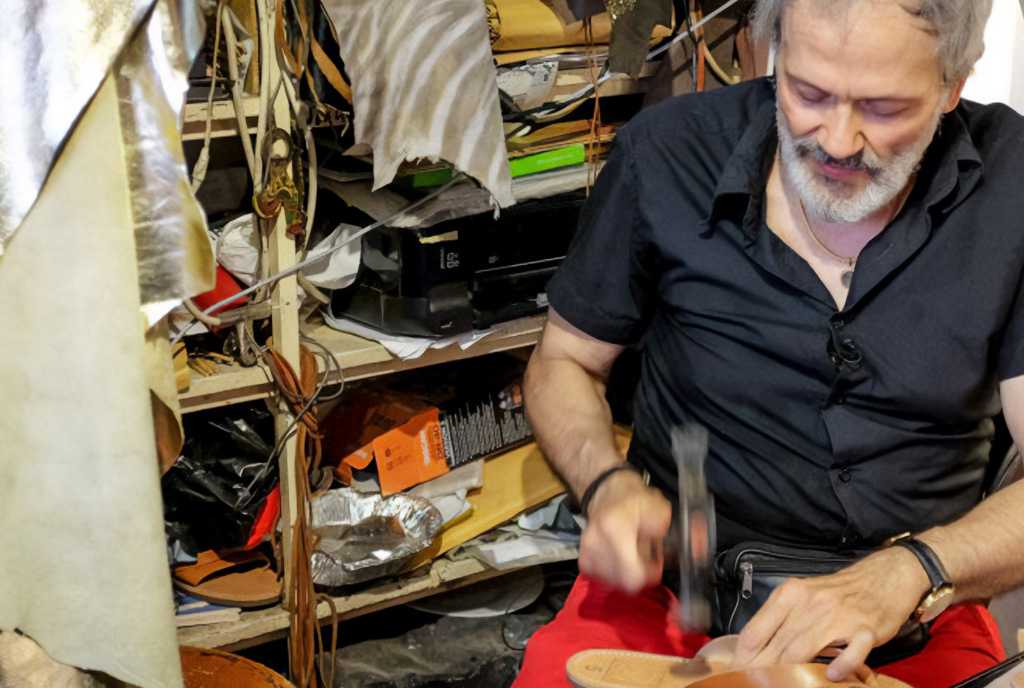
“Greeks have been enjoying life a lot lately, because they can see we're sliding into the abyss, and the only way to survive is to just have fun,” says Pantelis Melissinos, a local craftsman.
Known as the Poet Sandal-Maker for his talent at making shoes and writing verse, the Melissinos family has been crafting sandals in the style of the ancient Greeks since 1920. His grandfather and father also wrote plays and poems alongside their main trade.
They, too, witnessed the upheavals that visit Athens on a regular basis. The last two centuries have seen coups, invasions, a monarch in exile and, most recently, the biggest financial crisis in Europe.
The most recent drama, “i krisi” (the crisis) as locals call it, left Greece teetering on the edge of bankruptcy after years of overspending. Staying afloat required loans worth 300 billion dollars from the European Union and the IMF.
Making Trouble
The crisis was a defining moment for the Greek people. A decade full of grueling austerity and civil unrest made life extraordinarily hard for many.
Greeks say they have always endured hardship, but they carry a deep-rooted instinct for making the most of whatever situation they face.
Life goes on, and the cafes are as full as ever, with locals sipping strong coffee and debating Greek politics with a passion that is a favorite pastime for many.
“I don't think anything has really changed,” Melissinos says of his city's tumultuous decade. “But the Greeks decided that this was how it would be, and decided to have fun.
“You know, it's a very Greek way of solving a problem. If you can't beat the problem, you just join the problem. And maybe you become part of the problem. And maybe you create a problem for the problem.”
If anyone embodies this very Greek idea of “making trouble for trouble itself,” it is Yanis Varoufakis.
The former economics lecturer served as Greece's finance minister for six months during the tense days of 2015, when his austerity-battered country was negotiating with its creditors. He argued, unsuccessfully, against accepting a new bailout deal that pushed debt levels even higher.
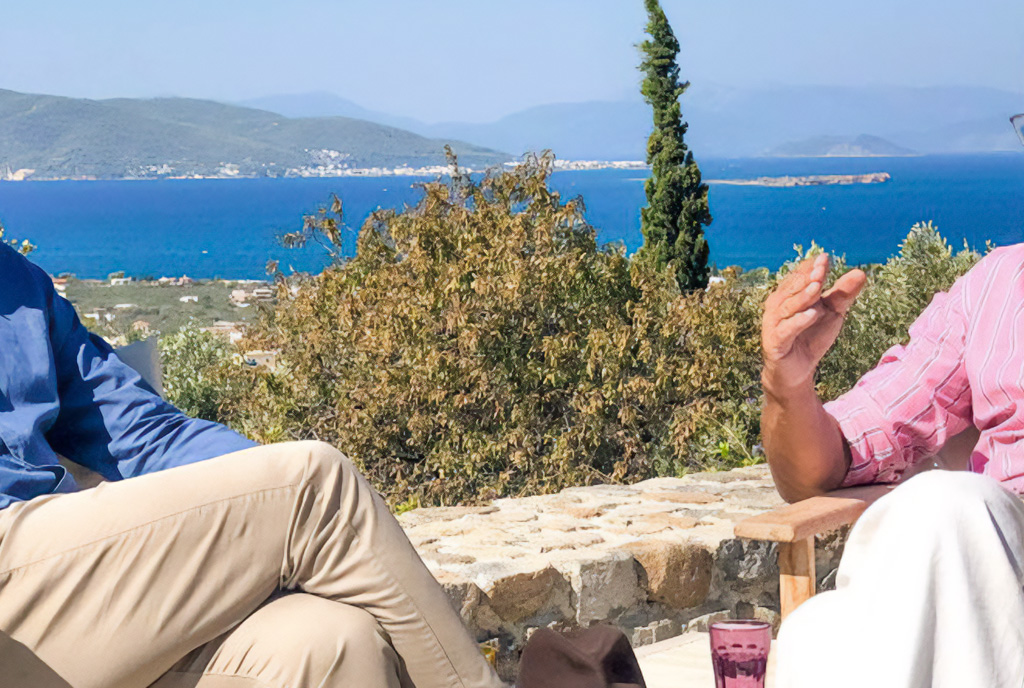
To some Greeks, Varoufakis is now a hero, a champion of the Greek cause who stood up to the European Union. To others he was a menace, a spiteful troublemaker partly to blame for the country's financial crisis.
Varoufakis points the finger of blame in a different direction: “The creditors and the Greek oligarchy that created the crisis in the first place and have run the recovery since 2010.”
He adds: “They put the patient into a permanent coma and called it stability.”
And yet, Varoufakis adds, relaxing at a house overlooking the shimmering sea on the island of Aegina, where he spends his summer months plotting his fight against today's establishment, the way the Greek people have coped with this adversity is inspiring.
“It's a wonderful place to revive your human spirit,” he says, “because if people can have this much fun in miserable circumstances, then there's hope for all of us.”
‘We're Back’
Athens really does seem to be emerging from the dark cloud of the financial crisis. Cafes can charge Parisian prices for a cappuccino, and restaurants are packed with young, ambitious chefs who have brought international flair to traditional Greek cuisine.
The number of visitors to Greece is expected to reach 32 million in 2018, a record year, according to the country's prime minister, Alexis Tsipras. Many come not only for the Greek islands but for Athens too.
There has also been a rise in investors putting their money into the Greek economy.
The area dubbed the “Athens Riviera,” the city's southern suburbs, is welcoming new luxury hotels. The Four Seasons Astir Palace hotel is currently under construction, with its opening planned for March 2019.
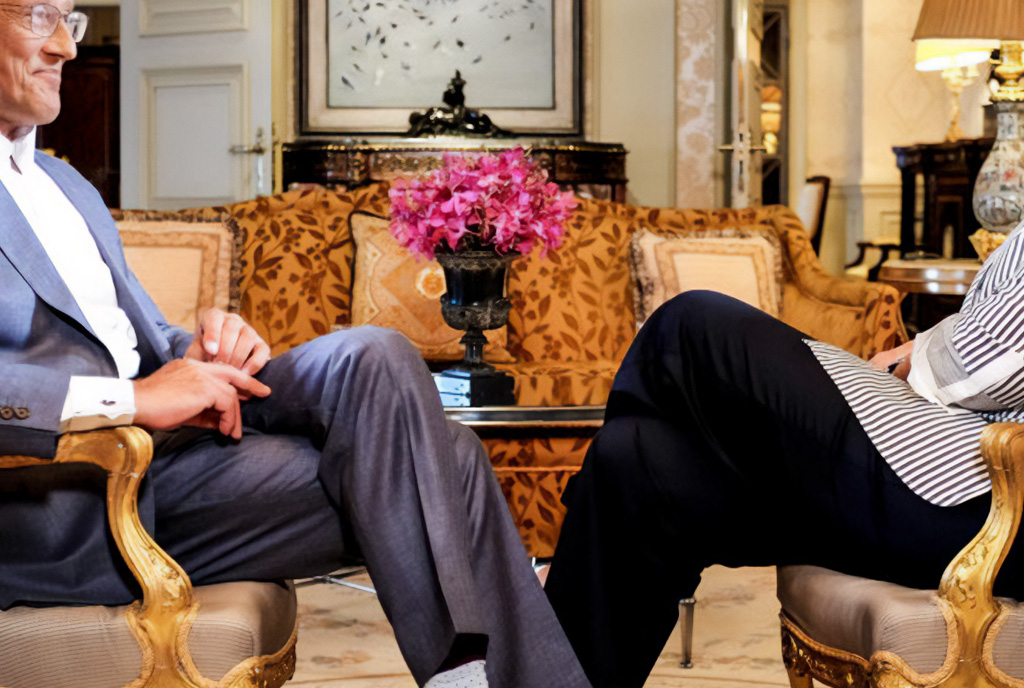
“Every year Athens looks a little better,” says former mayor Dora Bakoyannis.
“Every year Athens looks a little better,” says Dora Bakoyannis, Greece's former foreign minister, who was the city's mayor when it underwent its biggest modernization in modern history, in preparation for the 2004 Summer Olympics.
“Today Athens has a level of tourism we haven't had in years, which means we're back,” she adds. “And we can come back even stronger, with more tourism, which is exactly what we need.
“But we have to work for it, and we have to have a strategy. Nothing will happen if we just sit around saying we're the most beautiful country in the world, so people will come to us.”
Living in a Tragedy
The arts scene is thriving too, with many artists who can no longer afford other European capitals now calling Athens home.
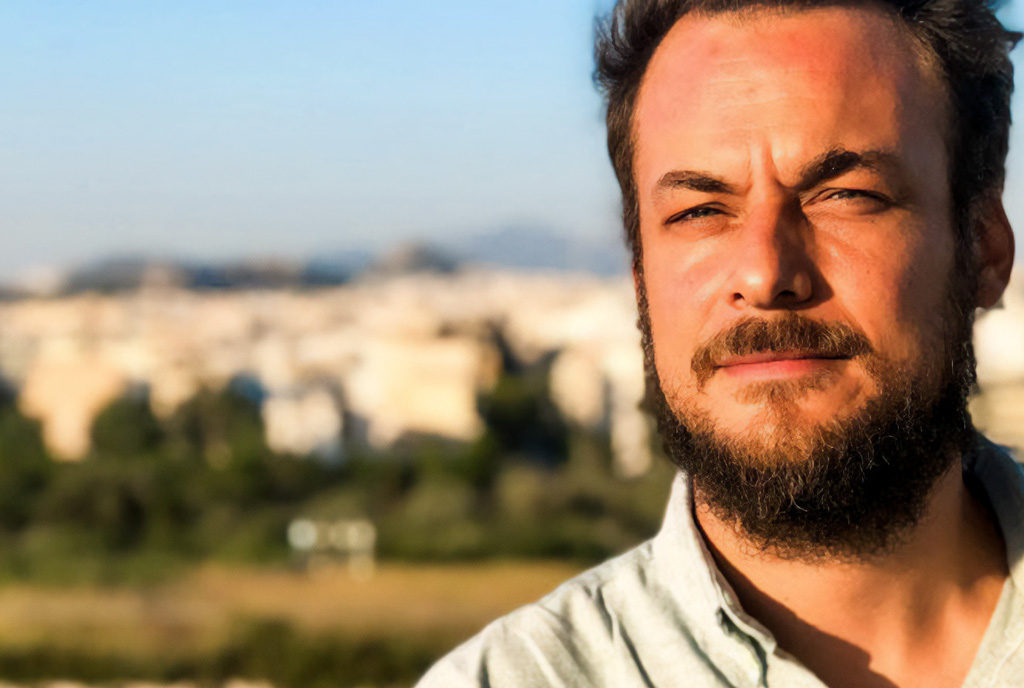
Creativity has blossomed, welcoming a new generation of artists such as the poet Thomas Tsalapatis. Now 34, Tsalapatis watched almost half of his friends leave a decade ago, when the crisis erupted. But times have changed, and the Athens arts scene is flourishing, he says.
“The numbers say it's true,” he adds. “I mean, we have a lot of shows, theater productions, more than New York right now, I think, around a thousand a year or something. On top of that you have another thousand books published, poetry books published, every year. That's a huge number.”
Major arts institutions sprang up in Athens throughout the crisis, funded mostly by the government before the crisis began or donated through private charities.
Rising above the enchanting and most famous landmark of Athens is the beautiful, glass-clad Acropolis Museum, which opened in 2009 (and was largely funded by the European Union).
The most recent example of cultural prowess is the vast Stavros Niarchos Foundation Cultural Center. It opened in 2016 with five acres of green space surrounding a complex that is home to the Greek National Opera and provides facilities for the National Library of Greece.
From the top of the complex, the view across the road leads to a harbor full of superyachts and the island of Aegina in the distance.
Although it is a sign of optimism and recovery, the poet Tsalapatis takes a typically Greek view on whether things have improved overall for the arts in Athens. “I don't think it's better now, because we're living in a tragedy,” he said.
A Phoenix Reborn
One of the more unusual twists in Greece's recent drama has been the return of members of its royal family. Prince Nikolaos was born in Rome two years after the 1967 military coup that forced his father into exile and led to the abolition of the Greek monarchy.
Five years ago, having never set foot in the country, Nikolaos moved to Greece with his wife, Tatiana. The decision drew mixed reactions among Greeks, but Nikolaos is focused on the positives. The former Fox News journalist is simply thrilled to be here.
“I often wake up in the morning, look out the window and pinch myself to say how happy I am to be here with [Tatiana],” he says. “Because it was my long-held dream to move here.”
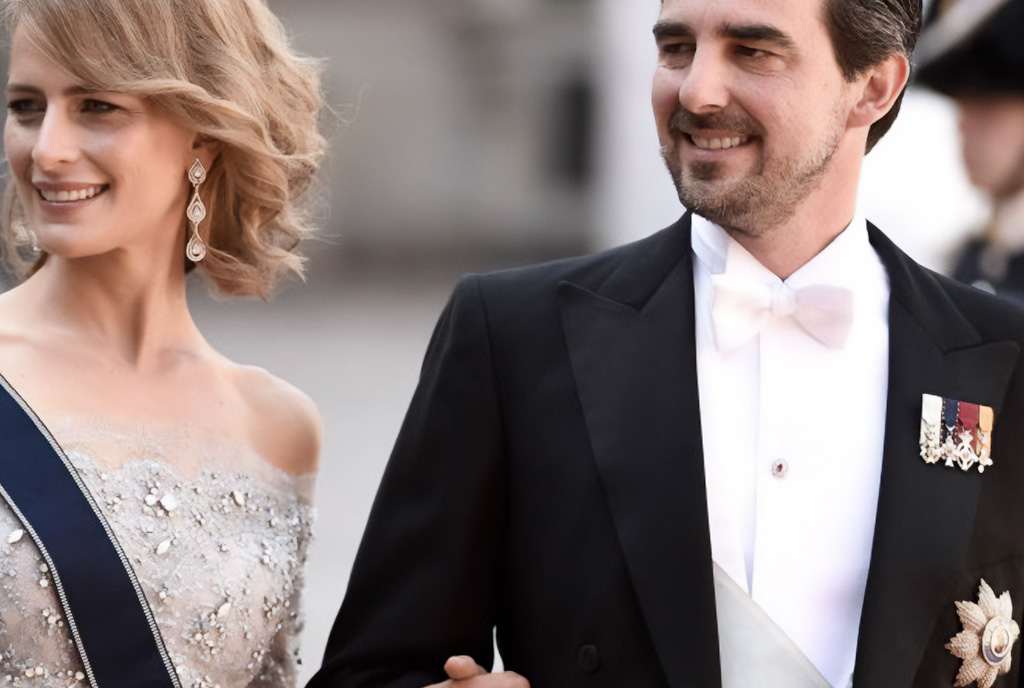
Now working to promote various charities, the couple see themselves as playing a key role in helping Greece rise out of the troubles of its recent past and flying the flag for their family's homeland, especially Athens.
“Athens is a city that's thriving, a phoenix rising from the ashes,” says Tatiana. “There's so much to discover here. I don't think it's the pretty city everyone imagines. You have to dig deeper to really feel it, taste it, savor it.
“Athens is alive, and that's exciting.”