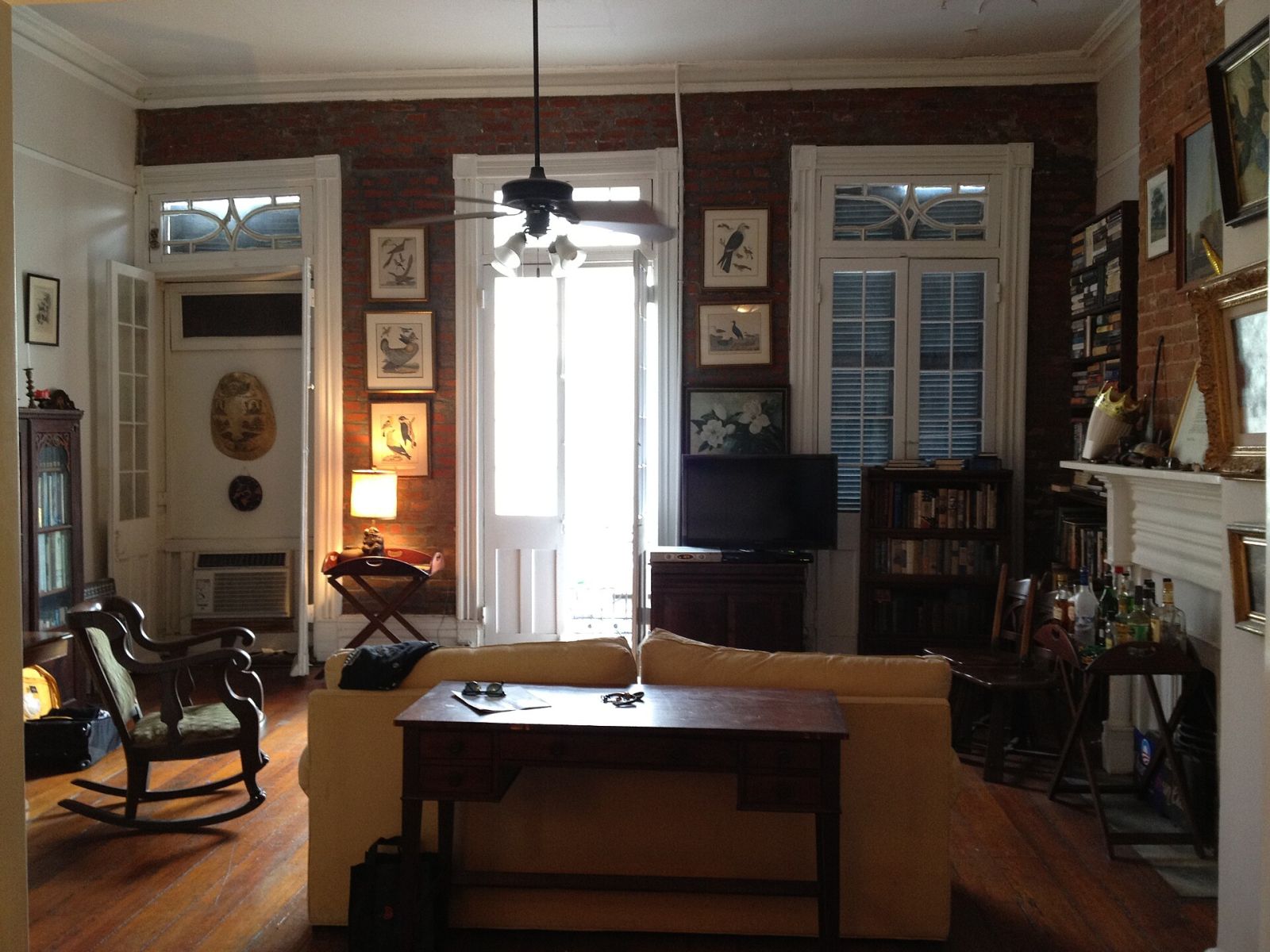
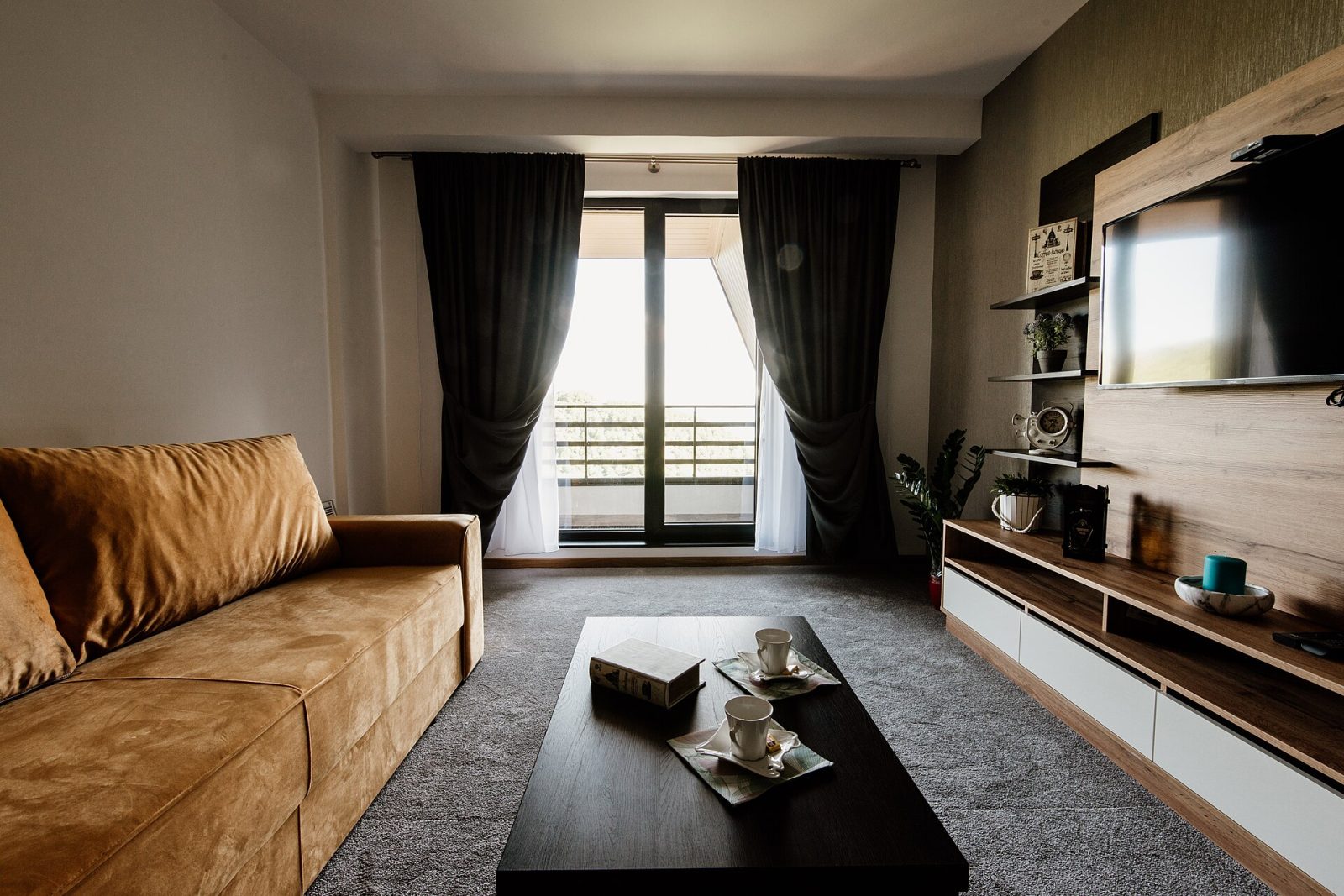
Renting on Airbnb is safe to exactly the degree that you read the listing carefully before you pay. The rule is short: pay only inside the platform, never wire money to a host's card «directly», and almost every known scam simply passes you by. Airbnb holds your money until you check in for precisely this reason, and a host who moves the chat to a messenger asking you to «send it to my card, it'll be cheaper» is red flag number one, no exceptions.
Below we cover how the platform actually works, how to tell an honest listing from a trap, which hidden fees make up the final price, and what to do at check-in when there is no key and the host has gone quiet. This is not an ad for the service, it is a manual for using it with your eyes open.
How Airbnb works and why that matters for safety
Airbnb sits between a property owner and a traveller. You book an apartment or a room, you pay the platform, and the owner does not get the money right away, usually only about a day after you check in. That pause is your protection. If the place turns out to be fake or nothing like the photos, you contact support before the host has touched the funds, and your odds of getting the payment back are high.
That is exactly why any attempt to pull the payment outside the system breaks the whole safety net. No transaction in the app means no leverage to claw the money back. The rule here is plain: if the other person insists on paying outside Airbnb, you can close the booking, because it is either a scammer or someone you do not want to deal with.
How to read a listing without walking into a trap
Pretty photos guarantee nothing, since they are easy to lift from someone else's flat or from a stock library. What you weigh is the sum of the details, and the most telling ones are numeric rather than visual.
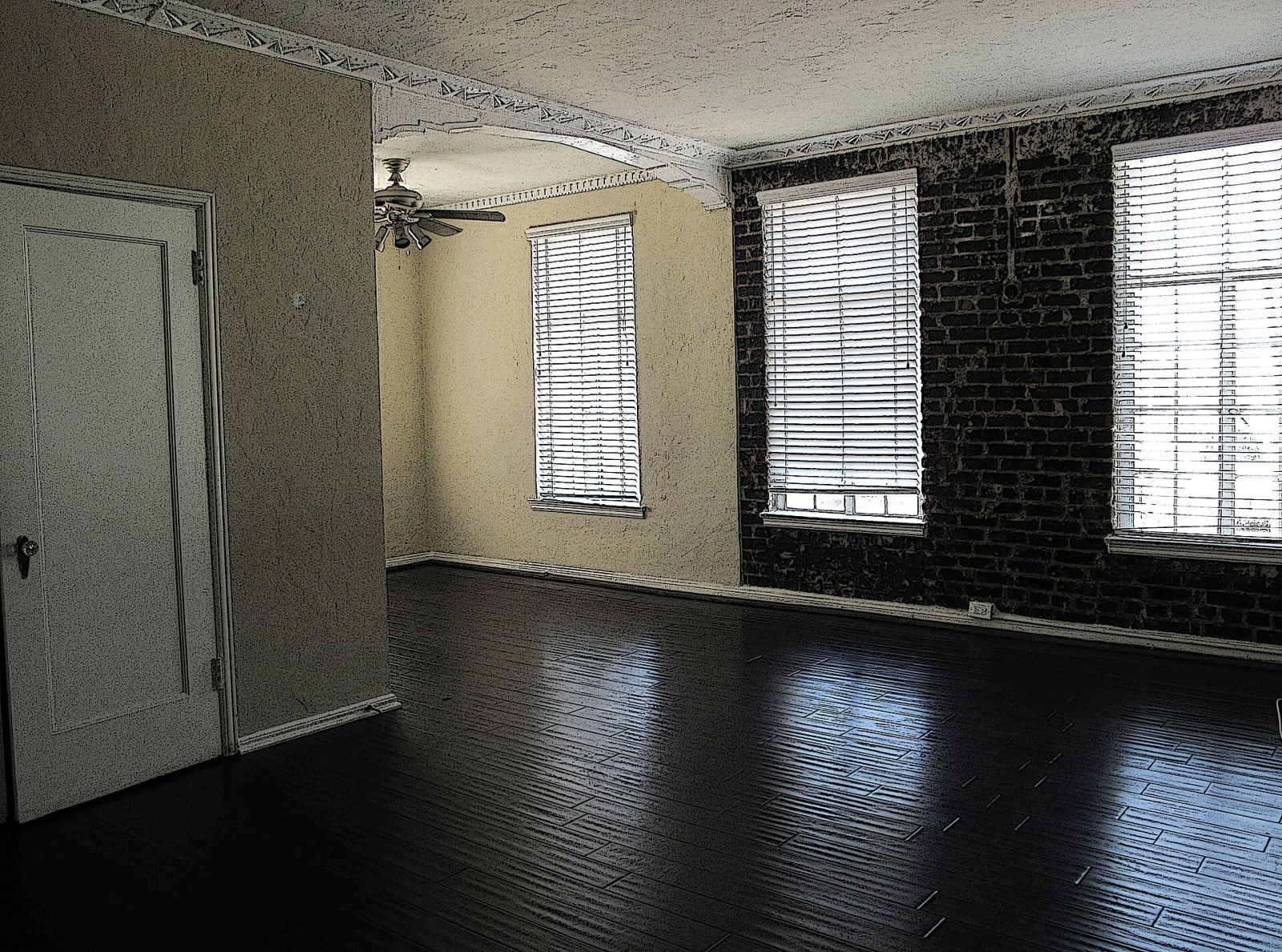
- Rating and review count. A 4.9 built on three reviews carries less weight than a 4.7 built on two hundred. A large body of real impressions is hard to fake, a handful of glowing reviews written in a single week is not.
- Superhost status. It is not a marketing badge but a metric: the host holds a high rating, rarely cancels, and answers fast. Not an absolute guarantee, but a solid filter.
- Profile age and verification. A profile created yesterday, with no verified ID or photo, sitting next to an «urgent» discount, should give you pause.
- Description versus photos. Read the text closely. If the shots show a roomy studio but the description mentions «a fold-out sofa in the shared room», the photos are selling you something other than what you are renting.
- Location accuracy. Before booking, Airbnb shows an approximate area, not the exact address. That is normal. But if the text says city centre while the map pin sits out on the edge of town, budget time and money for transport.
Reviews and red flags
Read reviews not just by the stars but by the wording, especially the three-star and lower ones. People rarely write open complaints, so learn to read between the lines. A polite «the host wasn't quick to reply» often means you spent half a day locked out. Phrases like «it was clean enough, but» almost always hide the real point that comes after the «but».
A few things should put you on guard. A listing with no reviews at all under an old profile. Identical short bits of praise that read like they came off a template. Mentions of surprise charges on arrival. And the classic: a price noticeably below similar options in the same area, because a sensible owner does not give away a good place at half rate for no reason.
What it actually costs: the hidden fees
The nightly price in search almost never equals what you pay. Airbnb stacks a few lines on top of it, and together they lift the total noticeably, especially on short trips.
| Component | What it is | What to watch |
|---|---|---|
| Nightly price | the host's rate | multiplied by the number of nights |
| Service fee | the platform's commission | roughly a tenth of the booking |
| Cleaning | a one-off charge to the host | fixed, so it stings most on 1-2 nights |
| Taxes and local levy | the region's tourist tax | depends on the city, sometimes collected on arrival |
| Security deposit | a hold against damage | blocked, not charged, released after checkout |
The practical takeaway is simple. The cleaning fee is one-off, so per night it shrinks the longer you stay. For a single night a hotel is often the better deal for that very reason, whereas over a week or more renting on Airbnb usually beats a hotel on both price and space. Always look at the final total on the payment screen, not the bait in the search results.
How to talk to the host
All of your messaging should stay in the app, and that is not a formality but your insurance. If something goes wrong, support can see the thread and settles the dispute based on it. A conversation moved to an outside messenger does not exist as far as the platform is concerned.
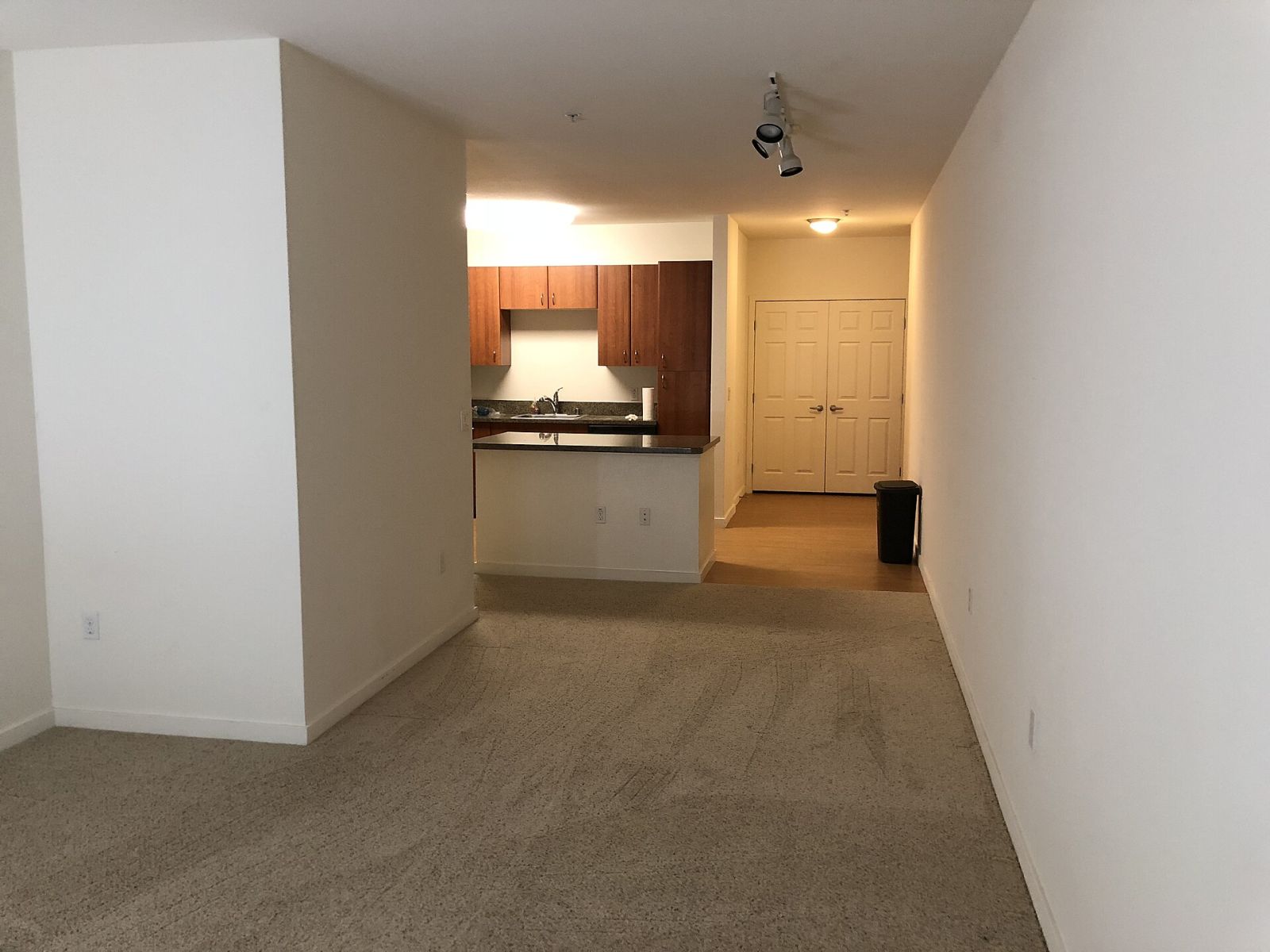
Before booking, do not be shy about asking specific questions: is there hot water without interruptions, how exactly does check-in work, does the heating run in winter, can you hear the street at night. A reasonable owner answers calmly and to the point. Evasive replies, irritation at simple questions, or pressure along the lines of «book faster, it's going quick» are a reason to slow down, not speed up.
And once more on the main point, because this is where people get caught most. No payments, deposits, or «key fees» outside Airbnb. A request to move money to a card, in crypto, or through a third-party service means only one thing: someone is trying to cheat you. In that case do not argue, close the chat and report the profile.
Check-in, keys, and what to do when it all goes sideways
There are usually two ways to check in. A personal handover, where the host gives you the keys and shows you around, and self check-in through a lockbox or a smart lock. The second is handy for late arrivals but only works if the instructions are clear. Confirm them in advance and save the code separately, because losing contact just as you stand at the door is the worst-case scenario.
If something is seriously wrong on arrival, the flat does not exist, the lock will not open, other people are living inside, or the place is unsafe, act in order. First try to reach the host in the app. If there is silence or a refusal, message Airbnb support straight from the booking, ideally with photos and a short description. Precisely because you paid through the platform and never stepped outside it, you have a right to a refund or a relocation. Staying quiet and trying to solve it alone at two in the morning is the worst move you can make.
Cancellation: read the terms before you pay
Every listing carries its own cancellation policy, from flexible to strict, and the owner picks it. Under a flexible one you get most of the money back if you cancel a day or two out. Under a strict one you lose a large chunk even when you cancel early. This is shown on the booking page before payment, so take the minute to read the exact policy on your place, not the generic rule.
There is a separate protection for genuine emergencies, but do not lean on it as a universal excuse, its terms are narrower than they look. Simple rule: if your plans are shaky, look for a place with flexible cancellation, even if it costs a touch more.
Airbnb, a hotel, or Booking: which to pick
There is no universal answer, because these are tools for different jobs. A hotel wins on predictability: a 24-hour front desk, daily cleaning, a fixed standard. Airbnb gives you space, a kitchen, and the feel of living in a neighbourhood rather than a tourist strip, but the quality rests on the individual host. Booking is more of a shop window where hotels and private rooms sit side by side, often with pay-on-arrival and free cancellation.
| Criterion | Airbnb | Hotel | Booking |
|---|---|---|---|
| When it wins | long trips, a group, a kitchen | 1-2 nights, a work trip | when you need flexible cancellation |
| Space and kitchen | usually yes | rarely | hit or miss |
| Service consistency | depends on the host | high | depends on the property |
| Late-night check-in | needs a code or arrangement | front desk around the clock | varies |
| Payment | upfront in the app | often on site | often on site |
In practice many people do the obvious thing: they check the same area on Airbnb and on Booking at once, compare the final prices with every fee included, and choose by situation. For a week with a group the apartment usually wins, for one business night near the station the hotel does.
The short version
Safe renting on Airbnb comes down to a handful of habits that cost a couple of minutes of attention. Pay only in the app and never fall for «cheaper off the platform». Read the rating, the body of reviews, and the host's status rather than the photos. Count the final price with the cleaning charge and service fee, not the nightly rate. Confirm check-in in advance and keep the access code somewhere separate. And read the cancellation terms before you pay, not once your plans suddenly change. Volatile things, like the size of the fees or local taxes, are worth verifying fresh before you travel, since the platform and regions adjust them from time to time.