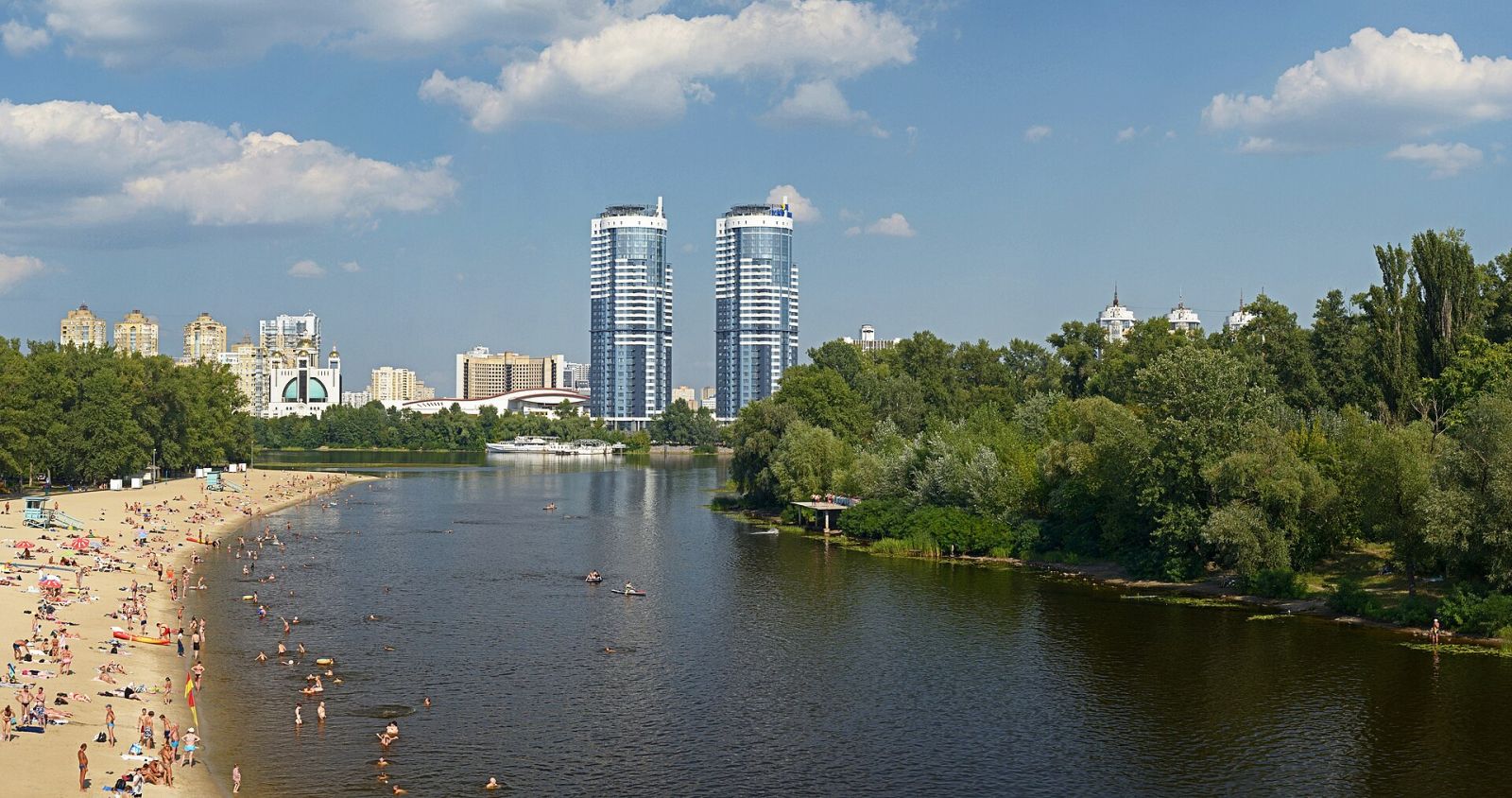


If you have one day and you are wondering what to see in Dnipro, here is the core: the riverfront, Monastyrsky Island and Yavornytsky Avenue, all strung along a single axis beside the river. Dnipro's embankment runs for more than twenty kilometres and is often called one of the longest in Europe, so walking all of it in one go is neither possible nor the point. The city reads differently from what most visitors expect. It has less of the polished tourist gloss of Lviv or Odesa, and more open space, air, and a surprisingly modern skyline for an industrial southern city.
Dnipro spent decades as a closed rocket-building city, and you can still feel it: wide avenues, a Soviet sense of scale, and on top of that a bold new architecture and a strong street-art scene. What follows is not just a list of sights but the logic of a route: what sits near what, and where to budget your hours.
Where to start: Yavornytsky Avenue
The city's main axis is Dmytro Yavornytsky Avenue, a long straight artery lined with almost everything central. It was once named after Karl Marx and now carries the name of the historian who effectively gathered the Cossack past of this land into a museum. Walking the avenue is worthwhile simply because you feel Dnipro's character at once: imperial mansions from the early 20th century, constructivism, the glass of modern business towers, all in one frame.
- The Yavornytsky History Museum. One of the strongest regional museums in the country, covering the Cossack era and holding a rare collection of stone steppe idols. Next to it, in a separate rotunda, sits the "Battle for the Dnipro" diorama, a vast canvas about the 1943 river crossing.
- Katerynoslavsky Boulevard. A cosy green stretch, easy to turn onto from the noisy avenue to catch your breath and have a coffee in the shade.
- The Transfiguration Cathedral. A neoclassical church begun under Catherine II on a scale meant for a "third imperial capital" that never quite materialised. Inside it is quiet and tall.
This is the part of the answer to what to see in Dnipro that you can cover in half a day of unhurried walking. After that the city drops down to the water.
Why go to Monastyrsky Island?
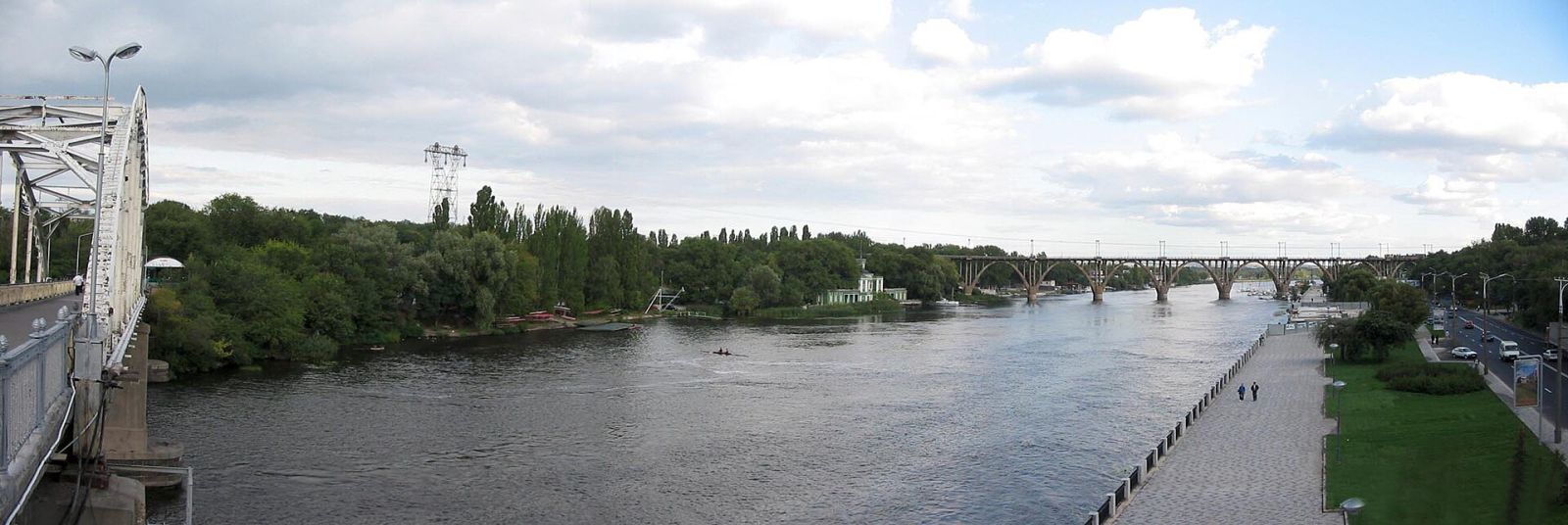
If Dnipro has one unmissable place, it is Monastyrsky Island and Shevchenko Park around it. The island is linked to the bank by a pedestrian bridge, and legend says a Byzantine monastery once stood here, which is where the name comes from. Today it is the main green recreation zone: the Church of St Nicholas on a hill, viewpoints over the water, a cable car, small beaches and a shaded walking area.
Shevchenko Park, which flows into the island, is probably the best way to understand why Dnipro is called a city above a great river. From here you get the exact view of the broad water and the bridges that makes climbing the slope worth it. A tip from locals: come towards evening, when the heat drops and the sunset lights up the river. It is busy in summer, but there is space enough for everyone.
Where is that famous longest embankment?
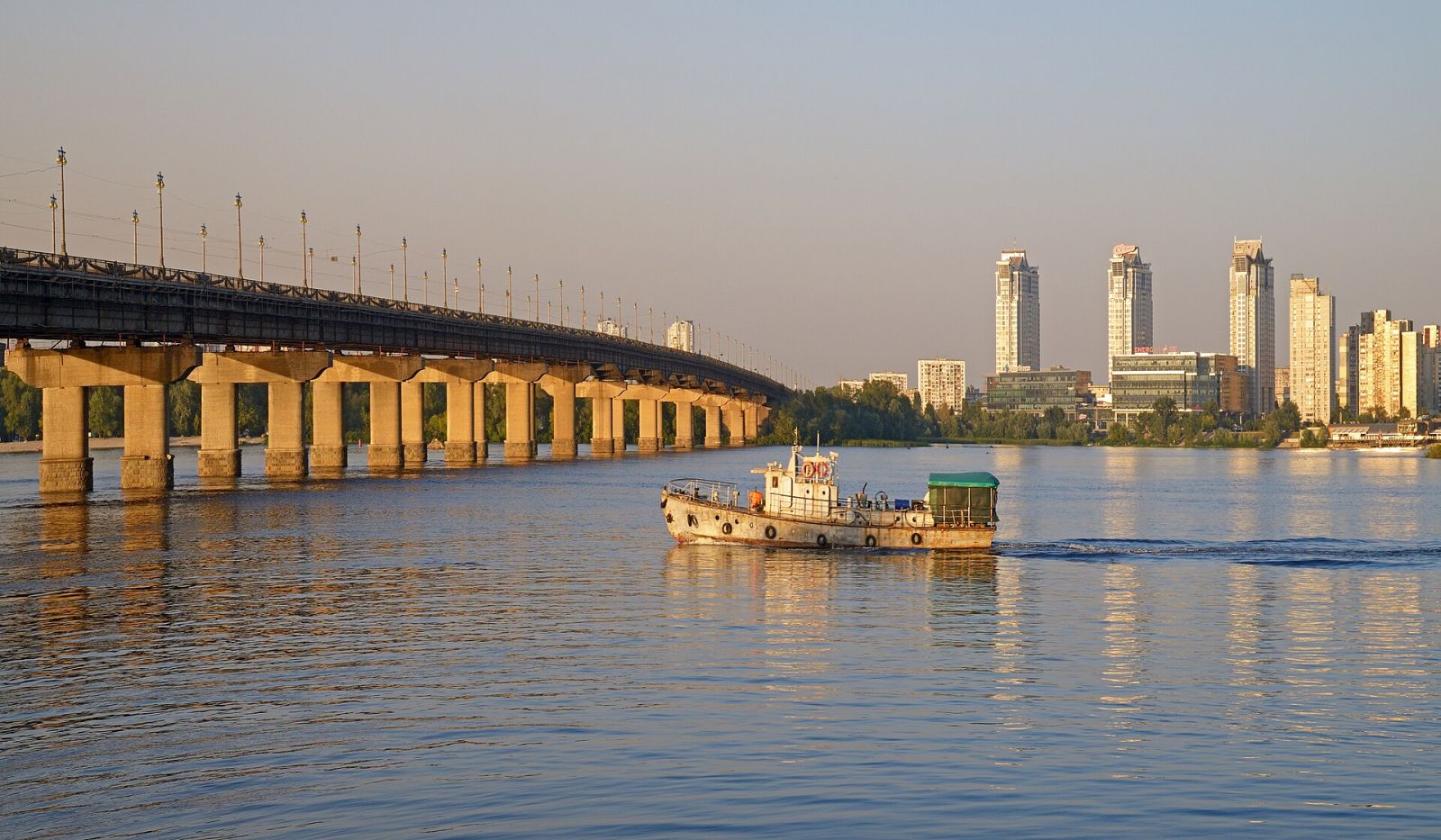
The Dnipro riverfront is a character in its own right. Its total length is put at over twenty kilometres, which is exactly why it keeps getting the title of the longest embankment in Europe. You do not need to verify the record. What matters is that the riverfront is alive and varies from stretch to stretch.
| Stretch | Why it is interesting | Who it suits |
|---|---|---|
| Central (Sicheslavska) | Rebuilt promenade, cycle path, views of the bridges and towers | Anyone after the city's signature postcard |
| Festyvalna | Cafes, bars, evening life by the water | Those coming for atmosphere and people |
| By Monastyrsky Island | Park, beaches, access to the water | Those pairing a walk with a rest |
| Right bank further out | Quieter, more open, fewer tourists | Those who like long walks or running |
Walking the whole embankment is impossible and unnecessary. Pick the central stretch from the bridge to the island, and that alone will show you the scale.
Skyscrapers and murals: why the city looks modern
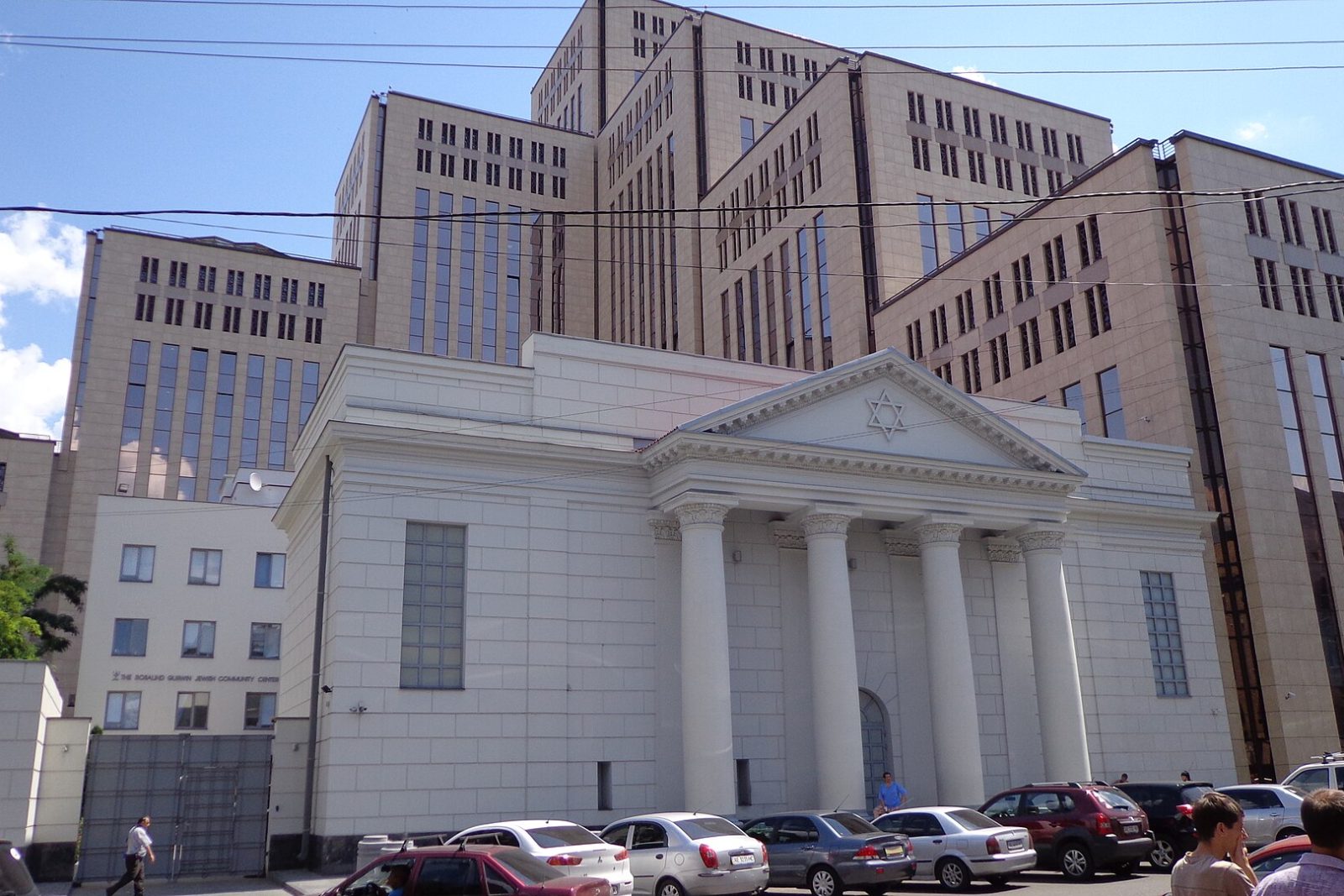
Dnipro is surprisingly vertical for a Ukrainian city. Some of the country's tallest buildings stand here, and the skyline of the centre visibly shifts from year to year. The most striking ensemble is the Menorah Center, a huge Jewish community and business complex of seven towers shaped like a menorah, one of the largest centres of its kind in the world. Beside it stand mirrored business towers that give Dnipro its almost capital-city look from the riverfront.
The city's second modern feature is its wall art. Over recent years Dnipro has filled up with dozens of large murals: the facades of residential blocks, the ends of buildings along the avenues, courtyards in the centre. You can hunt them down without a map, simply by lifting your gaze above the shopfronts. It is the detail that keeps a walk lively, when a five-storey portrait or abstraction suddenly turns up between a classical mansion and a concrete tower block.
Is a river cruise worth it?
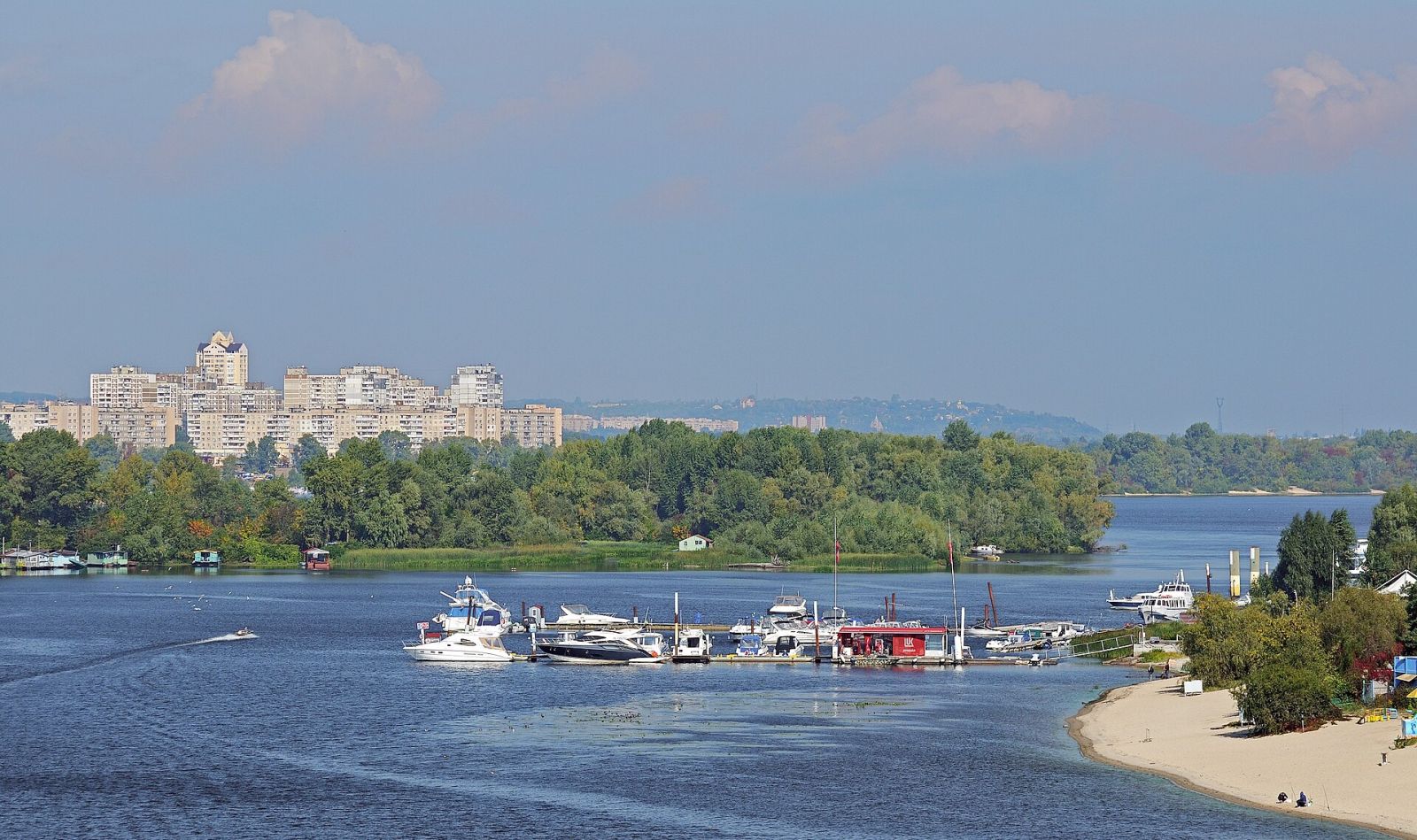
Yes, and it is the best way to see the city from the right angle. The Dnipro is wide, and it is from the water that you grasp how well the city is placed: the riverfront, the island, the bridges and the towers all fold into a single panorama you cannot catch from the bank. In the warm season, pleasure boats and small ferries run from the central embankment, and trips are usually short, from about an hour. Schedules and prices depend on the season and the weather, so check the latest before your trip, especially in the shoulder seasons when sailings are irregular.
How much time to plan, and what else to catch
You can genuinely feel central Dnipro in one full day, and two days is enough to add the neighbouring districts.
A one-day route
Give the morning to Yavornytsky Avenue: the museum, the diorama, the cathedral, coffee on Katerynoslavsky Boulevard. Towards midday head down to the central embankment and walk along the water to Monastyrsky Island. Leave the afternoon for the island and Shevchenko Park, then return to the riverfront in the evening when the bridge lights come on. If the weather and season allow, slot a river cruise in between, as it breaks the route up nicely.
If you have time left
- Globa Park, an old city park with a lake and an easy, unhurried mood, not far from the centre.
- The Potemkin Palace (Palace of Students) in the park above the river, a neoclassical building with a view of the water.
- The Dnipro Metro, the shortest in Ukraine, interesting more as a city curiosity than as transport.
The main thing about Dnipro is this: do not try to tick off a list. It is a city of space and rhythm, and it opens up best to those who give themselves time to stand on the riverfront, climb the island's slope and simply look out over the broad water. Planning the spine of a route helps, but leave some slack in it, because it is the chance courtyards, murals and benches above the river that stay with you the longest.