

If you have two or three days for the city, the first thing to settle is what to see in Amsterdam without wrecking your nerves in queues: tickets to the Anne Frank House and the Van Gogh Museum sell out weeks ahead, so without an online booking you simply will not get in. The rest of the city, meanwhile, fits into a couple of hours on foot, because the historic centre is compact, and the strongest impression here comes not from the museums but from the water and the narrow houses leaning over it.
Amsterdam is built on rings of canals, and it is those, not any single landmark, that hold the whole logic of a walk together. So that is where we start.
Canals: why to begin here
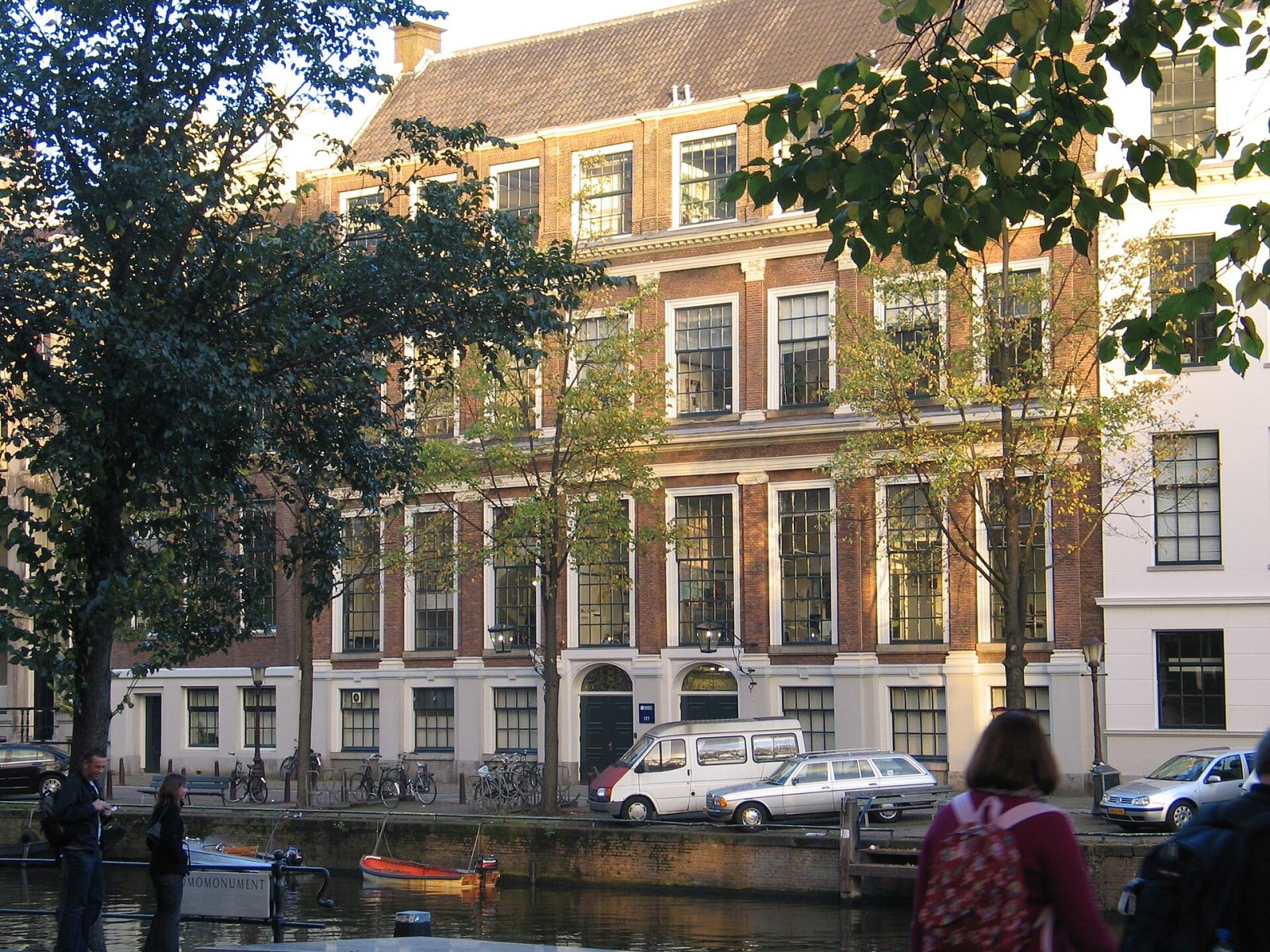
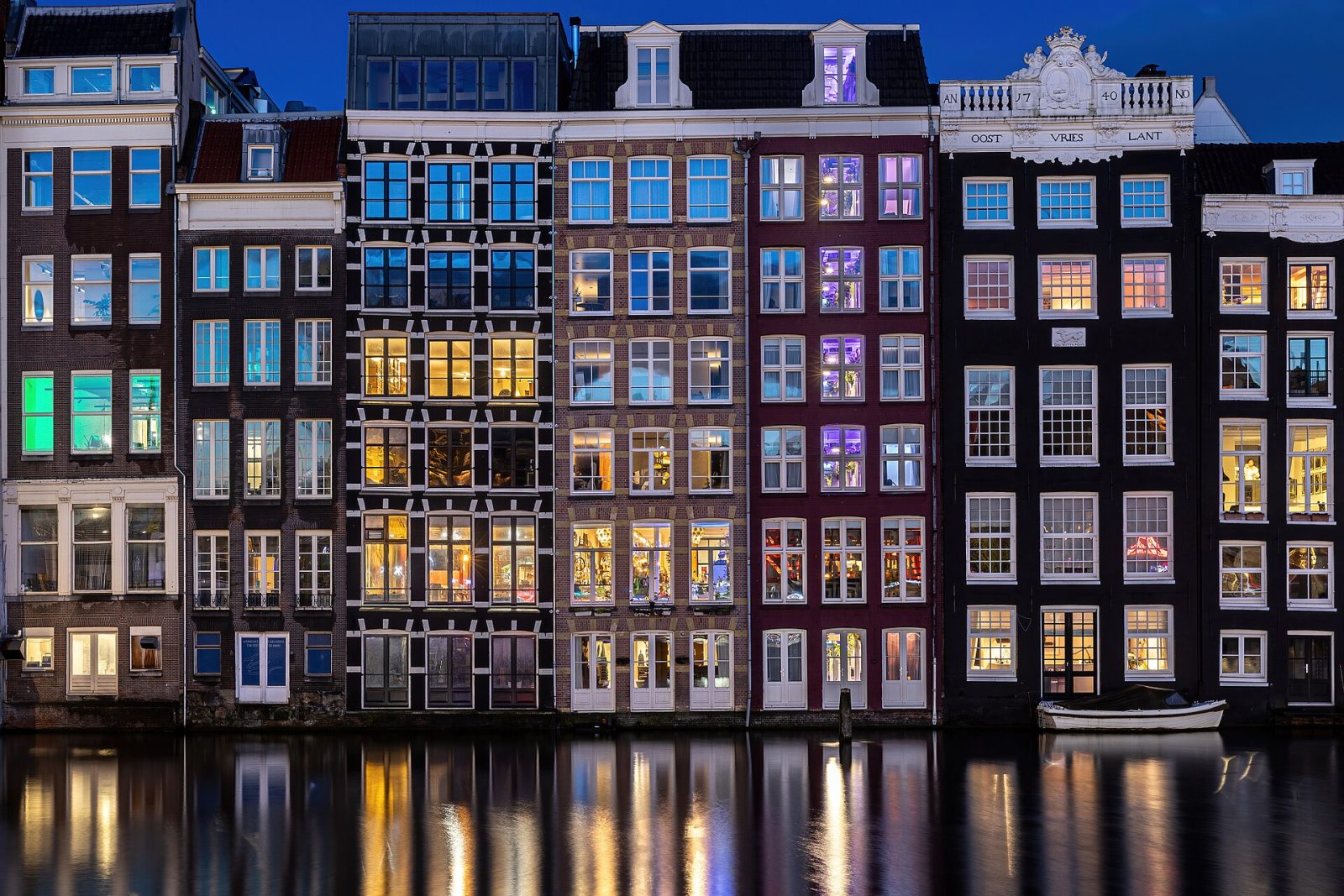
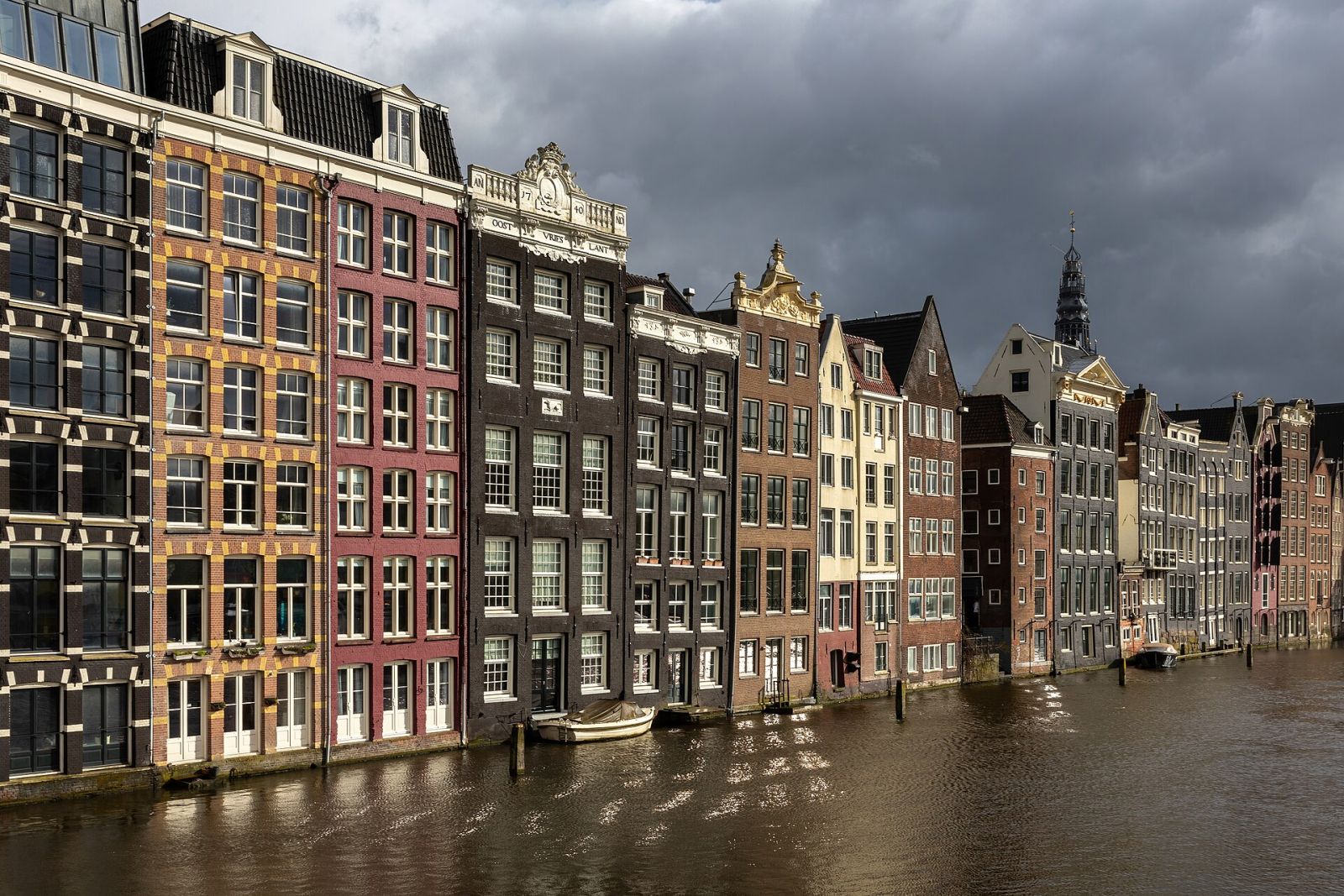
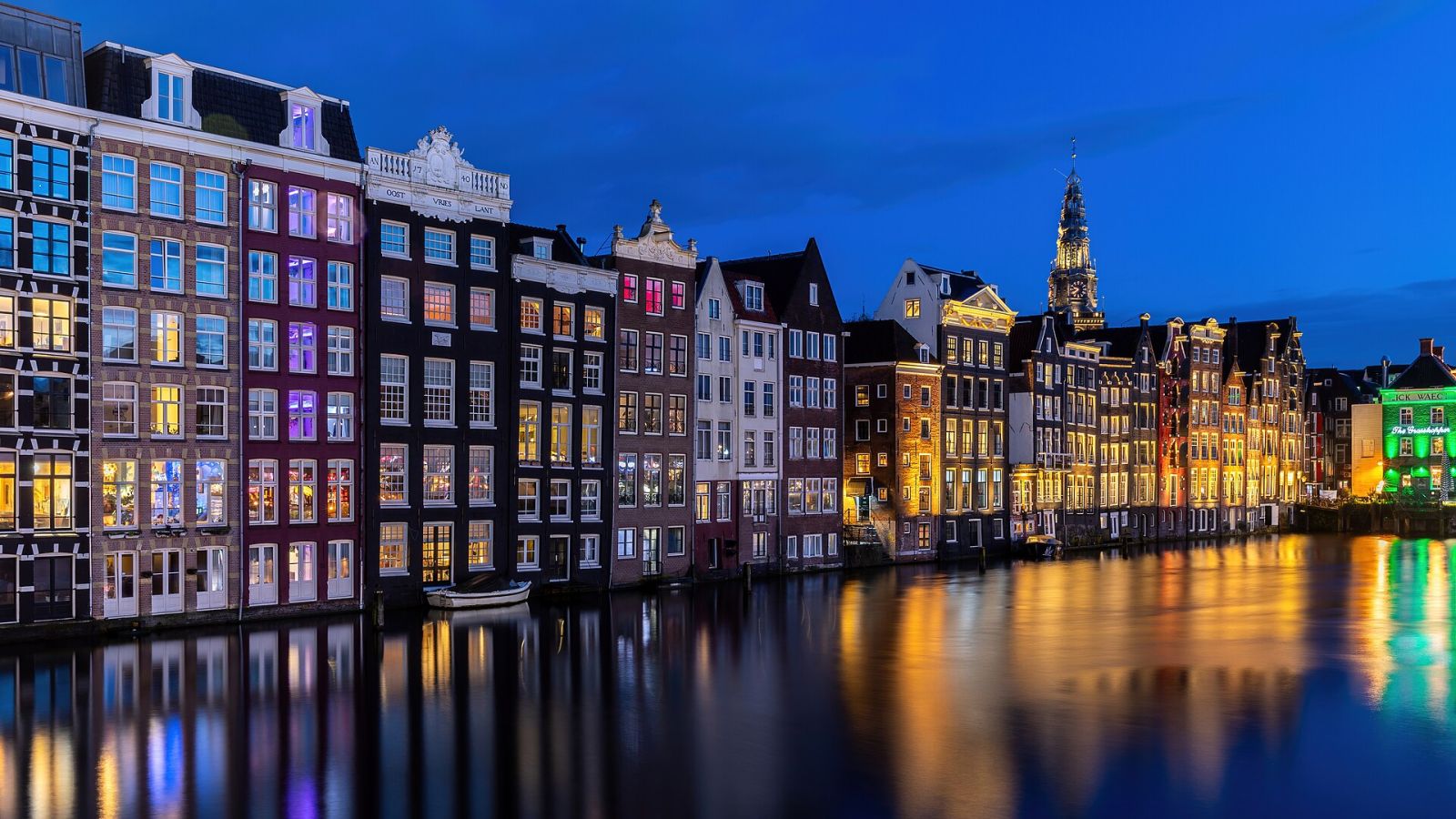
The 17th-century canal belt (Grachtengordel) is a UNESCO World Heritage site, and this is one of those rare cases where the label matches the feeling on the ground. The three main half-rings, Herengracht, Keizersgracht and Prinsengracht, were dug during the Golden Age for merchant warehouses and homes. Those same narrow façades, each with a hook under the gable for hoisting furniture up, still stand, because the staircases inside are too steep even by today's standards.
Partner links: booking through them supports the blog at no extra cost to you.
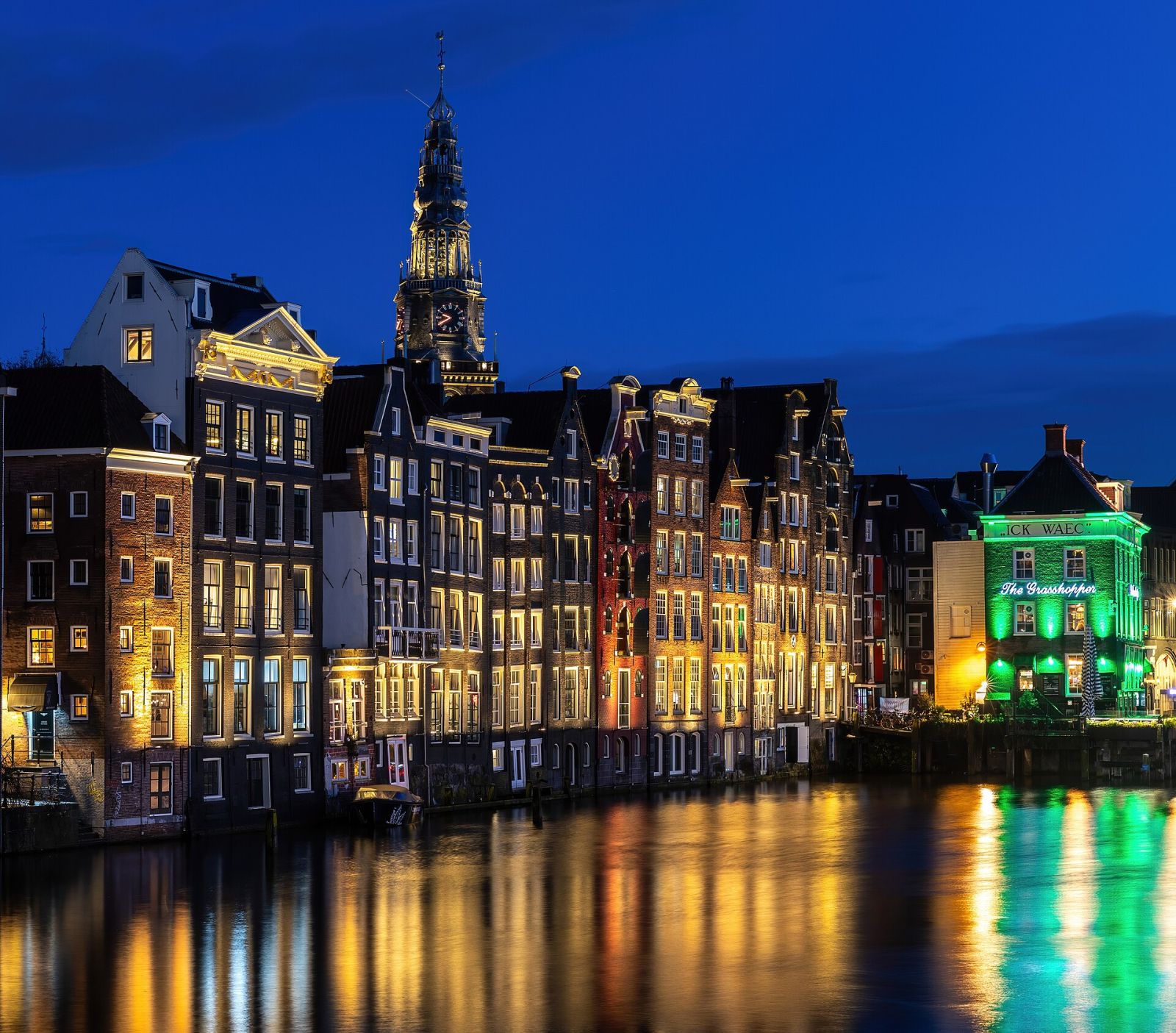
A boat trip here is not a tourist indulgence but the fastest way to grasp how the city is laid out. An hour-long cruise costs about the same as two coffees in the centre, runs every half hour, and from the water you notice things the embankment hides: how the houses tilt forward, how many have visibly sunk, how the bridges line up into one long tunnel on Reguliersgracht. In the evening, with the bridges lit, it looks even better, and evening tickets are worth booking ahead.
Rijksmuseum and Van Gogh: two tickets, two different queues
The Museum Quarter (Museumkwartier) keeps the country's two flagship museums right next to each other, but that is no reason to do both in one day. Each deserves half a day of attention, and together they will simply overwhelm you.
The Rijksmuseum is the national collection of Dutch art, and the main reason to go hangs in the Gallery of Honour: Rembrandt's "The Night Watch", a canvas the size of a wall, restored for years in full view of visitors behind glass. Nearby are Vermeer, Hals, and a wealth of domestic scenes, still lifes and ship models. You can buy a ticket at the desk and the line does move, but an online slot with a fixed entry time saves you an hour on busy days.
The Van Gogh Museum works differently: entry is by timed slot only, and tickets are not sold on site at all. Online only, at a set time, and in high season the nearest opening can be several days out. Inside is the largest collection of his work in the world, hung chronologically, so you can watch him travel in ten years from dark peasant studies to sunflowers and the wheat fields near Auvers. Book ahead; this is not a museum you can walk into on a whim.
Anne Frank House: why you have to catch the tickets
This is the hardest place in the whole city to get into, and at the same time one of the most powerful. In the house on Prinsengracht the Frank family hid for two years behind a swinging bookcase, and it is these bare, unfurnished rooms, kept empty at her father's wish, that hit harder than any exhibit could.
Tickets are sold exclusively online and strictly by schedule, released in batches in advance. They vanish within minutes of going on sale, so watch the release date on the official site and be ready to buy the moment it opens. There is no walk-up box office at all. Inside you climb narrow, steep stairs, and it is a physically small house, so allow about an hour and a half without rushing.
Where else to walk
Once the three big sights are done, the city opens up best with no plan at all, just on foot. Here are the anchors worth stringing into a route.
- Dam Square is the historic heart, with the Royal Palace and the New Church. It is loud and touristy, good as a meeting point, but there is little to linger over.
- The Jordaan, by contrast, is a quiet residential quarter of narrow lanes, tiny hidden courtyards (hofjes), independent galleries and cafés with no English menu. The nicest part of the city for a slow wander.
- The flower markets. The floating Bloemenmarkt on the Singel canal mostly sells tulip bulbs and souvenirs; honestly, it has long turned into more of a photo stop than a real market, but the bulbs from here do travel home and get planted.
- The Begijnhof is a courtyard tucked into the centre, once home to a community of devout women, silence two steps from the crowd. Entry is free and you are asked to keep quiet.
Bikes: a way of life that will nearly run you over
There are more bikes here than people, and that is not a figure of speech. Locals ride in any weather, in business clothes, with a child on the handlebars and no helmet, and the one thing a visitor must understand is this: the bike lane (fietspad) is not the pavement. Reddish asphalt with a painted bicycle means nobody is going to brake for you. Look both ways before you step onto it, and do not stand in the lane for a photo. You can rent a bike almost anywhere, but if you are not used to dense two-wheeled traffic, spend your first day in the centre on foot and learn how the rules work.
When to go?
The short answer: for the tulips in spring, for weather and quiet in late summer. Tulips bloom roughly from mid-April to early May, and that is exactly when Keukenhof, Europe's largest flower show, opens half an hour by bus from the city. It runs only a few weeks a year, so if you are coming for the flowers, check the exact season dates in advance, they shift with the weather.
| Season | What you get | Downside |
|---|---|---|
| April to early May | Tulips, Keukenhof, soft light | Peak prices and crowds, museum queues |
| June to August | Long days, terraces, festivals | Most expensive lodging, heavy tourism |
| September to October | Warmth without the crush, gold leaves over the canals | Rain more often |
| November to February | Cheaper, festive lights, museums without lines | Grey, windy, short days |
The honest downside
Amsterdam is expensive and crowded, and it is best to accept that upfront. Lodging in the centre costs noticeably more than in most European capitals, and in summer the central streets and canal banks are packed solid, so the famous sense of a quiet city over the water has to be hunted for early in the morning or in the side quarters. Add to that the bike traffic that forgives no gawking, and tourist traps like the overpriced "museums" near the station. None of this makes the trip a bad one, but the city rewards those who booked their tickets ahead and are willing to step a little off the main routes.
So to pull it all together, the plan is simple: grab online tickets for the Anne Frank House and the Van Gogh Museum early, give the Rijksmuseum half a day, and spend the rest of your time on the canals, in the Jordaan and on slow walks. That, rather than ticking landmarks off a list, is really what to see in Amsterdam first.