

With a coastline stretching more than 50,000 kilometres, Australia gives beach lovers a staggering 12,000 stretches of sand to choose from.
Picking the very best of them is no easy task, of course, but we happily did the research to uncover the shorelines that rise above the rest.
From ultra-famous Bondi to far-flung Cossies, here is your guide to the 10 best beaches in Australia to add to your travels.
Partner links: booking through them supports the blog at no extra cost to you.
Best for people-watching: Bondi Beach
"I've seen a lot of crazy things," says lifeguard Andrew Reid, who appears on the hit reality show "Bondi Rescue."
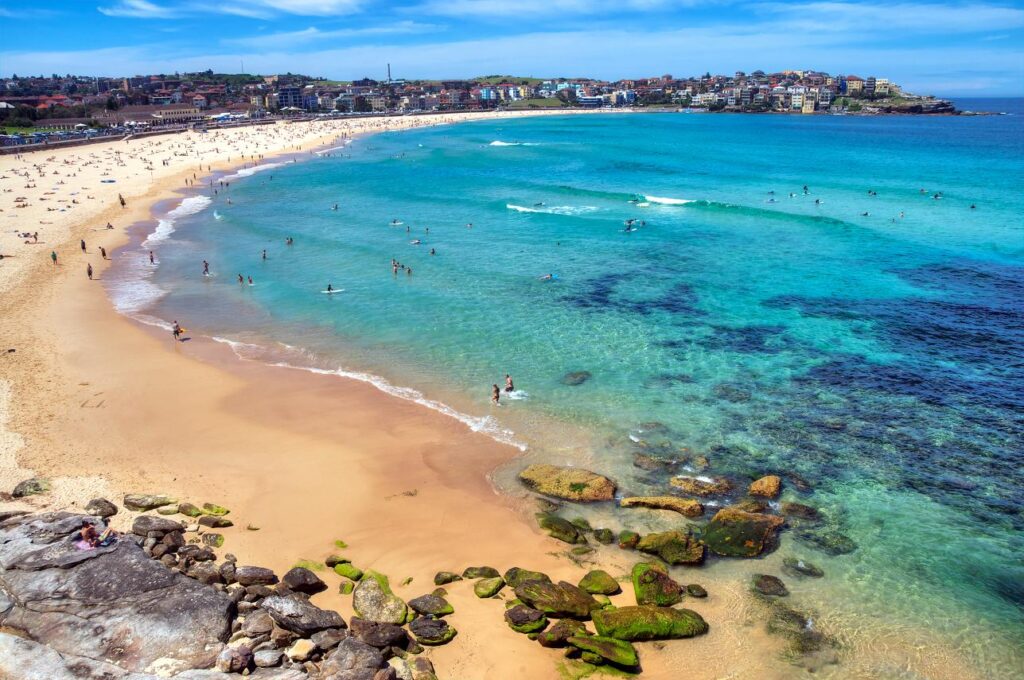
This forever-crowded Sydney beach tops most "best beaches in Australia" lists, and for good reason.
Beyond its winning mix of white sand, waves and curving sandstone cliffs, Bondi also serves up plenty to do: cool cafes and bars, an ocean pool carved into the rocks, weekend markets and an annual open-air sculpture festival that fills the surrounding park with large installations.
It also comes with a rich history: this is the birthplace of the Surf Life Saving Club, the first in the world, founded in 1907, the same year Bondi bathers' protests helped pave the way for swimsuits to become everyday beachwear.
Best for soft sand: Whitehaven Beach
This stretch of sand is 98% pure silica, which essentially means it's so incredibly white and powder-soft that it actually squeaks when you walk on it.
It also means it never heats up, which is a very good thing, because the sun in this part of Queensland can be fierce.
You can reach the island by boat or helicopter and spend the day hiking to lookout points, snorkelling in the dazzling turquoise sea (which is roughly as warm as bathwater), or sipping champagne beneath the casuarina trees.
And if you can't bring yourself to leave, there's a rustic campsite just steps from the sand.
Best for a bracing dip: Wineglass Bay
Tasmania, Australia's southernmost state, isn't the first place that springs to mind when you picture beautiful beaches.
But this small island, some 250 kilometres off the Australian mainland, is home to a few of the country's most striking shores.
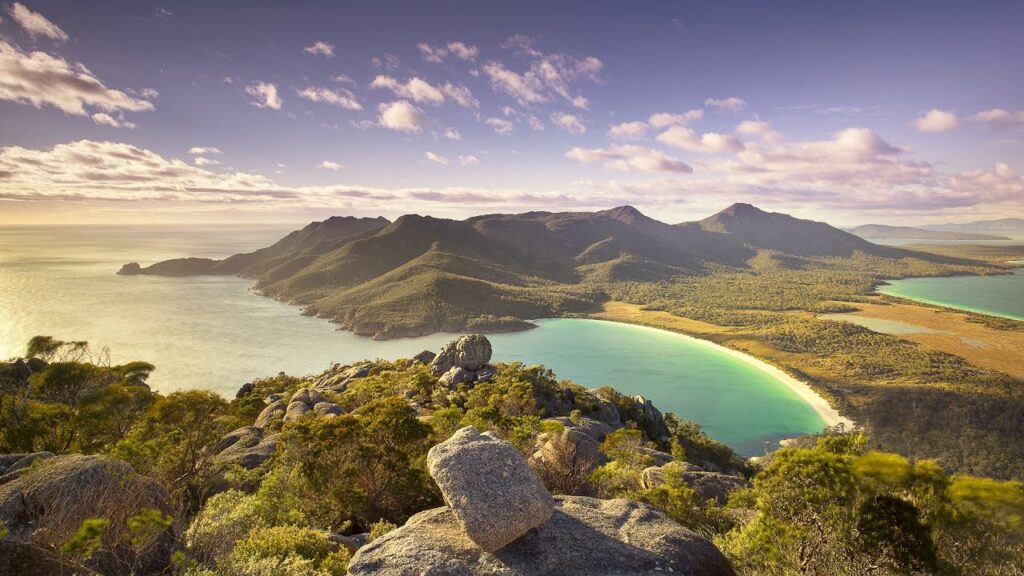
At the heart of Freycinet National Park, a three-hour drive north of Hobart, sits picture-postcard Wineglass Bay, where pink granite peaks meet a scallop-shaped beach that slides into a sapphire sea. It's breathtakingly beautiful, but also fairly cold, as the next shoreline to the south is Antarctica.
Despite a rather eerie past, this bay is regularly named one of the finest coastal coves in the world, never mind Australia. It earned its name during the whaling era, when the waters here ran red with blood.
Best for not swimming: 75 Mile Beach
Though this endless beach on Fraser Island in Queensland is stunningly scenic, it's worth visiting for reasons other than sunbathing and swimming.
The long sandy strip, which doubles as a runway for light aircraft and a signposted highway, is typically used by four-wheel drives cruising around this patch of land, the largest sand island in the world and the only place on Earth where tall rainforest grows straight out of the sand.
As well as being drivable, the beach is known for the wonderfully photogenic wreck of the Maheno, along with the dramatic volcanic rock formations at Indian Head.
If you fancy a swim, cut the engine at the Champagne Pools, a series of shallow sandy pools sheltered from the sea stingers and tiger sharks that patrol the open ocean.
Best for sunsets (and moonrises): Cable Beach
Just outside the town of Broome in Western Australia lies an Indian Ocean beach where, many claim, you can watch the most vivid sunsets in Australia.
Twenty-two kilometres of pure white sand and blue water, Cable Beach is bordered by dunes on one side and ochre-red cliffs on the other. Its spot on the country's west coast makes it a popular place to watch the day bow out, and many love to take in the sunset from the back of a camel, with evening parades a regular fixture here.
Time your visit right and you can also witness the "Staircase to the Moon," a monthly phenomenon in which the glow of a full moon grows so intense that it casts ripples across the ocean, like a set of glowing steps.
Best for skipping the tan lines: Nudey Beach
As the name suggests, this sandy cove in Far North Queensland has long been a favourite for anyone who loves snorkelling and sunbathing without swimwear.
Though this is the only state in Australia without a legal nudist beach, clothing is optional here, so put the camera away. Set on Fitzroy Island north of Cairns in the Great Barrier Reef region, Nudey is a blend of sand and bleached coral, which makes walking a touch trickier than on other beaches, but any discomfort underfoot (just pack a pair of beach shoes) is more than outweighed by the surrounding scenery.
This is where rainforest meets reef, then melts into a palette of blues, from icy mint to sky and aquamarine. The good news: you won't have to leave. Check into the plush Fitzroy Island Resort and linger at Nudey for as long as you like.
Best for swimming away from prying eyes: Cossies Beach
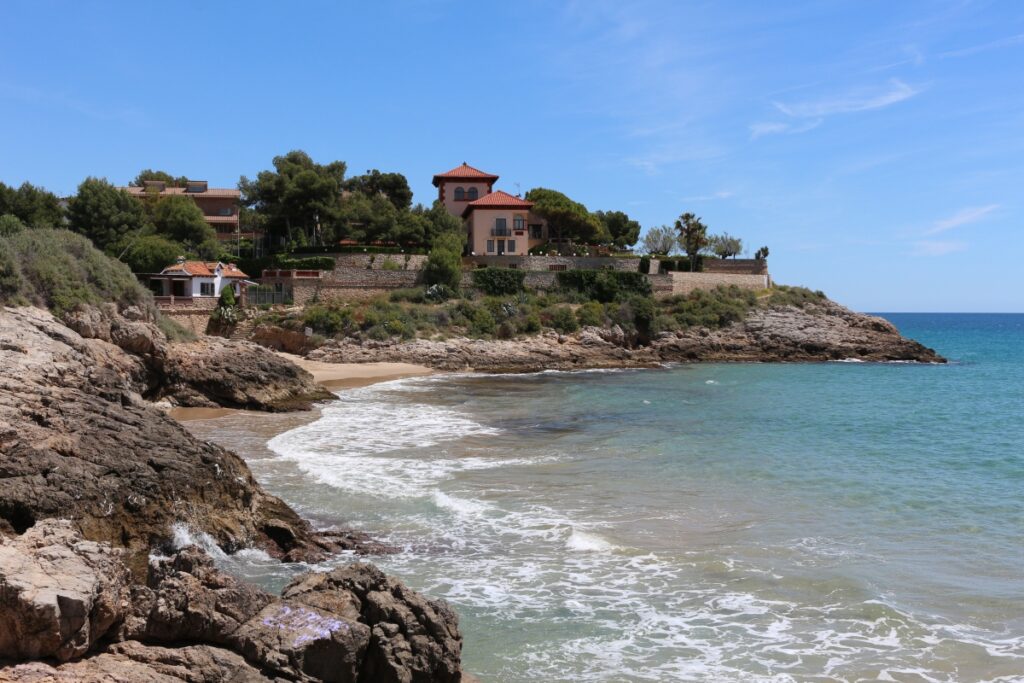
Never heard of the Cocos (Keeling) Islands? You should get acquainted, because these remote Australian islands hold one of the country's most picturesque stretches of coastline.
Far out in the Indian Ocean (geographically closer to Indonesia than to Australia), the archipelago's 27 tiny islands and coral atolls are a beacon for white-sand beaches, palm trees and blissfully blue lagoons.
The star is Cossies on Direction Island, a favourite anchorage for round-the-world yachts.
You can walk the whole islet in under an hour, which leaves plenty of time to sprawl on the sand (most likely all to yourself) or snorkel in the tiger-striped waters in search of the German ship SMS Emden, which sank here during the Battle of Cocos in World War I.
Best for wildlife: Neds Beach
Many people who land on tiny Lord Howe Island never want to leave, which explains why locals forbid outsiders from buying property here.
A dramatic volcanic outcrop in the Tasman Sea between Australia and New Zealand, Lord Howe's coastline is where sheer black basalt cliffs plunge into the sea, framed by kentia palms and rainforest that shelters an astonishing variety of endemic flora.
The wild backdrop makes you appreciate the glittering waters of Neds Beach all the more.
On the northeastern coast, this often-deserted strip has an "honesty box" where you can borrow a mask, snorkel and fins in exchange for a few dollars. Once you dive in, you'll be surrounded by a kaleidoscope of mullet, sea worms, garfish, silver goatfish and green turtles.
As well as being home to some of the calmest, most fish- and coral-rich waters in eastern Australia, Neds is also a breeding ground for several seabird colonies, including masked boobies and little terns.
Best for water sports: Burleigh Beach
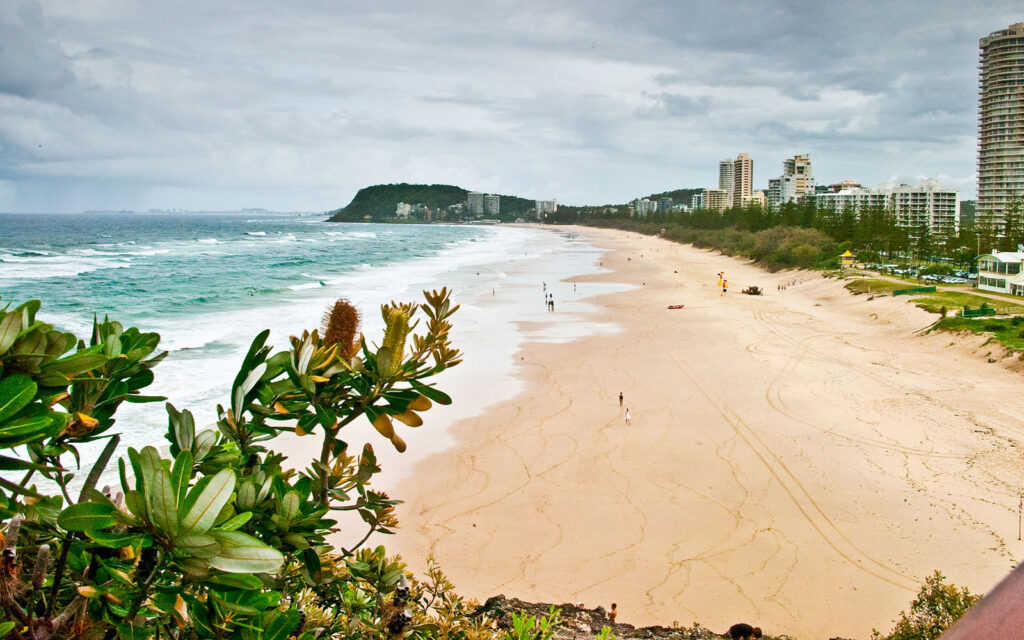
Australia's sixth-largest city, the Gold Coast, has a 57-kilometre strip of coastline, much of it linking gorgeous, laid-back suburbs, including Burleigh Heads, home to one of Queensland's most epic stretches of sand.
What sets this spot apart is the big waves on one shore (for the surfers) and the calm inlet on the other (for SUP fans, kayakers and beginner swimmers).
It's also home to Burleigh Boardriders, the longest-running club of its kind on the coast, where the legendary "Burleigh barrel" was born in the 1970s.
And if you need one more reason to visit, the shore is wrapped in a blanket of fragrant pines, where artisan markets pop up on weekends and cool cafes serve coffee and brunch staples.
Best for surfing: Bells Beach
About 100 kilometres southwest of Melbourne along the Great Ocean Road lies Bells Beach, a place of pilgrimage for surfers the world over.
The 1991 film "Point Break" would have you believe its final scene was shot here (it wasn't).
But that doesn't make the waves, which slow down and pitch steeply onto the reef-studded shallows, any less fearsome than the ones in that monumental surf showdown. This is a seriously epic point break, so only experienced surfers should paddle out.
For everyone else, the bay's red clay cliffs form a natural amphitheatre and make the perfect vantage point for watching annual competitions such as the Rip Curl Pro Surf and Music Festival.