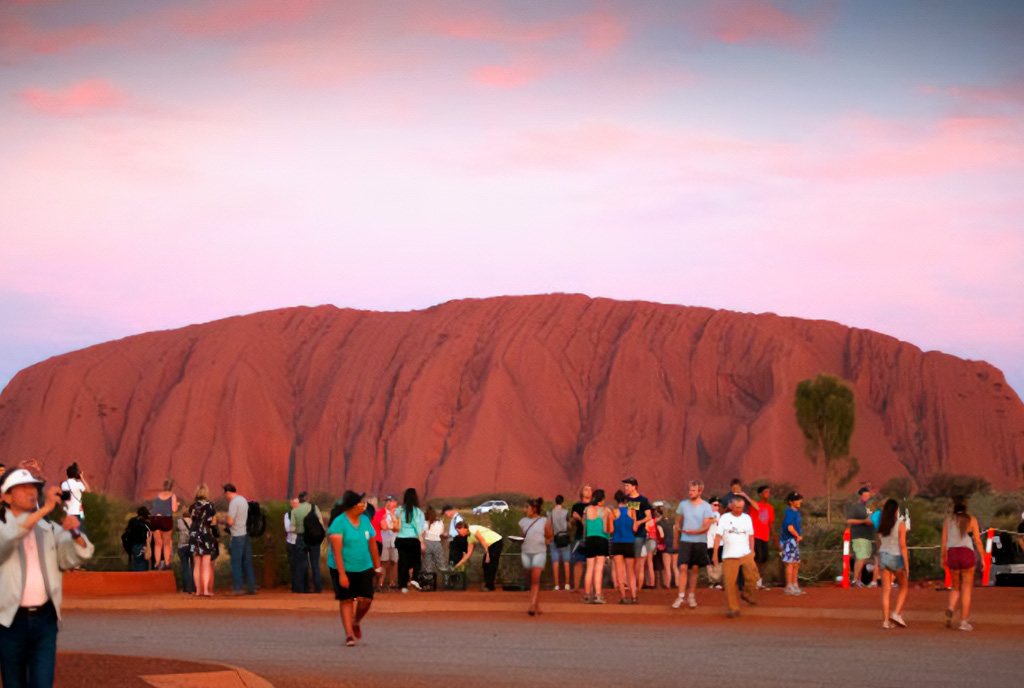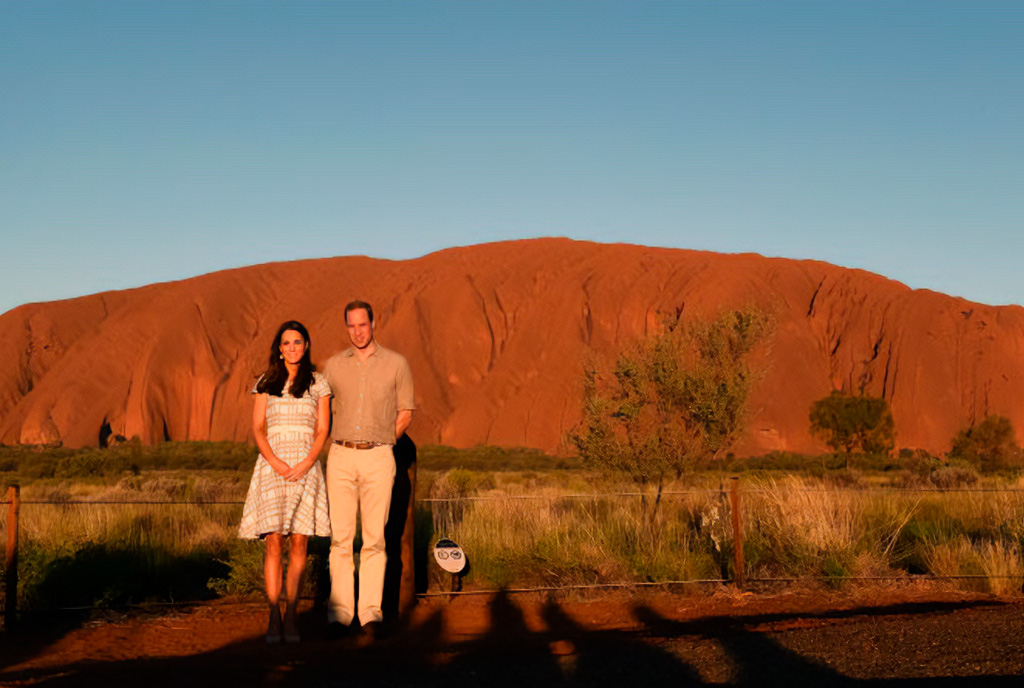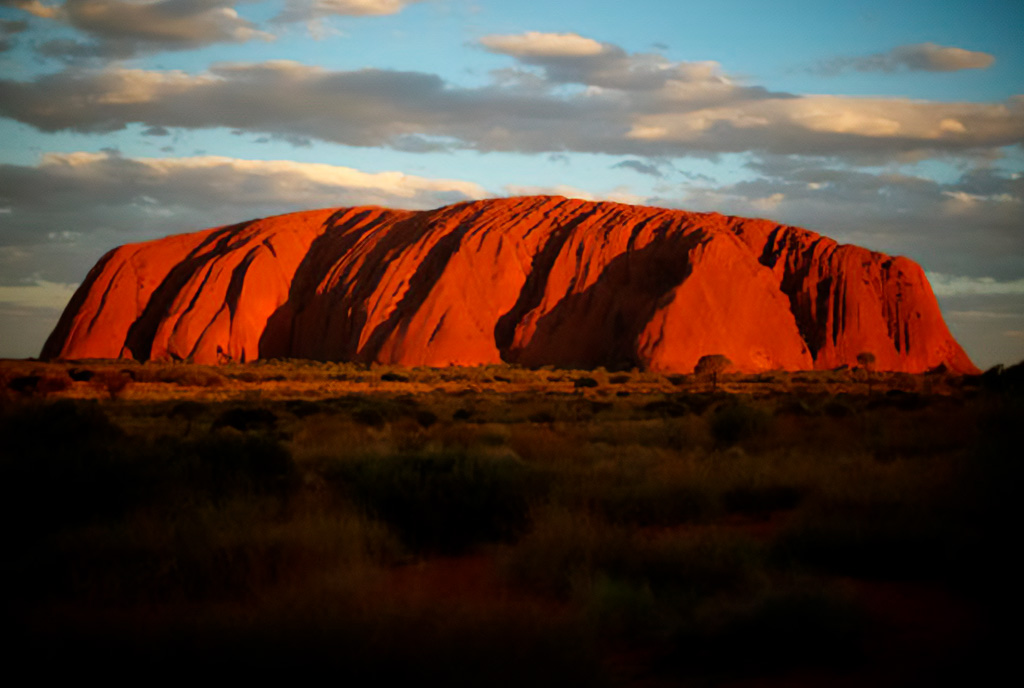


Australia's long, heated debate over the future of the sacred rock Uluru has come to an end.
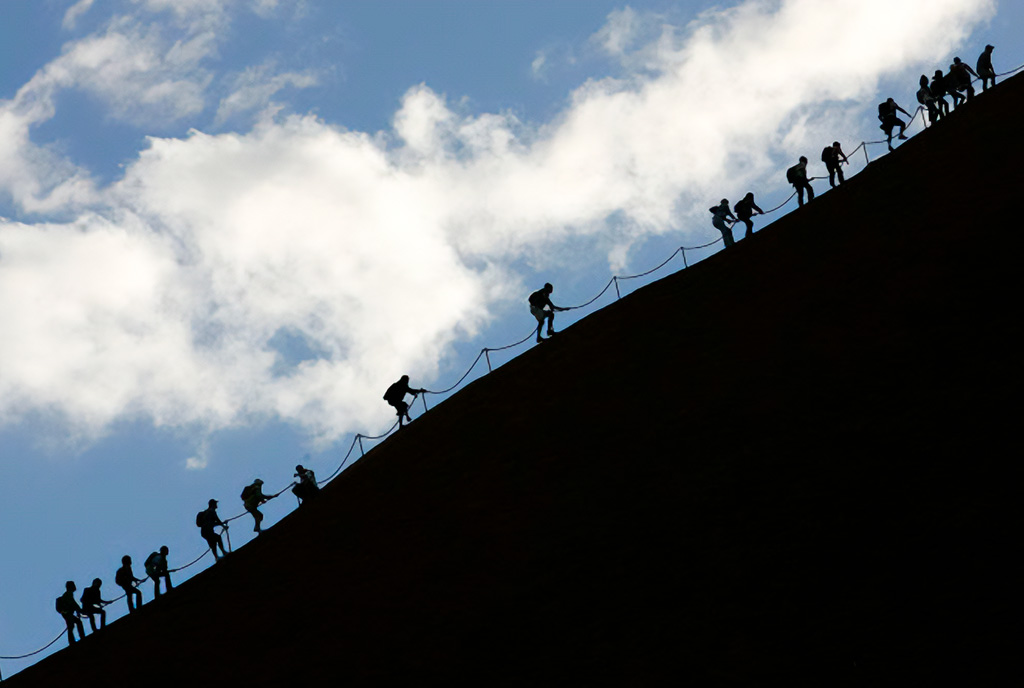
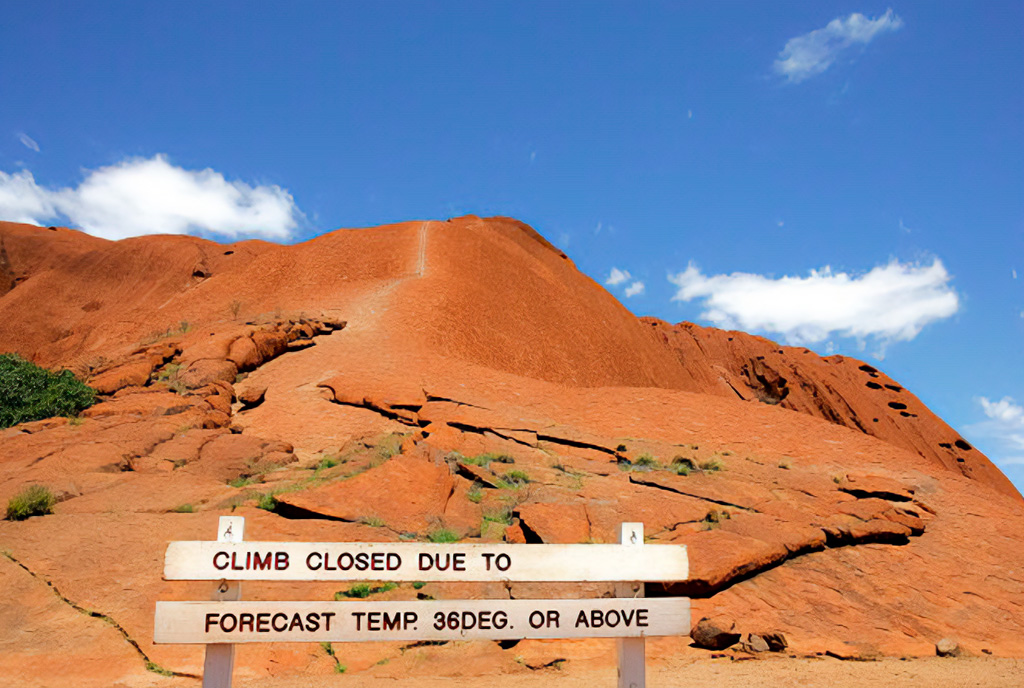
Climbing the famous Northern Territory landmark will be banned from October 2019, following a unanimous decision by the board of Uluru-Kata Tjuta National Park on November 1.
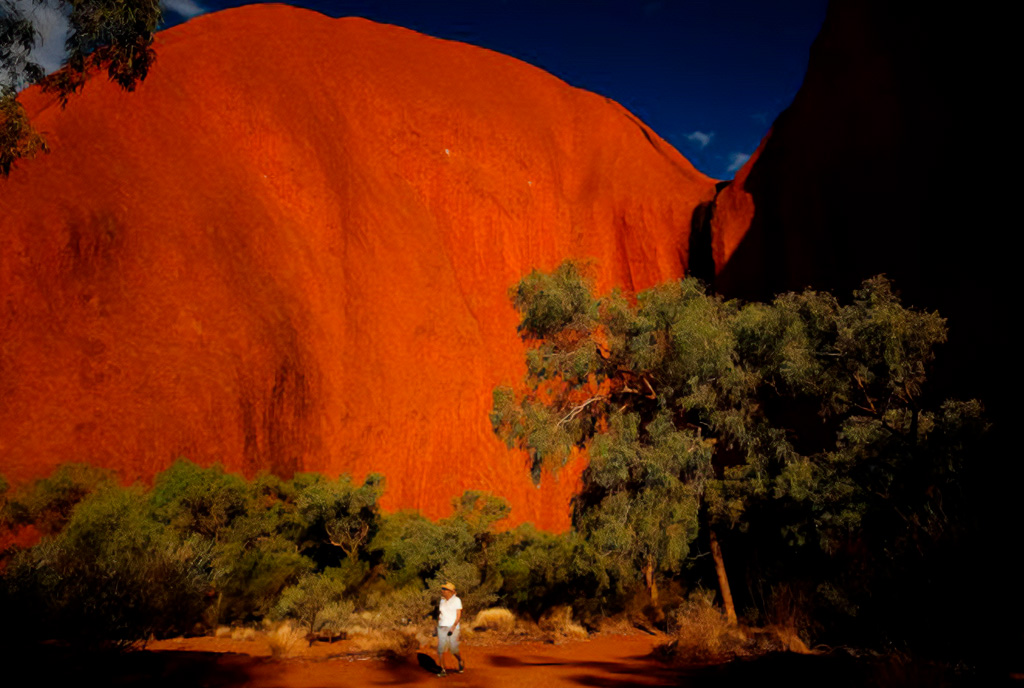
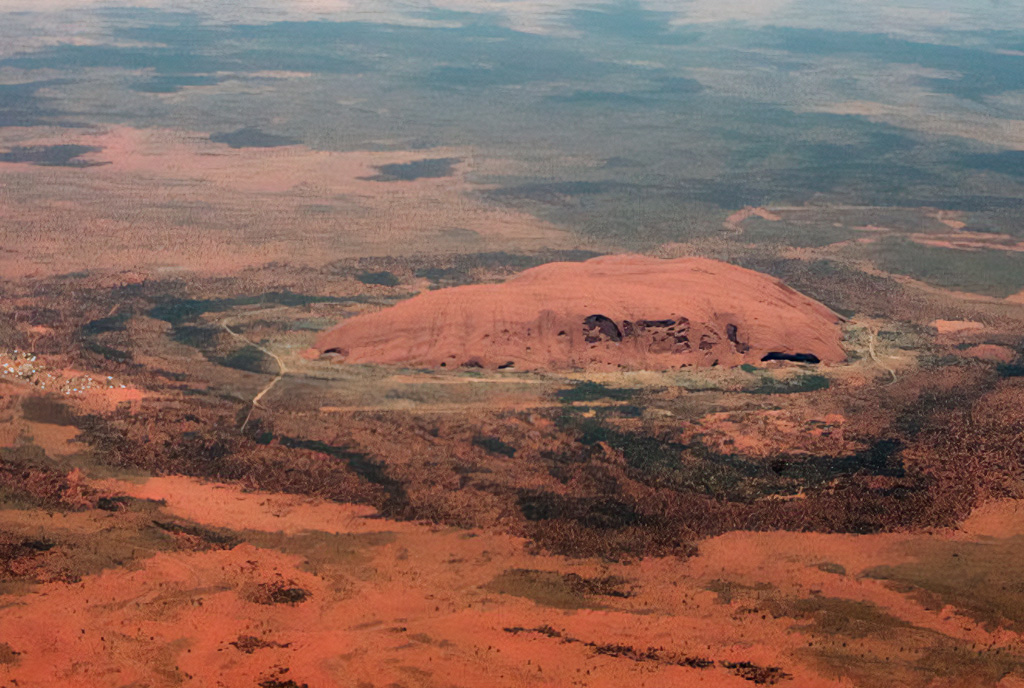
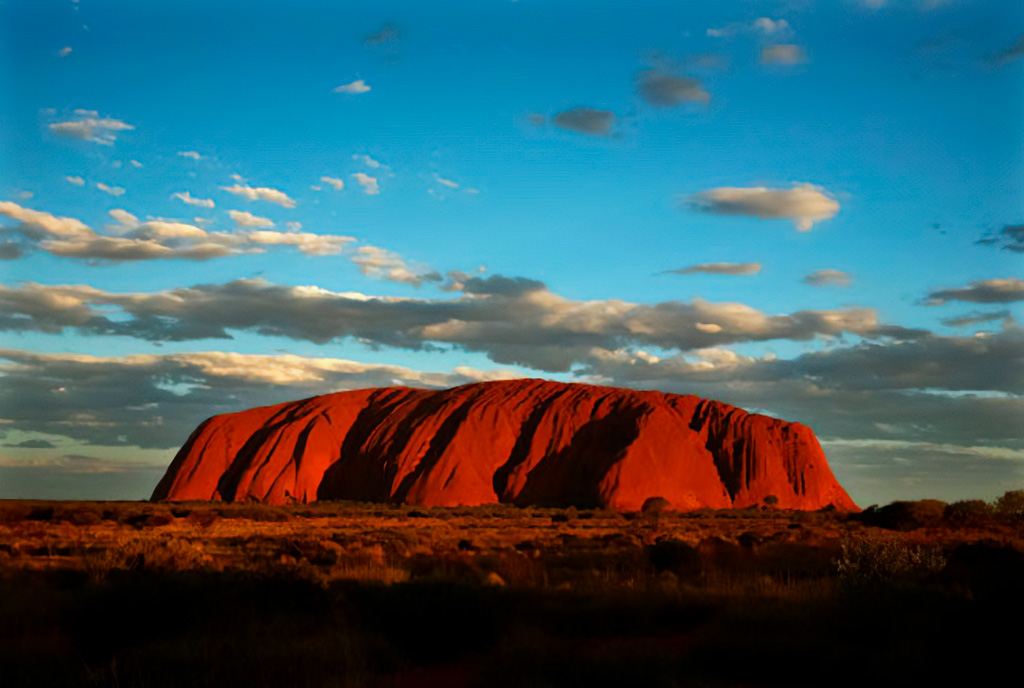
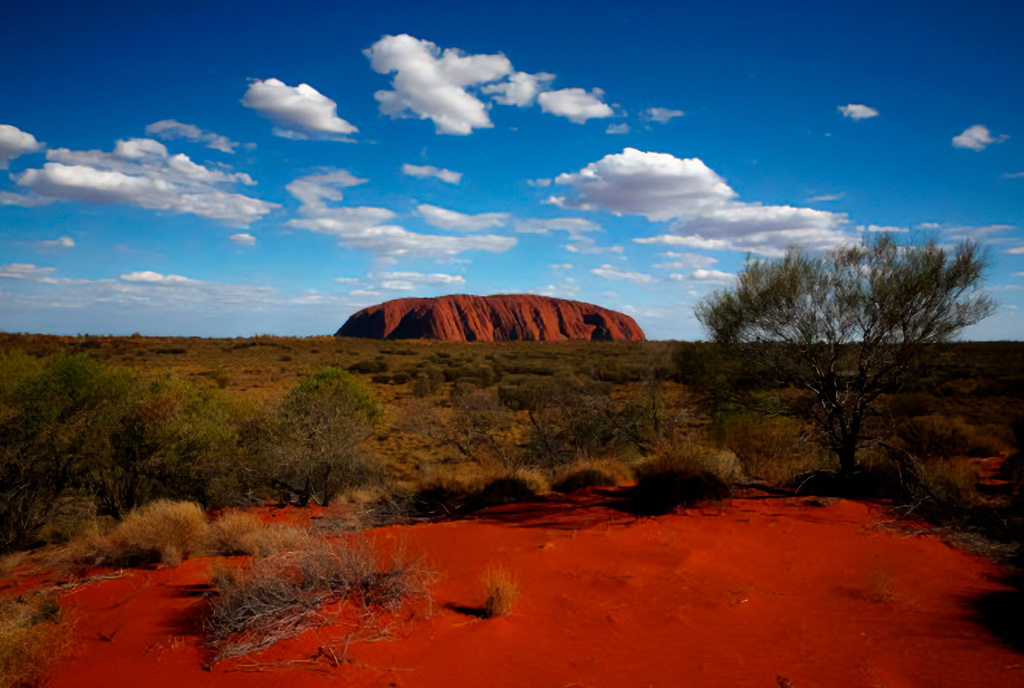
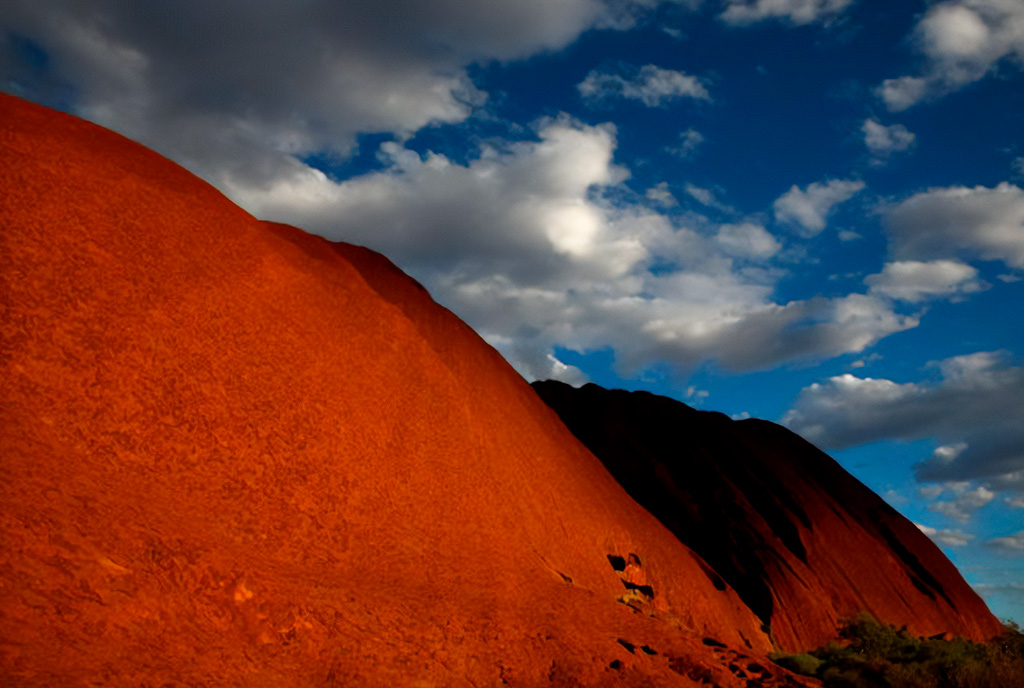
The 348-meter sandstone monolith is one of Australia's most recognizable landscapes and a major tourist destination, yet there have long been calls to stop the climb over cultural concerns and safety considerations.
Partner links: booking through them supports the blog at no extra cost to you.
"The climb is a men's sacred area," said board chairman and senior traditional owner and leader Sammy Wilson, in a speech announcing the decision at Uluru.
The board's eight traditional owners from the Anangu community and three Parks Australia representatives set three criteria to weigh before closing the site to climbers: creating a new visitor experience; making the cultural and natural experience the main reason tourists visit the park; and bringing the number of people climbing Uluru below 20% of total visitors.
A long overdue decision, supporters say

Australia's debate over climbing Uluru has run for decades, and it grew all the more charged over some particularly insensitive visitor behavior, including a French tourist who stripped down to a bikini in 2010.
"For many years the Anangu have felt intimidated, as though someone was holding a gun to our heads to keep it open," Wilson said.
In 2009, the park released a draft proposal recommending a full ban on the climb. It failed to win government backing, with opponents of the ban arguing it would hurt Australia's tourism industry.
Even so, the number of climbers steadily fell, which may be partly down to safety fears. The conditions are steep and the temperatures often punishing. Thirty-six people have died climbing the rock since record-keeping began in 1958, with the most recent death recorded in 2010.
According to park figures, in the 1990s the share of visitors climbing Uluru stood at 74%, dropping to 28% in 2010 and just 16.2% in 2015. In 2015, Uluru, once known by its colonial name Ayers Rock, drew 300,000 visitors.
Related article Uluru: Should you climb Australia's sacred monolith?
A meaningful date

The date of the ban was chosen for its historical significance: October 26, 2019, marks the 34th anniversary of Uluru's return to its traditional owners. Their calls to end the climb began that same year, and signs asking people to reconsider climbing were first put up in 1992.
In 1985, the Commonwealth government of Australia handed Uluru back to the land's traditional custodians (also known as traditional or community owners), the Pitjantjatjara and Yankunytjatjara peoples, who are also known as the Anangu.
Uluru is sacred to Australia's Indigenous peoples because it is believed to have been formed during the Dreamtime, an ancient era when all living things were created and whose spirits still live on in the present.
The vast rock is thought to have once been a Dreamtime ancestor who roamed the Earth and shaped the features of the landscape before turning into the distinctive landform it is today. Archaeological finds indicate that people settled in the area more than 10,000 years ago. Uluru is also a UNESCO World Heritage Site.
"This is an extremely important place, not a playground or a theme park like Disneyland. We have thought about this for a very long time," Wilson said.
What does it mean for tourism?

In 2010, the board said it would give the tourism industry at least 18 months' notice to allow for changes to itineraries and marketing campaigns. So visitors will still be able to climb Uluru for another two years, though it will not be encouraged.
Wilson said in his speech that tourists would still be welcome in the area, stating: "We are not stopping tourism, just this activity."
John O'Sullivan, managing director of Tourism Australia, said he welcomed the decision.
"It has always been the wish of the traditional owners that visitors to the park did not climb to the top of Uluru, and I think that is something both local and international tourists will understand and respect," he said.

Related article 10 natural wonders of Australia
"The industry is being given plenty of notice, and I certainly don't think the decision will affect people's overall enjoyment of this important sacred site and iconic tourist attraction in any way."
Avid Australian traveler and retiree Heather White last visited Uluru from Melbourne in 2015, and said climbing the rock is absolutely not necessary to enjoy the experience.
"It's like climbing the Vatican or Westminster Abbey. It's a truly beautiful and spiritual place: you don't need to climb it to feel that."
American event planner and writer Theresa Winters, a Sydney resident, said she chose not to climb it, but her friend did.
"While he was scorching hot and on the verge of heatstroke, I got an amazing tour from a guide around the base who told us about the geology and the history of the Aboriginal people who used it for thousands of years. A far better experience."