


What sets Ethiopia apart from its African neighbors?
The unbeatable coffee?
The fact that it was never colonized?
Partner links: booking through them supports the blog at no extra cost to you.
Or that Rastafarians consider it their spiritual home?
Maybe it is the smooth, well-kept roads, so rare on the continent, that make exploring the country by car such a joy?
After a 1,430-kilometer journey along Ethiopia's Northern Circuit, through mountains, Martian landscapes, and into the lost kingdoms of the past, we found 10 key things that define the country.
The Best Italian Restaurant in the World (at least according to Bob Geldof)
Amid the bustling chaos of Mahatma Gandhi Street in Addis Ababa, Ethiopia's capital, you'll find Castelli, arguably the finest Italian restaurant this side of Bologna.
Italian soldier Francesco Castelli founded this unassuming-looking restaurant at the end of World War II. It has since earned worldwide fame thanks to the endorsement of celebrity guests like Bob Geldof, Bono, Brad Pitt, and Angelina Jolie.
But beyond the celebrity praise, it is the food itself that makes Castelli a place worth visiting before you set off from Addis Ababa into the Ethiopian wilds.
Ristorante Castelli, Mahatma Gandhi Street, Addis Ababa. Tel: +251 1 563 580, +251 1 571 757
Italian-Style Coffee
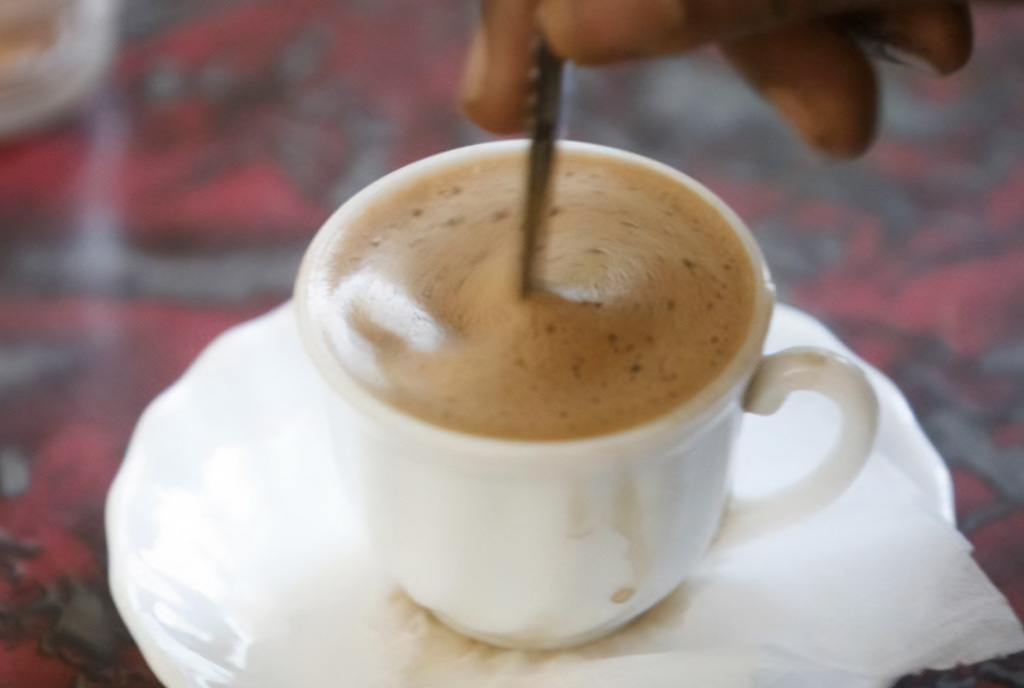
Like great Italian food, coffee is one of the legacies of Italy's occupation of Ethiopia during World War II.
Although Mussolini's men proved to be inept colonizers (the Allies defeated them in 1943), their time in the country at least ensured that Italian-style espresso machines were installed in most cafes, restaurants and, to the delight of weary travelers, even in ramshackle roadside shacks.
Ethiopians love their coffee and take pride in the fact that the plant's invigorating effects were first discovered in the country's Oromia region (see the 2006 documentary "Black Gold").
Chinese Roads
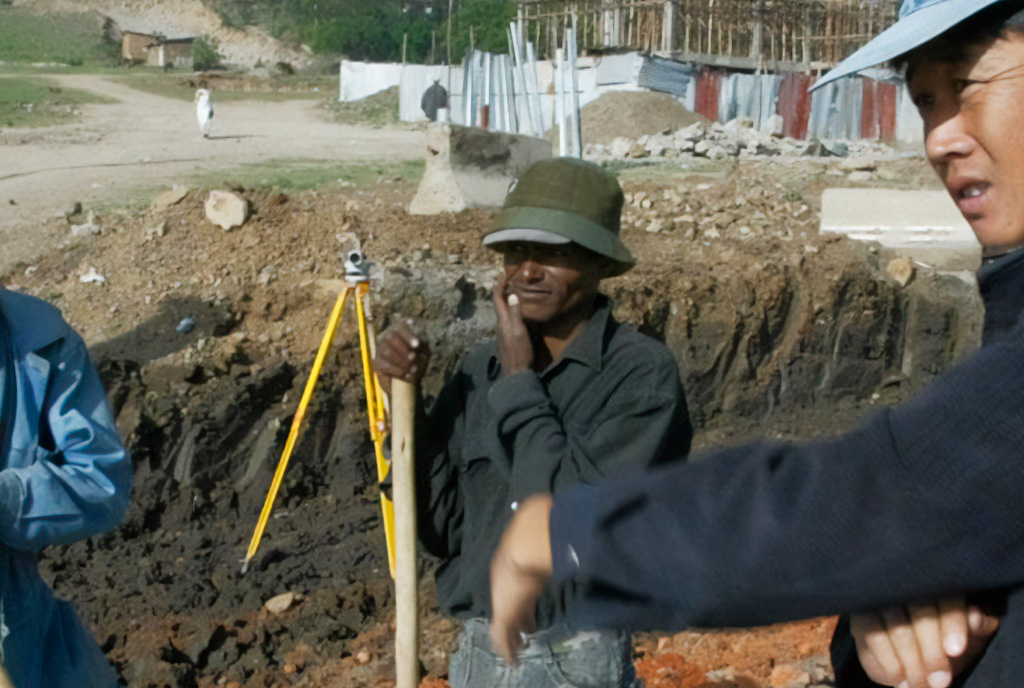
Made in China. In fact, made by China. The country is pouring hundreds of millions of dollars into Ethiopia's infrastructure.
Beyond coffee and pasta, Ethiopia thrives when it comes to roads.
Other African countries have roads too, but few can match the ones in Ethiopia.
Quality asphalt appeared thanks to massive Chinese investment: in the decade leading up to 2016, China is estimated to have poured $21.52 billion into Ethiopia's infrastructure.
Anyone who has entered Ethiopia from Kenya via the treacherous Marsabit route (riddled with potholes, robbers and bandits) will confirm the difference a good road makes.
The stunning mountain views from Ethiopia's highways don't hurt either.
Tanks... Lots of Tanks
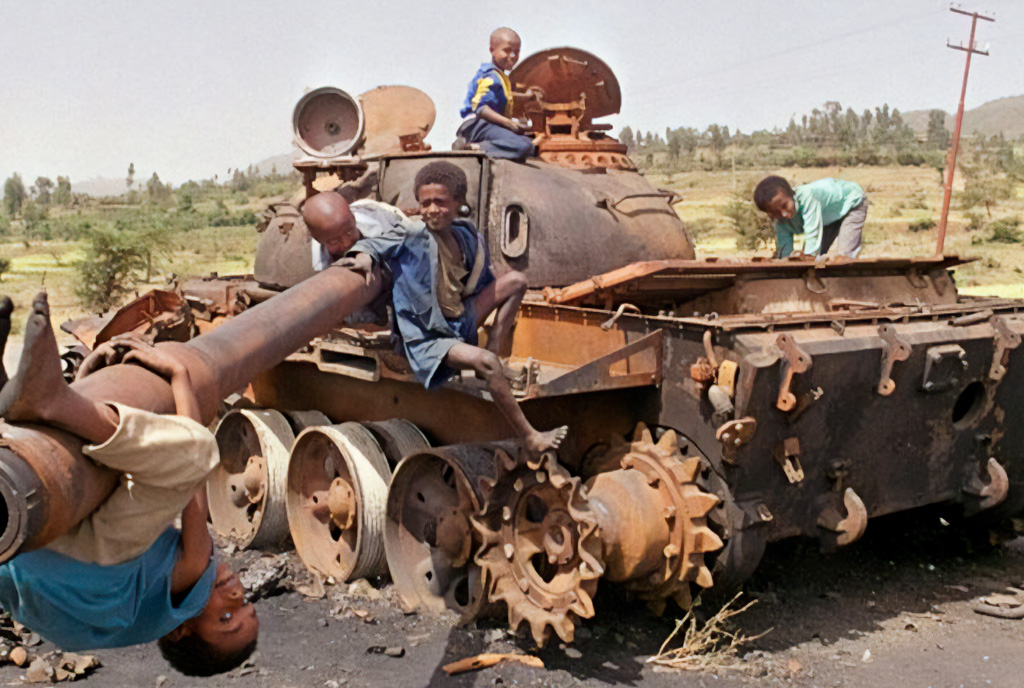
Swords into plowshares, or in Ethiopia's case, tanks into unusual playgrounds for children.
Don't worry: unless you get horribly lost and wander into Somalia, the tanks you'll see by the roadside are the burnt-out remains of the Eritrean-Ethiopian War (1998-2000).
Scattered across the country, these decommissioned military vehicles stand as ominous reminders of Ethiopia's troubled past, and serve as playful climbing frames for local kids.
Underground Churches
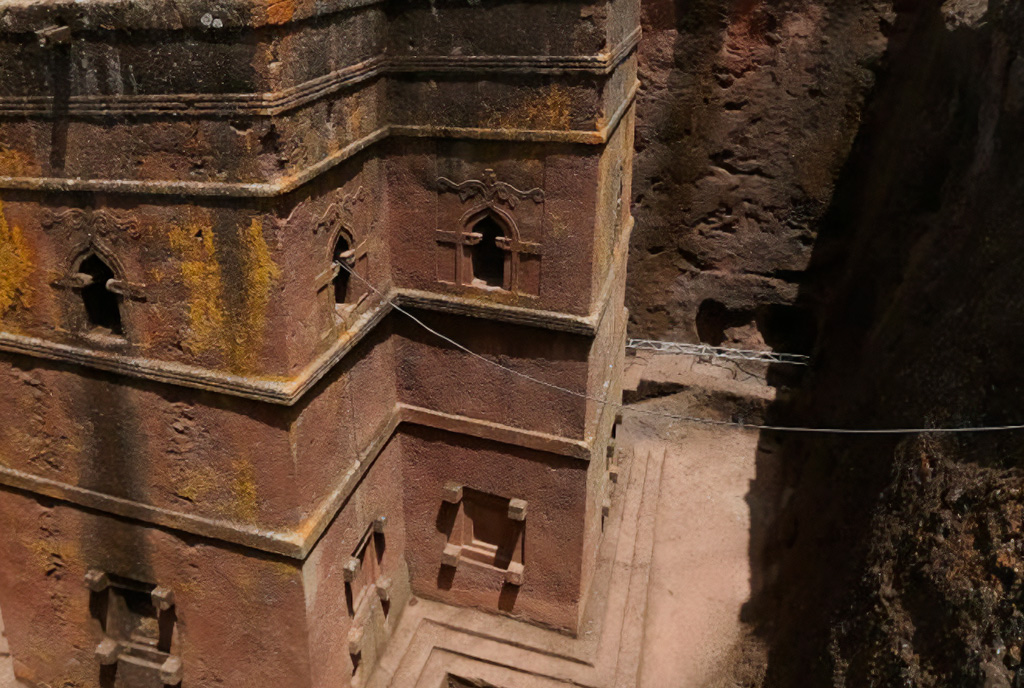
The monolithic churches of Lalibela still astonish nine centuries on.
Ethiopia buckles under the weight of its cultural treasures, such as those at the UNESCO World Heritage site of Lalibela.
In the late 12th century, Gebre Meskel Lalibela ordered 13 churches carved (Ethiopia is one of the oldest Christian nations) out of solid rock.
His achievement (meaning the achievement of his stonemasons and slaves) is still incredibly impressive nine centuries later.
Lalibela, the first major landmark on the Northern route, is a 10-hour drive from Addis Ababa.
Head north on Route 1, passing through Debre Birhan, Kombolcha and Dessie. At Weldiya, leave the highway and take the westbound road toward Gashena.
At Gashena, turn onto the road heading north to Lalibela.
Martian Landscapes
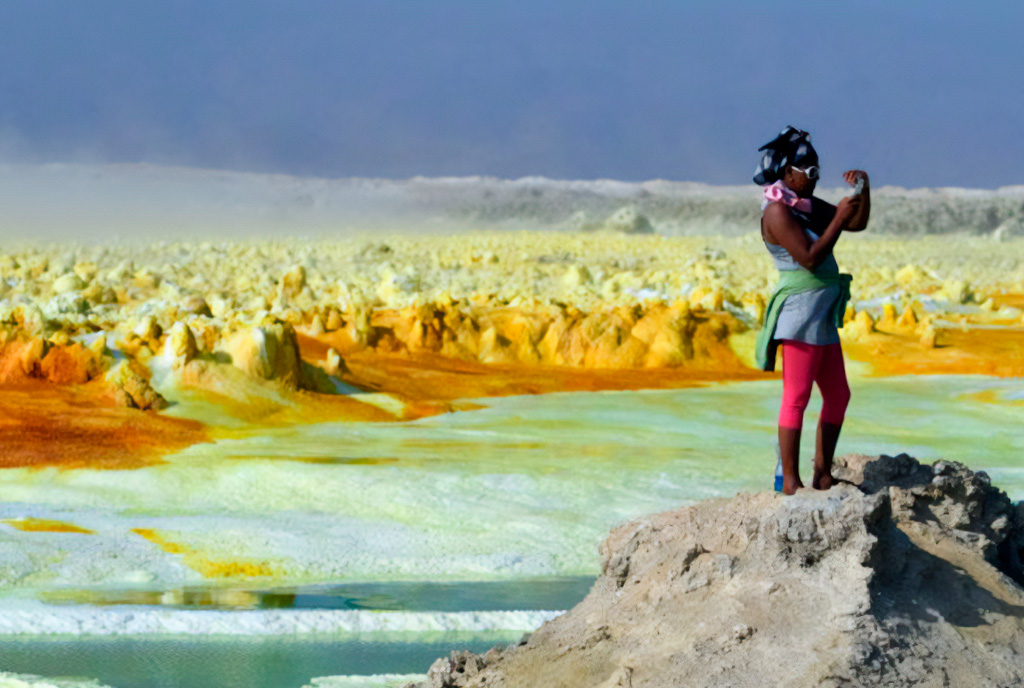
"The cruelest place on Earth?" Beautiful, though.
Set in the restless Afar region on the border with Eritrea, the Danakil Depression is dotted with volcanoes and salt lakes and ranks among the hottest places on the planet.
So why visit what National Geographic calls "the cruelest place on Earth"?
Well, it is also one of the most breathtaking natural spectacles you'll ever see in Africa, or anywhere else.
With its harsh, hard-to-navigate terrain, it is also one of the few places in Ethiopia where you shouldn't travel alone: most people go with an escort or as part of a convoy.
Tours can be arranged in Addis Ababa. The well-regarded Ethio Travel and Tours agency charges around $600 for a four-day trip.
Men-Only Monasteries
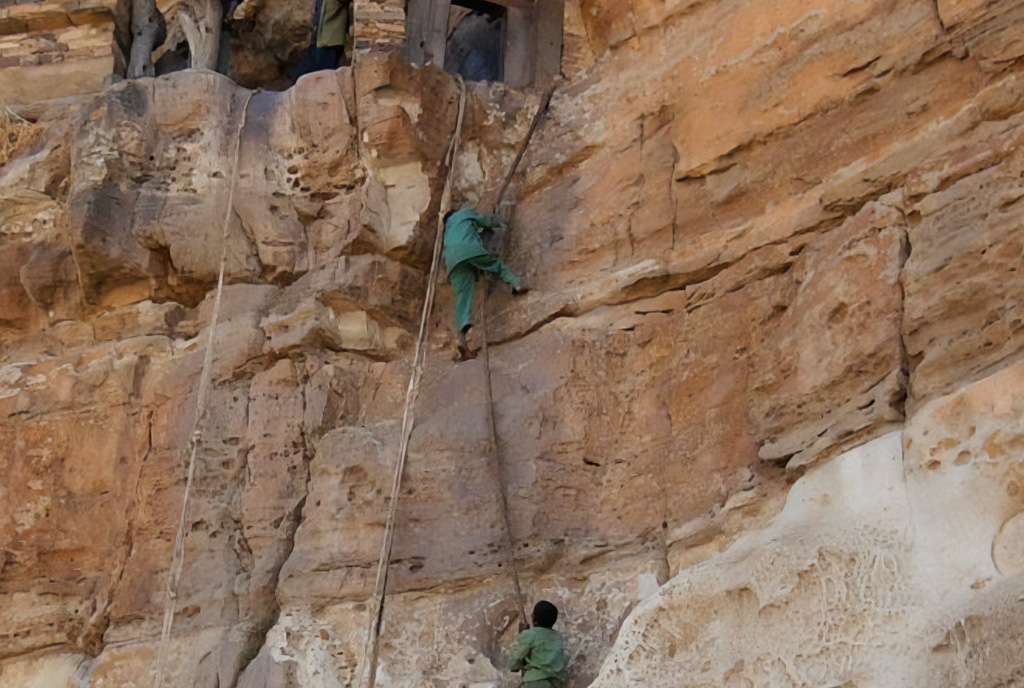
Debre Damo holds some of the oldest Christian writings in Africa. Gentlemen: you'll have to describe it to the ladies.
Not far from the main road between Lalibela and Axum sits Debre Damo, a monastery you can only reach by scrambling up a 15-meter cliff.
There is, however, a discriminatory entry policy: only men are allowed to make the perilous climb to the monastery.
The rule applies not just to human women; even female livestock, apparently, risk distracting the monks from their holy contemplation.
Men who dare the ascent are rewarded with stunning views, along with the chance to glimpse some of the oldest Christian writings in Africa.
Be careful, as unofficial "guides" will try to extort an inflated fee for their services before letting you back down the cliff, so agree on a price in advance.
Debre Damo is conveniently visited on the way to Axum.
The monastery lies near the small town of Bizet, a 12-hour drive north of Addis Ababa and about 50 kilometers west of Adigrat, the last stop on Route 1 before you turn west onto Route 15.
Follow the road toward Bizet and watch carefully for the turnoff to Debre Damo on your right.
The Ark of the Covenant
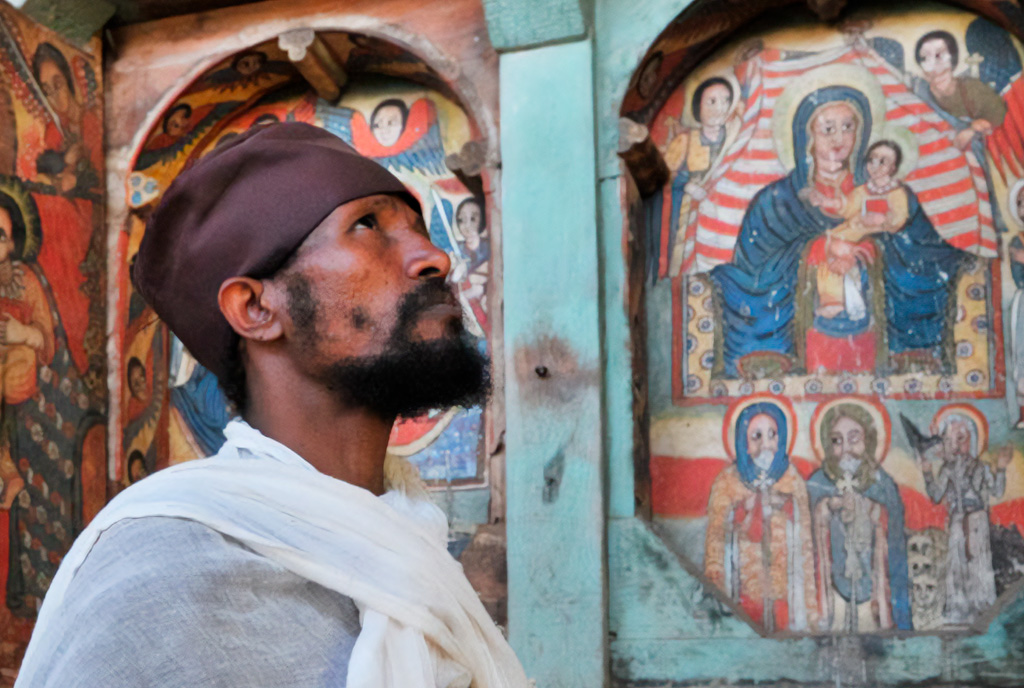
The lost Ark? In Ethiopia?
Someone should have told Indiana Jones before he set off for Cairo.
According to enthusiastic local sources, the historic city of Axum, center of the Axumite Empire (100-940 AD), is the resting place of the Ark of the Covenant.
There is just one catch: nobody is actually allowed to see it.
The closest you can get is by paying a few dollars to one of the tracksuit-clad men who play guardians outside the temple where the Ark is supposedly kept.
Fortunately, Axum is full of ancient tombs and other landmarks, making a trip to one of Ethiopia's northernmost cities worthwhile, with or without the Ark.
While Axum can be reached by a minor road west of Mekele, travelers who also want to visit Debre Damo monastery should take Route 1, turn west onto Route 15 at Adigrat, and join Route 3 at Adwa.
Roadside Rastafarians
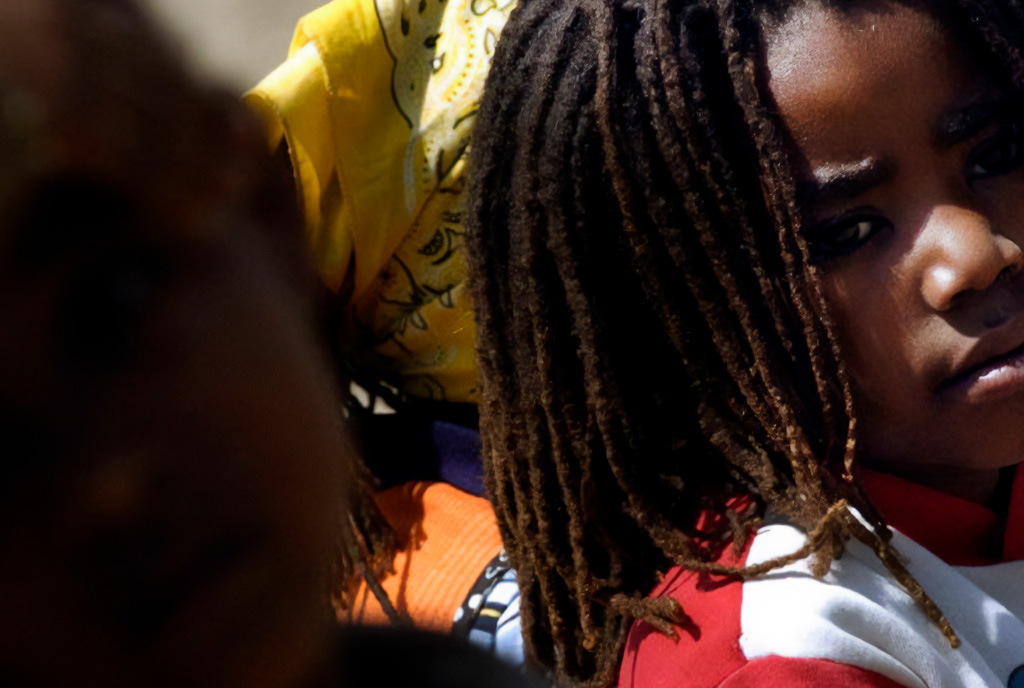
The Rastafari movement is most often associated with Jamaica, yet it was Ethiopian emperor Haile Selassie who inspired the religion.
Ethiopians take pride in their former ruler's supposed status as an incarnation of Jesus, and some have adopted the dress and lifestyle of their Jamaican brethren, which makes encountering them in the Simien Mountains all the more surprising.
The roadside Rastas you're likely to meet are a friendly bunch, happy to tell you about local landmarks (often linked to the tall cliffs from which Italian soldiers were thrown), while also selling red, green and yellow caps and accessories.
A Fairytale Kingdom
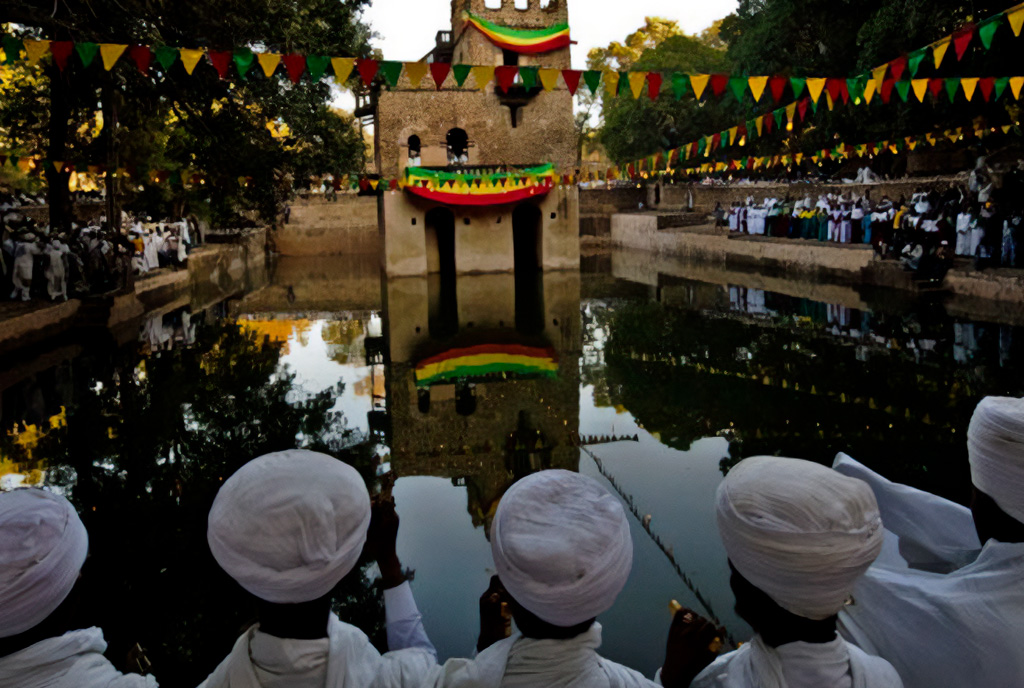
British and Dutch colonial buildings draw the most architectural attention in East Africa, but Ethiopia stands out once again as the only country on the continent with its own fairytale castles.
Besides a few charming Art Deco buildings left over from the Italian occupation, the castles of Fasilides, Iyasu and Mentewab in the former imperial capital of Gondar are structures that stay with you.
Gondar is a five-hour drive southwest of Axum. Follow Route 3 through the Simien Mountains.
A good place to stop is Debark, with its mountain views.