

France has Lourdes, India has the Ganges. And Ethiopia has Gondar.
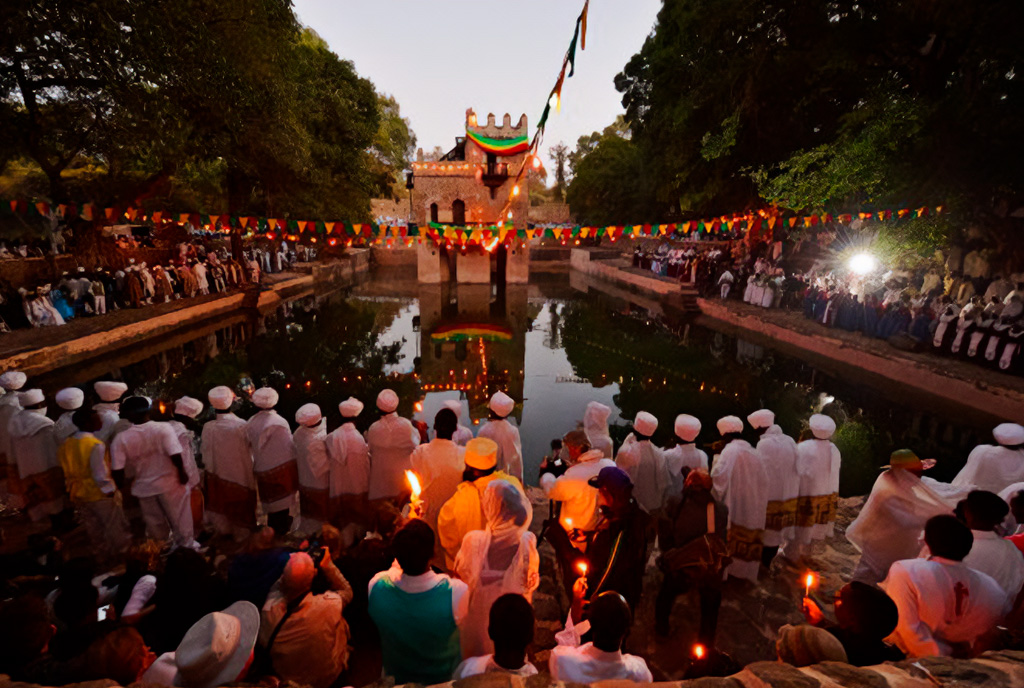
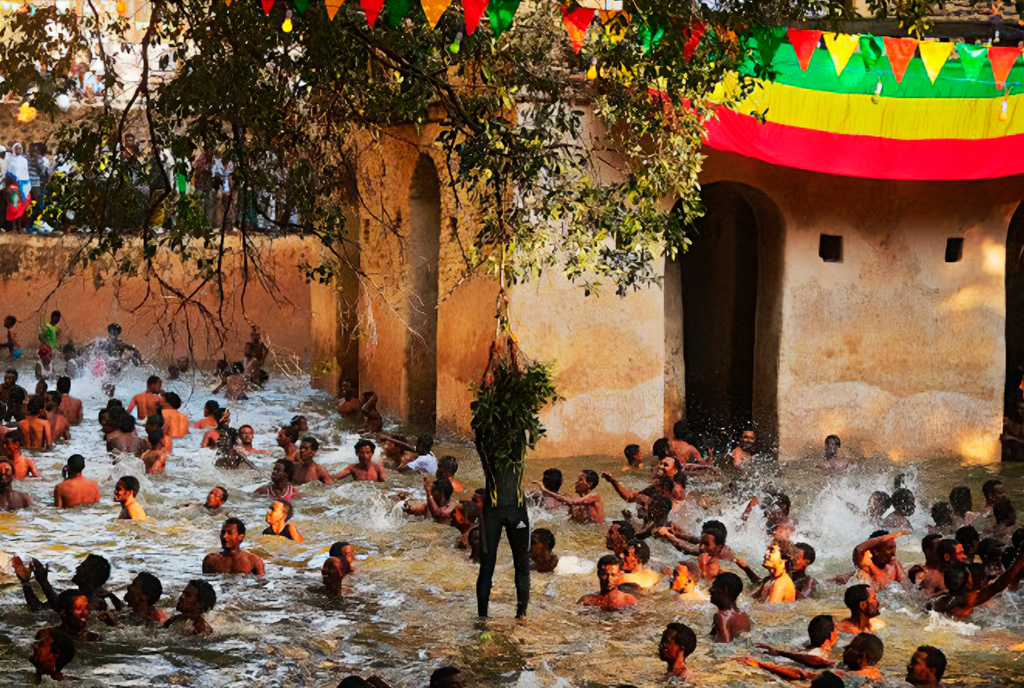
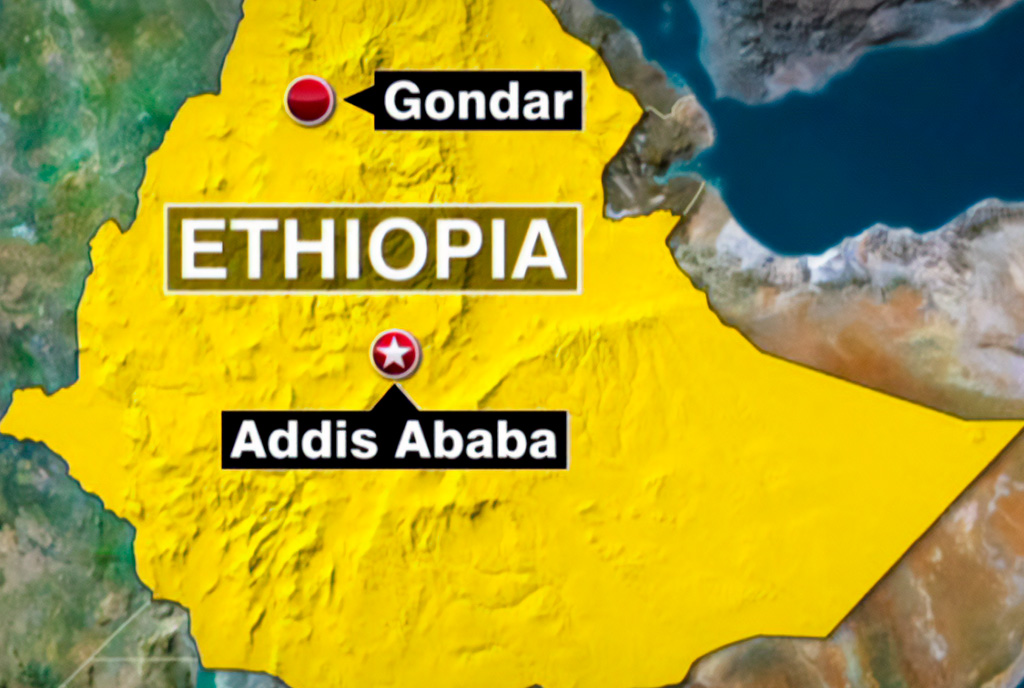
Set roughly 720 kilometers north of Addis Ababa, ringed by hills and towering trees, and dotted with 17th-century relics from the city's golden age (when it served as the country's capital), Gondar can feel a little remote today. Yet during the religious festival of Timkat, the city fills with pilgrims who come to reenact the baptism of Jesus in the River Jordan and to immerse themselves in the holy waters of the historic Fasilides Bath.
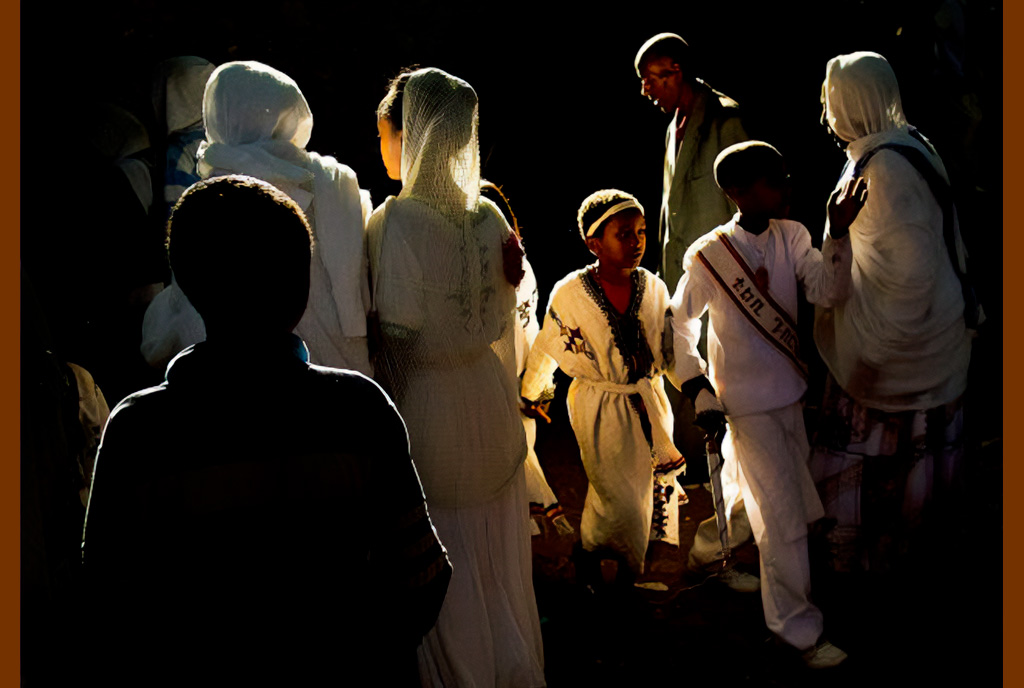
Nearly two thirds of Ethiopia's 94 million people are Christian, and most of them belong to the Orthodox Church. For them, Timkat, the celebration of Epiphany, is one of the most important events of the year. It is a two-day affair that opens with a procession of the "tabots," sacred replicas of the Ark of the Covenant, the holy chests described in the Book of Exodus as carrying the stone tablets on which the Ten Commandments were written.
Partner links: booking through them supports the blog at no extra cost to you.
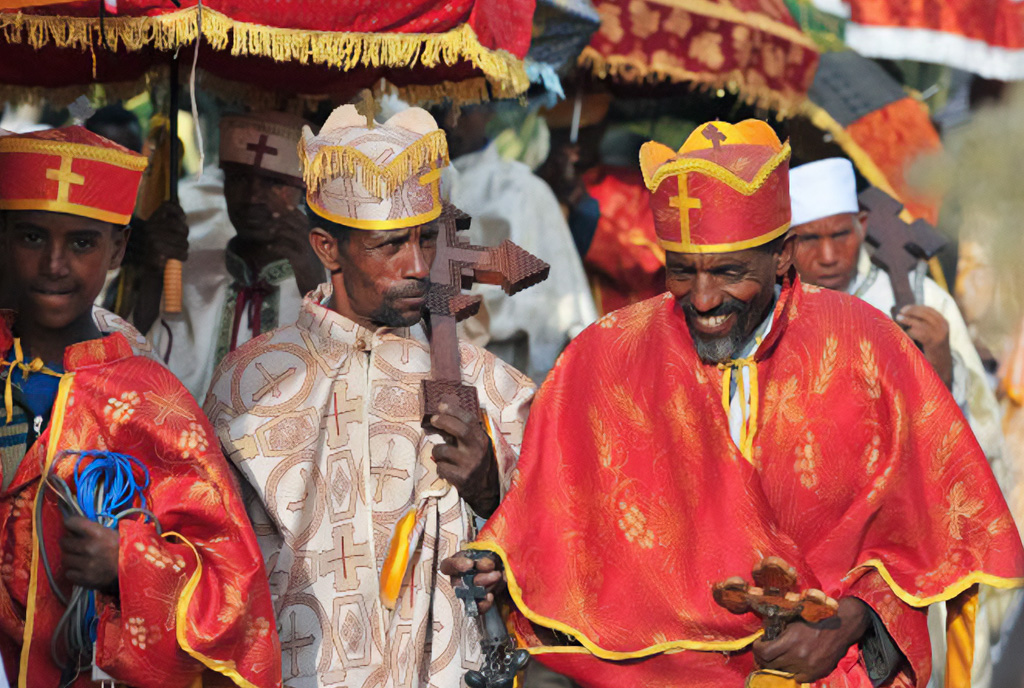
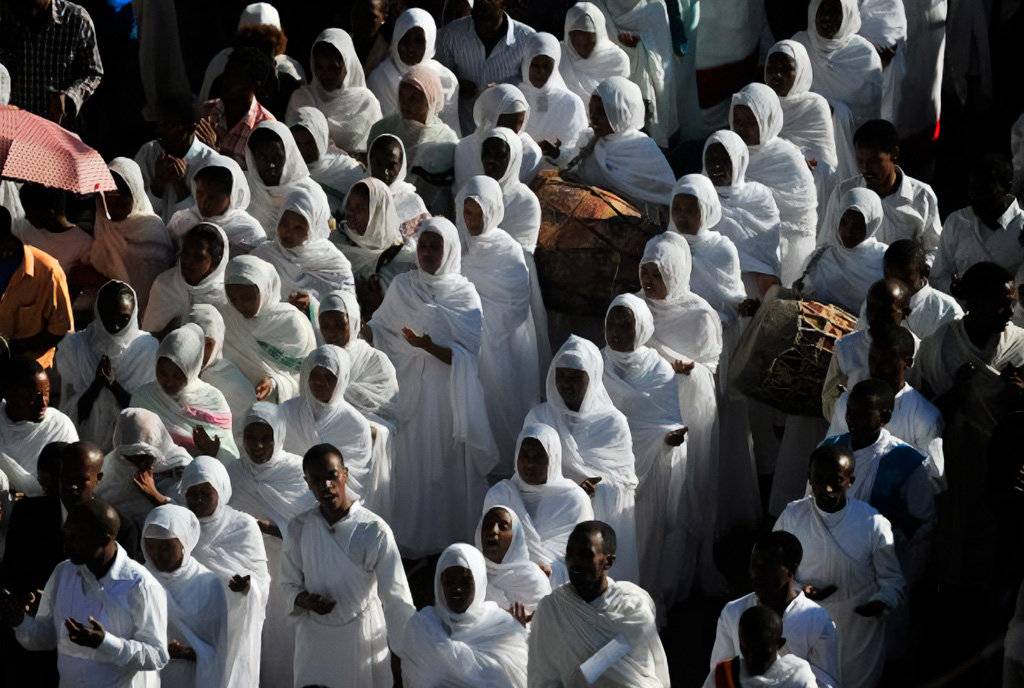
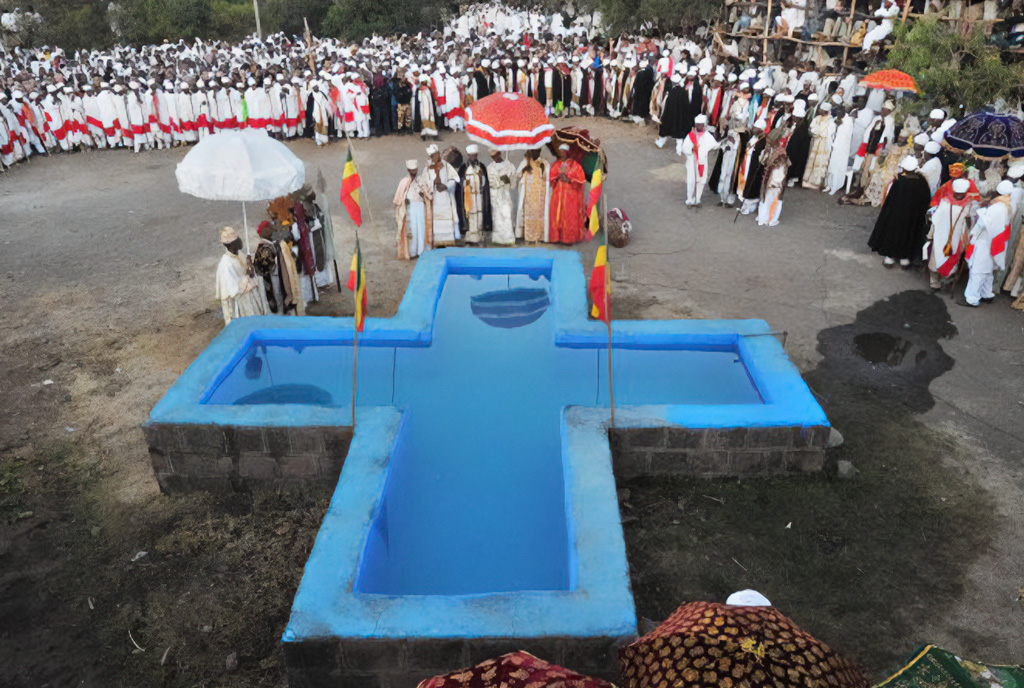
The tabots are wrapped in cloth and placed atop the heads of Ethiopian Orthodox Christian priests, who make their way through the streets to the bath. The priests, dressed in ceremonial robes, are accompanied by drums, applause, and the singing of the faithful, who keep an overnight vigil until dawn.
The following morning, services are held and reach their climax as the priests bless the waters of the historic bath, while onlookers fill every corner around the pool, some claiming an excellent view from the surrounding trees.
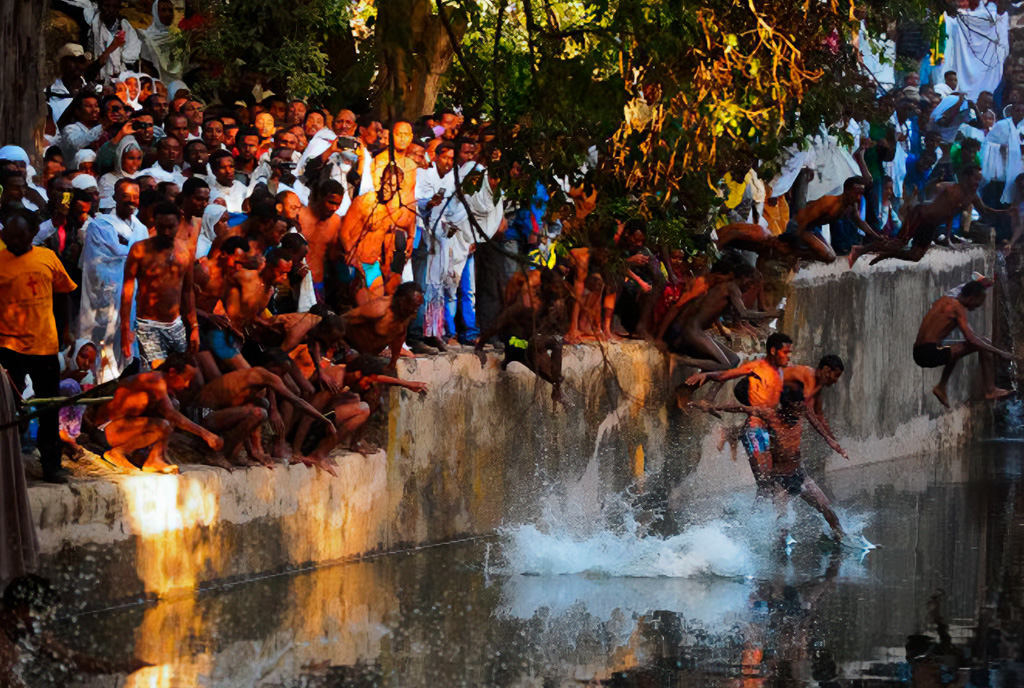
When the priests finish, the mood turns joyful and the crowd rushes to leap into the pool.
"The water is blessed in the name of the Holy Trinity... in the name of God. The water is sacred now, and the sick will be healed," explains Ezra Adis, head priest of the local Medhanealem church.
"That's why the young people who jump in first are so excited; it's spiritual love," he adds.
The plunge happens so quickly that some participants pick up bruises along the way, though most pay little mind to a few scrapes.
"I jumped from a great height," boasts one man who dove into the water from one of the surrounding trees.
"I was afraid," he adds. "The branches could have snapped, and you could have fallen onto the stone edge of the pool, and there was a chance I could have lost my life, but in that moment I'm doing what I love, and that possibility of death doesn't frighten me."
The Timkat festival dates back to the 16th century, but it was celebrated only in churches until baptismal ceremonies were introduced, explains Bantalem Tadesse Tedla, a historian at the University of Gondar.
Baptisms, usually held on January 19, are celebrated differently in other parts of the country. "There are three variations of Timkat," Tedla says. "Immersion, collecting water from three pipes and pouring it over people, or gathering water and sprinkling it; it depends on how much water is available.
"In Gondar, the first option is carried out, thanks to the existence of this very important building," he adds, referring to the stone bath, a UNESCO World Heritage site built in 1632 for King Fasil (Fasilides).
By the end of the day, people begin to leave the pool and return to the streets, but the celebrations are far from over. Each tabot is now carried back to its respective church, and crowds of onlookers are eager for one last glimpse of them.
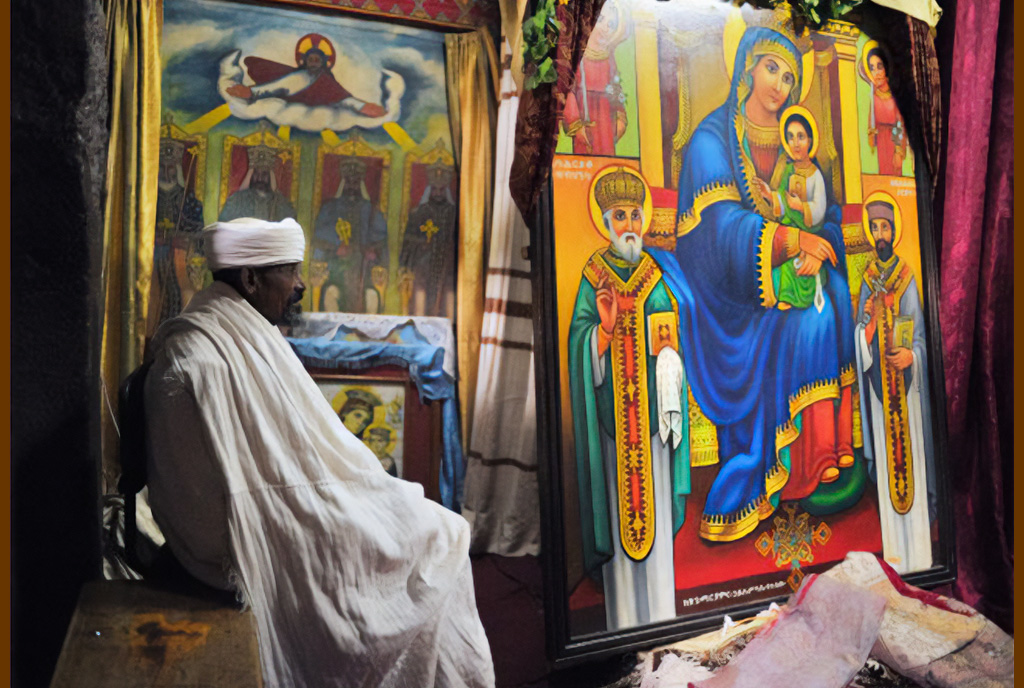
Inside the churches, the atmosphere is different, quieter. Worshippers fill the church grounds to hear the closing service, and after the final prayer it is time to return the tabot to its resting place inside the church.
The locals will eventually head home for a special feast, but in the meantime the celebrations in the streets of Gondar carry on, a chance for Orthodox Christians to rejoice and gather together on one of the holiest and most festive days of the year.