

The storm that battered the Edwin Fox in February 1873 might sound dramatic.
It is just one of many stories tied to this vessel, which, nearly 150 years on, is the last surviving ship to have carried convicts from England to Australia. Not to mention that it also brought passengers to New Zealand, ferried soldiers off to fight in the Crimean War, hauled cargo across the oceans, and even played a part in making New Zealand a byword for sheep.
Against such a rich history, the way the Edwin Fox came to rest in a seaside town at the top of New Zealand's South Island is no less dramatic.
Partner links: booking through them supports the blog at no extra cost to you.
Indian Origins, Global Reach
In the mid-19th century, the sun seemed never to set on the British Empire. Stretching across the globe, the towering masts and billowing sails of its merchant fleet were as familiar a sight in ports as jet planes are at airports today.
Against that backdrop, the origins of the Edwin Fox were nothing remarkable. Karen McLeod, manager of the Edwin Fox Museum, says the ship was built in Kolkata, or Calcutta, as the Indian port was then known, from teak, a wood prized in shipbuilding.
It was built in 1853, making the Edwin Fox older than London's Cutty Sark. At 157 feet long (about 48 metres), it was a big ship.
According to Adrian Shubert and Boyd Cothran, a professor and an associate professor of history, respectively, at York University in Toronto and authors of the book "The Edwin Fox: How an Ordinary Sailing Ship Connected the World in the Age of Globalization," vessels like the Fox went wherever the work was.
The Convict Connection
Although the Edwin Fox took part in events like the Crimean War of the 1850s (carrying soldiers; the legendary nurse Florence Nightingale mentioned the ship in a letter, though it is unknown whether she ever sailed on it), the vessel is perhaps best known for transporting convicts to Australia. In fact, it is the last surviving ship to have carried convicts to Australia.
In 1858, the ship won a contract to carry convicts from England to Australia. Among them were William Tester and James Burgess, two of the four men convicted in the "Great Gold Robbery," in which around 12,000 pounds' worth of gold was stolen from a train in 1855 (roughly 1.88 million US dollars today). The story was later turned into a novel by Michael Crichton and a film based on it, starring Sean Connery and Donald Sutherland.
On board, convicts were often shackled in irons in case they tried to seize the ship or escape. Despite the danger, many of the guards brought their families along, and three children were even born during the voyage.
As perilous as the Fox's voyages were, there were no pirate attacks. McLeod notes that the Edwin Fox was not built for combat. It did not even carry cannons, though gun ports were painted on its sides so that would-be pirates might think otherwise.
England to New Zealand for 2,700 Dollars in Cramped Cabins
More than a decade later, the Edwin Fox once again carried people to the other side of the world. This time they were not convicts.
The Edwin Fox "brought around 800 people to New Zealand," McLeod explains of the ship's voyages in the 1870s, which began in England and usually took three months one way. Today, many New Zealanders can trace their ancestry back to immigrants who arrived on the Edwin Fox.
McLeod says a ticket typically cost 16 pounds, about 2,700 US dollars today. But the conditions of the journey made even the most modest economy-class flight seem luxurious.
The cabins were cramped. The ship pitched on the waves, especially during storms, one of which, in 1873, claimed many lives. The toilets were meagre. The food was usually dreadful. The tight, foul-smelling, damp conditions helped spread disease. McLeod says one person even died after breaking a leg and being unable to get proper treatment.
"These were not people of the world (who travelled on the Fox), but, I would say, very brave," she says.
"Some were tricked into believing they had bought land, and many were told that New Zealand was a Pacific island with banana plantations where it rarely rained."
Revival and Rediscovery
The invention of steamships cut the travel time between England and New Zealand to about six weeks. The Edwin Fox was refitted as a mutton-freezing works.
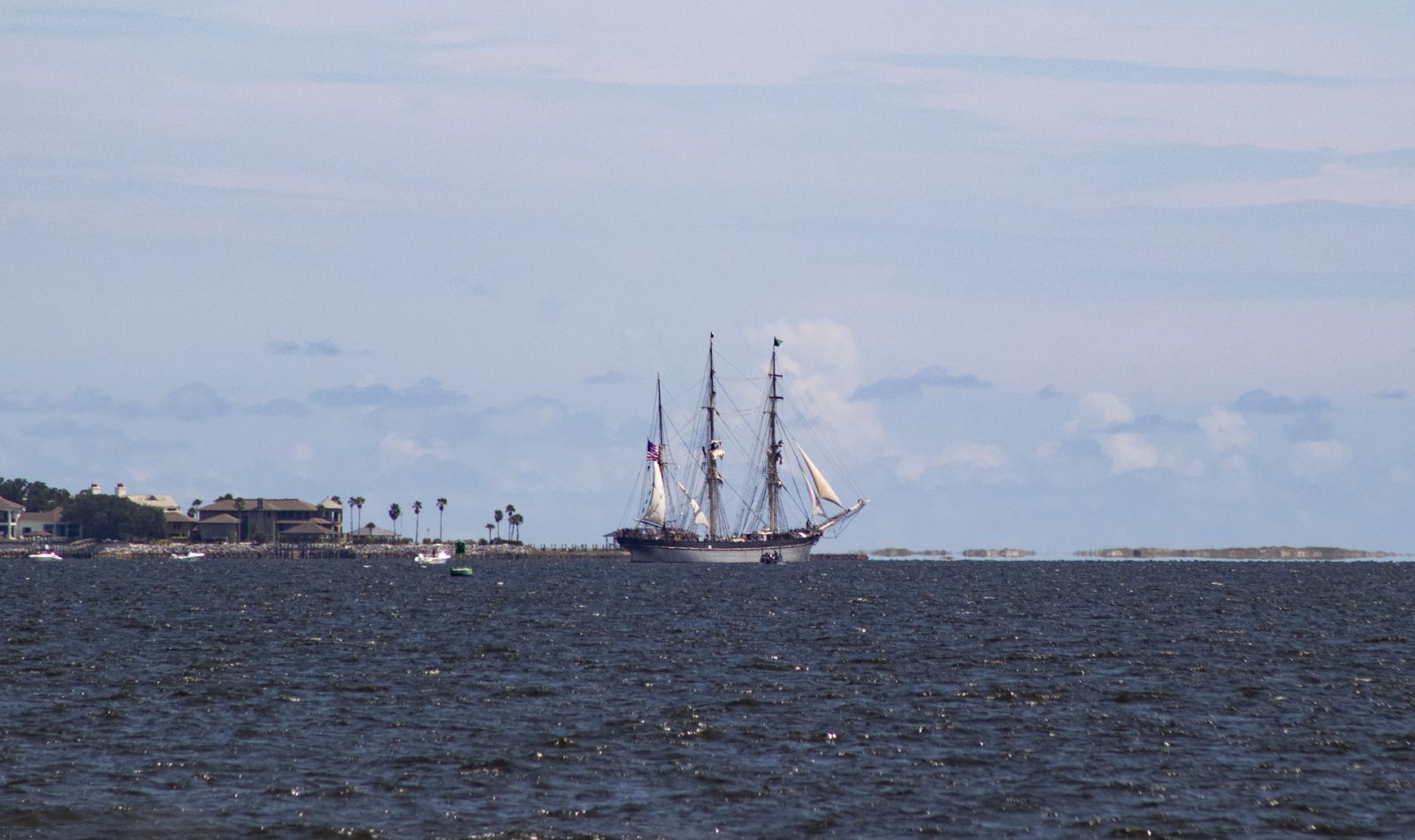
At first the Edwin Fox was based near Dunedin, on the southeast coast of the South Island (the largest of New Zealand's main islands), before being moved to the town of Picton, at the top of the South Island.
A new freezing works was built, and the ship was repurposed once again. It was converted into a coal store, until that, too, was overtaken by technological progress.
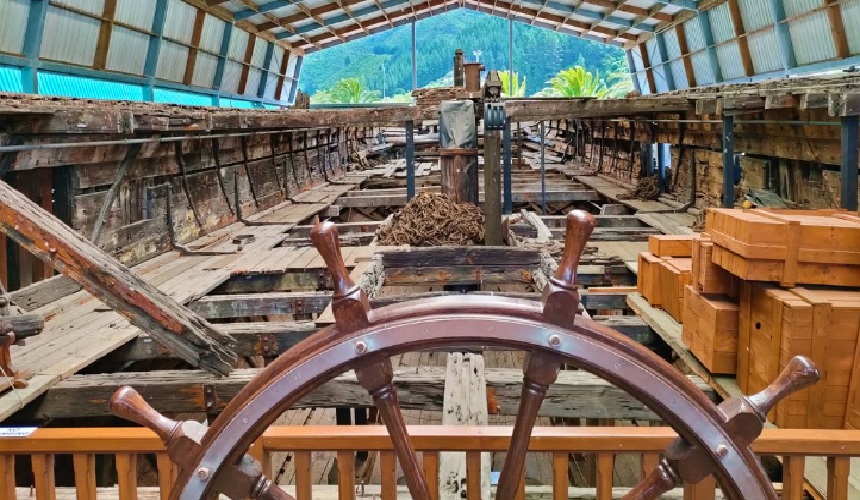
In the end, the ship was rescued by the Edwin Fox Society, handed over to the Marlborough Heritage Trust, and today sits in the museum that bears its name in Picton.
McLeod says the museum has traditionally been more popular with overseas visitors. But with the borders still largely closed, more and more New Zealanders are discovering the Fox for themselves.
It is more than just a relic of the past. Shubert and Cothran sum it up: "Understanding what globalization meant in the 19th and early 20th centuries, that it had many losers as well as winners, and that it involved many unexpected connections and consequences, is important to keep in mind as we try to make sense of the globalization we live in today."