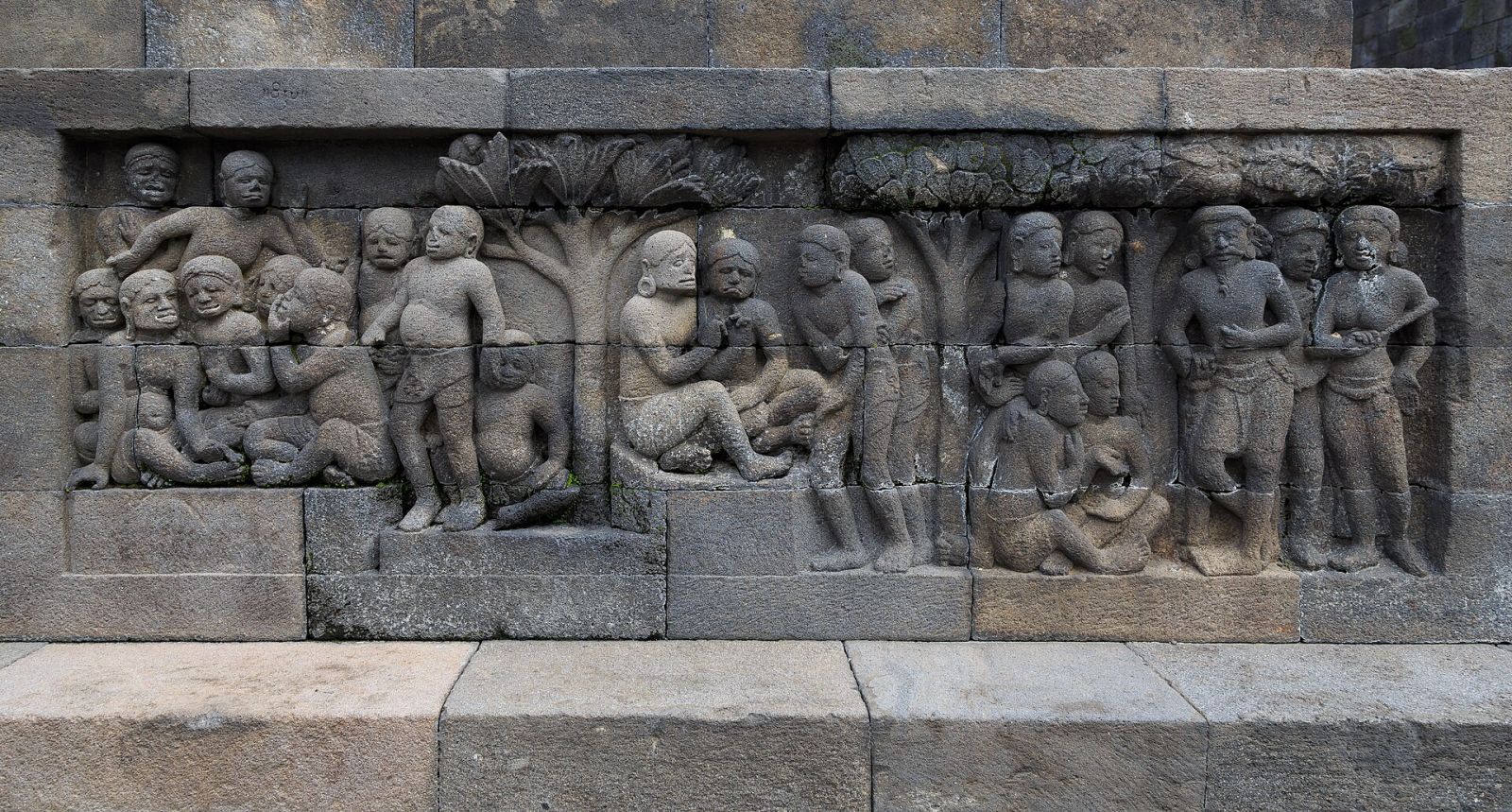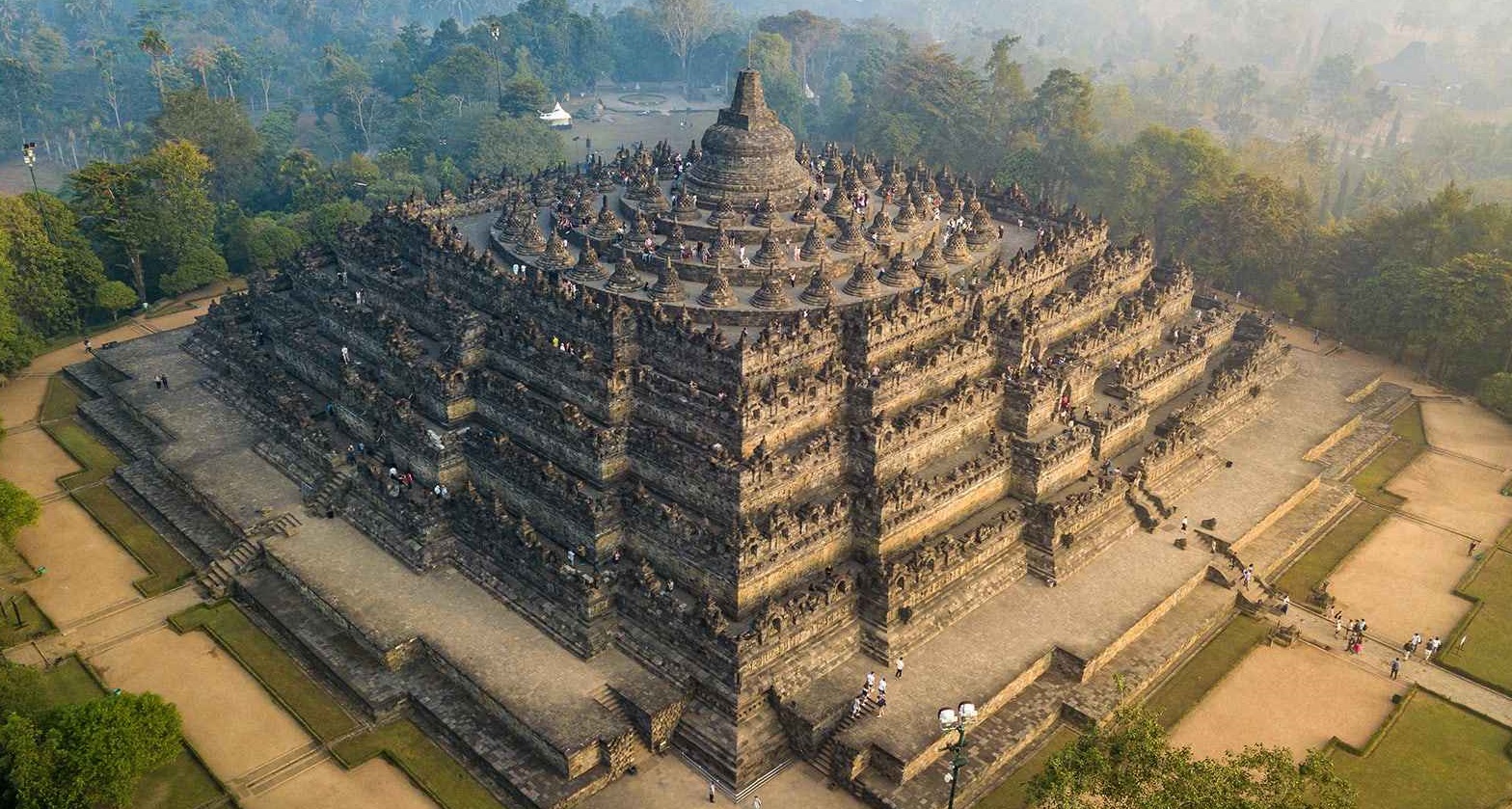


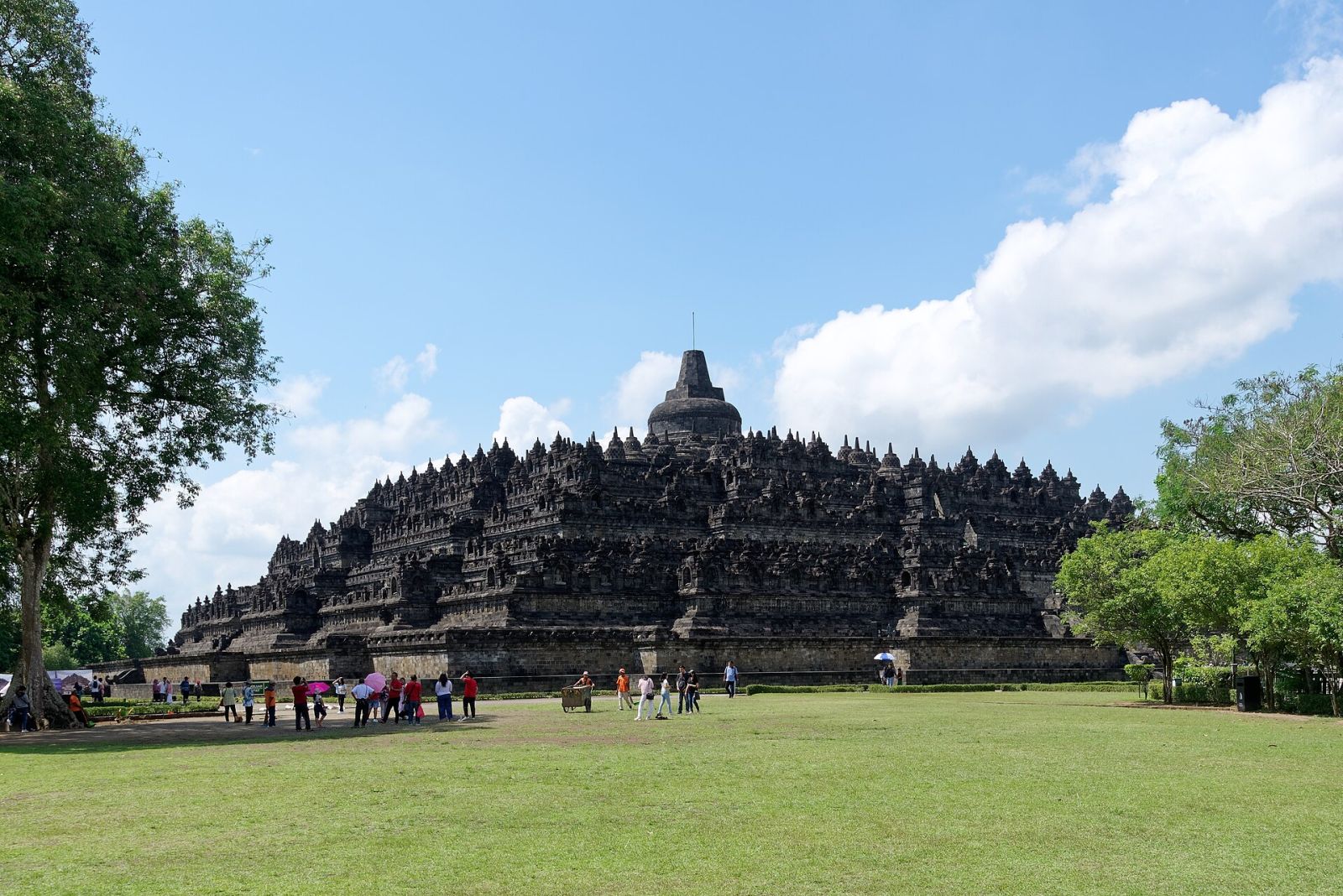
Borobudur, one of Indonesia's most popular landmarks, is about to see a steep price hike from government authorities in a bid to "preserve the country's historical and cultural wealth."
"We have agreed to cap the tourist quota at 1,200 people per day, at a cost of US$100 for foreign visitors and 750,000 rupiah (US$71) for domestic visitors," said Coordinating Minister for Maritime Affairs and Investment Luhut Binsar Pandjaitan in a post on his official Instagram page on Saturday, June 4. At present, tourists entering the site pay a flat fee of US$25 per person.
Under the new rules, foreigners visiting Borobudur must be accompanied by a local guide at all times. There are also plans to introduce electric shuttle buses to move tourists around the temple and its surrounding areas.
Partner links: booking through them supports the blog at no extra cost to you.
"We are doing this to create new jobs and, at the same time, to strengthen a sense of belonging to this region, so that a sense of responsibility for these historic sites keeps flourishing among the younger generation in the years to come," Luhut said.
"We are taking these [steps] purely for the sake of preserving the rich history and culture of the archipelago."
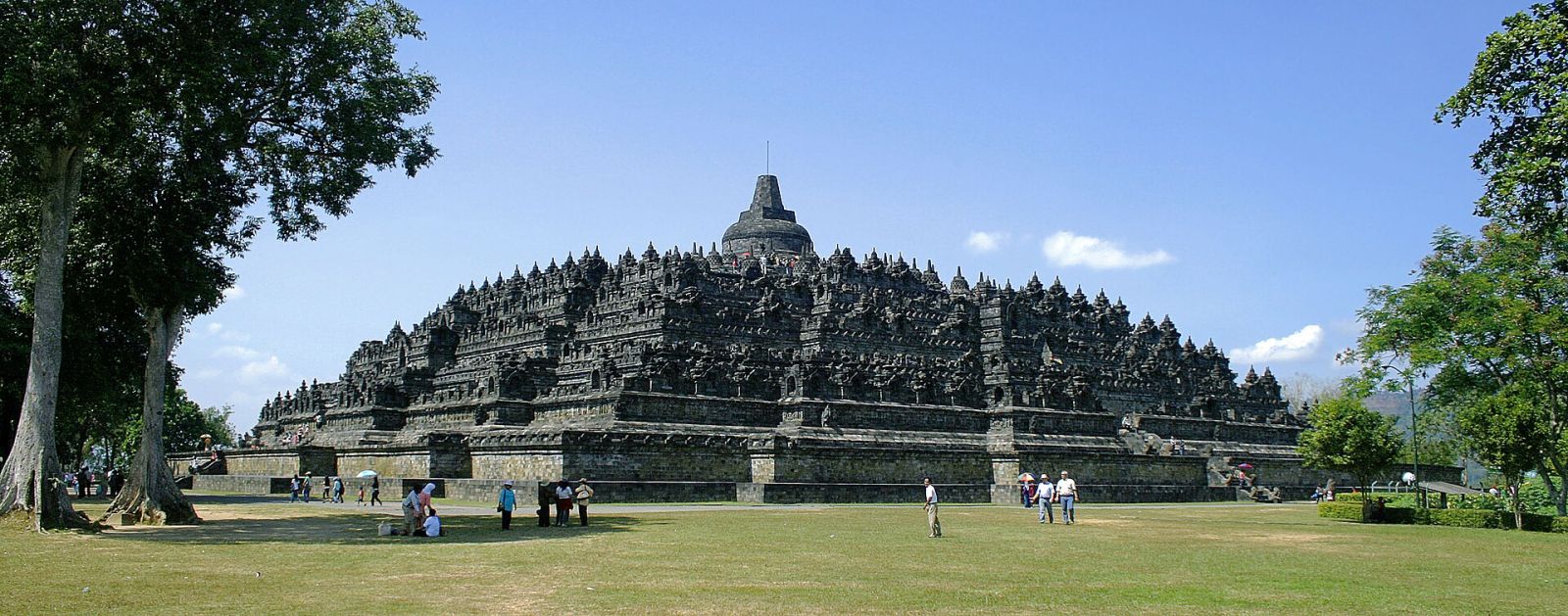
Sunrise over the ancient Borobudur temple in Indonesia's central province of Java.
Borobudur, located near the city of Yogyakarta in Indonesia's Central Java province, was built in the 9th century and has survived through several restorations. In 1982 it was added to UNESCO's list of World Heritage Sites, and before the pandemic it drew tens of thousands of visitors every day.
The temple, with its nine platforms crowned by a grand central dome surrounded by seated Buddha statues, is a striking example of Javanese Buddhist architecture.
Borobudur is often compared to another vast religious site, Angkor Wat. The Cambodian temple complex has a different style and history, but it also requires all foreigners to be accompanied by government-licensed guides and periodically raises ticket prices for non-Cambodians.
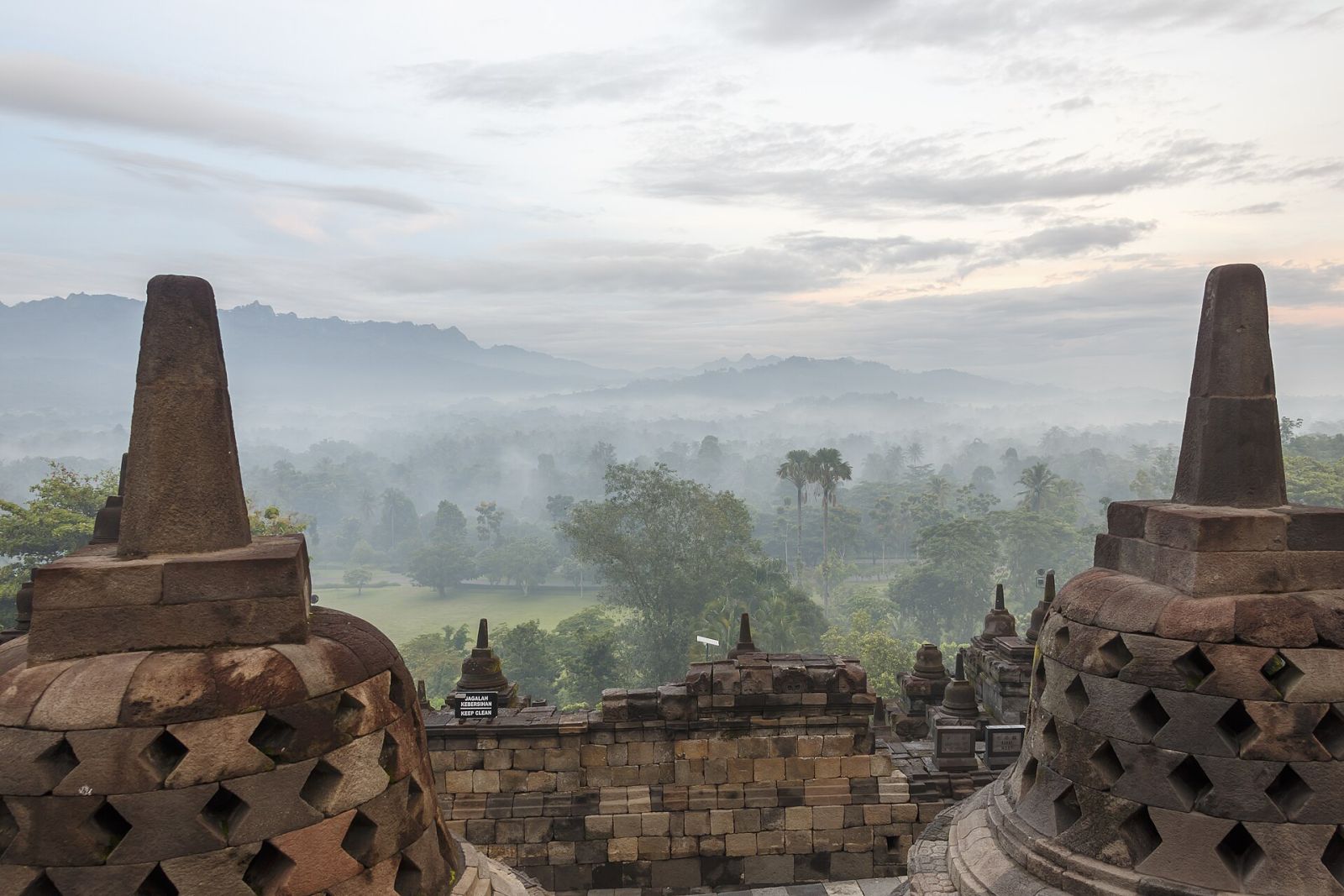
As international travel picks up momentum, several popular destinations remain off-limits to tourists.
The Indonesian government's proposal to raise the cost of visiting Borobudur has sparked a heated reaction online.
Stuart McDonald, co-founder of Travelfish, a travel site covering Southeast Asia, pointed out that foreign travelers make up only a "tiny minority" of Borobudur's visitors. "The scale of this price increase came out of the blue and seems somewhat ill-considered," McDonald said.
"Borobudur is a key Indonesian landmark and is often cited as a highlight of the island of Java... so we should be wary of overstating the importance of foreign tourists to Borobudur's financial viability."
"The most important question may be whether foreign tourists will cut short their time in Yogyakarta or drop the city from their plans altogether," he continues. "I'd cautiously say yes. The ripple effect could be significant."
Even after the price increase that took effect in 2017, ticket sales at Angkor Wat still surged sharply that year, topping US$100 million and dispelling observers' fears that higher prices would put foreigners off visiting the site.
But will the same hold true for Borobudur?
Locals who work nearby, such as Ade Wijayasto, have their doubts. "Raising ticket prices will only scare people away from visiting Borobudur," says Ade, a tour guide, adding that many Borobudur guides have already lost enormous income due to the absence of tourists during the pandemic.
"A lot of us are still recovering," he said. "We thought reopening Borobudur would be good news, but [the government] only made things worse."