

The old phrase "cheeky monkey" turns out to have some truth behind it, at least according to a new study of primate behavior.
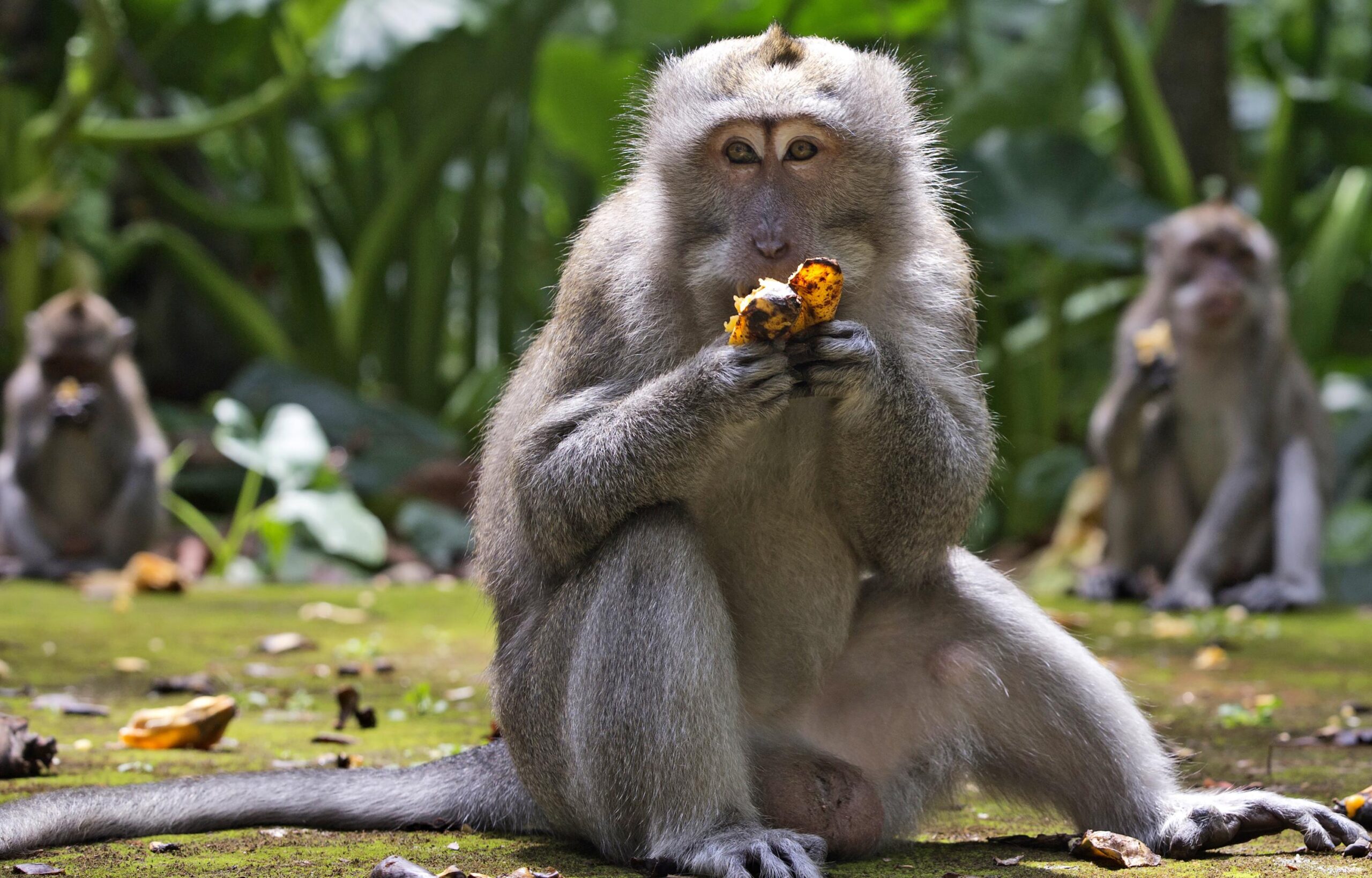
The paper, published in the journal of the Royal Society, looked at the monkeys living around the Uluwatu Temple in Bali, Indonesia, which routinely snatch belongings from people (bags, hats, sunglasses, tablets and phones) and hold them hostage in exchange for a food offering.
The research found that adult wild long-tailed macaques were smart enough to work out which items mattered most to visitors, such as electronic devices, and would only give them back once they had received food they judged to be worth the trade.
Partner links: booking through them supports the blog at no extra cost to you.
The authors said this behavior reveals "unprecedented economic decision-making processes" among the monkeys observed during the study.
A Grasp of Economics
Researchers from the University of Lethbridge in Canada and Udayana University in Indonesia noticed that, beyond being able to "use objects as symbolic tools to request specific food rewards," the monkeys' knack for successful bartering grew with age and experience.
According to the authors, "clear behavioral associations were observed between the value-based possession of tokens and the quantity or quality of food rewards rejected and accepted by adult and subadult monkeys," with older monkeys "preferentially" going for the more valuable items.
The study, published on Monday, was carried out over 273 days between 2015 and 2016, with follow-up observations made in 2019.
The scientists filmed the monkeys as they eyed a visitor, quietly moved in, grabbed an item and then stepped aside to wait for an offering.
Adult monkeys would rack up "multiple food rewards before returning a token" when the item was high in value, and were "more likely" to accept a "less preferred food reward" in exchange for a less valuable item, the study noted.
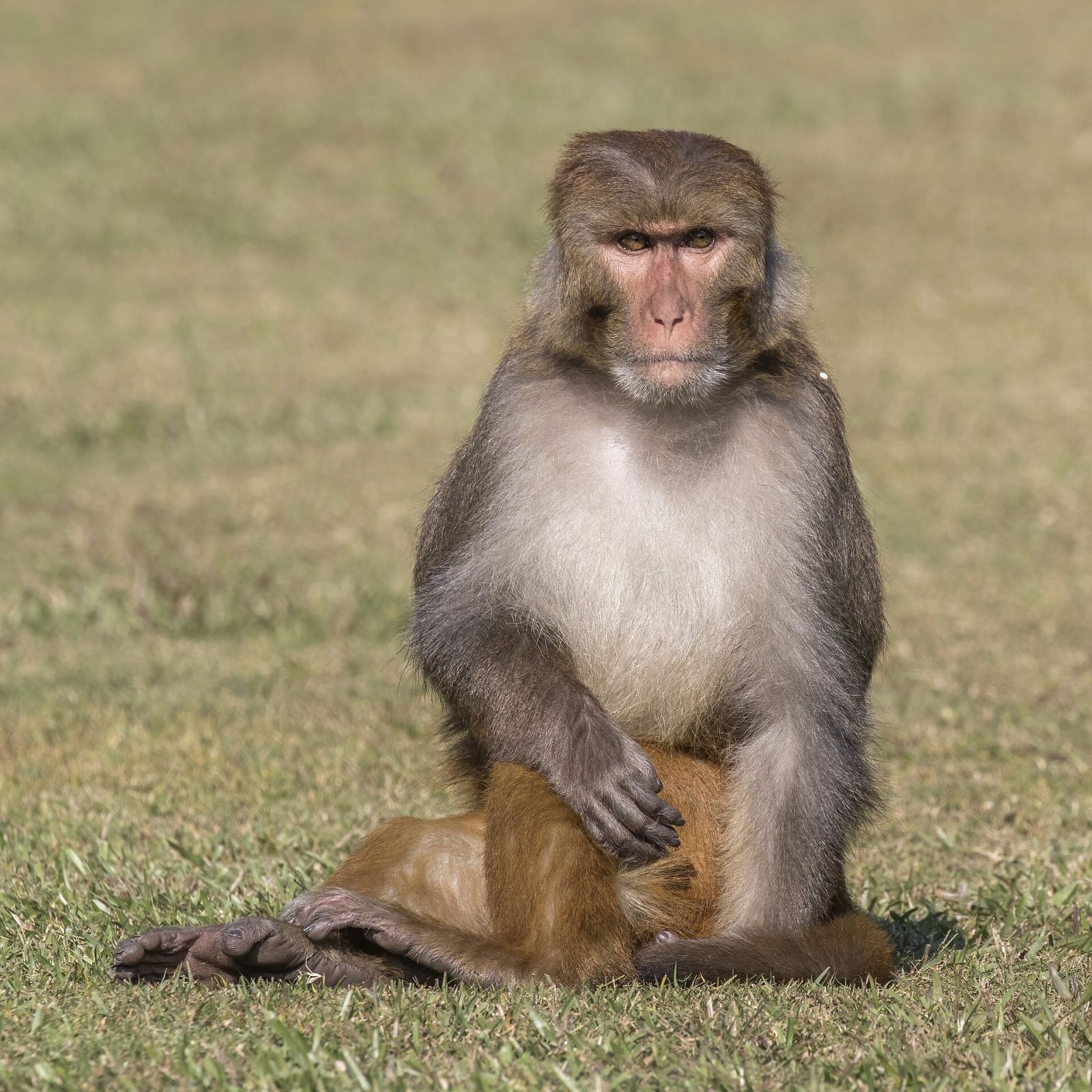
"Token robbing and token/reward bartering are cognitively demanding tasks for the Uluwatu macaques, which displayed unprecedented economic decision-making processes," the authors said.
"This spontaneous, population-specific, widespread, cross-generationally transmitted, socially influenced and learned practice may be the first example of a culturally maintained token economy in free-ranging animals."