

If you are wondering what to see in Rome on a first trip, hold on to three anchors: the Colosseum with the Roman Forum, the Vatican, and the Trevi Fountain. But the real revelation is something else. In Rome the best stuff isn't inside the museums, it's right under your feet. Ancient columns poke up between apartment blocks, the Pantheon suddenly rears up around a corner, and you can have dinner at a table facing two-thousand-year-old ruins. This is a city where history isn't behind glass. It's baked into ordinary life.
Below is a breakdown of the main sights with honest caveats: where to book tickets ahead, what comes on a single ticket, when to go, and how not to fry in the July heat. And where you'll meet not a postcard but a queue, high prices, and quick hands in the crowd.
The Colosseum and Roman Forum: why it's one ticket
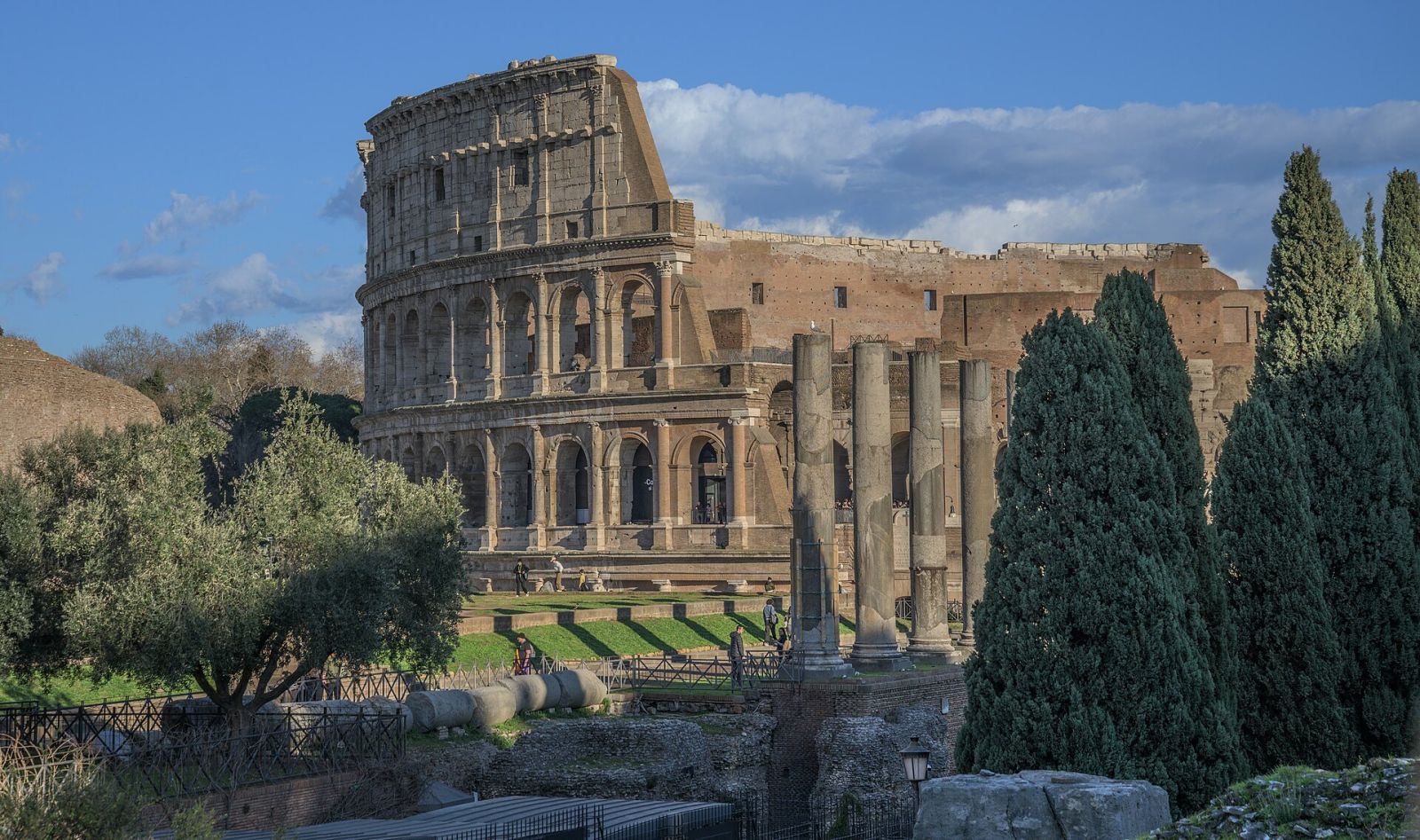
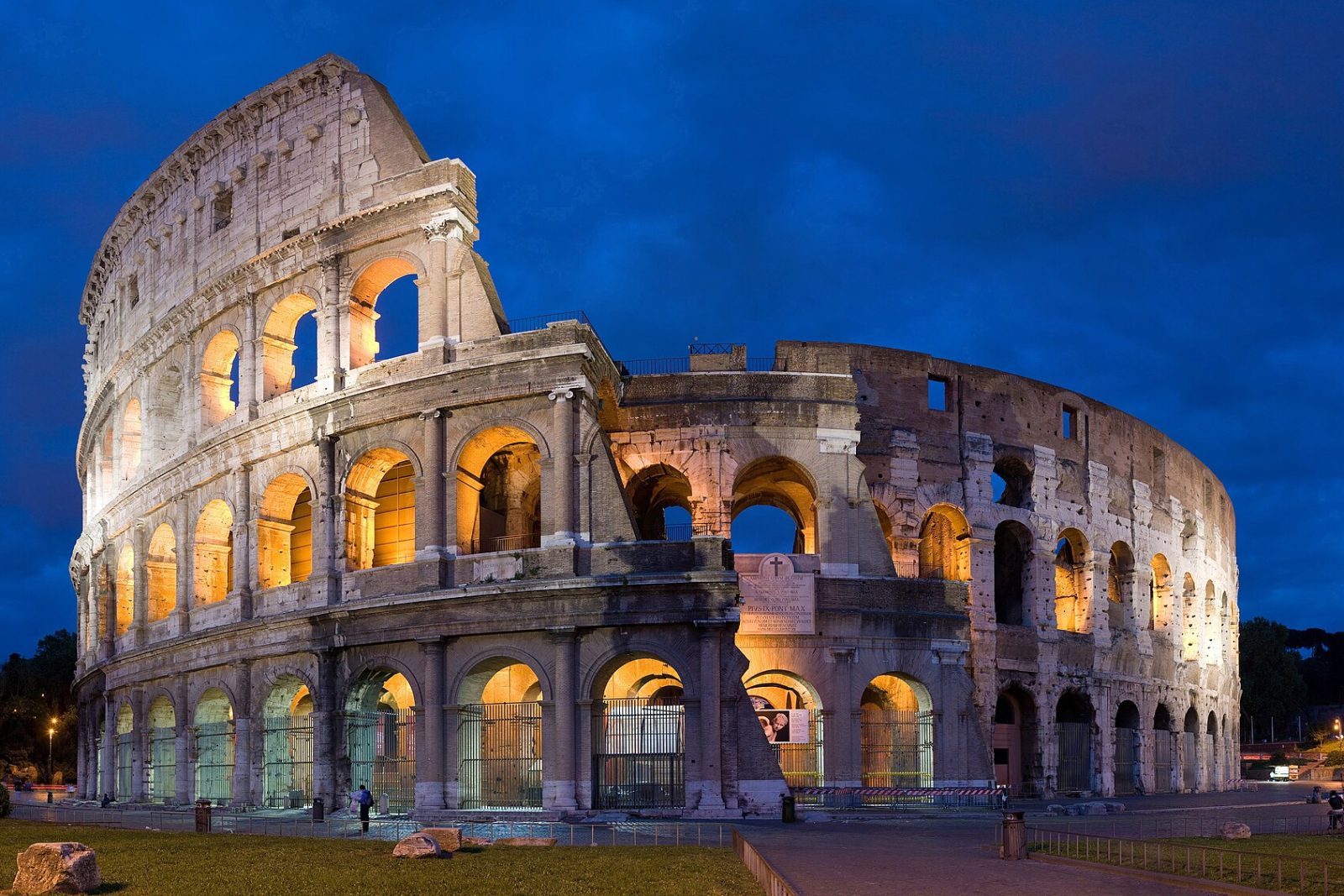
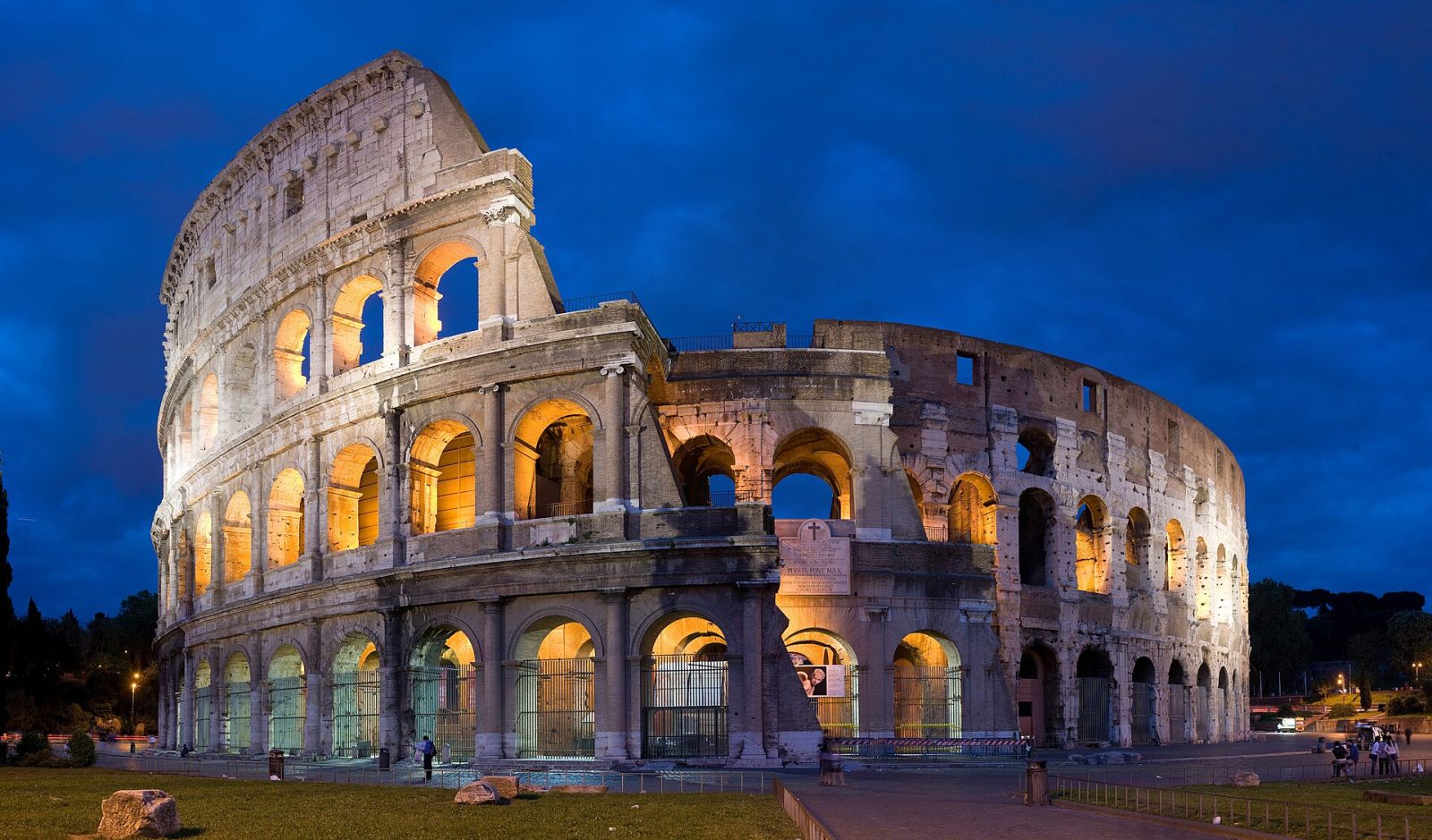
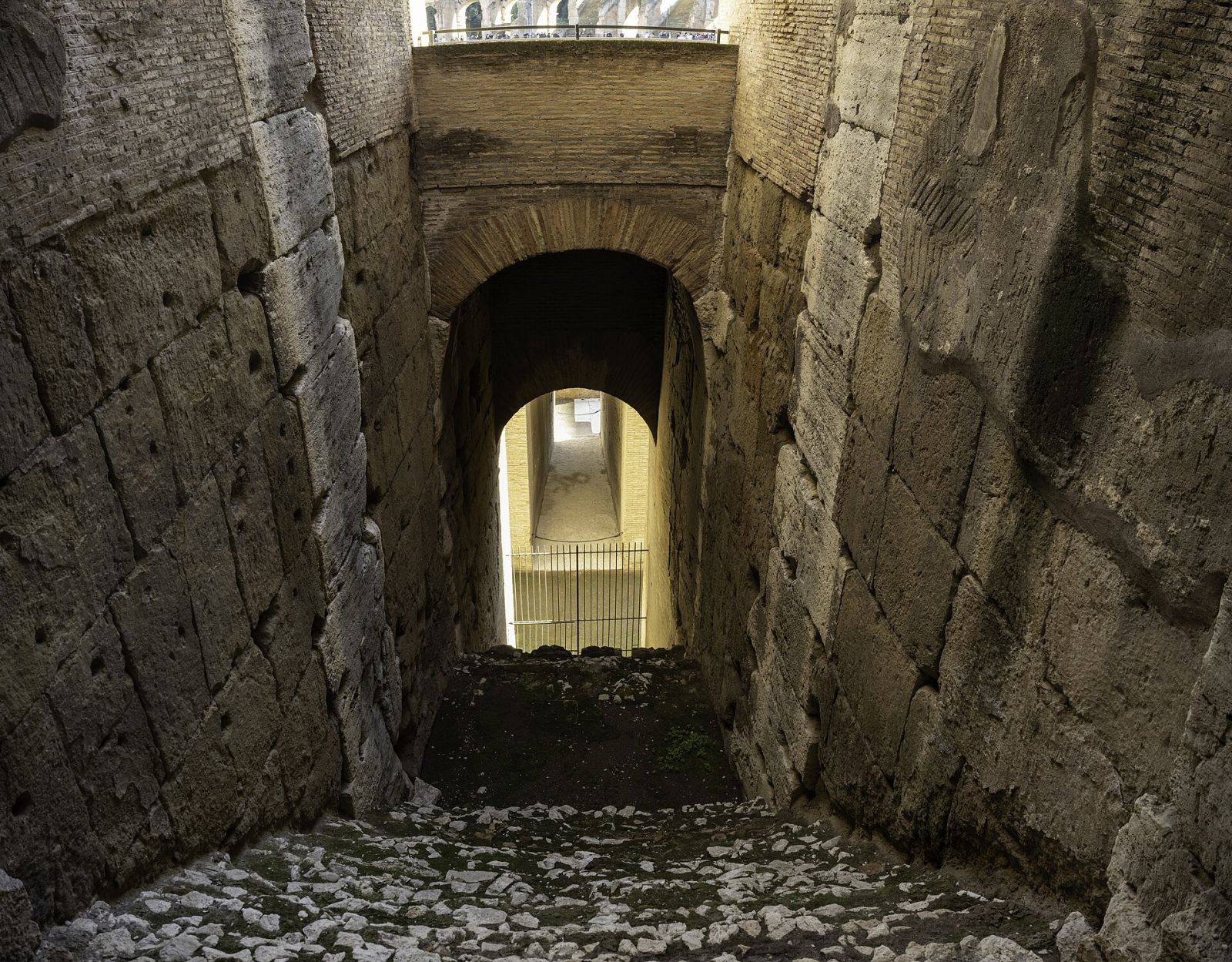
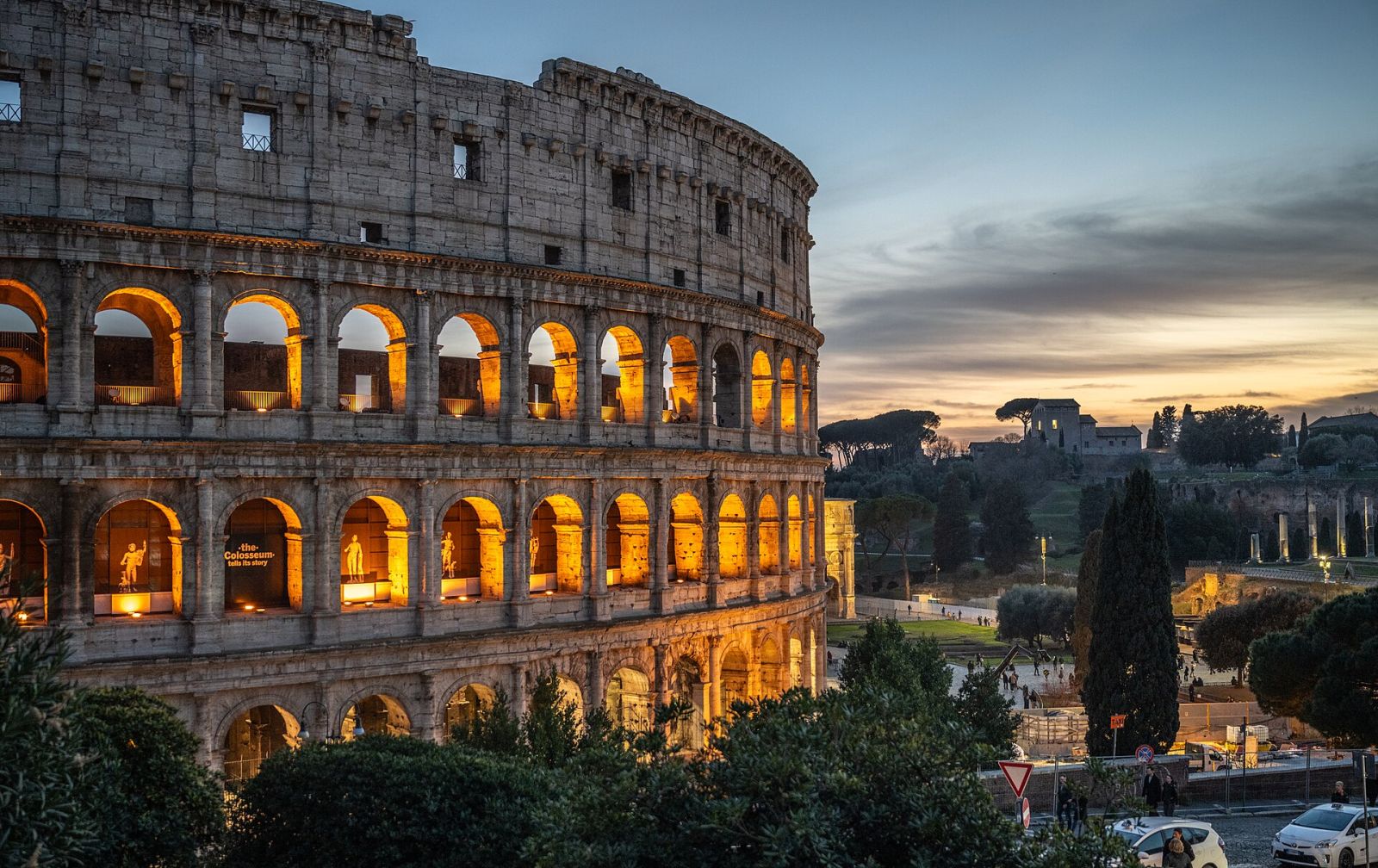
The Colosseum is Rome's most recognisable symbol and the largest amphitheatre of antiquity, built almost two thousand years ago. It held tens of thousands of spectators, and gladiators fought on its arena. Today you can see the network of underground corridors beneath the floor, where animals and fighters were brought up, and the scale is striking even against the modern city around it.
Partner links: booking through them supports the blog at no extra cost to you.
Here's the key point first-timers get wrong: the Colosseum, Roman Forum, and Palatine Hill all come on a single ticket. It's one complex, and you don't buy them separately. A few tips so you don't lose the day:
- Book a timed ticket online in advance. The walk-up queue in high season easily eats an hour and a half under blazing sun with no shade.
- Enter the Forum and Palatine not from the Colosseum side but from the other gate near Piazza Venezia, where crowds are much thinner.
- The Roman Forum isn't a pile of stones, it was the centre of the whole empire. Grab an audio guide or at least a map, or the ruins blur into one.
- Palatine Hill gives the best view from above and is almost always half-empty, since not everyone bothers to climb up.
Budget at least half a day for the whole complex. Trying to sprint through the Colosseum in an hour and gallop onward is the classic mistake that leaves you with nothing but tired feet.
The Vatican: the basilica, the museums, and the Sistine Chapel
The Vatican is a separate state inside Rome, the smallest in the world, and at the same time three big draws in one spot: St Peter's Basilica, the Vatican Museums, and the Sistine Chapel. The confusion here is common, so let's sort it out. Entry to the basilica is free, but the museums with the chapel are a separate paid ticket from a different entrance.
St Peter's Basilica is the largest church in the Catholic world, with a dome designed by Michelangelo. Getting in is free, but the security check builds a very long queue right across the square, and it moves slowly. To go up under the dome you take stairs or a lift for a separate fee, and the panorama of Rome from the top is worth it. Mind the dress code: bare shoulders and short shorts won't get you in, this is a working church.
The Vatican Museums are kilometres of galleries that end at the Sistine Chapel, with Michelangelo's frescoes on the ceiling and wall. There are rules of the game here too:
- Book a strictly timed museum ticket online, or the queue along the wall can swallow two or three hours.
- Photography and loud talking are banned in the Sistine Chapel, and guards enforce it firmly. This isn't a tourist trap, it's a request for respect.
- The museums are usually closed on Sundays, except the last Sunday of the month, when entry is free and the queue becomes inhuman.
The Trevi Fountain: when to come
The Trevi Fountain is the famous Baroque fountain where you toss a coin over your left shoulder to guarantee a return to Rome. It's smaller than many picture from photos, and wedged between buildings on a small square, so the crowd is thick pretty much all day. The water is turquoise, the sculptures of Neptune with tritons are dramatic, and lit up in the evening it's genuinely beautiful.
The advice is simple: come early morning, before eight, or late at night. By day there's no room to move, getting a shot without a hundred other heads is nearly impossible, and around the edges lurk vendors and people offering to take your photo "for free" and then asking for money. Swimming in the fountain, by the way, is banned and fined, however tempting it looks in the heat.
The Pantheon: the best-preserved ancient building
The Pantheon is probably the most astonishing building in Rome. Entry used to be free, and now there's usually a small ticket, so check before your visit. It's an ancient Roman temple to all the gods, around two thousand years old, and it stands almost intact, unlike the ruins of the Forum. The secret to its survival is that it was turned into a church early on.
The main marvel inside is the dome with a round opening at the top, the oculus, through which a column of light, and sometimes rain, falls into the interior. It's still the largest unreinforced concrete dome in the world, and how the Romans built it without modern equipment remains a topic of debate among engineers. The kings of Italy and the painter Raphael are buried inside. Step in, tilt your head back, and just stand there a minute. This is one of those moments people come to Rome for.
The Spanish Steps and Piazza Navona
The Spanish Steps are a wide, grand staircase of 135 steps descending from a hilltop church to a square with a little boat-shaped fountain. The spot is iconic and very touristy, and the streets with expensive boutiques start here. Note one thing: sitting on the steps themselves is now banned and fined, so take your photos but plan your rest elsewhere.
Piazza Navona nearby, though, is already the Rome people come back for. It's a long Baroque square on the site of an ancient stadium, with three fountains, the main one being Bernini's Fountain of the Four Rivers. There are street artists, cafes under umbrellas, and a living atmosphere with none of the museum hush. Coffee and gelato here run pricier than the city norm, but the square itself is free and worth just sitting in for a while.
Trastevere: Rome without the postcard
When your eyes are tired of the headline sights, cross the Tiber into Trastevere. It's an old working-class quarter on the far bank, with narrow cobbles, ivy-clad walls, and laundry strung between the houses. By day it's quiet and homely, and in the evening the quarter comes alive: this is where people go to eat real Roman food, away from the tourist prices of the centre.
There's almost nothing to "see" here on purpose, and that's the whole point. Trastevere is a place for an aimless wander with no map, a random trattoria, and a glass of local wine on a square by the old basilica of Santa Maria. A plate of cacio e pepe or a Roman artichoke here costs noticeably less than by the Colosseum, and tastes better too.
How to get around Rome
Rome's historic centre is compact, and the main tip is simple: most of the top sights are genuinely walkable. It's five minutes from the Pantheon to the Trevi Fountain, and ten more from there to the Spanish Steps. Rome does have a metro, but only three lines, and thanks to all the archaeology they barely cover the centre, so the metro really helps for longer hops and getting to the Vatican.
| Mode | When it's handy | Caveat |
|---|---|---|
| On foot | Centre: Pantheon, Trevi, Navona, Forum | The best way, everything's close; wear comfy shoes |
| Metro | Vatican, Colosseum, long distances | Only 3 lines, weak coverage of the centre |
| Bus/tram | Trastevere, districts outside the centre | Crowded, watch your belongings in the crush |
| Taxi | Evening, luggage, airport | Only official metered cabs, never from touts |
The cobblestones are everywhere and uneven, so leave the heels at home. A single public-transport ticket is valid for a set time on both metro and buses, but you'll rarely need it in the centre, where your feet do the job better.
When to go to Rome?
The most comfortable time is spring and early autumn. In April and May it's warm, everything's in bloom, and the heat isn't yet stifling. In September and October the crowds ease a little while the evenings stay warm. July and August are a real test: temperatures above thirty, scorching cobblestones, almost no shade on the ancient squares, and tourists at their peak.
| Season | Weather and crowds | Who it suits |
|---|---|---|
| Spring (Apr-May) | Warm, in bloom, busy | Best balance of weather and beauty |
| Summer (Jul-Aug) | Heat above 30, peak tourists | Those whose only leave is in summer |
| Autumn (Sep-Oct) | Warm, crowds ease | Those wanting comfort without the crush |
| Winter (Dec-Feb) | Cool and damp, but cheaper | Bargain hunters and lovers of empty squares |
The honest downside: what to brace for
Rome can disappoint anyone expecting a tidy postcard, so it helps to know in advance. Summer here is genuinely hard: heat above thirty, baking stone, long queues in open sun with no shade. A water bottle and a hat aren't a whim but a necessity, and you won't have to go far for a drink, since old drinking fountains with clean cool water stand all over the city.
Queues are Rome's second reality. Without a timed booking the Colosseum, the Vatican, and the museums turn into hours of waiting, so buying tickets online in advance saves you not money but your nerves and half a day. And a word on quick hands: pickpockets and pushy "guides" and vendors work around the Colosseum, on the metro, in the crush on the squares, and on buses. Keep your bag in front, your phone out of your back pocket, and don't fall for anyone forcing a bracelet or a rose on you "as a gift". This doesn't make the city dangerous, it's simply the price of its popularity.
A one-day route
If you've only got a day, don't scatter yourself and stick to the ancient centre.
- Morning: the Colosseum on a pre-booked ticket, then the Roman Forum and Palatine on the same ticket.
- Afternoon: the Pantheon, Piazza Navona, lunch in or near Trastevere.
- Evening: the Trevi Fountain lit up after dark, with a coin over your left shoulder.
A two-to-three-day route
Give the second day to the Vatican, and the third to unhurried walks.
- Day 2: the Vatican in the morning, the museums and Sistine Chapel on a booking, then St Peter's Basilica and the dome in the afternoon.
- Day 3: the Spanish Steps, Villa Borghese with its park and gallery, an evening in Trastevere.
What's essential and what you can save for a next trip is up to you, but the Colosseum, the Vatican, and the Pantheon are the minimum people travel far to see. Ticket prices, opening hours, and access rules for the Pantheon and Vatican change from time to time, so check the current details on the official sites before you go.