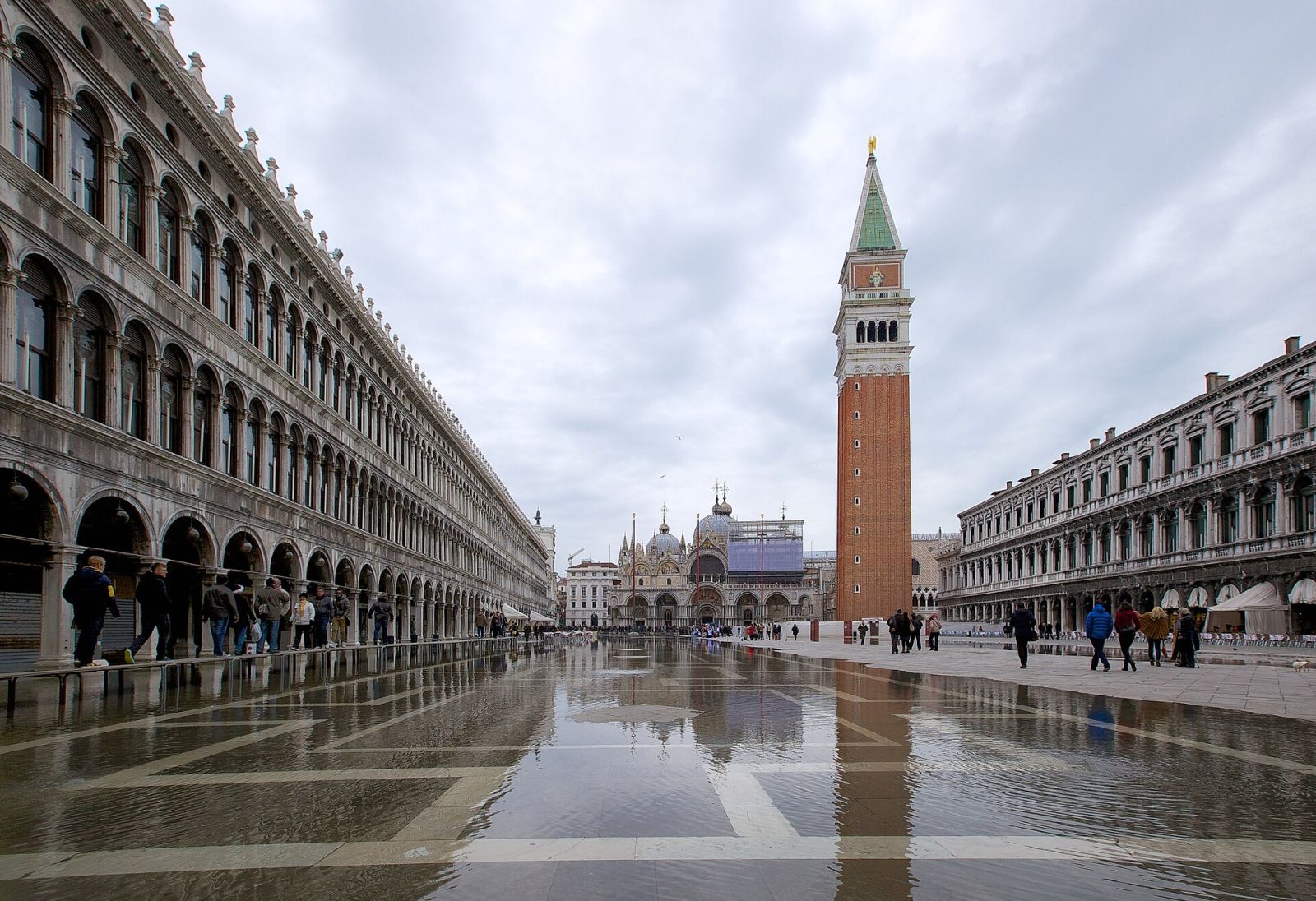


Venice should be added to the list of World Heritage in danger, according to a recommendation from UNESCO's advisers, because of the "threats" facing the lagoon city, including the cruise ships that keep docking in the heart of the centre.
The recommendation, or draft decision, was made on Monday after the annual conservation report was drawn up. Venice's potential addition to the list was included on the provisional agenda for the plenary session running from 16 to 31 July.
The final decision will be taken by the World Heritage Committee.
Partner links: booking through them supports the blog at no extra cost to you.
The report prepared ahead of the session proposes to "inscribe Venice and its Lagoon (Italy) on the List of World Heritage in Danger" because the city faces "ascertained and potential dangers from individual threats and their cumulative impact".
One of those "threats" is the cruise ships that keep sailing through the lagoon and past the city's historic centre, despite an Italian government ruling meant to ban them.
In March the central government passed a decree stating that large vessels, cruise ships included, would be banned from the lagoon, and it called for tenders to be issued for a future port to be built outside the lagoon.
Yet with no permanent solution in place, the ships have to keep docking in the lagoon until the new port is built, and city officials are pushing for the industrial port inside the lagoon, though not in the city centre, to become the permanent answer.
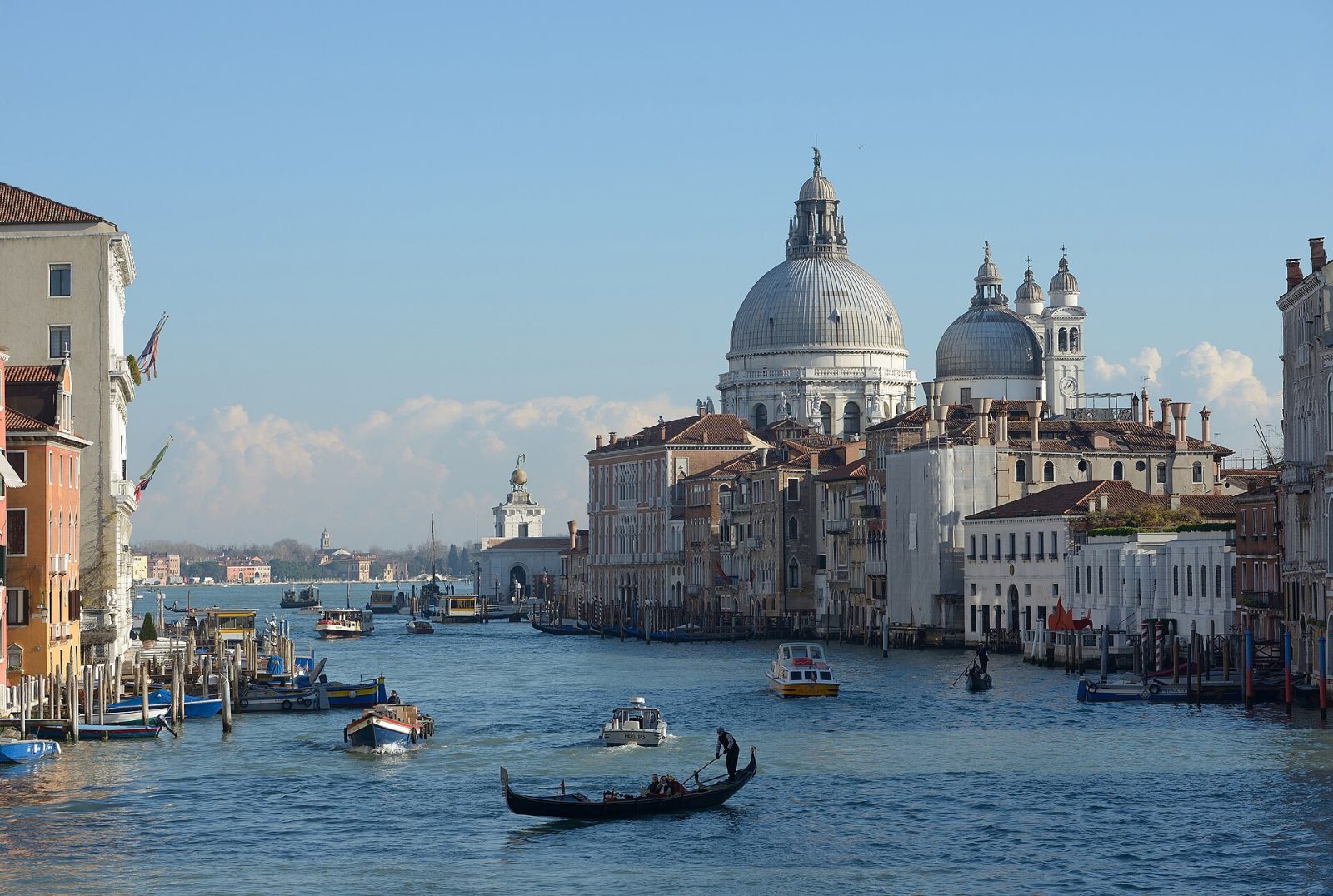
In the meantime, the commercial port is not ready to receive cruise ships either, which means the first vessels to set sail this summer docked in the city centre, passing the famous historic heart along the Giudecca Canal.
Deputy mayor Andrea Tomaello said in May that the Marghera docks would be ready by the end of the summer.
But while sending ships to Marghera moves them away from the city centre, it does nothing to reduce the environmental impact of their presence in the lagoon.
In its report, UNESCO wrote: "Although legal bans on vessels over 40,000 tonnes entering the Venice Lagoon are already in place, they have no practical effect, since there is no alternative for mooring these large ships.
The State Party should continue its search for a long-term solution with the utmost urgency, giving priority to the option of a complete ban on large ships in the lagoon and, ideally, directing them to more suitable ports in the region."
"Unresolved problems"
The Heritage Committee also noted that significant problems "remain unresolved" in Venice.
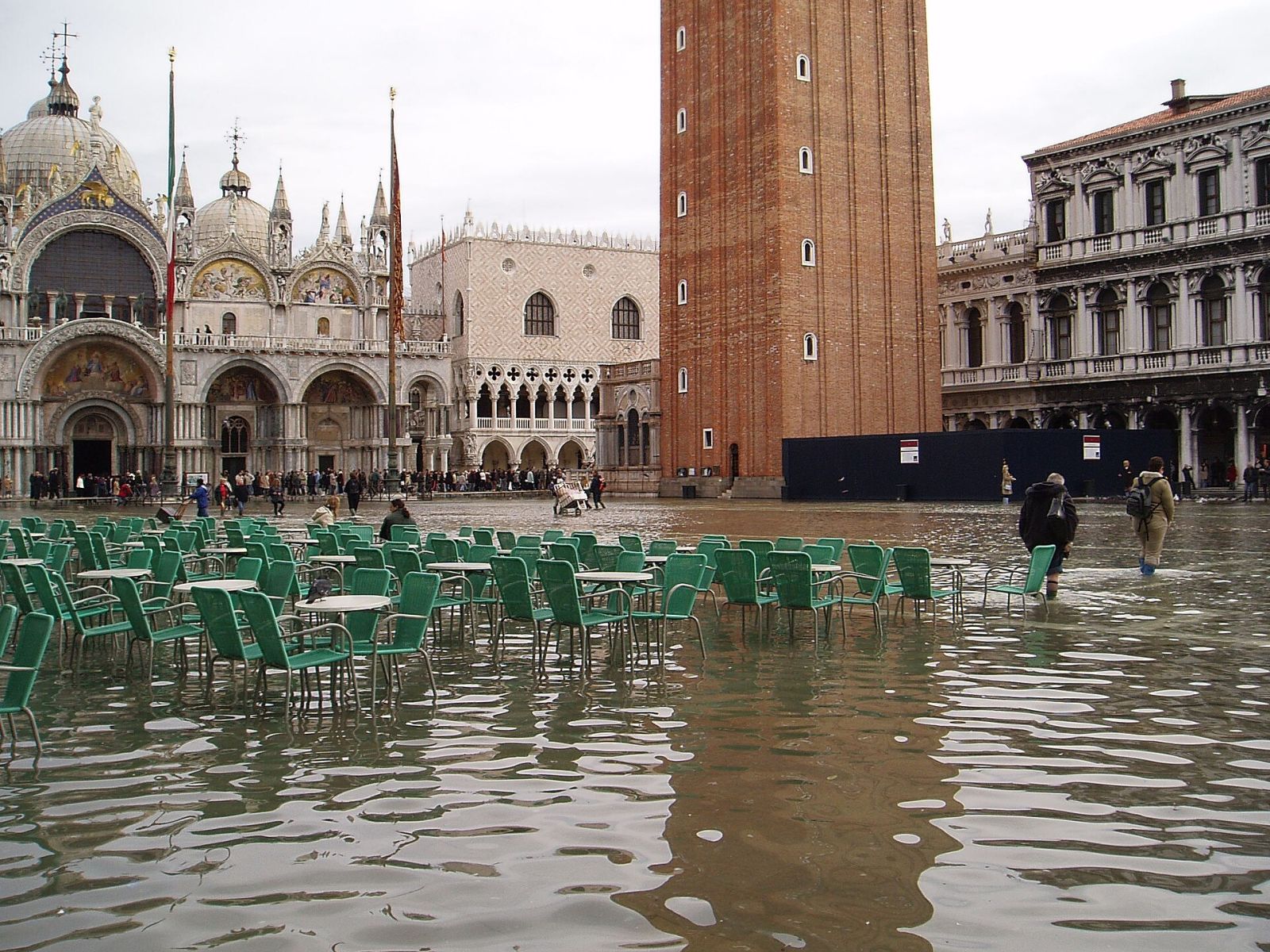
Pointing to the "complex impact of mass tourism, the continuing decline in population, and major shortcomings in management and shared governance that have led to a significant loss of Venice's historic authenticity", the committee said the city's "inherent characteristics" had been compromised.
It added: "The ongoing damaging effects of human intervention, combined with climate change on the vulnerable ecosystem of the lagoon, threaten to bring about irreversible changes."
The committee also pointed to the "lack of an overall vision and the low effectiveness... of management" in Venice.
UNESCO said in a statement: "The proposal to inscribe Venice and its Lagoon on the List of World Heritage in Danger is based on technical and scientific assessments carried out by experts from the advisory bodies. The proposal reflects that there is a proven danger threatening this site.
The site faces endogenous problems (mass tourism, especially with the presence of cruise ships), a continuing drop in population, undeclared development and construction projects, and management and governance issues.
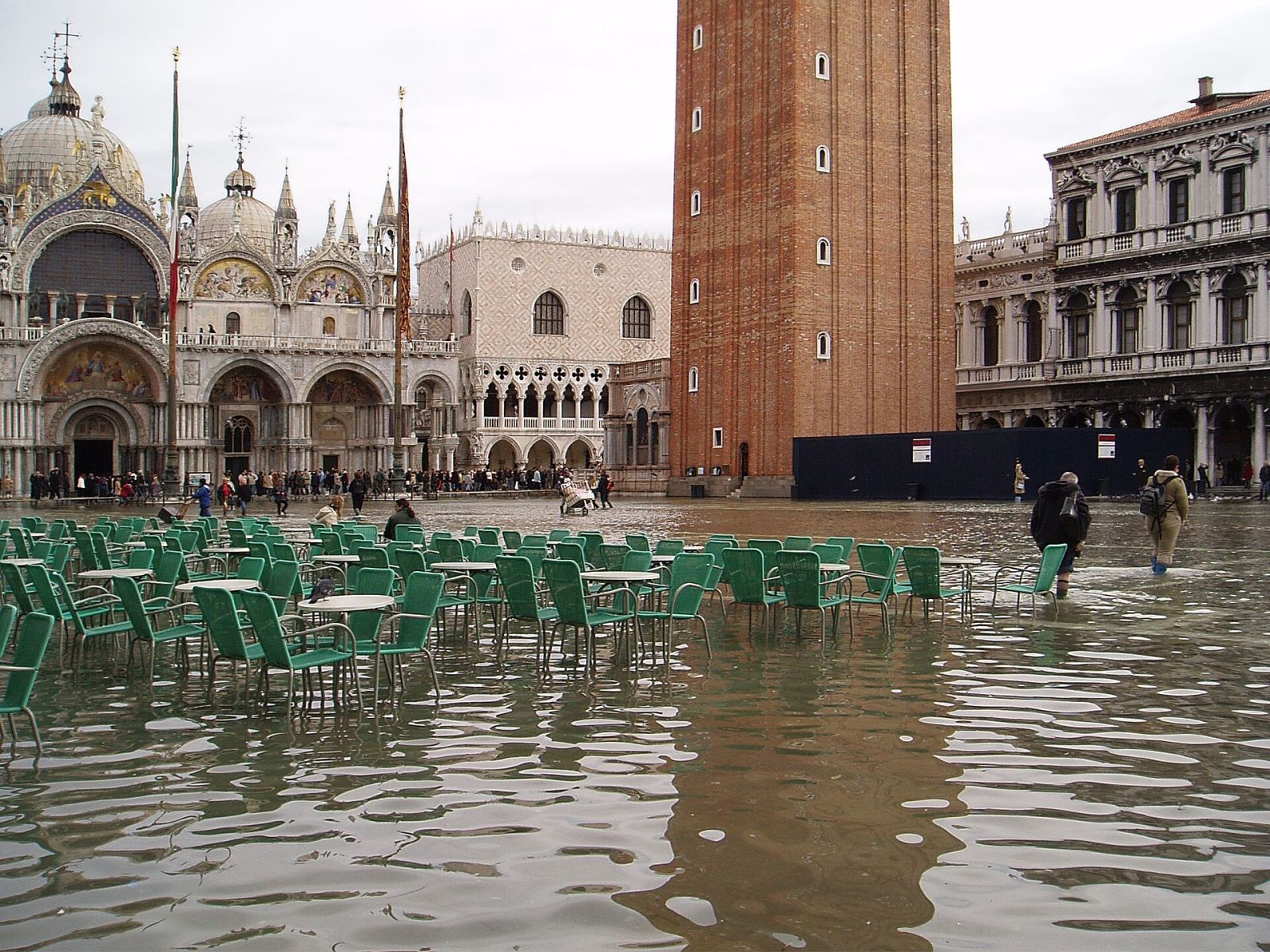
Climate change (flooding and rising sea levels) affecting the vulnerable ecosystem of the lagoon is also a concern.
The State Party has not shown enough improvement in the state of conservation or further progress in mitigating the impacts, despite its efforts."
Six other sites were proposed for addition to the in-danger list: the Great Barrier Reef, Budapest, the Kathmandu Valley, the Volcanoes of Kamchatka in Russia, the Ohrid region of Albania and North Macedonia, and the W-Arly-Pendjari complex in Benin, Burkina Faso and Niger.
UNESCO's list currently holds 53 sites that are in danger. Three of them are in Europe: the historic centre of Vienna, the maritime mercantile city of Liverpool in the UK, and medieval monuments in Kosovo.
Liverpool, however, was singled out for removal from the list, along with the Selous Game Reserve in Tanzania.
Adding a destination to the in-danger list may sound like a bad thing, but in reality, as a spokesperson put it, it is not a punishment.
In fact, it opens up the chance to request "technical and even financial assistance from the international community to preserve the outstanding universal value", they said.
Responding to the news, Italy's culture minister Dario Franceschini, a longtime critic of cruise ships in Venice, wrote on Twitter: "The risk of seeing Venice inscribed on the list of heritage in danger requires us to take one more step and immediately ban large ships from passing through the Giudecca Canal."