

Ask which are the most beautiful cities in Italy and the honest shortlist, the one that actually answers what people are searching for, runs to seven: Rome, Florence, Venice, Verona, Siena, the villages of Cinque Terre, and Matera. This is not a ranked scoreboard, because comparing ancient Rome to a cave city in the deep south makes no sense. Think of it instead as seven different Italies, each with its own character, its own best season, and its own honest downside that the guidebooks tend to skip.
One practical thing up front: all of them except Cinque Terre and Matera sit on fast train lines, so stitching a route together is easier than it looks. Below is a detailed look at each, plus a table on when to go and how to get around.
What to pick for one trip?
The temptation to bag all seven in a week ends the same way every time: you see stations and queues, not cities. So start with the table and cross off whatever isn't for you.
Partner links: booking through them supports the blog at no extra cost to you.
| City | Region | Why it matters |
|---|---|---|
| Rome | Lazio | Antiquity and baroque at every turn, a capital with three thousand years of layers |
| Florence | Tuscany | Cradle of the Renaissance, world-class museums, Brunelleschi's dome |
| Venice | Veneto | A city on water with not a single car, canals instead of streets |
| Verona | Veneto | Roman arena, Shakespearean glamour, a compact centre |
| Siena | Tuscany | Gothic Middle Ages almost untouched, the shell-shaped Piazza del Campo |
| Cinque Terre | Liguria | Five colourful villages on cliffs above the sea, trails and terraces |
| Matera | Basilicata | The Sassi cave city, dwellings carved into rock, nine thousand years old |
Rome: a city where history lies in layers
Rome isn't the prettiest in the postcard-tidy sense, and that is exactly why it comes first. The beauty here is a different kind, accumulated. You go out for a coffee and stumble straight into the Pantheon, two thousand years old, its concrete dome still the largest unreinforced one on earth. The Colosseum, the Forum, the Trevi Fountain, Piazza Navona, the Vatican with the Sistine Chapel next door: the density of sights is so high your eyes simply get tired.
The trick is to stop trying to see everything. Choose two or three districts and walk them slowly. A morning in the Vatican Museums, a siesta in ivy-draped Trastevere with its trattorias, an evening by the floodlit Forum. The honest downside carries weight: Rome is loud, grubby in places, and in summer so baked and packed that the queue for the Colosseum becomes a landmark of its own. Pickpockets around Termini station and on crammed buses are a fact too, not a scare story.
Florence: the Renaissance within walking distance
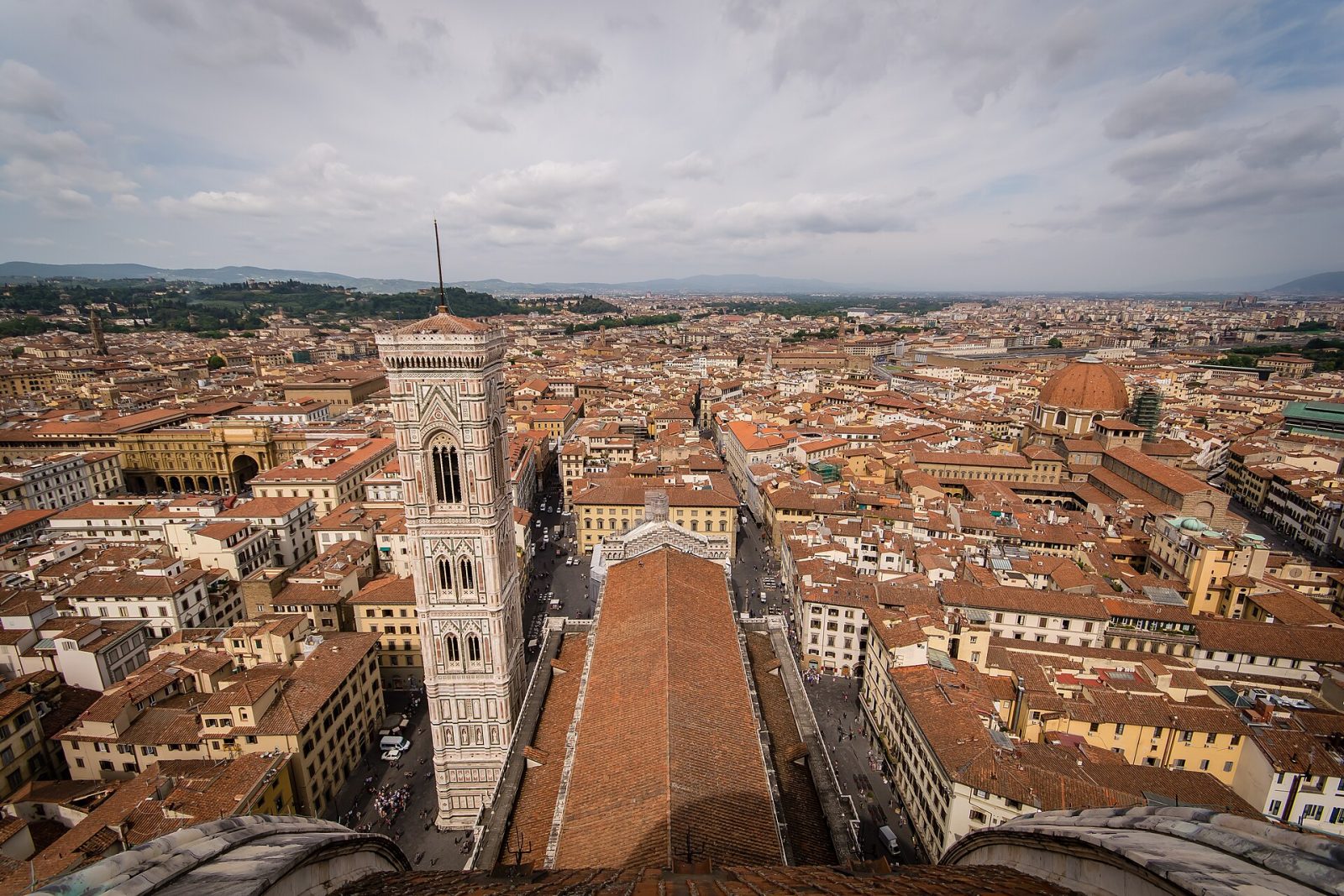
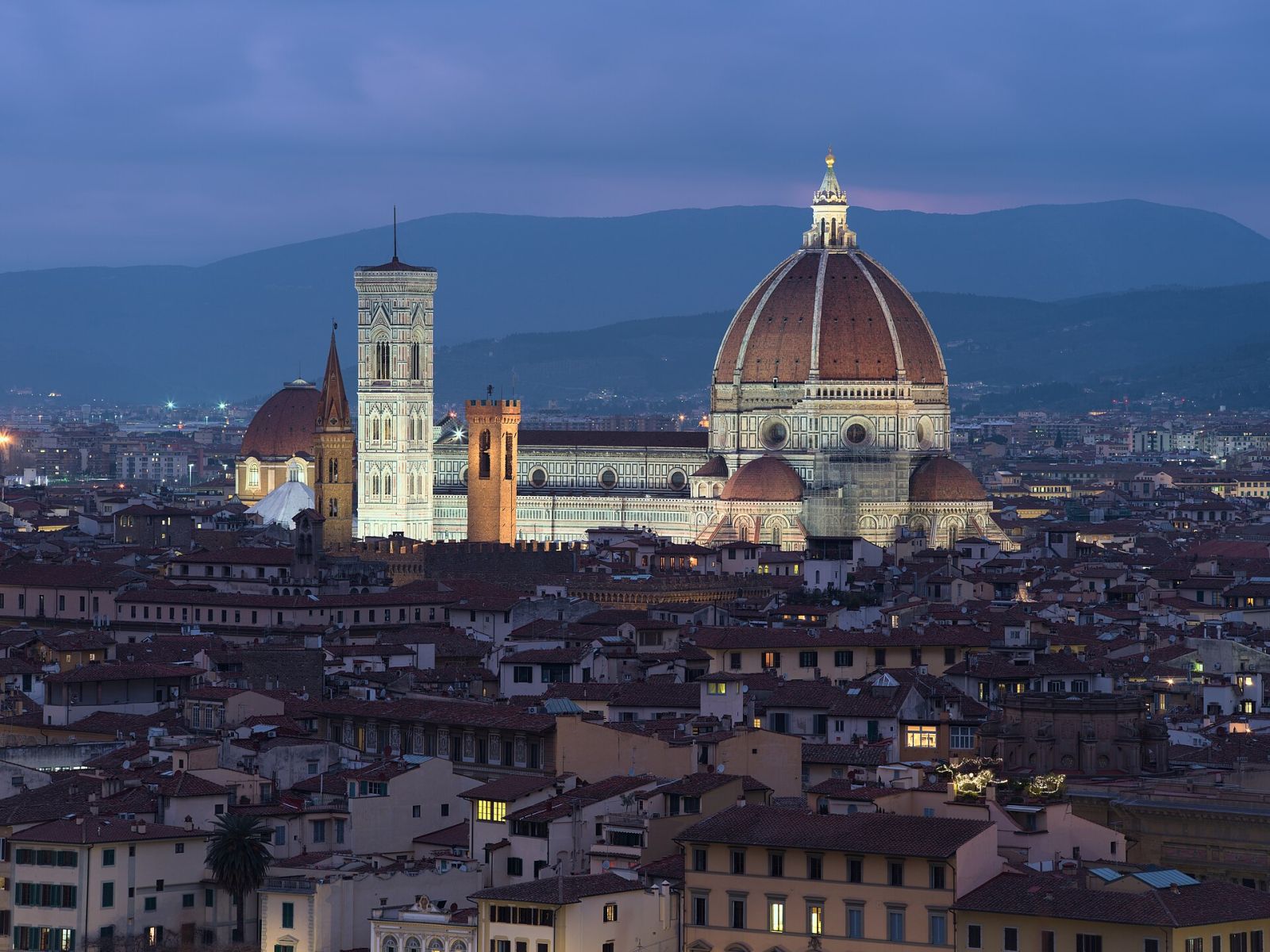
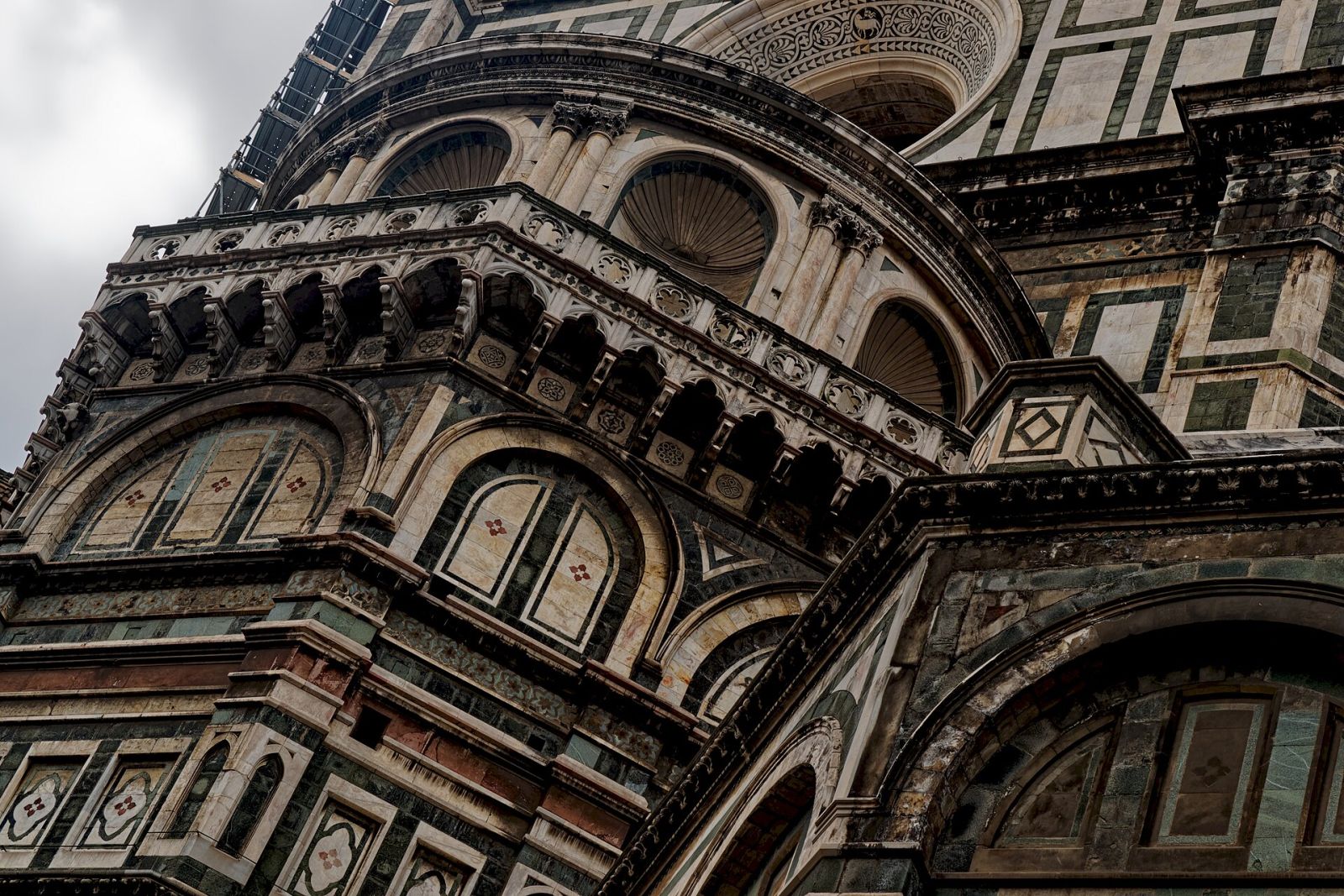
Florence is small in size and enormous in weight: everything that made European art what it is was born within these few square kilometres. The Uffizi with its Botticellis, Michelangelo's David in the Accademia, the cathedral with Brunelleschi's terracotta dome that nobody could technically match for five hundred years. You can cross the centre on foot in half a day, and that is a huge part of the appeal.
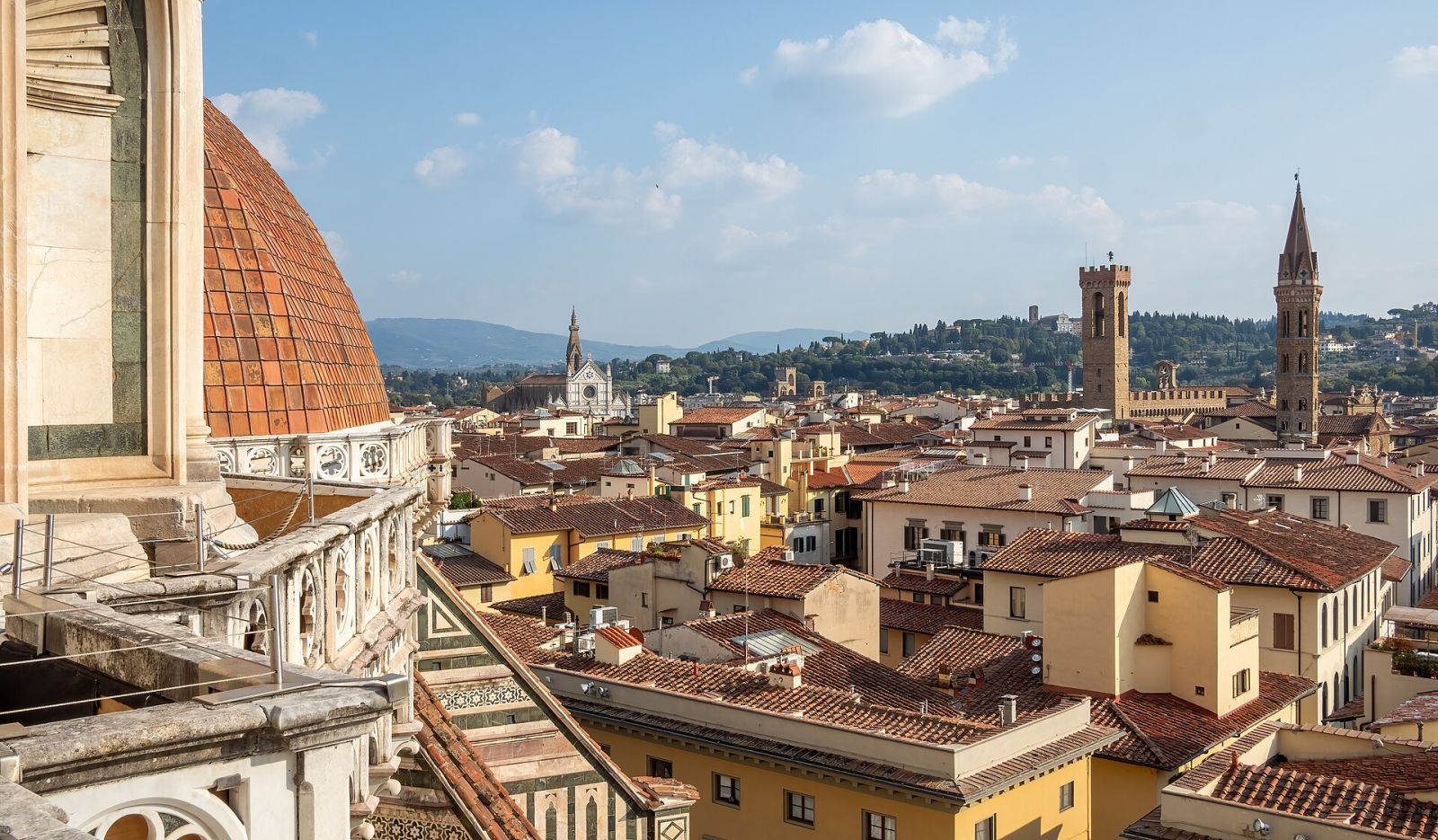
Climb the Piazzale Michelangelo hill towards evening, when the tiled roofs catch the gold, for the best view of the city and it costs nothing. The downside is predictable and serious: book Uffizi and Accademia tickets online in advance or you'll queue for hours, and at peak season the narrow streets by the cathedral turn into one solid current of people. Accommodation prices in the historic centre bite harder than anywhere else in Tuscany.
Venice: beauty drowning in its own popularity
Venice looks unreal, and that is not an exaggeration. The city stands on water, there are no streets in the usual sense, canals take their place, and instead of taxis you get vaporetti and gondolas. More than a hundred islets joined by some four hundred bridges, Piazza San Marco with its basilica in Byzantine gold, the Grand Canal lined with palaces that seem to grow out of the water. Getting lost in the maze of alleys here is not a frustration, it is actually how you find the real Venice.
Now the flip side, and it's a sharp one. Venice suffers from overtourism worse than any other city on this list. By day Piazza San Marco feels like a stadium, prices are inflated even by Italian standards, and the city is physically sinking, with winter high waters flooding ground floors. The advice is simple: sleep in Venice itself, not in Mestre on the mainland, and go out early in the morning or late in the evening, when the cruise-ship crowds have scattered and the city finally breathes.
Verona: Rome, Shakespeare and no elbowing
Verona sits halfway between Milan and Venice, and it often gets skipped, which is a shame. It has its own Roman arena, the third largest still standing, and in summer it still hosts open-air opera for several thousand people. Add medieval squares, the river Adige looping around the centre, and Castelvecchio with its crenellated bridge.
Yes, the legendary Juliet's balcony is pure marketing, the house has nothing to do with Shakespeare, and the crowd below rubs a bronze statue for luck. But the city itself is genuine and far calmer than its neighbours. Verona is perfect as a day trip or an overnight between the big stops. There's really only one downside: on opera evenings the centre gets busy and pricier, and off season some venues run at half power.
Siena: the Middle Ages frozen in time
Siena is what Tuscany would look like if the Renaissance had never reached it. The city froze in its Gothic fourteenth century, and that is the whole charm. The heart of it all is the Piazza del Campo, shaped like a shell and sloping down to the town-hall tower, one of Europe's most beautiful squares without any exaggeration. Twice a year it hosts the Palio, a wild bareback horse race when the whole city loses its mind for its own district.
The striped black-and-white cathedral is as striking inside as its façade, and the narrow streets tumble steeply off the hill, opening onto the Tuscan countryside. Siena works beautifully as a base for trips through Chianti. One honest note: the historic centre is almost entirely pedestrian, cars stay in car parks below the walls, and the terrain is serious, so bring comfortable shoes and good legs, because flat streets are basically nonexistent.
Cinque Terre: five villages that aren't about museums
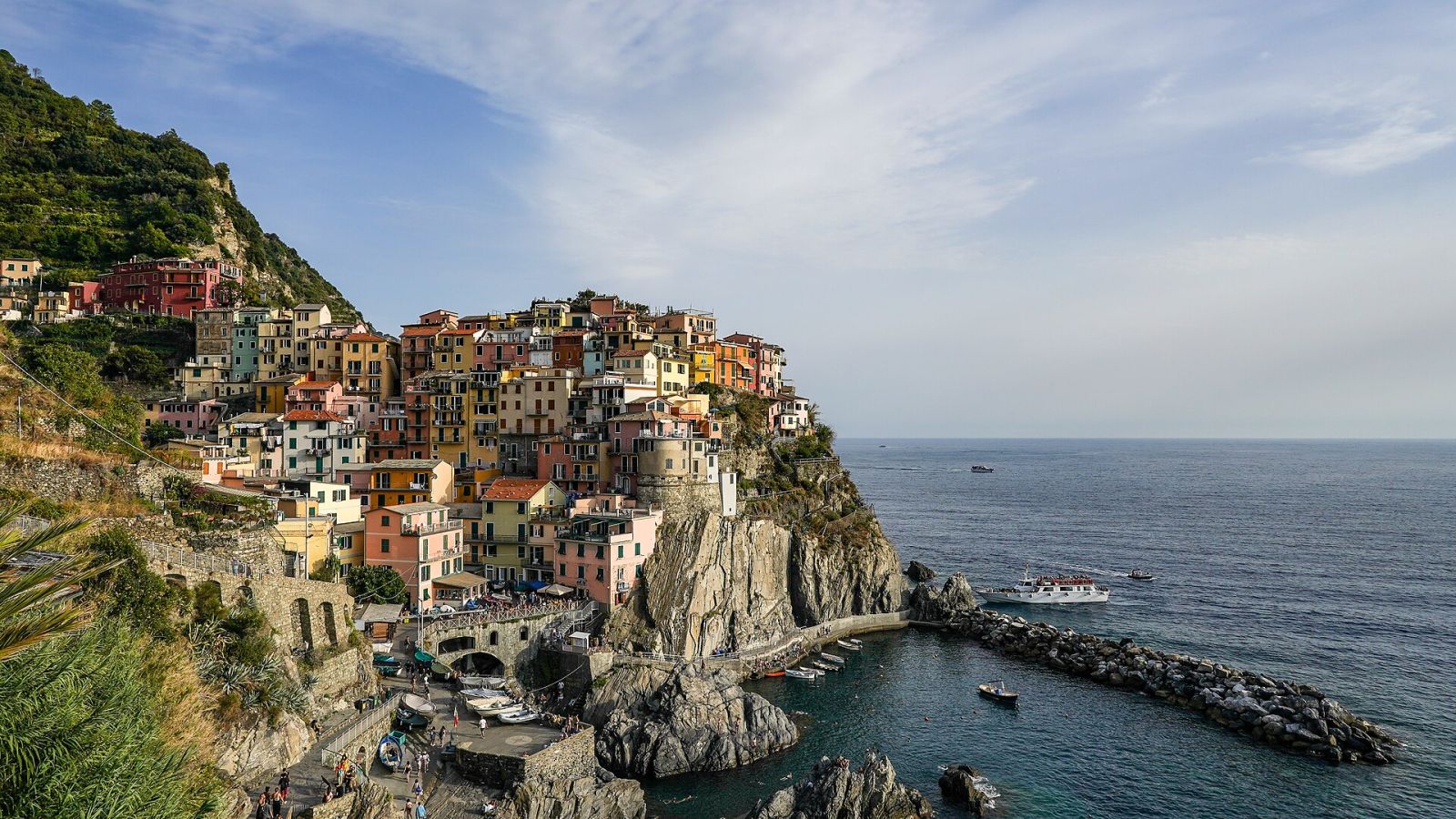
Cinque Terre is a different Italy, no cathedrals or galleries, but sea and cliffs instead. Five fishing villages, Monterosso, Vernazza, Corniglia, Manarola and Riomaggiore, cling to the sheer Ligurian drops, their houses painted in every shade of terracotta, ochre and pink. Between them run coastal footpaths and the terraced vineyards that locals have clung to for centuries.
The single most beautiful frame on the whole coast is Manarola on its rock towards dusk. You reach the villages by a train that dives from tunnel to tunnel along the shore, stopping at each one: a car here is more of a burden than a help. The downside is now as serious as it gets: in summer Cinque Terre is genuinely suffocating, Vernazza's narrow lanes back up into queues, and stretches of the trails close for landslides. Go in May, September or even October and you'll find a completely different, more human place.
Matera: a city carved into the rock
Matera is the least obvious on this list and arguably the most powerful to experience. It is one of the oldest continuously inhabited places on the planet: in the Sassi districts people lived in caves hollowed out of the soft tufa for nine thousand years straight. Half a century ago it was Italy's shame, a symbol of poverty from which people were forcibly relocated. Today those same caves are hotels, restaurants and museums, and Matera served as a European Capital of Culture.
The city looks its best at dusk, when warm lights flicker on one by one across the stone amphitheatre of dwellings. Hollywood films biblical scenes here because there is no comparable landscape anywhere else. The downside is geographical: Matera lies in the deep south, in Basilicata, and there is no direct train from the north, so people usually come via Bari by bus. Plus the terrain, like Siena's, is steep and cobbled, so a wheeled suitcase is best left at home.
When to go?
The universal answer for all of Italy: late April, May, plus September and early October. Warm but not brutal, the crowds still or already bearable, prices below the August peak. July and August give the longest days and warm water for Cinque Terre, but they also bring stifling cities, queues, and traffic at full stretch.
| Season | Weather | Catch |
|---|---|---|
| April, May | Mild, everything in bloom | Ideal for cities, the sea still cool |
| June, September | Warm, comfortable | Best balance, book ahead |
| July, August | Heat pushing 35 and up | Rome and Florence get hard, prices peak |
| November, March | Cool, rain at times | Empty and cheaper, Venice catches high water |
How to travel between the cities?
Here Italy rescues the traveller with its railways. Rome, Florence, Venice and Verona are strung along a high-speed line, and the Frecciarossa or Italo trains really do fly: Florence to Rome is a touch over ninety minutes, Florence to Venice about two hours. Buy high-speed tickets online in advance, because the fare climbs closer to the date. Siena has no high-speed branch, so the bus from Florence is easier.
Two exceptions need reckoning with separately. For Cinque Terre you take a regional train along the coast, often changing at La Spezia, and even within the villages you hop from train to train. Matera sits furthest of all: first the fast train to Bari, then local transport. Exact fares and timetables change every year, so check the latest on the carrier's website before you travel.
The bottom line is plain. Take Rome for the sheer scale of history, Florence for the art, Venice for its uniqueness, Verona for calm and its arena, Siena for the Middle Ages, Cinque Terre for the sea and colour, and Matera for something you'll see nowhere else. For a single trip it is smart to pick two or three cities close to one another rather than chase the full list: the most beautiful cities in Italy reward the traveller who is in no hurry.