

Dubai is growing again, and once again it is building out into the sea.
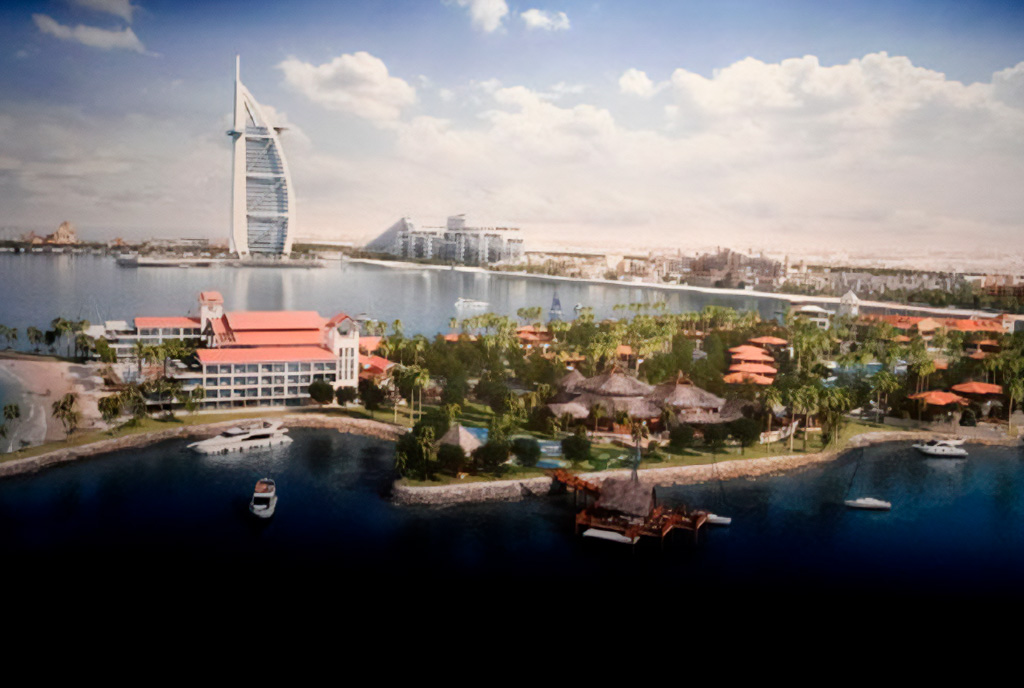
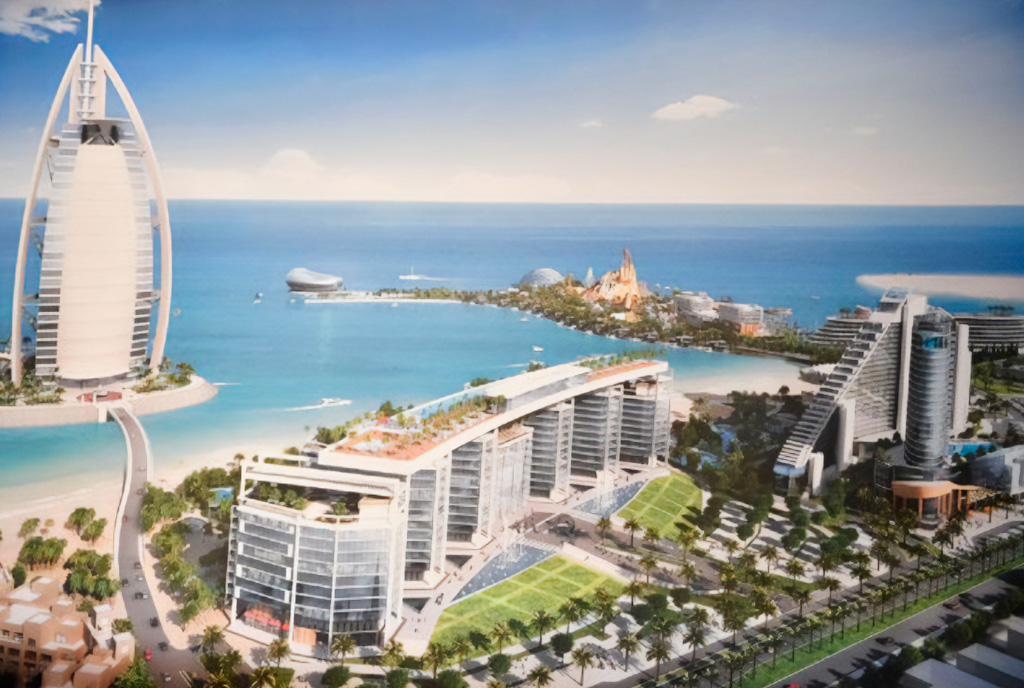
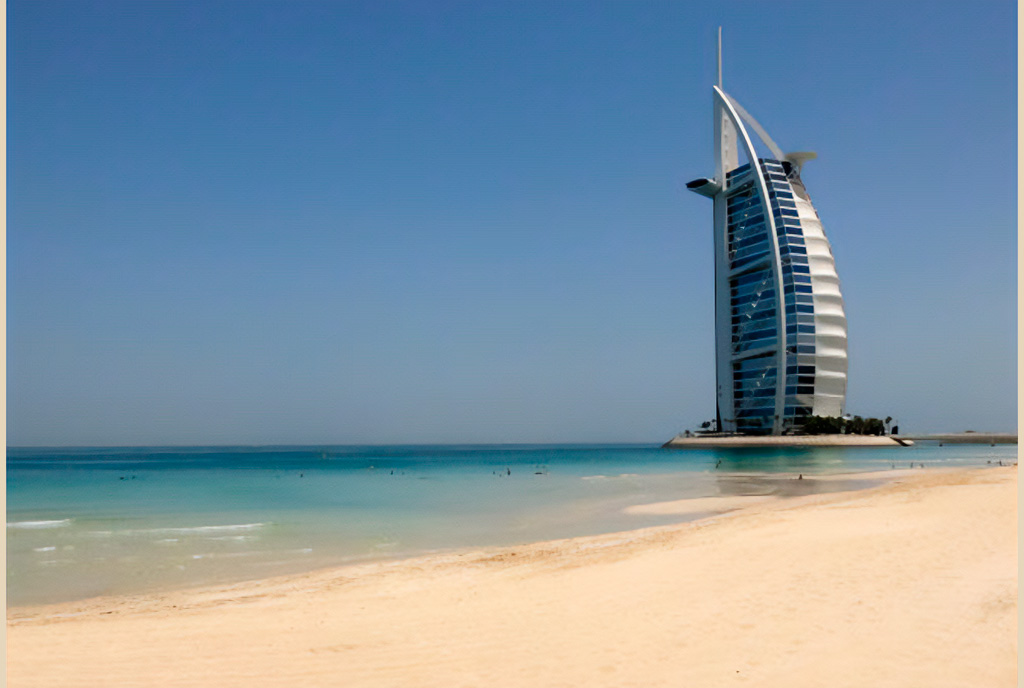
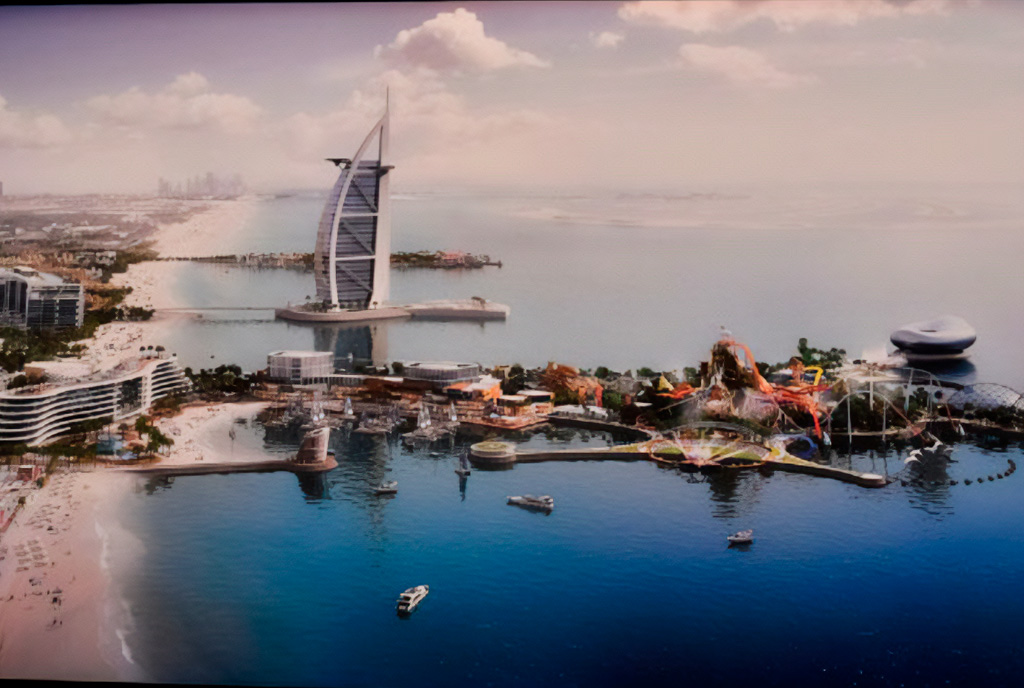
Global investment company Dubai Holding plans to create Marsa Al Arab, a pair of artificial islands spanning four million square feet on either side of Burj Al Arab Jumeirah, the city's famous sail-shaped hotel.
The project, estimated to cost $1.72 billion, will add 1.4 miles of beach to Dubai's coastline. Dubai Holding says the islands will be completed by the end of 2020.
Partner links: booking through them supports the blog at no extra cost to you.
Aimed at travellers, one island will feature family resorts, a 2.5 million square foot marine park and a purpose-built 1,700-seat theatre that will host the Middle East's first Cirque du Soleil show. It will also include 300 apartments overlooking the sea.
The second island, a private one, is designed to house 14 luxury villas and a marina for residents, along with a boutique hotel.
Marsa Al Arab will add 2,400 hotel rooms to the Jumeirah Group portfolio. The group is part of Dubai Holding, which is primarily owned by Sheikh Mohammed bin Rashid Al Maktoum, the ruler of Dubai.
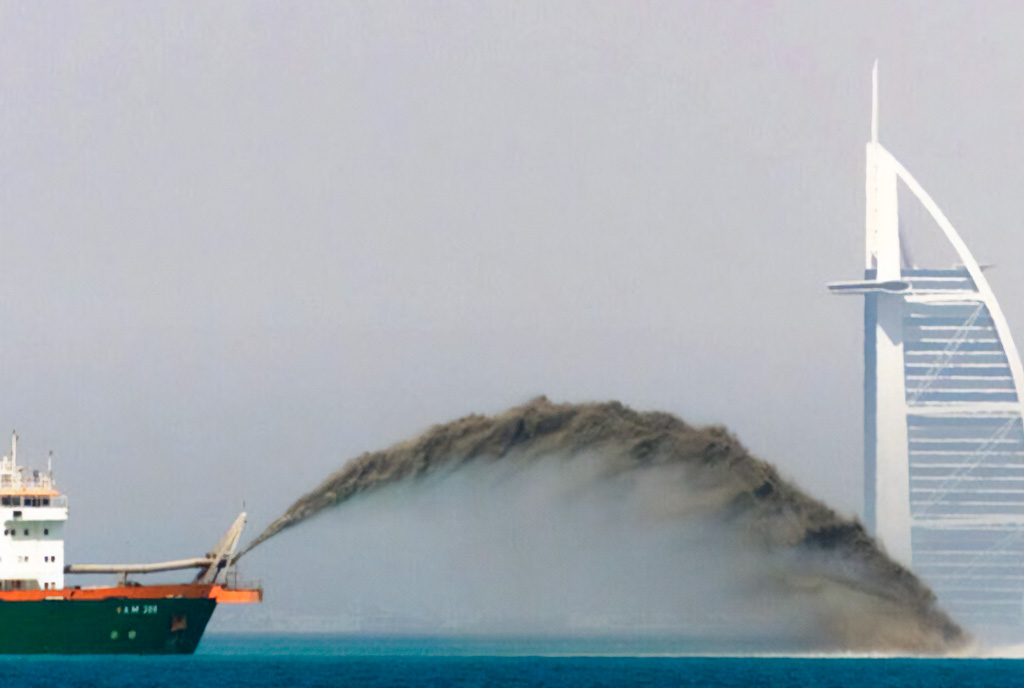
The Jumeirah Group has experience working with artificial islands. It operates Burj Al Arab, which sits 280 metres off Jumeirah Beach on man-made land first built in 1994.
The Burj was followed by other artificial islands of far grander scale and logistical complexity, with varying degrees of success.
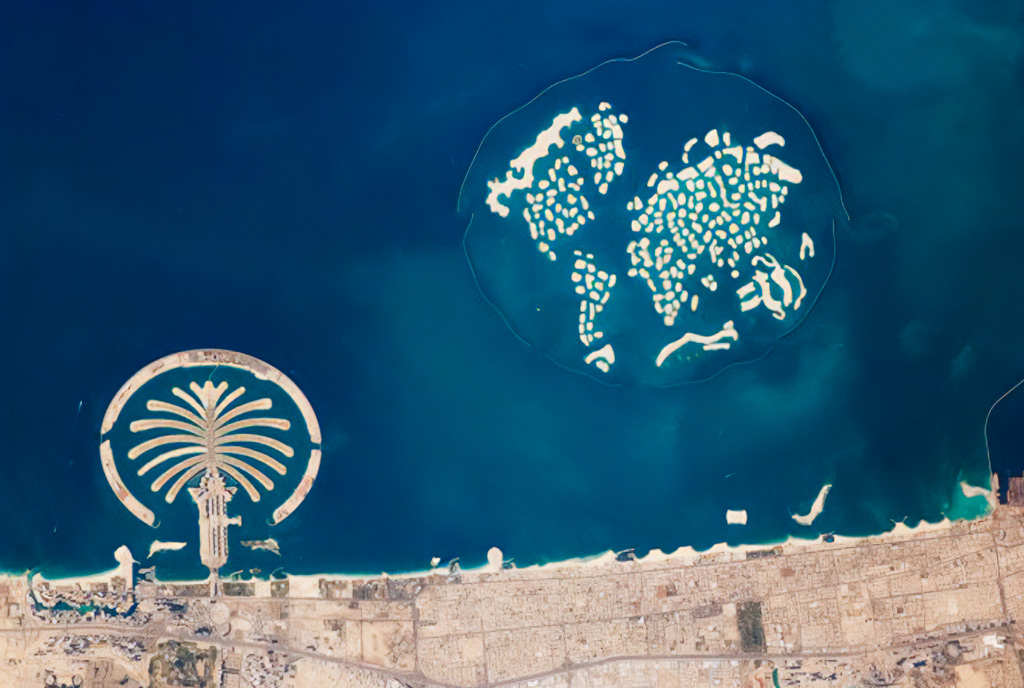
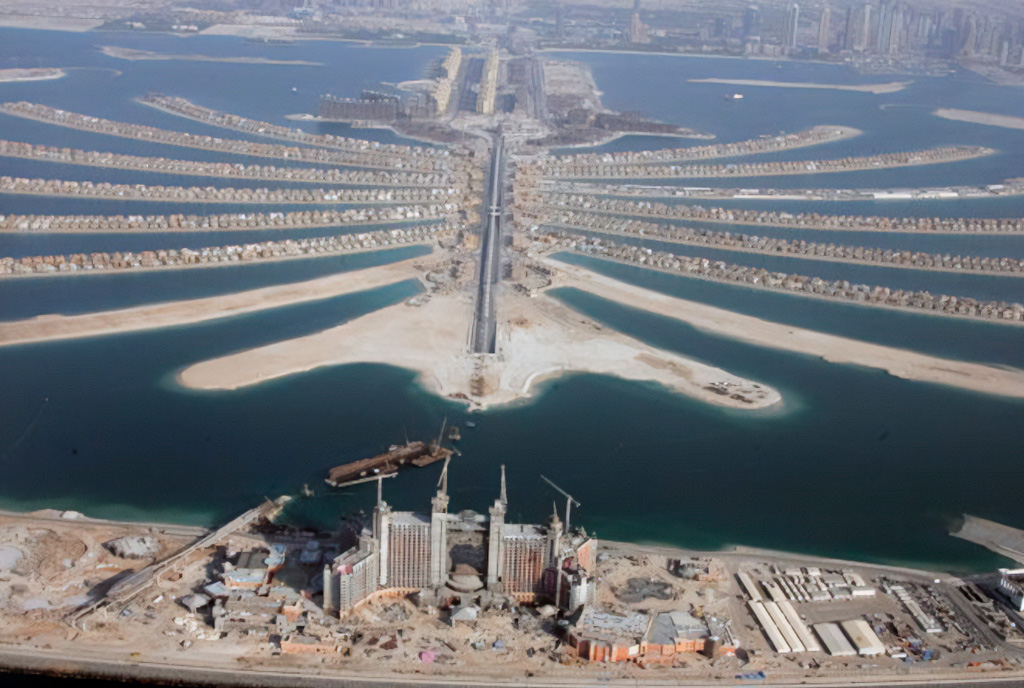
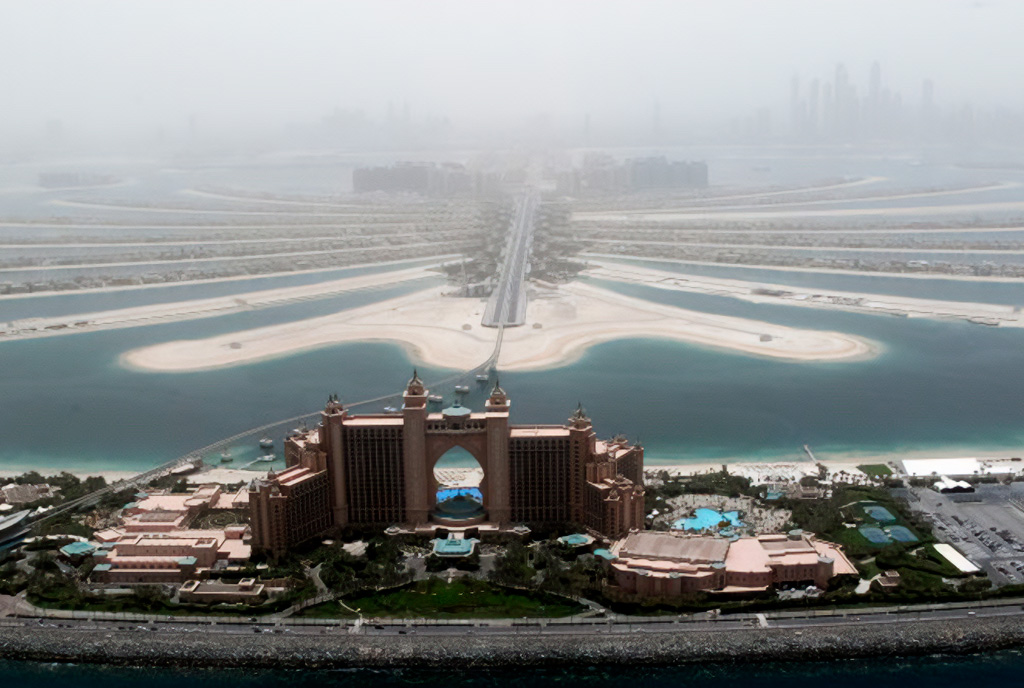
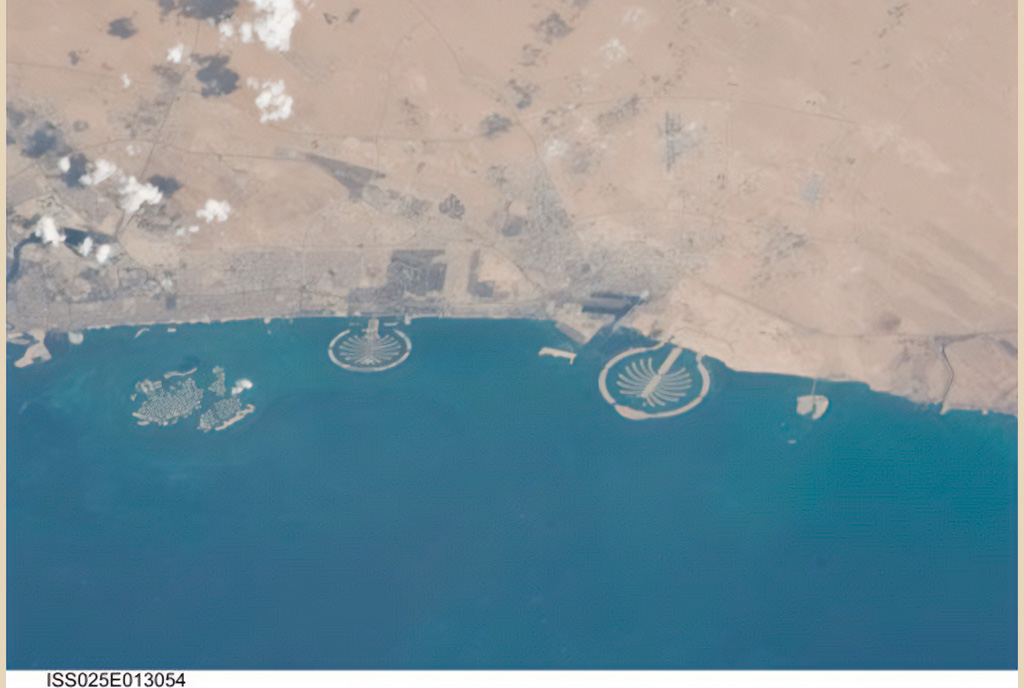
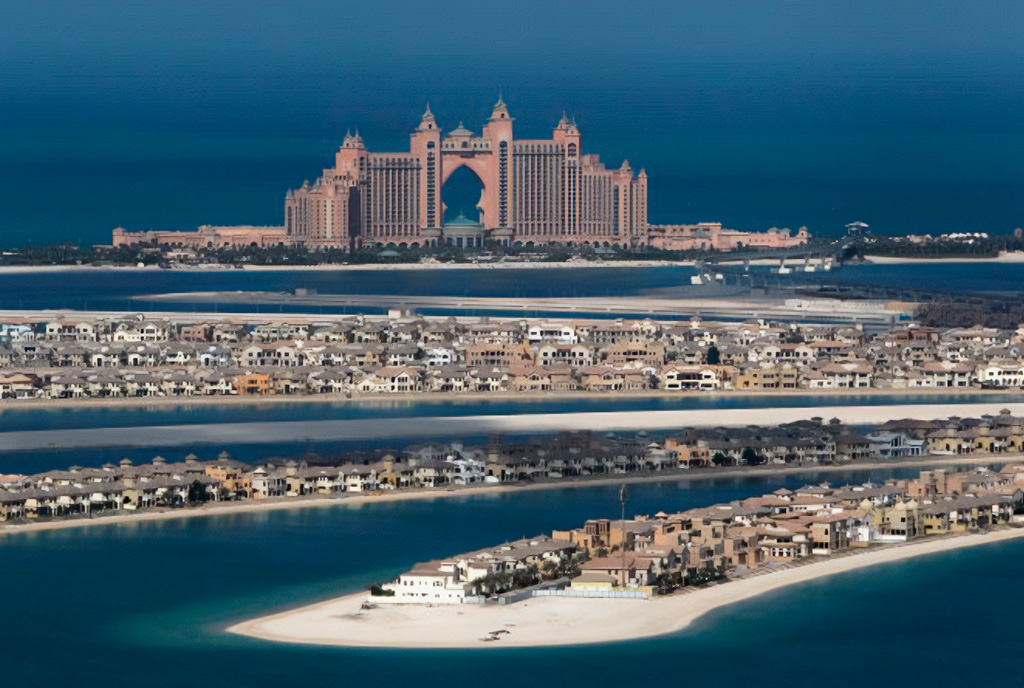
Palm Jumeirah, covering 9.6 square miles and built between 2001 and 2006, is now home to hundreds of family residences and at least two dozen hotels.
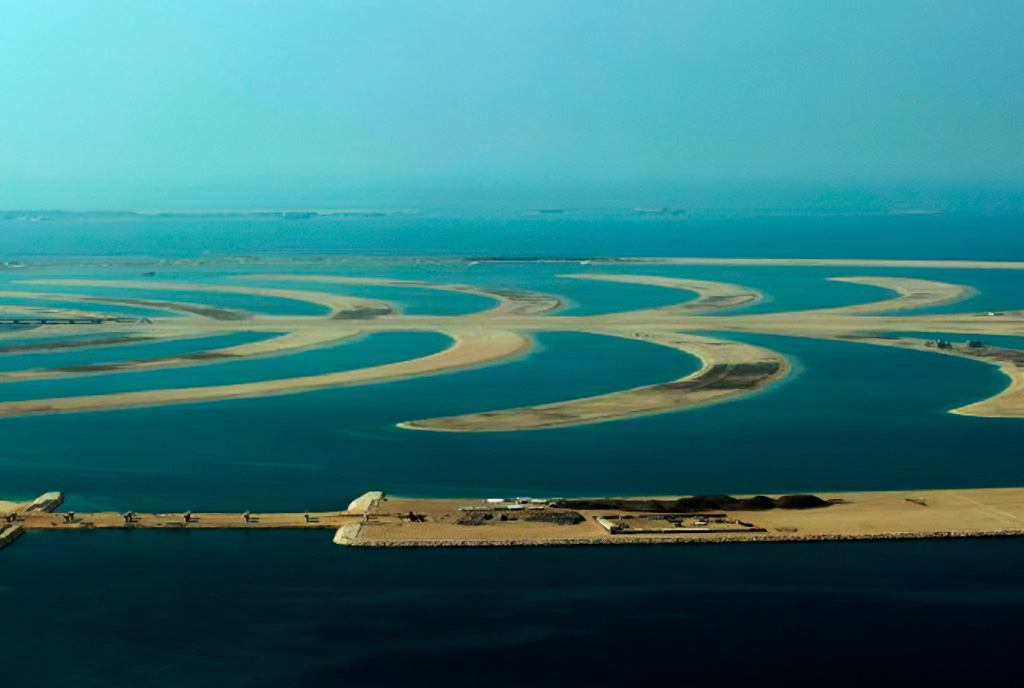
Palm Jebel Ali and Palm Deira were meant to overshadow Jumeirah, but ran into difficulties caused by the 2008 global financial crisis. Construction of the former began in 2002, yet it remains unfinished, while the latter, still under construction, was scaled back and renamed Deira Islands.
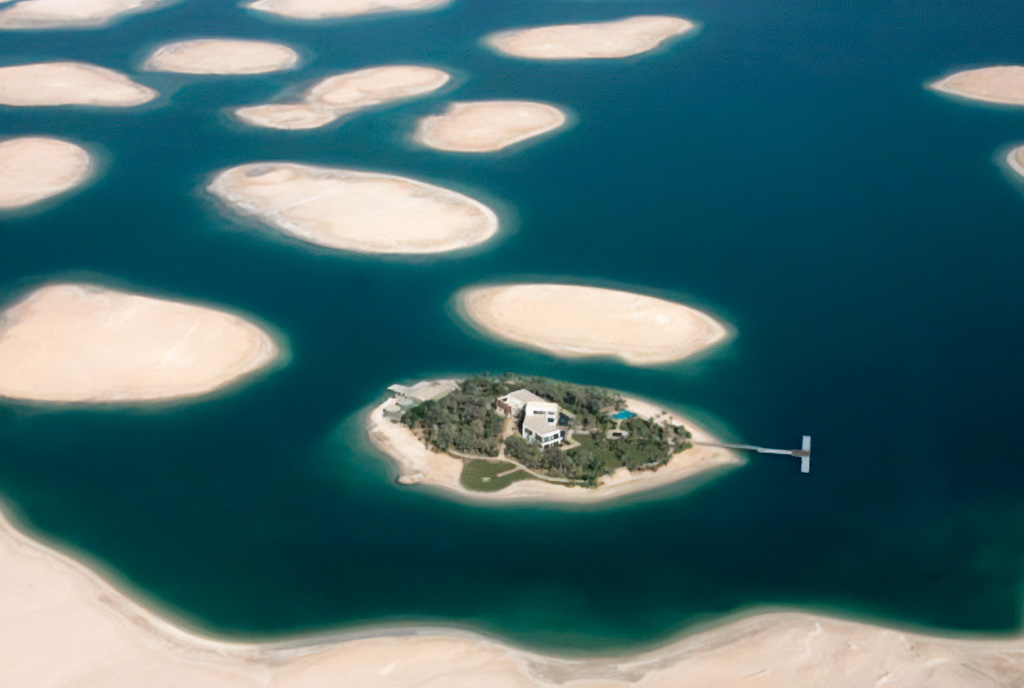
The lavish 300-island system called The World was built 2.5 miles off Dubai's coast between 2003 and 2008. Most of the islands were sold to contractors to build private residences in 2008, but the archipelago still remains largely uninhabited.
The Jumeirah Group hopes Marsa Al Arab will avoid that fate, positioning the project as a tourist-friendly destination ready to welcome the flood of visitors expected in the city for Expo 2020.