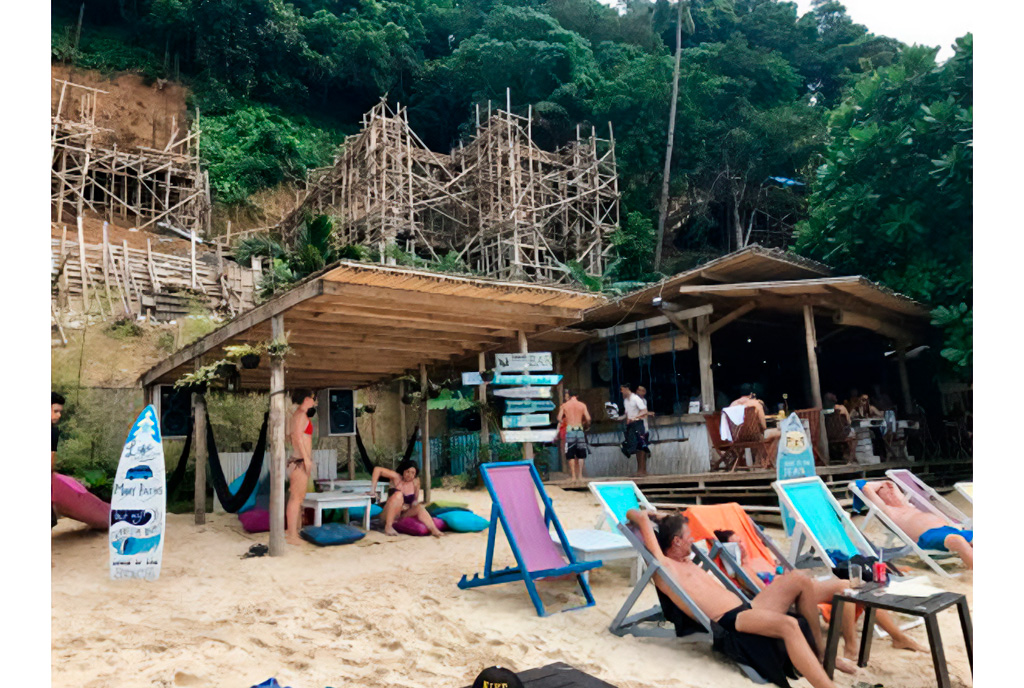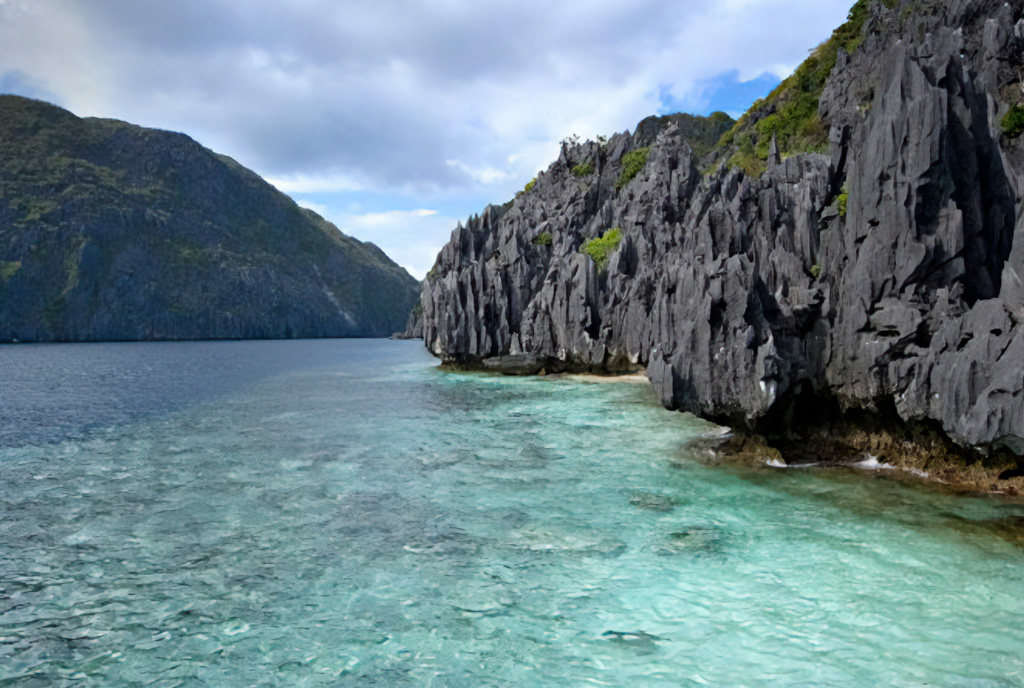


«You'll be dropped off by the road near Las Cabanas Beach, about four kilometers (2.5 miles) from the town of El Nido.
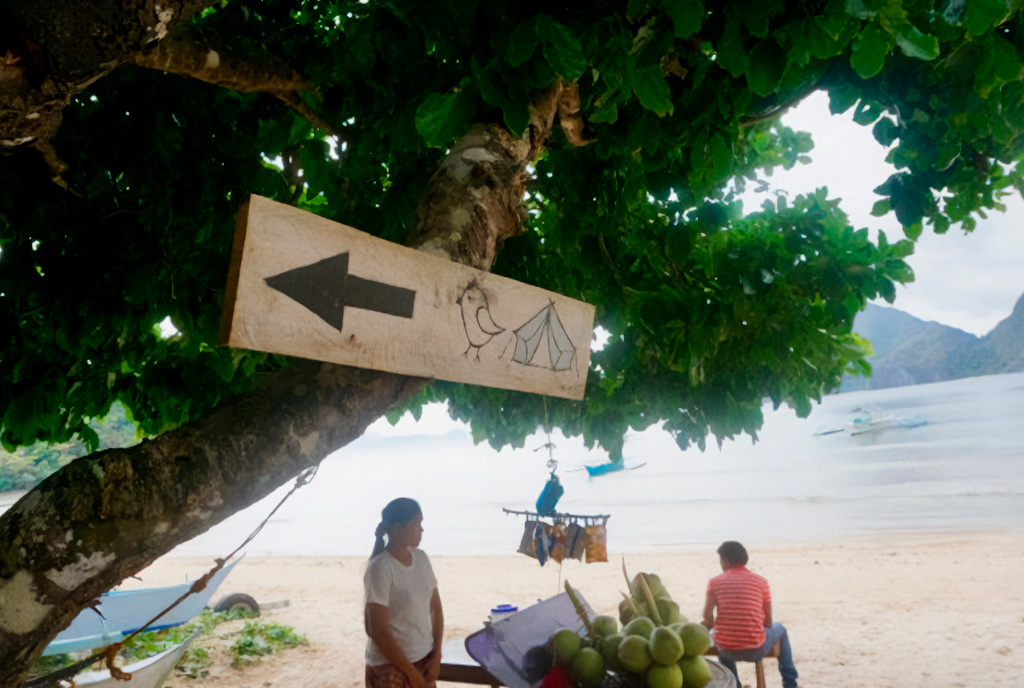
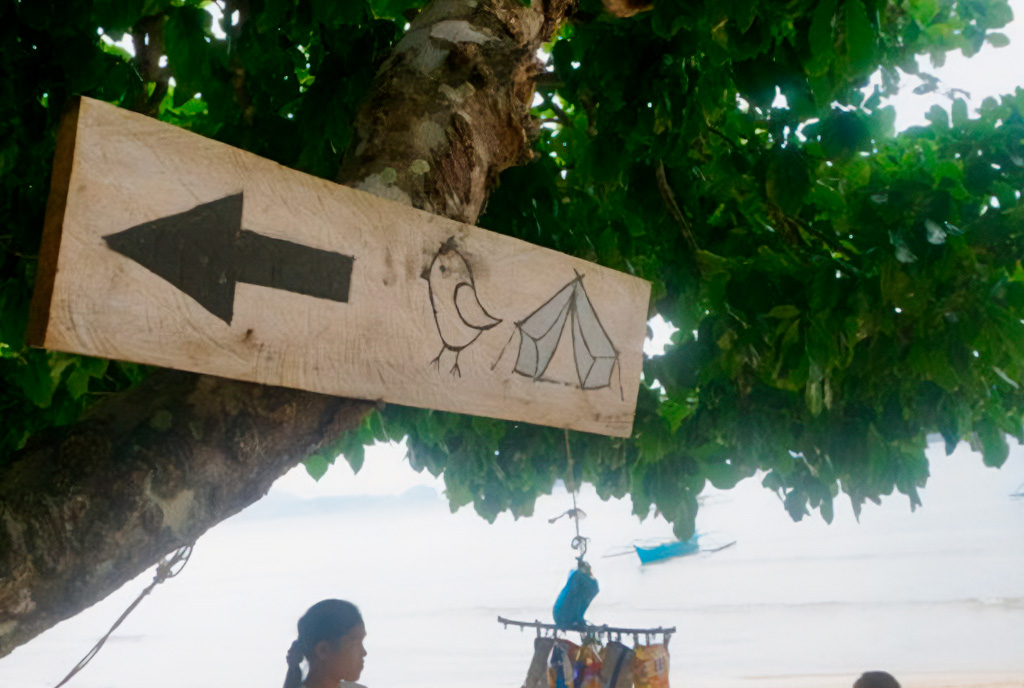
«Walk all the way to the far end of the beach, then ask the people at the coconut stand about Mark and Camille's place.»
Those are the directions for finding The Birdhouse, a jungle glamping retreat in El Nido, a remote pocket of Palawan island in the southwestern Philippines.
Partner links: booking through them supports the blog at no extra cost to you.
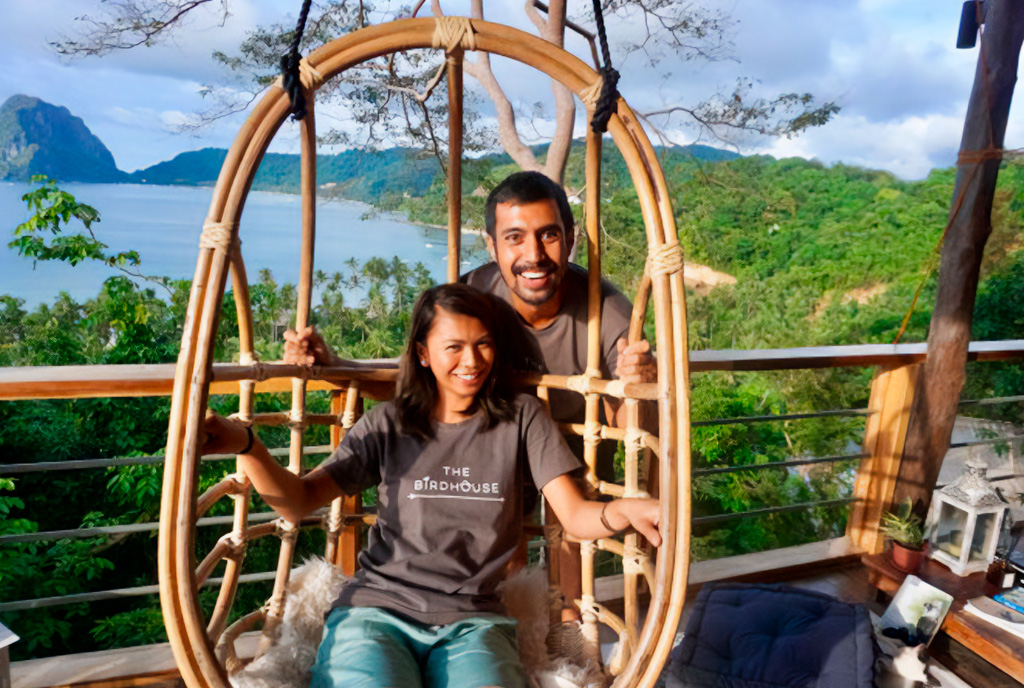
The hard-to-find address is the brainchild of Mark-Anthony and Camille Dimson Villaflor, who built The Birdhouse after traveling the world during a 16-month honeymoon they chronicled on their blog, 365 Travel Dates.
Inspired by the couple's transformative trip around the globe, the plush, rustic-style tents offer a romantic hideaway for newlyweds and adventure lovers alike.
A Year-Long Honeymoon
The Villaflors' love story began in 2009, when they were introduced by a mutual friend.
Two years later, Mark got down on one knee at the W Hong Kong, proposing to the tune of Train's «Marry Me.»
The couple officially tied the knot two months after that.
Manila food: 6 dishes every visitor to the Philippines should try
«I moved from Singapore to Shanghai, where Mark was working, and we lived together for the first time,» says Camille Villaflor.
«The first year was tough. We were fighting all the time.»
Then Mark, a teacher, floated a wild idea to his new wife: what if they took a year-long honeymoon?
«It sounded like the coolest thing in the world, how could you say no?» she recalls. «But we had good money and decent jobs... Were we really going to leave it all behind to take a creative sabbatical?»
Making It Happen
It all started with a trial run. The couple spent 40 days backpacking through Cambodia and western China.
Paradise found: 12 uncrowded island escapes in Asia
After that experience, the enterprising duo returned to Shanghai feeling refreshed.
«That's when we realized travel was our common ground,» recalls Camille, who hails from Manila.
«Instead of focusing on each other and our flaws, we got distracted by the amazing things we were seeing, and we felt so grateful for those experiences.»
Convinced that a year-long honeymoon was entirely doable, the couple started saving up for the trip.
Setting Off
The couple took on several part-time jobs and worked weekends, investing 40 to 50% of their monthly income into a travel fund.
Mark calculated that they'd need about $100 a day, or $3,000 a month.
Once they'd saved $30,000, the couple packed two backpacks, a 28-pound pack for Camille and a 44-pound one for Mark, and set off for the US to begin their journey.
«We did fine on our budget, and it actually ended up stretching to 16 or 17 months,» he says.
Mark and Camille's epic honeymoon took them through the US, Kenya, Tanzania, Guatemala, El Salvador, Nicaragua, Costa Rica, Panama, Colombia, Brazil and Ecuador.
It was a year of eye-opening experiences: they took salsa lessons in Colombia and were robbed in Africa, thankfully without any physical harm.
Where to find remote, luxurious resorts in the Philippines
Money Matters
Despite the setbacks, the couple managed to stretch their budget with a few clever strategies.
They took advantage of travel credit card promotions, racking up points and rewards they could redeem. Mark estimates they opened between 10 and 15 cards by the end of the trip.
How to save money and avoid the crowds while traveling
The couple also worked on the road, taking on everything from hostel check-in duties to social media management, design consulting, blog reviews, and even mopping floors.
«We had the blogging and social media figured out by around the fourth month, so we started pitching collaborations to venues, trading reviews and promotion for accommodation,» says Mark.
Building The Birdhouse

After 16 months abroad, Mark received a job offer in Austria.
To sort out their visas, the couple had to apply from their home countries.
That meant flying to the US for Mark's paperwork, then to Manila for Camille's.
While waiting for Camille's visa approval, the couple headed to El Nido, an unspoiled corner of the southwestern Philippines.
Palawan: the next big sailing destination?
The name of this spot, which means «nest» in Spanish, refers to a remote beach area with beautiful turquoise water and striking limestone cliffs.
They ran travel workshops while scouting potential real estate investments on the island.
The couple could see that a tourism boom was on the way for El Nido.
They stumbled upon a half-acre plot of wild jungle set on a hillside, tucked away from the beach.
The Mighty Jungle
«The terrain was really dense,» recalls Camille. «Mark climbed up there and later brought me along, and we fell in love with the view. We decided to buy it, it was an obvious choice.»
They bought the land in November 2015 and started construction in February 2016.
«We'd been unemployed for a year and a half, so we ended up selling our property in Manila to fund the construction,» says Mark.
The 11 best hotels in the middle of nowhere
After a year of liberating travel, it wasn't the most glamorous transition.
«We went from complete freedom to working around the clock on a construction site,» recalls Camille.
«We had no electricity, just fireflies in our room. We had no running water. It was the rainy season, so we collected rainwater and used it for showering and everything else.»
«But we had a home,» Mark chimes in.
Entering the Love Nest
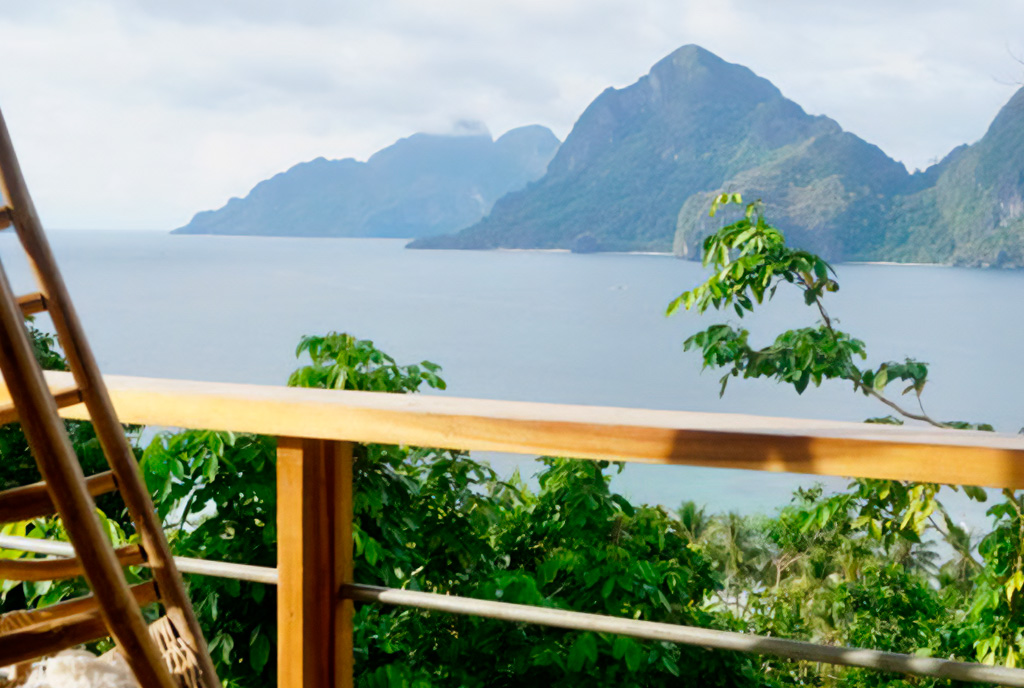
Six months later, The Birdhouse opened with three glamping tents, which the couple call «nests,» and a shared lodge overlooking Marimegmeg Beach.
The place is so far off the beaten path that the couple had to carve out their own trail.
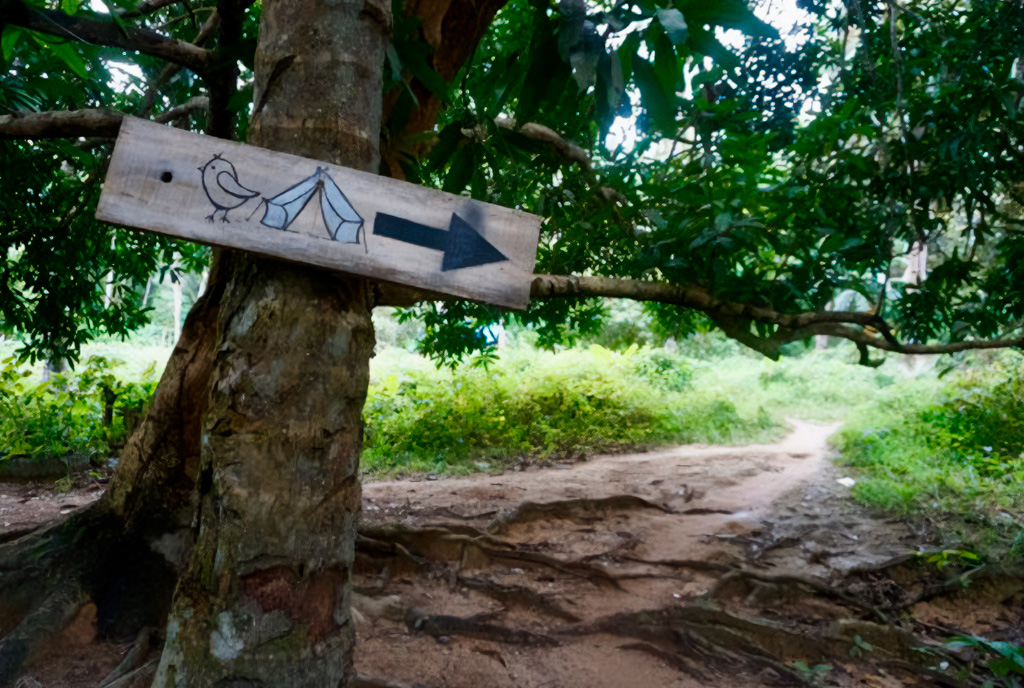
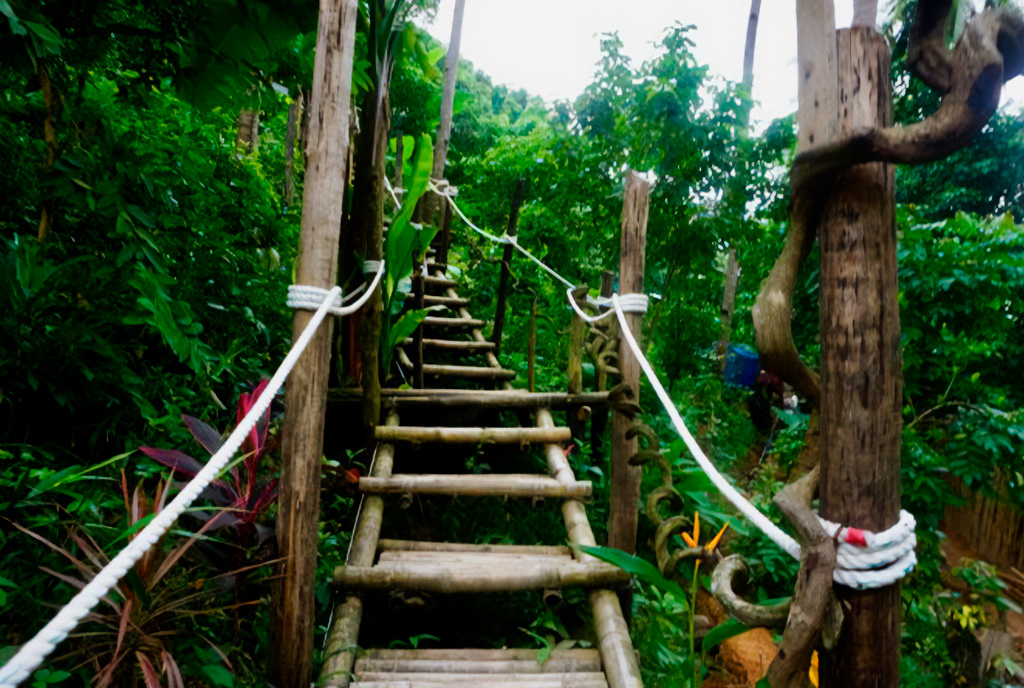
From the coconut stand mentioned earlier, hand-painted wooden signs nailed to tree trunks guide travelers across bamboo bridges and deeper into the jungle.
After a short walk, a staircase leads travelers up a steep mountain slope, where modern tents peek out between the tree branches.
The world's most unusual camping spots
At the top sits a treehouse-like lodge called the «Mother Nest,» which serves as the lobby, restaurant, and Mark and Camille's home all at once.
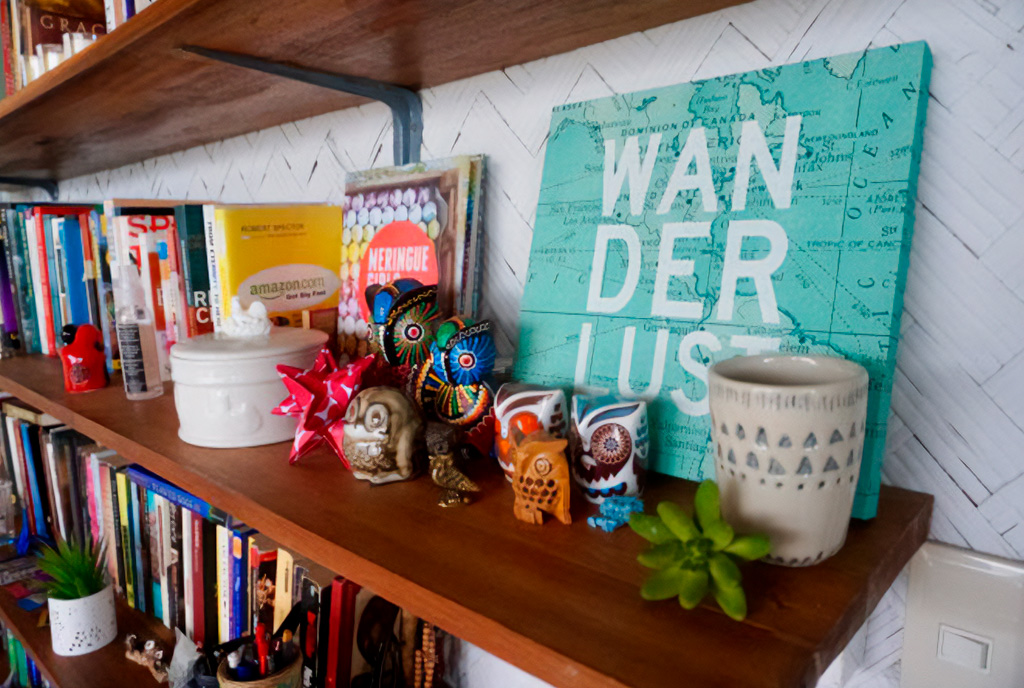
Designed by Camille, the communal house has an eclectic vibe, with romantic hanging bamboo chairs, Moroccan-style rugs, a library of travel books, and a ukulele.
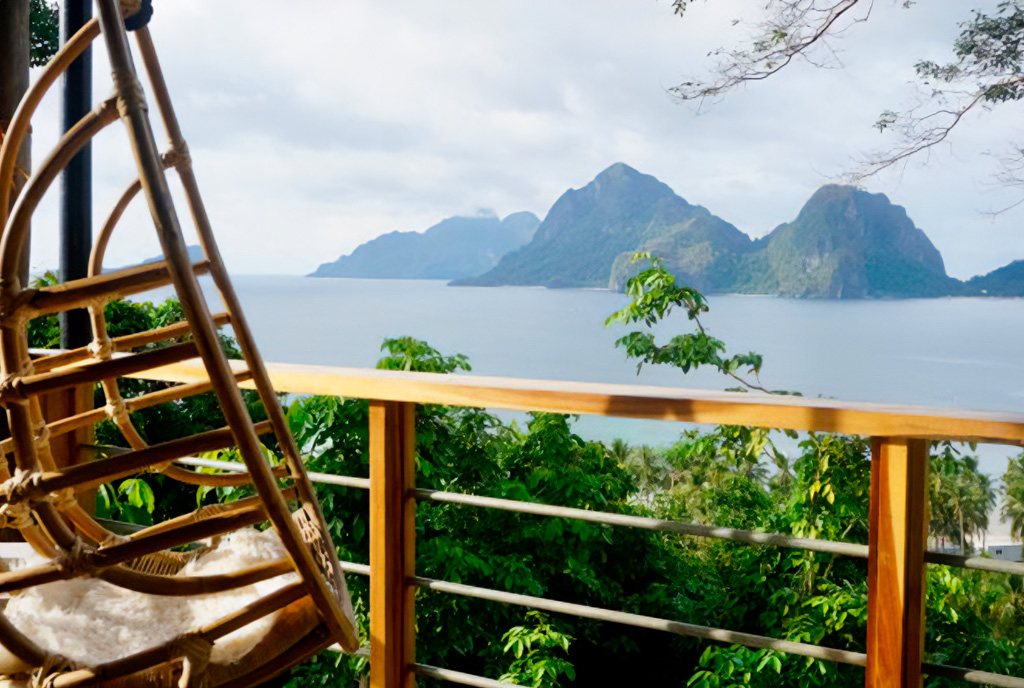
The couple's cat basks in the late afternoon sun while guests enjoy home-cooked meals and views of Bacuit Bay.
Below the main lodge, each tent stands on a platform among the trees, with a small porch offering views of the sea and a night sky full of stars.
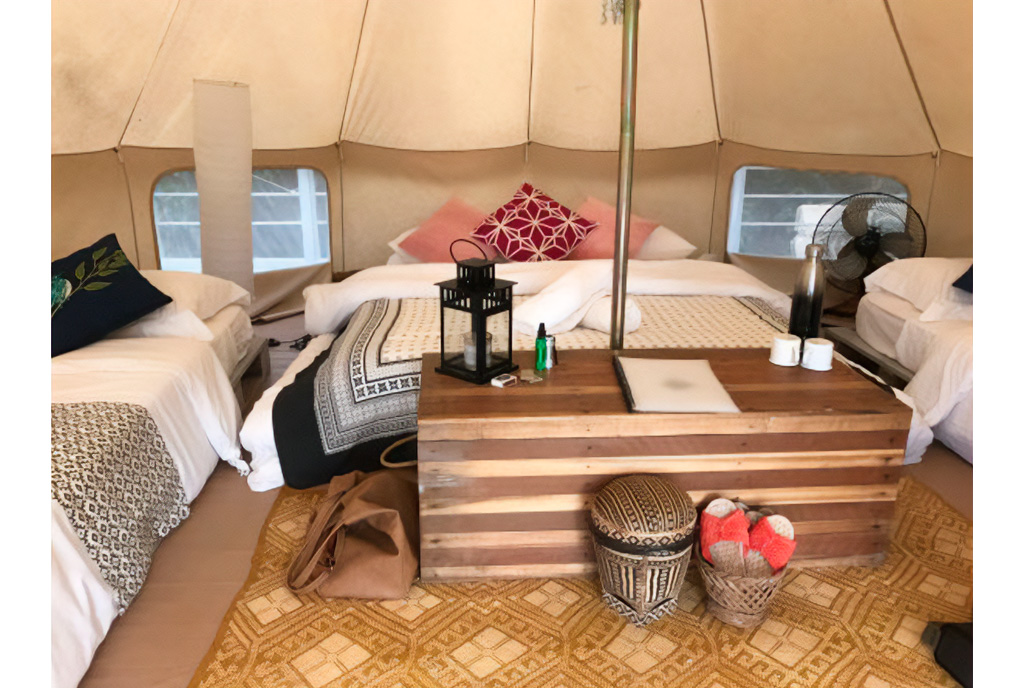
Inside the canvas flaps you'll find a queen-size bed, a yellow rug, and locally made wooden furniture.
More recently, the couple opened a restaurant called The Nesting Table, introduced yoga classes, and added two more jungle nests.
Keeping El Nido Green
But The Birdhouse aims to be more than just a one-of-a-kind getaway.
The short-term goal? A fully self-sufficient restaurant and retreat.
As for the bigger picture, Mark and Camille hope to provide a model of ecotourism that other hotels can follow.
Proper waste and water management, Mark says, is crucial to protecting El Nido's natural beauty amid the rise in tourism.
Paradise in the Himalayas: Nepal's 5 best responsible boutique hotels
The Palawan provincial tourism office estimated that the island welcomed 1.1 million visitors in 2016, a 15% increase over the previous year.
While the statement didn't cite specific figures, PTO head Maribel Bunyi named El Nido among the most visited tourist spots on the island.
20 vacation spots experts say you shouldn't miss
«I don't think El Nido has even begun to blossom yet. But it's coming,» says Mark.
«We want to introduce an eco-friendly way of life to other people and set an example for other hotels in El Nido, so they can follow suit.»
Rising Tides
Former civil servant Shyo Sayson moved into the industry to make a more direct impact on the environment.
«What usually happens in El Nido is that waste management is seen by hotels as an expense,» explains Sayson, now a full-time permaculture designer.
«Hotels push most of the cost onto the local government, which is responsible for managing the waste. Unfortunately, the local government doesn't manage waste efficiently or sustainably.»
So far at The Birdhouse, Sayson has put in place permaculture infrastructure, including composting, water recycling, natural water storage, and organic gardening.
This strategy is especially important on hilly terrain, since typhoons and heavy rains cause soil erosion.
«We're happy to say that our investment in other permaculture infrastructure, particularly the ditches, has softened a lot of potential damage,» says Mark.
Sayson has also worked with hotels across the island to introduce permaculture facilities and eco-friendly waste management strategies.
Another way The Birdhouse spreads the green word is through a new magazine called ESTEL (Eat, Sleep, Tour El Nido), which highlights local environmental initiatives.
«The right steps are slowly being taken,» says Mark. «For instance, a plastic ban was introduced. We hope that further education about these kinds of policies and regulations will keep supporting the community and sustainability.»