

Sometimes it feels like the best Mediterranean islands started taking bookings for this summer back in the 1970s.
All the prime spots were snapped up long ago, leaving only overpriced or uninspiring options for anyone planning a last-minute getaway.
Even so, a handful of Mediterranean destinations remain so little known that even at the height of the season there's a good chance no one else has discovered them.
Partner links: booking through them supports the blog at no extra cost to you.
These tiny, quiet and remote islands feel like the Mediterranean before its popularity went through the roof.
Here are the 10 best:
Iles Sanguinaires (France)
Their name translates as the Bloody Islands, but while the Iles Sanguinaires may have had a grim past, today the label refers to qualities that are far more soothing.
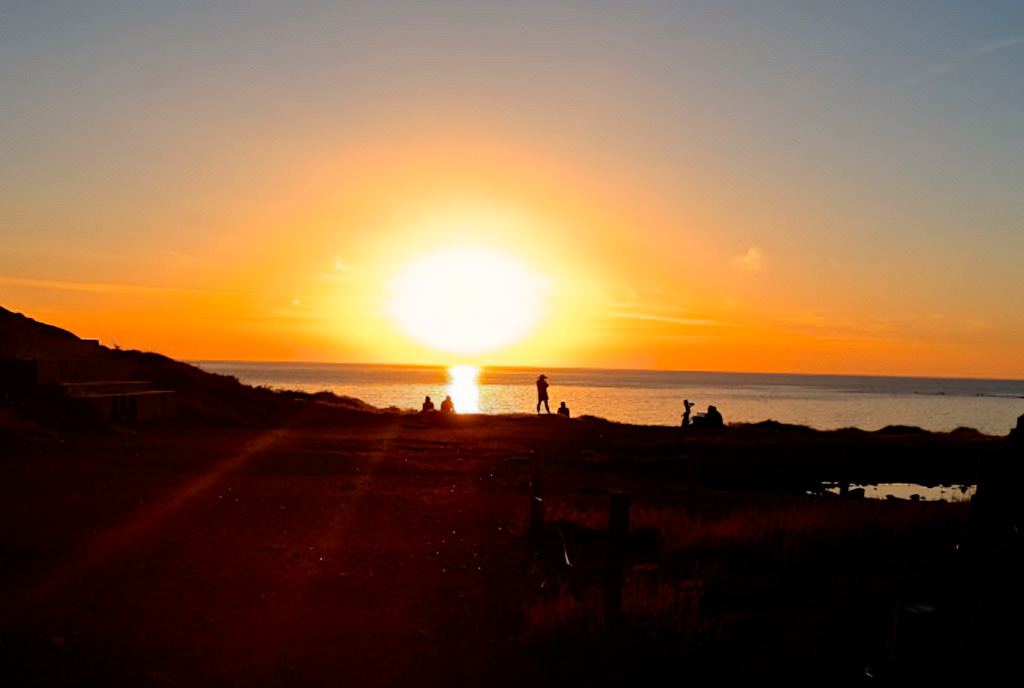
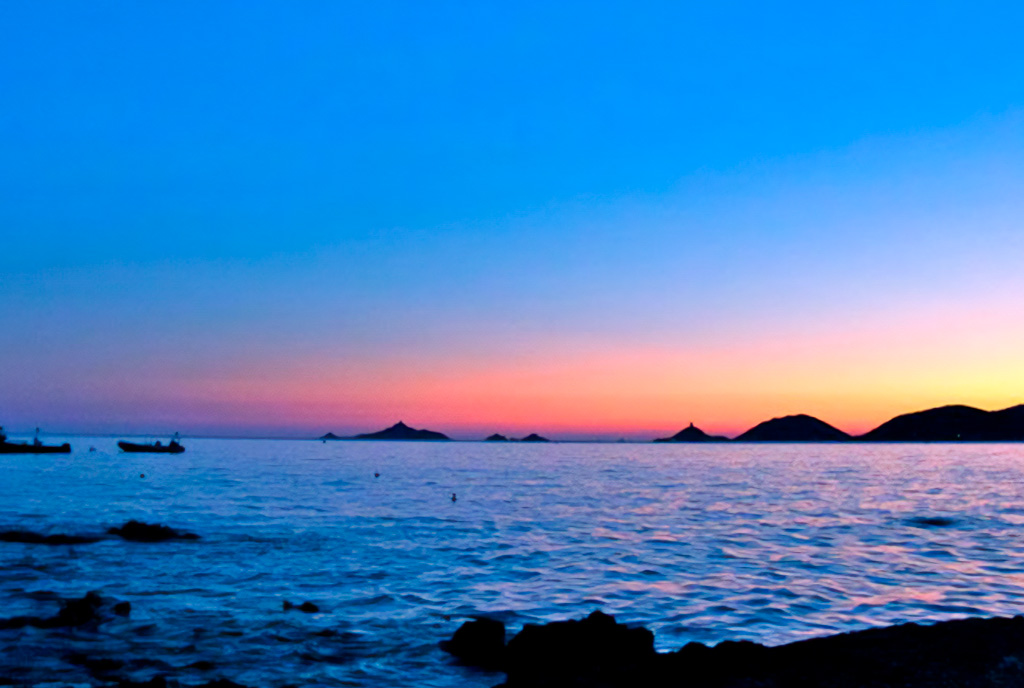
These uninhabited four islets off the western coast of the French island of Corsica are famous for their blazing purple sunsets.
The sea and sky seem to bleed, setting the reddish volcanic rock alight and creating the finest evening shows on Corsica, according to the locals.
They're a popular spot for diving and snorkelling, not least because hundreds of ships have wrecked there.
Adding to the eeriness are the ruins of a former quarantine station for coral divers struck down by "sangue nero" (black blood), otherwise known as the Plague.
On Mezzu Mare, the largest island, there's a lighthouse built on the remains of a Genoese watchtower.
How to get there: Shuttle boats depart from the Corsican port of Ajaccio.
Where to stay: Stella di Mare on mainland Corsica offers a wonderful view of the archipelago.
Linosa (Italy)
The trip to Linosa from Rome takes 24 hours, but it's worth every minute.
This volcanic atoll sits closer to the coast of Tunisia than to the Italian island of Sicily.
Landing here is like touching down on another planet: Mars.
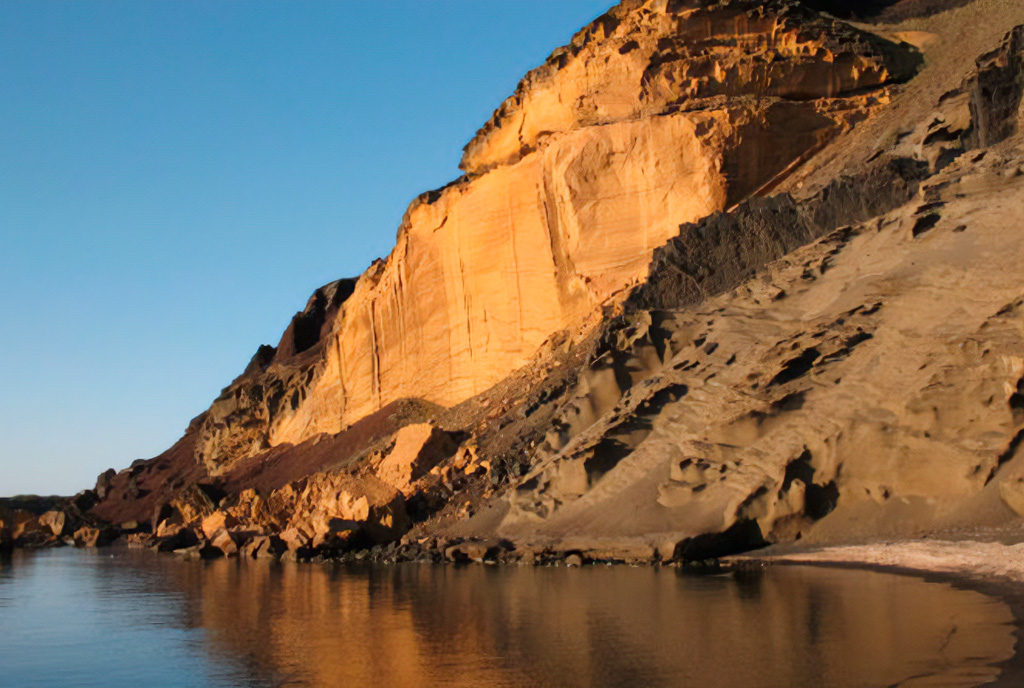
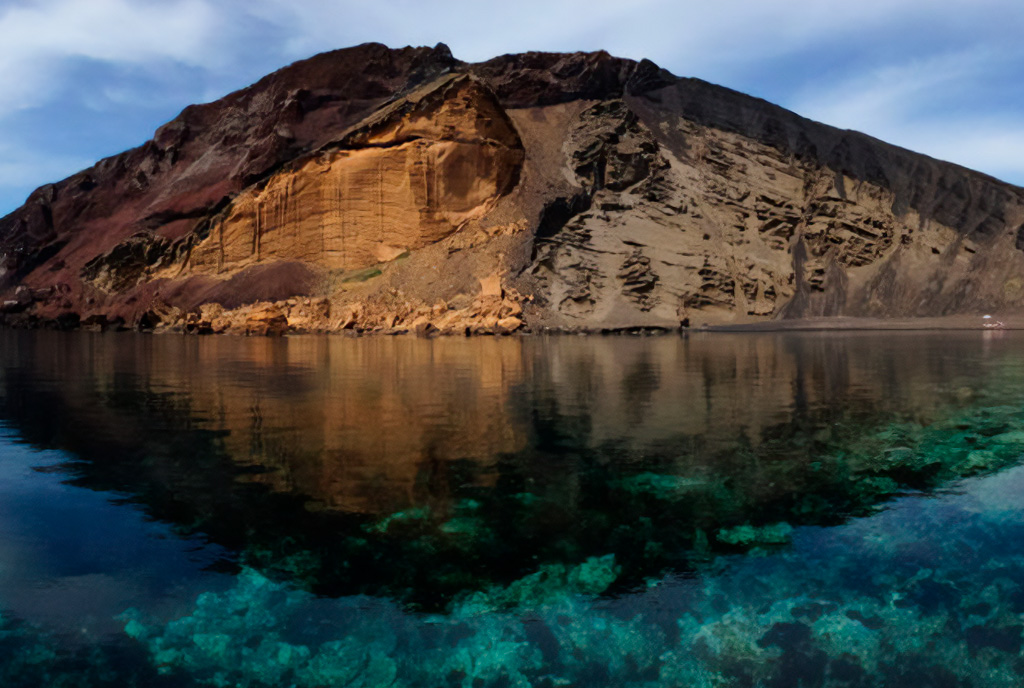
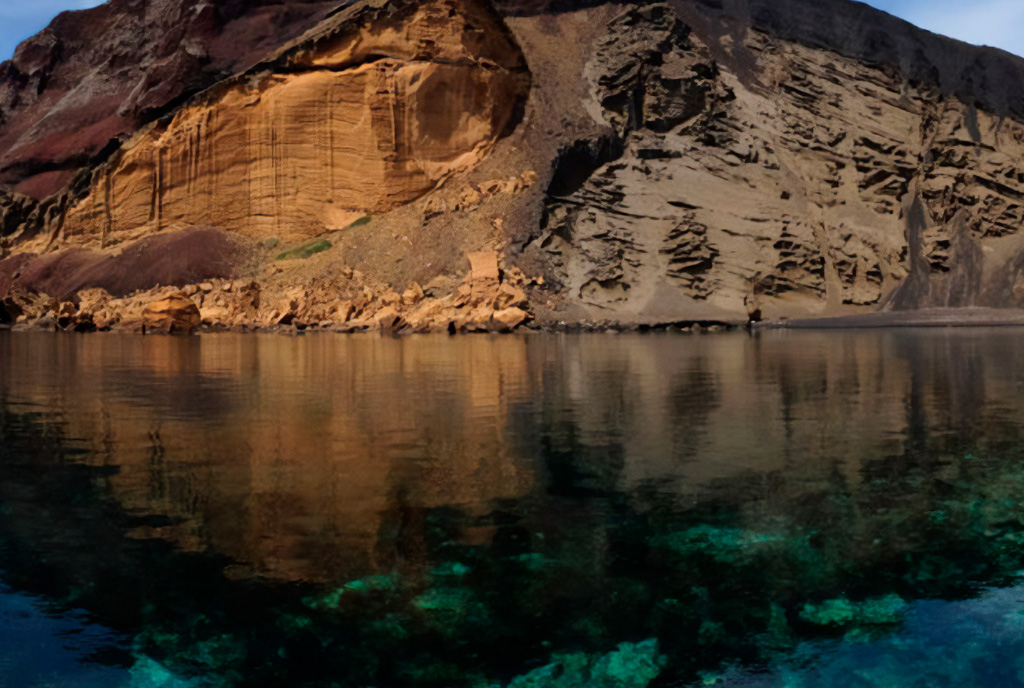
The blue-black beach of La Pozzolana has sulphur-yellow and red layers. Its Black Planet bar is a favourite for evening aperitifs and private dinners.
Snorkellers who dip their masks into the water are met with crystal-clear black landscapes.
The island is home to loggerhead turtles, and there's a clinic dedicated to helping those injured by fishermen's hooks.
At night, beneath a starry sky, the turtles come ashore to lay their eggs.
A hike into the heart of the island reveals Monte Vulcano, an extinct volcano covered in fluorescent-green prickly pears.
The island's main village is a cluster of low pink and green dwellings.
How to get there: Flights connect Rome and Milan with the island of Lampedusa, which is linked to Linosa by ferry.
Where to stay: Casa Faro is a classic island rental.
Where to eat: Errera serves traditional cuisine.
Susak (Croatia)
Fewer than 200 residents welcome visitors on this three-square-kilometre island, a former Roman settlement known for its grapes.
Though it was once the scene of a fierce clash between the Venetians and the Saracens, this tiny island has mostly existed in isolation.
Even today the locals speak a dialect that most Croatians struggle to understand.
The old town's streets, paved in stone like the rest of the island, are free of cars: only tractors, wheelbarrows and bicycles are allowed.
There are no banks or ATMs, but there is a post office.
The shallow waters and warm sands of Bok beach are believed to have healing properties.
Where to eat: Konoba Ankora serves local lamb dishes.
How to get there: Flights connect Zagreb and Split with Krk, near the island of Rab, which is linked to Susak via a catamaran to Mali Losinj and then a ferry.
Where to stay: Sansego rents out studios with sea views.
Chrissi (Greece)
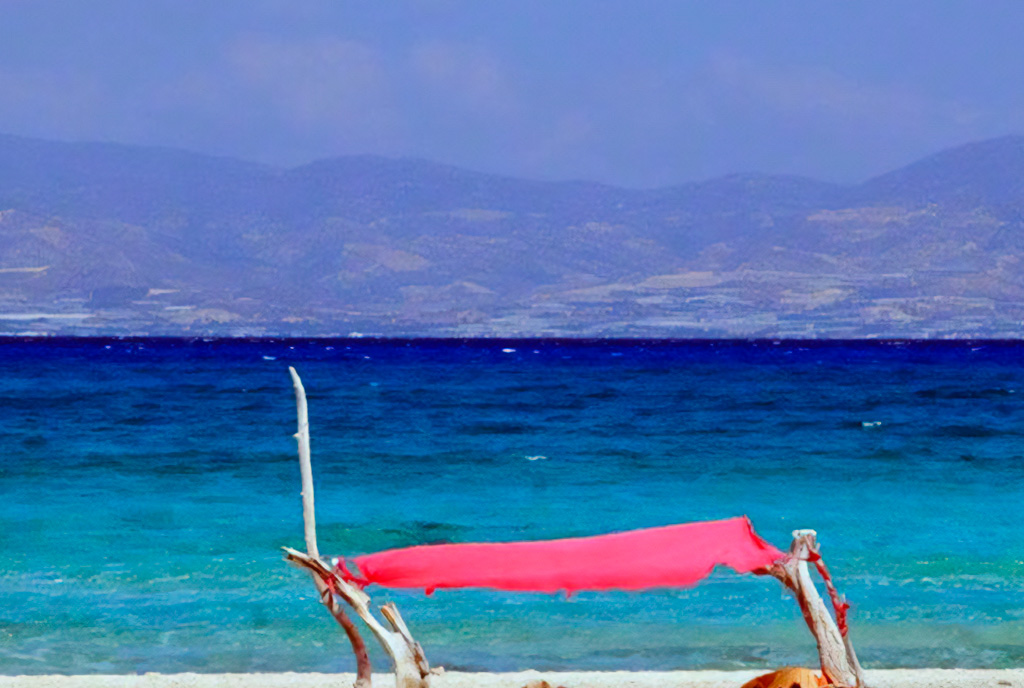
This former pirate island, with its palm trees, sand dunes and emerald waters, lies south of Crete in the Libyan Sea.
Here you'll find a dense forest of Lebanese cedars, a medieval chapel, Minoan ruins and Roman tombs.
Visitors can cross it barefoot, but staying overnight is forbidden: camping and campfires are banned.
The atoll has one small taverna and a bar on Belegrina beach.
Belegrina, also known as "Golden Beach", is covered in broken seashells, coral and fossils that the Byzantines used to make the red dye for colouring the cloaks of European nobility.
How to get there: A ferry links Chrissi with Ierapetra on the southern coast of Crete, which can be reached by car from the Cretan capital of Heraklion.
Where to stay: Cretan Villa hotel, with a view of the island.
Medes (Spain)
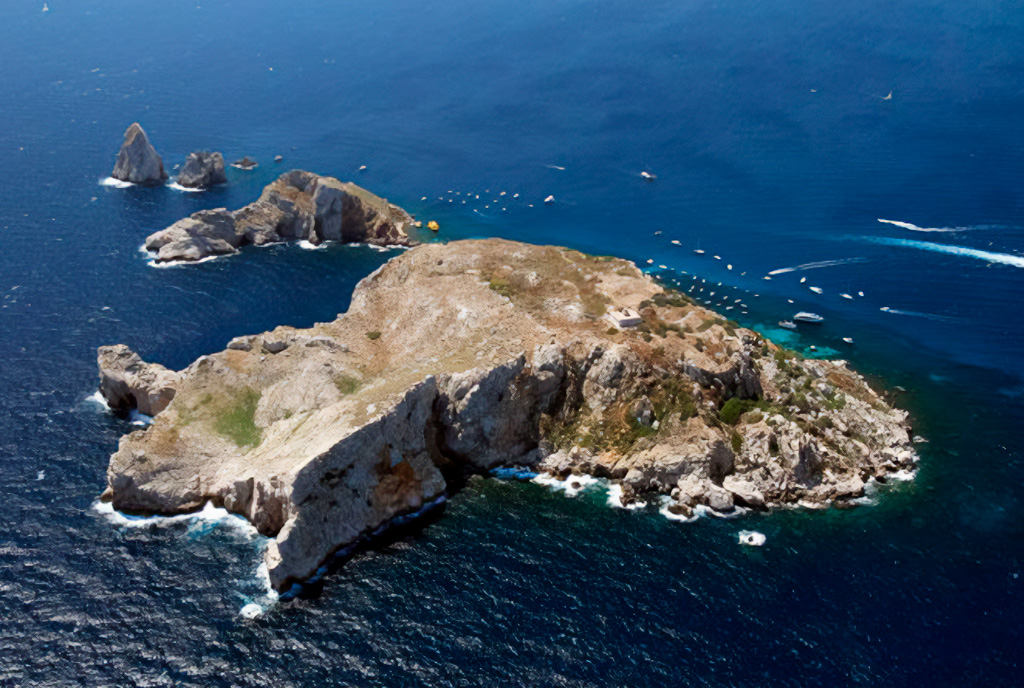
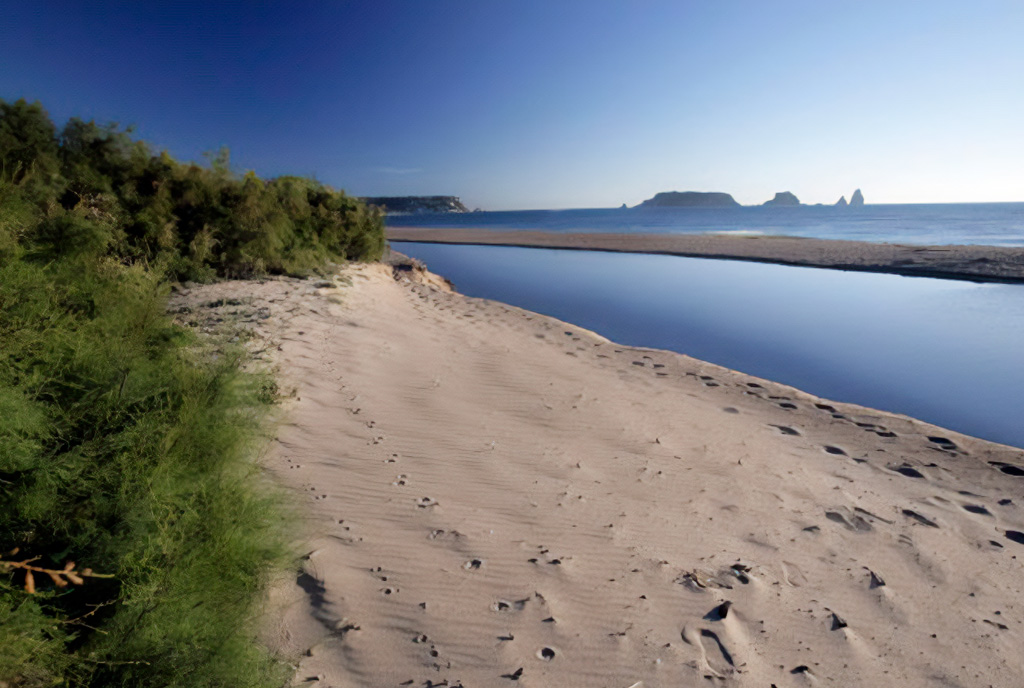
Spain's beautiful north-eastern Costa Brava coast may be packed with visitors in summer, but these seven islands not far from the fishing village of L'Estartit are a peaceful world away from the bustle.
A marine park covering 16,000 square metres, the islands preserve the ruins of a wall built by the Crusader Knights of the Holy Sepulchre.
Twice a year, guided tours with biologists are held to the islands, which are a prime spot for snorkelling and diving.
The Carall Bernat and Tascons reefs teem with lobsters, giant groupers and even some larger predators.
How to get there: Boats set off from L'Estartit, which can be reached by car or train from Barcelona.
Where to eat: Fish soup with onion sauce is one of the specialities at Portal de Mar
Where to stay: The Cal Tet hotel stands out for its stone decor.
Bozcaada (Turkey)
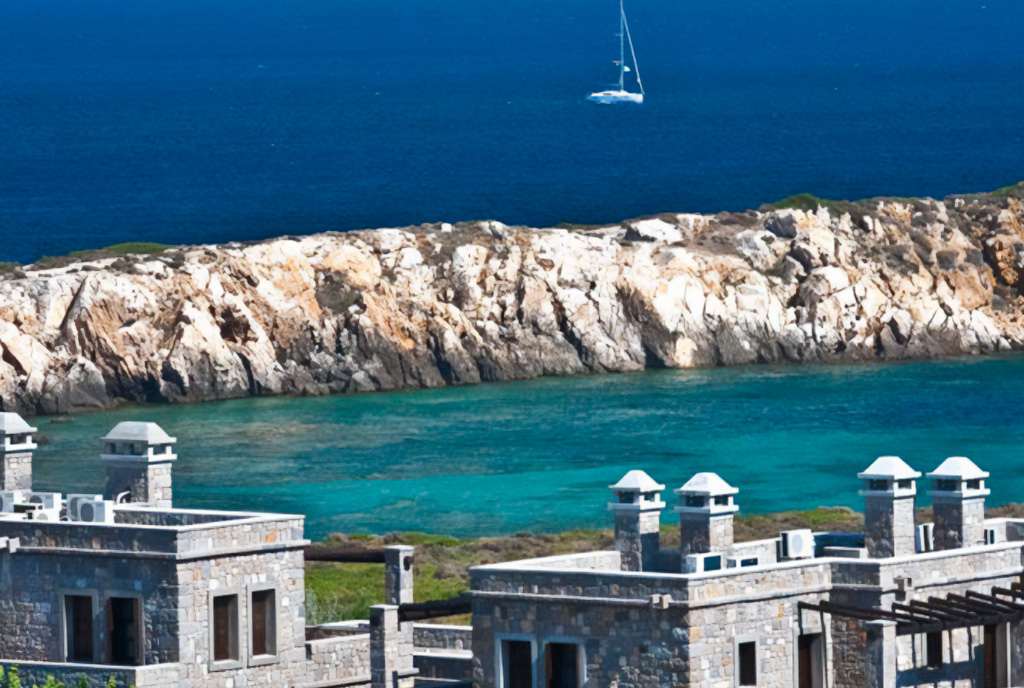
This island on Turkey's Aegean coast has drawn people for thousands of years.
According to Homer's Iliad, the Greek fleet hid here while awaiting Odysseus's signal to invade Troy.
The 16th-century Ottoman ruler Suleiman the Magnificent also left his mark, building an imposing fortress surrounded by vineyards.
Once the only inhabitants were fishermen, shepherds and soldiers, and their legacy is a labyrinthine town filled with picturesque houses and fish tavernas.
The sunsets by the Polente lighthouse are the main attraction.
How to get there: Flights connect Istanbul with Canakkale. From there, take a bus to Geyikli to catch the boat.
Where to eat: Kaikias is a stylish cafe and resort with walls decorated with scenes from Greek mythology.
Where to stay: The Akvaryum hotel, overlooking the turquoise waters of Aquarium Bay.
Palmarola (Italy)
This lost, wild treasure of an island, popular with Romans on weekends, is considered by many the most beautiful in the Mediterranean.
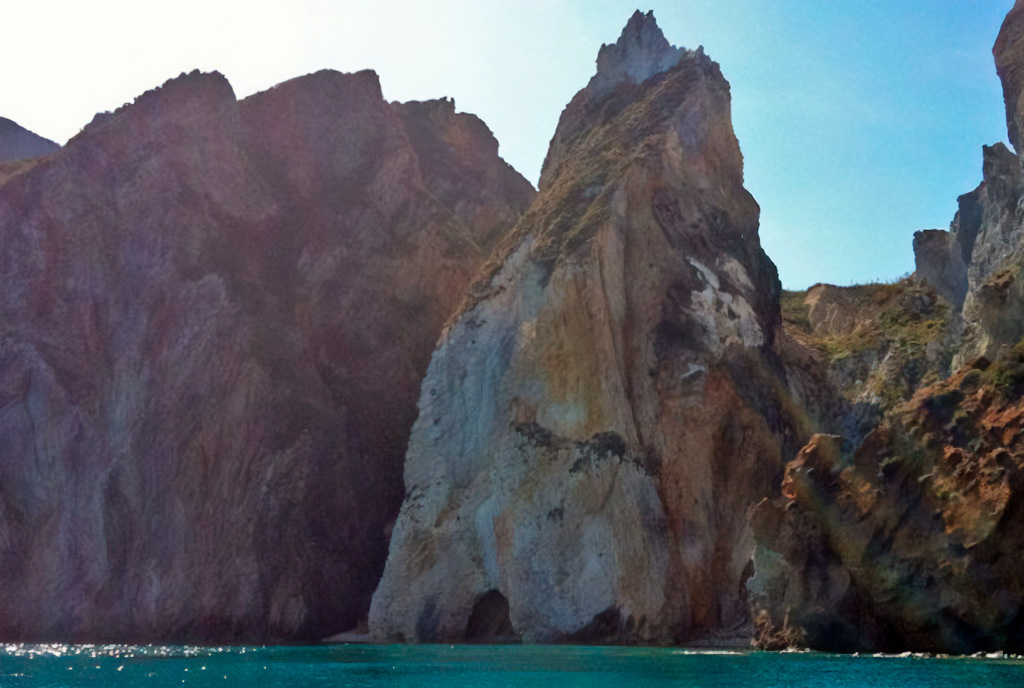
It's a journey back to the Jurassic period, with lush vegetation, fluorescent-blue waters, grottoes and massive sea stacks.
The Cattedrali are striking cliffs. I Fucili (the Rifles) are the remains of a collapsed natural arch.
The golden and silvery pebble coves are so smooth it feels like swimming in an artificial pool.
How to get there: From Rome, travel by car or train to Anzio, then take a ferry to Ponza.
Where to eat: There's one restaurant, O' Francese, which rents out cave dwellings. The owners serve fresh fish straight from the net and lead guests to the highest peak at dawn.
Where to stay: Casa del Fauno rents apartments and arranges tours from the neighbouring island of Ponza.
Ile Piana (France)
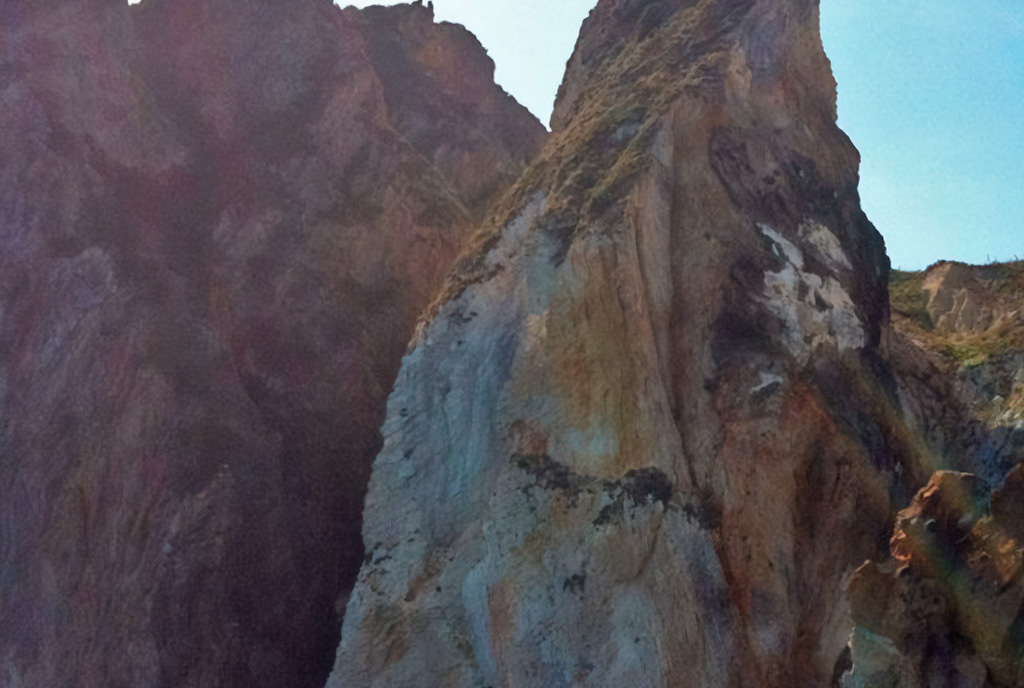
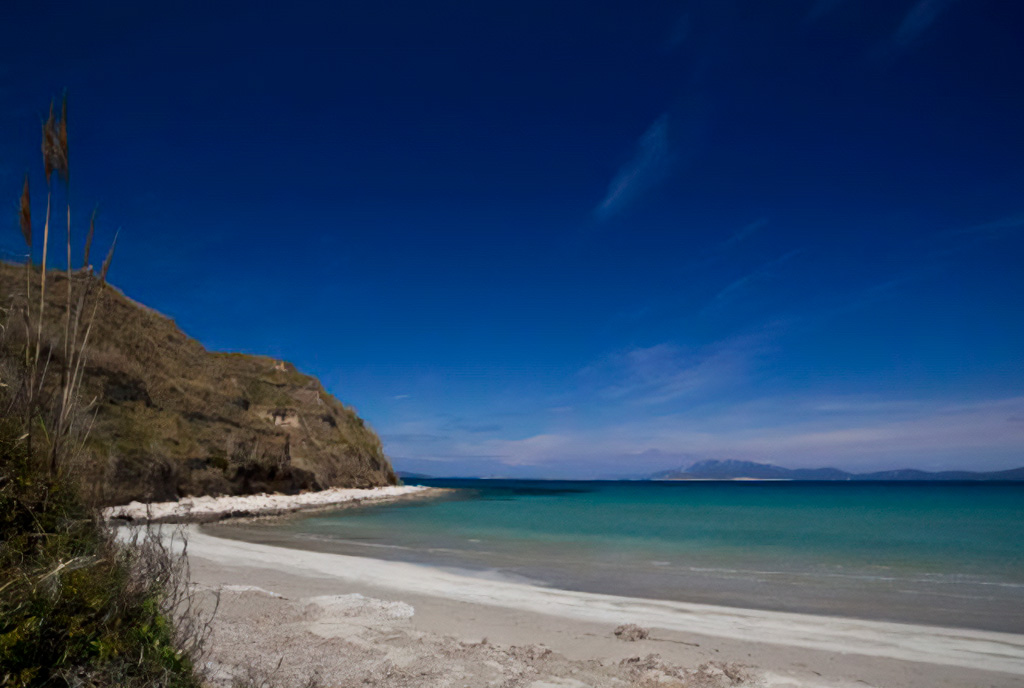
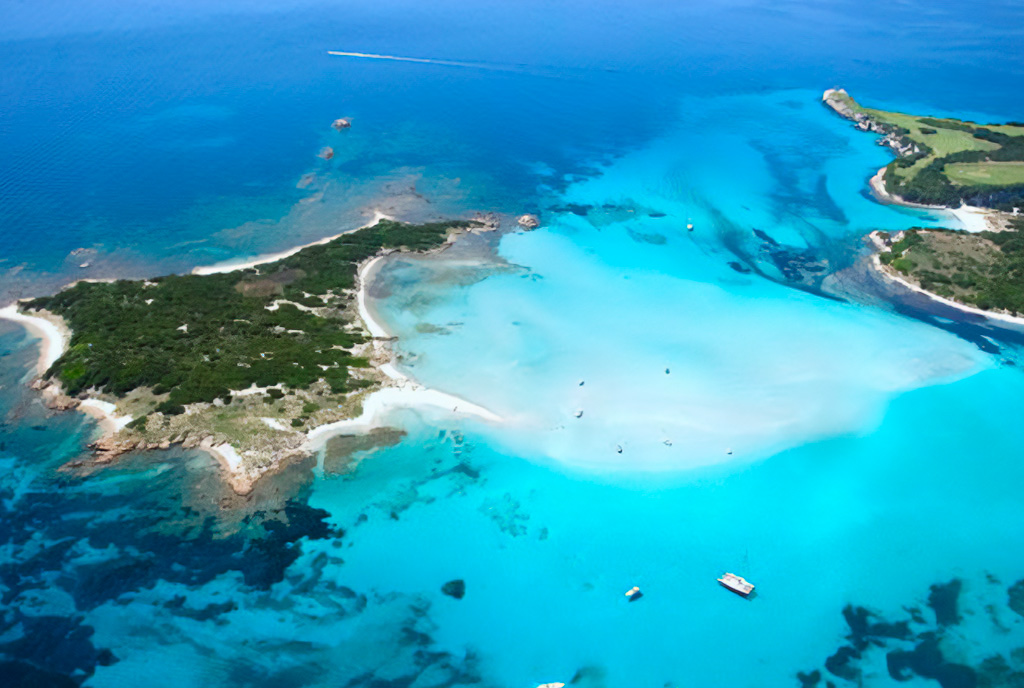
This tiny island looks like an atoll in Micronesia, but it sits just 300 metres from the southern tip of Corsica.
Depending on the tide and your level of fitness, you can reach it simply on foot or by swimming from Piantarella beach on mainland Corsica.
Once they reach its shores, visitors can recover from their efforts on talc-coloured sand while admiring some of the clearest waters in the Mediterranean.
When the wind picks up, the area becomes a paradise for kitesurfers and kayak lovers.
How to get there: Fly to Ajaccio, then drive to Pointe de Sperone.
Where to stay: Villa Sperone is a golf resort.
Serifos (Greece)
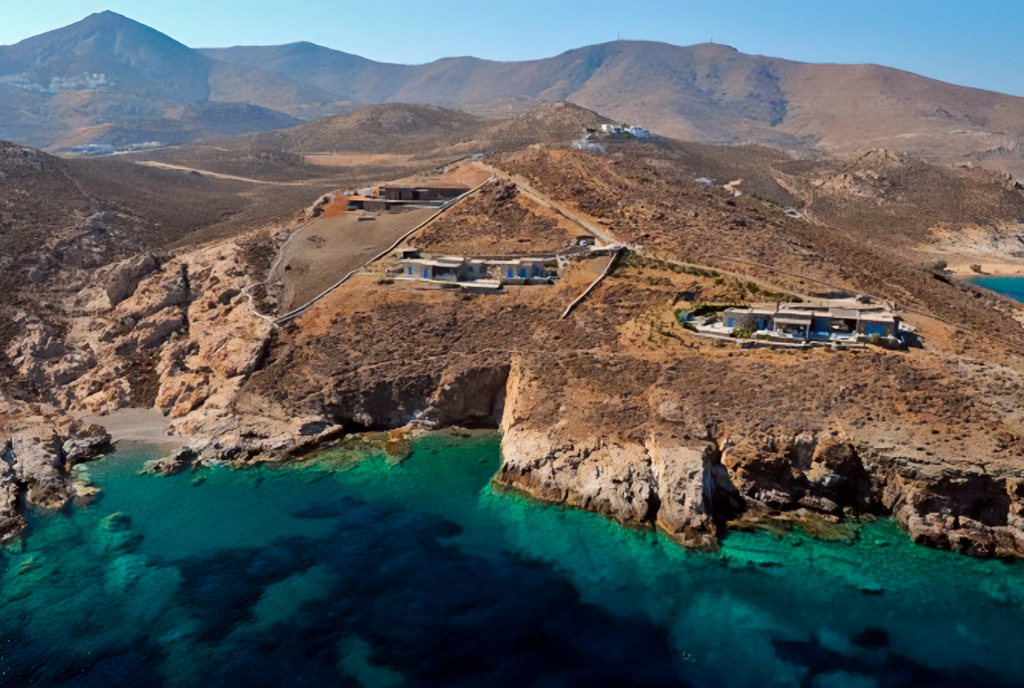
The Greek Cyclades islands are no strangers to visitors travelling by boat, but many skip Serifos in favour of the more dramatic Santorini or the headier Mykonos.
On Serifos, they can explore untouched coves on foot along hiking trails or set off by jeep to abandoned mines.
Even in August, travellers can enjoy the luxury of sunbathing alone on Karavi and Ampeli beaches, filling their nostrils with the scent of wild thyme and fig.
The white village of Chora sits atop a rust-coloured cliff.
How to get there: Ferries depart from Athens's port of Piraeus.
Where to eat: Dining options include meze at Stou Stratou. The classic taverna Oi Plakes rises up in front of the windmills.
Where to stay: Serifos Houses rents luxury studios in breathtaking locations.
Alicudi (Italy)
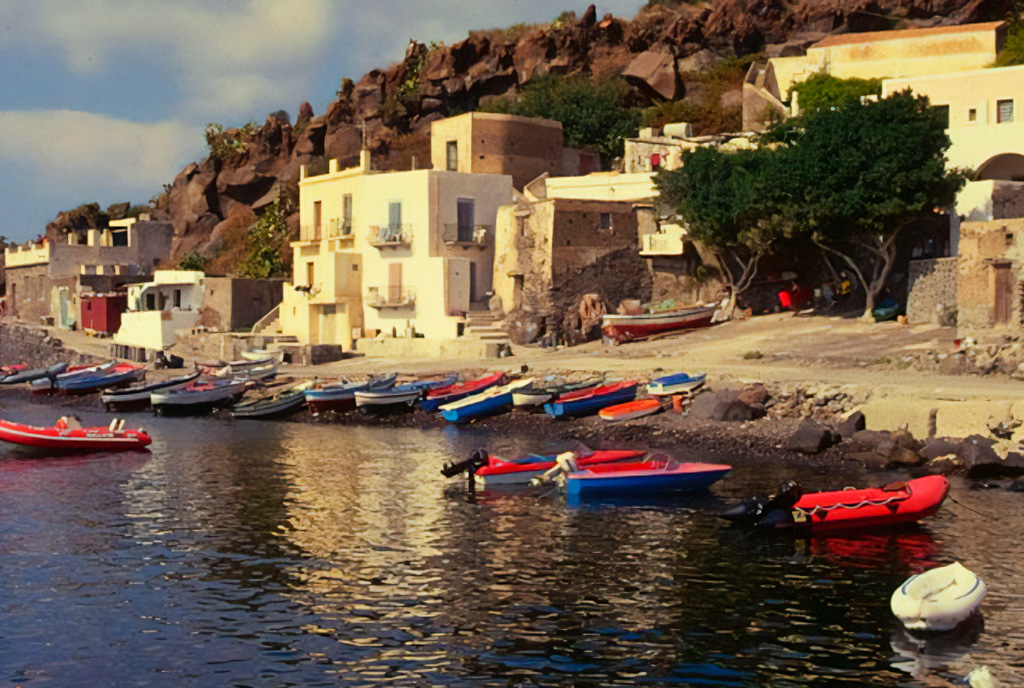
With no electricity and no engines, the only transport on this Italian island is the donkey "taxi", and it's essential.
There are no paved streets, just 25 kilometres of mule tracks winding around the island and at least 10,000 steps up and down through layers of snow-white homes.
Alicudi, the most remote and wildest of the Aeolian Islands, offers a retreat free of excess and noise pollution amid turquoise waters and quiet beaches.
Visitors should bring cash, since there are no banks here.
There's a tiny supermarket and a newsstand, but no other shops and nowhere to buy cigarettes, though no one should be smoking while tackling all those steps anyway.
How to get there: Naples is connected by hydrofoil.
Where to eat: The Ericusa restaurant serves traditional dishes such as spaghetti with caper cream.
Where to stay: Casa Hibiscus Resort is an Aeolian-style villa with a terrace overlooking the sea.