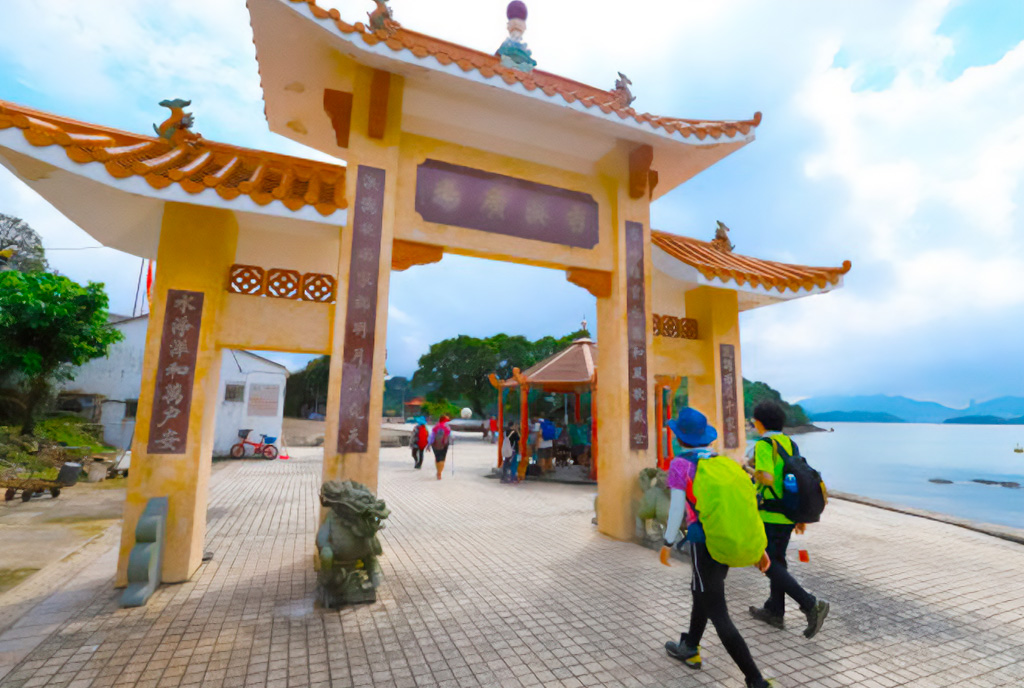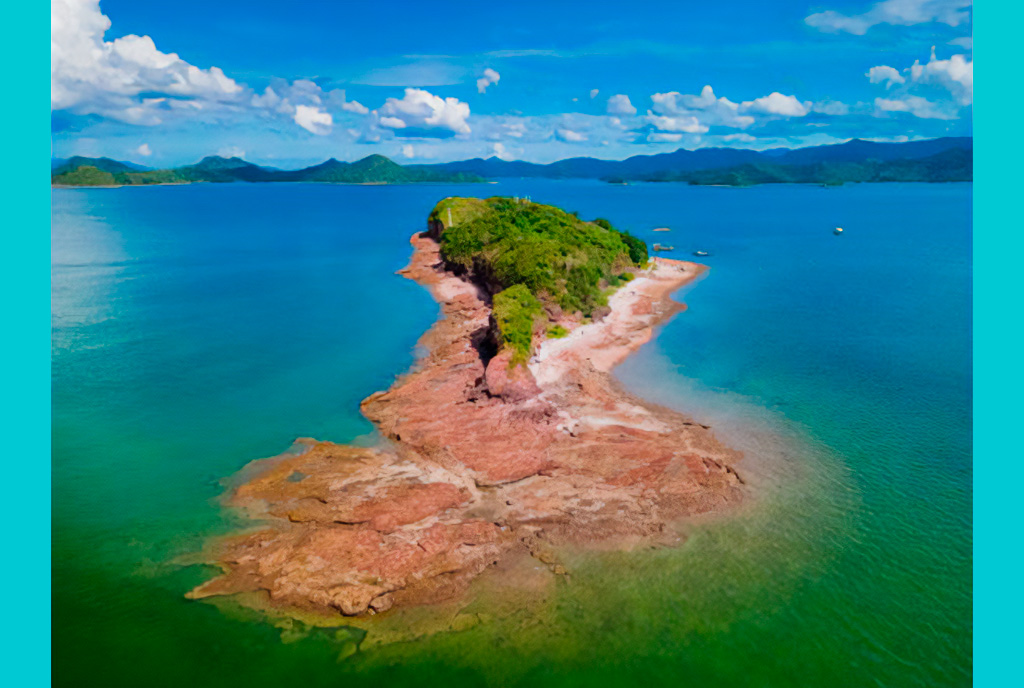


Although some travelers think of Hong Kong as just Hong Kong Island and the Kowloon Peninsula, the city actually takes in hundreds of islands, both inhabited and uninhabited.
That said, some of these islands are far easier to reach than others. A few, like Lamma and Peng Chau, have regular ferry service several times a day, a thriving community of full-time residents, and a range of shops and businesses. Others can only be reached by private boat or kayak.
Ap Chau and Kat O, also known as Duck Island and Crooked Island respectively, sit in a pleasant sweet spot between the two. Visiting both islands, tucked away at the far northern edge of Hong Kong near the border with Shenzhen in mainland China, is entirely doable with a little careful planning ahead of time.
Partner links: booking through them supports the blog at no extra cost to you.
Your reward? Two islands, each beautiful in its own way, that look nothing like the rest of Hong Kong, and all for just a few dollars.
The Basics
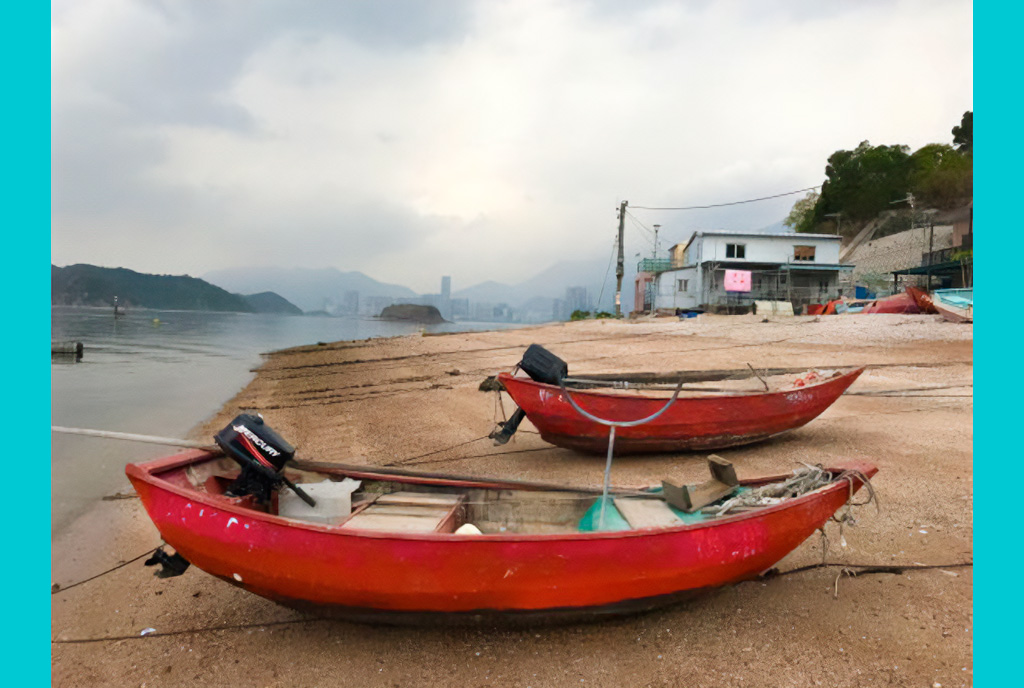
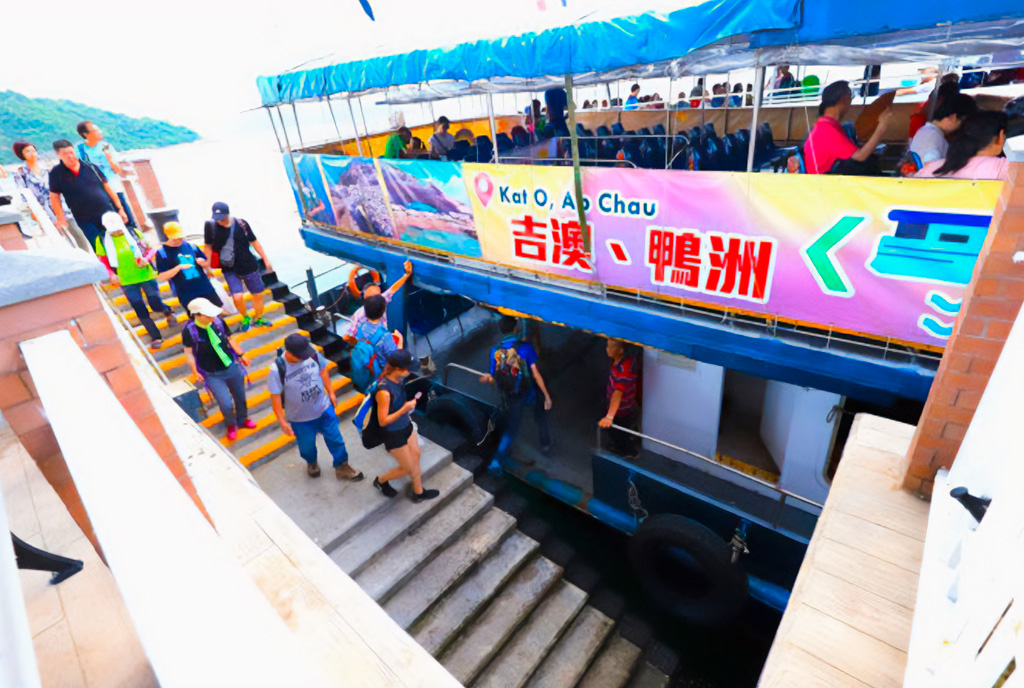
The first sign that you're not boarding an ordinary passenger ferry is the look of the boat itself. To reach islands like these, you'll travel by kaito, a small vessel that looks more like a fishing boat.
While some of these kaito accept Octopus travel cards (the same ones you can use on Hong Kong's buses and the MTR), others take cash only, since they're run by independent operators rather than the city.
The kaito to Ap Chau and Kat O leaves from Sha Tau Kok, in the New Territories in northern Kowloon. Getting there is a bit of a challenge in itself and can easily take 90 to 120 minutes from Central.
You'll either need to ride several MTR lines and then switch to a minibus, or take a taxi. In the New Territories, taxis are green rather than red, and you'll have to pay in cash. English among the drivers is hit or miss, so ask someone at your hotel to write out your destination in Cantonese just in case.
Four kaito run each day, at 8:30 a.m., 12:30 p.m., 2:45 p.m. and 5:00 p.m. Keep in mind, though, that if you catch the last one, you should be ready to spend the night, as the return ferries run at 6:30 a.m., 10:30 a.m., 1:30 p.m. and 4:00 p.m.
Another place to catch a kaito to the two islands is Ma Liu Shui, close to the busy district of Sha Tin. It's a trade-off, since this ferry is far easier to reach by public transit, but it only runs once a day on Saturdays, Sundays and public holidays. It leaves at 9 a.m. and departs from Kat O around 3:30 p.m.
Each same-day round trip costs 20 Hong Kong dollars in cash (about 3 US dollars).
The Journey
Although the kaito rides are long (an hour and a half from Ma Liu Shui), the scenery is stunning. In many ways it's a journey that's a destination in its own right, with the added bonus that the destination is a destination too. You're free to get up and move around, which makes taking photos easy.
The route passes through the UNESCO-listed Hong Kong Global Geopark, with Plover Cove Reservoir on your left. In the distance you should spot the 250-foot statue of the Buddhist goddess Guanyin, the second tallest in the world. The gleaming white statue is the centerpiece of the Tsz Shan Monastery, a project of Hong Kong tycoon Li Ka-shing.
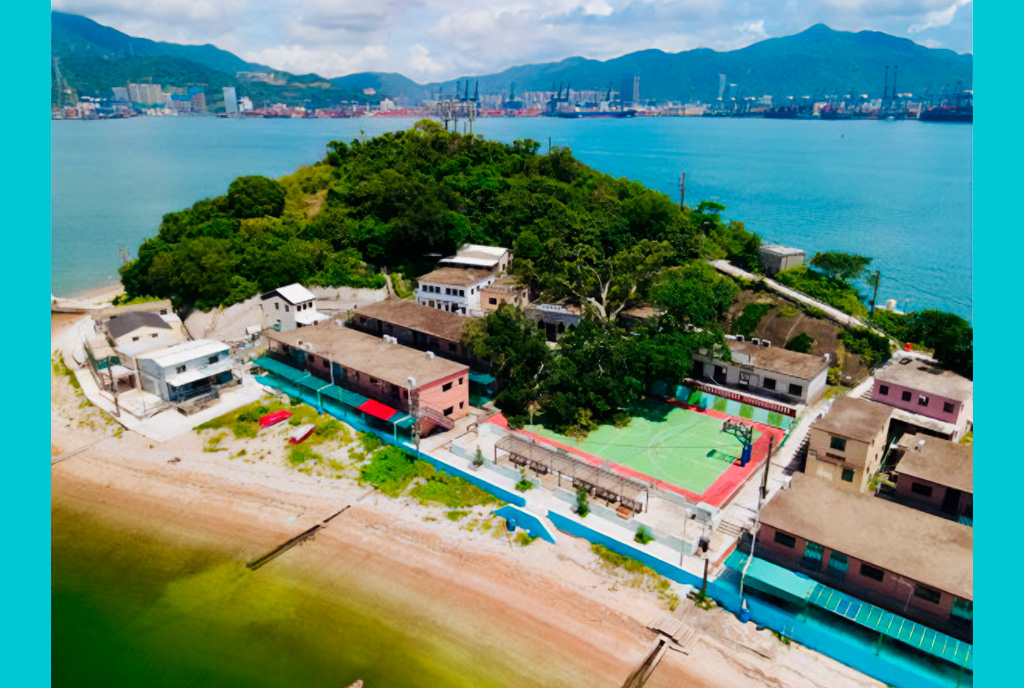
The first stop on the ferry is Ap Chau, the smaller of the two islands. Ap Chau means "Duck Island" and shouldn't be confused with Ap Lei Chau (Duck Tongue Island), a densely built-up residential district. Ap Chau is considered the smallest inhabited island in the Hong Kong archipelago.
The ferry stays at Ap Chau. You'll have about an hour to explore the tiny island, after which everyone reboards and continues on to Kat O. Because Kat O is larger and has a few businesses, you'll spend three hours there before climbing back aboard the kaito and heading back to the mainland.

What to Do
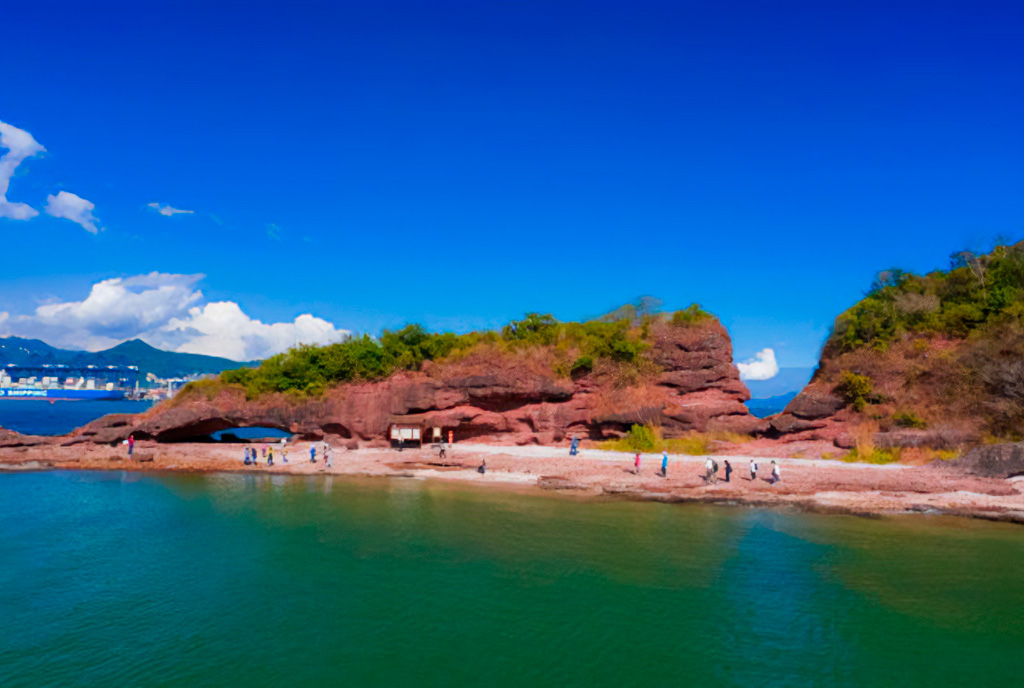
Both islands are part of the UNESCO-recognized Hong Kong Global Geopark. Both are inhabited, but there are strict rules about what kinds of activities can take place there.
Tourist activity, especially on Ap Chau, consists mainly of walking and taking in the scenery. Both islands have a small "story room," makeshift museums that tell the tale of the area's history and geography.
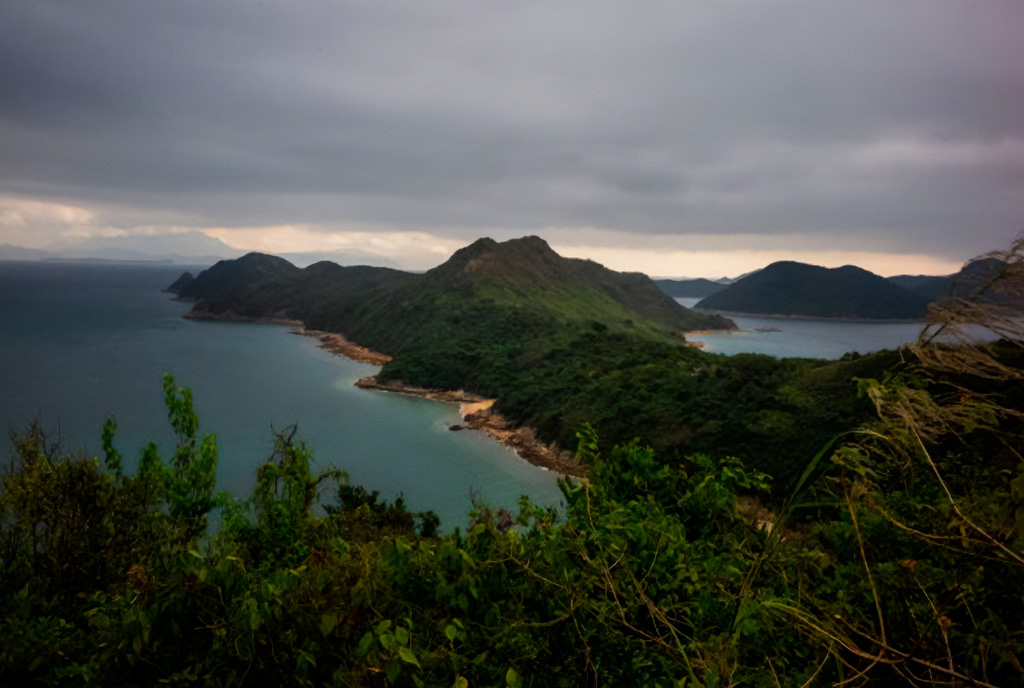
On a clear, or even a fairly clear, day, visitors on Kat O can see Shenzhen's container port, which sits just across the maritime border with mainland China.
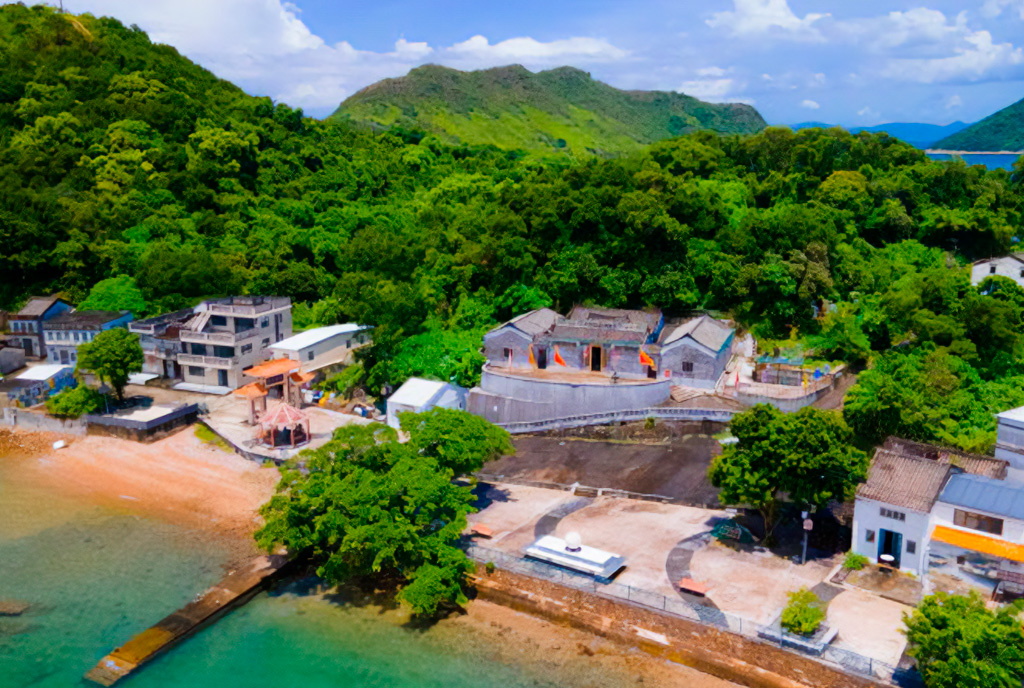
Because Kat O is bigger and has a slightly larger population, there's more to do than simply enjoy the outdoors. Its name means "auspicious bay" in Cantonese, and the island's unusual (yes, crooked) shape makes it an intriguing place to explore.
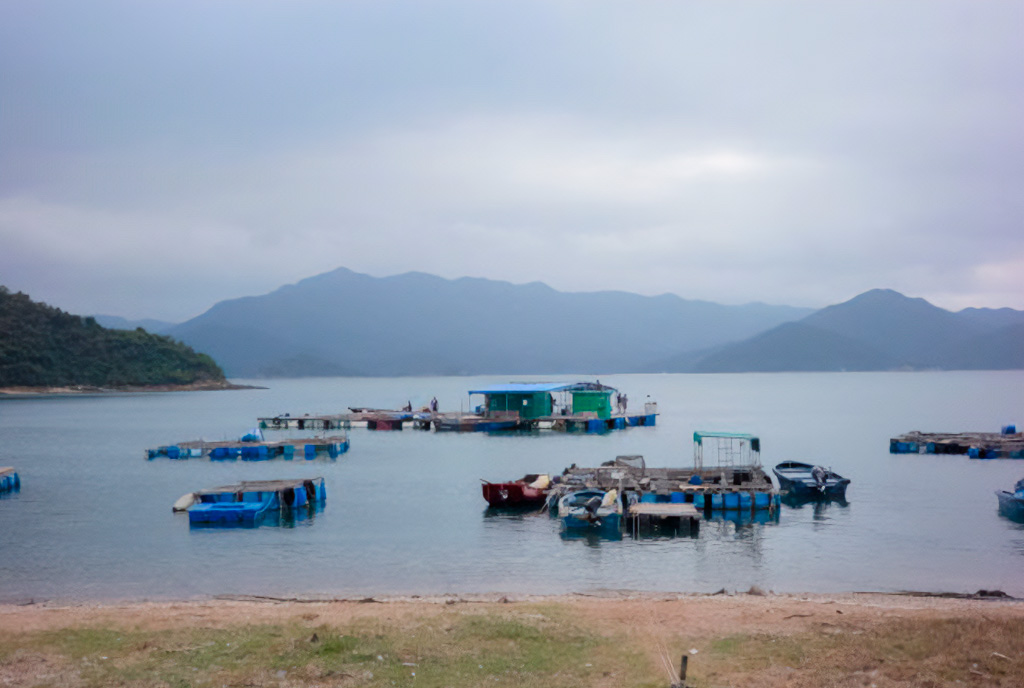
In the small fishing village where the ferry drops you off, there's a single restaurant, the family-run Cantonese spot Yick Man. It's the perfect place to fuel up before a walk.
Although Hong Kong has some of the world's finest high-end restaurants, there's really nothing quite like eating at a casual place on a remote island. Meals are relaxed, often with just one set menu, and served family-style for everyone at the table. If you want a soda or a beer, you can simply walk over to the fridge and grab one yourself. Payment is strictly cash only, and avoid using large bills if you can.
Plenty of Hong Kongers speak fluent English, but the farther you get from the city center, the more likely you are to meet someone who doesn't use the language as often or isn't as comfortable with it. Making an effort to learn a few basic words and phrases in Cantonese will win over the locals: try saying ho ho (very good) when they ask how you like the food, and mmgoi (thank you) as you leave.
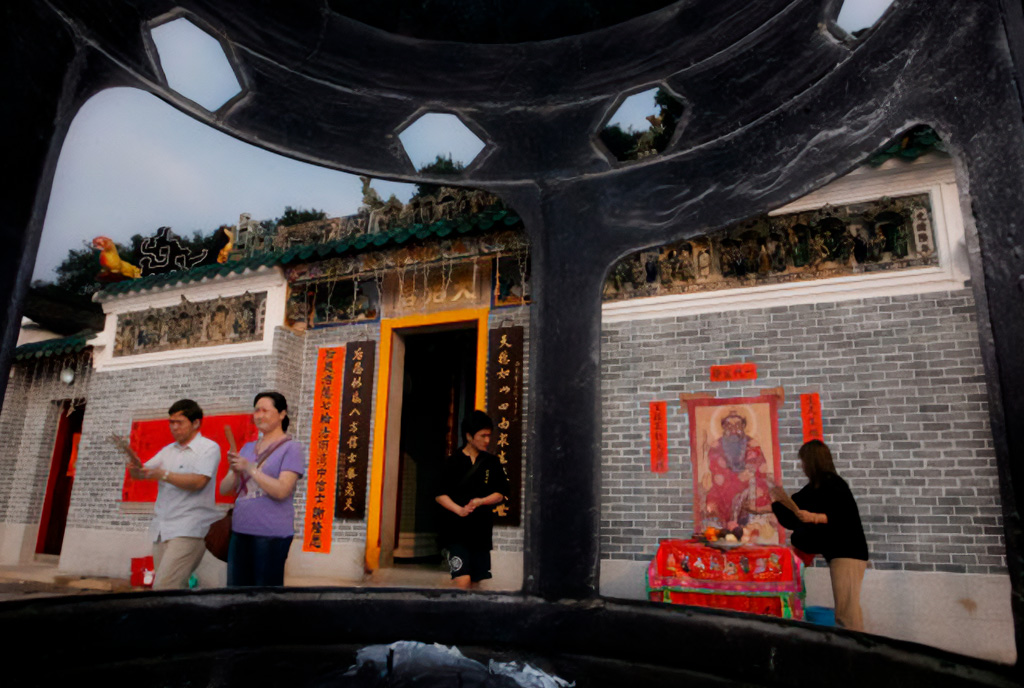
The main trail on Kat O runs about a kilometer and is fairly easy. If you're up for a bit more effort, head to the Tin Hau Temple. The view is breathtaking, even on a hazy day, with Shenzhen's container port so close that it feels like you could almost reach out and touch it.