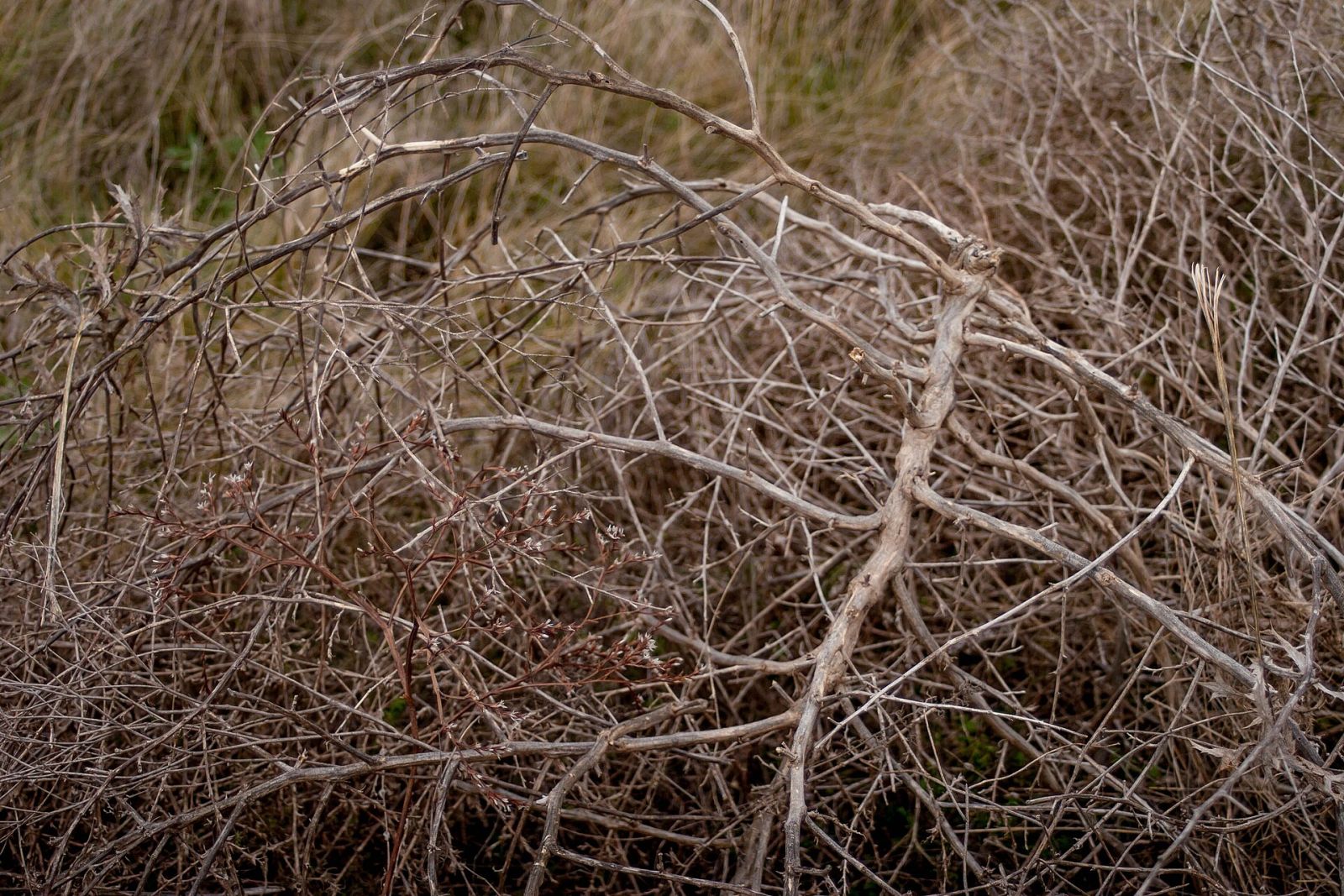
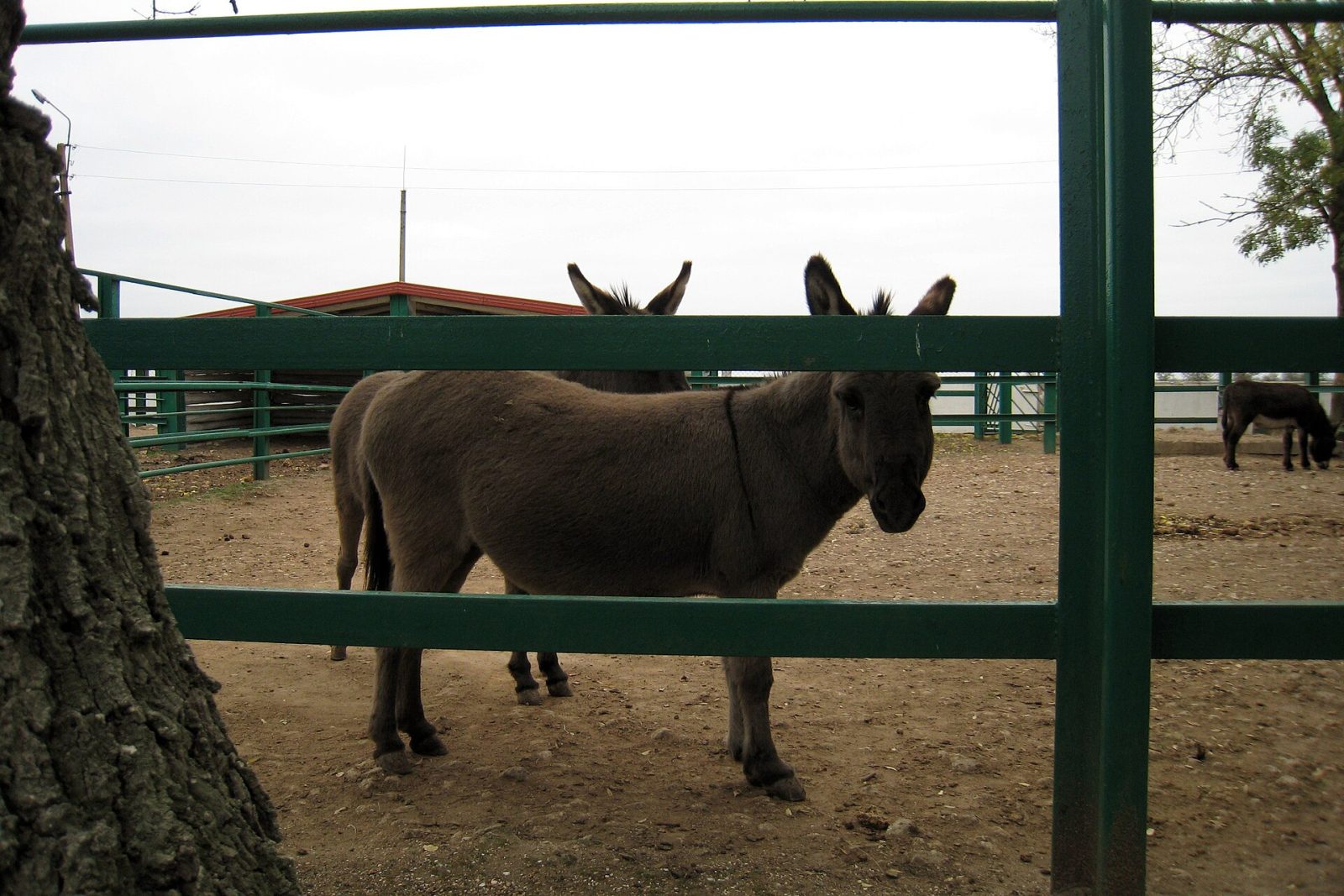
Askania-Nova is the only patch of virgin steppe in Europe that a plough has never touched, and at the same time the oldest private steppe reserve in the world, founded back in 1898. Zebras, wildebeest and American bison roam its open plain, and every spring nearly 2,400 hectares turn scarlet with wild tulips. This is not a zoo behind bars. It is a UNESCO biosphere reserve in southern Kherson region, where the animals live in semi-wild enclosures and you watch them from a horse-drawn carriage or a bus, out in the middle of the field.
So what exactly is Askania-Nova?
Technically it is three different things in one place, and the confusion is common. The first and most important is the protected virgin steppe, a stretch of feather-grass landscape that has not been ploughed or grazed by livestock for over a century. The second is the open-air zoo, the famous Great Chapelsky Pod, where tourists are driven in spring and summer to see the hoofed animals. The third is a man-made arboretum, a green oasis in the dry steppe, planted by the founder Friedrich Falz-Fein.
The reserve sprawls across roughly 33,000 hectares, and the vast majority of that area is closed to visitors forever. Only scientists get in there. A tourist sees a tiny fraction of the territory, and that is exactly the point: the whole idea is to let the steppe live by its own rules without people.
What you can see here
The hoofed-animal collection at Askania is one of the largest in the world by the sheer variety of species kept in steppe paddocks. Animals were brought here from every continent for more than a hundred years, and many of them do not merely survive, they breed.
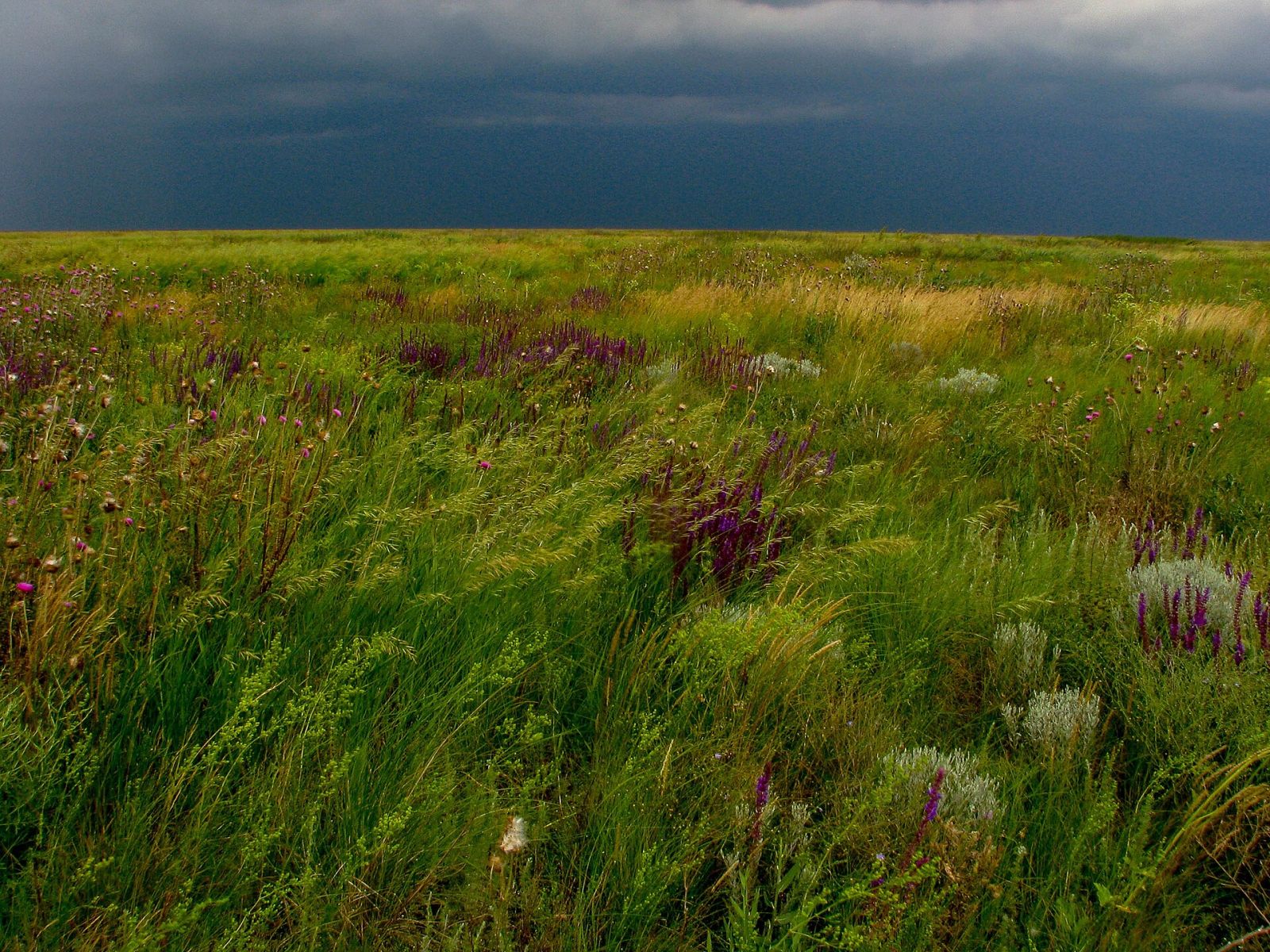
- Zebras of several species, including the rare Grevy's zebra, graze in herds right among the Ukrainian feather grass.
- Antelopes: wildebeest, eland, saiga, blackbuck. The eland, incidentally, is partly domesticated here and was even milked for experiments.
- American bison and European wisent, the heavyweights of the herd, visible from far across the plain.
- Przewalski's horses, wild horses that vanished in nature and survived thanks to collections like this one.
- Cape buffalo, deer, llamas, Turkmen kulans.
A special point of pride is the bird park and its ponds, home to flamingos, black swans, cranes, ostriches and countless waterfowl. The flamingos at Askania even hatch chicks, which is rare at this latitude.
When is the best time to go?
Askania-Nova makes its strongest impression in spring, in the second half of April. For that brief week or so the steppe bursts into wild Schrenck's tulips, and the plain turns red and yellow to the horizon. This is the reserve's signature postcard, and photographers travel here from across the country just for it. The exact bloom dates drift every year with the weather, so watch the announcements and check current information before you travel.
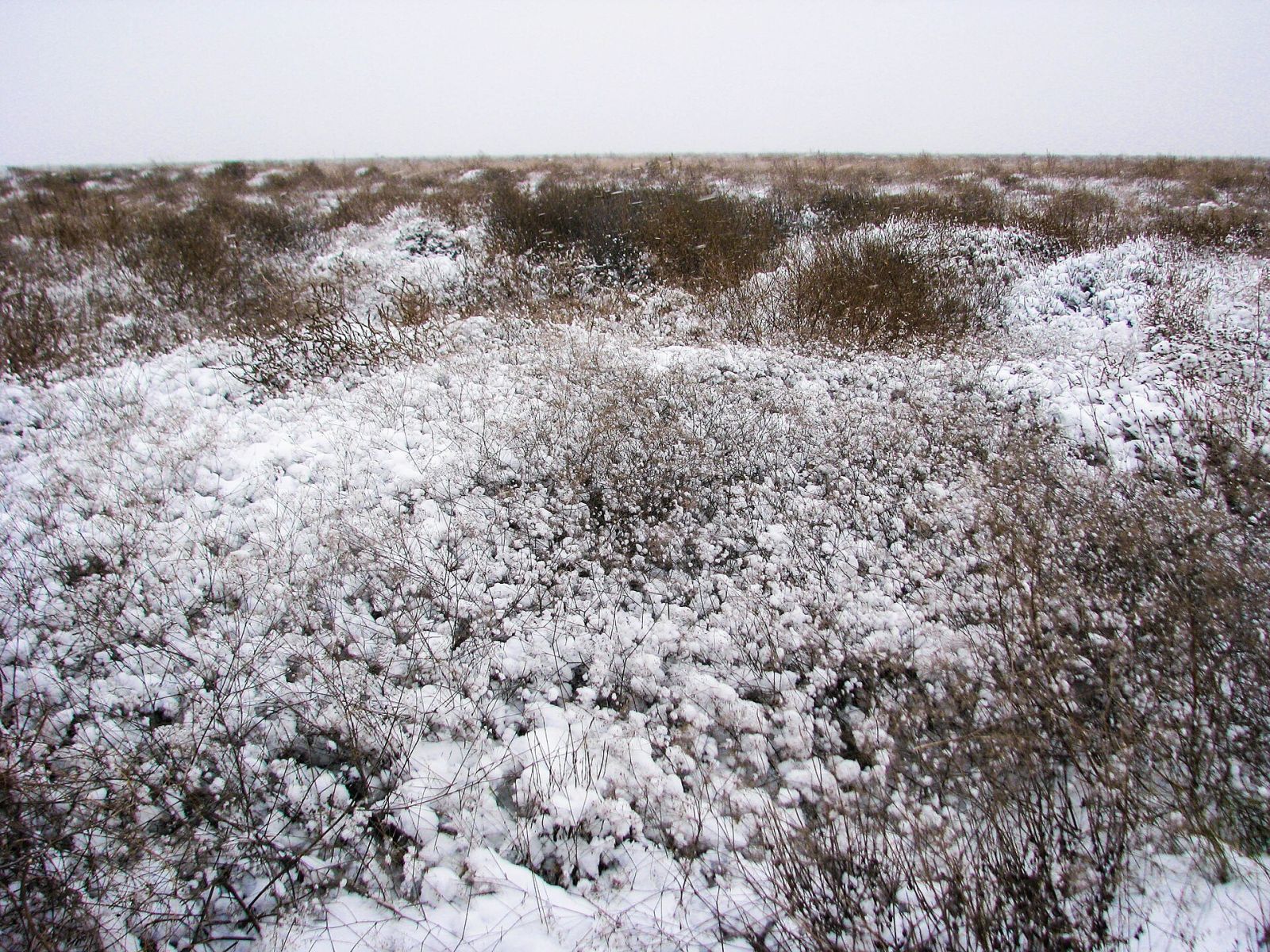
Summer works too. The main tourist season and the safari run from May through September, but the heat here is southern, dry and merciless, and later the bloom fades and the steppe browns. Autumn brings fewer people and softer light. In winter the zoo is mostly closed to regular tours, the animals are in winter paddocks and the steppe is bare.
| Season | What to see | The catch |
|---|---|---|
| April | Tulips blooming in the steppe | Peak is short, dates drift |
| May-June | Safari, green steppe, chicks | Most comfortable weather |
| July-August | Full collection, all tours | Fierce heat, bring water |
| September-October | Safari, few crowds | Steppe already dry, browning |
What tours are on offer
The main reason to come is the safari tour across the Chapelsky Pod. You are seated in an open horse-drawn carriage or an excursion bus and taken along a steppe track past enclosures where the animals move in large mixed herds. It really does look like an African savanna, except the grass underfoot is Ukrainian.
Besides the safari, there are walking routes through the arboretum with its artificial lakes and avenues, plus a separate loop around the zoo and the bird park with its ponds. A realistic day plan usually goes like this: the arboretum in the morning before it gets hot, then the safari across the pod, then the bird park. Set aside at least half a day, ideally a full one.
Entry fees and the price of each tour type are revised from time to time, and the safari format can depend on the season and weather. So confirm the final route and cost, checking current information before your trip on the reserve's official channels.
An arboretum that grew against the steppe
The arboretum deserves separate attention. Picturing a green forest with ponds in the middle of the dry Kherson steppe is hard, yet here it is, over a hundred years old. Falz-Fein deliberately planted trees where they had no natural business growing, and piped in water for irrigation. Today it is shaded avenues, ponds full of birds and blessed cool on a scorching day.
How do you get to Askania-Nova?
The village of Askania-Nova sits in the Chaplynka district of Kherson region, off the major highways, and reaching it by public transport is awkward. The easiest way is your own car. The nearest large landmarks are Kherson and Nova Kakhovka to the north, and Melitopol to the east, already in Zaporizhzhia region.
- Car: the most flexible option. The road runs through district towns, and the last stretch cuts across open steppe.
- Bus: there are services from regional centres to Chaplynka and Askania itself, but the schedule is sparse, so check ahead.
- Train: there is no railway into the village. The nearest stations are tens of kilometres away, and from there it is road transport only.
An important and sad note. Kherson region partly remains in a zone of active fighting and temporary occupation, and access to Askania-Nova depends directly on the military situation. Before any planning, always check the status of the region, whether the reserve is operating, and any safety restrictions. Do not rely on pre-war routes and prices.
Why Askania-Nova matters at all
It is easy to read this place as just a zoo in a field, but the point runs deeper. The Askania steppe is a benchmark, a living model of what southern Ukraine looked like before it was all ploughed under for wheat. No other untouched tracts like this survive anywhere in Europe, which is exactly why Askania-Nova belongs to the global network of UNESCO biosphere reserves.
For decades species that were dying out elsewhere were saved here: the Przewalski's horse, the saiga, rare birds. Some of the animals from here were later reintroduced to other reserves around the world. The reserve lived through revolutions, two world wars, the collapse of empires, and each time the collection had to be rebuilt almost from scratch. So every visit is not petting-zoo entertainment. It is an encounter with something people deliberately keep alive against the odds.
If you had to pick one reason to see Askania with your own eyes, it is simple. Nowhere else in Ukraine will you stand in the middle of open steppe, feather grass rolling in waves to the horizon, while zebras graze calmly nearby. That combination refuses to fit in your head until you see it.