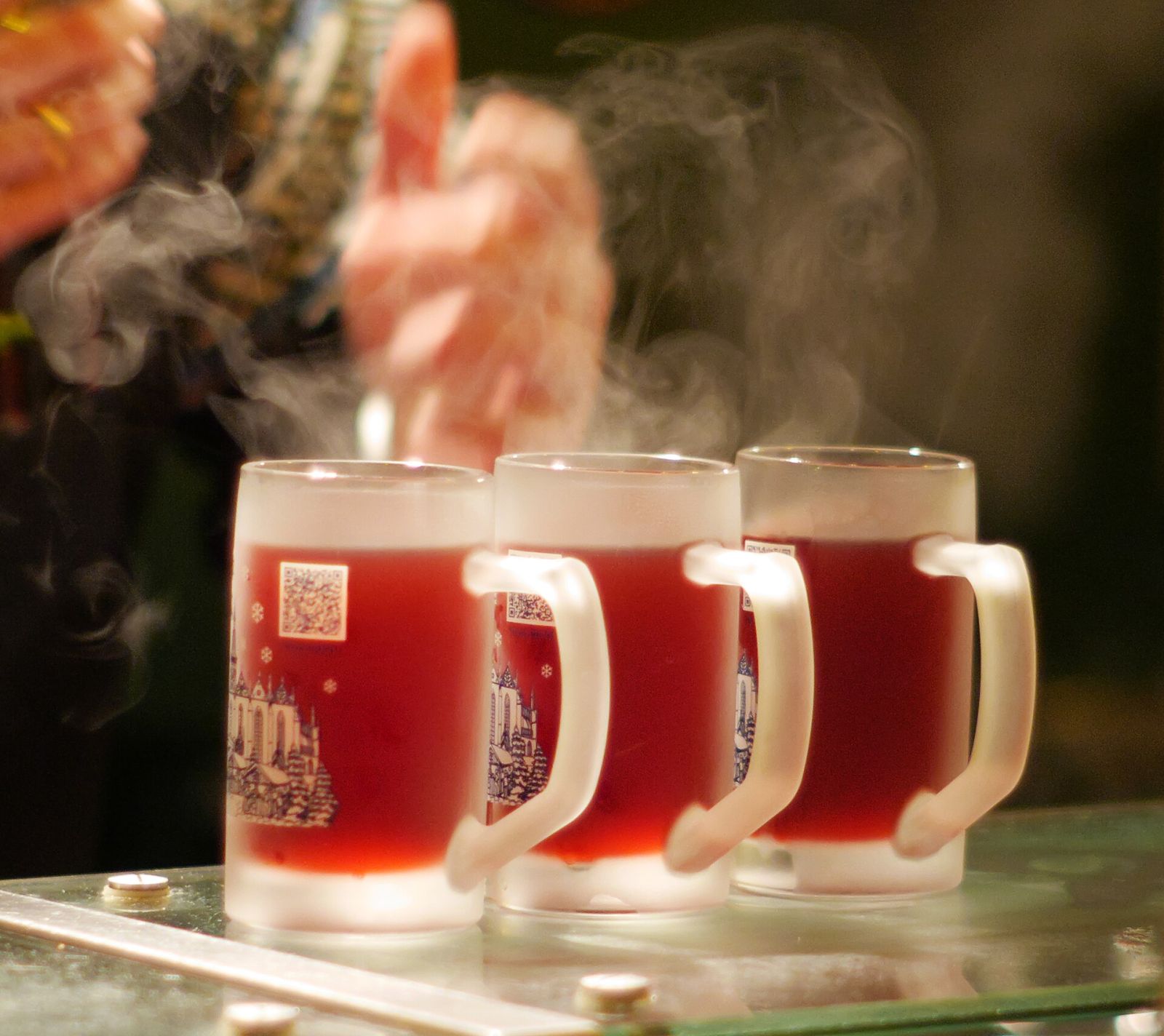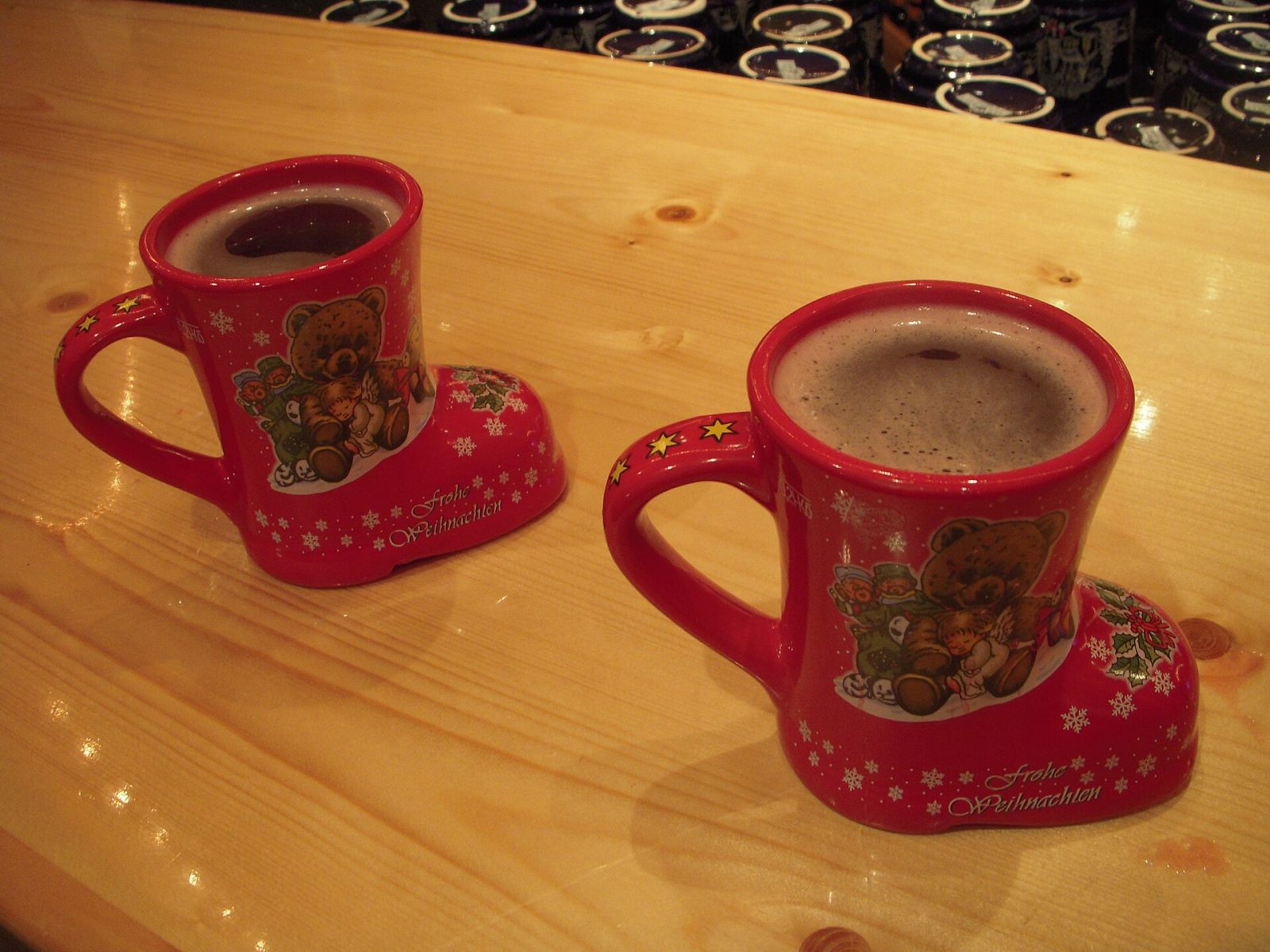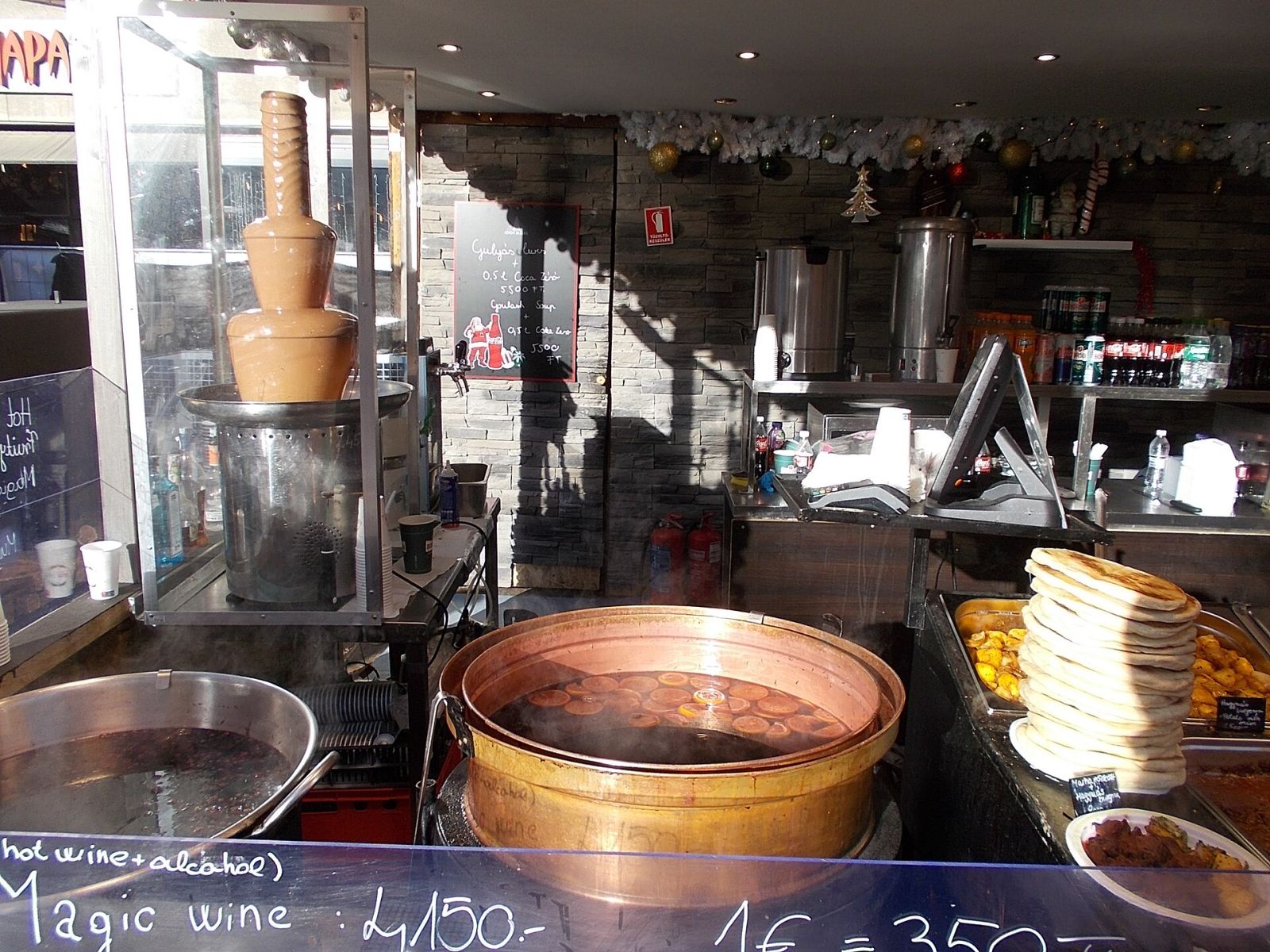


For several years now Nuremberg and Munich have been unable to settle a title dispute: both cities claim the world's largest Feuerzangenbowle, and both brew it in kettles holding 9,000 litres. A rum-soaked sugar cone burns above the kettle, caramel drips into the wine, and the crowd films it like a fireworks show. Nobody referees this dispute, so you have to taste both, which is probably the nicest part of any trip built around mulled wine and winter drinks: the recipes across Europe are similar, but every country has its own habits around the cup.
Germany: Glühwein and the flaming sugar cone
Classic Glühwein is red wine simmered with cinnamon, cloves, star anise and orange peel, and many markets also offer a white version. Ordering it "mit Schuss" means a shot of rum or amaretto goes in, at extra cost. Feuerzangenbowle is more theatrical: a sugar cone is set on special tongs over a pot of hot wine, soaked in strong rum and set alight. The sugar melts slowly, the wine gets sweeter and stronger, and the second cup hits noticeably harder than the first.
Germans also love the drink because of "Die Feuerzangenbowle", a 1944 school comedy starring Heinz Rühmann that student cinemas still screen every December, with audiences bringing alarm clocks and torches to play along with the scenes. Munich's Feuerzangenbowle runs from 23 November 2026 to 6 January 2027, until 1:00 on New Year's Eve, with the season's hours on the city of Munich's portal. Nuremberg's stands below the Fleischbrücke bridge by the Christkindlesmarkt, and the market's website notes with some pride that the kettle is 2.5 metres wide and keeps the punch warm even in a frost.
Sweden: glögg you finish with a spoon
Swedish glögg is sweeter and spicier than the German version, with cardamom and ginger, and it comes in small cups. Blanched almonds and raisins go in the bottom, and a tiny spoon comes with it: drink, fish them out, eat them. Glögg goes with pepparkakor ginger biscuits and saffron buns, and in December it sits on every table from the office to the family home. Drinks above 3.5 percent alcohol are sold in Sweden only by the state chain Systembolaget, so supermarket shelves are mostly stocked with alcohol-free glögg, which Swedes take perfectly seriously.
Poland and Czechia: grzaniec and svařák
Polish grzaniec comes as wine or beer. Hot beer with honey, ginger and cloves sounds odd, but on a frosty night at Kraków's market it sells out faster than the wine. Czech svařák, short for svařené víno, is the simplest of the lot: red wine, sugar, cinnamon, cloves and lemon. Next to it, stalls in Prague and Brno sell medovina, warm mead, and grog, rum with hot water and lemon. Grog is stronger than it seems, and there is nowhere to sit at a market, so pace yourself.
Austria: Punsch instead of wine
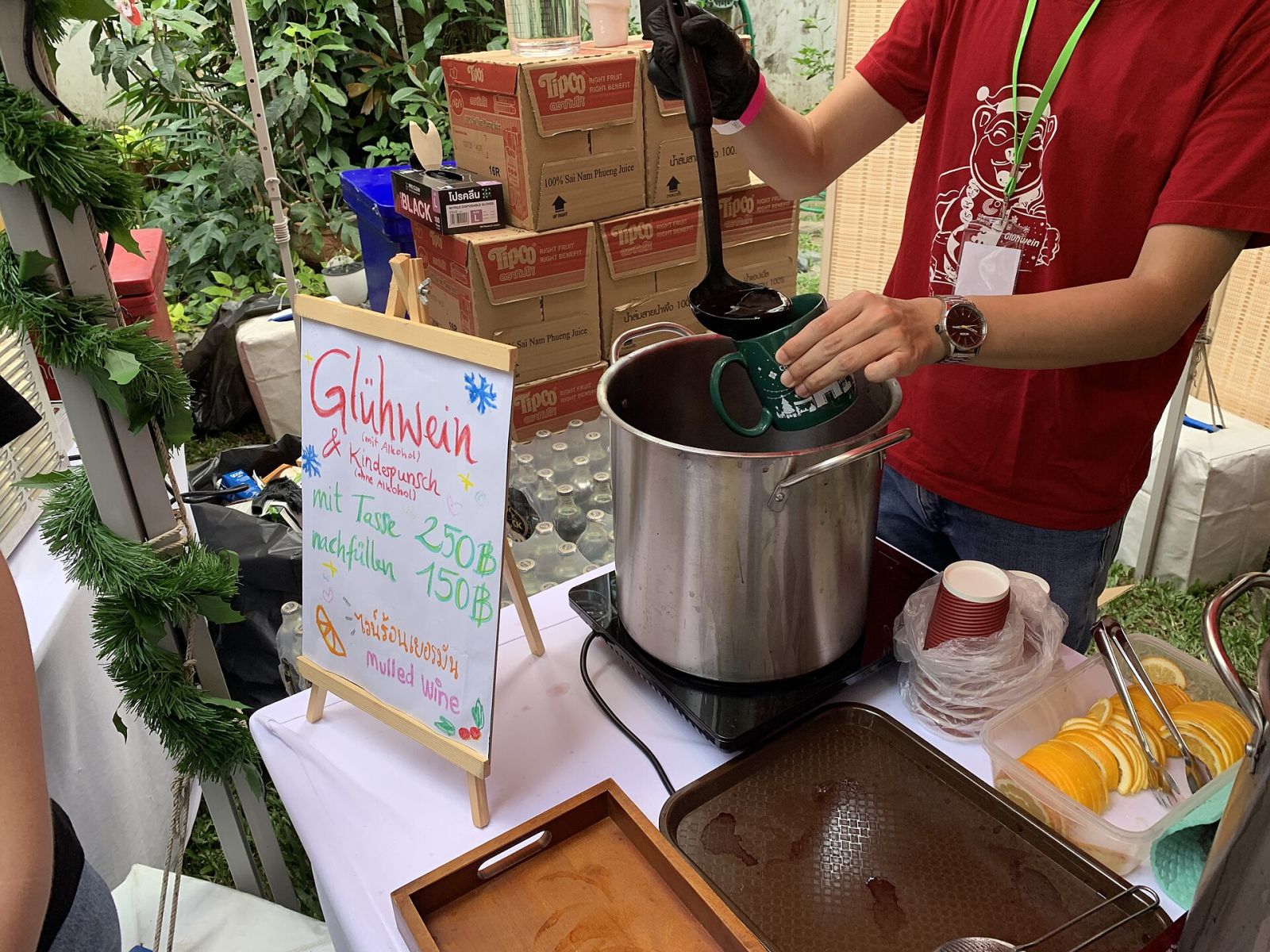
Vienna's markets do have mulled wine, but the star drink is Punsch, and its base is not necessarily wine. It can be orange, berry or tea with rum, and every stall boasts about its own recipe. In the mountains people drink Jagatee, black tea with schnapps. Some of Vienna's punch stands raise money for charity, and they usually say so right on the sign. For children and drivers there is Kinderpunsch: hot fruit juice with tea and spices and not a drop of alcohol. The mug deposit in Vienna is usually around 4 to 5 euros, and the mugs change design every year here too.
Britain: mulled wine and songs for apple trees
British mulled wine is often fortified with brandy and eaten with mince pies, small pastries filled with dried fruit and spices. Its older relative, wassail, is hot spiced cider or ale. In the West of England people still go wassailing in apple orchards in January: they sing to the trees, pour cider on the roots and make a racket to wake the orchard and chase off evil spirits. It sounds like a joke, and farmers treat it with both feeling and humour.
Mexico and Chile: fruit punch and a "monkey's tail"
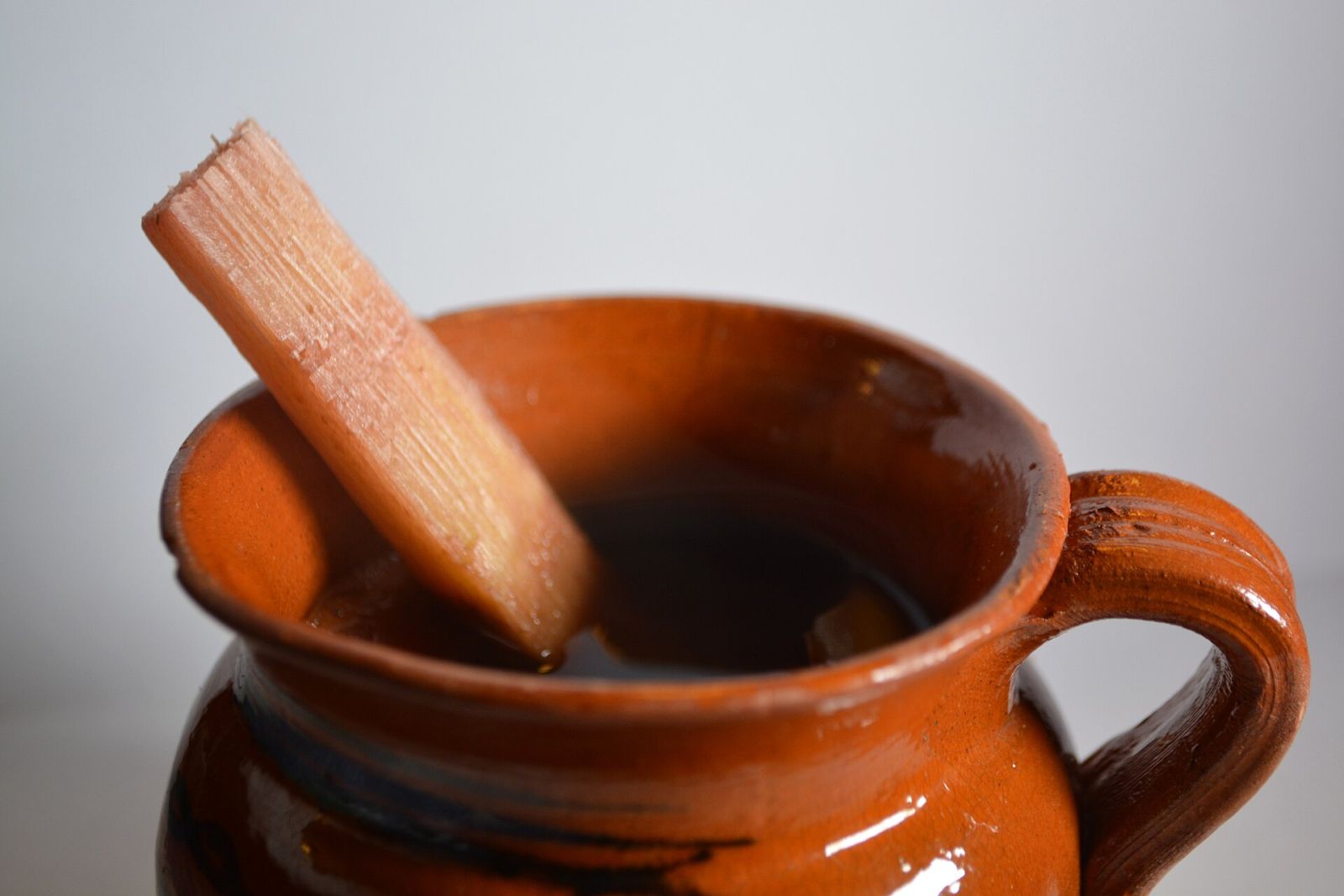
Mexican ponche navideño skips the wine altogether. It is made for the posadas, parties held from 16 to 24 December, with tejocotes, small tart fruits of the Mexican hawthorn, plus guava, pieces of sugar cane, apples, prunes, cinnamon and unrefined piloncillo sugar. Children drink it as it is, and adults get a "piquete", a sting of rum or tequila.
Chilean cola de mono, literally "monkey's tail", is served cold, because December in Chile is summer. It mixes aguardiente, milk, coffee, sugar, cinnamon and cloves into something between milky coffee and a liqueur. Nobody knows for sure where the name comes from, and the most popular story links it to President Pedro Montt, nicknamed the Monkey, and his Colt revolver. It is served with pan de pascua, a fruit cake.
Ukraine: uzvar and varenukha
Uzvar is one of the twelve dishes of the Ukrainian Holy Supper on Christmas Eve: a brew of dried apples, pears and plums, sometimes with honey, with a smoky note if the fruit was dried in a wood oven. Children and adults drink it alike, and it is probably the oldest alcohol-free winter drink in this round-up. Varenukha is the opposite, strictly for grown-ups: horilka with honey, dried fruit, berries and spices was put in a clay pot sealed with dough and left in the oven for hours. The result is thick, sweet and treacherous, a drink once brewed for holidays and weddings. Festive dishes from other countries are collected in our guide to Christmas food around the world.
How do you avoid overpaying at a market?
- Check the volume, not just the price: some stalls pour 0.2 litres, others 0.25, and over an evening it adds up.
- Return the mug to the same chain of stalls, because the deposit can be almost as much as the drink.
- "Mit Schuss" and rum extras cost more, so check what exactly you ordered.
- Look for Winzerglühwein signs: this is mulled wine made from a named winery's wine, and it is usually more honest than punch made from industrial concentrate.
- Markets on side squares are often a little cheaper than the main square by the cathedral or town hall, even within one city.
In German cities a cup of mulled wine cost roughly 4 to 6 euros last season, and Viennese Punsch was in the same range. We checked prices in late October 2026 against last year's figures, and markets will announce new ones at opening. For tasting routes across different countries, see our guide to Europe's Christmas markets.
Homemade mulled wine in fifteen minutes
Pour a bottle of dry red wine into a pan and add a sliced orange, a cinnamon stick, four or five cloves, one star anise and two or three spoonfuls of honey. Heat it until it steams, to about 70 degrees, and never let it boil: the alcohol will evaporate and the spices will turn bitter. Take it off the heat, cover for ten minutes and strain. For an alcohol-free version, use grape or cherry juice with strong black tea and the same recipe.
Table: winter drinks of the world
| Drink | Country | Base | How it is drunk |
|---|---|---|---|
| Glühwein | Germany | red or white wine, spices | hot, in a ceramic mug with a deposit |
| Feuerzangenbowle | Germany | wine, flaming rum-soaked sugar cone | hot, stronger with every cup |
| glögg | Sweden | wine or juice, cardamom, ginger | with almonds and raisins, by the spoon |
| grzaniec | Poland | wine or beer with honey | hot at the market |
| svařák | Czechia | red wine, lemon | hot, next to mead and grog |
| Punsch | Austria | tea, juice, rum or wine | hot, often for charity |
| mulled wine, wassail | Britain | wine with brandy, cider or ale | hot with mince pies |
| ponche navideño | Mexico | tejocotes, guava, sugar cane, cinnamon | hot, adults add a piquete |
| cola de mono | Chile | aguardiente, milk, coffee | cold, with pan de pascua |
| uzvar | Ukraine | dried apples, pears, plums | at the Holy Supper, alcohol-free |
| varenukha | Ukraine | horilka, honey, dried fruit | hot, with caution |
| Kinderpunsch | Germany, Austria | fruit juice, tea, spices | hot, for children and drivers |