

An Interrail pass is a single ticket that unlocks the railways of 33 European countries, and its flagship Global Pass starts at roughly 260 euros for four travel days within one month. It sounds like a backpacker's dream, yet it pays off for far fewer people than the marketing suggests: everything hinges on your route, your age and your patience with reservation rules.
Any European resident can buy one, Ukraine included. Non-Europeans get the twin product called Eurail, with the same prices and rules. Here is how the machine actually works, with the honest math at the end.
How does the Global Pass work?
Passes come in two flavors. Flexible ones give you a set number of travel days within a window: 4, 5 or 7 days within one month, or 10-15 days within two. Continuous ones cover every single day for 15 days, 22 days, or one to three months. For a typical vacation the flexible version wins: 5 travel days comfortably cover a four-or-five-city itinerary.
A travel day runs midnight to midnight, and within it you can take as many trains as you like. Munich to Salzburg in the morning, on to Vienna at noon, Graz by evening, and all of it burns a single pass day. Night trains have a friendly quirk: if the train departs before midnight, only the departure day is counted, so overnight legs effectively stretch your pass.
The pass went mobile long ago: it lives in the Rail Planner app, journeys are added in two taps, and the conductor scans a QR code. A paper version still exists, but losing it is a much bigger headache.
What does it cost, and who gets a discount?
Prices shift periodically and the official interrail.eu runs sales several times a year with cuts of up to a quarter, so treat the numbers below as a guide.
| Global Pass (2nd class) | Adult | Youth (12-27) |
|---|---|---|
| 4 days / 1 month | about 260 € | about 195 € |
| 5 days / 1 month | about 300 € | about 225 € |
| 7 days / 1 month | about 355 € | about 265 € |
| 10 days / 2 months | about 425 € | about 320 € |
| 15 days continuous | about 470 € | about 355 € |
The youth discount knocks a quarter off the price and applies up to and including age 27 at the start of the trip. Seniors over 60 save a tenth. Children under 11 travel free with an adult pass, up to two kids per adult. First class costs about a third extra, and in some countries it genuinely buys you quiet and space.
Reservations: the pass's biggest trap
The pass grants the right to ride, not always a seat. Regional trains in Germany, Austria, Switzerland, Czechia or the Benelux take pass holders with zero surcharges: hop on and go. High-speed and night trains are a different story, they demand a paid reservation bought separately.
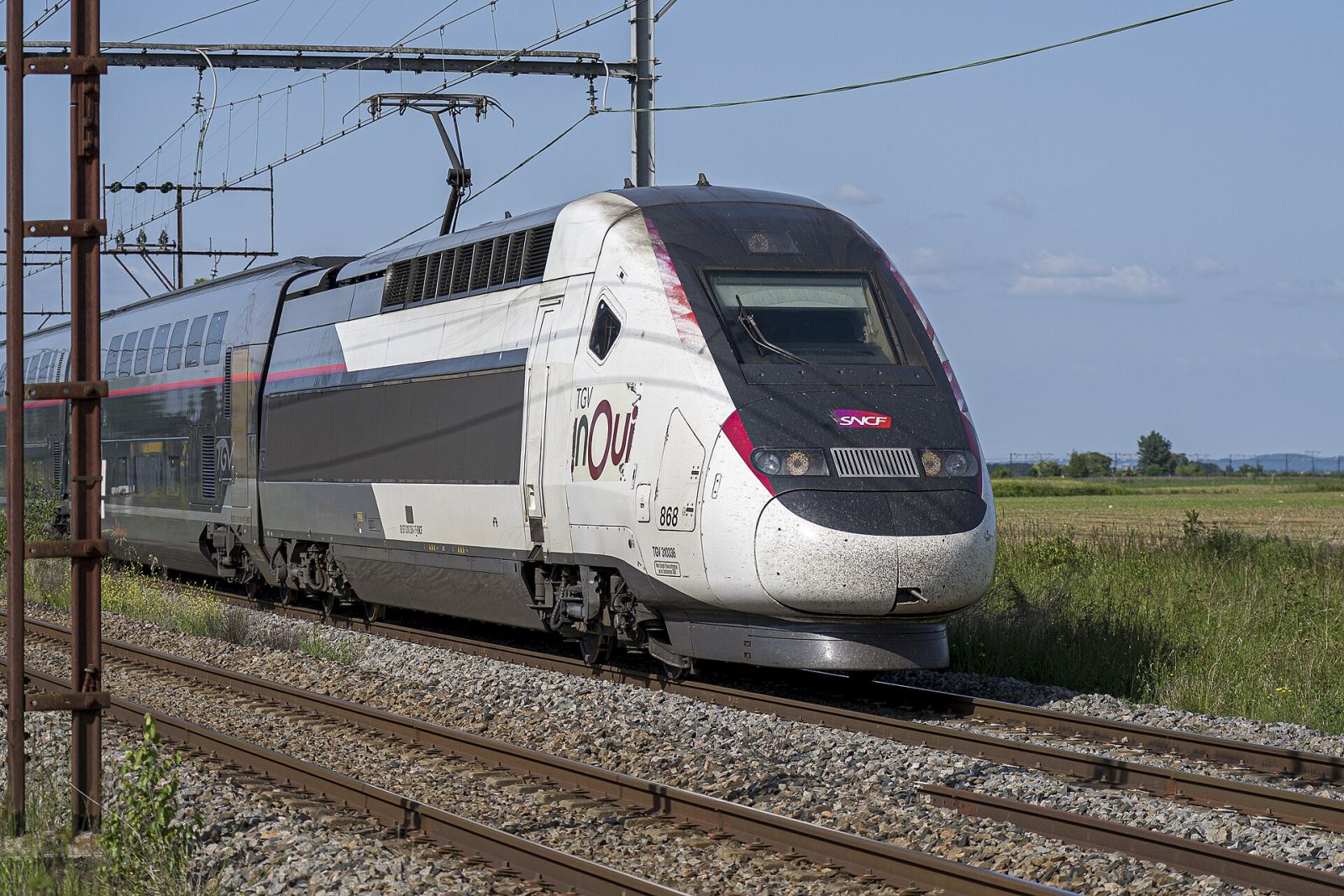
- France: TGV charges around 10-20 € per seat, and the quota of pass-holder seats is capped, selling out weeks ahead on popular departures.
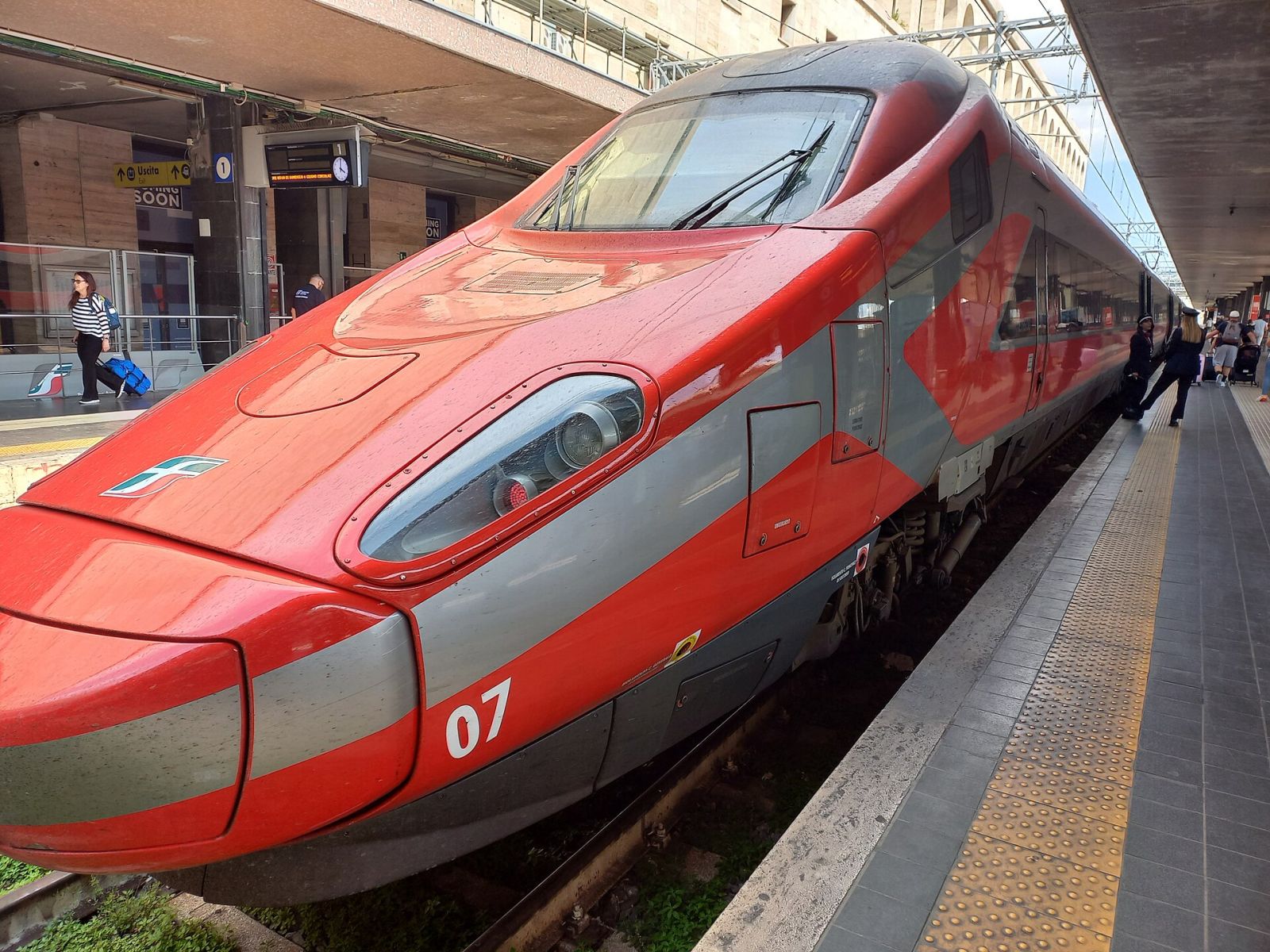
- Italy and Spain: Frecciarossa and AVE require reservations in the 10-13 € range.
- Eurostar to London: the steepest surcharge, from 30 € upward, with very few pass seats.
- Night trains: reservations start at 10-15 € for a couchette and rise for sleeper berths.
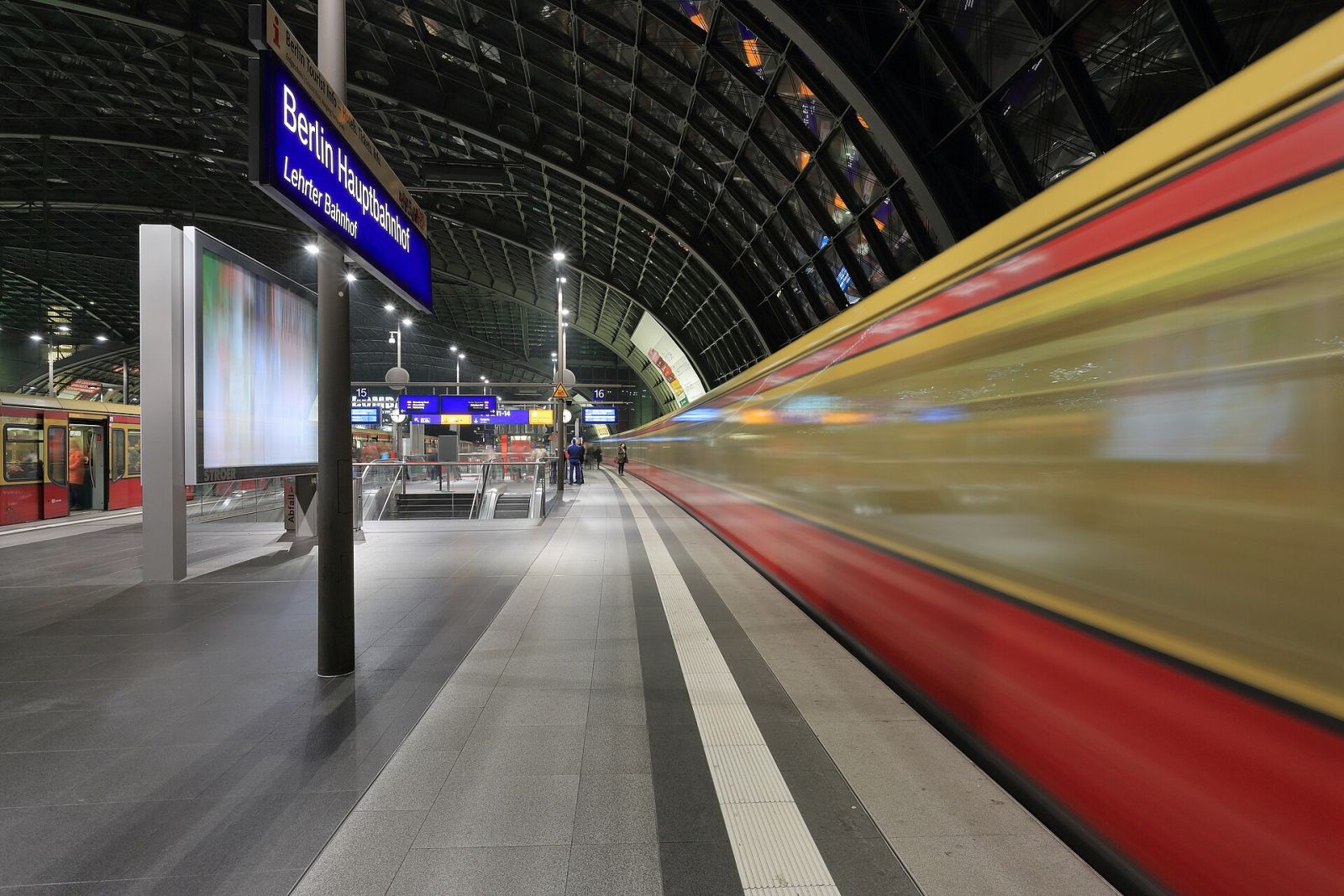
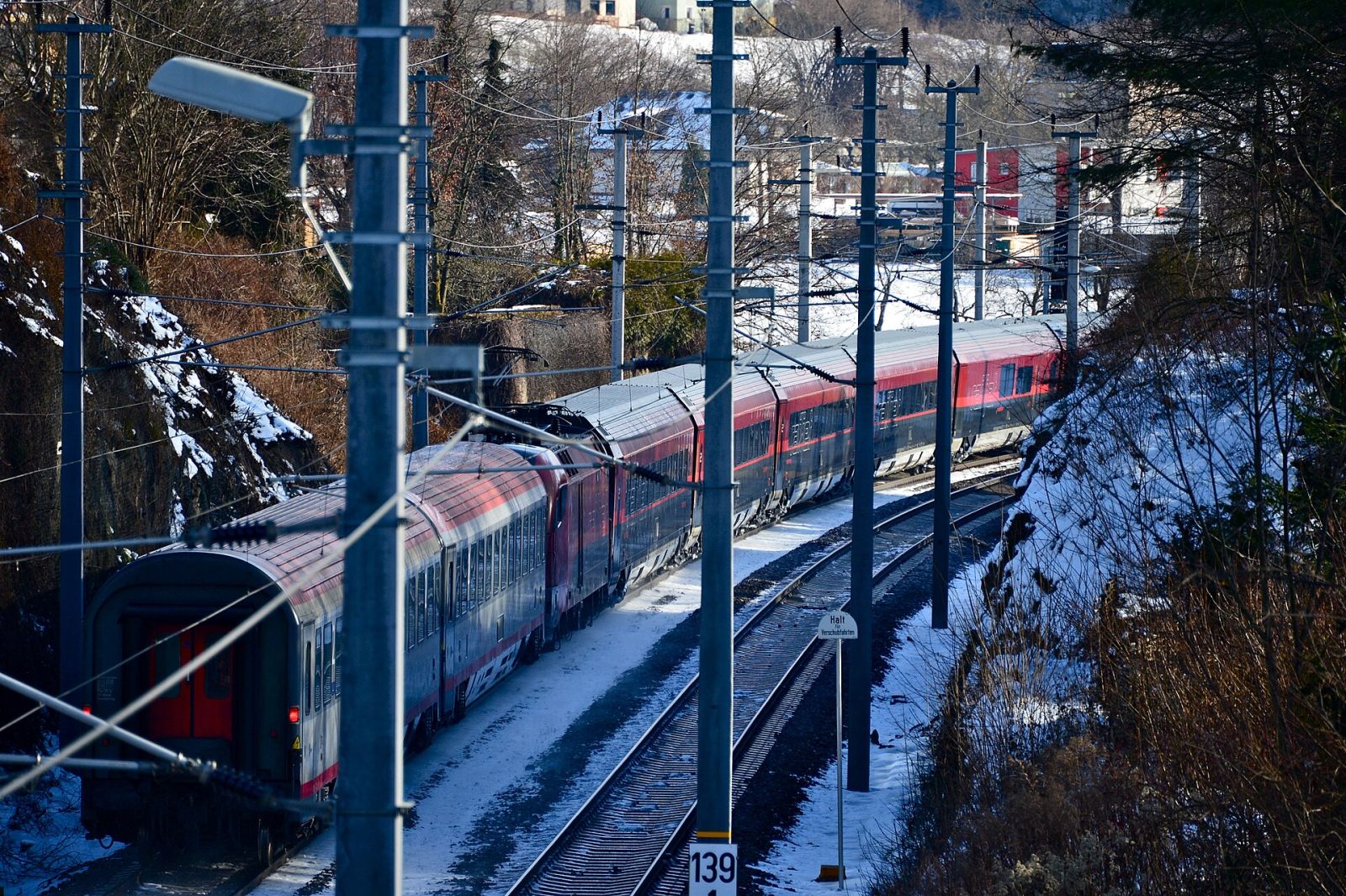
- Germany and Austria: ICE and Railjet need no reservation at all, unless you want a guaranteed seat on a busy day.
The conclusion writes itself: the pass shines in central Europe, where surcharges do not exist, and grows annoying in France and Spain, where every leg costs extra euros and a race for quota seats.
The home country rule
In your country of residence the pass works only twice: one outbound journey to leave the country and one inbound journey to return. Riding around your own country on the pass all month is not allowed; the app enforces it.
Global or One Country Pass?
Alongside the Global Pass there are single-country passes. The selection logic is simple: a One Country Pass only makes sense where regular tickets are expensive, meaning Italy, Spain or Scandinavia. For Czechia, Poland, Hungary or Slovakia it is almost always a loss, since local fares cost just a few euros anyway. Germany is its own case: Deutsche Bahn's own discounted advance fares usually undercut any pass. If you are torn between two countries, take a 4-day Global instead; it often costs the same as a single-country pass and keeps your options open.

When does Interrail beat budget airlines?
Cold math first. A pass day on the 5-days-per-month option costs about 60 € for adults and 45 € for youth. A Ryanair or Wizz Air fare booked early is often cheaper. But the head-to-head comparison lies, because flying adds bag fees, the trek to a distant airport, check-in and a three-hour buffer. Trains run city center to city center, luggage rides free, and you can change your plans on the day of travel.
The pass clearly wins when several things line up: you are under 27, your route runs through Germany, Austria, Switzerland or the Benelux, you have many legs, and you would otherwise be buying tickets last minute at panic prices. It clearly loses when you visit only two or three cities, know your dates six months out, and travel through reservation-heavy countries. Spain by budget airline with hand luggage will undercut a pass burdened by an AVE surcharge on every hop.
Tips for pass holders
- Plan the skeleton of your route early, but keep one or two pass days spare: spontaneous rerouting is the whole point of Interrail.
- Buy TGV and Eurostar reservations the moment you buy the pass, quotas melt fast.
- Use night trains departing before midnight: one pass day covers the journey and saves a hotel night.
- Rail Planner timetables work offline, a lifesaver when roaming.
- The pass carries side benefits too: ferry discounts in Greece and Scandinavia, and urban rail like Germany's S-Bahn is included.
Interrail is not a magic free ticket, it is a tool with a well-defined niche. For a flexible five-to-seven-city loop through central Europe, especially under 27, it buys a freedom no budget airline can match. For two flights between capitals planned half a year ahead, it is dead weight. Price your own route on interrail.eu against the airlines' fare calendars, the numbers will give you the answer, and verify current fares before you commit.