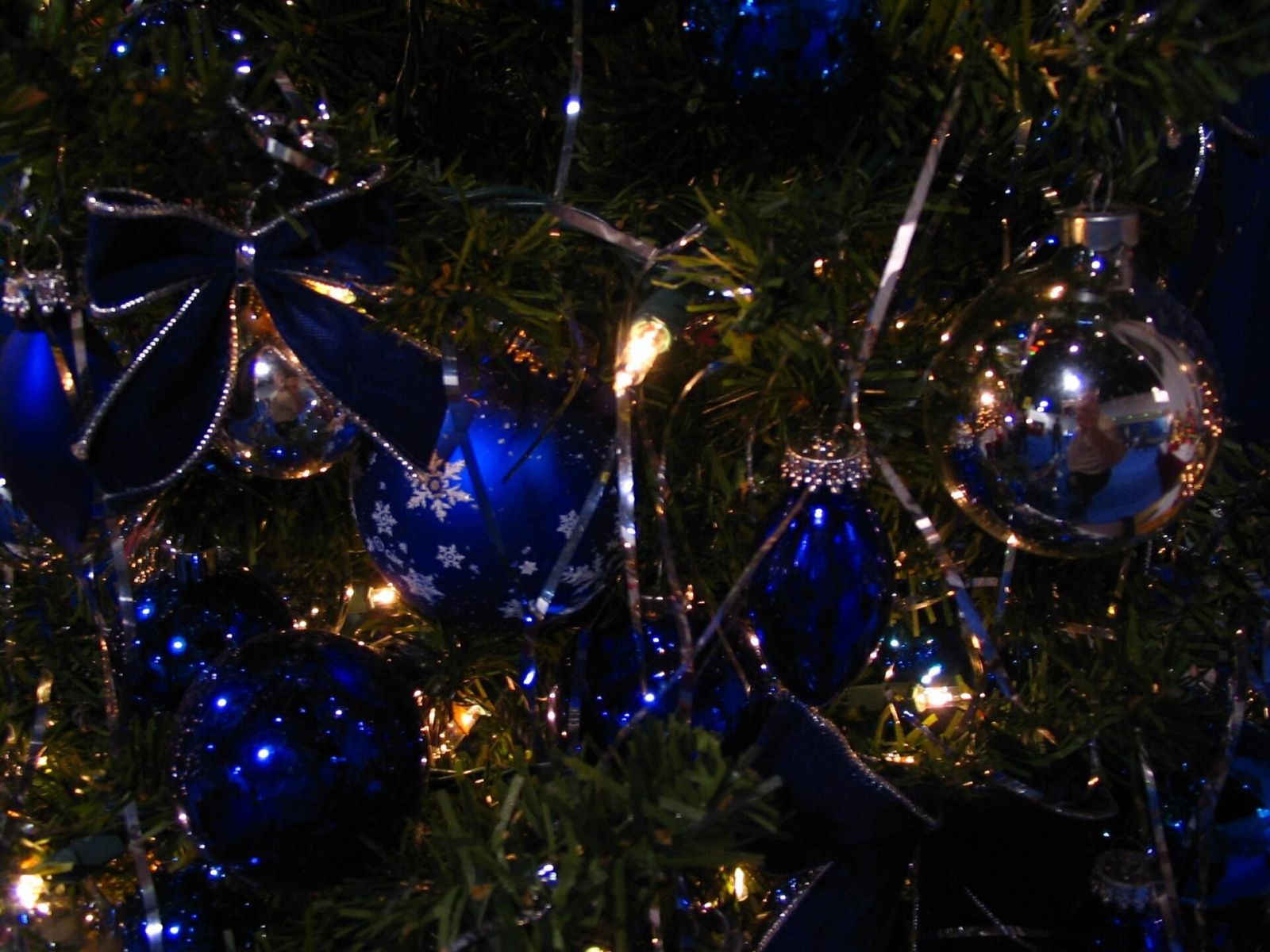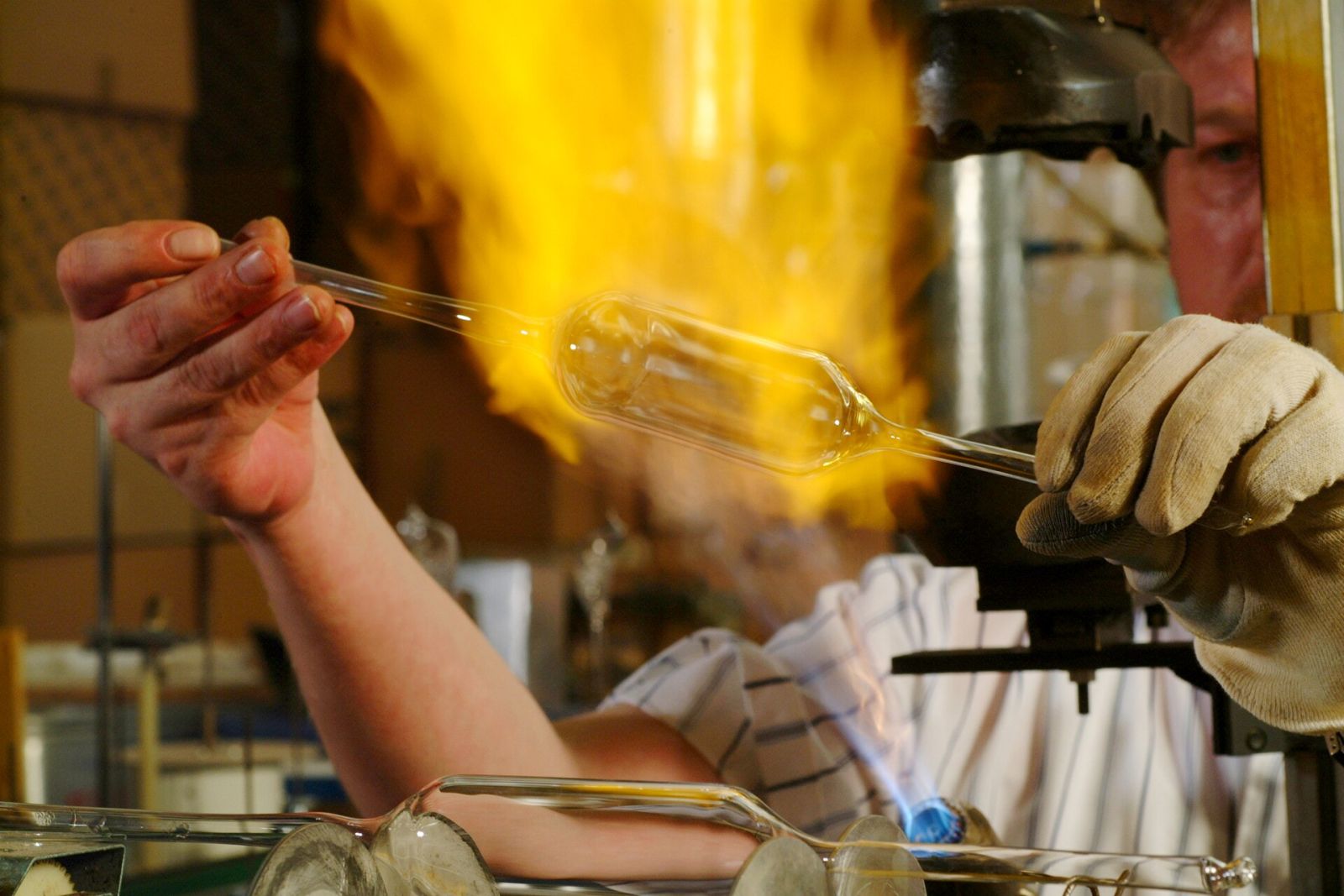


In the Thuringian town of Lauscha, roughly 10 euros buys you one breath into a glass tube and, a few minutes later, your own Christmas bauble: the glassblower handles the molten glass, and you are responsible for the colour and the exhale. This is the town that gave the world glass tree ornaments in the 19th century, and its furnaces are still hot. So when you ask where Christmas ornaments are made, the factory names matter less to a traveller than two practical details: which workshops let you in, and on which days anyone is actually working there.
Lauscha: glass baubles blown in front of you
Lauscha is regarded as the birthplace of the glass Christmas bauble, though its glassmakers long predate the fashion for decorated trees: Hans Greiner and Christoph Müller founded the first glassworks here in 1597. The address to head for is the Farbglashütte, also known as the Elias glassworks, at Straße des Friedens 46, which has been melting coloured glass since 1853. Entry is free. From the gallery you can watch the furnace crew, but only Monday to Saturday and no later than 14:00, so come in the morning. It opens Monday to Saturday from 10:00 to 17:00 and on Sundays from 11:00. The festive period has its own schedule, so check the hours for 24-26 December, 31 December and 1 January in advance.
The same building has housed the Museum of Glass Art and its historic ornaments since 2014, and the studio glassworks at Glaszentrum is on the same street, at number 22. A full list of glassblowers and shops with their hours is on the town of Lauscha website. The loudest moment of the year, the Kugelmarkt or "bauble market", takes up the first two Advent weekends: 28-29 November and 5-6 December 2026. Trains run hourly from Sonneberg. The streets are steep, so in winter decent soles count for more than a scarf.
Seiffen: nutcrackers, pyramids and a ring that turns into animals
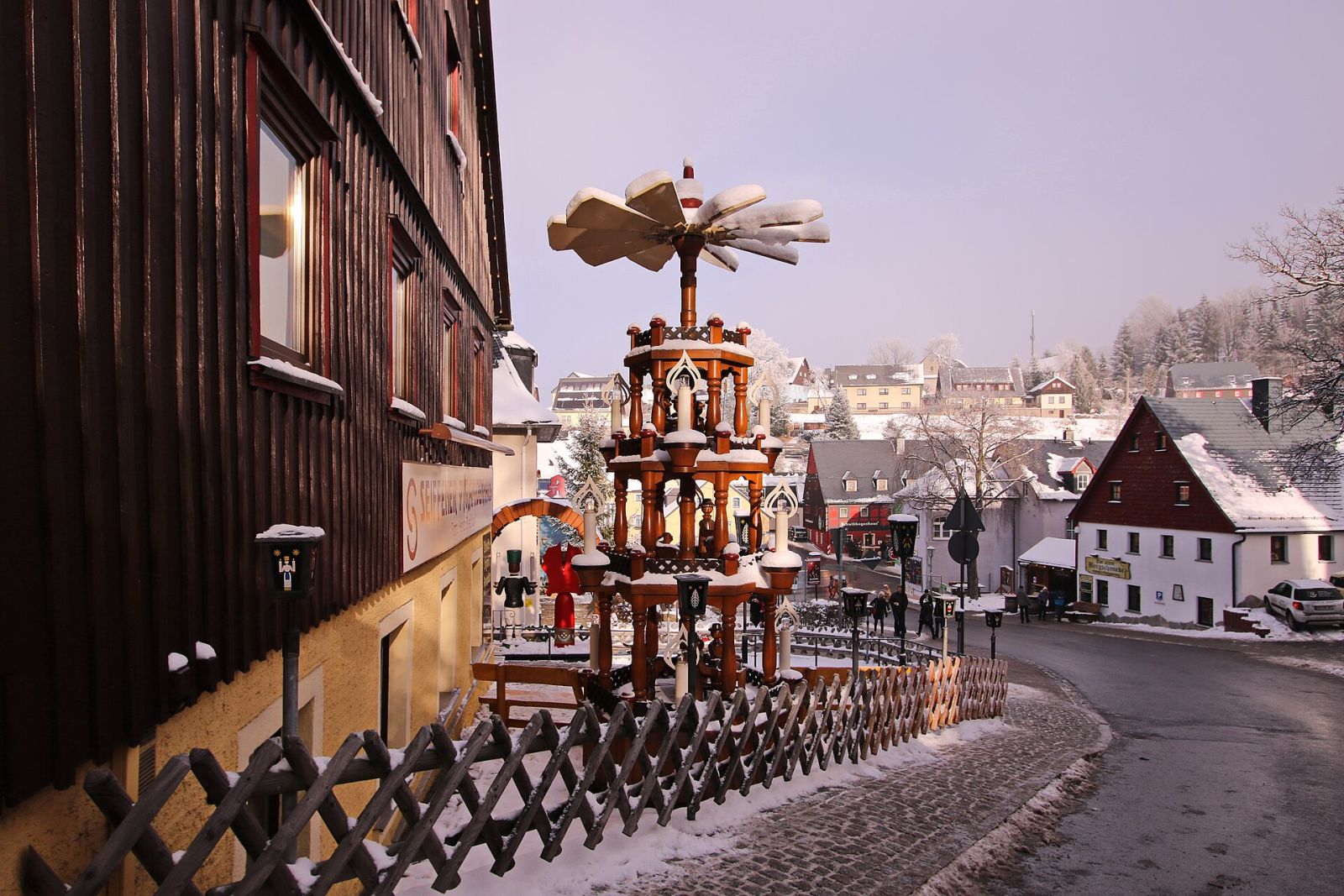
In the Ore Mountains, glass gives way to wood. The village of Seiffen turned to toys when its silver mines declined, and its signature trick is one you will struggle to see anywhere else: Reifendrehen, or ring turning. A craftsman turns a wooden ring with a cunning profile on a lathe, then splits it like a pie, and every slice turns out to be a little horse or cow. You can see this at the Freilichtmuseum, an open-air museum outside the village with a turning mill from 1760. It closes on 24, 25 and 31 December and 1 January, and the mill takes a lunch break from 12:00 to 13:00.
The Erzgebirgisches Spielzeugmuseum, the toy museum at Hauptstraße 73, reopened on 3 October 2026 after months of renovation. It opens daily from 10:00 to 17:00, and until 13:00 on 24 and 31 December. A ticket costs 10.70 euros, a combined ticket with the open-air museum is 16 euros, and a child with a paying adult goes free. For working lathes, go to the Schauwerkstatt of the Seiffener Volkskunst cooperative at Bahnhofstraße 12, Monday to Friday from 10:00 to 16:00. At weekends the workshop rests and you will mostly see empty benches, so a weekday is far more rewarding.
The Seiffener Weihnacht market runs from 27 November to 20 December, and the big miners' parade, with more than 400 people, takes place on 12 December at 15:30. The simplest route without a car is a train from Chemnitz to Olbernhau-Grünthal and then bus 452, about 15 minutes.
Poland: glass in Krosno, baubles in Nowa Dęba
Krosno often gets mentioned alongside bombki, Polish glass baubles, but the town earned its name mainly with art glass. Its Centrum Dziedzictwa Szkła, the Glass Heritage Centre, admits visitors only on guided tours: the full route costs 42 zloty and the main building alone 33. It opens Monday to Saturday from 9:00 and Sunday from 11:00, with the last full tour at 15:00. In winter you can decorate your own bauble there, and workshops cost 35-39 zloty. The website gives no hours for 24-25 December, so phone before you set out.
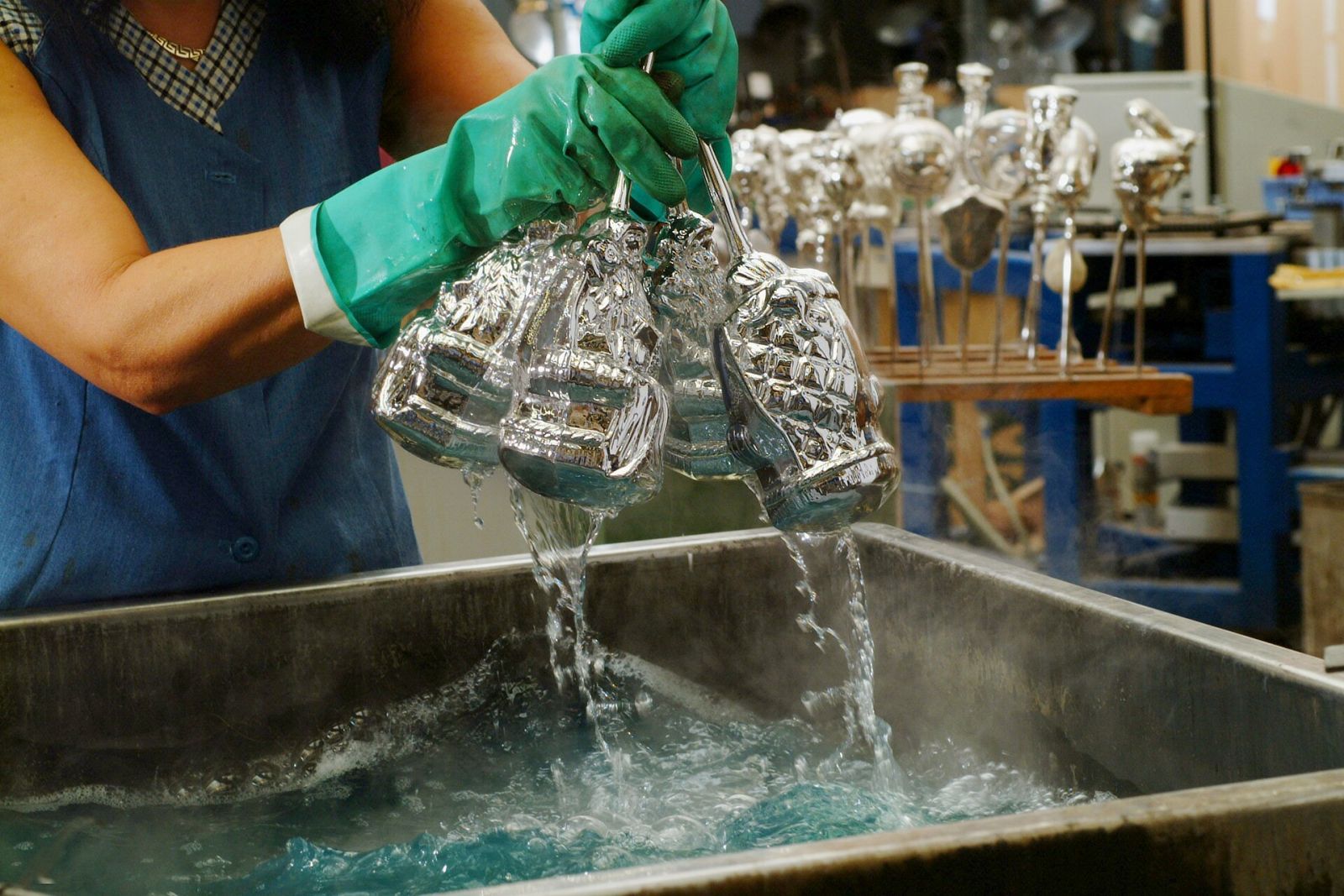
For the baubles themselves, go elsewhere. In Nowa Dęba, in the Podkarpackie region, Janusz Biliński's company makes about 3,000 baubles a day, and a Christmas Bauble Museum with thousands of exhibits has operated beside the workshop since 2012. In 2022 entry for individual visitors was free, a workshop cost 10 zloty and December added Sundays from 9:00 to 15:00, though we could not find newer figures. In Piotrków Trybunalski, Szkło-Dekor welcomes groups and families alike: 40 zloty in December and 35 in November for a visit of an hour and a half to two hours, covering blowing and silvering, with four baubles for you to paint yourself.
We could not confirm labels such as "baubles from Rzeszów" or "from Złotów". Rzeszów is simply the capital of the region where Nowa Dęba lies, and Złotów is easily confused with Złotoryja in Lower Silesia, where another factory, Vitbis, runs tours.
Klavdiievo-Tarasove: phone first, then book the bus
The Klavdiievo Christmas decorations factory near Kyiv has been working for more than half a century. In peaceful seasons, coaches came out from Kyiv for the glassblowing shop, silvering, the painting shop, an ornament museum, Santa's post office and a bauble to paint at the end. The settlement lived through occupation during the 2022 offensive on Kyiv. The factory website says that "this year" it will be unable to host guests, without naming the year, and the tour operator listings we found stop at 2022. Treat the tours as suspended until the factory says otherwise.
The same site offers an alternative, the Christmas Factory of Dreams at VDNH in Kyiv, 1 Hlushkova Avenue, pavilion 2: the season opens on 15 November, an elf leads guests around and shows how baubles are blown, and booking is by phone. Check that the offer stands this year before you go, and keep an eye on air raid alerts. For what else to fit in, see our guide to what to see in Kyiv.
Rothenburg: Christmas all year, except at Christmas
The Weihnachtsdorf, or Christmas Village, run by the Wohlfahrt family in Rothenburg ob der Tauber has been open since 1981: more than 1,000 square metres, some 20,000 products and a white tree 5.7 metres tall, with over a million visitors a year. You will not see anything being made, because Käthe Wohlfahrt is first and foremost a shop. Even so, the range justifies the single train change at Steinach. Hours are usually 10:00 to 18:00, but "all year" has exceptions: the village is closed on 15 and 22 November 2026 and on 24-26 December. Simple baubles cost a few euros, and hand-painted ones several times more. The Reiterlesmarkt runs nearby from 20 November to 23 December, and the German Christmas Museum is in the same building.
Where can you blow or paint a bauble yourself?
- Lauscha: your own glass bauble at the Elias glassworks for roughly 10 euros, with the price and minimum age best checked on site. Andreas Tresselt's Glasatelier also lets you decorate one.
- Nowa Dęba: painting a bauble after the workshop visit; individual guests should ask about places at the door.
- Piotrków Trybunalski: four baubles included in the tour price, boxed up to take away.
- Krosno: winter workshops at the Glass Heritage Centre, booked in advance.
- Seiffen: the Schauwerkstatt offers craft sessions booked online, in wood rather than glass.
Where Christmas ornaments are made: a table for your trip
We checked hours and prices in early November 2026. Some of the Polish figures are older, so confirm them by phone before you travel.
| Town | What they make | Can you see production? | Price |
|---|---|---|---|
| Lauscha, Germany | blown glass baubles, coloured glass | yes, from the gallery until 14:00 | free entry, your own bauble about 10 euros |
| Seiffen, Germany | nutcrackers, pyramids, turned figures | yes, on weekdays at the Schauwerkstatt; turning mill at the open-air museum | museum 10.70 euros, combined 16 euros |
| Krosno, Poland | art glass | partly, guided tours only | 33-42 zloty, workshop 35-39 |
| Nowa Dęba, Poland | handmade bombki | yes, working shop floor and museum | free entry in 2022, workshop 10 zloty |
| Piotrków Trybunalski, Poland | glass baubles | yes, on a tour | 35 zloty in November, 40 in December |
| Klavdiievo-Tarasove, Ukraine | glass baubles | not at present, no guests according to its website | no current price |
| Rothenburg, Germany | sales only, no production | no | shop free, museum 5 euros |
If you want to see the actual work, build your route around a weekday: Lauscha or Nowa Dęba in the morning, and the shops for the rest of the day. How to get the glass home in one piece, and how a real bauble differs from a plastic copy, is covered in our piece on what to bring back from Christmas markets.