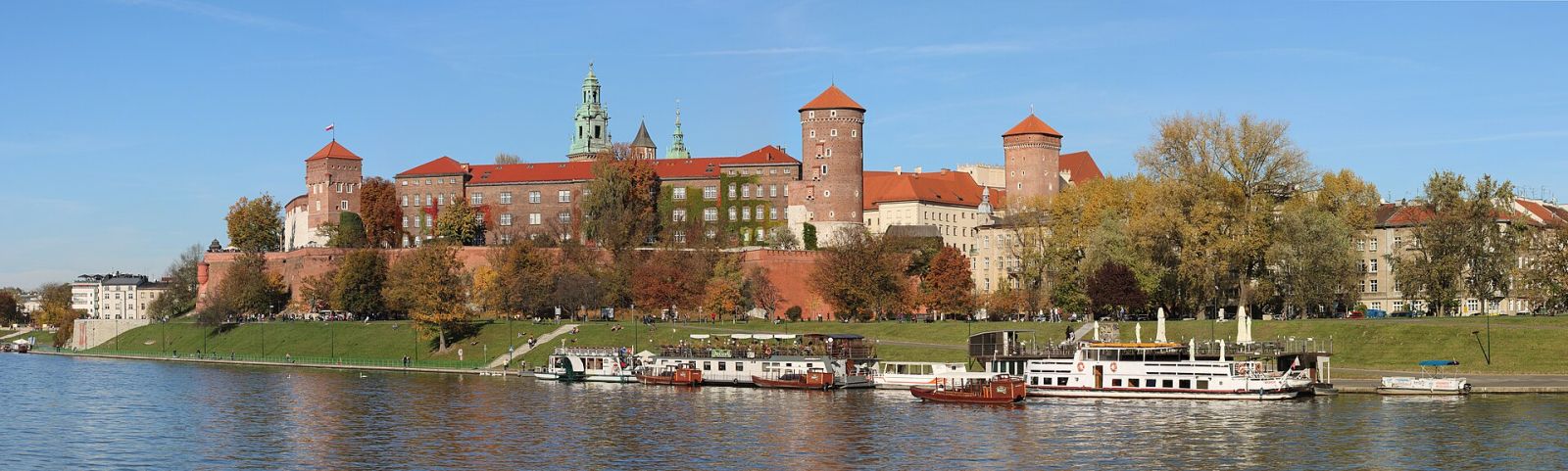


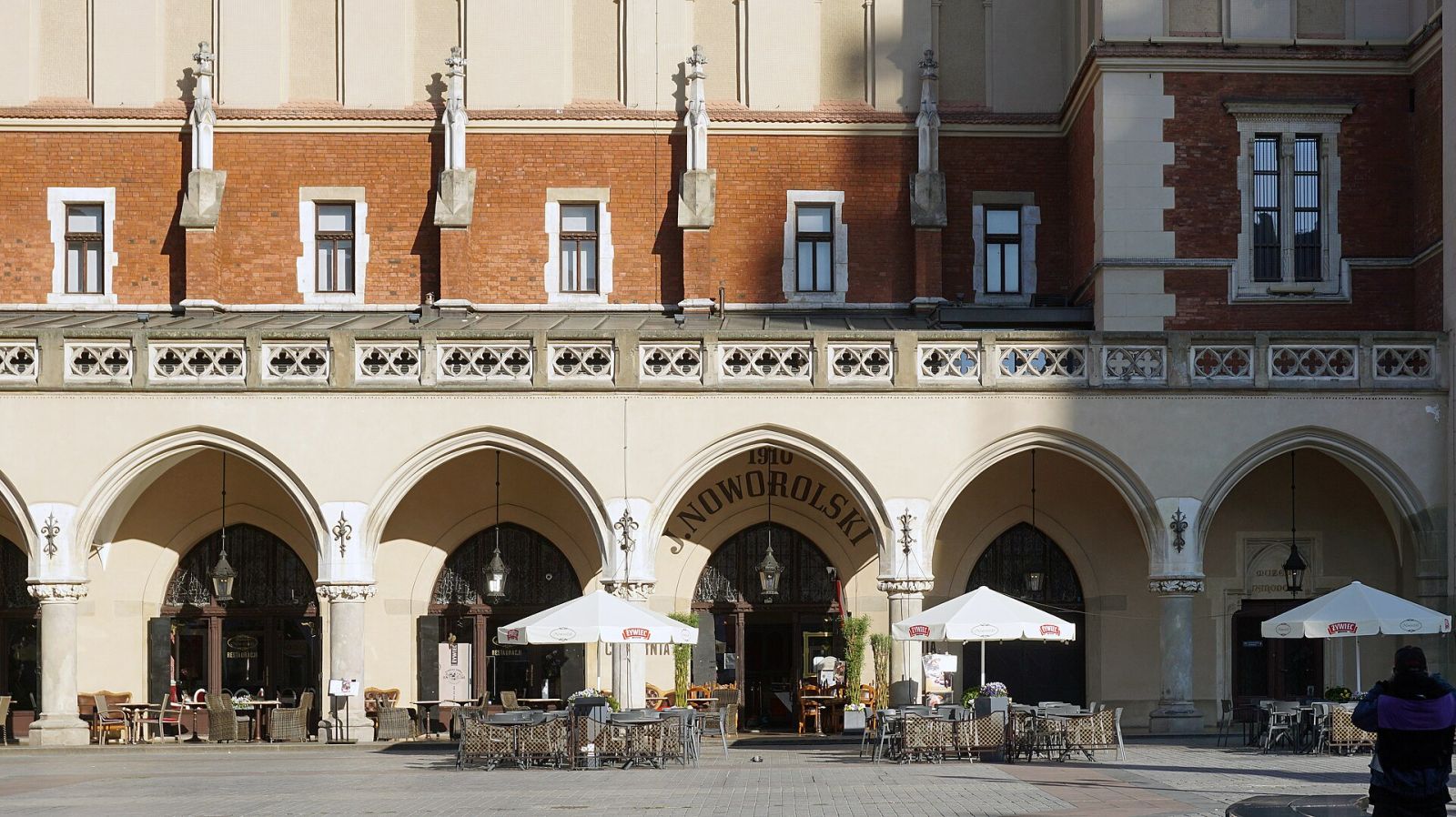
Choosing between Krakow or Warsaw is really choosing between two different Polands. Krakow came through the war almost untouched, and its Market Square with the Cloth Hall looks the way it did three hundred years ago: at roughly 200 by 200 metres it is the largest medieval square in Europe. Warsaw was flattened in 1944, with around 85 percent of the city destroyed, so today it is a place of glass towers where the Old Town was rebuilt from rubble so meticulously that UNESCO listed the reconstruction itself. Heritage versus modernity, in their purest forms.
Both cities are easy to reach, whether you are coming from Ukraine overland or flying into their busy airports, so the decision comes down to substance. Here is the breakdown: sights, museums, prices, logistics, and how many days each city actually needs.
Atmosphere: medieval stone versus glass
Krakow is a textbook of old Europe: the Florian Gate, the Market Square where a trumpeter plays the hejnal from St Mary's tower every hour, Wawel Castle above the Vistula, the cobbled lanes of Kazimierz with cafes set in former prayer houses. The city is compact, walkable and photogenic from any angle. The downside grows straight out of the upside: the centre gets packed in season, and parts of the square have turned into one continuous souvenir shopfront.
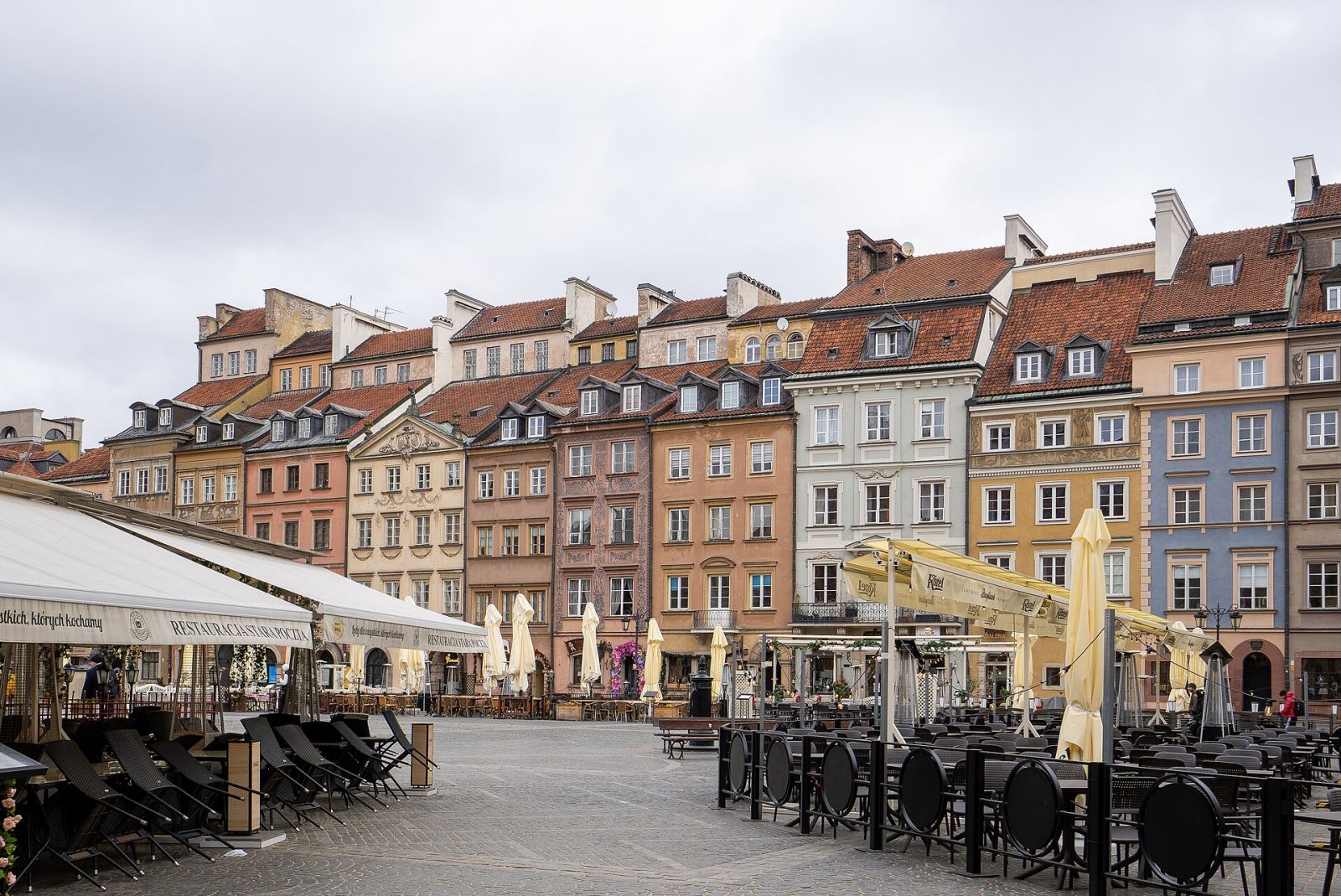
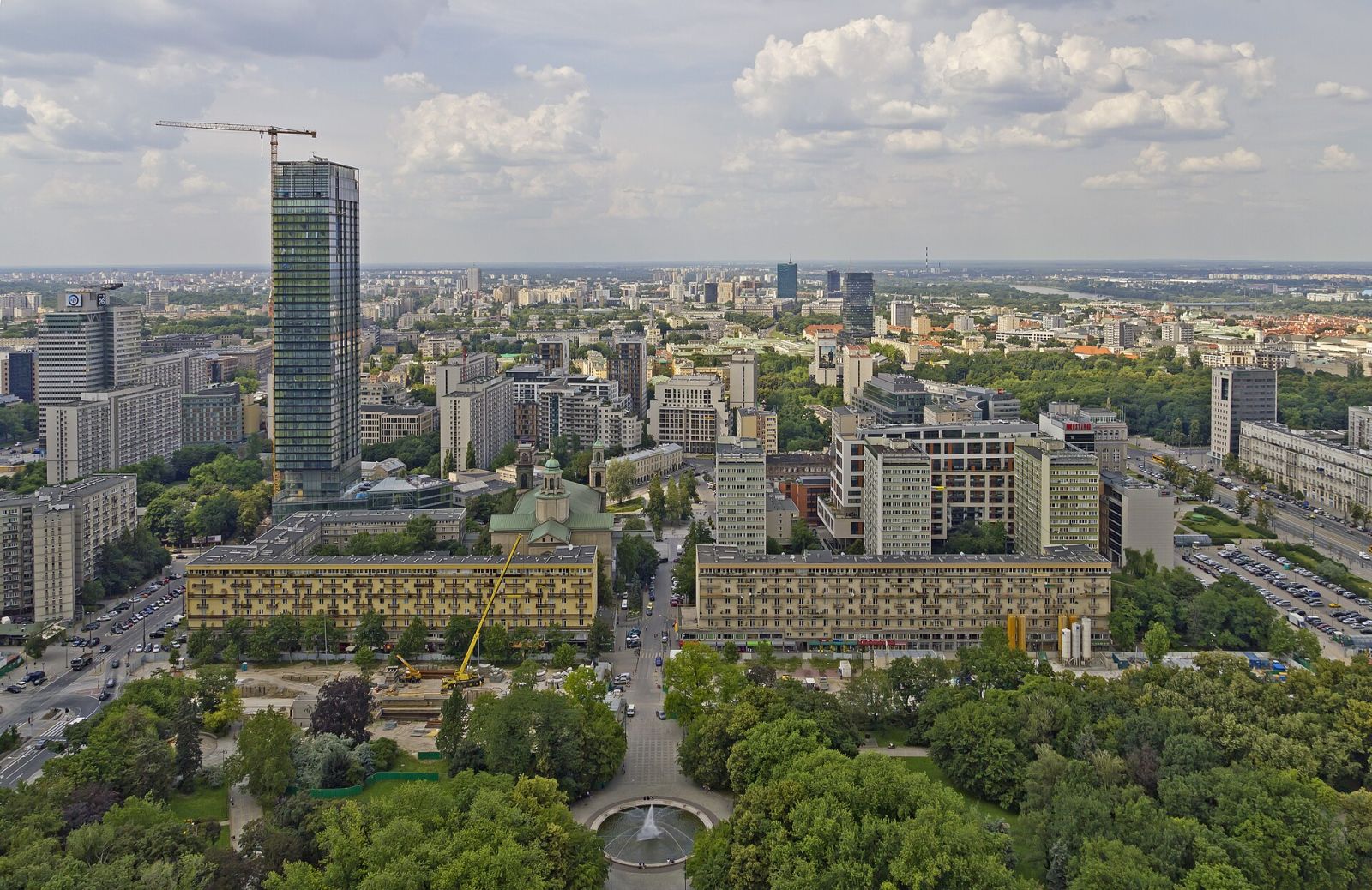
Warsaw runs on different energy. It is a business capital with a skyline that includes Varso Tower, the tallest building in the European Union at 310 metres. Alongside it stand the Stalinist Palace of Culture, the rebuilt Old Town, the royal Lazienki park with its peacocks, and fashionable districts like Powisle with bars on the Vistula bank. Warsaw is less postcard-pretty but more alive: this is a city going somewhere, not posing.
Each city holds a green trump card too. Krakow is wrapped in the Planty park, a ring laid out where the city walls once stood, so from the Old Town you step into greenery within a minute. Warsaw spends its summers on the Vistula boulevards: right-bank beaches, deckchairs, music, all fifteen minutes on foot from the Palace of Culture. Not what anyone expects from a «business capital».
Museums: whose line-up is stronger?
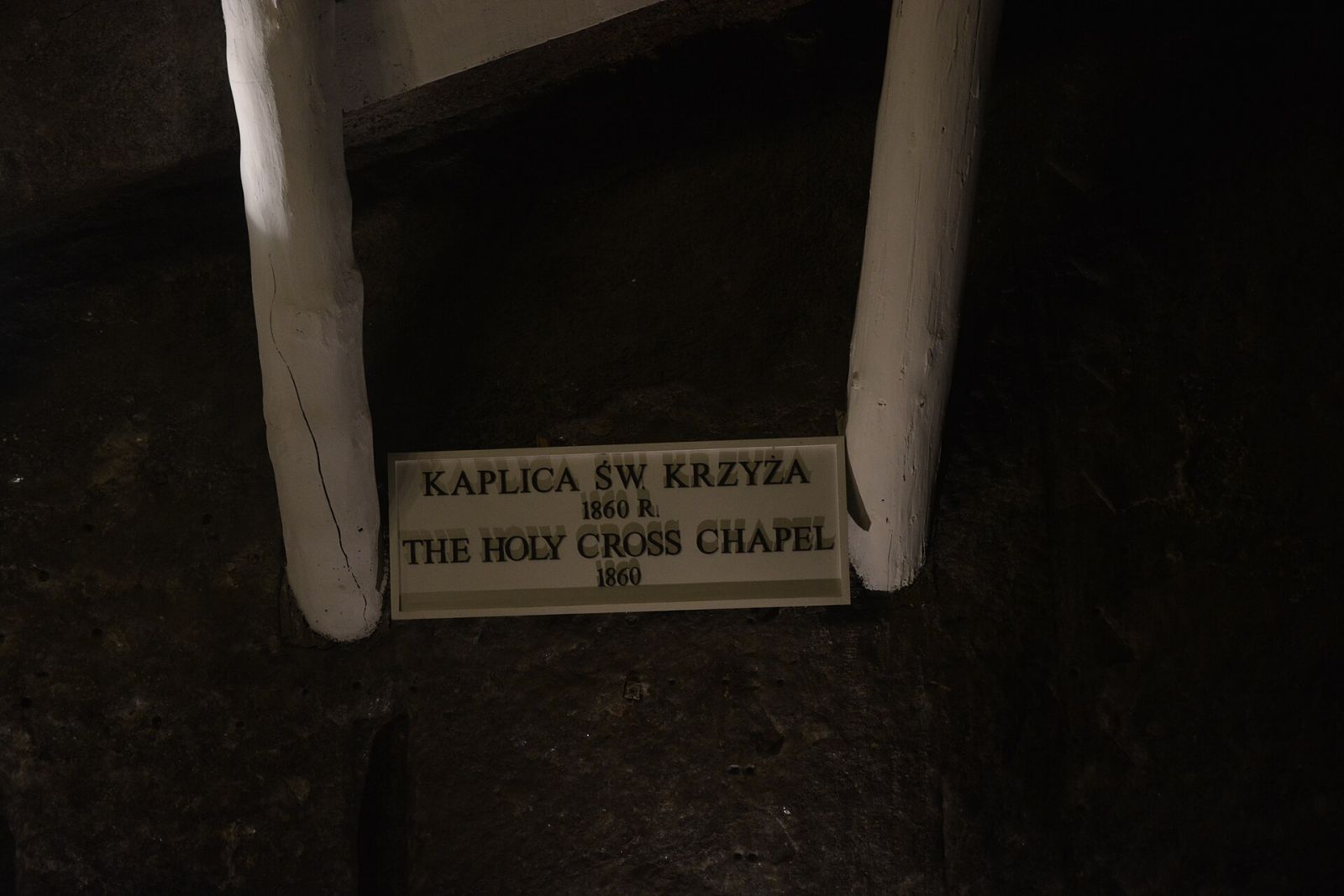
Krakow banks on history. Wawel Castle with royal chambers and tapestries, the underground museum beneath the Market Square where excavated medieval streets are on display, Schindler's Factory covering the city's occupation years. Then the country's two most powerful day trips: the Wieliczka Salt Mine with its underground chapels half an hour away, and the Auschwitz-Birkenau Memorial, where entry passes should be booked in advance on the official museum website.
Warsaw answers with new-generation museums, and it is stronger here than people assume. The Warsaw Rising Museum with the rumble of bombardment in your headphones, POLIN covering a thousand years of Polish Jewish history and once named Europe's best museum, the Copernicus Science Centre where children disappear for half a day, the Royal Castle and the Chopin museum. In emotional force Warsaw's museums match Krakow's at the very least; they simply tell the story of the 20th century rather than the Middle Ages.
Prices and logistics
On cost the cities sit close together, and both run noticeably cheaper than Prague or Vienna. Warsaw charges a bit more for weekday rooms thanks to business traffic; Krakow inflates prices in the very centre during high season. A soup-and-main lunch at a milk bar costs 5-8 euros in either city, and a single transport ticket is about 1 euro.
| Criterion | Krakow | Warsaw |
|---|---|---|
| From Lviv, Ukraine | 4-6 h (via Przemysl or bus) | 8-10 h |
| From Kyiv | 12-15 h with a change | direct train, about 12-14 h |
| Lunch at an inexpensive place | 5-8 € | 6-9 € |
| Night in a central 3* hotel | 60-100 € | 70-110 € |
| Major museums | 7-15 € | 7-15 € |
Logistics split the cities into different scenarios. From western Ukraine, Krakow is the closer call: via Przemysl and a Polish regional train it is half a day of travel. From Kyiv, Warsaw is easier, served by a direct Ukrainian Railways train; timetables are on the UZ website. Both cities also work as major aviation hubs for onward flights across Europe, so a layover day converts into a proper city visit with no effort.
Weekend or a week: how much time does each need?
Krakow is tailored for a weekend: two days for the Old Town, Wawel and Kazimierz, a third for Wieliczka or Auschwitz. Everything is close, the pace is unhurried, evenings belong to the pubs of Kazimierz. You can stretch it to a week by adding Zakopane and the Tatra Mountains two hours away by bus, but on its own Krakow reveals nearly everything in three days.
Warsaw, by contrast, needs a running start. In a single day it feels like a scatter of disconnected districts, which is exactly why many visitors leave disappointed. By day three or four, once Lazienki, Powisle, the museums and the bars enter the picture, the city clicks into a coherent whole. For a week-long trip Warsaw offers more variety: it is easier here to alternate museum days with parks, shopping and nightlife.
Food: milk bars and beyond
Both cities feed you cheaply and generously, and the base menu is shared: pierogi with a dozen fillings, sour zurek soup served in a bread bowl, a schabowy cutlet the size of the plate. Krakow adds street specialities of its own: the obwarzanek bagel sold from carts right on the Market Square, and zapiekanka, half a baguette loaded with mushrooms and cheese, for which a night-time queue forms on Plac Nowy in Kazimierz. The old-town taverns are atmospheric, though in the most touristy spots prices have already reached Prague levels.
Warsaw wins on variety: the Hala Koszyki and Hala Gwardii food halls gather everything from ramen to Georgian khinkali under one roof, the coffee scene is the strongest in the country, and the range of Asian and Middle Eastern places dwarfs Krakow's. In Krakow you eat Polish classics; in Warsaw you eat everything. For a food-driven traveller that argument points squarely at the capital.
So which one?
For a first trip to Poland and for a short weekend the answer is Krakow: the concentration of old-world fabric per square metre is the highest in the country, and even two days leave the feeling of a finished journey. It is also the better pick for a romantic trip and for an itinerary built around difficult but essential places of memory.
Warsaw wins for a longer stay, for travel with children, whom the Copernicus centre holds better than any tablet, and for anyone drawn to today's Poland, with its energy and contrasts, rather than the museum version. The dry summary of Krakow or Warsaw comes down to the calendar: give a weekend to Krakow and a week to Warsaw, while the Warsaw plus Krakow route, linked by a high-speed train in about two and a half hours, folds both answers into one trip.