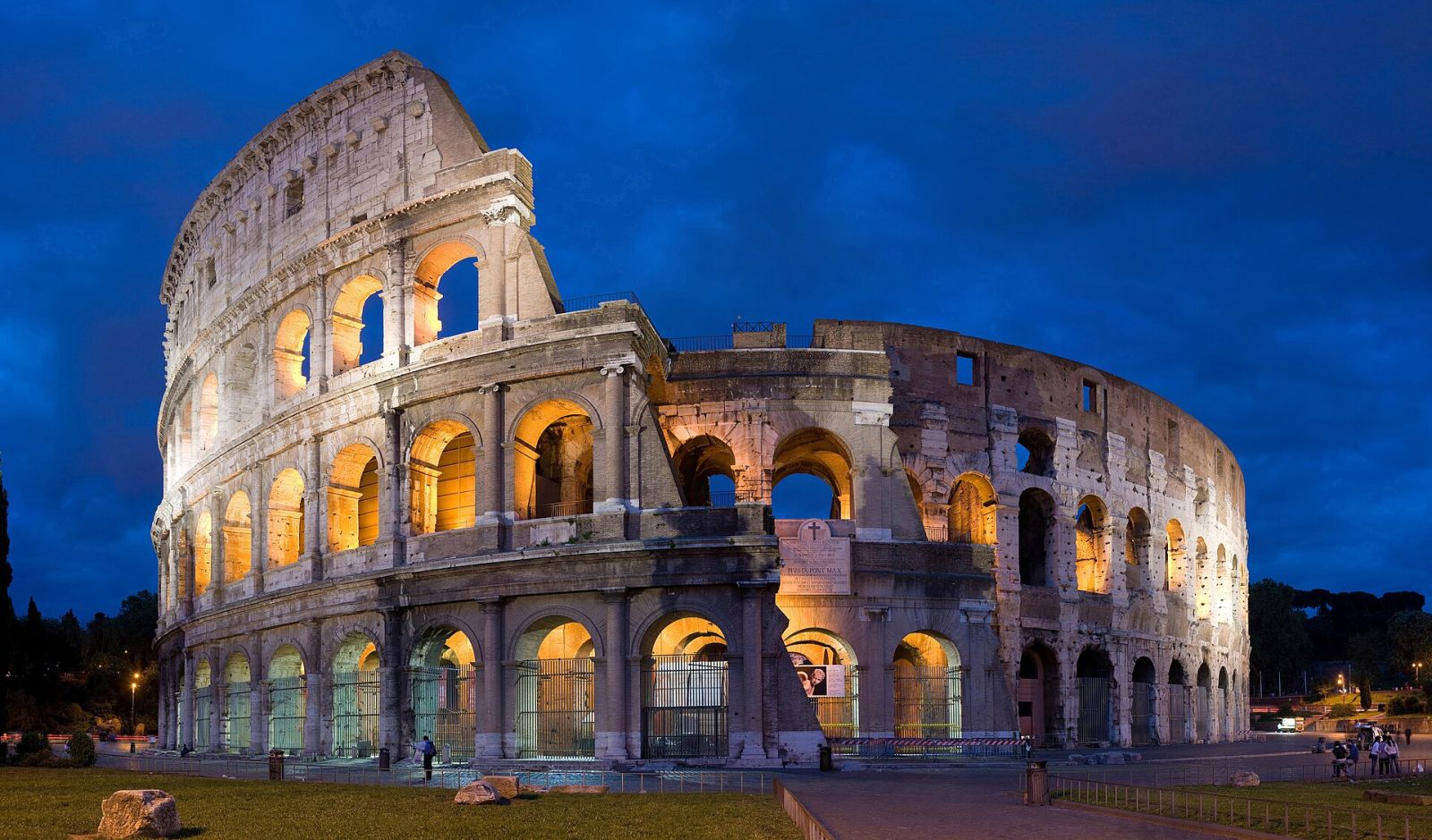


Figuring out how to choose a tour without overpaying comes down to simple math: for the very same Colosseum you can pay 15 euros for a spot in a fifty-person group, 60 euros for a small group led by a historian, or 8 euros for a good audio guide at your own pace. The price gap can be fivefold, while the gap in impressions depends not on the money at all, but on whether the format matched your expectations.
Let's go through every format honestly, with prices, pitfalls and the main question: does this particular place need a guide at all.
Group, private or audio: what you are actually buying
Three formats sell three different products. A group tour sells savings, a private one sells flexibility and dialogue, an audio guide sells freedom of pace. The comparison, warts and all:

| Format | Rough price | Strength | Honest downside |
|---|---|---|---|
| Big group (20-50 people) | 15-40 euros per person | The cheapest way to get a live guide | Crowd pace, no room for questions, half the tour spent locating your guide |
| Small group (up to 12) | 40-70 euros per person | Balance of price and the guide's attention | Fixed schedule, group mix is a lottery |
| Private | 100-250 euros per group | Your pace, your questions, your route | Pricey for one or two, quality rests on a single person |
| Audio guide or audio play | 0-15 euros | Own pace, pause any time, replay anything | Cannot answer questions, easy to bail halfway |
One practical takeaway from this table: a private tour becomes a bargain starting at four people. 200 euros for a family of four is the same 50 per head as a small group, except the route follows your interests and nobody else shows up late.
Free walking tours: how the "free" actually works
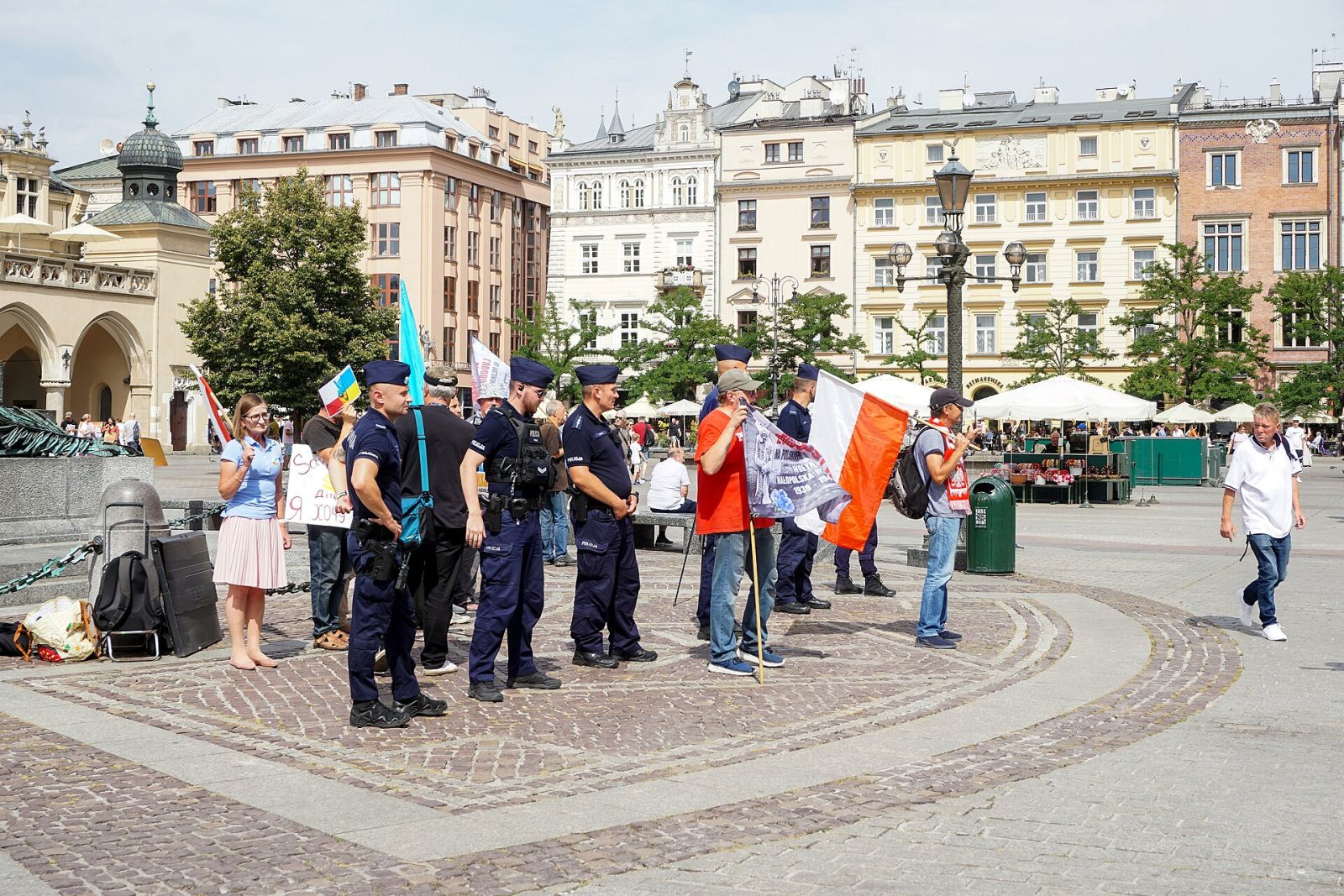
Free walking tours exist in nearly every major city of Europe and Latin America: Krakow, Prague, Berlin, Mexico City. The mechanics: the tour is formally free, and at the end everyone tips the guide whatever they see fit. The guide, meanwhile, often pays the operator a fixed fee per participant, so a person who walks away without tipping is literally a loss for him.
What this means in practice. First: a fair tip on such tours in Europe is roughly 10-15 euros per person for a two-hour walk, less in Latin America. An empty palm at the end is not a "life hack", it is a free ride at someone else's expense. Second: the average quality here is high, because the guide's income depends directly on how the crowd feels. Charismatic storytellers are more common on free tours than on prepaid group ones. Third: this is the best format for your first day in a city. In two hours you get your bearings in the center, real food recommendations, and a shortlist of places worth a deeper return visit.
Red flags of a bad tour: visible before you pay
A bad tour can almost always be identified in advance. Each sign below is not a verdict on its own, but two or three together send a clear signal:
- A half-day "highlights" tour with ten stops. That means 15 minutes per location, 10 of which you spend hunting for the restroom and your group. Depth will happen nowhere.
- Mandatory shop visits. A leather factory, a jewelry workshop, a "tasting" with a sales counter. The guide earns commission on your purchases, and sightseeing time gets cut precisely for these stops.
- No guide's name. Good operators state who leads the tour, and that guide has personal reviews. "Our experienced guide" with no name means: whoever is on shift, that is who you get.
- A price well below market. A tour at a third of the going rate pays for itself through shops, a sixty-person group, or "entrance tickets not included", which you discover at the ticket office.
- Listing photos with no people and no guide. Stock images instead of real shots from real tours are a reason to find an operator with something to show.
Group size matters more than the guide's talent
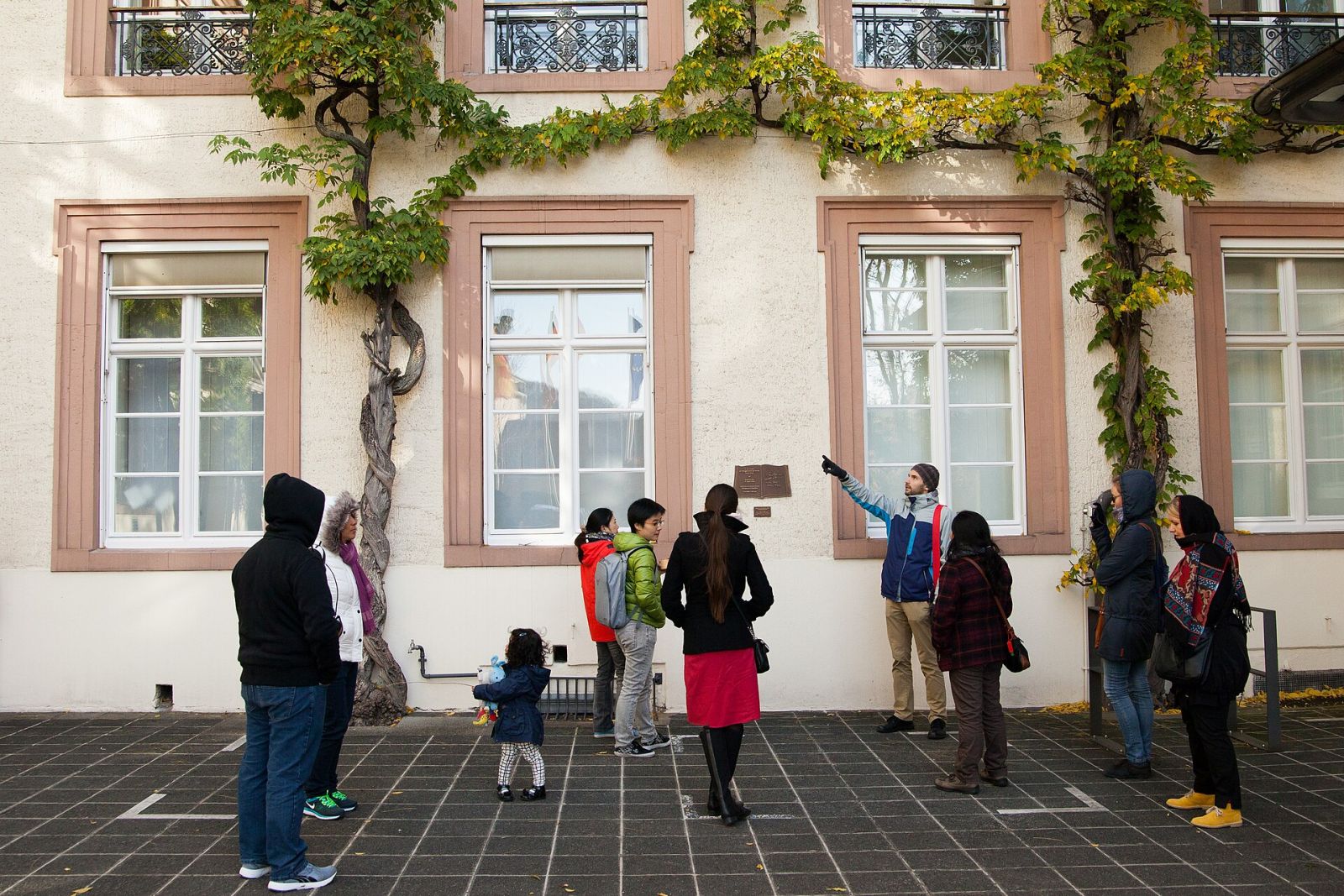
A non-obvious thing you learn with experience: a brilliant guide with forty people loses to an average guide with eight. The reason is physical. In a big group you spend half the time at the back, catching fragments through a whisper headset or hearing nothing, while the slowest members set the pace. Twelve people is the ceiling beyond which a tour turns into the organized movement of a crowd. If a tour listing does not state the maximum group size at all, treat that as your answer.
Reviews: where to actually look
An average score of 4.8 says almost nothing, nine out of ten tours on the big platforms have it. What works instead:
- Read only the negative and middling reviews. Three stars are more honest than five: that is where people spell out what exactly went wrong. Repeated complaints (delays, shops, groups bigger than promised) are a system, not bad luck.
- Search for the guide's name in reviews. "Marco was incredible" in twenty consecutive reviews means you should book Marco specifically, not the operator in general.
- Look at the dates. A pile of glowing reviews within one week and silence before it is a classic sign of fakery. A steady flow over years is worth far more.
- Notice who is reviewing. A tour praised exclusively by the operator's compatriots may turn out to be a different product for an international visitor.
When you need no guide at all
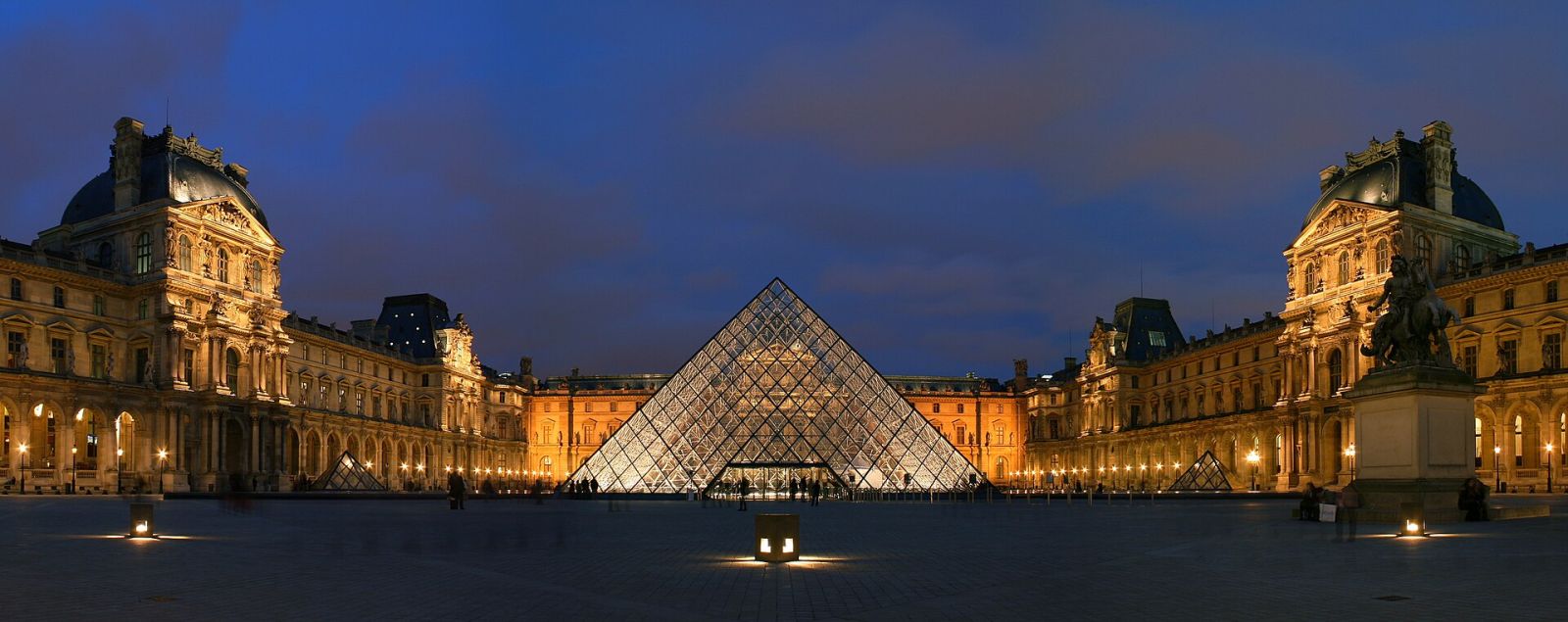
Some places gain little from a tour and lose a lot. Natural sites where the core impression is visual: fjords, waterfalls, beaches, scenic trails. Cities with a strong street atmosphere that open up best through aimless walking. Museums with quality audio guides: at the Louvre, the Prado or the Vatican, the official audio guide for 6-8 euros delivers more than an average group tour, because you stand in front of an exhibit exactly as long as you want. Check the museums' official sites: the Louvre, for instance, offers free in-app routes and detailed room descriptions.
A guide is irreplaceable where the meaning is invisible to the eye: archaeological ruins that remain a pile of stones without the story, places of heavy history like Auschwitz or Chernobyl, cities with layered context. A useful rule: the less "pretty" and the more "significant" a place is, the more it needs a guide.
The formula for not overpaying
Before booking, answer three questions. Do I care about dialogue and asking things? If not, an audio guide saves most of the budget. Are there four or more of us? Then price out a private tour, it will almost certainly cost no more than small-group seats. Is this my first day in the city? Take a free walking tour and budget the tip as a normal ticket price. And the final move: once you found an operator through an aggregator, book directly on their site, which often shaves 10-20 percent of platform commission. Prices and schedules change every season, so verify them before the trip.