

The Budapest or Prague dilemma hides one detail that surprises most first-timers: these are not interchangeable cities at all. Budapest is the only capital in Europe sitting on more than a hundred thermal springs, Prague is the undisputed beer capital of the continent, and each experience is impossible to copy in the other city. Both are affordable by Western European standards, both carry a weekend or a full week with ease, so the choice comes down to what you actually want from the trip.
Here is the breakdown, point by point: baths versus beer, prices, ruin bars versus pubs, riverfronts, getting there from Ukraine and the region, and a clear verdict at the end.
Baths versus beer: the trump cards
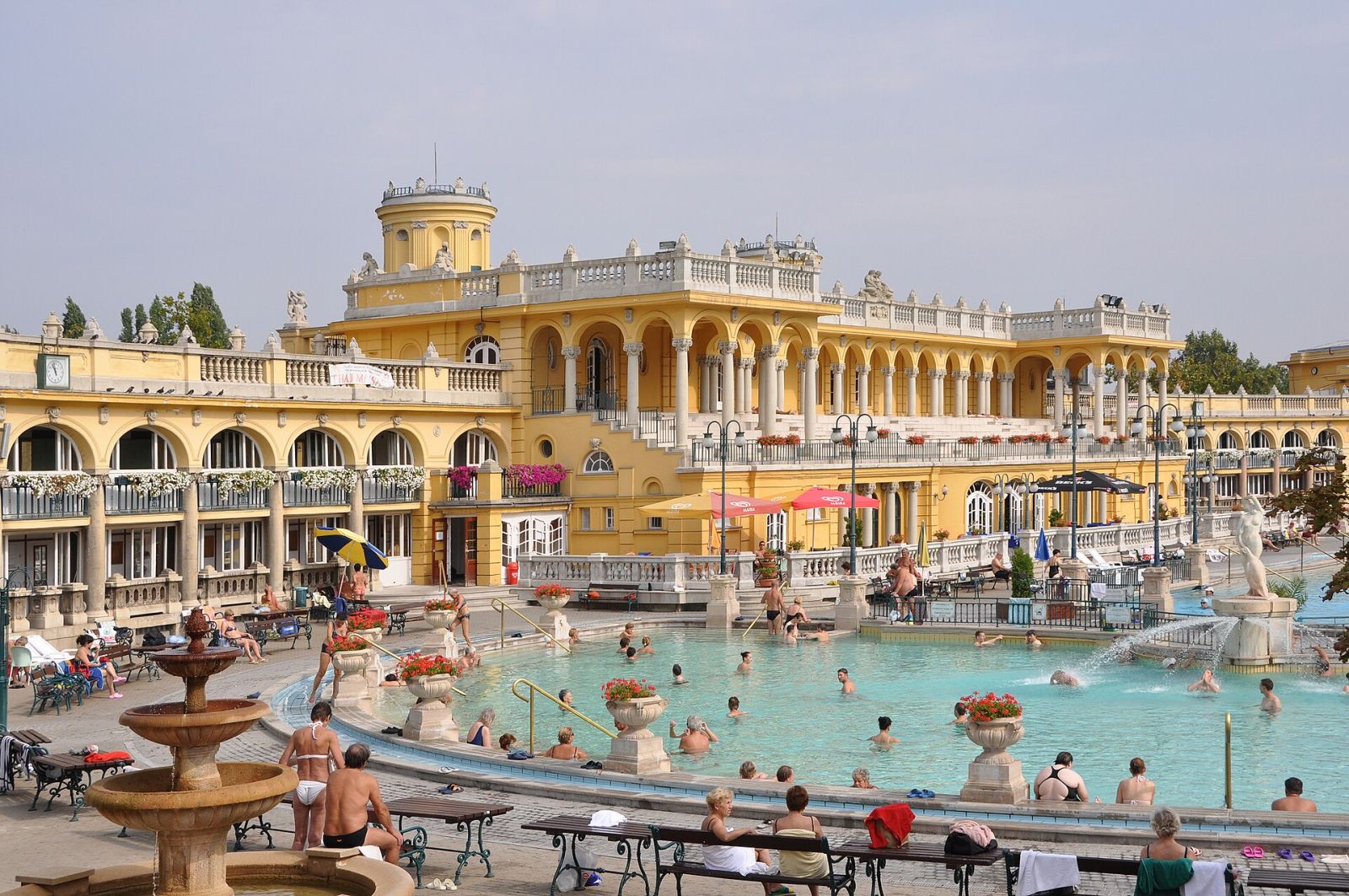
Budapest's signature has no equivalent anywhere in Europe. Szechenyi with its yellow neo-baroque wings and outdoor pools where locals play chess even in winter, the Ottoman-era Rudas with an octagonal pool under a 16th-century dome, the low-key Lukacs, a favourite with Budapest regulars. The art nouveau Gellert has been closed for renovation since October 2025 and is not expected to reopen before 2028. Entry to the big bathhouses runs roughly 20-30 euros; check current prices and hours on the official Szechenyi Baths website. In winter the experience turns into a genre of its own: sitting in steaming water under the open sky while frost bites the air around you.
Prague answers with beer, and that answer carries several centuries of weight. Czechs drink more beer per capita than any nation on Earth, and it still costs less than bottled water in a restaurant: half a litre of proper lager in a pub is 2-3 euros. Ancient taverns, monastery breweries, craft bars: Prague's beer culture is not a tourist attraction, it is a way of life to which tourists have been politely admitted.
What about prices?
Both countries sit outside the eurozone, and to your wallet the cities feel almost identical. Budapest runs slightly cheaper on food and rooms, Prague on beer. Rough benchmarks below; forint and koruna rates float, so verify before you go:
| Expense | Budapest | Prague |
|---|---|---|
| Lunch at an inexpensive place | 7-10 € | 8-12 € |
| Beer 0.5 l | 2.5-3.5 € | 2-3 € |
| Night in a central 3* hotel | 60-100 € | 70-110 € |
| Single transport ticket | about 1.1 € | about 1.2 € |
| Signature water experience | thermal baths 20-30 € | river cruise 15-25 € |
Over a whole trip the difference is symbolic. Choosing between these two on budget grounds makes no sense; choose on substance.
Ruin bars versus pubs
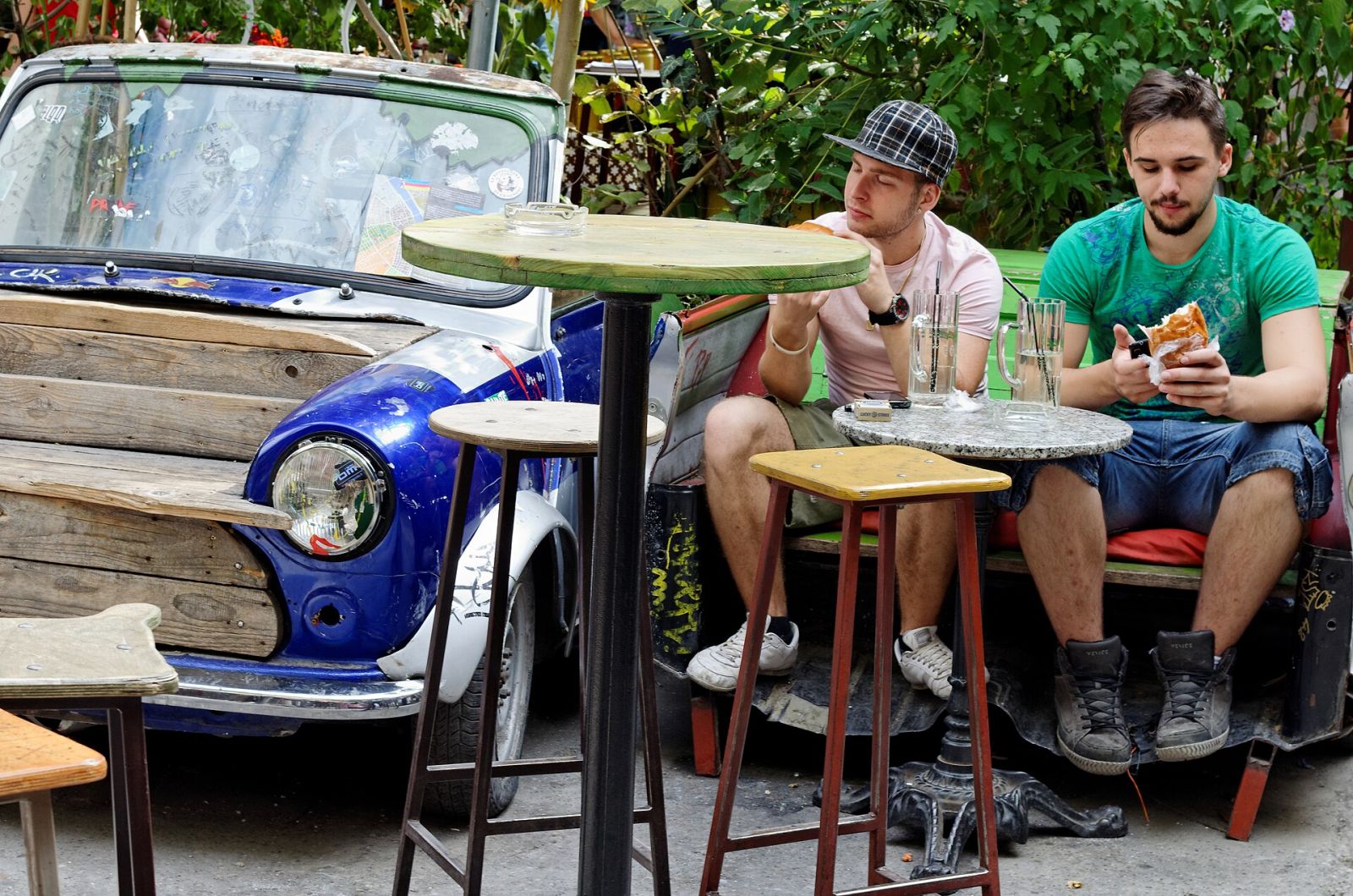
Nightlife is where the cities diverge most visibly. Budapest invented the ruin bar: abandoned buildings of the old Jewish Quarter filled with flea-market furniture, bathtubs for sofas and bicycles hanging from the ceiling. Szimpla Kert, the flagship of the genre, has become a landmark on par with the Parliament, but dozens of less hyped courtyards surround it. The mood is anarchic and young, and the evening slides into morning without asking permission.
Prague runs on a different rhythm: its evening is a wood-benched pub where people drink slowly and long, talk loudly and order one more for the road. There are clubs, but they are not what built the city's reputation. Put bluntly, Budapest is for those who want a party, Prague is for those who want a conversation over a mug.
Riverfronts and views: the Danube wins
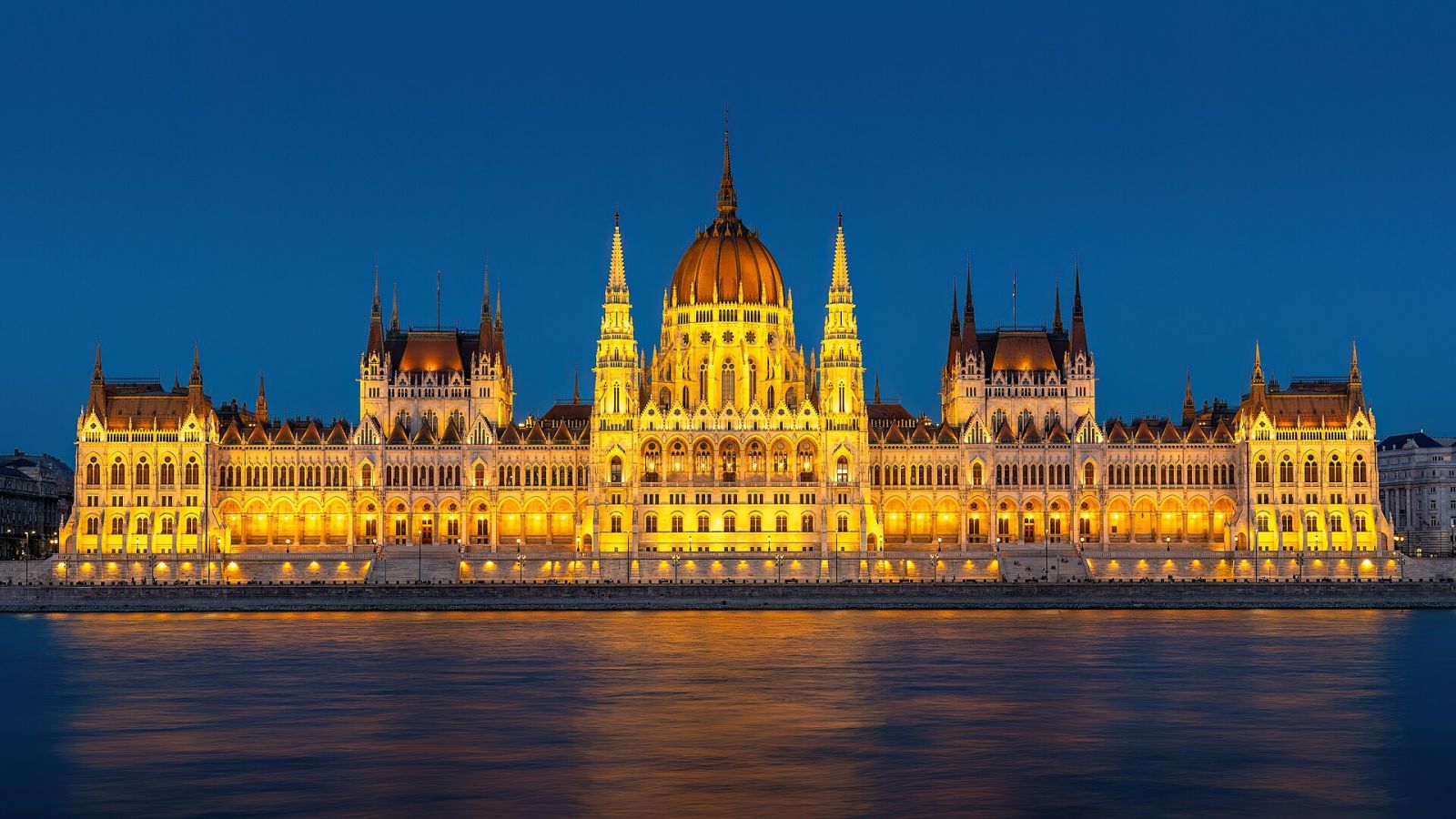
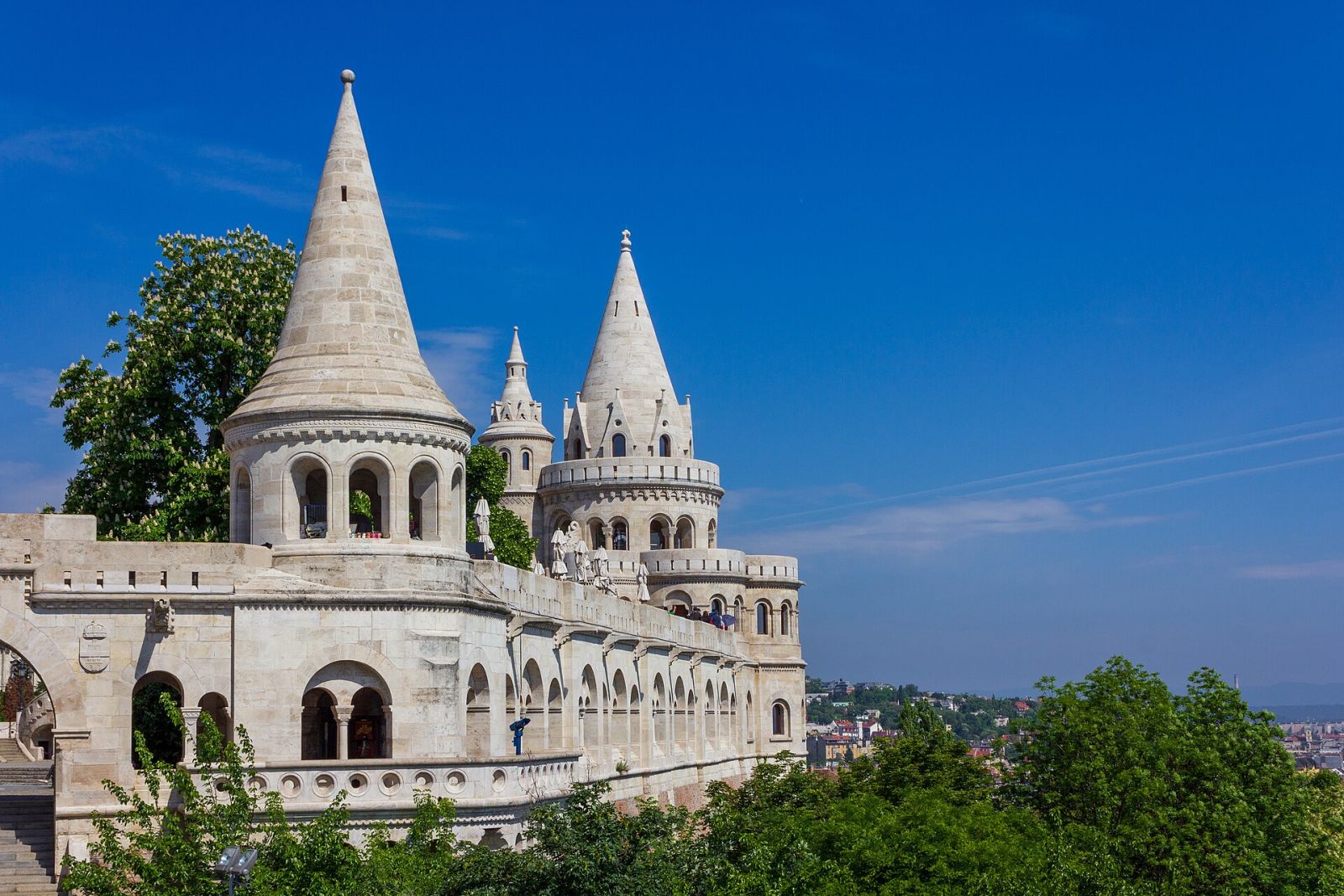
This has to be said plainly: Budapest's panorama is stronger. The Danube here is wide as a sea strait, lined by the Parliament, Buda with the Fisherman's Bastion, the Chain Bridge and Gellert Hill. The whole embankment is UNESCO-listed, and the Parliament lit up at night, seen from the Buda side, is the single shot people cross Europe for. Add the evening river boats, which double as the cheapest sightseeing tour in town.
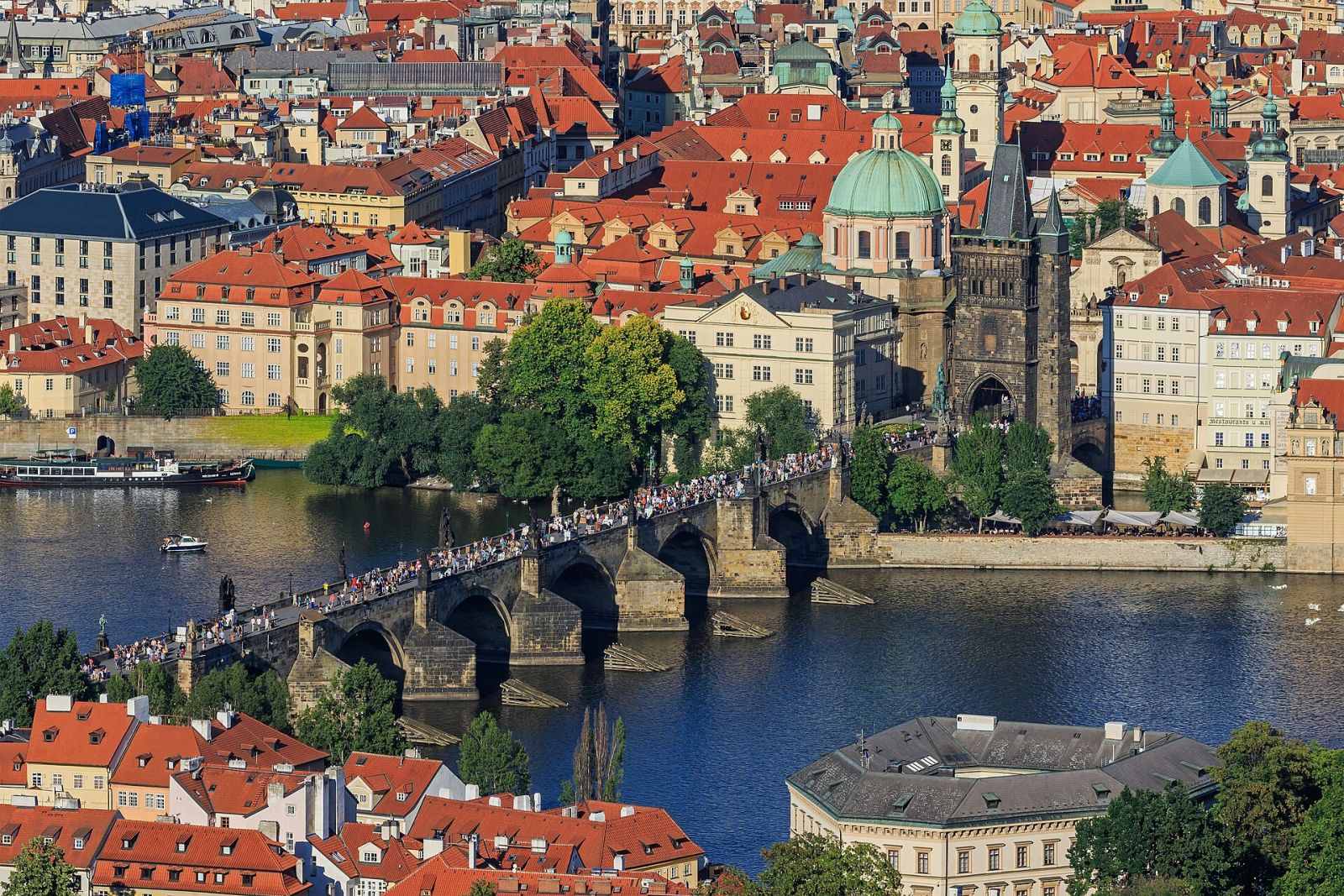
The Vltava is more intimate: Charles Bridge, the terracotta roofs of Mala Strana, swans by Kampa Island. It is a warm, almost toy-like picture, lovely in its own right, just on a smaller scale. Prague wins not with its river but with the lanes above it: getting lost in the Old Town beats getting lost in Pest.
Getting there from Ukraine and the region
For travellers starting in Ukraine, Budapest holds a clear edge: a direct train from Mukachevo in Zakarpattia reaches the Hungarian capital in about seven hours, with regular buses running from Uzhhorod as well; international timetables are on the Ukrainian Railways website. Prague is a longer haul from that direction in every variant: 20-plus hours by direct bus from Kyiv, 12-15 from Lviv, or rail connections through Przemysl in Poland.
For everyone else the equation flattens out: both cities have major airports with dense low-cost networks, and the two are linked to each other by direct trains and buses taking around seven hours. Which is precisely why the classic Central European route strings them together.
Food: goulash versus pork knuckle
Hungarian cooking is spicier and louder than Czech: real goulash here is a soup, not a stew on a plate, langos with garlic and cheese is sold on every corner, and the Great Market Hall by Liberty Bridge deserves a visit even with no shopping planned, purely for the rows of paprika and sausages. Czechia answers with hearty classics: roast pork knuckle, svickova in cream sauce, fried cheese. Both cuisines are heavy, and both pair perfectly with the local drink: fruit palinka and Tokaj wines in Budapest, beer in Prague, obviously.
When should you go?
Budapest is strongest in the shoulder seasons and winter: the baths run all year, and in December the steam rising off Szechenyi's outdoor pools beats any Christmas tree for spectacle. August, by contrast, is hard work here, with heat past thirty-five not unusual and precious little shade in Pest. Prague is more even-tempered: May, September and early October give the best balance of weather and crowds, while December is lovely for the markets but priced accordingly. One rule covers both cities: for major holidays, book your room well in advance.
The verdict
Pick Budapest for a first short escape: the thermal baths in the morning, a ruin bar in the evening and the glowing Parliament at night make an unforgettable weekend, and from Ukraine the journey is half as long. In winter Budapest's advantage doubles, since hot outdoor water beats any Christmas market.
Prague wins when you have four or five days and a taste for slow wandering: its medieval centre is more cohesive and more beautiful, the beer is better, and side trips like Kutna Hora or Karlstejn Castle give the itinerary depth. So Budapest or Prague resolves like this: a short weekend and the winter season go to Budapest, a longer, stroll-heavy holiday goes to Prague. And anyone who manages both simply wins twice: seven hours of train between them, and not a single disappointment on the menu.