

Turkey or Egypt is the eternal duel of affordable beach holidays, and the answer depends on the calendar rather than on taste. In short: from May to October Turkey wins, from November to April only Egypt has a swimmable sea. Everything else comes down to details worth knowing before you book, because "all inclusive" means different things in these two countries, and their sightseeing programs do not even compete in the same league. Here is the point-by-point breakdown, with no travel-agent flattery.
Sea and seasons: the deciding argument
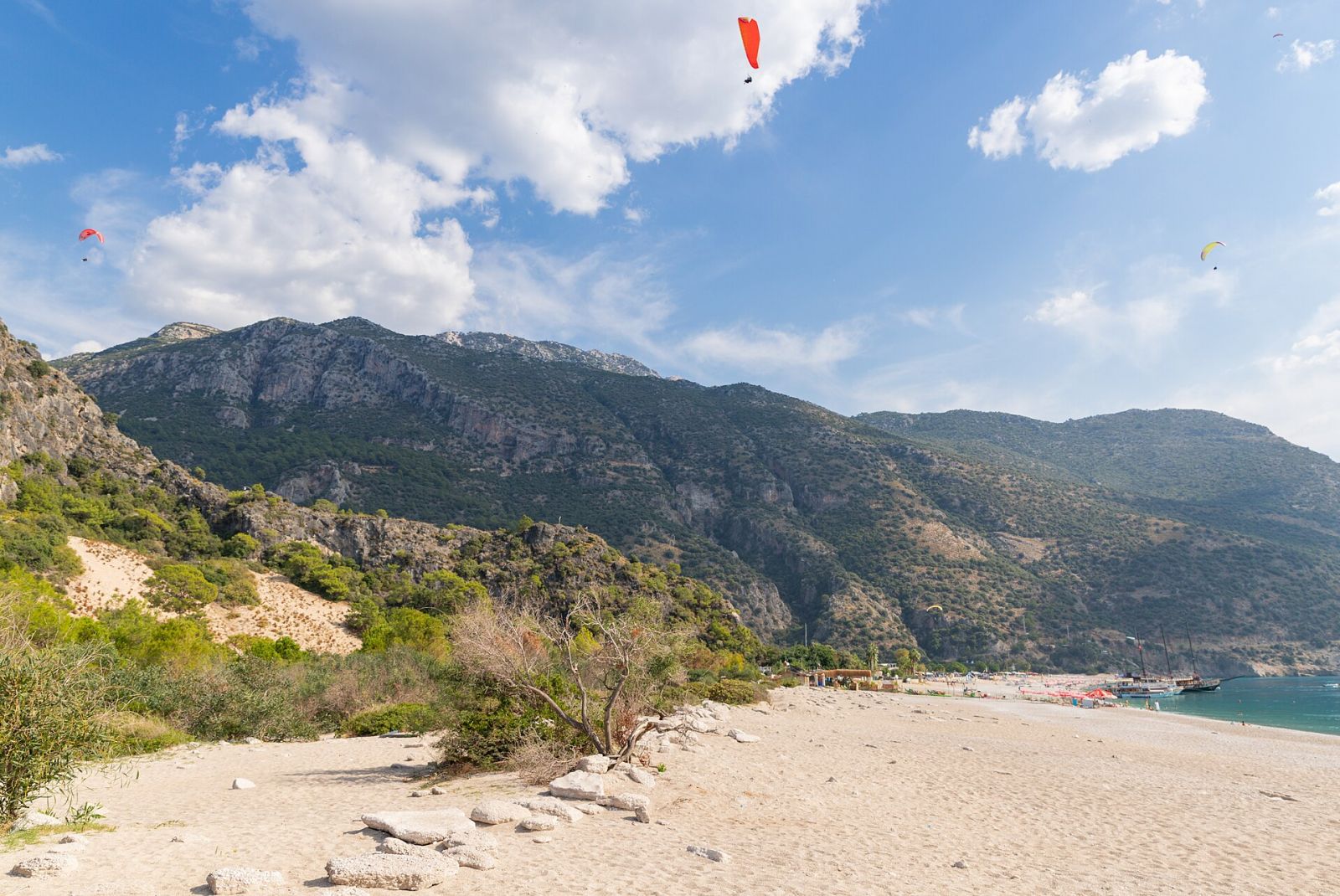
Turkey offers a classic Mediterranean summer. The swimming season on the Antalya coast runs from May to October, with the water warming to 26-28°C and beaches ranging from the sand of Side to the pebbles of Kemer. In winter tourist Antalya goes to sleep: 15°C by day, a 17°C sea, and only the hardiest swimmers bother. The Aegean coast (Bodrum, Marmaris) has an even shorter season.
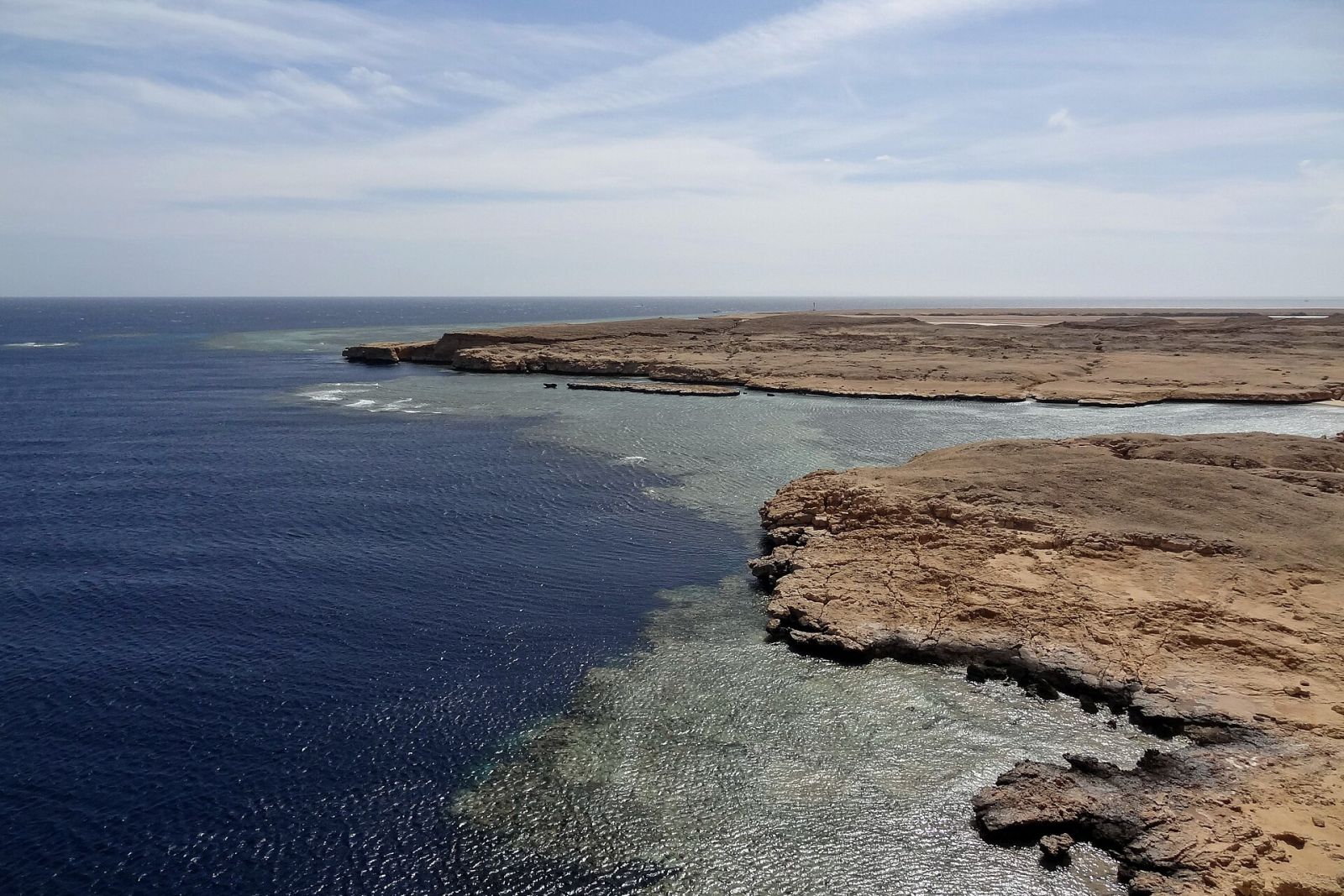
Egypt's Red Sea never cools below 21°C, even in February, which makes it a year-round destination. Summer is the opposite problem: 38-40°C in July and August, when a holiday becomes a series of sprints between the air conditioning and the pool. From October to May, though, the weather is close to ideal. And Egypt holds one trump card Turkey simply does not have: coral reefs. Snorkeling in Sharm El Sheikh or Marsa Alam is a world-class attraction straight off the beach, and much is forgiven for it.
All inclusive: who feeds you better?
Turkey wins here, and not narrowly. The Turkish all inclusive is the genre's gold standard, invented by the country itself. Buffets with dozens of dishes, fresh vegetables, grills, lokum and baklava, entertainment teams, on-site waterparks, kids' clubs. Even in a mid-range four-star it is hard to stay hungry.
Egypt's all inclusive is more modest: the choice is smaller, quality varies from hotel to hotel more than in Turkey, and outside the top-tier five-stars the menu can feel repetitive by day three. That does not mean "bad": expensive chain hotels in Sharm and Hurghada feed you perfectly well. But if the food side of a holiday matters to you, Turkey delivers more for the same money.
Excursions: Cappadocia versus Luxor
This is the most interesting comparison, because the two countries play in different leagues and both win.
What to see in Turkey?
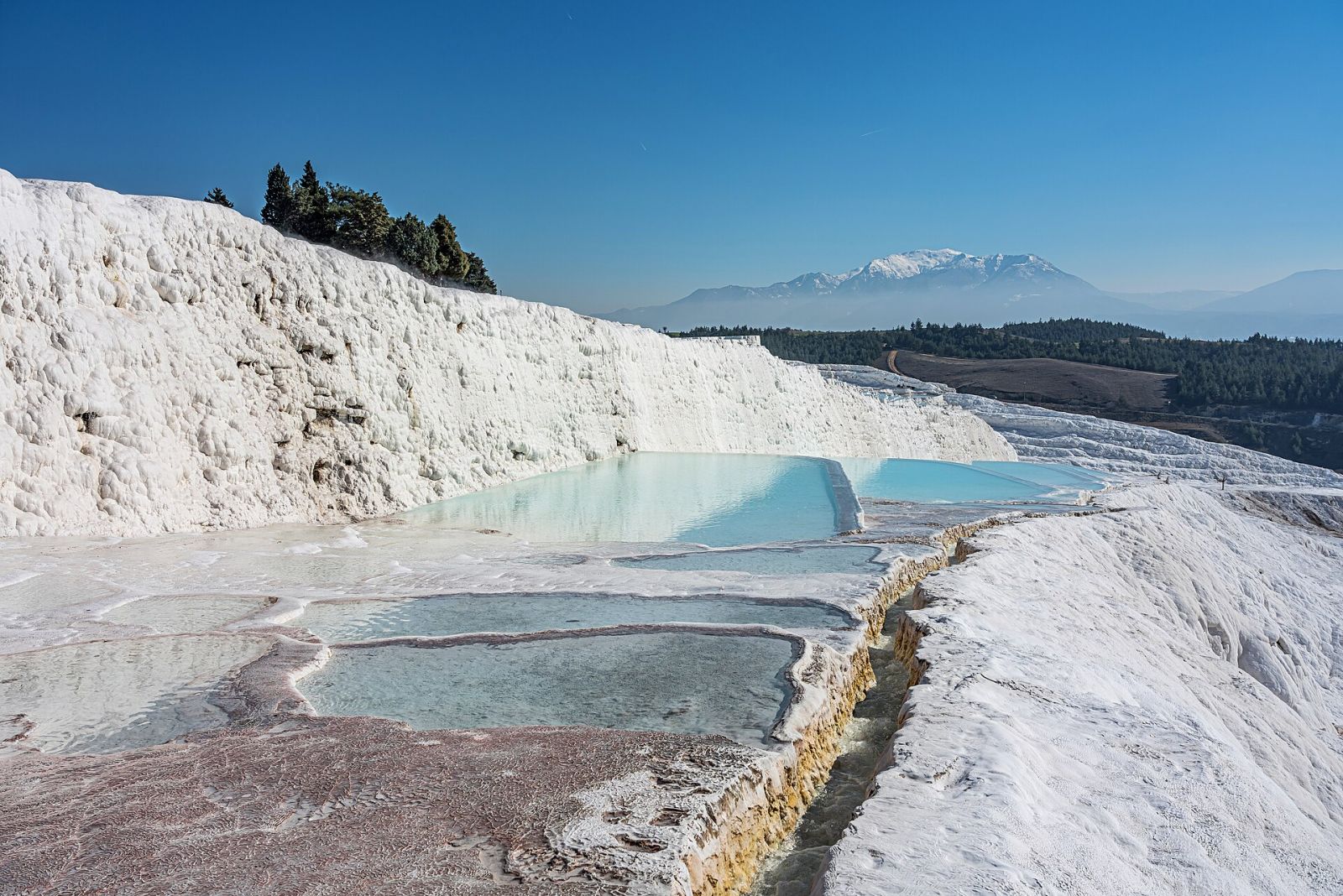
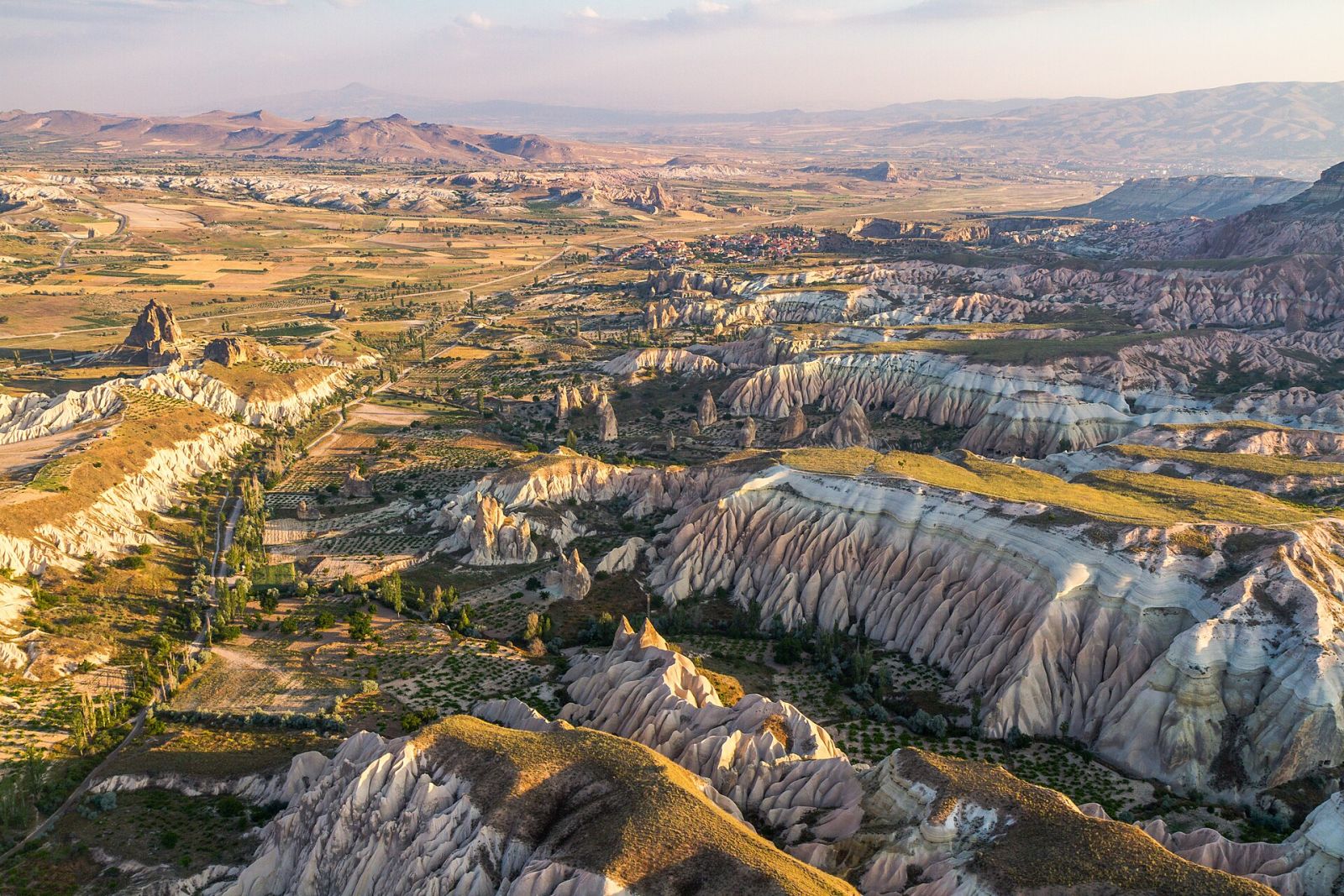
Cappadocia is the country's sightseeing magnet: valleys of rock "mushrooms", cave towns, underground cities eight floors deep, and hundreds of hot air balloons at dawn. From Antalya it is a long haul, 8-9 hours by bus, so here is the honest advice: Cappadocia deserves its own 2-3 day trip, not an overnight dash from the beach. Closer to the coast you have the ancient cities of Perge and Aspendos, the white travertines of Pamukkale, and Demre with the church of St Nicholas.
What to see in Egypt?
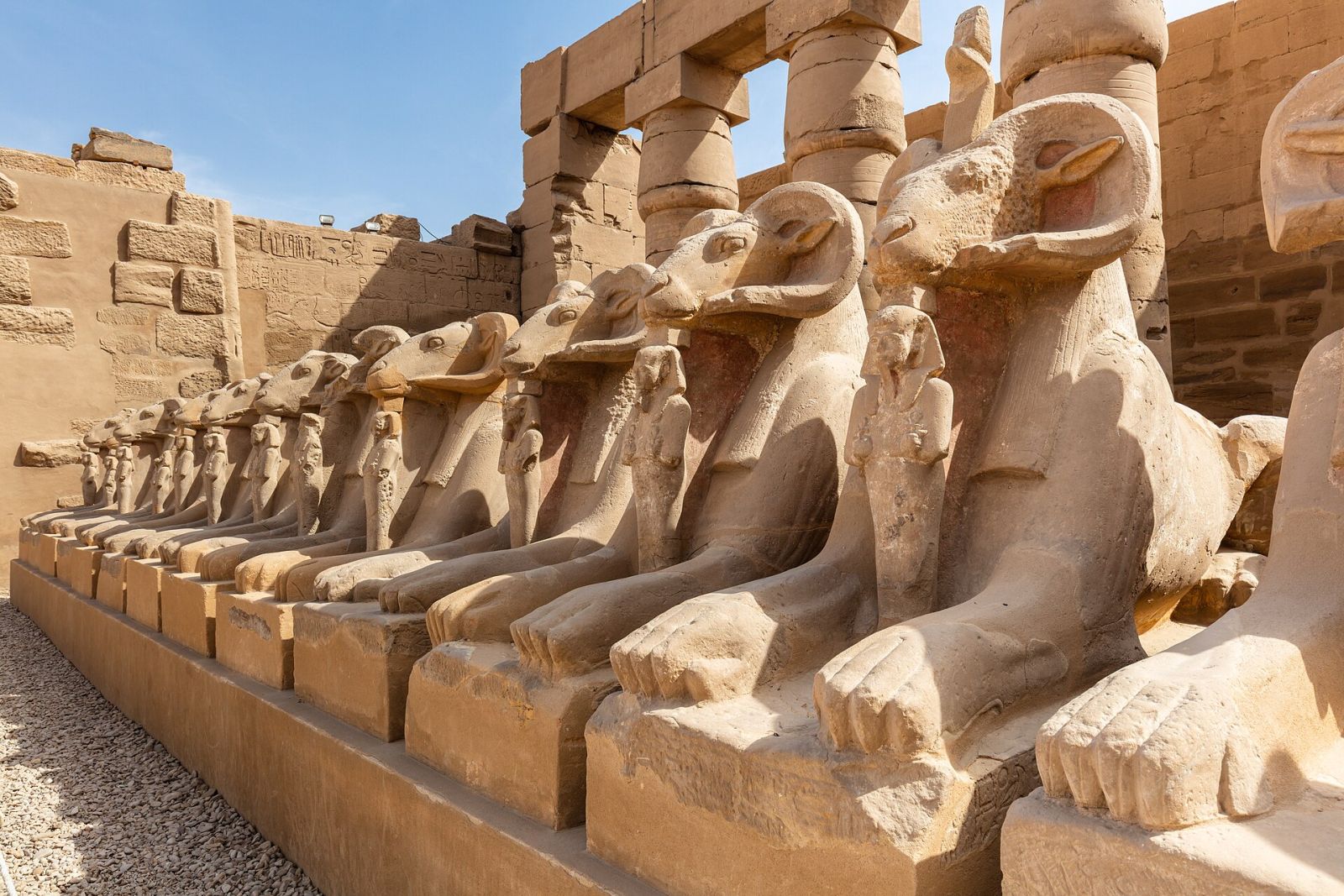
Luxor is the largest open-air museum on the planet: the Karnak temple complex, the Valley of the Kings with Tutankhamun's tomb, the Colossi of Memnon. From Hurghada it is a 4-5 hour drive, so a day trip is feasible if exhausting. From Sharm the closer options are Mount Sinai and St Catherine's Monastery, one of the oldest working monasteries in the world. Add the Giza pyramids if you take a Cairo excursion. For sheer density of history per square kilometer Egypt has no rival: you are not looking at stage sets of past eras, you are looking at the eras themselves.
Flights and logistics
Both destinations run on charters and regular flights via nearby hubs, with comparable time in the air: 2-3.5 hours depending on the route. The difference lies elsewhere: Turkey has more gateway airports (Antalya, Dalaman, Bodrum, plus Istanbul with a domestic connection), which makes schedules more flexible. In Egypt everything funnels through Hurghada and Sharm El Sheikh. Visas are simple either way: Turkey is visa-free for Ukrainians, Egypt sells a visa stamp on arrival for 30 dollars. Rules get updated from time to time, so verify current requirements on the website of Ukraine's Ministry of Foreign Affairs before traveling.
Prices by season: when each one pays off
| Period | Turkey | Egypt | Pick |
|---|---|---|---|
| November-March | no sea, only Istanbul and skiing | water 21-24°C, price peaks on school holidays | Egypt, no contest |
| April-May | season opening, prices still humane | warm, but already heating up | May: Turkey, April: a draw |
| June-August | peak season, peak prices | 40°C heat, but cheap | Turkey, if the budget allows |
| September-October | velvet season: warm sea, thinner crowds | best balance of weather and price | both work, let the price decide |
The general pattern: at the same hotel level Egypt usually comes out cheaper, especially outside school holidays. Turkey answers with wider choice, and with the fact that a small top-up buys a noticeably better hotel. Specific numbers are volatile, so check current prices before booking.
With kids: which is easier?
- Turkey: family infrastructure honed over decades: kids' pools and clubs, entertainment programs, gentle sandy entries in Side and Belek, child-friendly menus with nothing exotic. The flight is short and acclimatization is mild.
- Egypt works too, with caveats. Sea entry is often via pontoons over the coral, and reef shoes are non-negotiable; the buffet is more repetitive, and stomach trouble happens more often here, so basic hygiene rules and bottled water without compromise.
- Winter school holidays with kids: Egypt is simply without alternative among beach destinations on a short flight.
Daily life and service: the difference you feel every day
There is a layer that rarely makes it into comparison tables yet shapes half the experience. Turkish service has been drilled by competition: hundreds of hotels on one coastline fight for every guest, so staff respond fast and the grounds are groomed down to the last bush. In Egypt the standard holds in flagship hotels, and beyond them it becomes a lottery, so your holiday mood depends more on the specific property than on the country. The second difference is what lies beyond the fence. Stepping out of a Turkish hotel is a pleasure: promenades, markets, cafes, stress-free car rental. In Egypt independent wandering outside tourist zones brings less joy, and most guests spend the week on the hotel grounds. Anyone who loves exploring on their own gets a full second holiday in Turkey on top of the beach one.
The verdict
From May to October, book Turkey: the sea is warm, the hotels are stronger, families have it easier, and Cappadocia settles the question of memorable experiences. From November to April, book Egypt: it is the only warm sea within a short flight for that period, and the reefs plus Luxor turn a beach package into a real journey. If you are choosing in September or October, let the specific tour price decide, since both countries are at their best then. Food and service lovers belong in Turkey. Underwater world and ancient history lovers belong in Egypt. This formula will outlive many more seasons.