

The short answer to what to see in Prague: Charles Bridge at dawn, before the crowd shows up, Prague Castle with St. Vitus Cathedral looming over the city, the Old Town Square with its astronomical clock the Orloj, the quirky Dancing House on the riverbank, the old Jewish quarter of Josefov, and threaded through all of it, of course, beer and dumplings. Give yourself two or three days for a first visit, and learn the one rule right away: everything worth seeing is packed tightly together, so Prague is a city you walk, not one you navigate by metro map.
Prague came through the 20th century almost without bombing, so the centre is no rebuilt replica but a genuine old town. Gothic, Baroque and Art Nouveau stand side by side, sometimes on the same block. The flip side of that fame: everyone knows about this city, and in summer Charles Bridge gets more crowded than a metro car at rush hour. So let us start with how to dodge the crowd, and only then with what people actually come for.
Charles Bridge: why go at dawn?
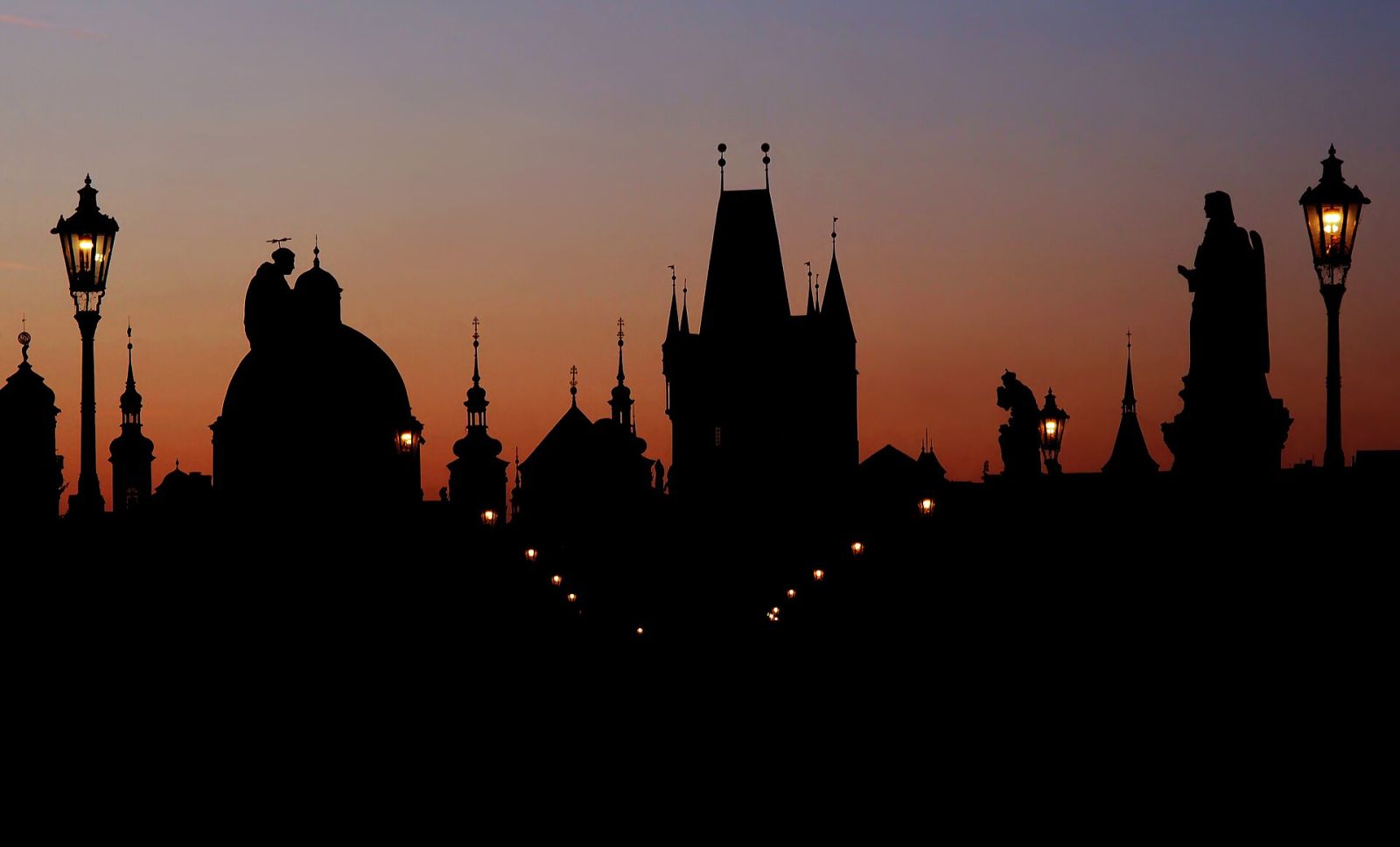
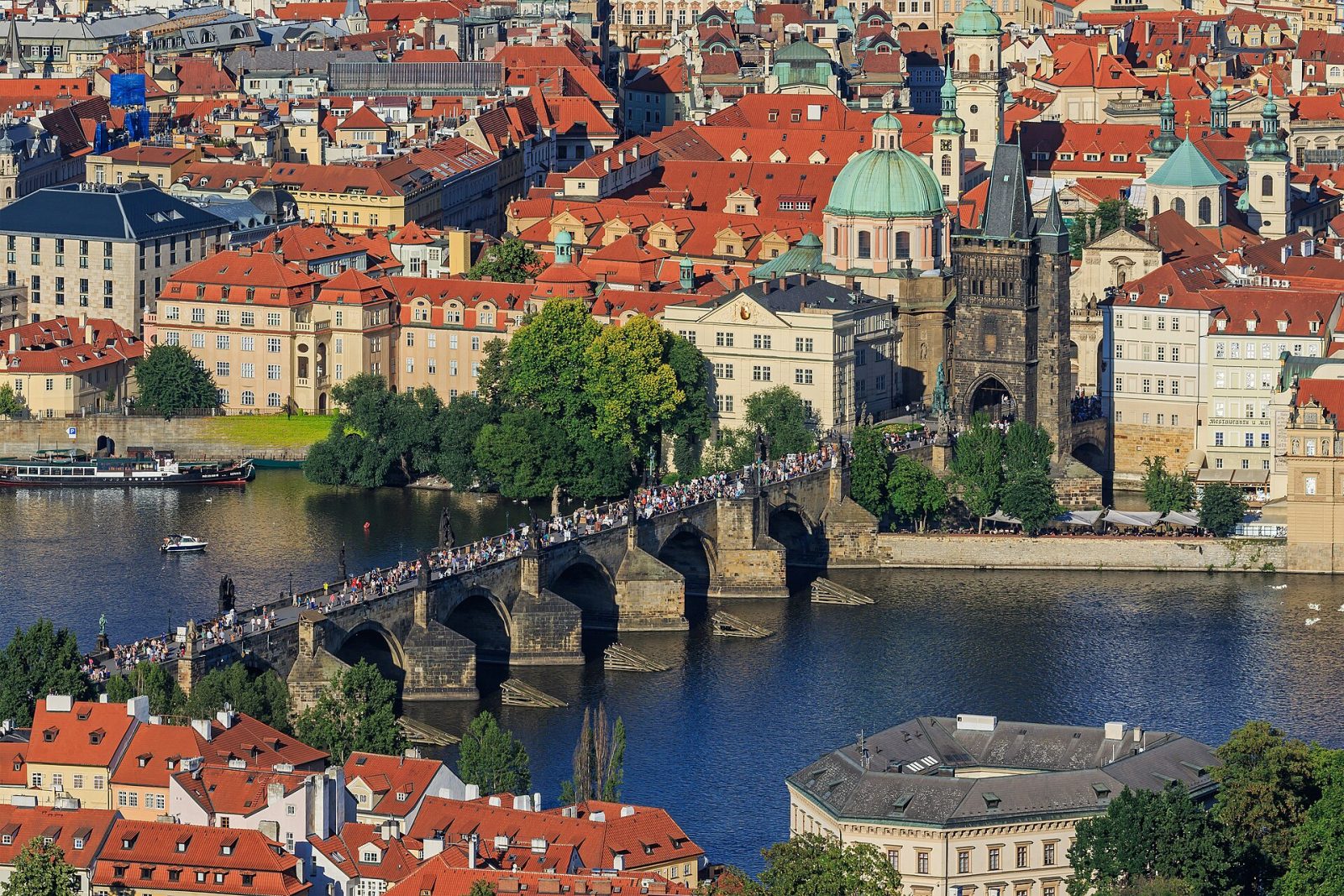
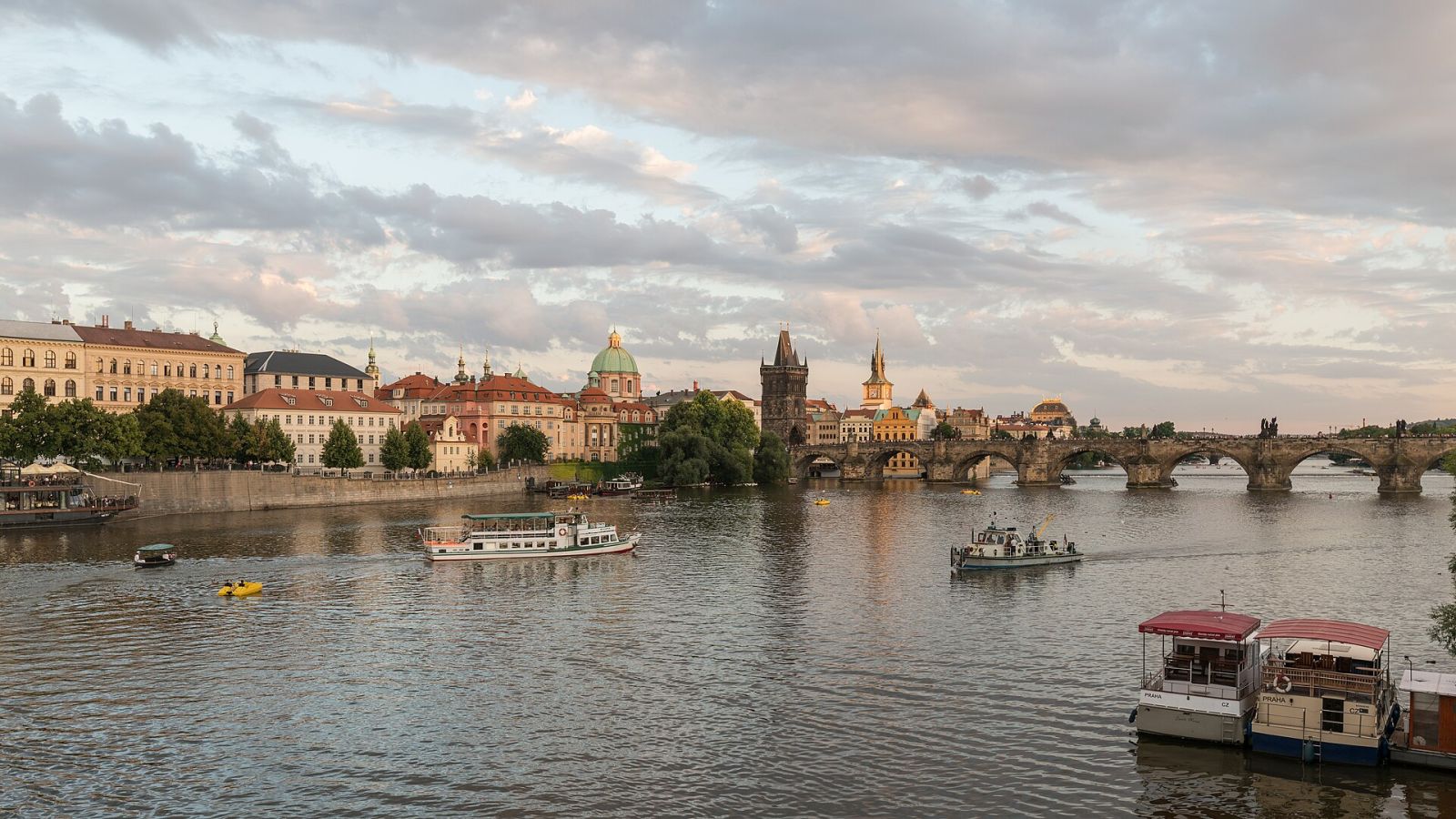
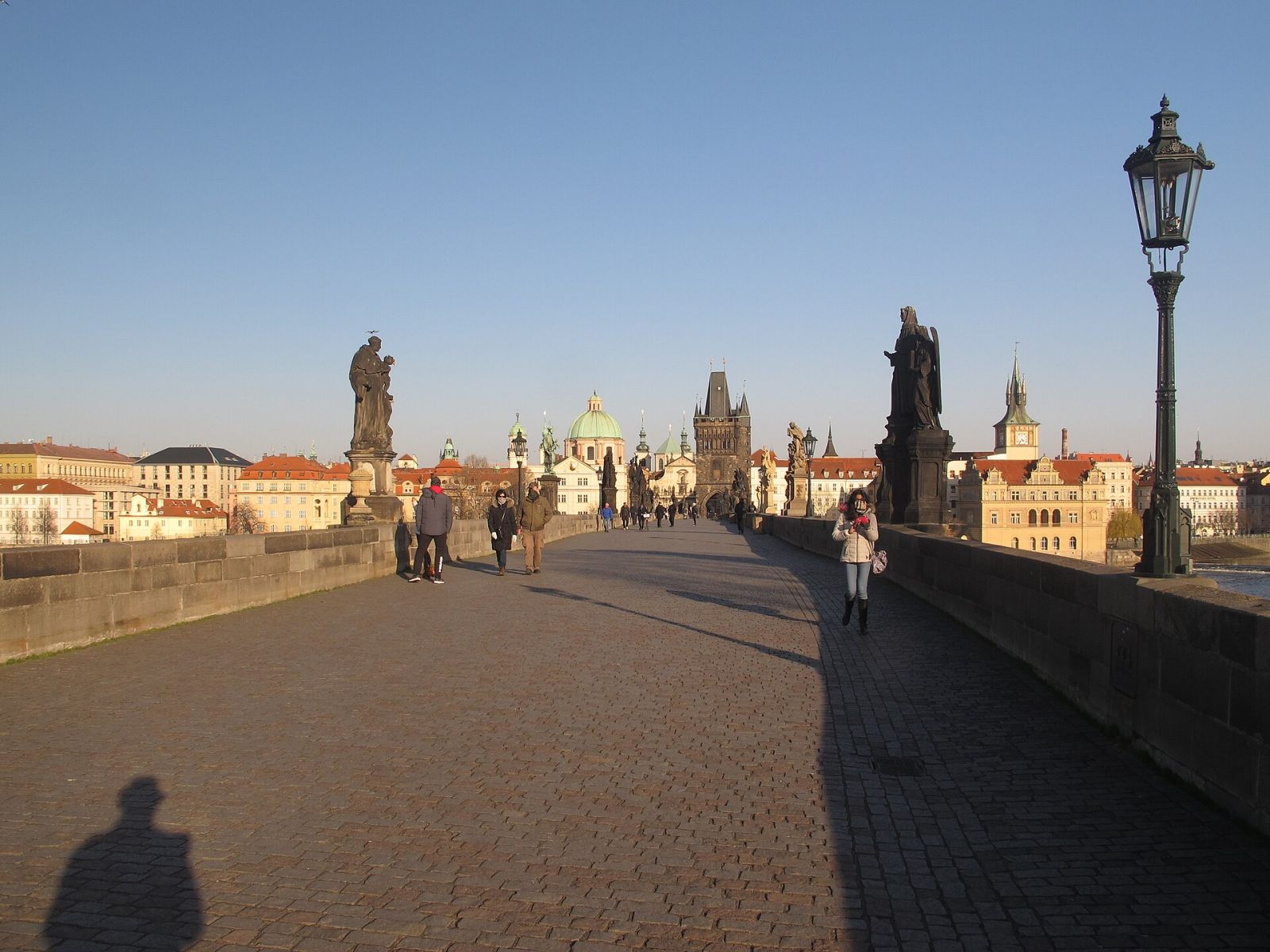
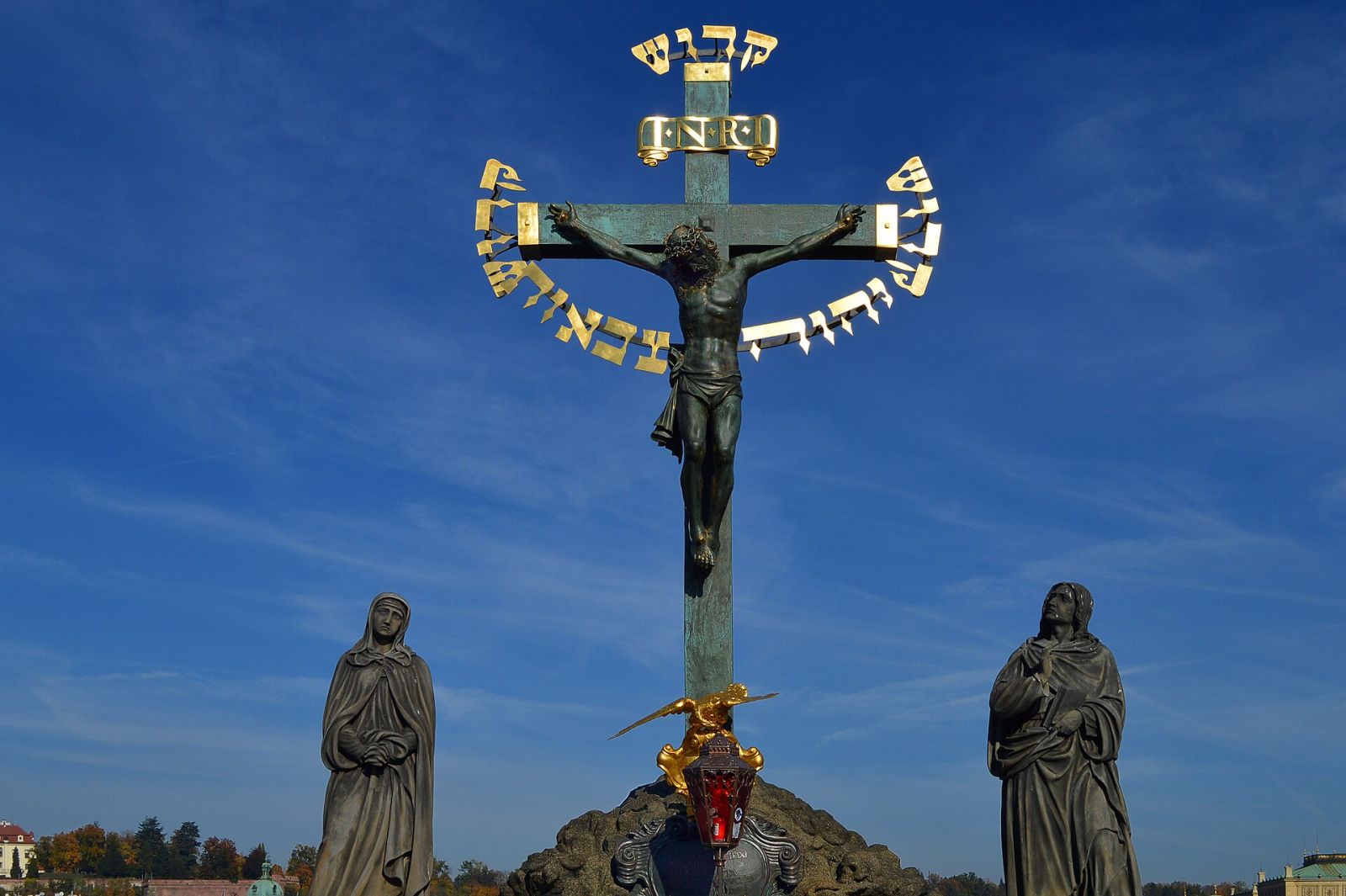
Charles Bridge is the postcard Prague: thirty saints' statues lining a 14th-century stone span, bridge towers at each end, the Vltava below and the panorama of the Castle ahead. By day it is a solid river of people, street musicians, portrait artists and magnet sellers, and squeezing to the railing for a photo becomes its own quest. So the one honest tip is this: come at dawn, around seven in the morning. The bridge will be nearly empty, wrapped in the morning mist over the river, and it is a completely different Prague, quiet and a little ghostly.
Partner links: booking through them supports the blog at no extra cost to you.
On your way across, find the statue of St. John of Nepomuk with its bronze relief polished bright by countless hands, and make a wish, as local tradition demands. It is kitsch, of course, but the pleasant kind. The bridge is lovely in the evening too, with the Castle lit up, yet by evening it is crowded again. So the ideal plan is simple: dawn on the bridge, and by day you look at it from the side, from the embankment or from a river boat.
Prague Castle and St. Vitus Cathedral
Prague Castle is not a single castle but a whole fortress-city on the hill, the largest castle complex in the world by area. The president works here, and there are palaces, gardens and lanes, but the heart of it all is one thing, the Gothic St. Vitus Cathedral. Its spires are visible from anywhere in the centre, and inside the stained glass is stunning, including a window designed by Alphonse Mucha, along with the Chapel of St. Wenceslas set with semi-precious stones.
While you are up there, be sure to see Golden Lane, a row of tiny coloured houses where the castle's servants once lived, one of which briefly housed Franz Kafka. Climb up to the Castle on foot, by the old stairs from the Lesser Town; the way is steep, but each turn opens a fresh view over the rooftops. Note that there are security checks at the entrance, and in season a queue builds up in front of them, so go early, right as it opens.
How much time to allow for the Castle?
Walking the grounds and stepping out onto the viewing terraces is free and quick, about an hour. But to go inside the cathedral, the old royal palace and the basilica you need a ticket, and for all of it together set aside half a day. Do not try to see every hall: it is better to stroll the highlights and save your energy for the rest of the city.
Old Town Square and the Orloj: what is that clock?
Old Town Square is Prague's main parlour, with the towers of the Tyn Church, the colourful facades of merchant houses and the Jan Hus monument in the middle. But the crowd always gathers at one wall, under the astronomical clock the Orloj. This is a medieval mechanism from 1410, the oldest working clock of its kind in the world, and it shows not only the time but the positions of the Sun and Moon and the signs of the zodiac.
Every hour from nine in the morning to eleven at night the Orloj comes alive: figures of the twelve apostles parade past the little windows, a skeleton representing Death pulls a rope, and a golden rooster crows to finish. I will be honest, plenty of people spread their hands after those forty seconds as if to say, that was it? The show really is modest, so do not set your expectations too high. The real draw is elsewhere, the atmosphere of the square itself and the view over the city if you climb the tower of the Old Town Hall.
The Dancing House and modern Prague
Prague is not all medieval. A twenty-minute walk from the centre, on the Vltava embankment, stands the Dancing House, a deconstructivist building from 1996 that architects Vlado Milunic and Frank Gehry designed as a pair caught mid-dance. One tower is glass and curved like a skirt, the other stone and straight, which is where the nickname Ginger and Fred comes from. Locals hated it at first, and now it is on every souvenir.
Inside there are offices and a hotel, and on top a bar with a terrace that offers a fine view of the river and the rooftops. You do not have to go in: the building is interesting mainly from the outside, and it slots neatly into a walk along the embankment. On the way there you pass several quiet blocks of the New Town, where tourists rarely reach, which is a shame, because that is where Prague is ordinary and real.
The Jewish quarter of Josefov
Josefov is a former Jewish ghetto, one of the oldest and best-preserved quarters of its kind in Europe. There are six synagogues here, among them the strange Old-New Synagogue from the 13th century, and the Old Jewish Cemetery, where headstones are heaped in several layers because burials had to fit onto one tiny plot of land over centuries. The place is quiet, cramped and very powerful in mood, and it is worth walking slowly.
Most of the sites are grouped into the Jewish Museum and share one ticket. Keep the day of rest in mind: on Saturdays, during Shabbat, the synagogues are closed, so plan for a weekday. Josefov sits right against Old Town Square, and it makes sense to see them back to back, in a single walk.
Beer and dumplings: what to eat and where?
The Czech Republic is a country where beer is cheaper than water, and that is barely an exaggeration. Prague beer, from the classic pale Pilsner to the dark stuff, is not just a drink but part of the culture, and having a glass in an old pub here is as fitting as eating strudel in Vienna. The beer comes with hearty, down-to-earth food, and that food alone is reason enough to step away from the main streets at least once.
| Dish | What it is | What it comes with |
|---|---|---|
| Pork knee | Roasted pork knuckle with crisp crackling | Mustard, horseradish, a glass of dark beer |
| Svickova | Beef in a thick, creamy vegetable sauce | Dumplings and a spoonful of cranberry |
| Knedliky | Fluffy boiled slices of bread or potato dough | The side that soaks up all the sauce |
| Goulash | Rich meat stew, often served inside a bread bowl | Again, dumplings and beer |
One important warning about the bill. In restaurants on the tourist streets, especially around Old Town Square and by Charles Bridge, prices are inflated and the quality is often below what you paid for. Walk two or three blocks off to the side, into an ordinary hospoda, and for the same money you get more and it tastes better. And watch the beer price on the menu: if a glass costs what it does in the middle of a tourist trap, you are clearly not where the locals go.
When to go?
Prague is beautiful year-round, but your impression depends heavily on the season, and the gap between a May crowd and a quiet January morning is enormous.
| Season | Weather and mood | Who it suits |
|---|---|---|
| April, May | Warm, everything in bloom, but crowds already thick | Those who like a brisk pace and greenery |
| June, August | Peak tourists, heat, queues everywhere | Only for the long, bright evenings |
| September, October | Mild, golden autumn, fewer people | The best balance of weather and calm |
| December | Christmas markets, mulled wine, magic | Those coming for the festive atmosphere |
December is its own story: the Christmas markets on Old Town Square, with the big tree, mulled wine and grilled sausages, turn the city into a postcard. Beautiful, but also packed, and accommodation prices jump in this period. Prices, timetables and opening hours change, so check the current details before you travel, especially for Christmas and May dates, when hotels in the centre sell out months ahead.
Getting around and what to expect
Prague's historic centre is compact, and almost everything important is walkable; from Old Town Square to the Castle is about twenty minutes at an easy pace. Public transport is excellent, with trams, metro and buses all running on a single ticket bought by time rather than by ride. I especially recommend tram number 22: it passes half the landmarks and works as a sightseeing tour in itself for pennies.
- Cash and card. The Czech Republic still runs on the koruna, not the euro. Change money at trusted no-commission exchanges, not the first booth by the bridge, where the rate is daylight robbery.
- Footwear. Cobblestones and climbs to the Castle everywhere; trainers will serve you better than any handsome pair of heels.
- Pickpockets. Charles Bridge, Old Town Square and packed trams, keep your valuables in front and close to your body.
- Taxis. Do not flag a car from the street near tourist spots, where they will happily overcharge. Order through an app.
And honestly, about the main downside. Prague has long been a victim of its own beauty: the centre is full of tourist traps, from wax museums to cafes charging five times the neighbourhood rate. Charles Bridge by day is not romance but a crush, and some streets near the Orloj have turned into one unbroken row of souvenir stalls. That is no reason to skip the city, it is a reason to walk slowly, get up early and turn into the side lanes. The real Prague begins a block off the main route, in a quiet courtyard with a coffee shop the crowd simply never reached.