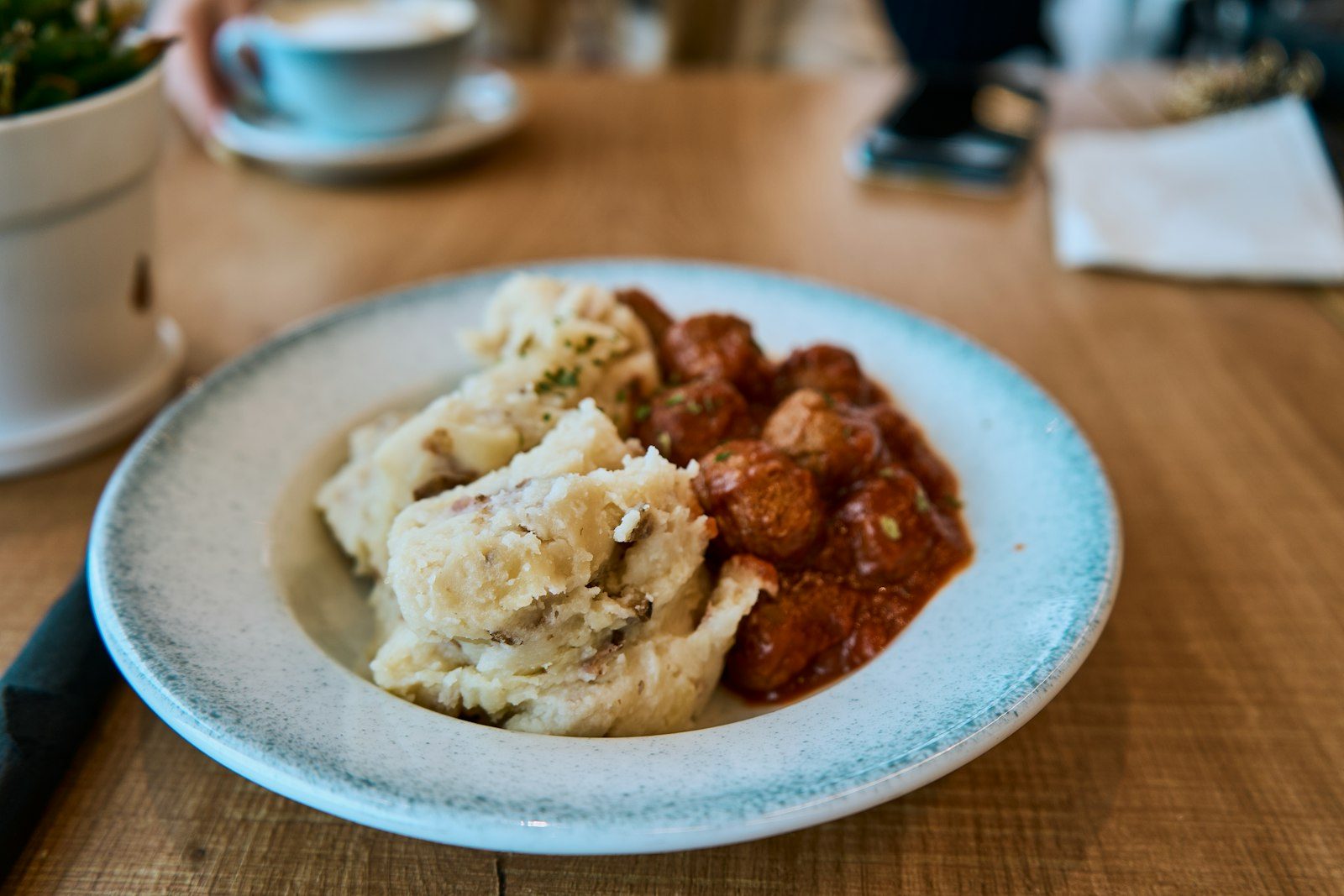


Food in the Czech Republic rests on three pillars: beer, meat with dumplings, and a thick sauce that the meat swims in. In short: order svíčková or a pork knuckle, wash it down with a draught lager in an ordinary pub well away from Old Town Square, and feel free to walk past the trdelník in the window, because there's precisely zero Czech tradition in it.
The main trap here isn't the language or the prices, it's the swap. Touristy Prague has learned to sell an "ancient Bohemian" picture that never really existed. So let's go through it step by step: what food in the Czech Republic actually looks like, roughly what it costs as of 2026, and where the staged authenticity begins.
Why beer in the Czech Republic is more of a meal than a drink
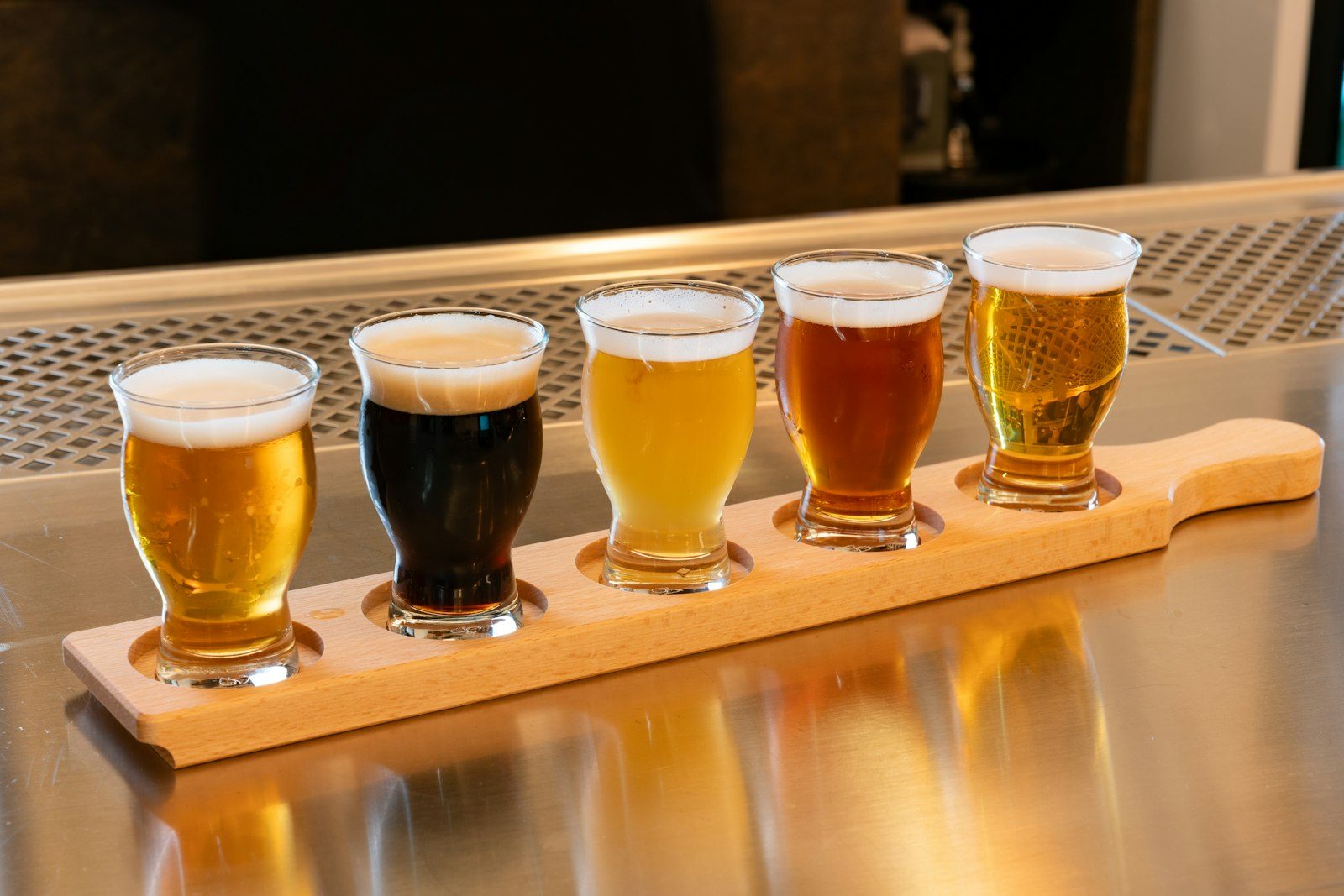
For years the Czech Republic has held first place in the world for beer consumption per person, and that's not an advertising slogan but a daily habit. Beer here is cheaper than water in many pubs, so half a litre of pale lager is a standard accompaniment to lunch, not an occasion to celebrate.
Partner links: booking through them supports the blog at no extra cost to you.
The tastiest thing you can order is called tankové pivo, or tank beer. It's an unpasteurised lager brought straight from the brewery in chilled steel tanks and poured directly from them, without kegs. The flavour is noticeably fresher and softer, with a creamy head. Pilsner Urquell, the best known brand using this system, reaches Prague's tank pubs a couple of days after brewing and has to be drunk within a few days. It costs roughly the same as ordinary draught.
A price benchmark: in a local pub outside the tourist centre, half a litre of Czech lager costs about 45 to 70 crowns. If you're charged over 80 crowns for a standard pale beer, you're almost certainly in a tourist trap. Double-check prices before your trip, because they creep up every year.
There's also an etiquette that gives a newcomer away. In a classic pub you simply sit down at a table, put a beer mat in front of you, and the beer arrives without a word. An empty glass means "bring the next one," so when you're finishing up and don't want another round, cover the glass with the mat. The waiter keeps your tab with pencil marks on a slip of paper by your seat, and you're expected to pay at the end.
Svíčková: the signature dish tourists miss in favour of goulash
If you ask Czechs to name one showpiece dish, most won't say "goulash" but svíčková na smetaně, sirloin in cream sauce. It's marinated beef sirloin under a thick pale sauce of pureed root vegetables (carrot, celeriac, parsley), topped with whipped cream, a spoonful of cranberry jam and a slice of lemon. It comes with dumplings, which you use to mop up the sauce to the last drop.
The flavour is complex: slightly sweet from the roots and cranberries, slightly tart from the lemon and cream. This is the dish every family makes a little differently, and it's the one to order if you want to understand the Czech table rather than just fill up. There's goulash here too, thick and meaty, but it's more everyday than festive.
What a pork knuckle is and why it's nearly impossible to finish alone
Roast pork knuckle (pečené vepřové koleno) is a case where the portion size becomes the attraction. A pork shank weighing a kilo and a half to two kilos is marinated in dark beer with herbs for several days, then slow-roasted until the skin is crisp and the meat falls off the bone. It's brought out on a wooden board with mustard, horseradish, pickled vegetables and bread.
Officially it's a single portion, but in reality it fills two people, sometimes three. So it makes more sense to order the knuckle for the group with beer, rather than solo as a main course. A rough price in Prague is about 500 to 700 crowns each, and it's more of a shared dinner than a personal lunch. Check the exact figures on the spot.
Dumplings aren't a side, they're a food group of their own
Dumplings (knedlíky) are to Czech cuisine what rice is to Asian: without them the plate looks unfinished. Classic bread or potato dumplings are sliced into rounds and served with anything that has a sauce, from svíčková to goulash. Their main job is to soak up the gravy, so don't treat them as a boring add-on.
A separate story is sweet fruit dumplings (ovocné knedlíky), filled with plums, apricots or strawberries, drizzled with melted butter and sprinkled with sugar and curd cheese. In summer, when the fruit ripens, they're served as a full main course rather than a dessert, and for many Czechs it's the taste of childhood.
Which soups to try, besides goulash in a bread bowl
The soups here are thick and satisfying on their own. Two worth trying:
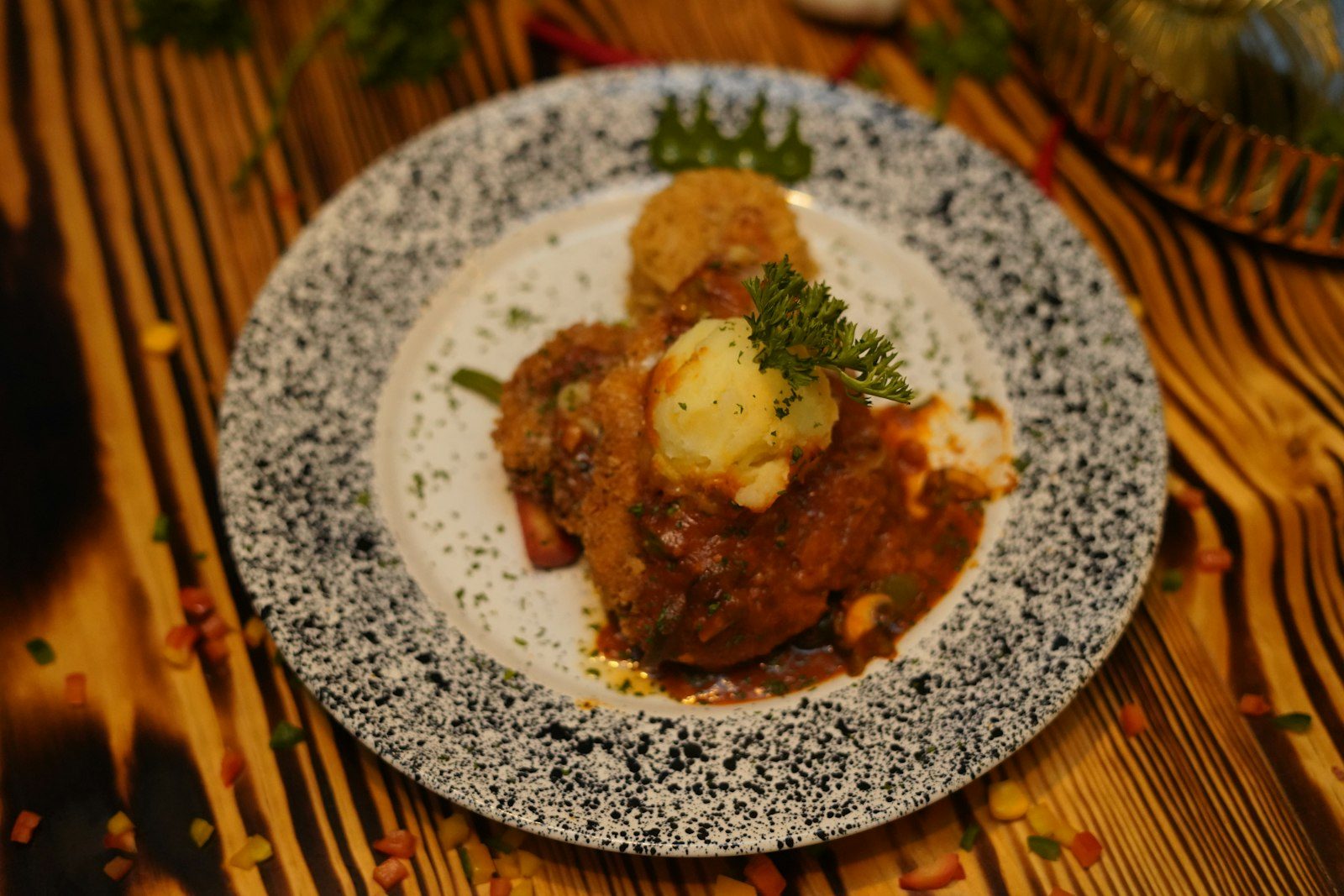
- Kulajda (kulajda): a creamy mushroom soup with dill, potato and sometimes a poached egg, with a pleasant tang from sour cream and vinegar.
- Česnečka (česnečka): a rich garlic soup with croutons and grated cheese, which Czechs consider the best cure for a hangover.
Goulash in a bread loaf, so often photographed by tourists, exists too, but that's more of a street-food presentation than a home-style soup. Kulajda and česnečka are harder to find on tourist menus, and that's exactly why they're the more honest choice.
Is trdelník a Czech tradition
No. This is probably Prague's biggest culinary misunderstanding. The sweet spiral pastry tube, dusted with sugar and nuts, sold on every corner of the old town as an "ancient Bohemian treat," has no connection whatsoever to old Czech cuisine.
Trdelník belongs to the Hungarian family of spit-baked sweets and is a Slovak-Moravian dish (the baking tradition comes from Skalica and Moravian Wallachia), while its Transylvanian relative is the Hungarian kürtőskalács. In the Czech Republic the first shop selling it opened only in 2004, in Moravia, and it flooded Prague en masse in the touristy 2000s, when entrepreneurs realised that visitors wanted "local street authenticity." No Czech cookbook before the year 2000 contains a recipe for trdelník, and no grandmother bakes it at home. The story got so tiresome for locals that at one point a person walked around the city in a pastry-tube costume with a sign reading "I am not a Czech tradition."
This doesn't mean you can't eat trdelník. It's tasty and photogenic, especially the version with ice cream inside. Just take it as fairground fun rather than an introduction to Czech cuisine, and don't be surprised by the price on tourist streets.
Tourist or authentic: a quick cheat sheet for the Czech table
To avoid confusing the real thing with the stage set, keep this reference handy. Prices are approximate, as of 2026, and worth double-checking before your trip.

| What to order | What it really is | Approximate price | What to keep in mind |
|---|---|---|---|
| Svíčková na smetaně | Signature beef in root-vegetable sauce, with dumplings | 200-350 crowns | The main home-style dish, not goulash |
| Pork knuckle | Roast pork shank, 1.5-2 kg | 500-700 crowns | Order it for two or three, not solo |
| Dumplings | Bread or potato, they soak up the sauce | included with the dish | Not a side, but part of the recipe |
| Draught lager 0.5 l | Fresh Czech beer, often tank beer | 45-70 crowns | Over 80 crowns means a tourist markup |
| Kulajda / česnečka | Thick home-style soups | 60-120 crowns | Rarely on tourist menus, a good sign |
| Trdelník | Slovak-Moravian spiral pastry | 80-150 crowns | Not a Czech tradition, just fairground food |
Where to eat in the Czech Republic without the tourist markup
The rule of thumb looks simple but works: the further you get from Old Town Square and Charles Bridge, the more honest the prices and the flavour. A menu in English only, a tout at the door and photos of the dishes on the sign are all but a guarantee of overpaying.
Look for the word hospoda or hostinec (pub, tavern) in residential districts where locals go for lunch. There a main course in a local restaurant costs about 250 to 450 crowns, and a simple lunch of svíčková or goulash with a beer comes to around 180 to 250 crowns. Overall, budget roughly 15 to 25 euros per person for a simple dinner with a drink in an ordinary pub. Another reliable sign: if the place has tank beer and locals are sitting nearby with a newspaper, you're on the right track.
Weekday lunch menus (polední menu) are a separate hack: during working hours, pubs and restaurants offer soup plus a main course at a noticeably lower price than the same table charges in the evening.
Where to start with Czech cuisine
If it's your first time in the Czech Republic and you only have one lunch, go for svíčková and a draught lager in an ordinary pub, it's the shortest way to understand how people really eat here. If you've come as a group and want a proper spread, order a pork knuckle for everyone, dark beer and a few soups to sample. And leave the trdelník for later, as a dessert for the photo, knowing it's more of a souvenir than food in the Czech Republic in the true sense.