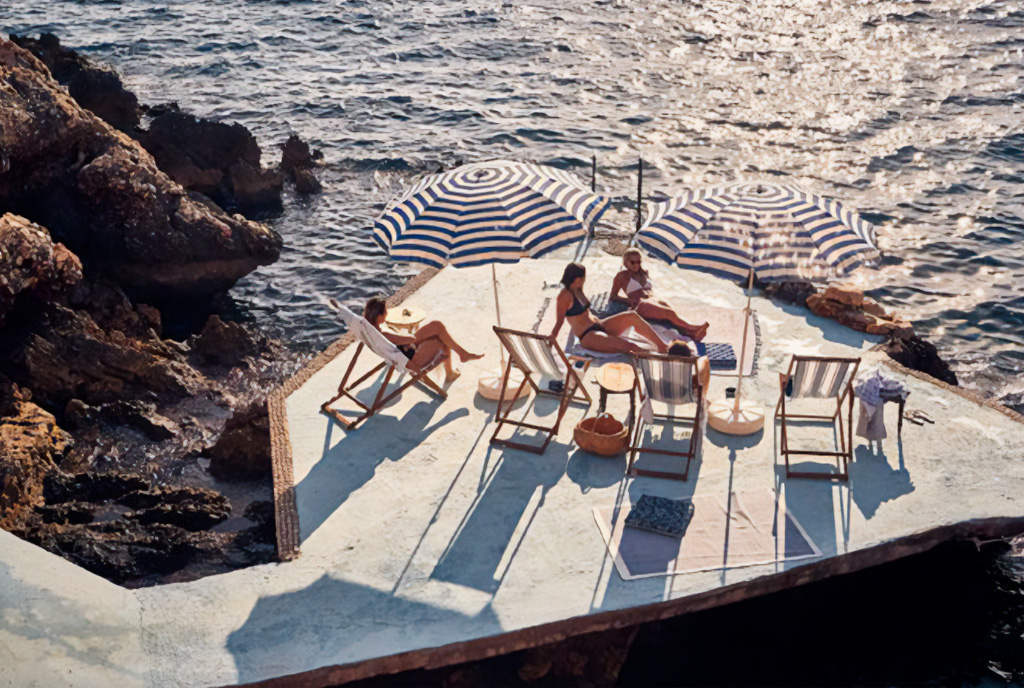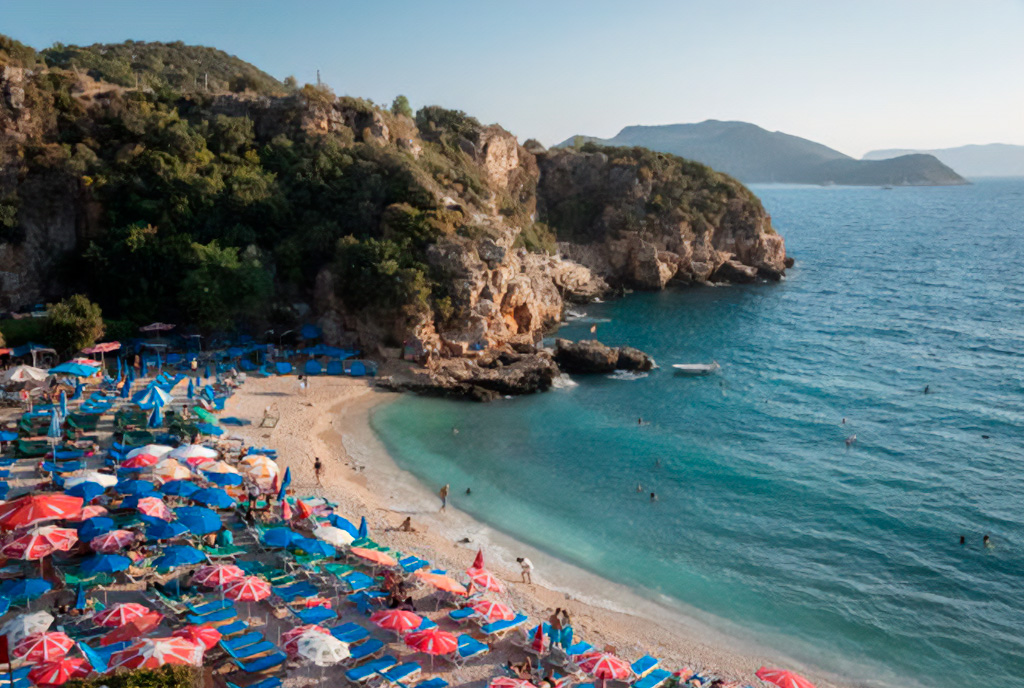


As our plane from Istanbul soars over the southwestern coast of Turkey, my first thought is, "Ah, so this is why they call it the Turquoise Coast."
My second thought, glancing around the cabin, is that everyone else is probably thinking exactly the same thing.
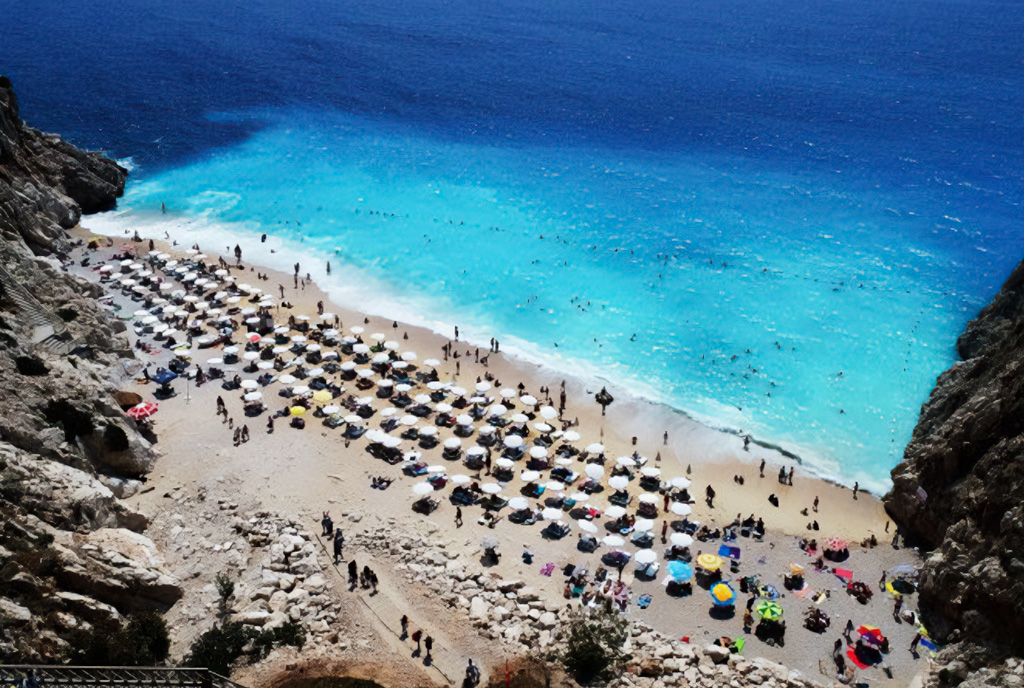
The water, clear as Baccarat crystal, is a surreal kaleidoscope of electric blues, turquoises, and greens. Framed by densely wooded hills and ochre limestone cliffs, it bites into the shoreline in a series of sheltered coves and bays, each more inviting than the last.
Partner links: booking through them supports the blog at no extra cost to you.
The best part? This stunning coastline stretches for more than 600 miles, from Antalya province in the south to the Cesme peninsula in the north.
We arrived in Bodrum, one of the two towns (the other being Antalya) that bookend the area, known to travelers and holidaymakers as the Turkish Riviera. Long a favorite of Turkish city dwellers and enterprising European and British vacationers, Bodrum and its surroundings have only recently landed on the wider public's radar.
Traveling around Turkey
Less crowded than Santorini or Saint-Tropez, and far more affordable, Bodrum remains blessedly free of the over-tourism that comes with day-tripping cruise visits, since its port can handle only two large ships, and even then not very often.
Still, its popularity is undeniably on the rise, as evidenced by the opening of several hotels and resorts from leading luxury brands, including the Bodrum Edition, designed by Ian Schrager for Marriott's high-end label, Six Senses Kaplankaya, and the Four Seasons.
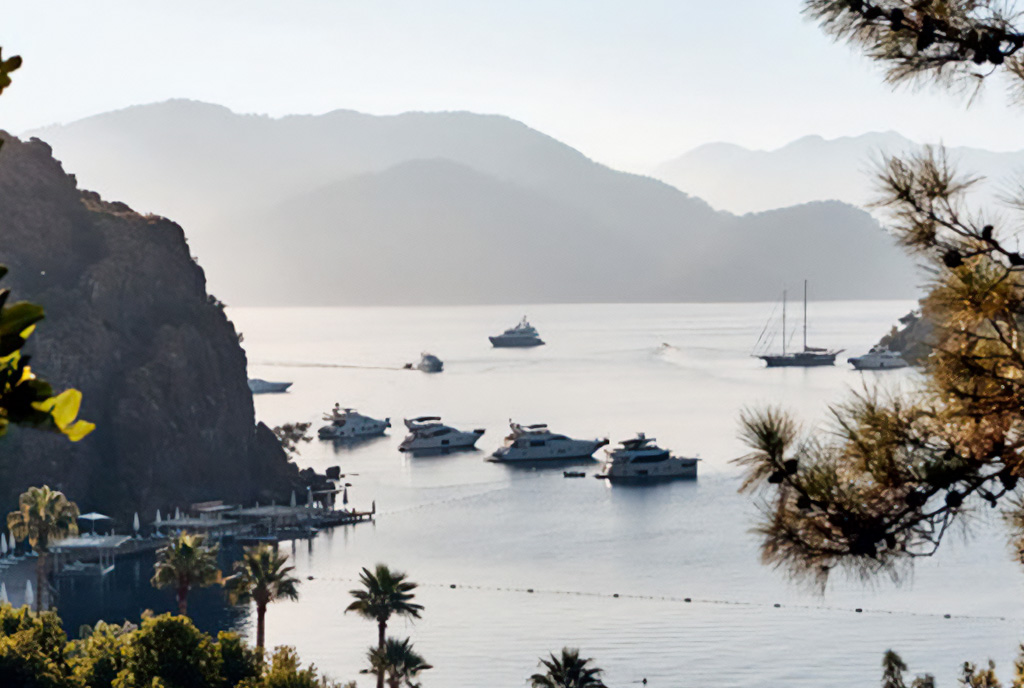
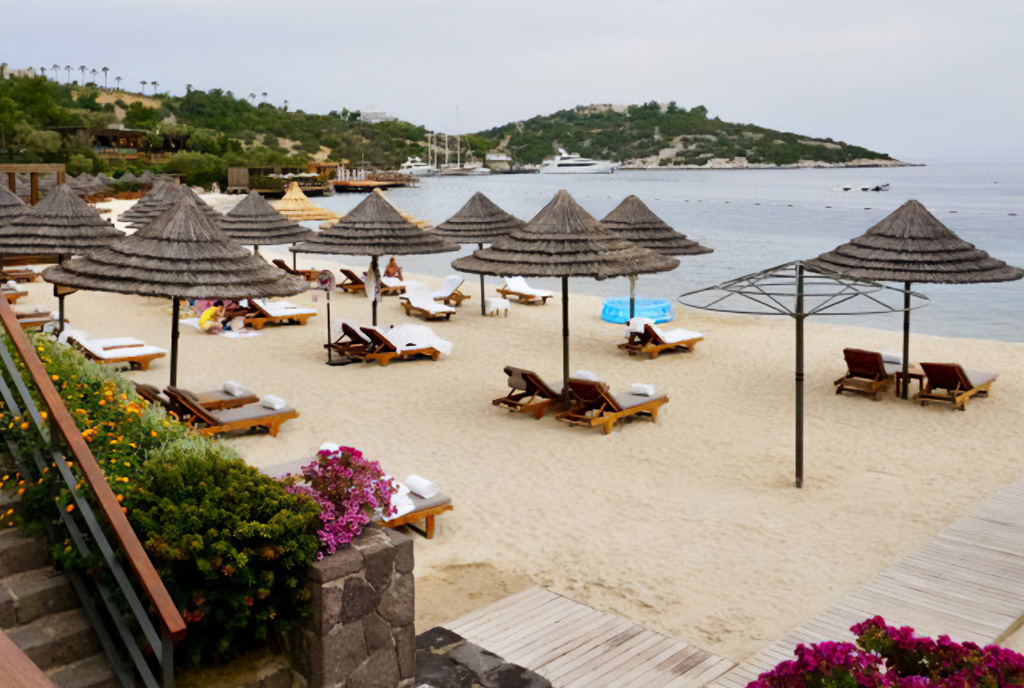
The Mandarin Oriental, where we stayed, is also a relatively recent addition to the local scene. With its secluded clifftop setting, pristine private beach, and convenient location, this hotel is an excellent choice for first-time visitors to the area. The number of private villas is growing too, with new construction climbing the steep hillsides.
Despite all this new building, Bodrum is no upstart. Founded as the ancient city of Halicarnassus, it was first mentioned by Homer in the Odyssey, and later by Herodotus, and was a thriving trading port when Alexander the Great captured it in the fourth century.
Sprawling up from the crescent-shaped bay dominated by the striking 15th-century Castle of St. Peter, modern Bodrum is popular for its markets, nightlife, and ferry port, from which boats depart daily for the Greek island of Kos, a 50-minute journey away.
Although much of the castle, including its famous museum of underwater archaeology, is closed for renovation until early 2020, enough is open to convey the grandeur of the place, with its sweeping views of the harbor.
The nearby fourth-century Tomb of Mausolus, one of the original Seven Wonders of the ancient world and the source of the word "mausoleum," and the Greek amphitheater above it offer a glimpse into the glorious past of Halicarnassus.
Beach and boat life
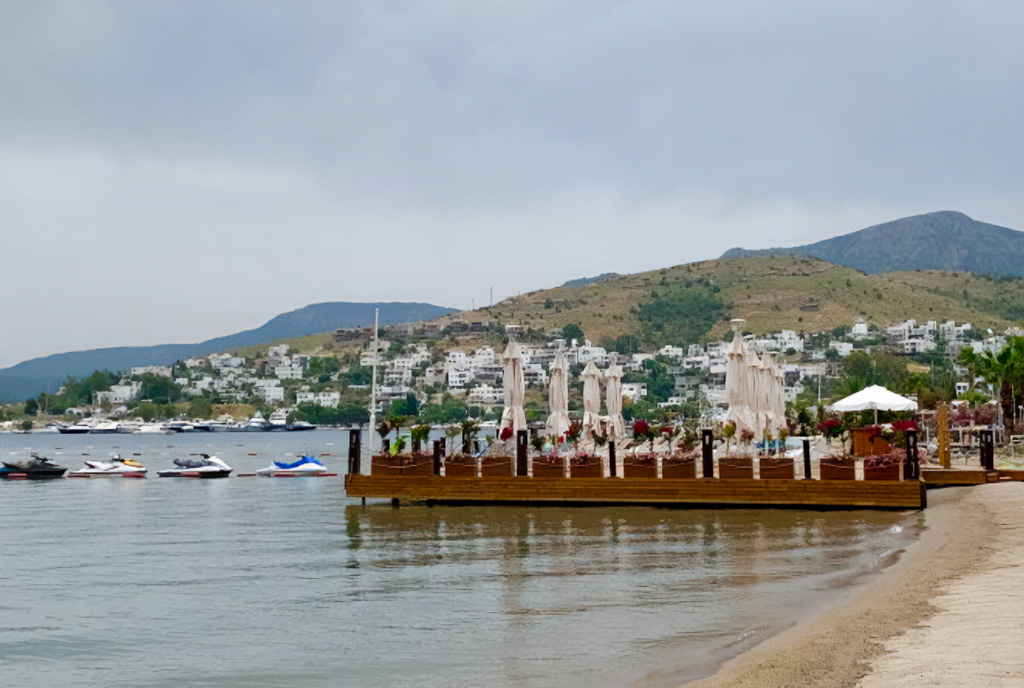
But Bodrum's main draw, encompassing the entire thumb-shaped peninsula north of the town, is its golden sandy beaches, and there are literally dozens to choose from.
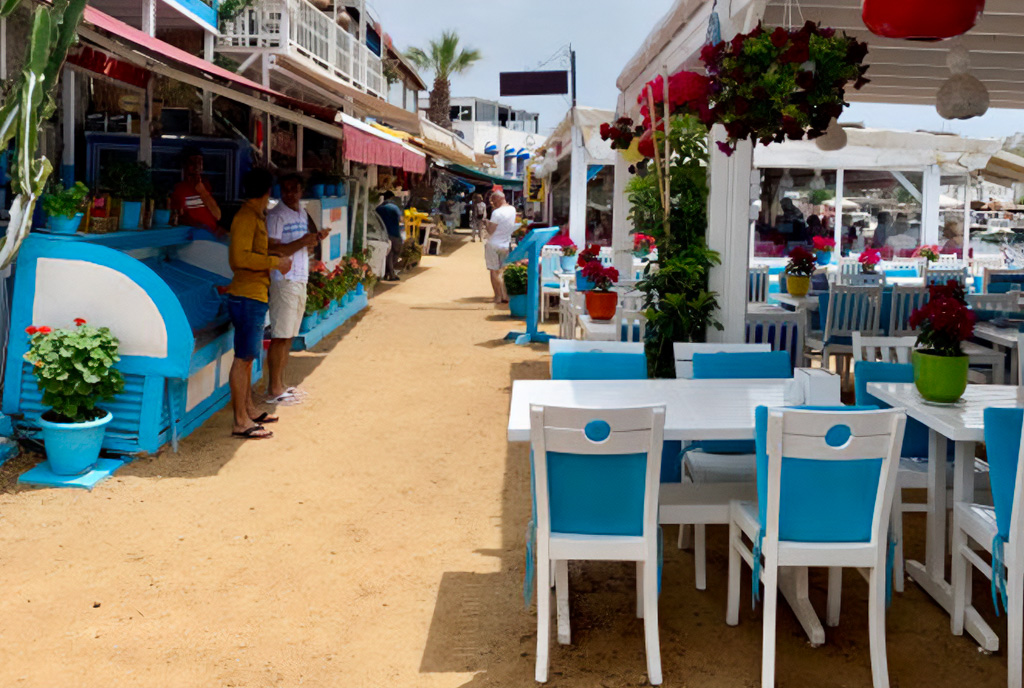
Among the favorites are Bitez, Torba, Yahsi, and Gumbet, all equipped with shaded loungers, calm water, and easy access to cafes and restaurants. As the road winds along the coast, humble fishing villages alternate with lavish yacht marinas, creating a dizzying variety of seaside experiences.
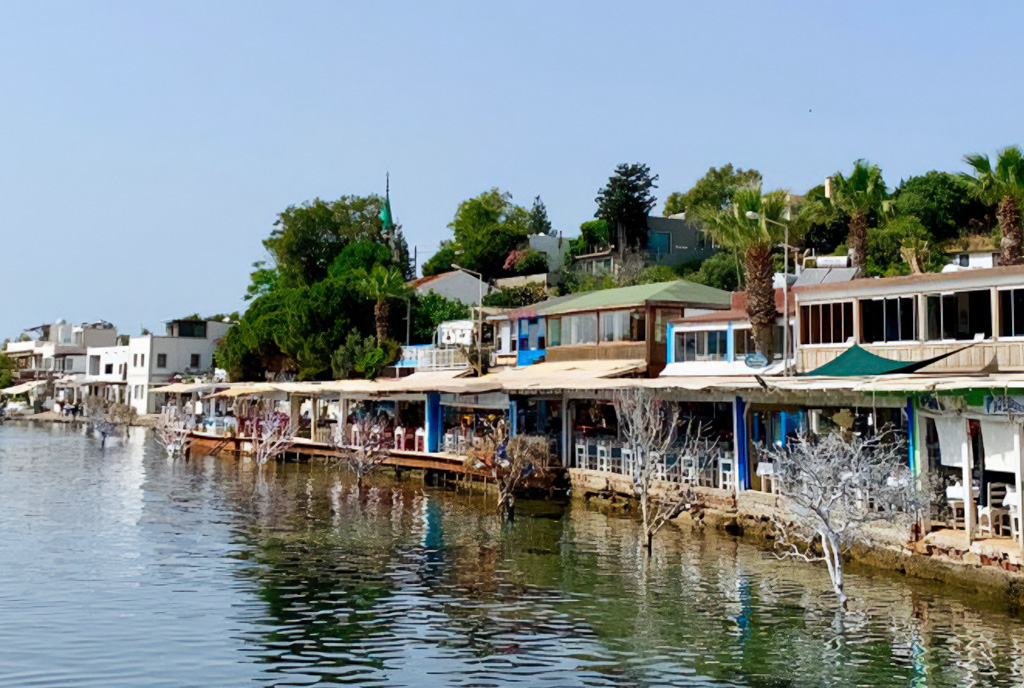
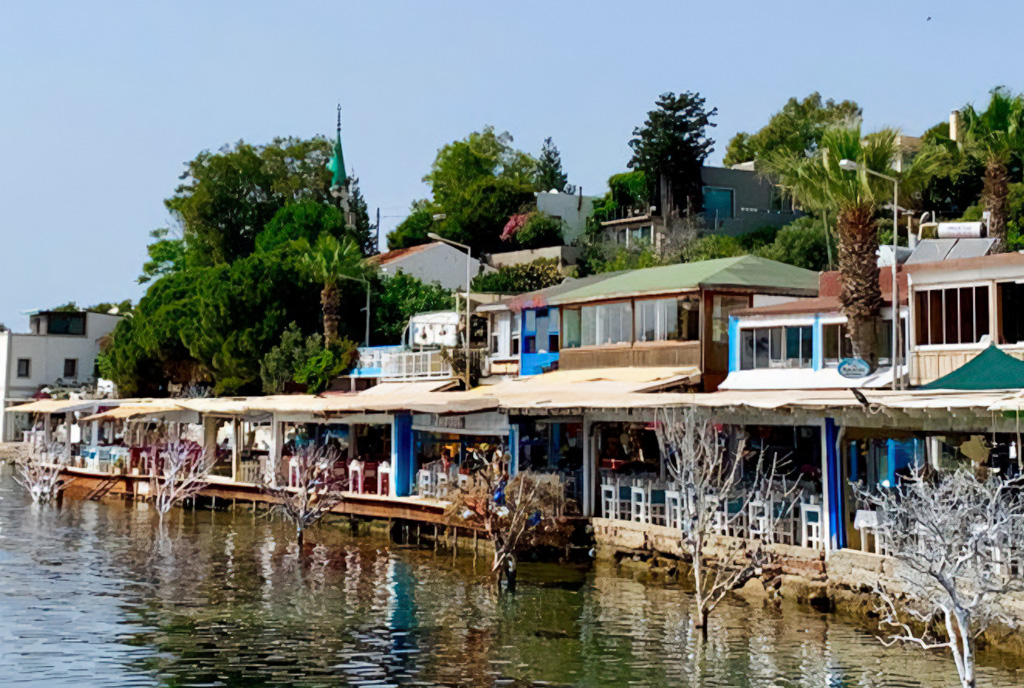
Stop by Yalikavak's Palmarina harbor to admire the mega-yachts of Ukrainian billionaires and watch the fashionable set browse Armani in the marina's ultramodern shopping center, then head to the slightly ramshackle fishing village of Gumusluk, where a row of cafes line the water, serving fresh seafood beneath trees strung with lanterns carved from gourds.
There you can sample stuffed mussels, known as midye dolma, a local delicacy, and then move on to traditional Turkish ice cream, dondurma, whose distinctive chewy texture comes from the addition of orchid-root flour and a natural resin called mastic. Refreshing flavors include fresh melon and mint.
When the tide goes out and the rays of the late afternoon sun light up the water, it's the perfect time to spot the Royal Road of the ancient city of Myndos, its massive stone blocks now submerged in the waters of the lagoon, leading out to Rabbit Island.
Closest to our hotel, the lively village of Golturkbuku is tucked into a pretty bay, where restaurants jut out over the water on floating piers and bars pulse with live music. Most visitors to the area take at least one half- or full-day boat trip, which comes highly recommended as the best way to appreciate the rugged beauty of a coastline that can't be fully seen from the road.
Depending on the itinerary, boat trips may include snorkeling, a stop at one of the many small offshore islands, lunch, or all three if it's a full-day outing. Our boat trip included a stop at Black Island (Kara Ada), known for its mineral pools, and a lunch of traditional meze appetizers.
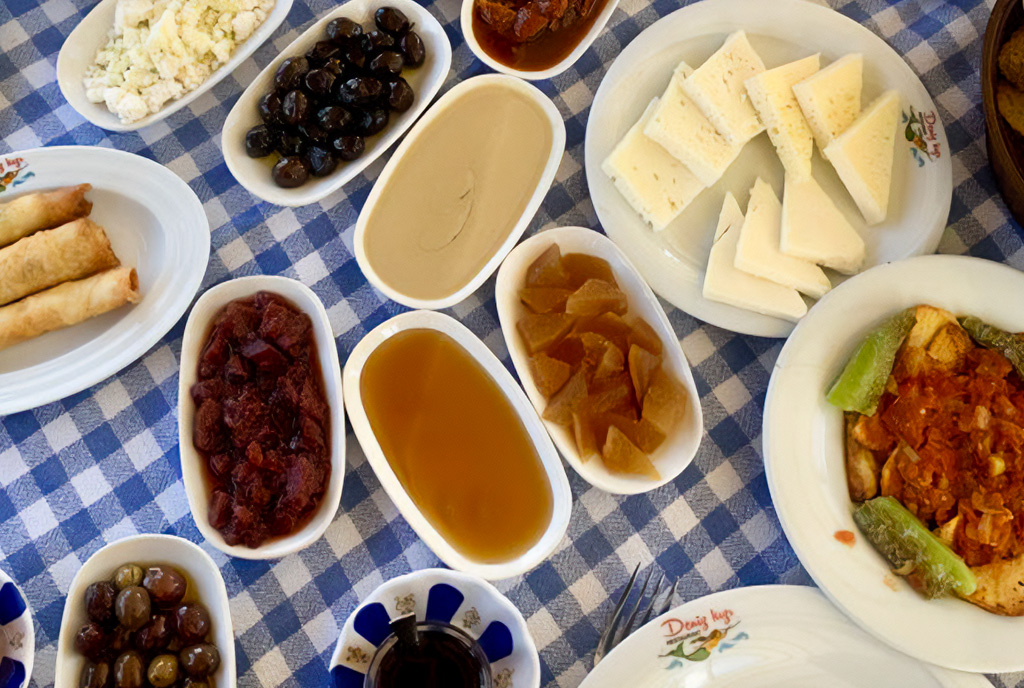
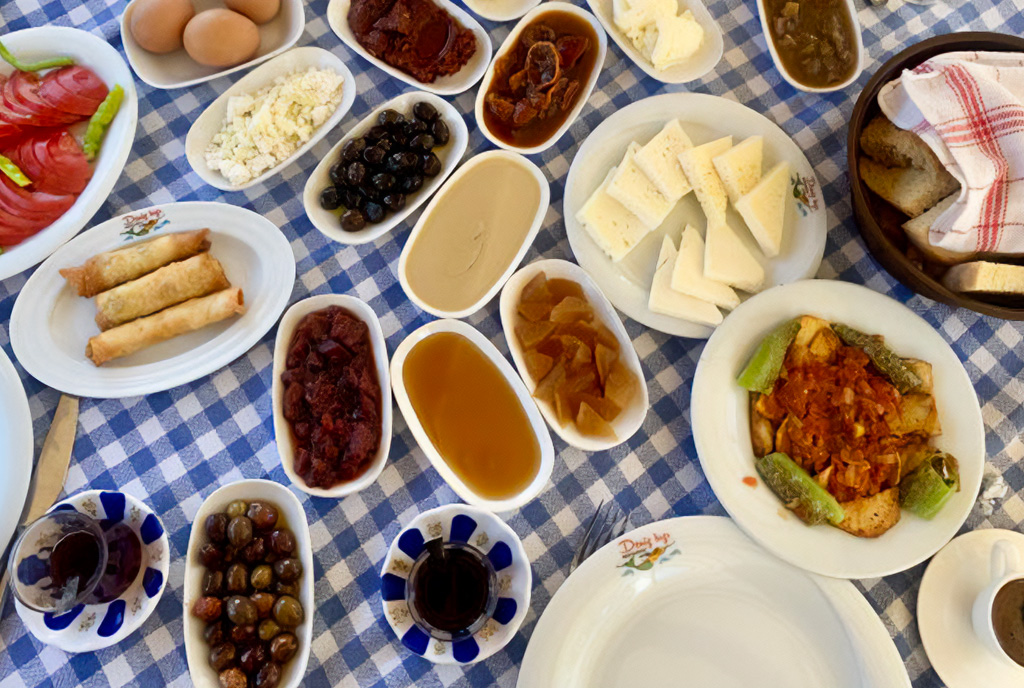
Whatever our plans for the day, we start with a traditional kahvalti, or Turkish breakfast, a generous spread of cheeses, olives, sausage, honey, and jams, served with cucumber, tomato, and fluffy bread that you can dip and spread in any combination you like.
On the wheels of history
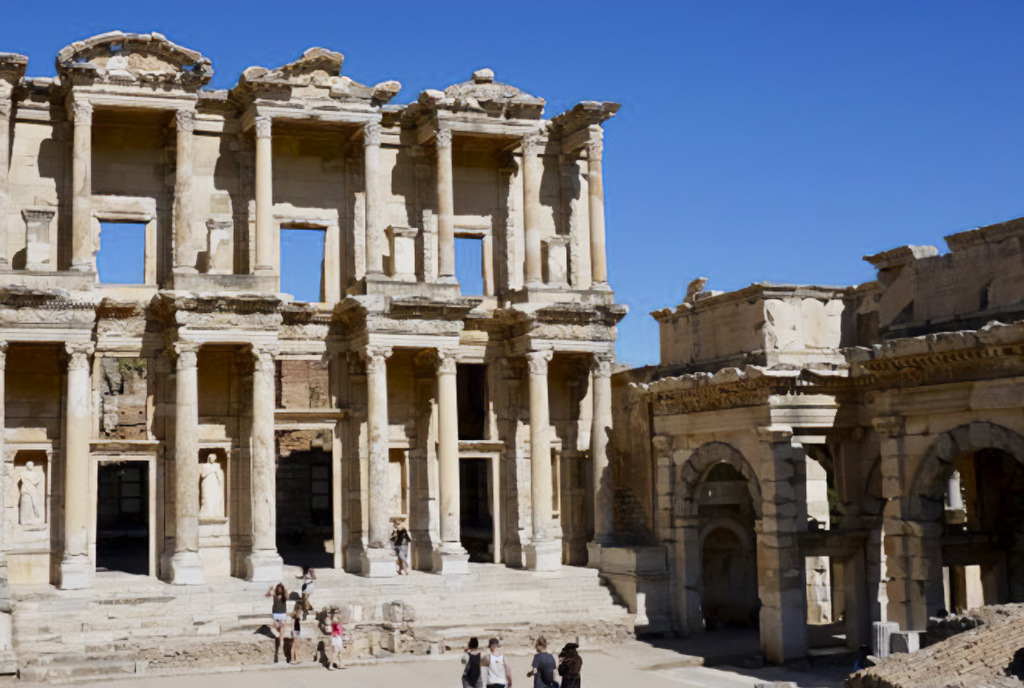
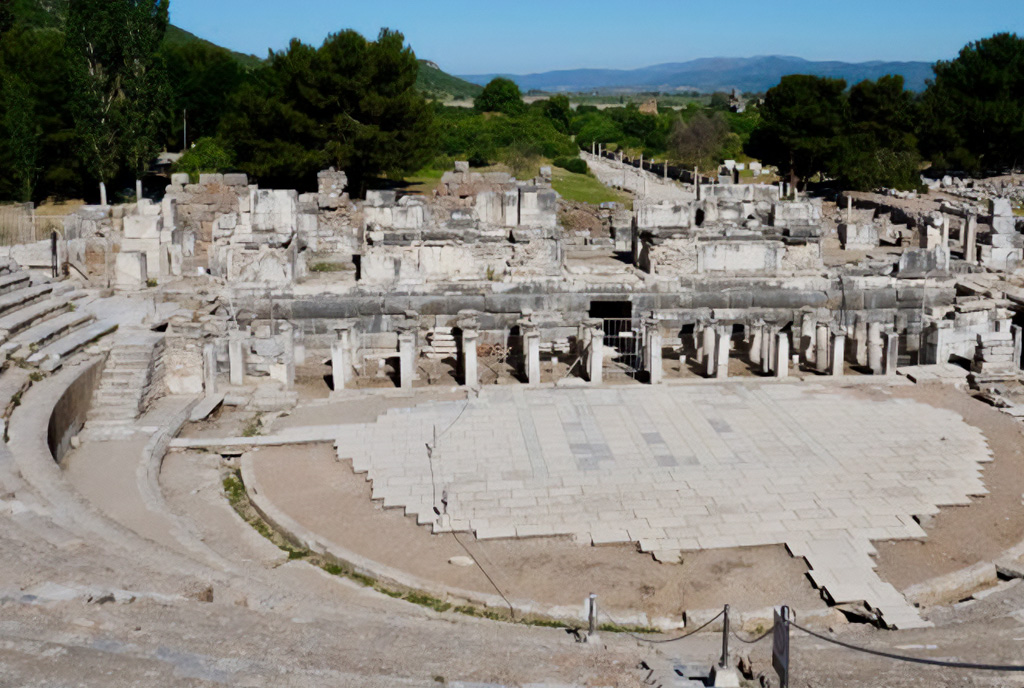
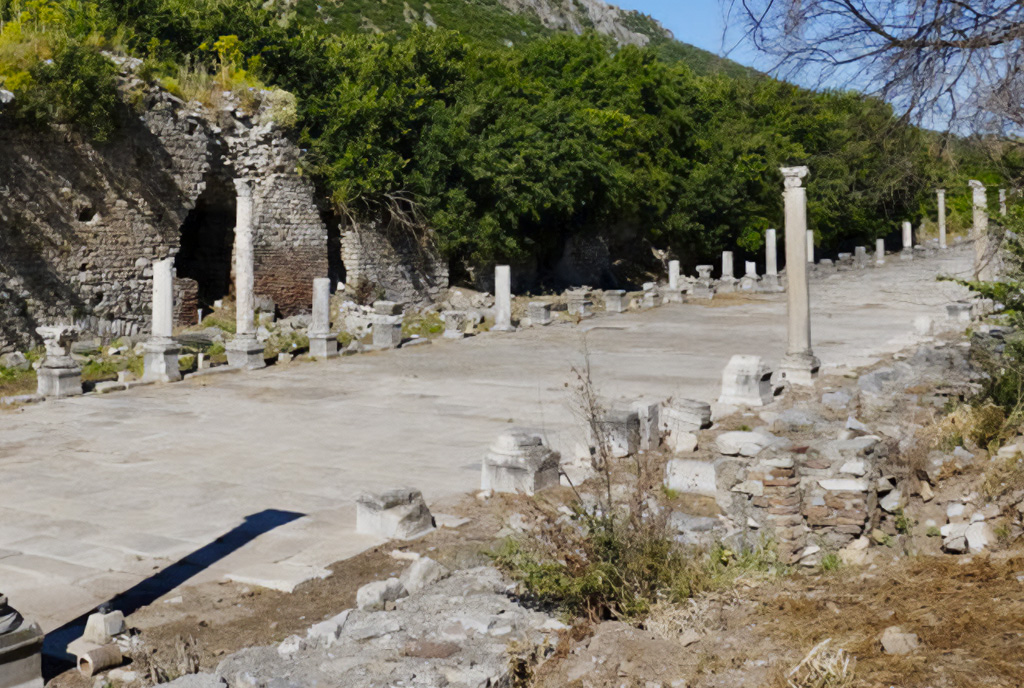
A hundred miles north of Bodrum, the UNESCO World Heritage Site of Ephesus is on the must-see list for most visitors to the Turquoise Coast. With some sections dating back to the 10th century BC and superb examples of early Greek and Roman architecture, Ephesus is both the oldest and the most complete ancient city ever excavated.
And it doesn't disappoint: standing in the middle of the broad Arcadian Way, its massive marble blocks still perfectly fitted and worn smooth by 2,000 years of use, it's easy to imagine the rumble of chariot wheels or the march of gladiators on their way to the enormous amphitheater that rises in tiers up the hillside above.
While it's possible to visit Ephesus as a day trip from Bodrum, staying in the neighboring village of Selcuk or the nearby port town of Kusadasi makes it easier to arrive at the gates as they open, an advantage for those who want to explore the ruins before the big tour buses roll in.
Either way, plan for at least four hours (and more if you're a history buff) to see all the main sights, which, besides the grand theater, include the Gate of Hadrian, the agora or marketplace, the terrace houses with their well-preserved stone mosaic floors, and the striking Library of Celsus, with its masterfully carved facade and smooth statues of the four virtues.
Also on most visitors' itineraries are the region's other historic sites, chief among them Meryemana, or the House of the Virgin Mary, where the faithful light candles in a tiny chapel and tuck prayers between the stones of a wishing wall, and the Basilica of St. John.
This simple columned tomb is believed to be the final resting place of the apostle John; above it, Ayasoluk Castle is a perfect spot to watch the sunset.
Greek influence
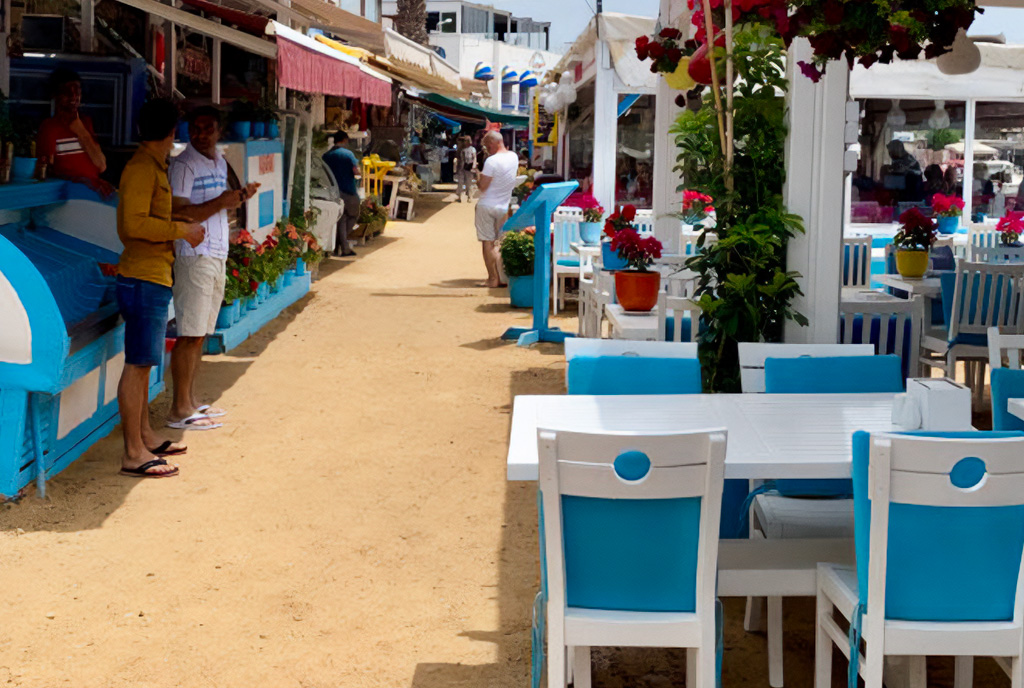
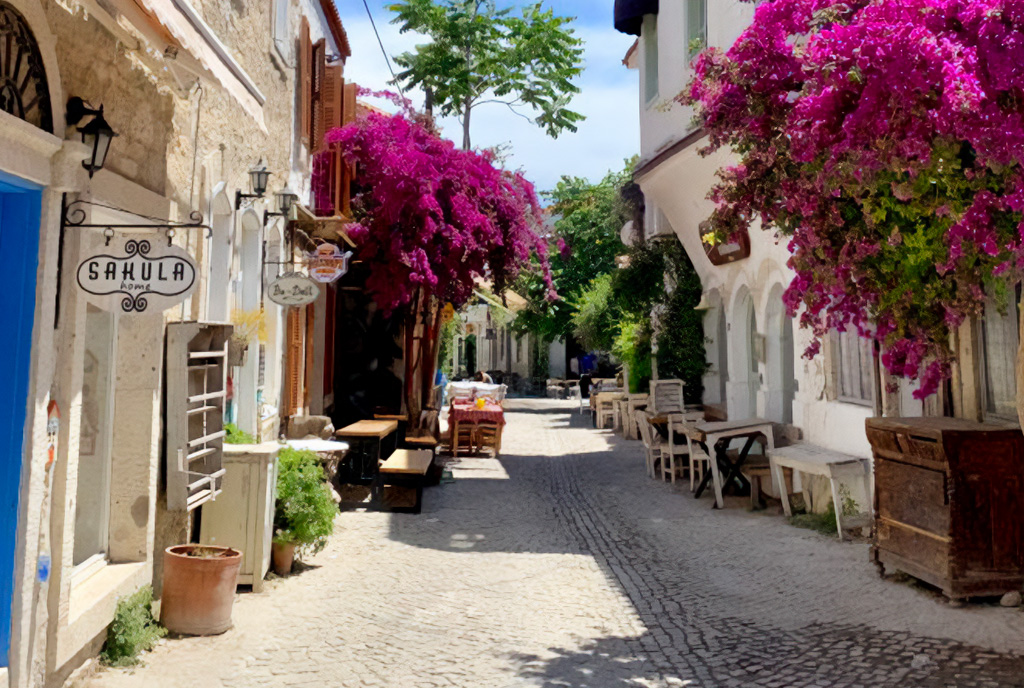
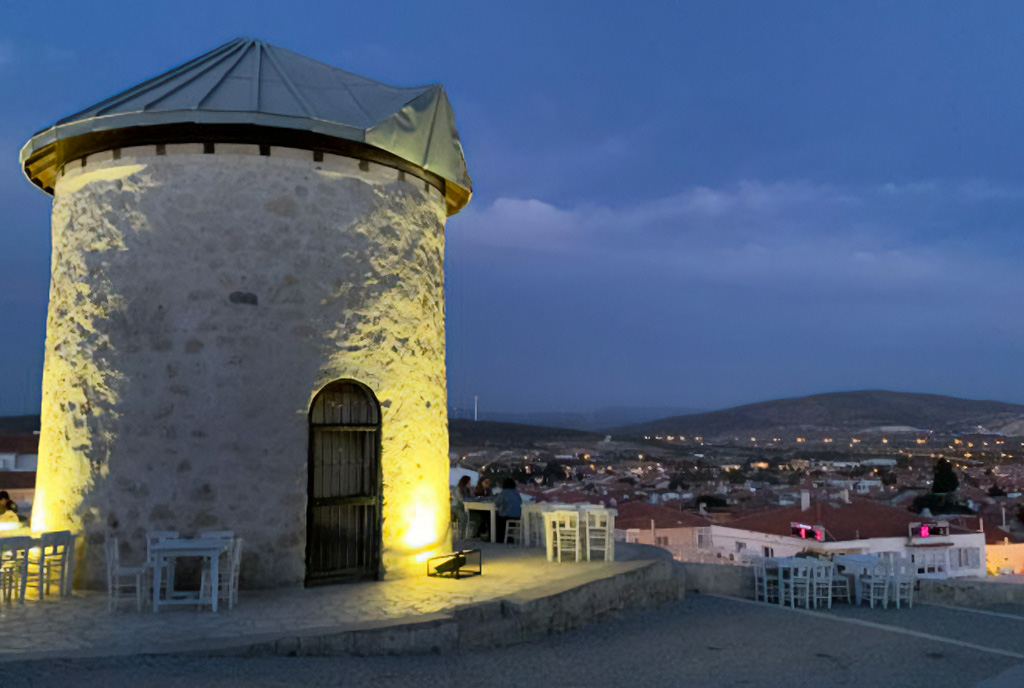
There are moments when Turkey's Aegean coast feels like the ultimate Mamma Mia-style Greek island fantasy, and nowhere is this truer than in Alacati, a maze of cobbled 18th-century streets crowned by a cluster of round stone windmills.
Set on the Cesme peninsula, an hour and a half north of Ephesus, Alacati makes an ideal final stop for those who choose to fly home from Izmir.
Settled by Greek workers who came to tend the area's vineyards and olive groves, Alacati is almost absurdly photogenic. Its streets are lined with grand oatmeal-colored stone houses drowning in clouds of bougainvillea, each with its own bright blue, red, or yellow door and overhanging bay windows.
Practically abandoned in the 1920s, when the Greek immigrants left the country during a religiously based population exchange, Alacati was rediscovered by windsurfers who came to take advantage of the peninsula's strong breezes, then stayed to restore the neglected buildings into artsy retreats.
Now, in the classic tradition of fishing villages turned artist colonies like the Hamptons or California's Carmel-by-the-Sea, Alacati has become a favorite getaway for the Turkish elite, who claim a spot on its white sandy beaches by day, then take advantage of the warm evenings to browse its bohemian boutiques and gather in its open-air cafes.
Boutique hotels define the experience here, among them our pick, Alavya, a masterful enclave in the very heart of the village, made up of five historic houses linked together around a tranquil garden that was once the town's open-air cinema.
Over the past five years, word of Alacati has begun to spread to outsiders, but you can still feel as though you've stumbled onto a secret, as we do, raising a toast to our good fortune with a rich red wine from the Urla region, the perfect match for a fragrant fish stew baked in a clay pot, known as guvec.
Still a hub of Turkish wine and olive production, Alacati is renowned for its produce and artisan food, and Saturdays draw shoppers from far beyond the region. Stalls line the main road through town and climb the many side streets, tables laden with fruits and vegetables, fresh bread, and the day's catch of fish on ice.
Local cheesemakers hand out lumps of thick curds, spice sellers tout figs and saffron, and kiosks display hand-labeled jars of local olives, gallon jugs of honey, and jams in flavors exotic (at least to us) like walnut and pickled lemon.
Afterward, while admiring a pair of turquoise earrings at the open-air craft market around Alacati's central mosque, I remember that the name Turquoise Coast has an added meaning.
While it accurately describes the landscape, it also refers to a little-known fact of Turkish history: the origin of a beloved gemstone. When European merchants first spotted the previously unknown bright blue stone in Turkish bazaars, they called it the Turkish stone, or pierre Turquoise in French. And so the name and the color were born.
It's this layered history I'll be thinking about as I try to catch one last glimpse of the shimmering blue waters of the Aegean on my flight back home.
Bodrum Edition: Dirmil Mahallesi, Balyek Caddesi No 5A Yalikavak Mugla 48990, 48 Bodrum, Turkey, +90 252 311 31 31
Mandarin Oriental: Cennet Koyu, Çomça Mevkii, 48400 Bodrum/Muğla, Turkey, +90 252 311 18 88
Bodrum Museum of Underwater Archeology (closed for renovation until 2020): Çarşı Mh., 48400 Bodrum/Muğla Province, Turkey, +90 252 316 10 95
Tomb of Mausolus: Tepecik Mahallesi, 48440 Bodrum/Muğla Province, Turkey
Yalikavak's Palmarina harbor: Merkez Mah. Çökertme Cad. Yalıkavak – Bodrum / Muğla – Turkey 48990, +90 252 311 0600
Ephesus: Atatürk Mh., Uğur Mumcu Sevgi Yolu, 35920 Selçuk/İzmir, Turkey
Meryemana: Sultaniye Mahallesi, 35922 Selçuk/İzmir, Turkey
Basilica of St. John: Atatürk Mh., St. Jean Cd., 35920 Selçuk/İzmir, Turkey
Ayasoluk Castle: Atatürk Mh., Atatürk Cd. No:2, 35920 Selçuk/İzmir, Turkey
Alavya: Alaçatı Belediyesi, 35930 Çeşme/İzmir, Turkey, + 90 232 716 66 32