


Not content with being home to the world's tallest tower and the fastest police car, Dubai has set itself the goal of becoming the happiest city in the world.
In its push to achieve this, the city in the sands measures how happy people are through interactive touchpoints spread across Dubai, known as Happiness Meters.
Each meter features three emojis, a happy face, a neutral face and a sad face, which people use to rate their satisfaction with everyday services. The results from the meters feed into a Happiness Index; the number of taps on the smileys determines the city's "happiness score."
Partner links: booking through them supports the blog at no extra cost to you.
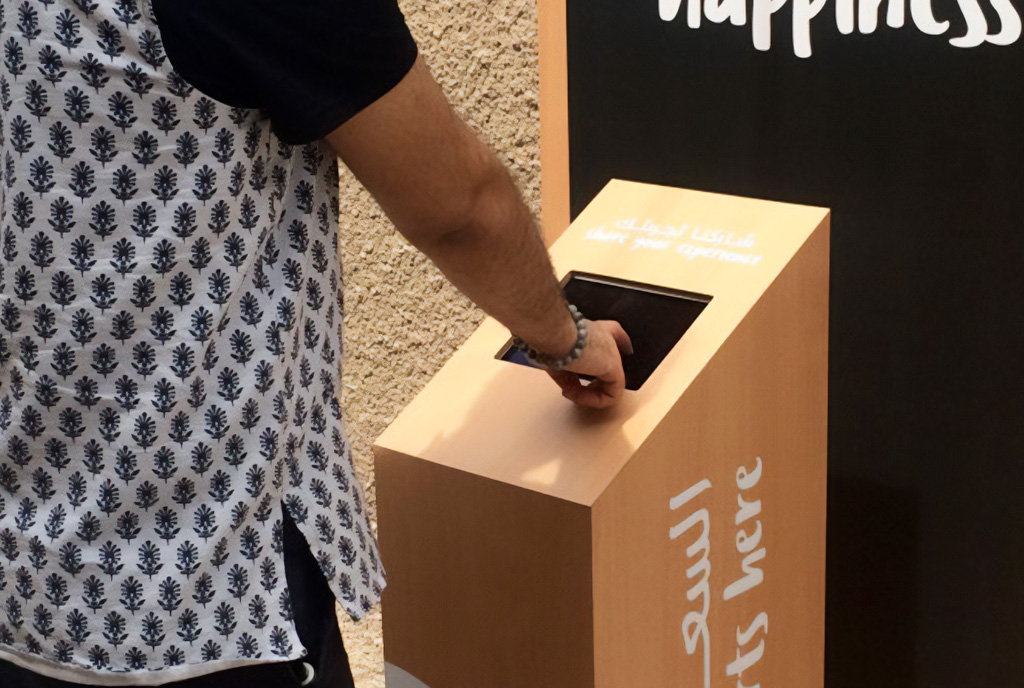
The meters are the work of Smart Dubai, the government body tasked with turning Dubai into a "smart city," which believes people will lead happier lives if their day-to-day experiences are seamless and efficient.
"To become the happiest city, we knew we would need a way to listen to everyone in the city and understand their current level of happiness with municipal services," said Dr. Aisha Bin Bishr, director general of Smart Dubai, via email.
Dubai's 'happiness score'
The current "happiness score" for Dubai, measured by more than 6 million votes from the Happiness Meters, stands at 90 percent, according to Bin Bishr.
"Our goal is to raise Dubai's happiness index to 95 percent by 2021," she added.
In an effort to streamline public services, Smart Dubai has installed sensors in trash bins that send alerts when they need to be emptied. It has also developed DubaiNow, an app that lets residents pay their bills and fines and carry out more than 55 city services.
Smart Dubai's vision is for Dubai to be both the happiest city and the most tech-savvy city in the world. The next step is measuring deeper emotions through vocal emotion technology, which analyzes tone of voice and other vocal traits.
But happiness is no joke, and the UAE has invested a great deal of time and resources into the subjective wellbeing of its people.
How to make people happy
The UAE's first Minister of State for Happiness, Ohood Al Roumi, was sworn in last year, followed by 60 Chief Happiness Officers across various government departments.
The role of the Ministry of Happiness is to promote and prioritize happiness in government and in everyday life.

All of this is part of a broader plan, laid out in the UAE Vision 2021, to place the wellbeing of the United Arab Emirates at the heart of government decisions. Through this, the UAE hopes to become "the happiest of all nations" under the program.
Dubai has hosted a wide range of events tied to the theme of happiness, including a "happiness park" to encourage exercise, a "happiness journey" on the International Day of Happiness, and various happiness festivals featuring activities such as laughter meditation.
Should governments regulate happiness?
But not everyone is on board with the UAE's Happiness Agenda.
A researcher at Human Rights Watch called the Ministry of Happiness "Orwellian," and some have questioned just how inclusive Dubai's "happiness renaissance" will be.
Human Rights Watch and Amnesty International have highlighted human rights concerns in the UAE, such as restrictions on the rights to freedom of expression and association, along with the arbitrary detention and persecution of those who criticize the government.
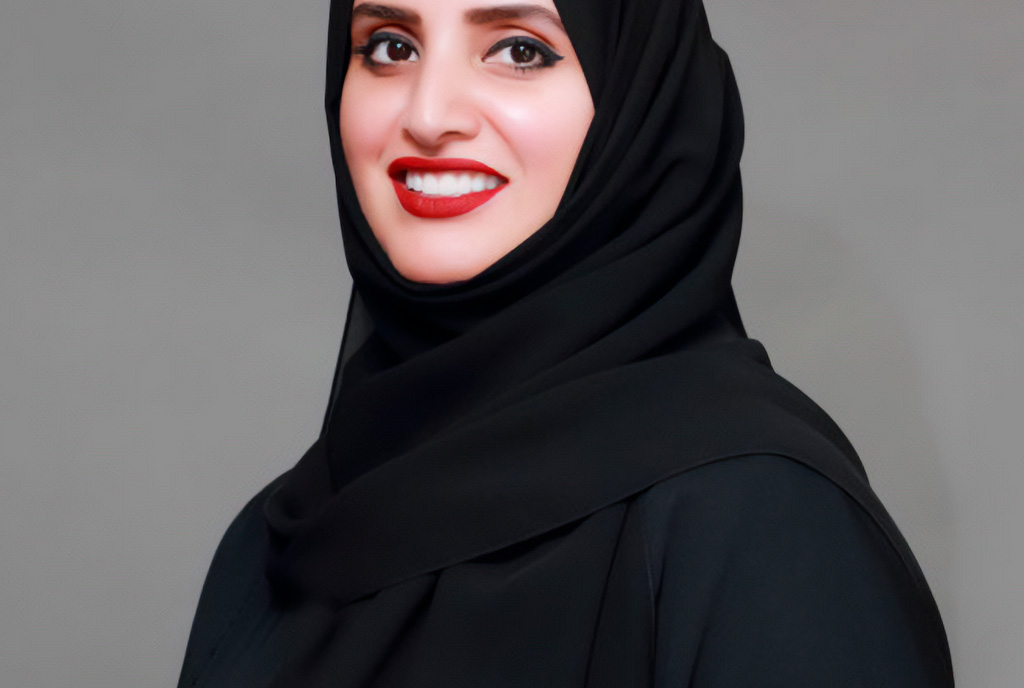
In response, Bin Bishr said that any action or decision taken by a government body is aimed at ensuring better living standards and a happier life for its people.
Meik Wiking, CEO of the Happiness Research Institute in Denmark, agrees that happiness should be at the core of public policy.
"Happiness should be the ultimate goal of governments," he said.
Measuring a subjective feeling
The 2017 World Happiness Report ranked the UAE 21st. The report uses people's own life evaluations to measure subjective wellbeing.
"People are the best judges of whether they are happy or not," Wiking said.
The happiness rankings are then explained by looking at six key variables: GDP per capita, social support, healthy life expectancy, social freedom, generosity and the absence of corruption.
According to Wiking, these six factors are strong indicators of why some countries rank higher than others.
"It's extremely ambitious to be one of the five happiest countries by 2021," Wiking said, commenting on the UAE's ambition to become one of the happiest nations in the world.
"Norway just edged Denmark out of the top spot this year. Right now the gap separating number one from number two comes down to the second decimal place," he added.
Wiking is fully confident that Dubai is taking the right steps toward reaching its goal. He signed a memorandum of understanding with the UAE government, pledging to share experience and expertise.
"I haven't seen many other governments this ambitious," he said.
"They have a clear aspiration for where they want to be, so it's something tangible and measurable."
If you're happy and you know it
While the World Happiness Report ranks the happiness of nations, it does not do the same for individual cities. That makes it harder for Dubai to gauge where it stands.
However, Bin Bishr said Smart Dubai is working on ways to compare happiness levels in Dubai with other cities around the world.
"When a city dedicates itself to the happiness of its people, it isn't only the individual who benefits," Bin Bishr explained.
"When people are happier, the city benefits, which in turn flows directly back to the individual, and so on in a positive cycle."