

The idea of postcard-perfect villages steeped in Old World charm has inspired travelers for centuries to explore Europe in search of its secluded settlements. As a result, the continent's most scenic spots rarely stay hidden for long. It doesn't take much to make a charming village uncomfortably popular. Take the five fishing villages that make up Italy's Cinque Terre, where an evening summer stroll often feels like jostling through a crowded amusement park, complete with pricey restaurants and souvenir shops.
The first requirement of a beautiful village is a scenic setting, whether tucked among Norwegian fjords or spread across sun-drenched Greek islands. But the most refined ones also have distinctive features, like a square framed by tall-gabled pastel facades in Telc, Czech Republic, or an unforgettable Victorian castle towering above the thatched roofs of Cong, Ireland. Reaching some of these European gems takes extra effort, but the rewards are stunning. Your eyes will thank you.
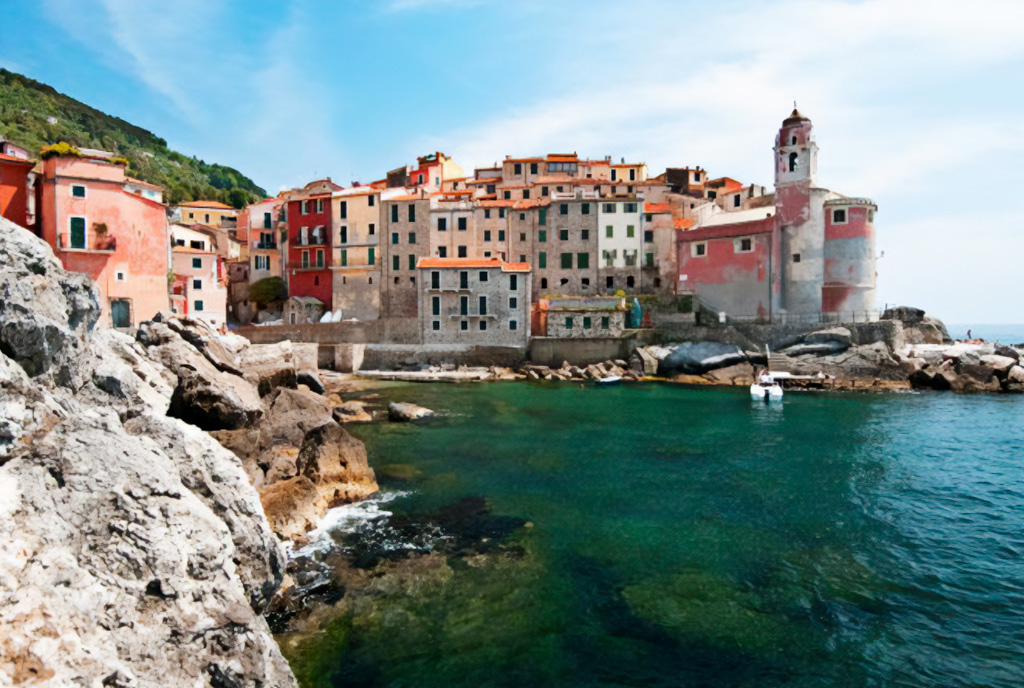
Tellaro, Italy
Winding clifftop roads and a tiny harbor have shielded Tellaro from the tourism wave that has swept over other seaside towns along the Ligurian coast in Italy, such as Vernazza and Portofino. A cluster of pastel buildings clings to Tellaro's cliffs, perched on the easternmost edge of the Gulf of Poets. It's named for the poets and literary icons, like Lord Byron and D. H. Lawrence, who sought inspiration in this Mediterranean refuge.
Partner links: booking through them supports the blog at no extra cost to you.
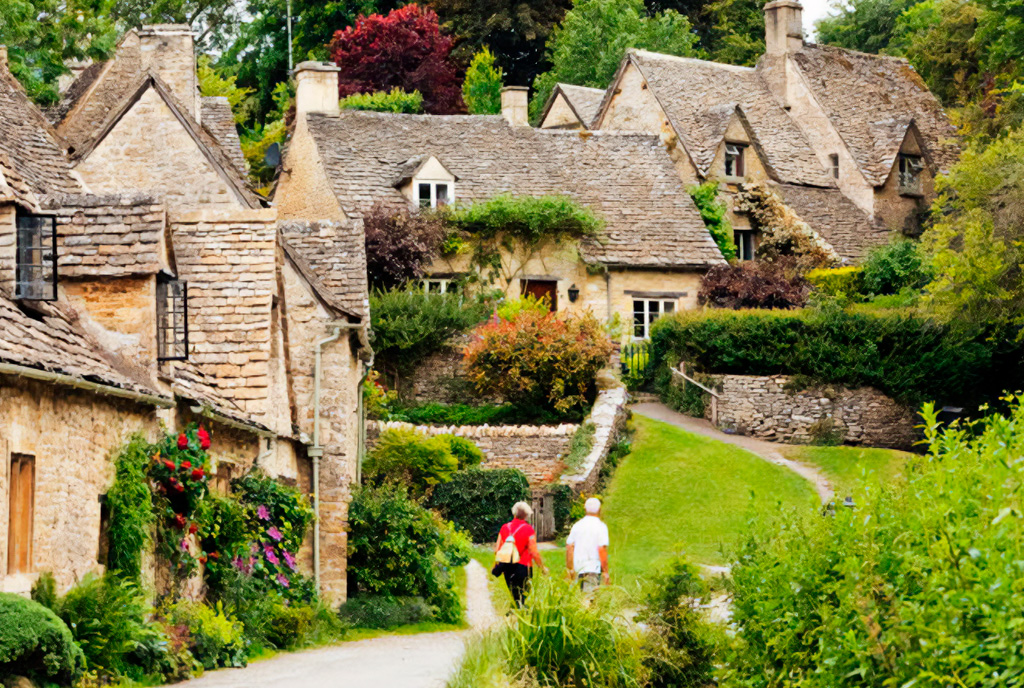
Bibury, England
The rolling Cotswolds is a designated "Area of Outstanding Natural Beauty" in the southwest of England, and one of its loveliest villages is Bibury, where green meadows meet ancient stone cottages with steeply pitched roofs. The River Coln, which runs through the village, teems with trout, but the most picturesque spot is Arlington Row, a lane of sepia-toned cottages built in the 17th century to house weavers from the nearby Arlington Mill.
Hallstatt, Austria
The fairytale town of Hallstatt in central Austria enjoys a spectacular setting on the shore of Lake Hallstatt, between the pristine water and a lush mountain that rises sharply from the water's edge. A salt-mining history spanning thousands of years has translated into lasting prosperity for the town, most evident on the pretty square framed by ivy-covered buildings.
Folegandros, Greece
The streets of Santorini buckle under the weight of admirers. But on Folegandros, a neighboring island in the Greek Cyclades, you'll find similar architecture, slate-paved streets, whitewashed buildings adorned with bright flowers, the occasional Greek Orthodox church with a vivid blue dome, but without the crowds. For a secluded swim, head to Katergo, a sheltered stretch of beach where gentle, emerald-blue waves lap against the pebbled shore.
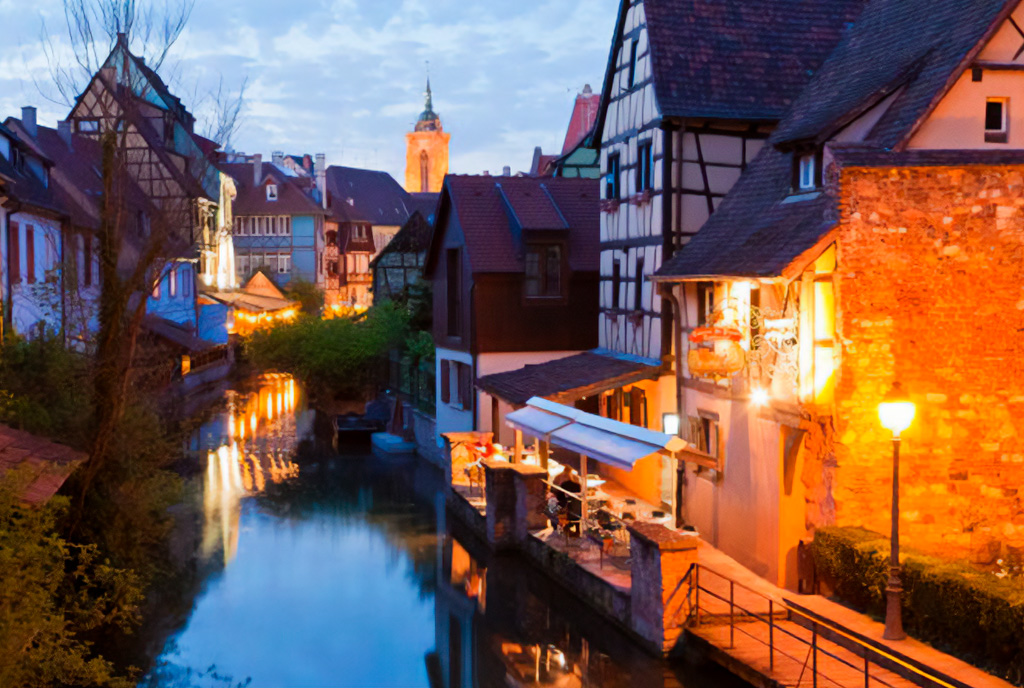
Colmar, France
French and German influences blend in this well-preserved Alsatian village, where local bakeries sell both croissants and kugelhopf, and restaurants specialize in foie gras and sauerkraut (or choucroute). A variety of architectural styles, from German Gothic to French neo-Baroque, can be seen in the old town, which was spared from destruction during World War II, in part thanks to the historic beauty of its cobbled lanes, quiet canals, and half-timbered houses.
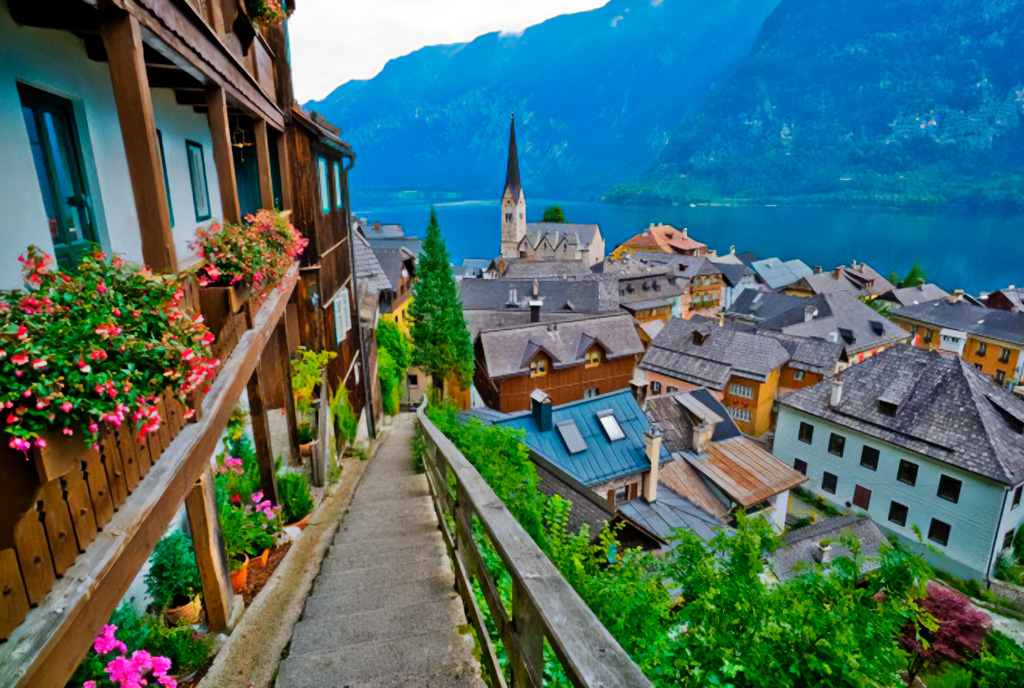
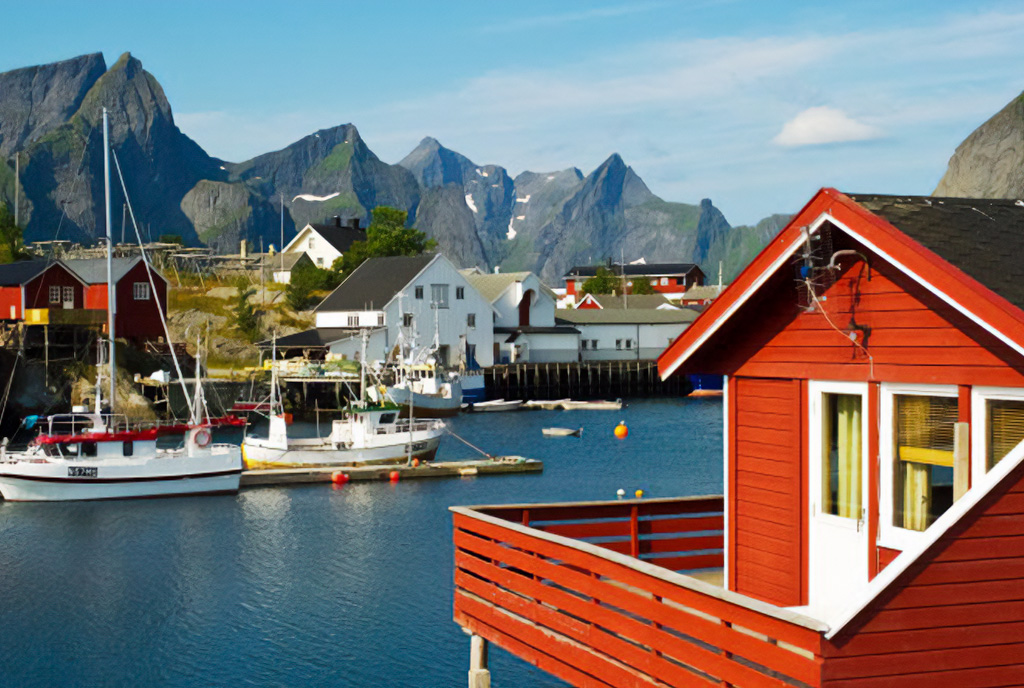
Reine, Norway
North of the Arctic Circle, Reine is a beautiful fishing village in the Lofoten archipelago, a region of rugged, striking northern wilderness where sapphire bays cut between fjords and mountains. Many of the bright red fishing huts (called rorbuer) have been converted into comfortable cottages for visitors, offering direct access to the Norwegian Sea. Settle in for a first-class view of the night sky and its breathtaking spectacle, from the summer midnight sun to the winter northern lights.
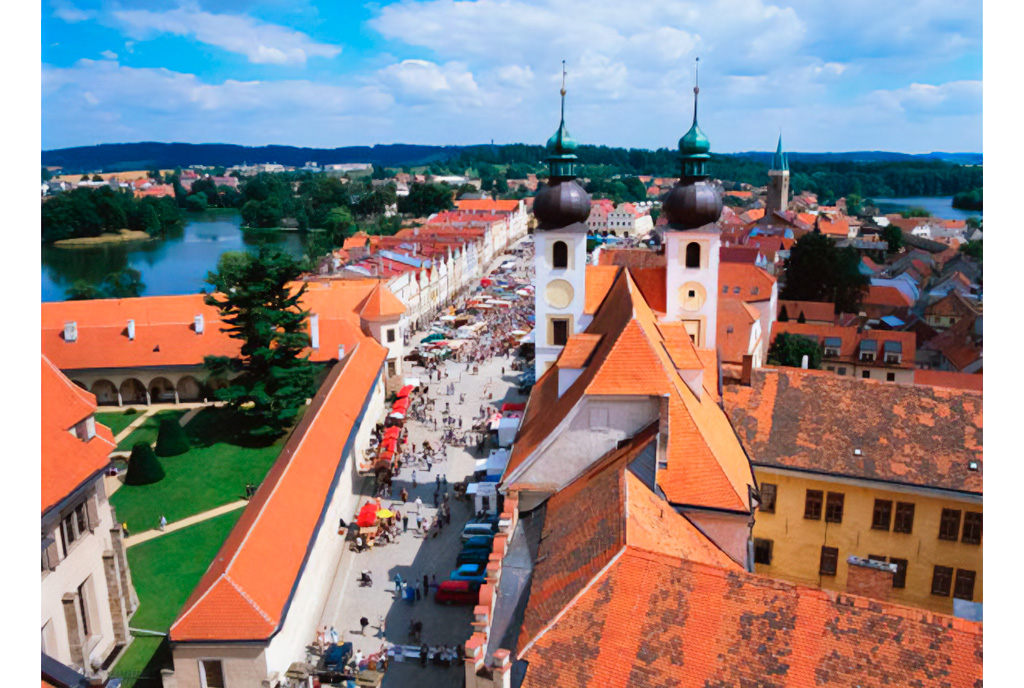
Telc, Czech Republic
The residents of Telc, a small town in southern Moravia, once competed fiercely over the beauty of their homes, which is obvious today along the elongated main square, where one building is more beautiful than the next. The tall-gabled Baroque and Renaissance facades, painted in pastel tones, now house small shops and cafes. A grand Renaissance castle and large ponds full of fish surround the square.