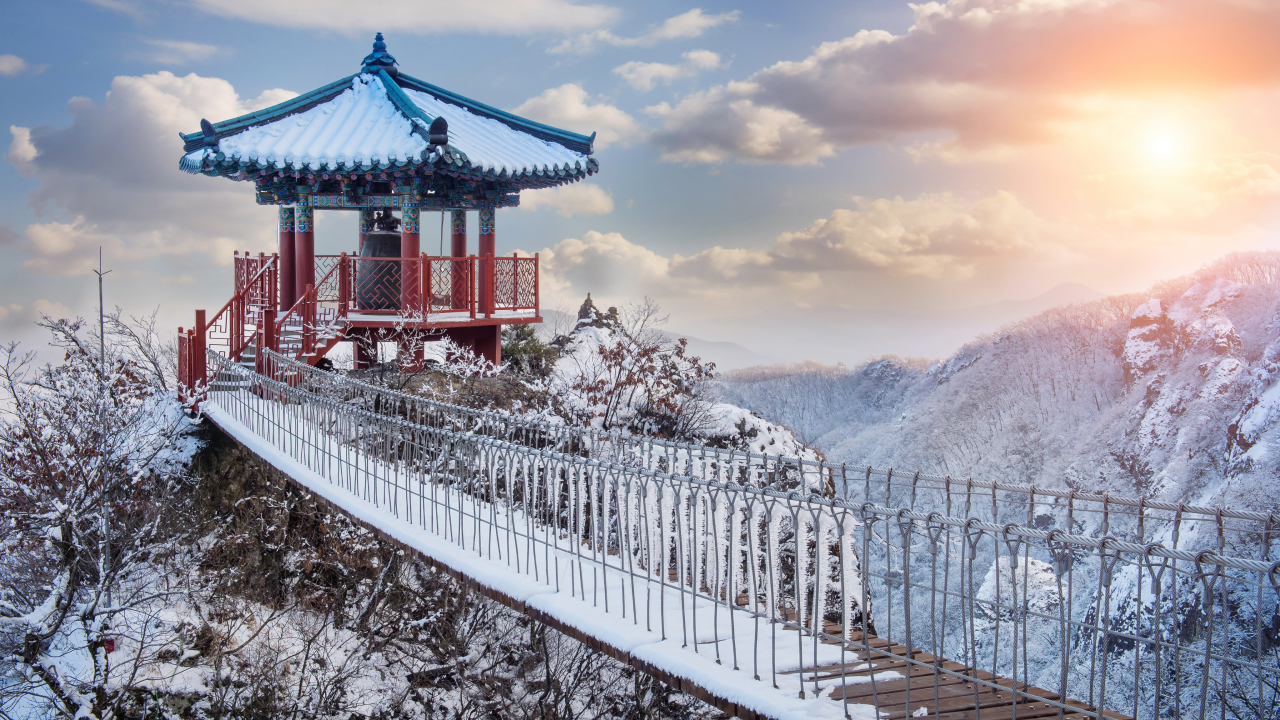


With dazzling internet speeds that only keep climbing, and plans to roll out 5G services back in 2019, South Korea ranks among the most highly connected countries in the world.
These days you can find free Wi-Fi in just about every corner of Seoul.
"I think Koreans have a certain DNA," says Keith Kim, founder of the travel site Seoulistic.com. "They embrace everything new. They embrace anything that moves things forward."
Partner links: booking through them supports the blog at no extra cost to you.
All of this, of course, creates a headache for the government: how do you persuade a nation of connected citizens that they need to log off once in a while and unwind?
According to government figures, the average smartphone user spends four hours a day gaming, tweeting or chatting.
Hoping to restore some balance, the government has recently turned its attention to cultural spaces, carving out quiet retreats all across Seoul. (There's more on that in the video above.)
In the meantime, 197 new green zones were created in the city center between 2012 and 2016.
They add to an already vast list of museums and landmarks impressive enough to persuade travelers to switch off their screens for a while.
Here are a few of our favorite spots worth visiting on a Seoultastic tour.
Starfield Library
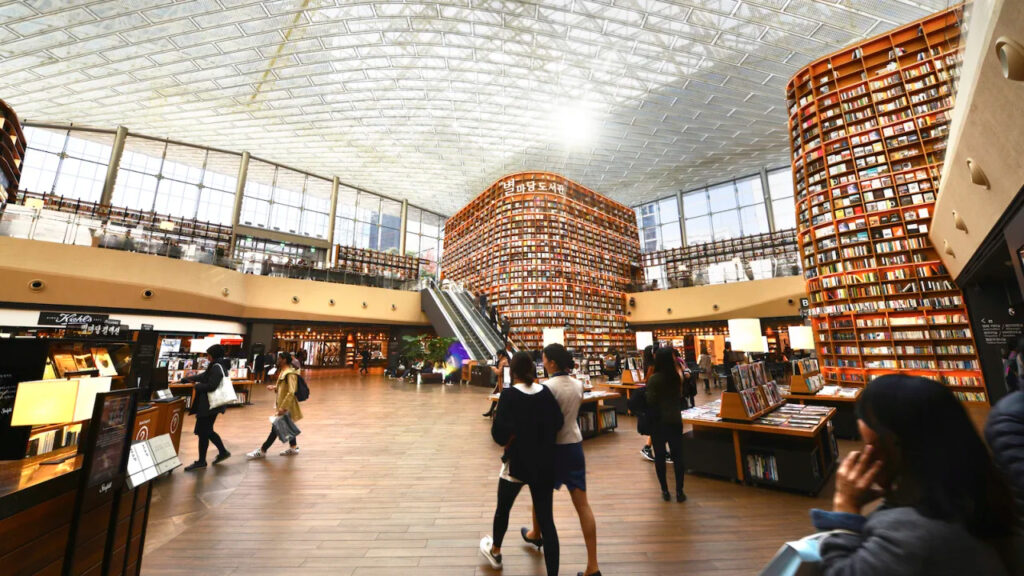
One of Seoul's newest attractions, the dramatic Starfield Library sits inside Starfield COEX, the largest underground shopping mall in the world.
The two-story library is free and open to everyone.
Covering 2,800 square meters, it is built around three giant 13-meter (42-foot) bookshelves that hold roughly 50,000 books and magazines.
"This is one of the building blocks of the future, having buildings like this," Kim says. "They'll be popping up everywhere."
The Starfield Library not only gives visitors a comfortable space to read, it also hosts a range of monthly cultural events and performances on all kinds of themes throughout the year.
Starfield Library, Starfield COEX Mall, Yeongdong-daero, Gangnam-gu, Seoul, South Korea
The War Memorial of Korea
Over its 5,000-year history, Korea has certainly seen its share of wars, which is exactly why the War Memorial of Korea holds such an enormous collection of stories and artifacts.
The museum, set on the former site of the army headquarters, has two main sections.
The indoor exhibition spans six halls. The first is the Memorial Hall, which honors everyone who fought and died in Korea's wars.
Next comes the Warfare Room, which showcases Korean weaponry dating back to the Paleolithic era, along with armor and helmets used across different periods, plus the swords and other Korean arms wielded over the centuries.
The building also houses an entire exhibition devoted solely to the Korean War of the 1950s. Beginning with North Korea's surprise invasion of the South on June 25, 1950, this hall covers every aspect of the war, such as the role of the United Nations and what daily life was like for Koreans in wartime.
The open-air display features restored tanks, vehicles, submarines, aircraft and artillery used in World War II, the Korean War and the Vietnam War. And beyond simply standing next to these massive machines, you can climb inside them.
Admission to the museum is free.
War Memorial of Korea, 29 Itaewon-ro, Namyeong-dong, Yongsan-gu, Seoul, South Korea; +82 2 709 3139
Cheonggyecheon Stream
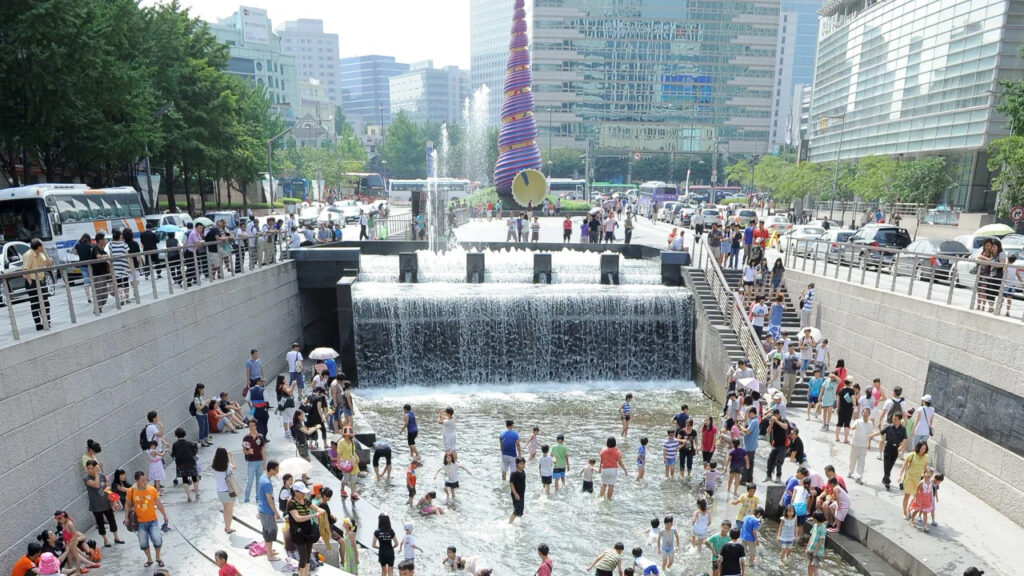
Seoul's Cheonggyecheon stream was once called "Gaecheon," or "open stream," but in 1958 it was paved over with concrete and later buried entirely beneath a highway, which was completed in 1976.
Then, in 2005, thanks to a determined restoration effort, the waters of Cheonggyecheon were returned to their former glory. Today it is a favorite escape for Seoulites looking to get away from the concrete world that so often surrounds them.
The park is large, and the main Cheonggyecheon walkway stretches 5.3 kilometers.
With its waterfalls, stone bridges, greenery and flower beds, the area is a dream break for office workers, students and tourists alike. At night it transforms into a romantic setting, with multicolored beams of light shining through the waterfalls and bridges.
A variety of performances and cultural events take place here too.
Thinking of visiting? Seoulistic.com offers a few tips.
"The Cheonggyecheon plaza area is the most crowded," the site advises. "Walk further downstream and you'll find fewer people."
What's more, "this place is at its most beautiful in the early evening, as dusk settles in and the night lights begin to glow."
The Seoul Tourism Organization runs free walking tours along Cheonggyecheon stream, which can be booked through their website.
The National Museum of Korea
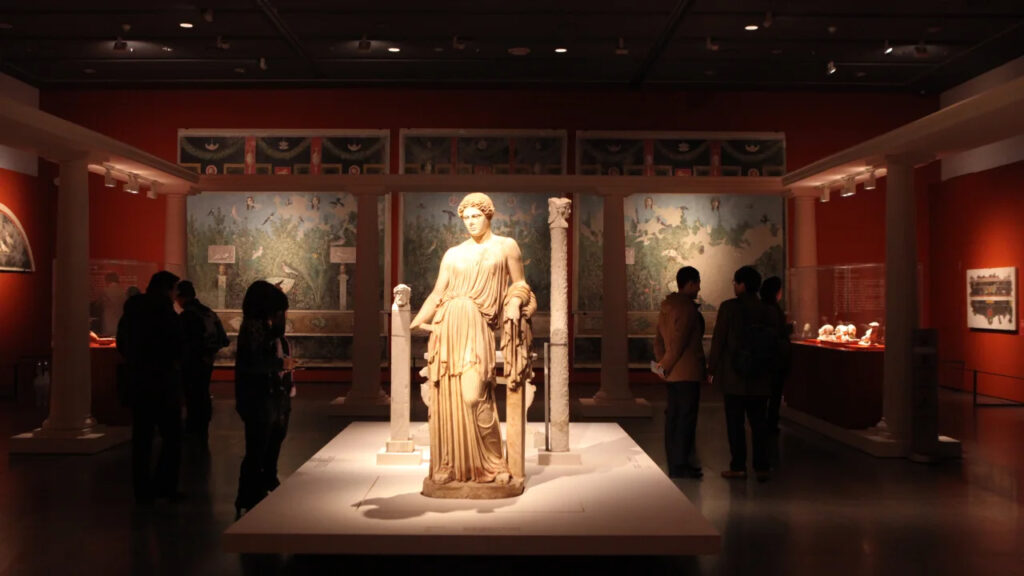
The National Museum of Korea first opened in 1945, the same year Korea gained its independence from Japan. It has moved several times since then, until it settled into its latest and current home in Yongsan Family Park in October 2005.
In all, it holds more than 220,000 works of art and relics, around 13,000 of which are on display at any given time. The best way to take in this vast community of treasures? Floor by floor.
Work your way through the museum one level at a time, starting on the first floor, home to the archaeology and history gallery. Here you can explore artifacts dating back to 1392 that represent the earliest days of Korean civilization.
On the second floor you'll find calligraphy and painting, along with works donated by individual collectors.
On the third floor you can find yourself surrounded by beautiful Buddhist sculptures, ceramics and works of art representing Asian culture.
National Museum of Korea, Yongsan-dong 6-ga 168-6 (Seobinggo-ro 137), Yongsan-gu