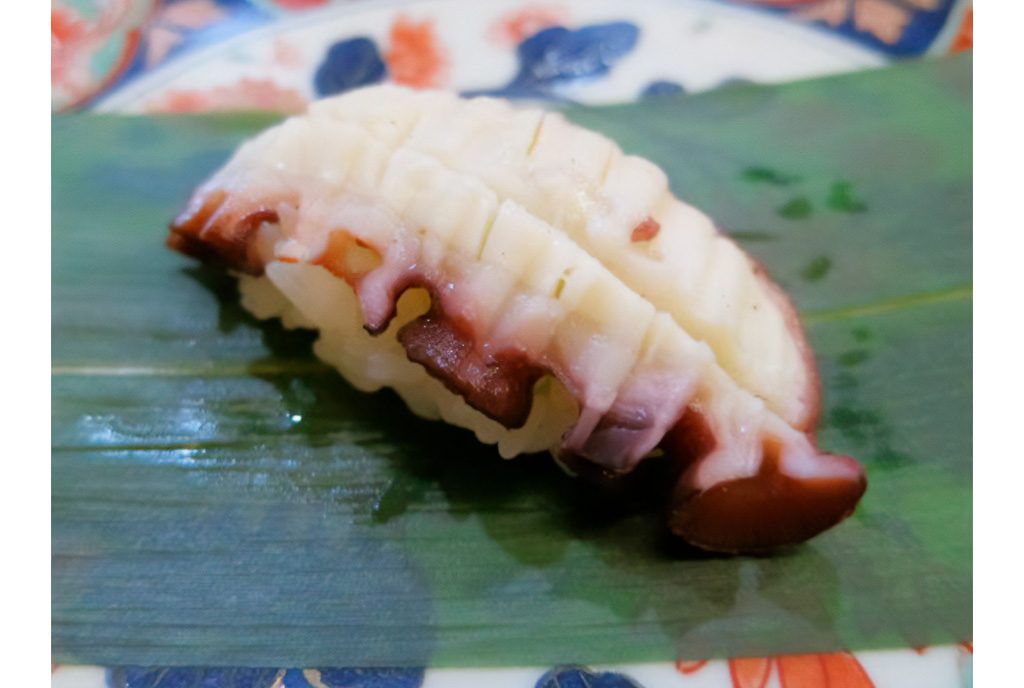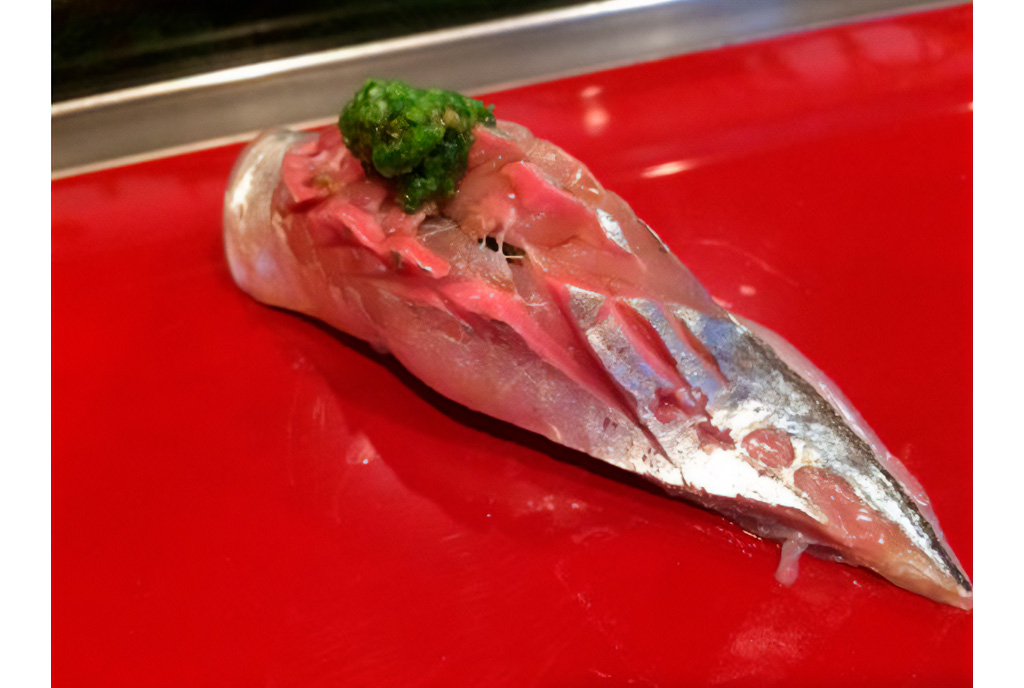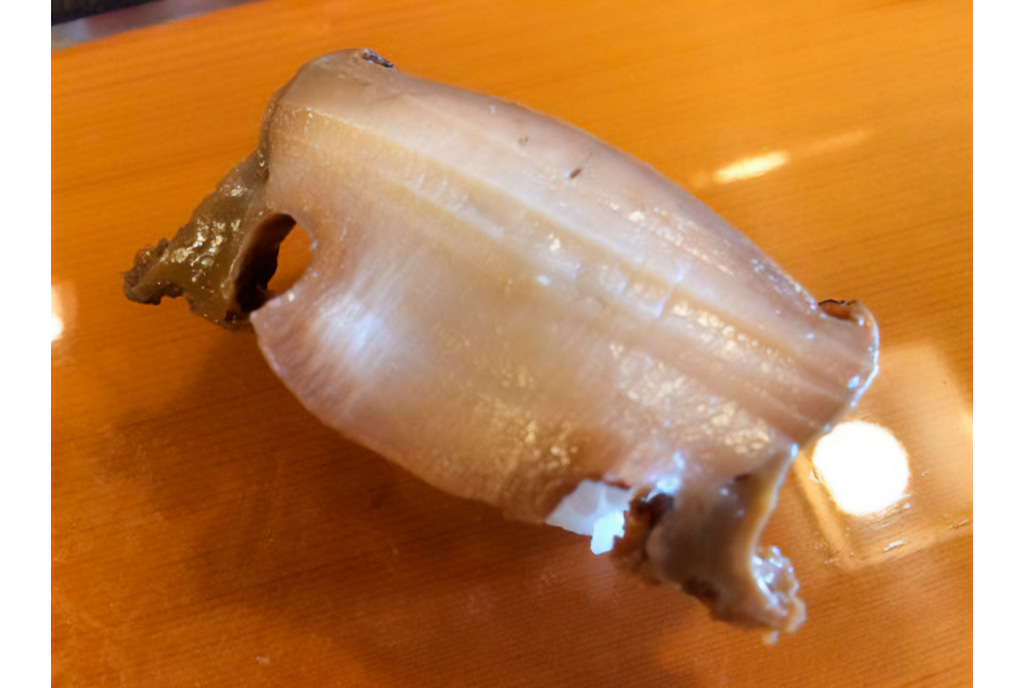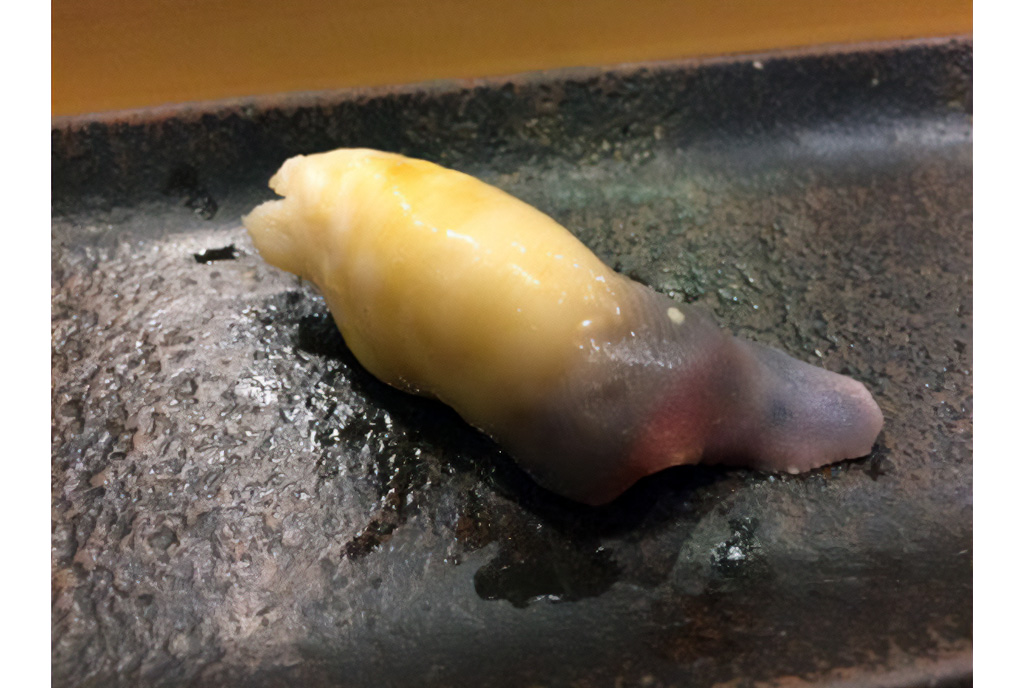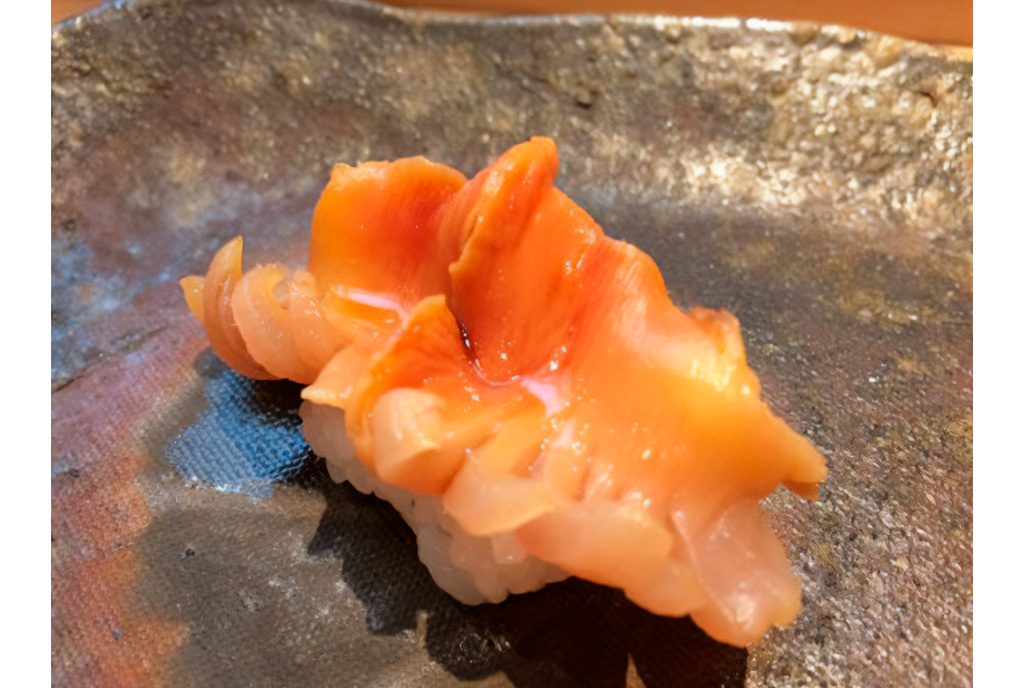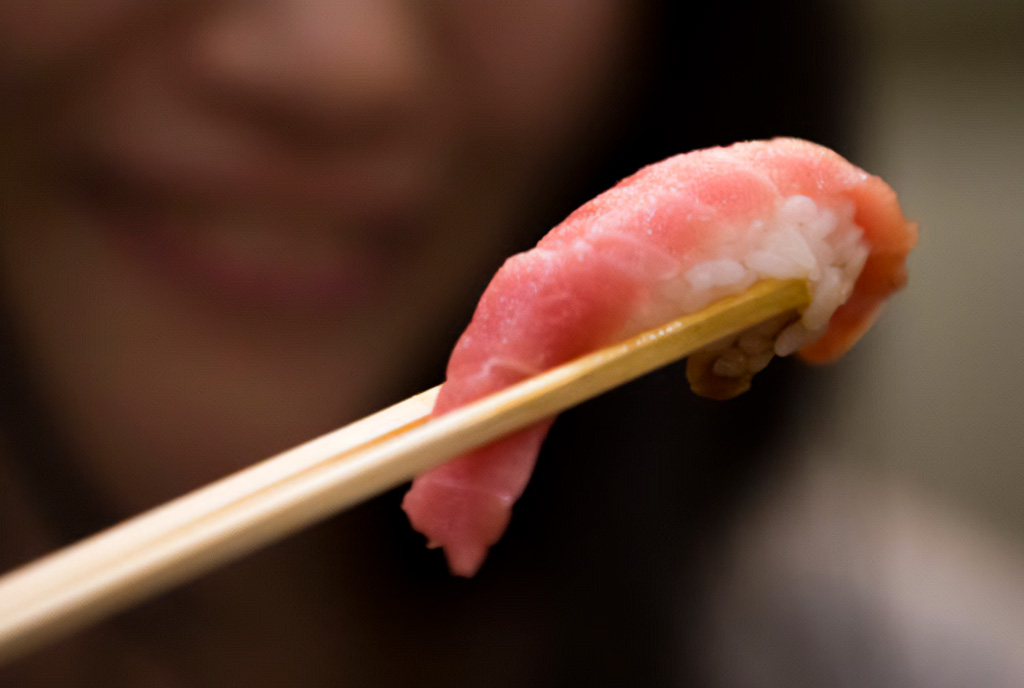


Sushi is the quintessential culinary experience for visitors to Japan, right up there with ramen and udon.
The most traditional way to enjoy sushi is the omakase menu, in which the chef chooses the dishes of the day.
But for some travelers, attempting to order such a menu can feel intimidating thanks to the language and cultural barrier.
Partner links: booking through them supports the blog at no extra cost to you.
That is exactly where Sushi University comes in. Launched this year, its experimental classes teach travelers the etiquette and artistry of Edomae (Tokyo style) sushi.
«I want people from other countries who think sushi is just slicing fish and placing it on vinegared rice to understand that it is not that simple,» says founder Tetsuya Hanada.
«Sushi is delicious even if you know nothing about it, but I wanted to get to the heart of why it is delicious. That is why I founded Sushi University, which explains so many things about sushi, its history, etiquette and Japanese culture.»
Meet Sushi University
As part of the Tabimori group of travel services, which also offers translation apps, itinerary planners and the local restaurant guide Useful Menu, Sushi University aims to break down language barriers by providing interpreters and information resources.
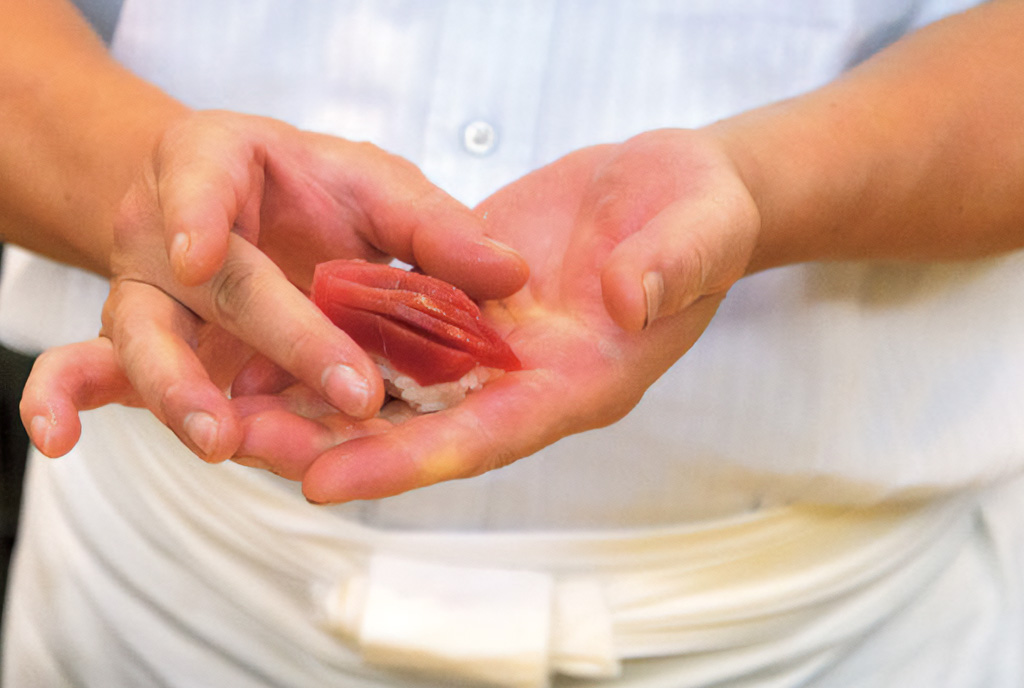
Each «class» takes place inside a sushi restaurant, where the chef opens the evening by sharing the restaurant's history, sushi philosophy, menu and personal techniques.
Travelers then watch the chef craft an omakase tasting menu. Along the way, students learn about types of fish and etiquette, and get the chance to chat with the chef through an interpreter.
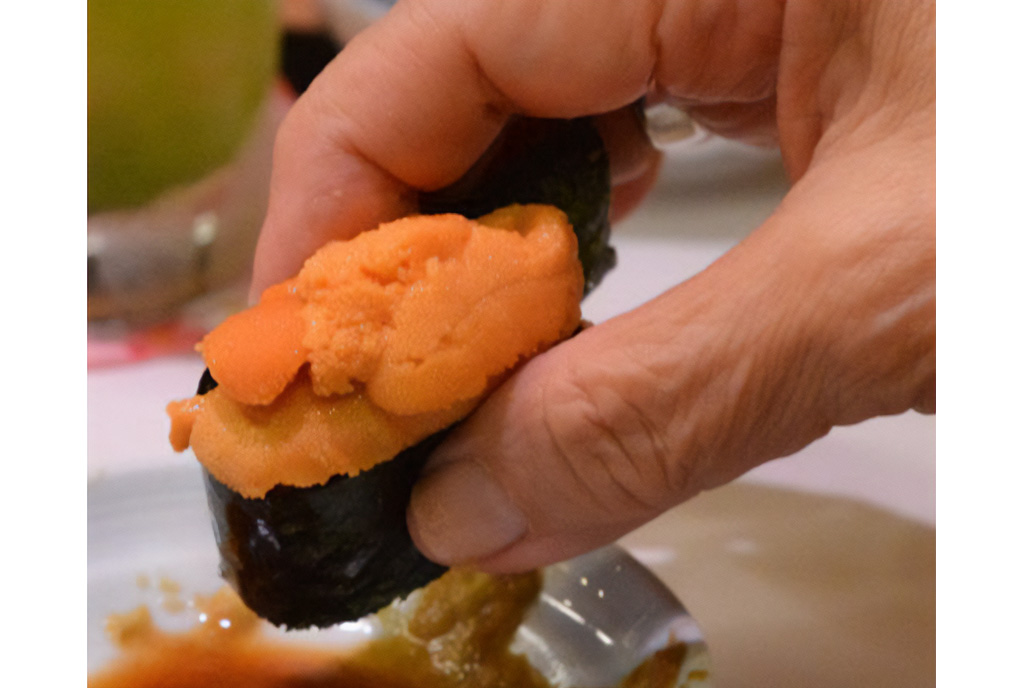
«A common mistake is peeling the topping off the shari (vinegared rice) and eating them separately,» Hanada explains.
«The balance of the topping, shari, wasabi and soy sauce is carefully considered by the chef when the sushi is made, and it should be eaten in a single bite.»
Other common no-nos include wearing strong perfume (it overwhelms the delicate flavors of Edo style sushi), smoking, talking to the chef while he is working, or leaving sushi on the plate too long (Hanada says it should be eaten within 10 seconds).
Sushi basics
Hanada says that to truly appreciate sushi, you have to start with the basics.
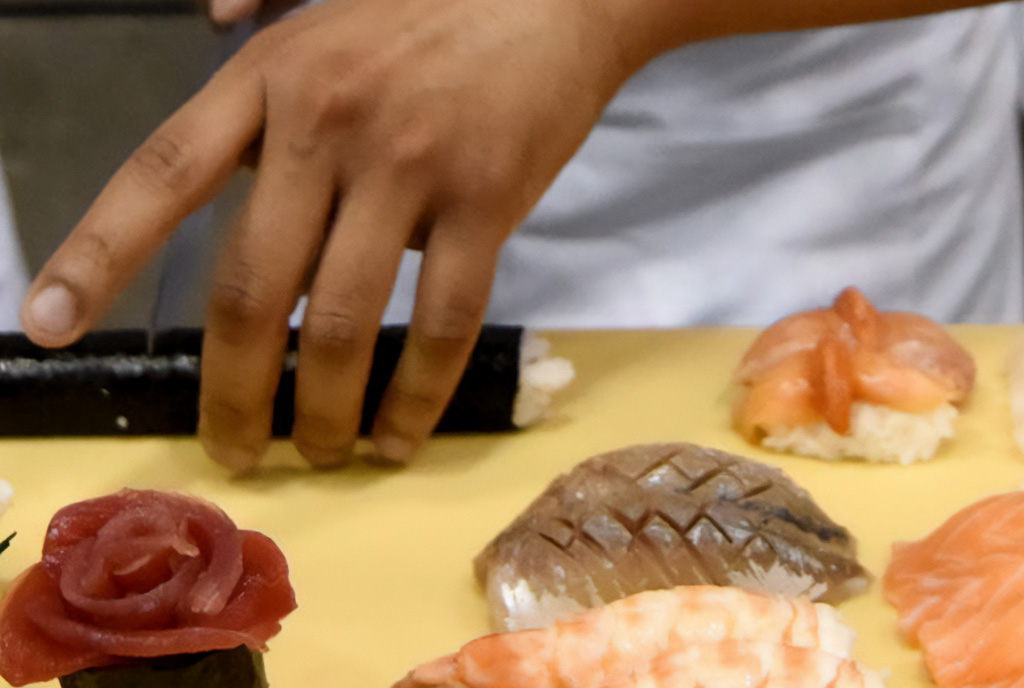
Sushi is simply a broad category that covers several variations. The most familiar one worldwide is probably nori maki, or sushi and vegetables wrapped in rice and seaweed. That includes the ubiquitous California and tuna rolls.
Then there is nigiri (slices of fish over rice), sashimi (slices of raw fish), chirashi sushi (bowls of rice with toppings scattered on top), oshizushi (layers of pressed sushi) and inarizushi (sushi wrapped in fried tofu).
Although sushi has spread across the globe, it was not always so easy to come by.
Growing up in Ibaraki Prefecture, northeast of Tokyo, Hanada says this quintessentially Japanese dish was saved for special occasions.
Sushi is delicious even if you know nothing about it.
Tetsuya Hanada, founder of Sushi University
«I do not think there were many families who could afford the luxury of visiting sushi restaurants often,» Hanada says.
«As far as I know, it was not for ordinary people. It was something eaten only by politicians and actors, or people in other special professions.»
Over time, more affordable versions of sushi became available in shops and chain restaurants, which, according to Hanada, often keep prices low by using cheap seafood imported from abroad.
«On the whole, Edo style is still reserved for high-end restaurants and can easily exceed 10,000 yen (100 dollars) per person,» Hanada says. «People in Japan usually do not go more than a few times a year.»
Authentic Tokyo style
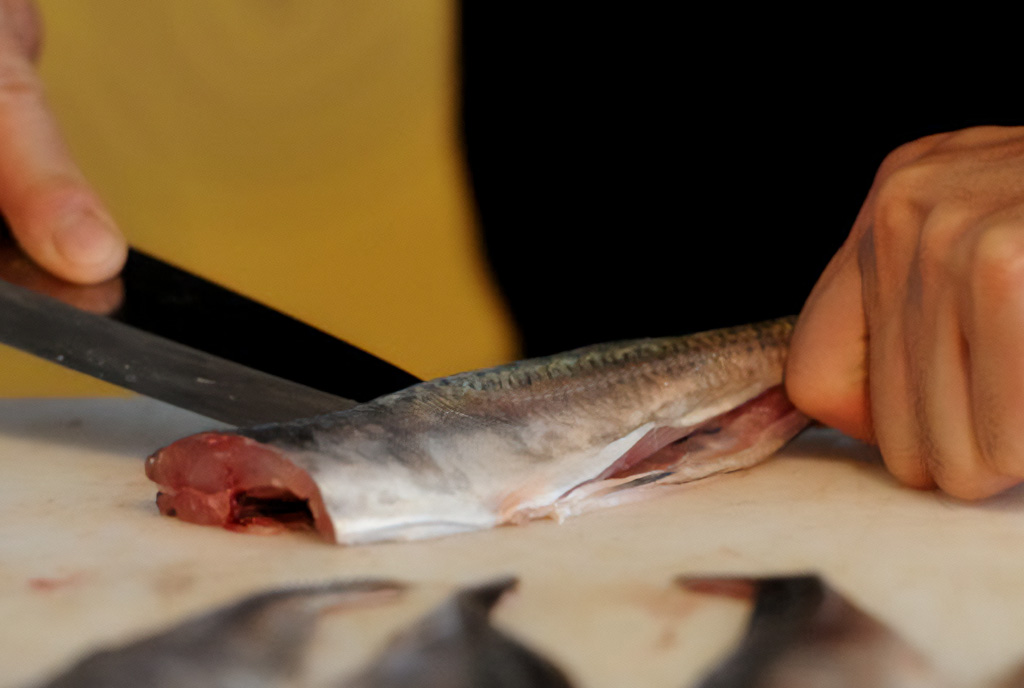
At Sushi University, Hanada focuses on Edo style (Tokyo style) sushi, because it is native to the capital and deceptively difficult to master.
The phrase means several things: literally «in front of» Tokyo Bay, and it also refers to the labor-intensive style of preparing sushi.
Sushi chefs train for five to seven years, sometimes more than ten, and occasionally do not work with expensive fish until four years into their training.
Edo style sushi is the only kind of nigiri sushi that cannot be easily made at home.
Tetsuya Hanada, founder of Sushi University
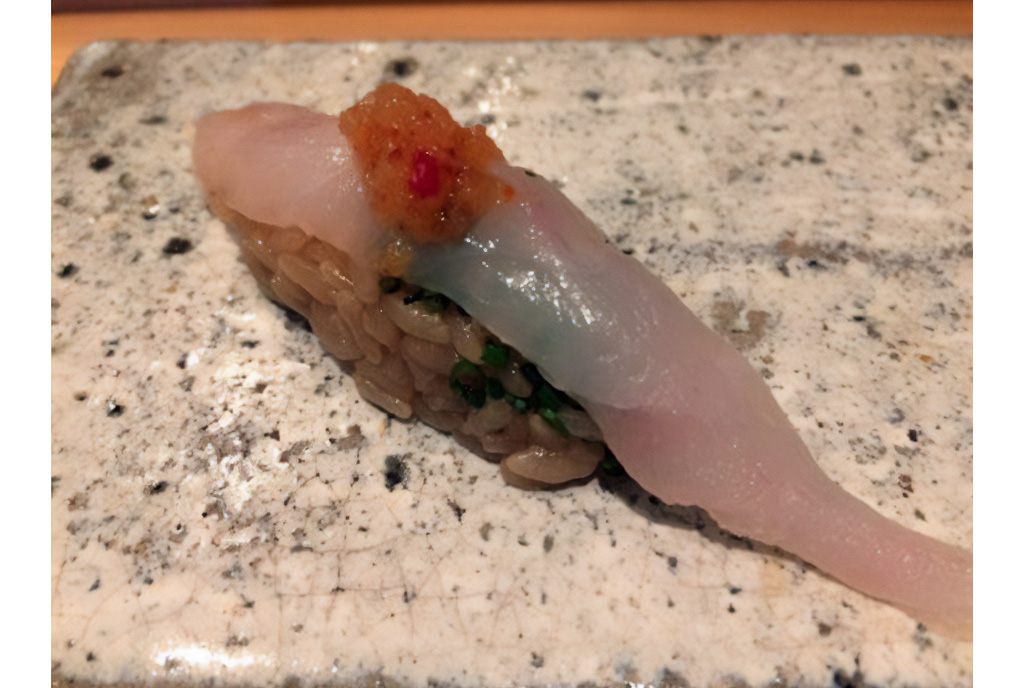
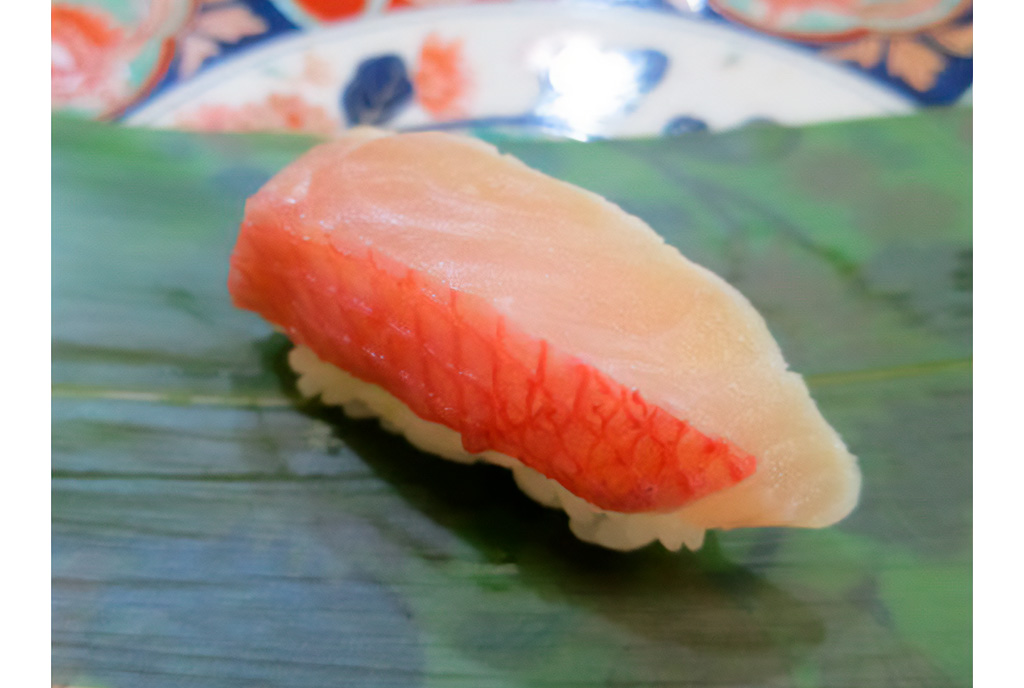
Believed to have originated in the 1800s, Edo style sushi usually revolves around nigiri, with roughly 80 kinds of seafood used as toppings.
But simply slicing raw fish and laying it on rice does not count.
On top of the basics, the chef also marinates and ages the fish, keeping it in a cold chamber packed with ice.
Not only was this a practical way to extend shelf life in the days before refrigerators, but it also intensified the flavor of the fish.
«After the Edo style process, the umami flavor is more concentrated than when the fish was raw,» Hanada explains.
«I think Edo style sushi is the only kind of nigiri sushi that cannot be easily made at home.»
«Sushi is delicious because a specific process is applied to this fresh fish, and then it is served at exactly the right moment.
«Guests should eat sushi when the inosinic acid, which is the main component of the fish's umami flavor, reaches its peak. The chef prepares the fish days or even weeks in advance to hit that timing.»
Beyond timing, what else shapes the quality of sushi? The type and thickness of the fish, the chef's technique, the season and the accompanying toppings.
It is a mistake to assume sushi will taste good simply because it is fresh.
Tetsuya Hanada, founder of Sushi University
«Depending on the thickness of the fish and the angle of the knife, the texture of the fish differs: it can even taste sweeter than other cuts,» Hanada says.
«Most people do not pay attention to the details and the daily fine-tuning that go into these dishes.»
Seasonality is another key ingredient of outstanding sushi. In Japan, chefs keep a close eye on the seasons, even following 72 microseasons for greater precision.
«What we eat changes as the daylight, temperature and humidity change,» Hanada says.
«I think it is very Japanese to truly sense autumn when you eat a seasonal fish such as Pacific saury.»
But no matter the time of year, the most expensive fish are usually Japanese kuruma prawns, Pacific bluefin tuna and sea urchin.
«A single piece with any of these toppings costs 1,000 to 2,000 yen (9 to 18 dollars) to prepare at any time of year,» Hanada says.
«There is a limited supply of natural resources for these toppings, and it takes a great deal of effort to get them to the sushi restaurant.»
School is in session
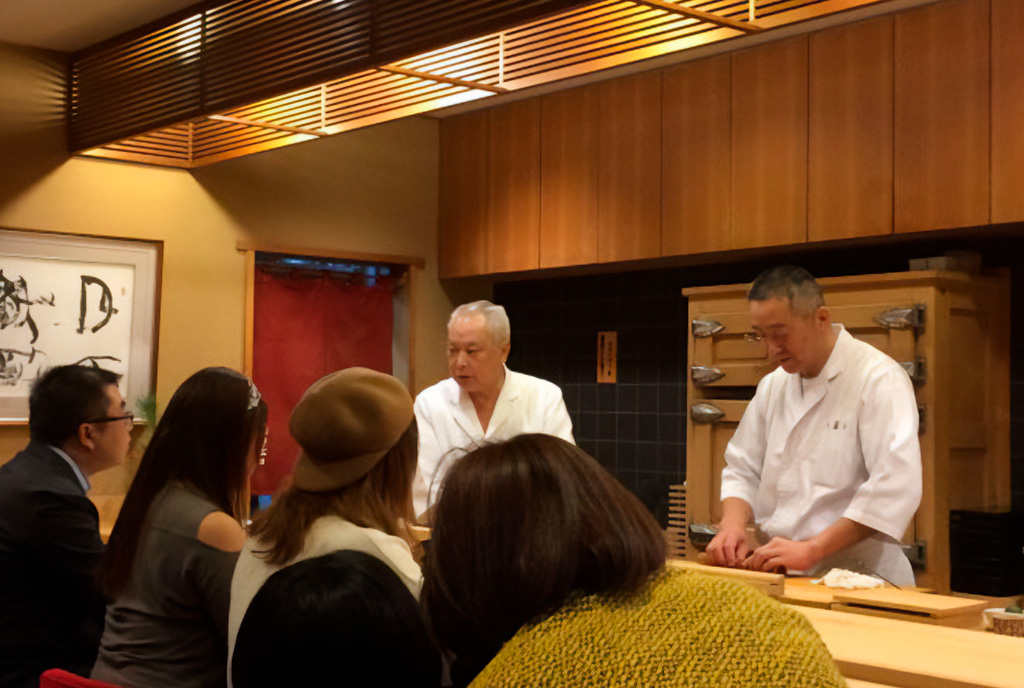
Sushi University aims to make the experience as accessible as possible by providing round-trip transfers and interpreters.
Classes cost from 89 to 267 dollars, depending on the level (Basic, Intermediate and Advanced).
Essentially, the basic course is held in an ordinary sushi bar, the kind Japanese office workers might drop into after work.
The intermediate course takes place in a prestigious restaurant, while the advanced course brings students right up to the counter of a revered chef.
The 75 to 90 minute sessions are currently available in English, Chinese, French and Spanish. On top of that, Hanada plans to roll out more languages ahead of the 2020 Olympics.
Once enrolled in a class, travelers can browse the Visual Sushi Dictionary, packed with handy pictures, background information and pronunciations.